TU Focus Group Makes Progress on 2bn Unbanked People

The International Telecommunication Union (ITU) Focus Group on Digital Financial Services has published the first of a series of thematic reports on Digital Financial Services, or DFS.

The DFS Focus Group is looking at helping local policy and decision makers to accelerate their work on financial inclusion by providing practical tools, guidelines and recommendations on issues that are currently preventing the DFS market to develop organically.

This represents the first step in developing an international roadmap of best practice guidelines for regulators, operators and providers in the telecom and financial services sectors and serving the unbanked in a sustainable manner.

Specifically focused around two of the four working groups, DFS Ecosystem and Consumer Experience and Protection, the four background documents were endorsed at the Focus Group’s recent meeting in Washington DC.

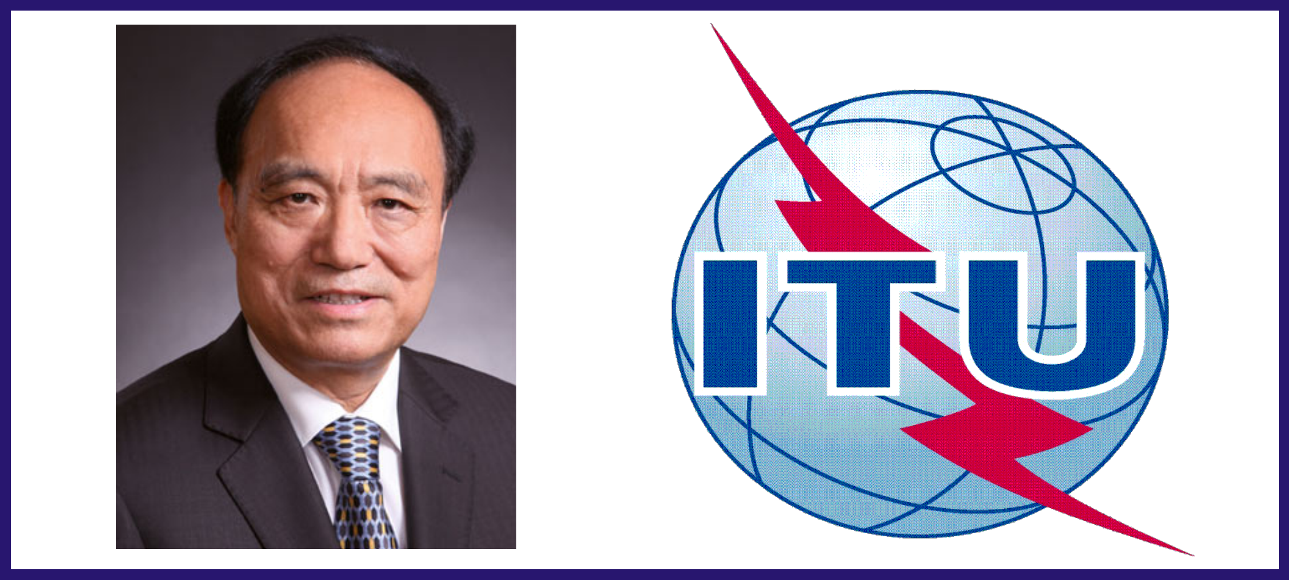
ITU Secretary-General Houlin Zhao said: “What makes this Focus Group different is its holistic approach. After more than a year of intensive work, experts are completing some preliminary analysis and have started to develop a robust and relevant framework together with very pragmatic recommendations that will hopefully deliver real change and opportunity.”

Sacha Polverini, Chairman of the Focus Group and Senior Programme Officer of the Bill & Melinda Gates Foundation’s Financial Services for the Poor (FSP) programme, said: “Our initial observations provide two things: firstly, the publication of the Digital Financial Services Ecosystem report provides an agreed understanding between all relevant parties; secondly, our analysis of key elements of the process, such as issues around merchant acceptance and the role that national identity schemes can play, has helped provide a better understanding of how we can facilitate greater access to DFS in emerging markets. We made some surprising findings.”

Carol Coye Benson, Managing Partner at Glenbrook Partners and Working Group Co-Chair for DFS Ecosystem, added: “The key challenge in reaching digital liquidity is to balance both sides of the equation.

To get real value it’s important to drive money into the system and to keep it in. The way to do that is to enable bulk (G2P) payments into transaction accounts and simultaneously enable merchant electronic payment acceptance, so that consumers have a place to spend their e-Money.”


spot_img
spot_img
spot_img
spot_img
spot_img

Hot this week

Debit Card vs Credit Card: How to Choose the Right Card for Every Expense

Understanding what happens to your money after a payment...

Leadway Cares Expands to More Nigerian, Côte d’Ivoire Communities

Leadway Group, a foremost non-banking financial services and wellbeing...

NCC, NDPC, FBRA, MTN Nigeria Confirm Participation at Africa Sustainability Forum 2026

The Nigerian Communications Commission (NCC), Nigeria Data Protection Commission...

CIIN Cements Institutional Partnership with Insurance Meets Tech for 5th Edition

L-R: Registrar/CEO and Secretary to Council, Chartered Insurance Institute...

CAMCONIA: Bankole Banjo of SanlamAllianz Emerges New Chairman

The Corporate Affairs Managers Committee of the Nigerian Insurers...

Topics

LOMA Partners P+ Measurement Services as Official PR Measurement Partner

The Location Marketing Awards (LOMA), often referred to as...

Stanbic IBTC Pension Managers Champions Flexible Pension Solutions to Deepen Inclusion

Stanbic IBTC Pension Managers, a subsidiary of Stanbic IBTC...

Intercontinental Bank Plc: Death so Painful

The banking entity was officially proclaimed DEAD by the Central Bank of Nigeria (CBN) in 2009. It was a mysterious and painful demise. But the soul of the bank has refused to Rest-in-Peace. Today, the living dead skeleton of the bank are rumbling in the belly of Access Bank Plc, fueling ghostly imaginations of resurrection or reincarnation. The Early Years Intercontinental Bank Plc was born in 1989 to the family of Dr. Erastus Akingbola. Early in life, the young bank exhibited elements of excellence, profitability and leadership in the banking sector. And when the whistle was blown on Banking Consolidation in 2005, the bank merged seamlessly with three other banking institutions: Equity Bank of Nigeria, Gateway Bank and Global Bank in October of that year. Naturally, the merging process made it bigger in terms of size, branch network, customer base and profitability.

Glo Rolls Out 4G LTE Network in Nigeria

Next generation network, Globacom, has switched on Nigeria's first...

Bvlgari Luxury Resort, Emirates Woo Nigerians to Dubai

A leading 5-star luxury hotel brand in Dubai, Bvlgari...

Interswitch, ACI Worldwide Deepen Strategic Partnership to Revolutionise Africa’s Payments Landscape

Africa's payments ecosystem has undergone significant transformations in recent...

NUPEMCO Marks 2025 CSW with Nationwide Pension Awareness Activities, Huawei-Supported National Essay competition

The Nigerian University Pension Management Company (NUPEMCO) celebrated the...
spot_img

Related Articles

Popular Categories

spot_imgspot_img