
When apartheid ended in 1994, the ANC promised to make black South Africans richer (Black Economic Empowerment). The lot of poorer blacks, however, has not improved much. Many are frozen out of the workplace altogether. The unemployment rate among blacks is 28.5%, compared with 5.6% for whites. If those who want work but have given up looking for it are included, the jobless rate is a whopping 41.6% for blacks compared with 7.5% for whites. The Economist, April 27, 2013.
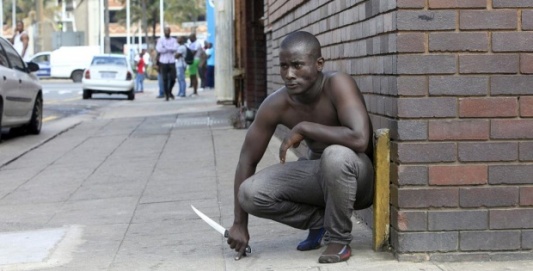
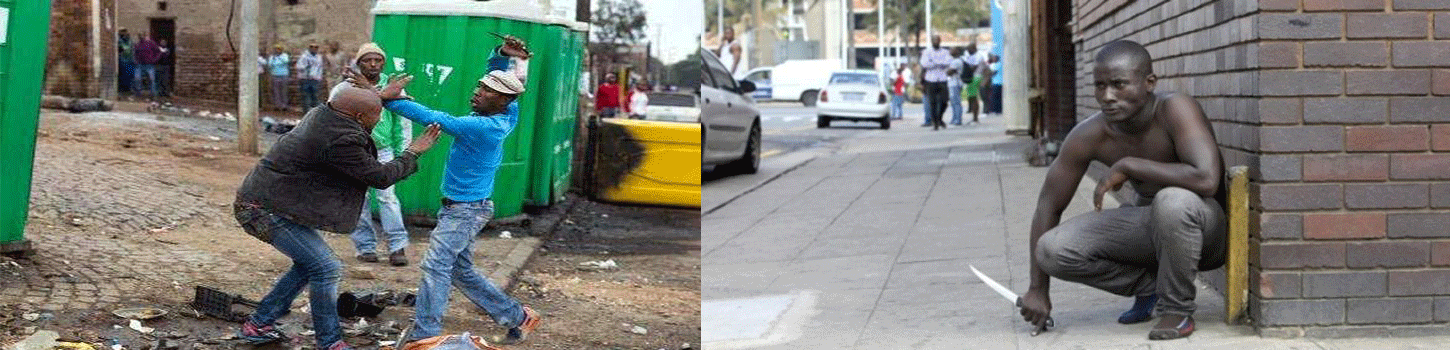
The above scenario clearly underscores the root causes of the bloody news and photographs emanating lately from South Africa poverty and unemployment.
The xenophobic attack on immigrants residing in South Africa was not an expression of hatred on fellow Africans by the perpetrators. Rather, it was an expression of deprivation, hopelessness and anger at a system that has stubbornly refused to change their lives positively–21 years after the curtain was drawn on the apartheid experiment.
It was also a definite message to fellow Africans who flock to South Africa in search of an elusive Dream of Instant Wealth that ‘All That Glitters in SA is not Gold.” More importantly, it was a moral indictment on the government of other African nations whose citizens run to SA for better life, that the failure of governance at home was simply pushing their young population to violent death in foreign lands.
The Numbers Speak
What prompted the xenophobic attacks did not happen overnight. It was the culmination of bottled up tensions and emotional poverty of many years, leading to sudden out-pouring of violence against non-indigenes.
The numbers are there to speak through the graphs. From education to income levels to employment, the average black man or woman in South Africa sits comfortably at the bottom of the pile.In a competitive capitalist society,lack of education leads to low-level employment, which leads to low-level income and invariably leads to poverty of the mindless form—Vicious Cycle of Poverty. It takes more than fairy tales and empowerment initiatives to break the poverty iron cycle.
Twenty-one years (21) after the end of apartheid, the poor, black townships have not disappeared and do not look like they would soon vanish. They remain there as a breeding ground for crime, drugs and prostitution from the helpless rungs of the poorest of the poor.
Change the Narrative
Black Rule in South Africa must impact blacks positively and redress the dark numbers. Yes, it would not happen by the stroke of a pen but the rulers must fashion out and religiously implement a long-term Plan of Action to identify and gradually address the root causes of the dangerous widening socio-economic gaps in their society.
• First is Education.
With little access to affordable education, millions of forgotten blacks in South Africa eke out miserable living by working as domestic servants to affluent whites and few wealthy black folks for peanuts and daily bread. Indeed, the kind of work and wages that robs a man of his dignity and position in society.
• Create Jobs.
For those that struggled through hunger and hardships to go through school, being in the labour market for too long, on the basis of skin colour creates a sense of rejection and dejection. Create jobs!
• Encourage them to Dream.
Waiting on the system for succour does not always produce the right result. Encourage them to dream beautiful dreams. Entrepreneurship is the road to personal fulfillment, regardless of education. The most successful entrepreneurs are not necessarily the most educated. Accordingly, waiting on the rulers to remember you might either take forever or they might not remember you at all. The message is simple: Take your future in your own hands.
The Nigerian Connection
In May 2006, l attended a conference in Cape Town. As usual, delegates from Nigeria were eager to spot a Nigerian restaurant for that special home dish away from home. Our search took us to the railway station in the Cape Town suburb.
Beyond the Ogbono and Egusi soups and Eba, something else struck me: the number of young Nigerians hawking second-hand clothings and fancy wares by the rail station. Of course, what we call ‘bend down select’ in Lagos.
And just outside Tambo International Airport in Johannesburg, l met another group of young Nigerians also hawking cheap watches sourced from unknown sources. Their accent and language quickly gave them away as Nigerians.
Looking back, l saw frustration and hopelessness running through their weary faces. One told me that coming to SA was a great mistake-if only he could raise enough funds to purchase a flight ticket back home, he sighed. We really need to ask this question: what the hell is driving young Nigerian men to South Africa? To acquire education? Get rich quick? Fancy of going abroad? Escaping from the troubles in Nigeria?
Really, it is difficult to understand why able-bodied young Nigerians should spend so much to travel to South Africa to hawk second-hand clothings for a living- very difficult to understand indeed. As l admonish South Africa to incorporate its black population into the development agenda, l equally admonish Nigeria to create an enabling work and living conditions in the country to stem the tide of our countrymen running abroad to seek better living and career conditions.
Back to the Violence
The xenophobic attacks are condemnable. There is no rational justification for violence. There is no sensible excuse for killing innocent people. And reprisal attacks will only harm the innocent and inflame the situation. Calm heads must prevail.
South Africa, Nigeria and other members of the international community have rightly condemned the attacks. The next road should lead to solution of the root causes of the violence to avoid another round of violence in yet another couple of years.
Honour to the Victims
I mourn the helpless victims–helpless in the face of violent death in broad daylight. As they walk through the unknown path to their creator, l salute their courage and sacrifice towards a better South Africa and Africa!
Goodnight Great Folks!