
Nigeria LNG Limited (NLNG) says its Train 7 project is a catalyst for Nigerian Content development and industrial growth.
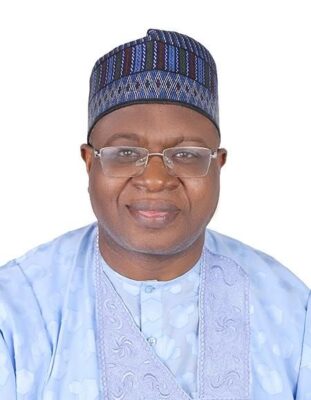
Managing Director and Chief Executive Officer, Adeleye Falade made the remark during a panel on Nigerian Content support, lessons, experiences and success stories at the Nigerian Oil & Gas Midstream & Downstream Summit (NOGMDS) 2026 in Lagos. Falade was represented on the panel by Train 7 Project Manager, Ali Uwais.
Falade described Train 7 as more than an LNG expansion; he called it “a practical model for intentional localisation of expertise,” and a compelling example of how Nigerian Content can drive industrial capability and deliver projects at global scale.
He also commended the Nigerian Content Development and Monitoring Board (NCDMB) for organising the summit and sustaining efforts to advance growth across Nigeria’s oil and gas sector.
Speaking further at the panel session, Uwais outlined the project’s achievements, saying Train 7 has recorded over 120 million man-hours and achieved roughly 92 percent Nigerian Content participation—evidence, he said, of NLNG’s deliberate strategy to strengthen local capability and broaden participation across the project value chain. He attributed the success to extensive industry engagement, structured Nigerian Content plans, and targeted investments to build local capacity.
Drawing on lessons from earlier trains, he said the Train 7 team used a strategic, data-driven approach to assess local capabilities and identify meaningful participation opportunities that meet international standards. That structured approach, Uwais said, enabled higher local involvement and ensured Nigerian companies were integrated into project execution from the outset.
“Several fabrication activities typically carried out abroad were successfully executed in-country. Nigerian firms fabricated pressure vessels, structural steel components, valves, blocks, pipes, lighting systems, cables, and painting materials for the project. NLNG deliberately identified local manufacturers with growth potential and provided targeted support to help them reach international quality-assurance standards, rather than relying solely on conventional quality-control checks” he said.
Uwais also recalled collaboration with foreign technical partners to help Nigerian firms transition from asbestos-based gaskets to safer carbon-graphite alternatives. The initiative included equipment support and international testing certification to strengthen local manufacturing capability.
“These interventions reflect NLNG’s broader philosophy of treating Nigerian Content not merely as a compliance obligation but as a long-term development opportunity capable of delivering sustainable value beyond project execution,” Uwais said. “Our focus has been on building lasting value. We have seen Nigerian companies participate in fabrication and manufacturing activities, while universities and institutions increasingly contribute through research, innovation, and technical development. These are critical foundations for sustainable industrial growth.”
Train 7 remains one of Nigeria’s largest ongoing energy investments. When completed, it is expected to raise NLNG’s production capacity from 22 million tonnes per annum to 30 million tonnes per annum—a 35 percent increase in Nigeria’s LNG export capacity.
Summit discussions reinforced broader industry conversations on sustaining capability gains from major projects and ensuring continued investment in skills development, manufacturing capacity, and infrastructure.
A recurring message at the event was that Train 7’s enduring legacy may be defined not only by production milestones but by the industrial capability, technical expertise, and national capacity it helps leave behind.
Nnamdi Azikiwe University