

The 2018 annual conference of the Finance Correspondents Association of Nigeria (FICAN) will hold in Lagos on 15th and 16th of September, 2018
The conference, with the theme: “Banks, Fintech and Nigeria’s Financial Inclusion Journey,” has the Central Bank of Nigeria (CBN) Governor as the keynote speaker. There will also be representatives from the Nigeria Deposit Insurance Corporation (NDIC).
The guest speaker will be Dr. Yinka David-West, who is the Digital Financial Inclusion Specialist at the Lagos Business School.
The event will also feature a panel session with some bank chief executives, Financial Technology (FinTech) operators, as well as regulators to discuss the sub-theme: “Financial Inclusion: the Journey So Far.”
In a statement, FICAN said that FinTech companies and financial innovation are changing the competitive landscape of financial intermediation.
“Every commercial bank today knows what services to upgrade; because customers are already carrying out such transactions with FinTech startups.
In the same manner, financial inclusion has continued to assume increasing recognition across the globe among policy makers, researchers and development oriented agencies.”
Continuing, it said the conference will be a step forward to finding the nexus, and its implications for meeting the financial inclusion target. It will also help to define roles that traditional banking and FinTechs occupy in this journey.
The Central Bank of Nigeria in collaboration with stakeholders had launched the National Financial Inclusion Strategy aimed at further reducing the exclusion rate to 20per cent by 2020.
Among other things, the conference will bring together experts from global multilateral financial institutions, public and private sector players, to highlight and examine the various options available for bringing the unbanked into the financial system using technology. It is also a learning conference designed to enhance awareness, deepen understanding of financial journalists on the role of financial technology in rendering banking services cheaper, faster and conveniently.
The conference will be attended by journalists covering money market, capital market and the insurance industry, from the print and electronic media.
CBN, NDIC, FinTechs Set for 2018 FICAN Conference
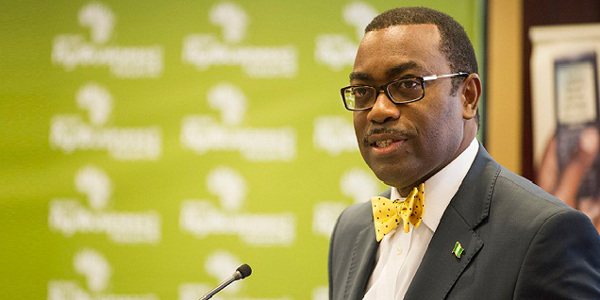
AfDB President, Adesina, Adeosun for 2018 ASEA Conference
The Nigerian Stock Exchange (NSE) is pleased to announce that over 44 keynote speakers and thought leaders have confirmed to speak at the 22nd Annual African Securities Exchange Association (ASEA) Conference scheduled to hold on November 26 and 27, 2018 at the Oriental Hotel, Lagos, Nigeria.
Among the growing list of influential speakers are Mrs. Kemi Adeosun, Honourable Minister of Finance, Nigeria; Dr Akinwunmi Adesina, President, African Development Bank; Ms Arumah Oteh, Vice President and Treasurer, World Bank; Mr. Oscar Silva, Chairman, Davos International Advisory, Mr. Benedict Okey Oramah, CEO, Afrexim Bank; Mrs. Patience Oniha. Director General, Debt Management Office; Ms Nandini Sukumar, CEO, World Federation of Exchanges; Mr. Abimbola Ogunbanjo, President, Nigerian Stock Exchange, Mr. Aigboje Aig-Imoukhuede, Chairman, Coronation Capital and Ex-Officio, The Nigerian Stock Exchange to mention a few.
The two-day conference themed “Champions on the Rise: Africa’s Ascension to a More Sustainable Future”, will feature nine sessions and two special sessions. The conference will discuss burning issues around Africa’s global competitiveness, emerging technologies and inclusive growth, within the broader perspectives of sustainability. Dimensions to cover include:
- Green Growth
- Redefining Business Models: African Capital Markets in an Era of Customer-Centricity
- Cloud Banking
- FinTech for Africa – Driving Innovation and Efficiency in the 4th Industrial Revolution
- Galvanising Domestic Finance for the SDGs in Africa
- Driving Africa’s ‘Real’ Economy: Innovative Solutions for Market-Based SME Financing
- Pathways to Inclusive Growth in Africa: Digital Finance, Financial Literacy, Inclusion and the Democratisation of Wealth
- African Capital Markets – A Facilitator of Affordable Housing in SSA?
- RegTech and the Future of Regulation in Africa
Commenting on the development, the President of ASEA and Chief Executive Officer of NSE, Mr. Oscar N. Onyema said:
“We are pleased that so many influential thought leaders from around the world have already committed to speak at the 2018 ASEA Conference. Their experience will engender critical and insightful discussions at the conference aimed at accelerating sustainable growth in Africa, especially for African securities exchanges. We have launched a dedicated website to enable interested participants register and make payment for the conference at their convenience. Personally, I am looking forward to the conference which will officially mark the end of my tenure as President of the African Securities Exchanges Association.”
Global Retirement Funds Rise to $18.1tr in 2017

Costa Rica: The No. 1 place to retire!
The world’s largest retirement funds recorded double-digit growth in 2017, with the latest survey by Pensions & Investments and the Thinking Ahead Institute showing assets of the 300 largest retirement funds growing 15.1% to hit $18.1 trillion.
By comparison, assets grew 6.1% in 2016.
And as global equity markets produced a 23.97% gain, according to the MSCI All Country World index, the top 20 retirement funds recorded equally impressive growth, with assets increasing 17.4% for the year ended Dec. 31, to $15.7 trillion. That compared with 7.1% growth for the top 20 funds in 2016.
The World 300 now account for about 43.8% of total retirement assets in the Thinking Ahead Institute’s Global Pension Assets Study 2018, up slightly from 43% at year-end 2016.
Willis Towers Watson Investments’ Thinking Ahead Group is the executive team to the firm’s Thinking Ahead Institute — a global, non-profit group that seeks collaboration and change in the investment industry for the benefit of savers.
“When you think of capital markets forging ahead, we’ve had good five-year figures, the (global financial crisis) is dropping out,” said Roger Urwin, global head of investment content in London at Willis Towers Watson PLC and part of the research team for the institute.
“We’ve found (the 300 funds are) keeping pace with that growth, not growing faster than capital markets. That’s because, while we did get a fair amount of contributions, they had to pay out a lot. That’s a factor increasingly keeping their growth in single digits. But a few funds have double-digit growth — in particular one or two of the emerging market funds.”
For the first time, an India-based retirement fund has made its way into the top 20 largest funds, with the Employees’ Provident Fund Organization, New Delhi, placing at number 19 in the ranking, with $134.3 billion in assets. In dollar terms the fund’s assets grew 22% for the year, propelling it from 21st place in the year-earlier ranking.
Four other emerging markets-based funds retained their places in the top 20:
- South Korea’s National Pension Service, Seoul moved into third place, up from fourth a year ago, with 26.1% growth in dollar terms to $582.9 billion.
- National Council for Social Security Fund, Beijing, saw assets grow 31% in dollar terms to $456.9 billion. It stayed in sixth place in the ranking.
- Malaysia’s Employees Provident Fund, Kuala Lumpur, moved up one place to 14th, as assets grew 21% to $200.3 billion.
- The Government Employees Pension Fund, Pretoria, South Africa saw asset growth of 12.4% in dollar terms to $133.9 billion. It dropped one place in the ranking to 20th.
Sell Pressures Weigh on Local Bourse… ASI Down 88bps
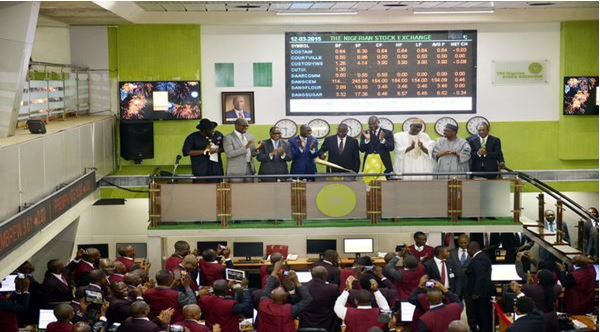
Sell pressures in GUARANTY (-4.6%), STANBIC (-4.3%) and UNILEVER (-6.4%) weighed on market performance dragging the All Share Index (ASI) 88bps lower to 34,110.22 points.
As a result, YTD loss contracted further to -10.8% while N111.0bn was wiped off market capitalization (current value – N12.5tn).
In the same vein, activity level fell as volume and value traded slid 17.9% and 4.2% to 164.5m units and N2.1bn respectively. The top traded stocks by volume were GUARANTY (23.9m), UBA (15.2m) and SKYE (11.7m) while GUARANTY(N860.2m), STANBIC (N236.2) and ZENITH (N210.1m) led by value.
Negative Sector Performance
Across sectors we track, performance was negative as 3 of 5 indices closed southwards.
The Banking and Consumer Goods indices shed 2.5% and 1.1% respectively following sell-offs in GUARANTY (-4.6%), ZENITH (-2.1%) UNILEVER (-6.4%) and INTBREW (-3.0%). Similarly, losses in WAPIC (-10.0%) and AIICO (-5.6%) dragged the Insurance index 0.2% lower.
On the flip side, the Industrial Goods and Oil & Gas indices gained, rising 0.4% and 0.1% respectively due to price appreciation in DANGCEM (-0.5%), WAPCO (-0.4%) and FORTE (-5.0%).
Investor Sentiment Remains Soft
Investor sentiment as measured by market breadth (advance/decline ratio) softened to 0.6x from 0.8x recorded yesterday as 19 stocks advanced against 31 that declined.
The best performers were AGLEVENT (+10.0%), FIDSON (+9.1%) and SOVRENINS (+8.7%) while WAPIC (-10.0%), ETERNA (-9.4%) and LAWUNION (-9.1%) were the worst performers for the day. Due to the absence of positive drivers, we maintain our bearish outlook for the market in the near term.
IATA: Air Passengers Top 4bn in 2017

The International Air Transport Association (IATA) announced industry performance statistics for 2017. Worldwide annual air passenger numbers exceeded four billion for the first time, supported by a broad-based improvement in global economic conditions and lower average airfares.
At the same time, airlines connected a record number of cities worldwide, providing regular services to over 20,000 city pairs* in 2017, more than double the level of 1995. Such increases in direct services improve the industry’s efficiency by cutting costs and saving time for both travelers and shippers alike.
This information is included in the recently released 62nd Edition of the World Air Transport Statistics (WATS), the yearbook of the airline industry’s performance.
“In 2000, the average citizen flew just once every 43 months. In 2017, the figure was once every 22 months. Flying has never been more accessible. And this is liberating people to explore more of our planet for work, leisure and education. Aviation is the business of freedom,” said Alexandre de Juniac, IATA’s Director General and CEO.
Highlights of the 2017 airline industry performance:
Passenger
System-wide, airlines carried 4.1 billion passengers on scheduled services, an increase of 7.3% over 2016, representing an additional 280 million trips by air.
Airlines in the Asia-Pacific region once again carried the largest number of passengers. The regional rankings (based on total passengers carried on scheduled services by airlines registered in that region) are:
1. Asia-Pacific 36.3% market share (1.5 billion passengers, an increase of 10.6% compared to the region’s passengers in 2016)
2. Europe 26.3% market share (1.1 billion passengers, up 8.2% over 2016)
3. North America 23% market share (941.8 million, up 3.2% over 2016)
4. Latin America 7% market share (286.1 million, up 4.1% over 2016)
5. Middle East 5.3% market share (216.1 million, an increase of 4.6% over 2016)
6. Africa 2.2% market share (88.5 million, up 6.6% over 2016).
The top five airlines ranked by total scheduled passenger kilometers flown, were:
1. American Airlines (324 million)
2. Delta Air Lines (316.3 million)
3. United Airlines (311 million)
4. Emirates Airline (289 million)
5. Southwest Airlines (207.7 million)
The top five international/regional passenger airport-pairs were all within the Asia-Pacific region, again this year:
1. Hong Kong-Taipei Taoyuan (5.4 million, up 1.8% from 2016)
2. Jakarta Soekarno-Hatta-Singapore (3.3 million, up 0.8% from 2016)
3. Bangkok Suvarnabhumi-Hong Kong (3.1 million, increase of 3.5% from 2016)
4. Kuala Lumpur–Singapore (2.8 million, down. 0.3% from 2016)
5. Hong Kong-Seoul Incheon (2.7 million, down 2.2% from 2016)
The top five domestic passenger airport-pairs were also all in the Asia-Pacific region:
1. Jeju-Seoul Gimpo (13.5 million, up 14.8% over 2016)
2. Melbourne Tullamarine-Sydney (7.8 million, up 0.4% from 2016)
3. Fukuoka-Tokyo Haneda (7.6 million, an increase of 6.1% from 2016)
4. Sapporo-Tokyo Haneda (7.4 million, up 4.6% from 2016)
5. Beijing Capital-Shanghai Hongqiao (6.4 million, up 1.9% from 2016)
One of the interesting recent additions to the WATS report is the ranking of passenger traffic by nationality, for international and domestic travel. (Nationality refers to the passenger’s citizenship as opposed to the country of residence.)
1. United States of America (632 million, representing 18.6% of all passengers)
2. People’s Republic of China (555 million or 16.3% of all passengers)
3. India (161.5 million or 4.7% of all passengers)
4. United Kingdom (147 million or 4.3% of all passengers)
5. Germany (114.4 million or 3.4% of all passengers)
Cargo
Globally, cargo markets showed a 9.9% expansion in freight and mail tonne kilometers (FTKs). This outstripped a capacity increase of 5.3% increasing freight load factor by 2.1%.
The top five airlines ranked by scheduled freight tonne kilometers flown were:
1. Federal Express (16.9 billion)
2. Emirates (12.7 billion)
3. United Parcel Service (11.9 billion)
4. Qatar Airways (11 billion)
5. Cathay Pacific Airways (10.8 billion)
Airline Alliances
Star Alliance maintained its position as the largest airline alliance in 2016 with 39% of total scheduled traffic (in RPKs), followed by SkyTeam (33%) and OneWorld (28%).
Africa Oil Week 2018 Partners SuperReturn Africa
Africa Oil Week (AOW) has announced their partnership with SuperReturn. This new partnership offers delegates attending SuperReturn Africa, the continent’s biggest investor conference, access to Africa Oil Week on Thursday 8 November 2018.
For operators across the continent, raising capital remains one of the biggest challenges; whether it is funding exploration and production, or financing key infrastructure projects that will secure asset monetization for the long term. Africa Oil Week, in partnership with SuperReturn Africa, will now be able to offer an enhanced environment for operators to meet prospective financial partners, as well as ministers, senior government officials, national and independent oil company executives to exchange ideas and network.
In celebration of this exciting partnership, Africa Oil Week will be welcoming SuperReturn delegates to attend AOW on Thursday 8 November. The day will kick off with a live panel debate on ‘Global Funding Strategies and M&A for the African Upstream’ broadcast on CNBC Africa.
Speakers confirmed for this important panel include Samaila Zubairu, President & CEO of the Africa Finance Corporation (AFC), Solomon Asamoah, CEO of the Ghana Infrastructure Investment Fund and Paul McDade, CEO of Tullow Oil.
Following the live broadcast, AOW will host two breakout finance sessions addressing some of the key issues raised in the CNBC panel in greater detail, these include: the role of global finance in the African upstream and how to drive transactions in African infrastructure.
Through this partnership, AOW looks forward to welcoming the continent’s most active energy investors who will gain unrivalled access to the opportunities spread across Africa’s upstream oil and gas markets.
“We are really excited to announce this partnership with SuperReturn Africa. This partnership will allow us to continue to provide a business and intelligence transaction platform and meeting place for Africa’s upstream oil and gas markets.“ – Paul Sinclair, Conference Director, Africa Oil Week.
Africa Oil Week will take place at the CTICC in Cape Town, South Africa on the 5 – 9 November 2018.
Samsung Unveils Galaxy Note9 into the Nigerian Market

Samsung’s newest flagship Smartphone, the Galaxy Note9 is now available for immediate purchase in the Nigerian market.
The Note9 which was launched in Lagos is packed with exciting, innovative features as well as aesthetically appealing modifications making the smartphone a stunning device.
Powered by game changing technology set to revolutionalize the functionalities of a phablet such as the state-of-the-art S Pen and a never before integrated intelligent camera, Samsung Galaxy Note9 packs a punch so strong, it’s relevance to the brand’s ever evolving consumers cannot be denied.
Speaking at the launch of the Note9, Managing Director, Samsung Electronics West Africa, Mr. Jingak Chung said the Note9 has raised the bar for smartphones considerably as it has exceeded all expectations and Nigerians are about to experience a new level of performance and power they will not be able to do without.
“The Galaxy Note9 is a revolutionary smartphone that delivers the ultimate in performance; a new S Pen with connectivity for the first time ever; and Samsung’s most intelligent camera yet. These are just some of the features that will allow users to do so much more. An all day, longer lasting battery is just another reason why. Users can now talk, message, play games and watch movies for as long as they desire. The Galaxy Note9 is bigger, better and so much stronger. For business or play, it’s a game changer,” Jingak said.
What stands the Galaxy Note9 head and shoulders above all other hand-held devices is the creativity, innovation and a burning desire to match and exceed consumer needs in the world of mobile technology.
While speaking on the functionality of the phone, Director, Information Technology & Mobile (IM), Samsung Electronics West Africa, Mr. Olumide Ojo explained that a lot of thought had gone into the creation of the Note9, a fascinating addition to the Galaxy family specifically crafted for the busy exec.
“The S Pen is just one of the ways we have modified our consumer’s user experience. From a classic portable and functional design to a sleek multifaceted power tool, the pen-like device now features a Bluetooth chip that allows the pen function aside of its natural form. With the S Pen, consumers can change slides during presentations, activate their cameras or skip songs on their playlists. The S Pen is truly a modern day magic wand,” Ojo added.
The Samsung Galaxy Note9 builds on Samsung’s industry-leading camera technologies with new capabilities that use intelligence to identify elements of a photo, such as scene and subject, and adapt accordingly. It can even detect flaws in images to ensure users capture those precious moments exactly how the intended. The result is stunning, life like images with bold colours and dynamic definition.
With the Samsung Dex, users can effortlessly connect to a monitor with an easy to carry HDMI adaptor, which means they instantly have a big screen, a full-size keyboard and a mouse.
It is like having a second screen whenever you want one. Just connect your phone to an external display to use apps, review documents and watch videos on a PC-like interface.
Users can also look forward to experiencing the largest edge-to-edge display ever on a Note. The 6.4-inch Super Amoled Infinity Display provides a truly immersive multimedia experience. The Samsung Galaxy Note9’s Infinity Display is complemented with stereo speakers, which are tuned by AKG, and have the ability to deliver Dolby Atmos® immersive sound for an audio adventure like no other.
The Galaxy Note 9 is available in Midnight Black, and Metallic Copper with matching S Pen, or Ocean Blue with a Yellow S Pen.
To celebrate the launch, the first customers to purchase the Note9 will get a limited pre-order gifts valued at over NGN 50,000. This welcome pack includes a wireless charger for convenient, fast charging during those heavy-use days; a tripod for S-Pen selfies on which users can effortlessly set up their devices to capture a moment, while the S-Pen does the rest; and the ultra-convenient DeX HDMI cable.
In addition, customers will receive a Protective Dome Glass. Packed with innovative features and additional gifts, the Note9 is a device you will definitely want to get your hands on.
Stanbic IBTC Insurance Brokers Urges Nigerians to Patronise Insurance
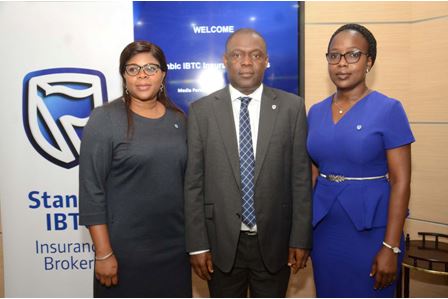
Nigerians have been enjoined to protect themselves against unforeseen mishaps by investing in insurance products. Making this call recently in his office in Lagos was the Chief Executive, Stanbic IBTC Insurance Brokers Limited, Mr. Anselem Igbo.
According to Igbo, insurance penetration in the country is too low and does not augur well for the wellbeing of individuals, businesses and the economy. Igbo said the insurance business is a unique one, which has been set up to help clients effectively manage their risks, including theft, accidents, robbery, injuries, manmade and natural disasters, and even death, thereby ensuring peace of mind through risk transfer and efficient insurance claims.
“Insurance is an essential part of everyday life. Contrary to what currently obtains, where insurance penetration in the country is low, every adult Nigerian ought to see insurance as a necessity, one that helps them mitigate all forms of unfortunate situations such as theft, accidents, robbery, manmade and natural disasters, and even death by taking on these risks so that they can have peace of mind knowing that someone is there to assume the risks for them,” Igbo said.
“The insurance industry has numerous bespoke products and services to cater for the insurance needs of all strata of society, including individuals, families, groups, associations, businesses, and large organizations. I therefore urge Nigerians to protect themselves, their families and valuables by investing in insurance coverage,” Igbo urged.
The insurance chief stated that one of the reasons the Stanbic IBTC Group established the Stanbic IBTC Insurance Brokers was to fill this perceived gaps in the industry and ensure Nigerians are adequately protected. \
Igbo said the company commenced full operations sequel to the granting of a licence by the National Insurance Commission (NAICOM) in January 2016, paving the way for the firm to offer the full spectrum of insurance brokerage services, a development that will help in deepening insurance penetration in the country.
According to the chief executive, Stanbic IBTC Insurance Brokers, building on the brand strength of the Standard Bank Group, to which Stanbic IBTC Holdings belongs, will continue to adopt global best practice in its operations, including exceptional quality of service and facilitating prompt payment of claims for clients.
“Our services apply to individuals and corporate entities, existing customers and non-customers of the Stanbic IBTC Group. As insurance professionals with a vast knowledge of the workings of the insurance market, we are able to arrange the most suitable policies for our individual and corporate clients. We proffer advice on the management of risk, secure protection against such risk and reduce exposure to the risks of business disruption, injury and death. We also deliver creative risk management solutions that enable our clients create, protect and preserve wealth,” Igbo restated.
Stanbic IBTC Insurance Brokers Limited is a subsidiary of Stanbic IBTC Holdings Plc, a member of Standard Bank Group, a full-service financial services group with a clear focus on three main business pillars – Corporate and Investment Banking, Personal and Business Banking and Wealth Management. Standard Bank Group, to which Stanbic IBTC Holdings belongs, is the largest African bank by assets and market capitalization.
It is rooted in Africa with strategic representation in 20 countries on the African continent, including South Africa.
Standard Bank has been in operation for over 155 years and is focused on building first-class, on-the-ground financial services institutions in chosen countries in Africa and connecting other selected emerging markets to Africa and to each other, applying sector expertise, particularly in natural resources, globally.
Wala Awarded 2018 Zambezi Prize for Innovation in Financial Inclusion
The Legatum Center for Development and Entrepreneurship at the Massachusetts Institute of Technology (MIT), with support from the Mastercard Foundation has named South African startup Wala as the grand prize winner of the 2018 Zambezi Prize for Innovation in Financial Inclusion.
The announcement came during the Open Mic Africa Summit in Nairobi on August 29th, 2018.
Wala is a mobile financial platform geared toward consumers operating outside the formal financial system. Using a blockchain system, it enables zero-fee, instant, borderless micro-payments for emerging market consumers. Through the Wala platform, users receive a crypto-currency wallet and can access transactional banking, remittances, loans, and insurance.
Wala was chosen from among 10 finalists for the Zambezi Prize. All of them joined leaders from the MIT and African tech ecosystems for the 2018 MIT Open Mic Africa Summit at Strathmore University in Nairobi. The Summit, featuring cohort-building, panel discussions, and MIT hackathon exercises, culminated in the announcement of Wala as the US$100,000 grand prize winner. Tulaa (Kenya) and RecyclePoints (Nigeria) each won US$30,000 as runners-up.
The seven remaining finalists won US$5,000 each. They are Apollo Agriculture (Kenya), Bidhaa Sasa (Kenya), FarmDrive (Kenya),Farmerline (Ghana), LanteOTC (South Africa), MaTontine (Senegal), and OZÉ (Ghana).
An additional US$5,000 will be awarded to an African entrepreneur—to be named later this year—who has demonstrated great leadership in unifying Africa’s tech ecosystem.
“Innovators like Wala and the other Zambezi finalists are vital to driving a more inclusive prosperity”, said Georgina Campbell Flatter, the Executive Director of the MIT Legatum Center. “We’re excited to work with them.”
“We are immensely proud to support the Zambezi Prize,” said Ann Miles, Director of Thought Leadership and Innovation at the Mastercard Foundation. “It shines a bright light on the creativity and talent of Africa’s young people, and the thinking they bring to financial inclusion. This is making real differences in the lives of poor people on the continent.”
All 10 Prize finalists will attend the Zambezi boot camp on the MIT campus during the MIT Inclusive Innovation Challenge (IIC) gala in Boston on November 5-9. As the Zambezi Prize winner, Wala also won the IIC Africa Prize in the Financial Inclusion category. The startup will join the three other winners of the IIC Africa Prize, to represent Africa at the IIC global tournament which awards over $1 million in prizes. The IIC event is part of the MIT Initiative on the Digital Economy and, along with the MIT Legatum Center’s initiatives, exemplifies MIT’s global commitment to the future of work.
The Zambezi Prize and the Open Mic Africa tour are pillars of the Legatum Center’s Africa Strategy – a global vision to leverage MIT’s ecosystem to improve lives through principled entrepreneurial leadership. The Legatum Center’s Africa strategy is also a core component of the MIT-Africa initiative which encompasses the Institute’s global priority for collaboration with the continent.
Ali Diallo, Global Programs Manager at the MIT Legatum Center, emphasized the scale of collaboration necessary to execute initiatives like Open Mic Africa and the Zambezi Prize.
“We’re especially grateful to the Zambezi Prize Board, our global ecosystem collaborators, and the 40 African tech leaders who served as Zambezi judges and whose dedication to entrepreneurship and financial inclusion helped us discover this new generation of innovators.”
‘Tier-Based Capitalisation Poses Threat to Insurance Sector’
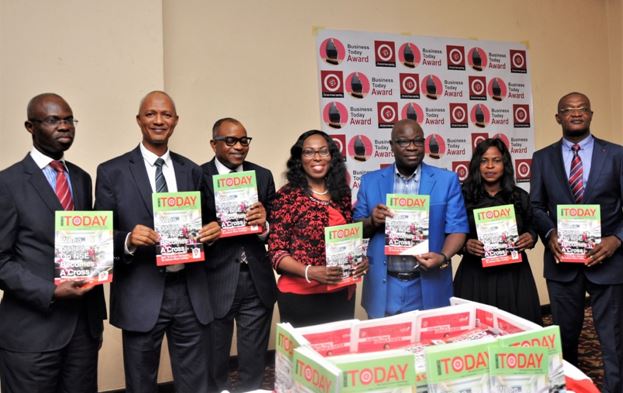
Dr. Akin Ogunbiyi, Chairman, Mutual Benefits Assurance Plc has warned that the recent Tier-Based Minimum Solvency Capital (TBMSC) policy recently introduced by the National Insurance Commission (NAICOM) poses serious risk to the growth and stability of the insurance industry in Nigeria.
Ogunbiyi, who chaired the 5th Anniversary of BusinessTODAY magazine in Lagos, wondered why a Tier-1 composite insurance company in Nigeria should require a solvency capital of N15 billion ($42million) when the average capital requirement in the African insurance market is only $10 million.
He said the new capital policy would be counter-productive, anti-growth and disruptive. He warned that the immediate implementation of the Tier-based rating would lead to:
- Crisis of confidence for the entire insurance industry where only about 7 of the 29 companies qualify under the new standard.
- De-listing of Insurance stocks from the Nigerian Stock market. Insurance stocks already classified as penny stock due to inability to support pricing by regular dividend payments
- osHhHostile take-overs for peanuts especially by foreign investors with short term gains as focus
- It might be practically impossible to fully implement the provision of the Local Content law
- The Rebranding project of the insurance industry may suffer a major set- back as the public perception of some companies and the entire industry will be affected adversely
- There will be significant job loss
“Is it only capitalisation that can drive insurance development in Nigeria giving the experience of other African insurance markets? What has been the contributions and performance of the industry since the 2007 recapitalisation exercise? What level of returns (Return on Equity/Return on Investment) have accrued to the investors and shareholders of the industry ever since? Who are the target investors expected to shore up the new capital call even if there was time?”
The Mutual Benefits Assurance Chairman said he also found interesting recent comments and rather overly simplistic deductions that if the top three banks in our country have capital in excess of N300 billion each, then the three top insurers with between N14 billion and N25 billion each, is a sign of under-performance by the entire industry and its failure to most assuredly complete the Nigerian financial industry loop.
“Today in Nigeria, government (at all levels) pays the biggest premium whenever it decides to insure its assets. The NNPC account, for instance automatically makes whichever company gets the business the number one in the industry. So, making it exclusive to companies in Tier-1 of NAICOM’S TBMSC will definitely promote the growth of a few practitioners. We would thereby by default create behemoths.
Unhealthy competition, unethical way of doing business, popularly called rate-cutting, inadequate technical knowhow, and lack of insurance penetration; are big road-blocks in the way of development and growth of the industry. So, how will a policy of exclusion solve these problems?
Let us ask ourselves: will hierarchal standards, rules, statutes or regulations expand existing market boundaries? Will they open unknown markets or untapped market spaces?”
He made reference to the pension industry which was the traditional business of insurance before the Pension Reform Act of 2004, thereby pushing pension assets to over N7 trillion through technical capacity, good governance and best practices as against the figure of N70 billion for the several decades it operated under the insurance industry.
“I believe today’s shrinking profit pool and the overall performance of our industry can only be checkmated by innovation, technical capacity, healthy competition, adoption best practices, governance structure and creating “blue oceans of untapped new markets.”
Emefiele, IMF Chief for FMDA Financial Markets Conference
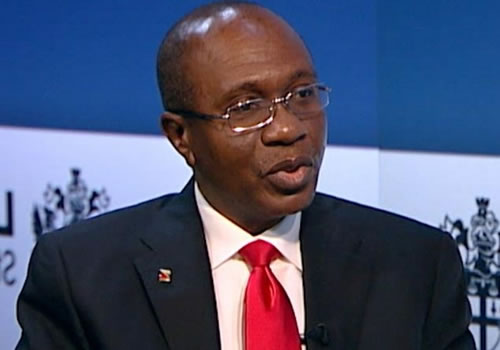
The Central Bank of Nigeria (CBN) Governor, Mr. Godwin Emefiele; Chairman, UBA, Heirs Holdings and Transcorp, Mr. Tony Elumelu and International Monetary Fund (IMF) Country Chief, Mr. Amine Mati are among the dignitaries who have confirmed their attendance at the 2018 Financial Markets Conference of the Financial Markets Dealers Association (FMDA).
The event scheduled to hold in Lagos on Friday, September 21, 2018 will focus on the theme: “The Nigerian Financial Market – A Catalyst for Sustainable Economic Growth”.
The Conference sub-themes are: The Role of the Financial Markets In Unlocking Capital Flows to the Real Sector – Spotlight on SMEs and Agriculture Sector and Balancing Monetary Policy, Portfolio Investment, Foreign Direct Investments and FX Targeting with Mr. Tony Elumelu and Mr. Amine Mati as Lead Speakers respectively.
In a statement, the Acting Executive Secretary (FMDA), Mrs. Mary Gbegbaje noted that the opening remarks at the event will be delivered by the FMDA President, Mr. Samuel Ocheho, while Mr. Peter Bamkole, Director, Enterprise Development Centre, Pan-Atlantic University and Mr. Phumelele Mbiyo – Head, Macro Economic Research, Africa, Standard Bank, will moderate the two sessions respectively.
Mrs. Gbegbaje said the programme which commences is an opportunity for the Financial Market participants, Regulators, Investors, Corporates and other stakeholders to discuss ways of using Financial Market to facilitate Economic Development through entrepreneurship and job creation for the people.
She said the CBN boss, Mr. Emefiele will be the Keynote Speaker while other renowned panelists will also contribute to make the event remarkable among whom are Ms. Yewande Sadiku, Executive Secretary, Nigerian Investment Promotion Commission (NIPC); Ms. Ndidi Okonkwo Nwuneli, Co-Founder of AACE Food Processing and Distribution Ltd; Mr. Andrew Alli – Ex President, African Finance Corporation (AFC); Dr. Yemi Kale – Statistician General and DG of the National Bureau of Statistics and Mr. Steven Bailey-Smith, Senior Economist/Investment Strategist, Global Evolution.
The Financial Markets Dealers Association of Nigeria is an Association of licensed Money Deposit Banks (DMBs) operating within the Nigeria Financial market, emphasising on regulatory policy engagement/advocacy and professional ethics in the financial markets.
Losses in Bellwethers Drag Domestic Bourse into the Red…NSE ASI Down 44bps
After starting the trading day on a positive note yesterday, sell offs across market bellwethers in late trading hours dragged the benchmark index 0.4% into the red to settle at 35,358.94 points while YTD loss worsened to -7.5%. Similarly, investors lost N57.4bn as market capitalisation reduced to N12.9tn.
The negative performance recorded today was largely due to losses in FBNH (-7.2%), DANGCEM (-0.4%) and UBA (-3.6%). However, activity level was mixed as volume traded increased by 1.6% to 345.0m units while value traded declined 58.8% to N2.3bn.
The top traded stocks by volume were NEM (189.1m units), UBA (27.2m units) and TRANSCORP (21.7m units) while NEM (N540.1bn), ETI (N383.0bn) and GUARANTY (N350.2bn) were the top traded stocks for the day.
Mixed Performance across Sectors
Performance across sectors was mixed as 2 of 5 indices under our coverage closed in the green.
The Oil & Gas index appreciated the most, up 0.5% due to gains in OANDO (+3.9%) and TOTAL (+1.1%), followed by the Banking index (+0.2%), buoyed by price appreciation in ACCESS(+2.2%) and DIAMOND (+6.9%) which offset losses in UBA (-3.6%).
On the flipside, the Industrial Goods index declined the most, down 1.9% as sell offs in DANGCEM (-0.4%) and WAPCO (-5.6%) – currently at a 52-week low of N25.50 – dragged the index.
In the same vein, the Insurance and Consumer Goods indices slid 0.3% and 0.1% on the back of sell pressures on STDINSURE (-9.5%) and UNILEVER (-2.0%) respectively.
Investor Sentiment Softens
Investor sentiment softened today as market breadth (advance/decline ratio) slid to 0.6x from 2.1x recorded yesterday following 17 stocks that advanced relative to 27 decliners.
The gainers’ chart was topped by PORTPAINT (+10.0%), REGALINS (+9.5%) and SKYEBANK (+7.7%) while LIVESTOCK (-10.0%), STDINSURE (-9.5%) and LASACO (-9.1%) depreciated the most. Despite the decline in the broader index, we expect the market to rebound in today’s trading session as investors hunt for bargain opportunities.
Our view is further supported by technical analysis, as the current 14-Day RSI (Relative Strength Index) of the market is 39.0 points which is closer to the oversold region.
Lake Chad Basin Ministers to Adopt Strategy for Stabilisation, Recovery, Resilience
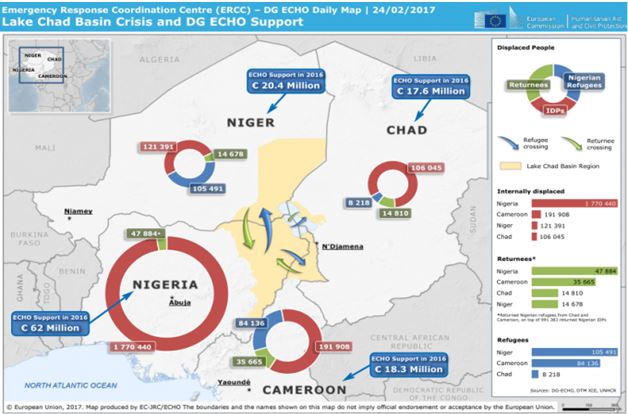
The almost decade long Boko Haram insurgency has had a devastating impact on communities in countries within the Lake Chad Basin.
On the recommendation of the First Conference on Regional Stabilization Strategy for the areas affected by Boko Haram insurgency that held in November 2017 in N’Djamena, Chad, a Regional Stabilisation, Resilience and Recovery strategy has been developed.
The strategy reflects the different levels of engagement, from community to regional that will be critical in efforts aimed at pursuing the goal of stabilising the region that has witnessed a crisis of global magnitude.
The Lake Chad Basin Commission (LCBC) and the African (AU), supported by UNDP through funding support from the Government of Germany, will host a Ministerial conference which will lead to the adoption of the Regional Stabilisation Strategy.
The Minister’s Conference will be attended by up to 10 ministers, who are the 1st and 2nd Commissioners of LCBC member states from Members States. They will be joined by:
- E. Kashim Shettima, Executive Governor of Borno State and Chair of LCB Governors’ Forum
- Nuhu Mamman, the Executive Secretary, Lake Chad Basin Commission (LCBC)
- Suleiman Hussein Adamu, Minister of Water Resources, Federal Republic of Nigeria,
- Edward Kallon, UN Res. Coordinator and UNDP Resident Representative
- E. Dr. Bernhard Schlagheck, German Ambassador to Nigeria
Once adopted the document will be the framework for implementing initiatives for stabilising Boko Haram affected Communities in the Lake Chad Basin.
Nigeria’s GDP Expands by 1.50% in Q2-2018
The National Bureau of Statistics (NBS) just released Nigeria’s Q2-18 GDP figure, showing that the domestic economy expanded for the fifth consecutive quarter, with real GDP growing by 1.50% y/y (vs. 1.95% y/y in the previous quarter and 0.72% y/y in Q2-2017).
The growth estimate came in 46 bps and 120 bps lower than Bloomberg‘s compiled average estimate of 1.96% and Cordros’ forecast of 2.70%, respectively.
According to Cordros Capital, the breakdown of the GDP figure shows that the oil sector contracted by 3.95% (compared to growth of 14.77% in Q1-18 and 3.53% in Q2-17). The NBS estimated crude oil production during the three months period to be 1.84mb/d, 0.16mb/d and 0.03mb/d lower than the 2.0mb/d and 1.87mb/d reported in Q1-18 and Q2-17.
The sector contributed 8.55% of total GDP (vs. 9.61% and 9.04% in Q1-18 and the corresponding quarter of 2017 respectively) during the review period.
Output in the non-oil sector expanded, growing by 2.05% y/y in Q2-18, 129 bps higher than the rate recorded in Q1-18 and 59 bps higher when compared to the growth rate achieved a year ago. The non-oil sector contributed 91.45% to total GDP (vs. 90.39% and 90.96% in the three months to March 2018 and Q2-17 respectively).
Also, a breakdown of three of the biggest components of the GDP shows that Services expanded by 2.12% y/y (vs. -0.47% y/y in Q1-18 and -0.85% y/y in Q2-17).
In the same period, agriculture grew by 1.19% y/y, 181 bps and 182 bps lower than growth rates recorded in Q1-18 and Q2-17 respectively. Manufacturing grew by 0.68% y/y – 271 bps lower and 4 bps higher than growth rates recorded in Q1-18 and Q2-17 respectively.
In terms of contribution, services, industries, and agriculture, respectively, accounted for 54.0%, 23.2%, and 22.9% of overall output growth.
Linkage Assurance Reports N2.89 PAT, Declares Dividend
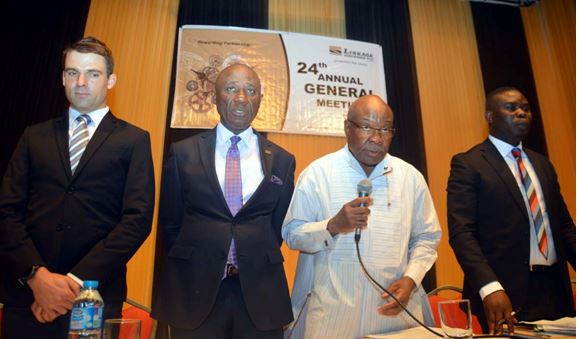
It was commendation all through for the Board and Management of Linkage Assurance Plc when shareholders of the company who had waited for so long for a dividend got five (5) kobo per share pay out, at its 24th Annual General Meeting held in Lagos yesterday.
The shareholders who spoke glowingly on the achievements of the underwriting company in 2017 financial year called on the management and board to ensure sustenance of the growth.
“We urge you to reinforce your marketing team and distribution channels so that there will be more growth in premium and profitability for the company in the coming years”.
Joshua Bernard Fumudoh, Chairman, Linkage Assurance Plc who announced the result said the company in 2017 recorded a gross premium written of N4.10 billion as against N4.03 billion in 2016, while the gross premium income was 6 percent up to N4.186 billion in the review year as against N3.96 billion the past year.
Linkage Assurance Profit Before Tax rose by 218 percent from N942.68 million to N2.996 billion in 2017, while the Profit After Tax also appreciated significantly by 431 percent to close at N2.891 billion in 2017. This is as total assets appreciated 15 percent to N23.3 billion in 2017, from N20.33 billion in the previous year.
Fumudoh also said the company paid out a total of N1.038 billion in claims in 2017 as against N613.2 million in 2016, underscoring its commitment to her policyholders.
He noted that the company was determined to take advantage of developments in the economy by developing strategic initiatives such as deployment of online portal for selling of motor insurance, as well as repositioning its bouquet of retail products like the Third Party Plus (a budget friendly motor insurance plan) to ensure sustainable growth for the company in 2018 and beyond.
“Continuous growth in customer satisfaction, productive sales in the market and impeccable underwriting and risk management practices will set us up for achievable greatness in 2018, the chairman said.
“We are focused on sustaining and surpassing the gains of 2017 and enhancing reputation and performance. We will further develop our strategy to deliver value to all our stakeholders within a governance framework of prudence and effective oversight as a board.”
Daniel Braie, Acting Managing Director of the company going into the future, the company will continue to refine its strategy in line with the political, economic, sociological and technological changes in the industry.
“Also we will continue to develop innovative products, alternative channels of distribution and strategic initiatives that will enable us achieve our corporate goals and objectives. With a medium-to-long term perspective, we believe that we will benefit from growth in these initiatives”, Braie said.