Home Blog Page 262

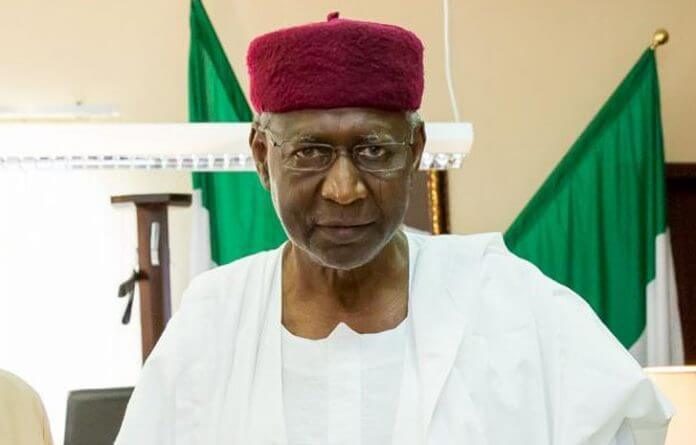
AMCON: Abba Kyari Was a Courageous, Patriotic Nigerian

0


The Managing Director/Chief Executive Officer, Asset Management Corporation of Nigeria (AMCON), Ahmed Kuru has written to condole President Muhammadu Buhari, over the death of his friend and Chief of Staff, Mallam Abba Kyari.

The Chief of Staff died in Lagos on Friday April 17, 2020 as a result of complications from the dreaded Coronavirus (COVID-19) pandemic, which is ravaging countries of the world, including Nigeria.

Kuru, who was appointed AMCON boss by the President in 2015 shortly after President Buhari won election as Nigeria’s president for the first term in office told President Buhari to mourn the late Chief of Staff with pride because the deceased led a good life of service, which is worthy of emulation.

The letter, which the AMCON Chief Executive Officer personally signed and addressed to the Commander-In-Chief of the Armed Forces of the Federal Republic of Nigeria reads in parts; “…With a deep sense of sorrow, I wish to, on behalf of the Management and Staff of Asset Management Corporation of Nigeria (AMCON), express my sincere sympathy to you, the entire Federal Executive Council and the Federal Republic of Nigeria over the passing on of your Chief of Staff, Mallam Abba Kyari, which sad incident occurred in Lagos on Friday April 17, 2020.

Painful as the demise of this outstanding Nigerian is, from complications arising from the deadly Coronavirus (COVID-19) pandemic, we are however comforted by the excellent good life, dedication to developmental governance and selfless service of Mallam Abba Kyari, who was until death your loyal and trusted Chief of Staff. We are even saddened the most because Mallam Abba Kyari was on national assignment where he participated in several state functions to see how to improve the energy sector in the country among other official engagement, which unfortunately exposed him to the disease, which eventually led to his death.

“Mr. President, as you mourn the death of this trusted ally, we at AMCON want you to draw your comfort from the fact that Mallam Abba Kyari, a thorough bred lawyer, banker, journalist and administrator gave his best as a competent, dedicated and loyal aide to you in particular and to Nigeria as a nation. A highly patriotic Nigerian who is not shy and afraid to pursue any matter so far is in National Interest. Indeed, the country will miss him.”

“Having led such a remarkable life as an outstanding topmost aide of the President of the Federal Republic of Nigeria under your enviable leadership, which is worthy of emulation, our prayer is that Almighty Allah will accord Mallam Kyari eternal rest and grant Mr. President, the family and nation as a whole the fortitude to bear the irreparable loss of this illustrious Nigerian patriot,” Kuru stated in the condolence letter, which was sent to Aso Rock Villa at the weekend.


Fish Farmers Appeal to FG for Special Movement Permit amidst Lockdown

0


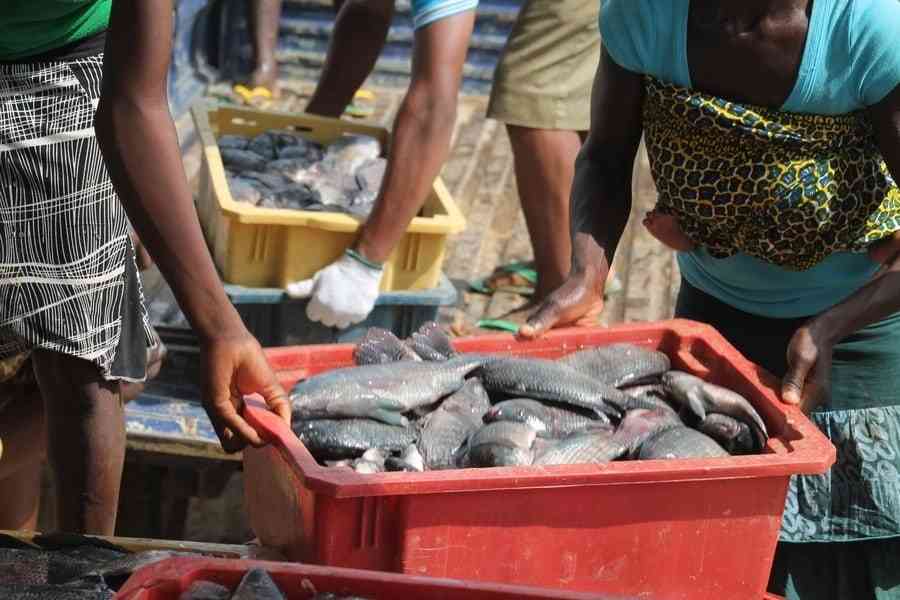
To curb losses in the fish farming value chain, the Catfish and Allied Fish Farmers Association of Nigeria (CAFFAN) has appealed to the Federal Government to grant farmers special movement permit to move fish and its products from various fish farms to areas of need within Nigeria.

Mr. Rotimi Oloye, the CAFFAN National President stated recently that due to restriction of movement of persons to curtail the spread of Coronavirus in the country, its members now have difficulties accessing their farms across the nation.

He noted that the farmers mostly affected were those close to border towns as they are denied passage by security operatives on the roads.

He said: “This is adding to cost of production that is already on the high side due to cost of exchange of naira to dollars used in importing more than 70 per cent of our inputs like fish meal, hormones and other additives like lysine, methionine.  This situation can make farmers to abandon farming thereby leading to threats of food insecurity. As everyone is well aware, unless properly processed and preserved, fish has a very short shelf-life value.”

He added that the continuous restriction on the movement of fish farmers would eventually affect players in the fish value chain.

He said: “The inability of fish farmers to have access to their farms would have a multiplier effect across the fish value chain. Without access to our farms, we won’t be able to purchase fish fingerlings. We won’t also be able to purchase fish feeds, which will have an impact on their sales and the business. Those whom we sell fish to will also not be able to purchase this very important source of protein and nutrient. It could potentially lead to loss of employment while people who have shown interest in investing in the fish farming may lose interest.”

Furthermore, Oloye also advised the federal government to include processed homegrown catfish to the palliatives being shared to people, emphasizing that fish and fishery products were nutritional foods because they contained adequate nutrients necessary to boost human body cells and immune system.

COVID-19: Time for Nigeria to Look Beyond Oil

0


A development and governance expert, Dr Chiwuike Uba, has expressed satisfaction with the decision of the Organisation of Petroleum Exporting Countries (OPEC) under the OPEC+ platform to cut down on oil production by about 9.7m barrels per day from 1st May 2020, reduce to 7.7 million barrels per day from July through the end of 2020, and 5.8 million barrels per day from Jan. 2021 through April 2022.

Dr. Uba, who is also Board Chairman of Amaka Chiwuike-Uba Foundation (ACUF), said that, if there is any lesson Nigeria can learn from the economic effects of the COVID-19 pandemic ravaging the world and its attendant economic implications, it is to look beyond oil and advised the federal and state governments to commence immediate diversification of the economy.

He said that, whereas the changes in oil production may lead to a marginal increase in the global oil price, the market would experience a glut almost immediately, due to the continuing decline in oil demand.

He added that, though the 9.7million bpd cut will, in the short term, help the market not to fill up international storage facility, which is already about 75% filled, the current size of the oil oversupply and additional oil supply will throw back the market into its state before the cut in oil production.

He said: “According to analysts from Goldman Sachs, the coronavirus crisis will slash demand by 19m bpd in April and May. The forecasted figure is way too big compared to the 9.7m bpd agreed as oil production cut; hence, too little and too late to prevent a decline in prices in the coming weeks as storage capacity becomes saturated.

“There is huge doubt if the cuts would be enough to compensate for a collapse in demand expected to be at least twice the size of the OPEC+ supply reductions. Truthfully, the agreed global cut of about 10% in oil production will not offset the recent huge drop in demand occasioned by COVID-19 pandemic.

This is made worse by the lack of pronouncement by the President of the USA to cut US oil production after he said OPEC had not asked him to push domestic oil producers to cut production as he stated that the U.S. output was already declining in response to falling prices. More so, American oil producers may not cooperate with this cut as it would amount to controlling prices, which would amount to violating the competition law in the US. The USA is currently the world’s biggest crude producer.”

He stated that, according to history, previous oil production cut deals were typically violated by oil producers a few weeks after the commencement of implementation. Mexico already disagreed with the quota allocated to the country and instead opted to reduce the country’s production by 100,000 bpd.

He further opined that, given that the effective date for the implementation of the deal is 1st May 2020, countries with high production capacity such as Saudi Arabia, within the next few days will continue to line up tankers – conveniently. Until 1st May 2020, such countries would have the spigots wide open.

“Unfortunately, the production cut deal may not benefit Nigeria in any way. First, the expected improvement in the oil price will be minimal and short-lived as a result of the reasons I outlined earlier. Do not forget that Nigeria is already producing below its production capacity for a long time now; hence, affected by both production quantity and price. Even when Nigeria benefits from an across revenue from the global production cut, the would-be revenue may end up being shared by the national and sub-national governments without real plans for investment to jumpstart the dying economy.

“The demand for oil will not spike in the short term as a result of lockdowns and shutdowns across the world. In addition to the closure of manufacturing and service companies, the weather across America and Europe is getting warmer; hence, reducing the demand for gas. Therefore, it has even become more urgent for Nigeria to begin to think about Nigeria without oil.

“For me, it is one of the benefits of the convid-19 pandemic. Instead of deploying all the money appropriated for COVID 19 for palliatives, it is important to channel some of the money to an investment in massive productive infrastructure across Nigeria. For instance, the funds proposed to employ 774,000 people to sweep road till December 2020 should be used to building cottage industries and/or invested in agriculture,” he said.

Uba said that this will not only provide jobs for people in a sustainable way, but will also add to the production and revenue of the nation. The US $150m withdrawn from the Sovereign Wealth Fund (SWF) to augment the monthly sharing by the governments should have been appropriately invested in the social sectors. The big question is what would happen when we deplete all the savings.

“Now is the time to start making the right investments, if not, the medium and long term implications of COVID-19 on Nigeria and Nigerians would be so devastating. Nigeria must begin to reduce wastages and frivolities associated with our current governance structure and systems. Obviously, that is the most veritable way out at this point given the much that has occurred, the demand destruction, too much debt-making and destruction, high unemployment and poverty level, high fiscal deficit.

“Most importantly, given that there is too much oil storage all across the world compounded that international oil storage tanks are nearing capacity, there is a likelihood of getting to a situation where countries all of a sudden will have to dramatically shut production in a way that damages reservoir and they may not be able to recommence production afterwards. Evidently, the world has reached the stage of oil warfare and Nigeria is in no way positioned to be part of this warfare. A Nigeria without oil is the way to go,” he said.

The Amaka Chiwuike-Uba Foundation (ACUF) was found in 2016 in memory of Mrs. Amaka Chiwuike-Uba, who died from asthma complication in July 2016. Foundation’s mission is to improve the quality of life of people; especially, helping those with asthma and other respiratory diseases live a better life and envisions a society with better breathing, better living, and a happier, united and prosperous people. In line with the Foundation’s mission, it has held many sensitization workshops and enlightenment programmes for asthma patients and youth development and leadership workshop series (YouDaL) across the country.


Ecobank to Nigerians: Open Account via EcobankMobile *326#

0

Ecobank Nigeria is encouraging unbanked and underbanked Nigerians which include artisans such as mechanics, carpenters, electricians, small scale retailers, transporters and others who depend on daily earning for survival, to open bank accounts instantly simply by dialing the bank’s USSD code*326#. According to the bank, owning bank accounts will enable them save easily and access micro loans (Xpress Loan). This will also enable them easily receive monetary support from friends and family members as the need arises, especially during the period of the COVID-19 lockdown, while maintaining social distancing via digital transactions, in a bid to check the spread of the virus.

The bank’s mobile channels- Ecobank Mobile and *326# make it easy to open the Ecobank Xpress account, an end to end digital account instantly. With this account, customers are able to receive funds, send money, buy airtime and carry out basic banking transactions from the comfort of their homes.

No paperwork or documentation is required, everything happens on mobile. In addition, Ecobank had since last year, waived the USSD session fees, thereby making it possible for users of the bank’s USSD, *326# to transact at zero session charges.

Mrs. Olukorede Demola-Adeniyi, Head of Consumer Banking, Ecobank Nigeria, noted that “every Nigerian should as a matter of necessity have bank accounts that can aid them to save quickly, access loans and other financial support when the need arises.”

Furthermore, she reiterated that “Ecobank Mobile and *326# bring easy, affordable and convenient financial services to the youth and members of the public who hitherto had no access to formal banking services. Ecobank Nigeria had earlier announced a zero charge for digital money transfers below N5,000 for its customers until April 30, 2020” as part of the bank’s initiatives to encourage affordable, safe banking during the lockdown.

According to Mrs. Demola-Adeniyi, beyond owning bank accounts, every customer of the bank can utilise the bank’s several digital offerings, thereby making it easy for them to transact safely and conveniently from the comfort of their homes.

“We are determined to support the Nigerian government by ensuring that the impact of the lockdown is minimal on citizens. We encourage every Nigerian to make use of our self-service digital solutions such as Ecobank Mobile *326#, Ecobank Online, EcobankPay, Ecobank Omni Plus, Omni Lite and the Rapidtransfer App to carry out their personal and business transactions without having to visit branches. This is part of our efforts to ensure social distancing which will help curtail the spread of COVID-19”, she stated.


NCC Plans Socio-Economic Transformation via ICT Parks

0


Nigeria’s independent telecoms regulatory authority, the Nigerian Communications Commission (NCC), has embarked on the building of six (6) Information and Communication Technology (ICT) Parks to promote socio-economic transformation of Nigeria.

The ICT Parks are to provide Innovation Labs and Digital Fabrication Laboratories (Fablabs) for use by ICT innovators and entrepreneurs to turn their ideas into products and prototypes; provide a Commercial Hub for ICT capacity building and digital skills; create employment and entrepreneurial activities; and facilitate smart city deployment across the Digital Industrial complex.

An initiative of the current leadership of NCC, the ICT Parks Project involves the construction and equipping of fully-functional Tier-4 Digital Industrial Complex (DIC) in each of the six (6) geo-political zones across the country.

The project concept is designed to support Federal Government’s ICT–related policies by facilitating the availability and accessibility of ICT services across the country and to promote their usage across all sectors.

The ICT Park consists of laboratories for ICT innovations and Commercial Hubs providing capacity building to ICT startups and entrepreneurial activities. The Parks are designed to have fast internet service (broadband) and constant power supply.

Commenting on the initiative at the weekend, the Executive Vice Chairman (EVC) of NCC, Prof. Umar Danbatta, said the Commission embarked on the project in all the six geo-political zones of the country with a view to building capacity for the Nigerian teaming youths in the area of skill acquisition and innovation to join existing initiatives towards accelerating socio-economic transformation of Nigeria.

“The whole idea of putting these two things (i.e. skill acquisition and innovation) at the forefront of this very important initiative is to produce youths that can be self-reliant, generate employment for themselves and for other Nigerians,” he said.

The Commission is starting the project with four ICT parks in Abeokuta for the South-West; Enugu for the South-East, Maiduguri for the North-East and Kano for the North-West, all of which are currently at different levels of implementation while the ones for North-Central and South-South are in the offing.

Danbatta, who stated that the project commissioning would take place at different times, possibly starting from end of this year, assured that based on its national spread structure, no part of the country will be left out as beneficiaries of the initiative.

“The NCC ICT Parks Project is another move by the current leadership of the Commission to boost youth digital skills acquisition, promote innovations, provide jobs for the teaming Nigerian youth and ultimately support the overall digital economy agenda of the Federal Government,” Danbatta said.

Speaking on the expected tech products to be produced from the ICT Parks, Danbatta said: “Going forward, we hope to see software development, incubation, and hardware development coming out from the ICT Parks. We also hope to see innovative applications that will leverage the broadband network, which the Commission is deepening in order to socially and economically transform our communities and societies.”

Danbatta urged the potential and would-be beneficiaries of the project, especially the youths to be ready to leverage the initiative, once ready, to empower themselves socially and economically.

“I would like to send out a very important message to our youths, especially those who are currently occupied with various innovative applications, those who have acquired the skills but are looking for where to put the skills to fruitful engagements, by incubating them, commercialising them, or giving publicity to these excellent initiatives, to be ready to leverage this facilities,” he stated.

The EVC added that there is going to be a centre in the ICT Parks to showcase the various initiatives by the youths in areas of apps, various software products developed and other innovations not only to local investors but also to the global investment community.

An ICT park comprises an area or location with concentration of all ICT facilities which enable a concerted leap into the digital age by creating a dynamic environment in which local talent is incubated, cultivated, and shared. ICT parks are best tested and trusted institutional mechanisms to address the needs of technology-intensive, knowledge-based Micro, Small and Medium Enterprises (SMEs).


NIA: ‘Nobody is Forcing Insurers to Donate N10m to Covid-19 Fight’

0


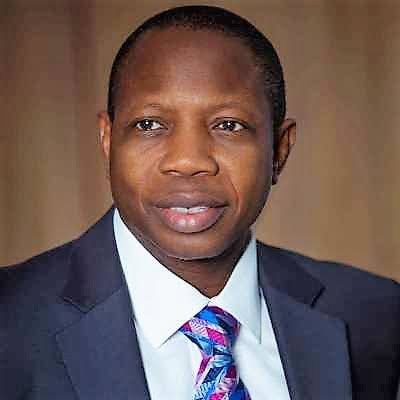
Mr. Tope Smart

Chairman

Nigerian Insurers Association

The 57 insurance companies in the country have debunked allegations that they are being compelled to contribute N10 million each towards the fight against the Coronavirus pandemic.

The companies under the umbrella body of the Nigeria Insurers Association (NIA) said the claim that their regulator, the National Insurance Commission (NAICOM) compelled them to make the donation was only put in public domain to embarrass the insurance industry.

NIA Chairman, Mr. Tope Smart who made this known in an interview with journalists expressed sadness over the report.

Smart who is also the Managing Director of NEM Insurance Plc, explained that the Association decided to align with the private sector to support the efforts and initiatives of the Presidential Task Force, State Governments, Ministry of Health, Nigeria Centre for Disease Control (NCDC) to contain the spread by contributing to a fund to provide N1 million life insurance cover and procure testing kits and protective materials for the use of medical personnel saddled with the responsibility to the tune of about N100 million.

He said: “What happened is that we called a press briefing where we announced that we are providing N1 million free life insurance cover for each health personnel and allied professionals in the country who are attending to victims of Coronavirus (COVID-19) and also procure testing kits, protective materials worth over N100 million.

“But the Acting Commissioner for Insurance, Mr. Sunday Thomas later called us that the Commission would want to join us to boost our plan by also making contributions to the fund that we have set aside in other to increase the benefits provided under the planned scheme.

“We welcomed the development and at that point, we allowed the Commission to take the lead. We were happy that it then became an industry-based project where other stakeholders in the industry can join the NIA.”

He noted that on their part, they had earlier agreed to intervene in two folds.

“We had arrangements to procure testing kits and protective materials for the use of medical personnel saddled with this responsibility. The materials were to be delivered to the NCDC.

“Also in line with our profession as risk managers, we agreed as an Association to arrange a special life insurance cover for all health personnel and allied professionals who are attending to victims of COVID-19. We decided to provide Death and Permanent Disability benefits to the frontline staff who are exposed to a lot of risks”, he added.


Fight Against COVID-19: Ecobank Commends Doctors, Nurses, Security Operatives

0


Managing Director, Ecobank Nigeria, Patrick Akinwuntan has commended those contributing to keeping the country safe as the world battles the dreaded Coronavirus pandemic.

According to him, this group of people have continued to put the needs of others first and show sacrificial love to support the country’s effort at containing the scourge, stressing that, the Bank remains grateful for their steadfast love for humanity in the execution of their daily task.

Specifically, the bank’s Managing Director in a media statement thanked “Caregivers; Doctors, Nurses, and all the hospital staff who daily put their lives on the line to make sure the battle against COVID-19 is won. They unrelentingly ensure citizens are cared for and that the hospitals are up and running despite the high risk to their individual health – we appreciate you.”

He also identified with security personnel who have remained loyal and dedicated to the common pledge as a nation as they continue to ensure safety and security for all during this crisis period.

Worthy of commendation too, Akinwuntan recognised the contributions and activities of the Special Task Forces both at the Federal and State levels, who have continually shown leadership in the management of COVID-19; monitoring the situation and keeping all updated, adding that, those on essential services, including fuel distributors, bank staff, pharmaceutical personnel, grocery and food stores, amongst several others who daily face the challenge of providing for all also deserve accolades.

He enjoined Nigeria citizens and residents to continue to support the efforts of the various governments to stem the impact of the pandemic, urging them to maximise the palliatives offered by the government, corporate organisations and public-spirited individuals.

According to Mr. Akinwuntan, Ecobank in its efforts to ensure life is smooth as the world moves to curtail the spread of COVID-19, is making available its  digital offerings which gives easy access to bank accounts, help to make payments, transfer funds, process salaries and carry out other ancillary banking transactions from the comfort of homes without visiting the branch.

In his words: “These are unusual times for us as a country and the world at large.  As a bank, we pledge to continue to ensure our services are available online and real-time to enable you consummate your banking transactions seamlessly. We encourage you to utilise our digital self-service solutions and alternate channels – Ecobank USSD [*326#], EcobankMobile App and Online Banking [EcobankOmni/Ecobank Online] platforms continue to be available for your use. Our interactive customer care – Rafiki on Facebook or WhatsApp, and our dedicated Customer Support teams, EcobankPay, POSs and ATMs are also available 24/7. Also, our neighborhood banking Agents (Xpress Points) are available to attend to you. I urge every Nigerians to stay safe as I am optimistic that the pandemic will soon be a thing of the past.”

Insurance Through COVID-19: GNI Plc Open Alternative Business Channels

0


Mrs. Cecilia O. Osipitan

Managing Director/CEO

Great Nigeria Insurance Plc

Great Nigeria Insurance Plc has implemented the company’s business continuity strategy as the whole world grapple with the exponential rise in the number of COVID-19 infected individuals. The company’s business continuity strategy is hinged on safeguarding the health, wellbeing and safety of the lives of its esteemed customers and workforce while ensuring the continuity of operations during the lockdown period.

The President of the Federal Republic of Nigeria, Mr. Muhammadu Buhari had in his special address on Sunday March 29, 2020, directed the cessation of movements in Lagos, Abuja and Ogun states. The 14 days lockdown is to serve as a measure to disrupt the widespread of the coronavirus disease (COVID-19). This implied that all offices (excluding those that provide essential services) must shut down on Monday, March 30, 2020.

While commenting, the Managing Director/CEO of Great Nigeria Insurance Plc, Mrs. Cecilia O. Osipitan said “In a bid to stay true to our commitment of delivering quality service to our valued customers, alternative service channels have been made available for seamless access to all insurance products and services available under the stable of GNI Plc. On your mobile please explore our USSD Platform by dialing *5076# for self-service, easy premium remittance, policy renewal and prompt claims settlement”.

We plead with you to join us in the cause to flatten the curve of the widespread of the coronavirus disease (COVID-19). We implore you to please stay safe during this period while ensuring to observe all the precautionary measures advised by the government and relevant health authorities.


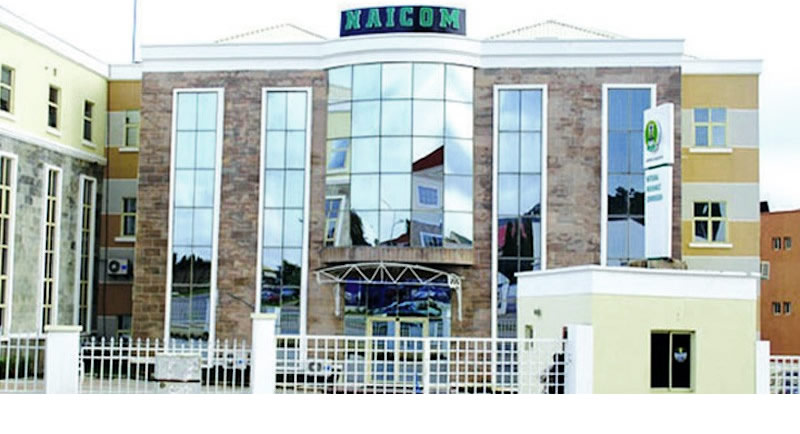
NAICOM: ‘No Insurance Firm Forced to Donate to Fight Against COVID-19’

0

The National Insurance Commission (NAICOM) has refuted an online report that it forced insurance companies in the country to make donations towards the fight against Coronavirus in the country.

The report had stated that NAICOM in a letter to registered insurance companies compelled the companies to make donations of not less than N10 million to the fight against Coronavirus.

NAICOM spokesman and Deputy Director, Mr. Rasaaq Salami expressed the Commission’s disappointment over the news, describing it as not only false and misleading, but mischievous.

He explained that the commission only called on insurance companies to join in providing support to government at all levels in the fight against Coronavirus in the country.

He said: “This report is not only false and misleading but mischievous. It is a deliberate attempt to embarrass the Commission.

“No insurance company is being compelled or forced to contribute to the COVID 19 fund. NAICOM only requested the support of insurance companies further to the agreement between her, the Nigeria Insurers Association (NIA) and the Nigerian Council for Registered Insurance Brokers (NCRIB) for a coordinated effort towards making a consolidated contribution to the fund as an industry”. He noted.

He urged the public to disregard the report as false.

Interswitch Assures Customers of Continuous Dispute Management Activities During COVID-19 Lock-down

0


Interswitch, a leading integrated digital payments and commerce company, has assured her customers that all its business operations continue to run smoothly without any snags, as the company has implemented a fully operative business continuity plan.

Even though the Central Bank of Nigeria issued a temporary suspension of refund activities for ATM and card payments as a result of the lockdown, Interswitch has received full approval from CBN to revoke the suspension. This is so that cardholders and the transacting public can continue to carry out their transactions as usual.

In this regard, Interswitch is still working to respond to card operation issues within the stipulated time frame, as usual.

The Management of the Interswitch Group posted a statement on the company’s social media pages, saying:“cardholders and the transacting public are assured that all dispute management operations remain fully available and all charge backs and disputes will be processed according to their regular timelines”

Interswitch reassures the general public that any news of disrupted operations flying across the media, are fake and should be disregarded. The company has charged its customers to keep transacting and not to panic. It hasalso encouraged the public to keep safe in the wake of the COVID-19 pandemic.

Stanbic IBTC Retains AAA, F1+ Fitch National Ratings

0

According to a recent report by Fitch Ratings, a globally-renowned credit rating agency, Stanbic IBTC Holdings PLC and its banking subsidiary, Stanbic IBTC Bank PLC, have retained their National Long-Term Ratings of AAA(nga) and F1+(nga).

The report also shows that Stanbic IBTC Bank PLC is excluded from Fitch’s Rating Watch Negative (RWN) list of Nigerian banks, even in the midstof the COVID-19 pandemic’s impact on businesses.

The Fitch ‘AAA(nga)’ ratings signify the highest score in its National Rating scale for Nigeria and it is given to issuers with the lowest expectations of default risk, compared to other issuers. Furthermore, issuers or obligations that have the strongest capacity for timely payment of financial commitments relative to other issuers in the same country are rated F1+(nga).

The Long and Short-term Issuer Default Ratings (IDRs) of Nigerian banks are driven by their stand-alone credit profiles as determined by their Viability Rating (VRs).

According to the Fitch Ratings report, Nigeria’s Country Ceiling Rating of B+will not affect both Stanbic IBTC Holdings PLC and Stanbic IBTC Bank PLC’s National Long Term Ratings.

The National Ratings reflect the creditworthiness of the Nigerian banks relative to other issuers, and both Stanbic IBTC Holdings PLC and Stanbic IBTC Bank PLC are rated the highest in the country in this regard.

The strong liquidity profile of Stanbic IBTC Holdings company and its banking subsidiary stemslargely from their affiliation to, and ability to get,potential support from the parent company,Standard Bank Group.

World Bank Plans $160bn COVID-19 Relief Measures

0


The World Bank’s Board of Executive Directors today approved a first set of emergency support operations for developing countries around the world, using a dedicated, fast-track facility for COVID-19 (coronavirus) response.

The first group of projects, amounting to $1.9 billion, will assist 25 countries, and new operations are moving forward in over 40 countries using the fast-track process. In addition, the World Bank is working worldwide to redeploy resources in existing World Bank financed projects worth up to $1.7 billion, including through restructuring, use of emergency components of existing projects (CERCs) and triggering of CAT DDOs and spanning every region.

The World Bank Group is prepared to deploy up to $160 billion over the next 15 months to support COVID-19 measures that will help countries respond to immediate health consequences of the pandemic and bolster economic recovery. The broader economic program will aim to shorten the time to recovery, create conditions for growth, support small and medium enterprises, and help protect the poor and vulnerable. There will be a strong poverty focus in these operations, with an emphasis on policy-based financing, and protecting the poorest households and the environment.

“The World Bank Group is taking broad, fast action to reduce the spread of COVID-19 and we already have health response operations moving forward in over 65 countries,” said World Bank Group President David Malpass. “We are working to strengthen developing nations’ ability to respond to the COVID-19 pandemic and shorten the time to economic and social recovery. The poorest and most vulnerable countries will likely be hit the hardest, and our teams around the world remain focused on country-level and regional solutions to address the ongoing crisis.”

Responding to widespread supply chain disruptions, the World Bank is also helping countries access critically needed medical supplies by reaching out to suppliers on behalf of governments. The World Bank is also encouraging others to provide financial support to developing countries for the COVID-19 health response.

“This fast response package will save lives and help detect, prevent and respond to COVID-19 in the countries we serve,” said Axel van Trotsenburg, World Bank Managing Director of Operations. “Our country operations will be coordinated at a global level to ensure best practice is quickly shared, including approaches to strengthen national health systems and prepare for potential follow-on waves of this devastating virus.”

Allianz Warns Facilities Shut Down During COVID-19 Pose New Risks

0


Many companies are having to shutdown their premises temporarily at short notice due to the Covid 19 pandemic. According to the risk consultants of Allianz Global Corporate & Specialty (AGCS), improper action or negligence when decommissioning buildings and production facilities brings risks for companies.

Mothballed factories or offices are by no means safe from fire or other hazards – in fact such risks can be exacerbated when premises are idle or largely unoccupied.

In a new publication, AGCS experts provide an overview of general security and prevention measures to help avoid physical damages, such as regular checks of fire protection systems and the safe storage of flammable materials and liquids if premises have to be shutdown.

In response, AGCS is also increasingly providing security advice to its customers via remote monitoring technologies that digitally visualize buildings and security features through photo and video recordings without the need for many people to be physically on site.

“We already see a number of losses that occur on holidays or weekends when employees are not largely present on sites or premises,” says Ralf Dumke, regional head of risk consulting property for AGCS in Central and Eastern Europe:” The production and operating shutdowns currently being caused by the coronavirus pandemic can also bring increasing hazards for businesses.”

Among the industries most affected are automotive manufacturers and suppliers, airlines, airport operators, mechanical and plant engineering firms, the hotel industry and many other large and small production and service companies.

The coronavirus outbreak has led to considerable disruption for both individuals and business operations worldwide. For businesses, the growing number of restrictions imposed by public authorities means that offices, factories and other sites may remain unused or unattended for a longer period of time than usual, as they are ordered to close.

“The potential damage caused by fire or as a result of inadequate maintenance remains, or even increases, when operations are shut down. There are specific measures for loss prevention that can be followed in order to prevent damage during the shutdown of operational facilities as much as possible,”Dumke says.

If possible, regular inspections and tests of fire protection systems should be continued, as these can greatly reduce the effects of a fire.

An AGCS analysis of loss events in the insurance industry shows that fires account for almost a quarter (24%) of the value of all insured events in industrial insurance over a period of five years. Fires have caused insurance losses worth more than 14 billion euros from around 9,500 claims.

Source: AGCS

European Watchdog Urges Re/Insurers to Suspend Dividend During COVID-19

0


The European regulator has urged re/insurers to temporarily suspect dividend distributions and share buybacks aimed at remunerating shareholders, given the level of uncertainties connected to the impact of the COVID-19 crisis.

The European Insurance and Occupational Pensions Authority (EIOPA) said re/insurers must take all necessary steps to ensure a robust level of funds so they will be able to protect policyholders and absorb potential losses.

The Australian Prudential Regulation Authority (APRA) made a similar move this week, asking insurers and banks to consider deferring dividend payouts or dividend reinvestment plans until the impact of the pandemic is better known.

EIOPA on April 2 urged re/insurers need to take into account of current level of uncertainty about “the depth, magnitude and duration of the impacts of COVID-19 in financial markets and on the economy and the repercussions of that uncertainty in their solvency and financial position.”

This statement builds on EIOPA’s message of March 17, which stressed the importance of insurers preserving their capital position in balance with the protection of the insured.

Source: EIOPA


African Aviation Sector to Lose 2m Jobs over COVID-19

0


The International Air Transport Association has released new analysis showing that some 25 million jobs are at risk of disappearing with plummeting demand for air travel amid the COVID-19 crisis.
Globally, the livelihoods of some 65.5 million people are dependent on the aviation industry, including sectors such as travel and tourism. Among these are 2.7 million airlines jobs.

In a scenario of severe travel restrictions lasting for three months, IATA research calculates that 25 million jobs in aviation and related sectors are endangered across the world:
11.2 million jobs in Asia-Pacific

5.6 million jobs in Europe

2.9 million jobs in Latin America

2.0 million jobs in North America

2.0 million jobs in Africa

0.9 million jobs in the Middle East

In the same scenario, airlines are expected to see full year passenger revenues fall by $252 billion (-44%) in 2020 compared to 2019. The second quarter is the most critical with demand falling 70% at its worst point, and airlines burning through $61 billion in cash.
Airlines are calling on governments to provide immediate financial aid to help airlines to remain viable businesses able to lead the recovery when the pandemic is contained. Specifically, IATA calls for:

Direct Financial Support

  • Loans, loan guarantees and support for the corporate bond market
  • Tax relief

“There are no words to adequately describe the devastating impact of COVID-19 on the airline industry. And the economic pain will be shared by 25 million people who work in jobs dependent upon airlines. Airlines must be viable businesses so that they can lead the recovery when the pandemic is contained. A lifeline to the airlines now is critical,” said Alexandre de Juniac, IATA’s Director General and CEO.

Looking Ahead: Re-booting the Industry

Alongside vital financial relief, the industry will also need careful planning and coordination to ensure that airlines are ready when the pandemic is contained.
“We have never shuttered the industry on this scale before. Consequently, we have no experience in starting it up. It will be complicated. At the practical level, we will need contingencies for licenses and certifications that have expired. We will have to adapt operations and processes to avoid re-infections via imported cases. And we must find a predictable and efficient approach to managing travel restrictions which need to be lifted before we can get back to work. These are just some of the major tasks that are ahead of us. And to be successful, industry and government must be aligned and working together,” said de Juniac.
IATA is scoping a comprehensive approach to re-booting the industry when governments and public health authorities allow. A multi-stakeholder approach will be essential. One initial step is a series of virtual meetings—or summits—on a regional basis, bringing together governments and industry stakeholders. The main objectives will be:
Understanding what is needed to re-open closed borders, and

Agreeing solutions that can be operationalised and scaled efficiently

“We are not expecting to re-start the same industry that we closed a few weeks ago. Airlines will still connect the world. And we will do that through a variety of business models. But the industry processes will need to adapt. We must get on with this work quickly. We don’t want to repeat the mistakes made after 9.11 when many new processes were imposed in an uncoordinated way. We ended up with a mess of measures that we are still sorting out today. The 25 million people whose jobs are at risk by this crisis will depend on an efficient re-start of the industry,” said de Juniac.