Tuesday, March 17, 2026
27.3 C
Lagos

How Buhari Recovered $10.3bn Looted Funds in 1 Year

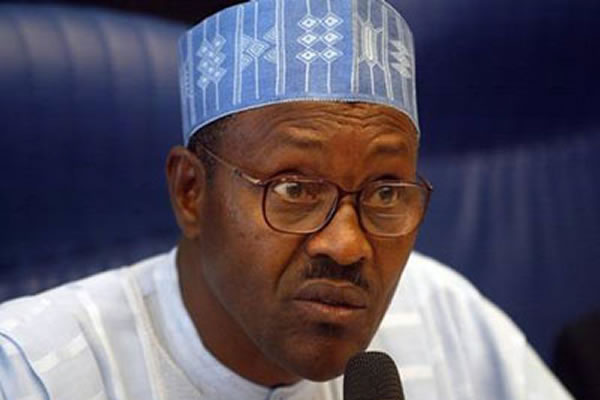
Nigeria has seized more than $10.3 billion in looted cash and assets in the past year under President Muhammadu Buhari’s anti-corruption campaign, the West African country’s information minister said.

In addition, the government is expecting the repatriation of more than $330 million stolen from the public treasury and stashed in banks abroad, Lai Mohammed said in a statement on Saturday. He said most of the money is in Switzerland.

According to Al Jazeera report, Mohammed did not identify former and current officials accused of looting public funds, though the government had promised to publish them.

The minister did not say how much of the money has been returned voluntarily by former officials hoping for forgiveness or a plea bargain.

He said the funds include $583.5 million recovered in cash and $9.7 billion in cash and assets under interim forfeiture including sea-going vessels, buildings and land.

Hundreds of people have been arrested and many court trials are on-going, including that of retired Colonel Sambo Dasuki, who was former President Goodluck Jonathan’s National Security Adviser.

Dasuki is accused of diverting $2.1billion meant to fight the Boko Haram armed group.

Jonathan instructed that the money be paid to bribe party officials to help him win his party’s presidential nomination, Dasuki has told the court.

Jonathan lost the March 2015 elections to Buhari, who succeeded him a year ago and said he inherited state coffers emptied by massive corruption.

Dasuki’s financial director, Shuaibu Salisu, told the court that $47 million in cash was stuffed into 11 suitcases and taken at night from the Central Bank of Nigeria to Dasuki’s residence.


spot_img
spot_img
spot_img

Hot this week

NLNG Expands VIBES Programme with Induction of 103 New Beneficiaries

NLNG’s economic empowerment initiative, the Vocational Innovation Business and...

PalmPay Commits to Gender Balance in Fintech Space @ Purple Woman 3.0

L-R: Olorunfemi Hanson, Head of Marketing, PalmPay Nigeria; Kemi...

Nigeria’s Reforms Driving Strong Domestic Capital Mobilisation, Says NGX Group CEO

The Group Managing Director/Chief Executive Officer of Nigerian Exchange...

NCDMB: 33 Engineers Begin Training in Pipeline Pigging, Corrosion Control

Thirty-three young graduates of engineering, geology and related disciplines...

NCDMB, Radisson, Edison Sign Management Deal for Yenagoa Hotel

The Nigerian Content Development and Monitoring Board (NCDMB) on...

Topics

‘Smart City Solutions Indispensable for Tackling Urbanisation Challenge’

Carl Wright, Secretary-General of the Commonwealth Local Government Forum...

Stanbic IBTC Empowers 200 Children through its #Together4ALimb Initiative

Stanbic IBTC Holdings, a member of Standard Bank Group,...

Emirates Flight Catering Opens World’s Largest Vertical Farm in Dubai

Emirates Flight Catering is opening the world’s largest farm...

Emirates Enlightens Global Community on Human Trafficking via ‘ICE’

Emirates is proud to enlighten the world about the...

Ericsson to Acquire IT Services Capabilities from France’s Devoteam

­Ericsson has announced that it is buying the Devoteam...

NDIC Seeks Stakeholders’ Input to IADI Core Principles for Effective Deposit Insurance

The Nigeria Deposit Insurance Corporation (NDIC) has called for...

IPI Nigeria Appoints Idris, Garba Shehu, Egbemode, Ohwahwa, 25 Others to Committees

The International Press Institute (IPI) Nigeria has announced the...

Oil Prices Driving Lower Growth in Sub-Saharan Africa

Latest report by the World Bank Group suggests that low oil prices have considerably reduced growth in commodity-exporting countries in Sub-Saharan Africa, especially in Nigeria and Angola etc. and have also slowed activity in non-oil sectors. The report says that although South Africa is expected to be one of the main beneficiaries of low oil prices, growth is being held back by energy shortages, weak investor confidence amid policy uncertainty, and by the anticipated gradual tightening of monetary and fiscal policy. Growth in the region is forecast to slow to 4.2 percent, slower than previously expected.
spot_img

Related Articles

Popular Categories

spot_imgspot_img