Monday, February 16, 2026
28.2 C
Lagos

What’s Behind the Xenophobic Attacks in South Africa?

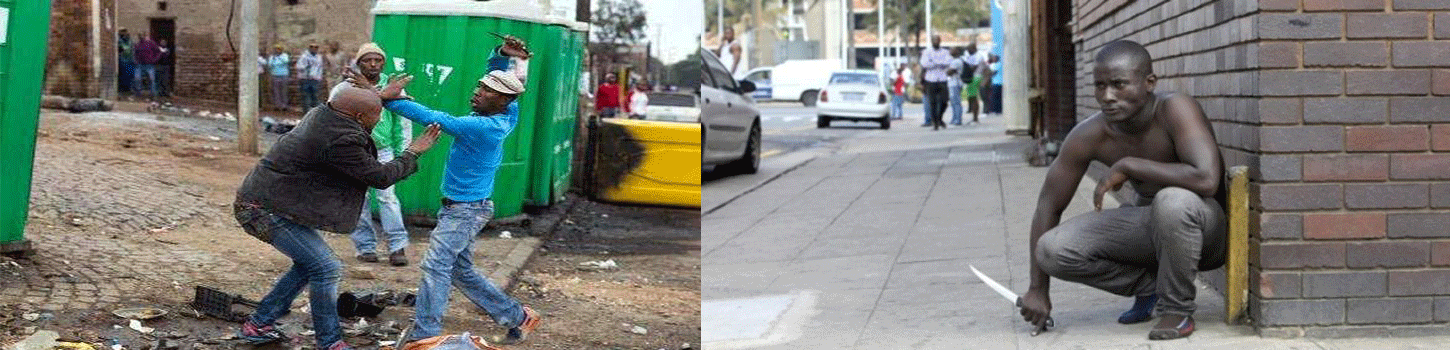
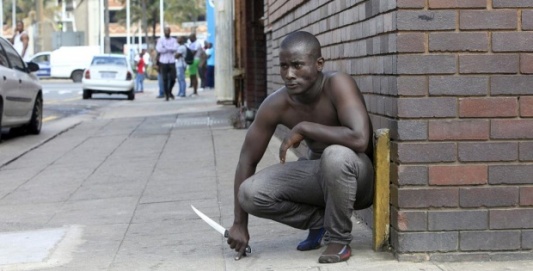
South African troops deployed as part of a new government effort to stop deadly anti-immigrant violence. Their first target: the Johannesburg suburb of Jeppestown, where xenophobic violence broke out. South African Police raided a Jeppestown hostel while troops secured the perimeter.

Earlier, Defense Minister Nosiviwe Mapisa-Nqakula announced the plan to deploy an undisclosed number of troops to areas where police are spread too thin while trying to curb deadly attacks against immigrants.

“This intervention is not an indictment on the police. … We are coming in because they need that support,” she said after visiting Johannesburg’s Alexandra township, one area where mobs have attacked immigrants from other African nations and looted their shops – ostensibly based on the belief that immigrants are taking South Africans’ jobs.

Seven people have been killed in recent violence against poorer immigrants, many from South Africa’s neighbors. Much of this month’s violence happened in the Port City of Durban, where at least two foreigners and three South Africans were killed after mobs with machetes attacked immigrant shops. Thousands of people took temporary shelter at refugee centers or police stations as a result, according to aid group Gift of the Givers.

Similar violence happened late last week in Johannesburg, where immigrant-owned shops were looted or destroyed. The attacks came as residents accused immigrants of taking their jobs and committing crimes. The unemployment rate in South Africa is 25%,
according to government figures.

The United Nations said the attacks began in March after a labor dispute between citizens and foreign workers.


spot_img
spot_img
spot_img

Hot this week

Open Alliance to FG, NASS: Conduct Population Census Ahead of 2027 Elections

Open Alliance, a coalition of civil society organisations working...

Tinubu Hails Nigeria-UAE Partnership as BUA Signs MoU with Abu Dhabi Ports, Mair Group

President Bola Ahmed Tinubu has commended the signing of...

NLNG Emerges Overall Champion at 20th Nigeria Oil & Gas Industry Games

Team NLNG celebrates being crowned overall champions at the...

Nigeria Secures Permanent Seat on the Board of African Central Bank

During the just-concluded 39th Session of the Executive Council...

Topics

Linkage Assurance PAT up 431% to N2.9bn in 2017

Dr. Pius Apere MD/CEO Linkage Assurance Plc Linkage Assurance Plc has recorded...

FirstBank Commemorates International Women’s Day in Grand Style

Across the globe; societies, establishments, groups, and people were...

FG Pledges Stronger Policy, Funding Support for Creative Industry

The Presidency has reaffirmed President Bola Tinubu’s commitment to...

NCC Chief, Umar Danbatta, to Chair Business Journal 15th Anniversary Lecture Oct 27

Professor Umar Danbatta, Executive Vice-Chairman/CEO, Nigerian Communications Commission (NCC)...

Much Ado About Digital Loan Apps

By Elvis Eromosele Today, everyone is talking about digital loan...

Brokers Target Generation of 90% Premium in Insurance Sector

    L-R: Mr. Atanda Olatokunbo, Controller, Internal Audit & Compliance,...

Fidelity Bank Champions Africa’s Export Growth at FNITCC Atlanta 2025

Leading financial institution, Fidelity Bank Plc has announced plans...

The Federal Cabinet: Time for Effective Governance

The 2015 Presidential Election ended on Saturday, March 28, 2015. It now belongs to the history books. Regardless of the pros and cons of the polls, it came and went. And in a commendable act worth eulogising, the then incumbent president, Goodluck Jonathan conceded defeat and congratulated the declared winner, Muhammadu Buhari, a development that earned widespread local and international applause for Nigeria as a nation.
spot_img

Related Articles

Popular Categories

spot_imgspot_img