
It is a lunch time menu for communications, PR, media relations and reputation management managers in bodies corporate, government establishments, and in macro, small and medium enterprises(msme).
Maintaining a positive image for a body corporate is crucial for its success and public perception. Below are detailed nuggets of advice to assist communication and public relations practitioners in avoiding damage to the image of a body corporate:
Establish Clear Communication Protocols
Develop a Communication Plan: Create a comprehensive plan that outlines key messages, spokespersons, and communication channels.
Regular Updates: Ensure consistent and transparent updates to stakeholders about decisions, changes, and events.
Crisis Management Preparedness
Crisis Communication Plan: Prepare a crisis communication strategy in advance. Identify potential risks and outline steps to manage them effectively.
Training and Simulations: Conduct regular training and simulations for the PR team to ensure they are prepared for potential crises.
Proactive Engagement
Build Relationships: Foster relationships with stakeholders, including residents, local businesses, and government officials. Regular engagement builds trust and collaboration.
Community Involvement: Participate in local events and initiatives to reinforce a positive image within the community.
Maintain Transparency
Open Lines of Communication: Encourage open feedback from stakeholders. Use surveys or forums to gauge sentiment and address concerns proactively.
Share Achievements: Regularly communicate successes and achievements to reinforce the positive impact of the body corporate.
Be Authentic
Consistent Messaging: Ensure that communication is authentic and consistent across all platforms. Avoid mixed messages that could confuse stakeholders.
Humanise the Organisation: Share stories about the people behind the body corporate, whether they are committee members, staff, or community members.
Monitor Public Perception
Media Monitoring: Keep track of mentions in media and social media channels. Respond promptly to any negative coverage or misinformation.
Feedback Analysis: Analyse feedback from stakeholders to identify areas for improvement and address potential concerns before they escalate.
Enhance Online Presence
Maintain an Informative Website: Ensure the website is up-to-date, easy to navigate, and contains relevant information for stakeholders.
Active Social Media Engagement: Use social media platforms to engage with the community, share news, and respond to inquiries or concerns in real time.
Address Issues Promptly
Timely Responses: Address any complaints or issues rapidly. Delayed responses can lead to misunderstandings and damage reputation.
Constructive Solutions: Focus on providing constructive solutions to problems raised by stakeholders rather than becoming defensive.
Educate Stakeholders
Workshops and Seminars: Offer educational resources, workshops, or seminars to help stakeholders understand the body corporate’s functions and governance.
Informative Newsletters: Regular newsletters can keep stakeholders informed about developments, policies, and upcoming initiatives.
Leverage Partnerships
Collaborate with Other Organisations: Partner with local businesses, nonprofits, or community groups to enhance credibility and share resources.
Seek Endorsements: Gain endorsements from recognised figures or organisations to boost trust and support.
Celebrate Diversity and Inclusion
Foster Inclusivity: Highlight efforts to embrace diversity within the community, ensuring all voices are heard and valued.
Address Social Issues: Be mindful of social issues affecting the community and communicate the organization’s stance on inclusion and equity.
Conclusion
By implementing these strategies, communication and PR practitioners can effectively protect and enhance the image of a body corporate. Consistency, transparency, and proactive engagement are key elements in building trust and sustaining a positive reputation.
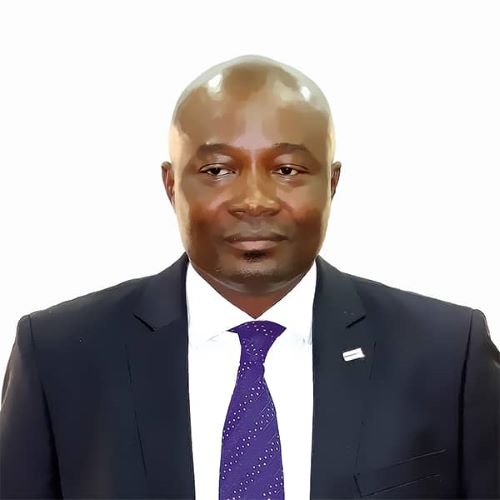
Material written by: Louis Ibe
A PR, Communications Media Relations and Reputation Management Specialist (Otunba Gbadero of Ojowo Kingdom, Ijebu-Igbo, Ogun State