
By Elvis Eromosele
Recently, I found myself inside a multi-storied shopping complex buzzing with activity. The building was home to laptop shops, phone sales and repair centres and accessories vendors, an ecosystem of Nigeria’s thriving tech economy. Yet, beneath the hum of commerce was another, more unsettling sound: the deafening roar of generators.
The noise was overwhelming, like a thousand engines competing for dominance. One out of every five shops had turned to gas-powered generators, while the rest clung to the more familiar diesel units. In that moment, it struck me: Nigeria’s quest for a digital economy still rests on shaky ground. The greatest stumbling block remains what it has always been, power supply.
A nation cannot hope to digitise its economy when its entrepreneurs and citizens spend more time and money generating power than generating innovation. Until the power supply is fixed, Nigeria’s ambition for a true digital economy will remain more rhetoric than reality.
Private individuals and businesses have done more than their fair share. Many have moved from diesel to solar energy, inverters, and even bio-gas systems. Others have embraced energy-saving systems to reduce consumption. These efforts, while admirable, represent only coping mechanisms, not sustainable solutions.
Generators, in particular, are a symbol of the broken system. Their drawbacks are well documented: unbearable noise, air pollution, escalating costs, and long-term health risks. According to some health experts, constant exposure to generator fumes increases respiratory diseases. For small businesses, the costs of fueling and maintaining generators eat deep into profits.
The reality is stark: Nigeria cannot grow a digital economy on a foundation of noise and smoke. Power is not optional. It is the backbone of everything—data centres, fintech apps, e-commerce platforms, e-health systems, and even education technology.
The government must take immediate steps to ease the burden while working on long-term fixes. Some practical recommendations for the short term include:
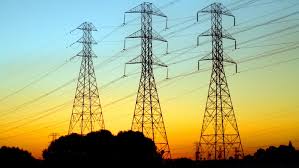
First, expand grid reliability in urban hubs. Quick fixes such as upgrading transformers, replacing broken distribution lines, and improving load management in major cities will directly benefit businesses. A reliable grid in commercial hubs like Lagos, Abuja, Port Harcourt, and Kano will have a ripple effect on the economy.
Second, subsidise alternative energy for SMEs. Small businesses are the heart of Nigeria’s digital economy. Providing grants or tax incentives for SMEs to adopt solar and inverter systems will drastically reduce their dependence on generators.
In addition, improve metering and transparency. Widespread installation of prepaid meters and real-time monitoring of distribution will cut down on electricity theft and ensure that consumers only pay for what they use. Transparency builds trust in the system.
Moreover, explore hybrid energy initiatives. This involves encouraging public-private partnerships to set up mini-grids powered by solar, hydro, or wind in high-density business clusters. These can be scaled quickly and help to reduce pressure on the national grid.
For the long haul, Nigeria must aim for energy transformation, not just power restoration. Some strategies include:
We must start with massive investment in renewable energy. Nigeria has abundant sunshine, wind, and water resources. A clear national roadmap to expand solar farms, small hydro dams, and wind energy will reduce reliance on fossil fuels. Countries like Kenya and South Africa already generate significant renewable energy. Nigeria must catch up.
Number two, is to reform the power sector value chain. From generation to transmission and distribution, the sector is riddled with inefficiency and corruption. In my mind, genuine deregulation, strict enforcement of contracts, and increased private sector participation will improve performance.
Three, we need to urgently improve the energy mix diversification. Relying on gas alone is risky. Nigeria must diversify its energy mix by integrating coal, nuclear, and renewable power into the system. This makes the grid more resilient.
Besides, regulatory oversight requires strengthen. Agencies like NERC (Nigerian Electricity Regulatory Commission) must be empowered to enforce standards, protect consumers, and punish erring operators. A weak regulator equals a weak system.
Furthermore, we need to explore the regional power pools. Nigeria can also collaborate with neighbouring countries through regional power pools, exchanging excess supply for stability. West Africa’s interconnected power systems are still largely under-utilised.
The truth is simple: Nigeria’s digital economy cannot thrive without electricity. Private individuals and businesses have carried the weight for too long. It is time for the government to shoulder its responsibility.
Fixing power is not just about lighting homes and businesses; it is about creating jobs, driving innovation, and attracting foreign investment.
The digital economy is more than fintech apps and startup showcases; it is about creating an enabling environment where innovation can flourish. Reliable power supply is the number one signal that Nigeria is serious about transformation. Until then, the noise of generators will remain the sad soundtrack of our so-called digital economy.
Elvis Eromosele, a corporate communications professional and sustainability advocate, wrote via [email protected].