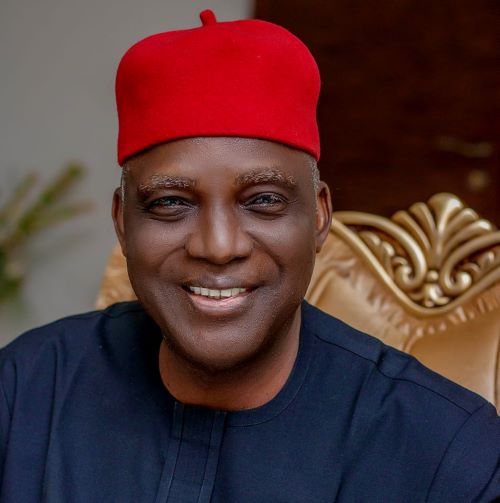

By Prof. Bart O. Nnaji
Founder/Chairman
Geometric Power Limited and former Nigerian Minister of Power
Africa’s energy journey is often portrayed as a stark choice between climate responsibility and development. In reality, the continent faces a more nuanced challenge: finding a fair, gradual energy transition that matches its unique needs and ambitions.
Technology and innovation can drive this change, helping secure affordable and sustainable energy for all.
In the coming decades, Africa’s population is expected to soar to nearly 2.5 billion. Cities will grow. Industries will expand. Digital connections will multiply. The demand for energy will increase significantly. Right now, expecting Africa to abandon fossil fuels overnight is neither realistic nor fair. In the near future, fossil fuels remain crucial for base power that is reliable, and affordable. In particular, natural gas is key transition fuel that will remain the base power solution for the next decade. Africa must not embrace renewable energy primarily when they have abundance of fossil fuel for their industrialisation as other emerging and emerged nations have done.
A just energy transition recognises these realities and seeks ways to build cleaner, more resilient systems over time.
- Technology as the Enabler of Africa’s Energy Future
Exciting new technologies are already reshaping Africa’s energy landscape:
Decentralised solutions, like mini-grids, off-grid solar, and batteries, bring electricity to places traditional grids can’t reach. By 2030, these distributed renewables could provide most new connections in underserved communities.
Smart grids and AI-driven management can reduce waste. They help utilities serve people better.
Modern batteries ensure that solar and wind energy can be delivered steadily, even when the sun isn’t shining or the wind isn’t blowing.
Decentralised approaches are essential to Africa’s path toward universal energy access. While technology is not a fix-all solution, it is a crucial enabler of efficiency, resilience, and affordability, shaping Africa’s energy future.
African entrepreneurs are leading much of this change. They’re developing solutions that meet local needs, such as pay-as-you-go solar, community-run mini-grids, and mobile payment platforms. These innovations don’t just bring power; they create jobs, build skills, and reap economic benefits for the continent.
But innovation alone isn’t enough. Investment is critical. According to the International Energy Agency, Africa needs about $90 billion annually to achieve a successful energy transition, but current funding falls short.
Governments can help by setting clear, supportive policies that attract investment and make projects more affordable. Organisations like the African Development Bank say grid investment must rise dramatically, and clean energy spending should double by 2030 to keep up with growing demand.
- From Energy Access to Economic and Human Impact
Reliable energy is more than just a technical necessity – it’s what fuels industrial growth. Picture the continent’s factories buzzing with activity, transport networks connecting people and goods, and data centres powering a vibrant digital economy.
Expanding decentralised solutions brings light to places that have been left in the dark for too long. It’s about giving children a place to study at night, helping clinics store vaccines safely, and empowering entrepreneurs to launch new businesses.
Of course, none of this works in isolation. Supportive policies, strong regulations, and partnerships between governments and private companies are essential. When African countries harmonise their rules and work together, they can create bigger markets. This draws even more investment and innovation.
Ultimately, Africa’s energy transition must be shaped by Africans themselves. The path forward is about collaboration, pragmatism, and investing in homegrown solutions. Africa’s mobile phone revolution showed the world how quickly the continent can leapfrog old systems. The same can happen with energy; by embracing flexible, tech-driven models that serve today’s and tomorrow’s needs.
Now is the time to come together to act boldly and invest in Africa’s energy future. By uniting efforts, we can turn potential into progress, ensuring resilient, inclusive, and sustainable energy for generations to come. Let’s power Africa’s future, together.