Monday, May 4, 2026
32.1 C
Lagos
Home Blog Page 48

Sterling Bank Floats N2bn Private University Scholarships for Young Nigerians

0

Nigeria’s most forward-looking financial institution, Sterling Bank, has announced an over ₦2 billion commitment for fully-funded private university scholarships for young Nigerians. Unveiled on Democracy Day, the initiative titled Beyond Education, represents a decisive step towards building the country’s future leaders by dismantling the barriers that keep millions of Nigerians from accessing quality, future-focused learning.

This is one of the largest private sector investments ever made in a single Nigerian tertiary institution. It extends Sterling’s longstanding commitment to the HEART sectors: Health, Education, Agriculture, Renewable Energy, and Transportation.

The bank has deployed over half a trillion naira in financing and development programs across these critical areas.

“Progress is not a spectator sport,” said Abubakar Suleiman, Chief Executive of Sterling Bank. “While others talk about Nigeria’s potential, we are actively investing in it. These scholarships are direct investments in the architects of our future. We are funding the education of future leaders who will build the companies, systems, institutions and solutions Nigeria needs to thrive.”

The Sterling Beyond Education program will fully sponsor 600 students to study high-impact fields such as Technology, Finance, Sales, and Public Health. It is open to young Nigerians from all 36 states and the FCT, with a merit-based and inclusive admissions process.

Candidates can nominate themselves or be nominated by others, and final selection will be determined through a public voting process open exclusively to Sterling account holders.

“This is what inclusive investment looks like,” said Obinna Ukachukwu, Growth Executive leading the Retail & Consumer Banking Directorate at Sterling Bank. “This initiative goes beyond access to education, it’s access to a future. Education remains the most valuable asset anyone can have, and we’re proud to stand behind young Nigerians as they claim it.”

The pilot program is in partnership with Miva University, founded by renowned tech entrepreneur, Sim Shagaya. Fully accredited by the National Universities Commission, Miva is redefining higher education in Africa with scalable, affordable, and flexible programs tailored to the demands of the digital economy.

The program also reflects Sterling’s advocacy for organisations to shift from short-term philanthropy to long-term ecosystem development. With deep investments in digitised healthcare, school financing, agricultural cooperatives, solar energy, and low-cost transport systems, Sterling is building pathways to inclusive prosperity.

“We’re moving beyond charity,” Suleiman said. “This is about building systems that last and it is much bigger than hundreds of scholarships. It’s about the future of those brilliant young minds we build for our country.”

Nominations are now open at www.sterling.ng/FUTURE. As Africa’s youth population continues to grow, initiatives like Beyond Education may point to a new blueprint for private sector leadership, one where impact is measured not just in profit, but in people empowered.

About Sterling Bank

Sterling Bank is a leading Nigerian commercial bank and one of Africa’s most progressive financial institutions, widely recognised for its bold approach to customer advocacy and ethical banking.

From eliminating local transfer fees through its OneBank platform to championing inclusive access to capital, the bank has consistently led with impact. Renowned for its HEART of Sterling strategy, which focuses major investments into the Healthcare, Education, Agriculture, Renewable Energy, and Transportation sectors of the Nigerian economy, Sterling continues to build innovative solutions that go beyond banking to enable dignity, mobility, and opportunity for millions of Nigerians.

Emirates SkyCargo Bolsters Connectivity between Europe, Global Network

0

Emirates SkyCargo, the cargo arm of the world’s largest international airline, has bolstered freighter connectivity between European destinations and key points on its vast global network.

Building on its geographic advantages, headquartered in the centre of the world, Emirates SkyCargo serves as a vital bridge between East and West, facilitating the flow of trade quickly, efficiently and reliably.

Emirates SkyCargo plans to deploy an additional two weekly charter freighters enhancing the connectivity between Milan and Southeast China, via Dubai, starting Q3 2025. Anticipated commodities from Milan, include fashion and pharmaceuticals, as well as general cargo.

The current weekly freighter connecting Dubai World Central (DWC), Maastricht Aachen Airport (MST) and Zaragoza Airport (ZAZ), will now receive an additional stop in Beirut (BEY) before returning to Dubai, enhancing connectivity to the Levant.

Serving as a feeder gateway to and from Western European markets, Maastricht is one of the region’s busiest cargo hubs, particularly for general cargo and pharmaceuticals, both of which Emirates SkyCargo expects to transport to Beirut in large volumes.

Likewise, Zaragoza Airport boasts excellent road and rail connectivity with Spain’s main economic and industrial, and handles significant volumes of fashion and apparel, which will now move to Beirut more directly.

Badr Abbas, Divisional Senior Vice President, Emirates SkyCargo said, “Harnessing the power and connectivity of Emirates’ global network, a fleet over 260 passenger and freighter aircraft, and a multi-vertical portfolio of specialist logistics solutions, we have the scale and flexibility to keep trade flowing, even in the face of market instability.

“As we receive our new Boeing 777 freighters, we are deploying them quickly and strategically to serve the unwavering demand across our network. Whether by layering on frequencies or adding new route stops, we will continue to evolve our operations, schedule and network in line with global trade patterns, to ensure we provide an unbeatable service to our customers.”

Emirates SkyCargo freighters serve more destinations in Europe than any other region on its vast global network, including two cargo-only destinations, and is complemented by passenger operations to 40 destinations. The high-frequency flight scheduled, comprising 45 freighter flights and 545 passenger flights every week, ensures that goods from Europe move seamlessly and at speed across the globe.

In the last financial year, Emirates SkyCargo uplifted an average of 6,900 tonnes from Europe every week, strengthening international trade lanes with the movement of pharmaceuticals from Denmark and Belgium, perishables such as fresh salmon from Norway and whisky from Glasgow, valuables from Geneva, automotive shipments from Frankfurt and, of course, general cargo from every destination. 43% of the volume was transported to the UAE and Middle East, and a further 32% was carried to the Far East and Australasia, highlighting Emirates SkyCargo’s vital role as a bridge between European manufacturers, traders and exporters with businesses all over the world.

NCC, Stakeholders Tackle Rural Connectivity Challenges

0

The Nigerian Communications Commission (NCC) has collaborated with the Association for Progressive Communications and other institutional stakeholders towards addressing challenges confronting rural network connectivity in Nigeria.

The collaboration resulted in a two-day workshop hosted in Abuja from June 3-4, 2025, to explore policy framework for enabling community networks towards bridging the digital divide and accelerating socio-economic development in Nigeria’s underserved and unserved communities.

The forum brought together regulators, community leaders, technical experts and potential foreign investors, among others, to examine policy and regulatory barriers, explore innovative funding mechanisms, ensure sustainable renewable solutions and strengthen collaboration with stakeholders.

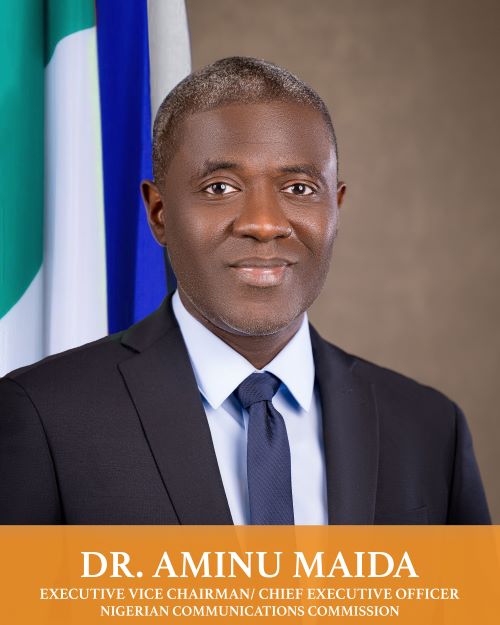
Addressing participants at the workshop, the Executive Vice Chairman of NCC, Dr. Aminu Maida, said the workshop is important to bridging the digital divide in Nigeria and foster inclusive social economic development.

“This workshop is an opportunity for all of us to harness the expertise, insights, and experiences of diverse stakeholders present here which includes the regulators, community leaders, technical experts and potential foreign providers to address the critical challenges such as affordable devices, access, licensing, spectrum allocation, infrastructure development, sustainability and institutional monitoring,” said Maida, who was represented by the Executive Commissioner, Technical Services, NCC at the event, Abraham Oshadami.

Maida said the workshop demonstrates the Commission’s commitment to advancing digital inclusion, particularly in underserved and unserved areas.

“At NCC, we recognise the transformative potential of community center networks in achieving this important goal,” he said.

The EVC said NCC was committed to “this journey and views this workshop as a catalyst for meaningful change,” stating that the expertise, perspectives and commitments will shape the future where every Nigerian, regardless of his or her status, will have meaningful access to opportunities from digital connectivity.

In her remarks, Co-manager of the Association for Progressive Communications’ Local Network (LocNet) initiative, Kathleen Diga, noted that the collaboration was to tackle identified hindrances to digital inclusion. “This is a space where we can be open and exchange ideas of possibilities, opportunities that will remain in realising values of a diversified ecosystem.”

Diga said: “I believe this workshop presents a moment in time that we can explore the bottom-up approach in local communities, small social enterprises, corporative among others, which have the ability to fill some of the digital gaps that remain unfilled,” she said, adding emphasising the need to recognise that community centre connectivity exists and they are grow throughout the global south, which, she said, are a “strategic response to digital exclusion.”

The workshop featured presentations from the NCC, the Association for Progressive Communications and other institutional stakeholders such as the Rural Electrification Agency (REA) and the Central Bank of Nigeria (CBN) all geared towards exploring a joint policy framework to address rural digital divide.

The Association for Progressive Communications is a 35-year-old international network member-based organisation encouraging digital inclusion in the unserved communities, particularly with communities in the global south and the workshop, through its LocNet initiative aimed at crafting an enabling inclusive regulatory framework for community networks in Nigeria.


CBN Debunks Report on BDC Recapitalisation Deadline

0

The Central Bank of Nigeria (CBN) has debunked a news story in circulation suggesting that the Bank has extended the deadline for the recapitalisation of Bureau De Change (BDC) operators to December 31, 2025.

The CBN, through its Acting Director of the Corporate Communications Department, Mrs. Hakama Sidi Ali, described the information as false, misleading, and stated that it should be disregarded.

According to her, the Bank has not granted any such extension beyond the previously communicated deadline of June 3, 2025.

She consequently urged the general public, journalists, media platforms, and all stakeholders to consistently verify information directly from official CBN sources, such as the Bank’s website and authorised communication channels, before publishing or sharing news about the Bank and its regulatory directives.

The CBN remains committed to ensuring transparency, stability, and compliance in the foreign exchange market and will continue to engage with all relevant stakeholders in accordance with its statutory mandate,” Sidi Ali noted.

As part of the revised framework introduced in February 2024, BDCs are required to meet new minimum capital requirements: ₦2 billion for Tier-1 and ₦500 million for Tier-2 operators.

BudgIT: States Should Domesticate National Policy on Women’s Economic Empowerment

0

BudgIT, a civic tech organisation raising the standards of transparency, accountability, and service delivery in the Nigerian government and governance, has urged subnational governments to adopt and implement the National Women’s Economic Empowerment (WEE) Policy and Action Plan, a policy designed to boost economic progress for women in Nigeria.

While Kaduna State has commenced implementation, 11 states—Akwa Ibom, Borno, Cross River, Edo, Enugu, Kano, Kwara, Lagos, Nasarawa, Plateau and Taraba—are currently domesticating the policy. Seven other states—Adamawa, Benue, Imo, Niger, Ogun, Oyo and Zamfara—have signalled interest, while 17 states—Abia, Anambra, Bauchi, Bayelsa, Delta, Ebonyi, Ekiti, Gombe, Jigawa, Katsina, Kebbi, Kogi, Ondo, Osun, Rivers, Sokoto and Yobe—are yet to take action.

This call comes as part of its partnership with the Federal Ministry of Women Affairs and other civil society organisations under the Nigeria WEE Policy Catalyst Fund project, designed to accelerate state-level action on women’s economic inclusion.

Currently in its socialisation phase, the WEE Policy and Action Plan aims to enhance women’s economic participation nationwide. As part of its efforts, BudgIT has developed and disseminated a detailed Policy Memo to all 36 State Governors, State Houses of Assembly, and State Ministries of Women Affairs. The memo identifies critical gaps in women’s economic participation, offers tailored recommendations, and emphasises the importance of mainstreaming gender-responsive policies across states.

The Policy Memo is a strategic tool designed to encourage states to develop targeted interventions, implement necessary reforms, and integrate Women’s Economic Empowerment (WEE) principles into their development planning. It also emphasises the urgent need to institutionalise monitoring frameworks that track progress toward gender-equitable economic outcomes.

Commenting, BudgIT’s Country Director, Gabriel Okeowo, emphasised that domestication at the subnational level can address disparities in employment, education, and social norms by promoting gender-responsive budgeting, creating pathways for skill development, and expanding access to credit and financial services for women entrepreneurs.

“Subnational implementation of the WEE Policy is essential for closing gender gaps in employment, access to finance, and economic mobility. With gender-responsive budgeting, skills development programs, and financial inclusion measures, state governments can unlock the economic potential of millions of Nigerian women. This isn’t just a moral imperative—it’s an economic strategy for shared prosperity and resilience.” Okeowo said.

To improve gender equality, boost economic opportunities, and provide social support for women, states must adopt a comprehensive approach that takes into account the distinct needs and challenges in each region. To this end, BudgIT calls on the media, civil society organisations, development partners, and citizens to actively advocate for the policy’s adoption at the state level.

Stanbic IBTC Capital Sponsors 16th NIESV Honours Nite, Celebrating Excellence in Real Estate

0

Stanbic IBTC Capital, a subsidiary of Stanbic IBTC Holdings, sponsored the 16th Honours Nite of the Nigerian Institution of Estate Surveyors and Valuers (NIESV), Lagos State Branch. The prestigious event held at the Lagos Continental Hotel featured the theme “Inspiring Excellence, Shaping the Future.”

This year’s Honours Nite served as a platform to recognise and celebrate exceptional achievements in the real estate and development ecosystem, bringing together industry leaders, corporate partners, and public sector decision-makers.

Stanbic IBTC Capital’s commitment to fostering innovation and excellence was evident through the Stanbic IBTC Residential Development of the Period Award, which honoured projects demonstrating significant market influence and superior execution.

Biufort Homes Limited’s Greenwich Gardens (Ketu) won the Silver Award, while UPDC Plc’s The Hampshire earned the Gold Award for its outstanding design, execution, and strategic contribution to the premium residential landscape.

In his opening remarks, Gbenga Ismail, Chairman of the NIESV Lagos State Branch, emphasised the importance of value-driven service: “Honours Nite gives us the chance to highlight the excellence and integrity inherent in our profession. While we celebrate today’s achievers, we set a precedent for a future that embraces innovation.”

The NIESV Lagos Branch plays a crucial role in promoting best practices and enhancing the real estate profession throughout Nigeria. The 16th Honours Nite not only acknowledged achievements but also   reaffirmed NIESV’s mission to cultivate a built environment characterised by excellence, ethics, and service to society.

Commenting on the event, Oladele Sotubo, Chief Executive, Stanbic IBTC Capital, stated:

“At Stanbic IBTC Capital, we believe that excellence in the real estate sector is necessary for sustainable growth and community development. By supporting events like the NIESV Honours Nite, we underscore our commitment to recognising and empowering the professionals who shape our built environment. Together, we can inspire innovation and uphold the highest standards, ensuring a future where quality housing and ethical practices thrive in Nigeria.”

Fidelity Bank Boosts Learning with Donations to Govt Sec. School, PH

0

L-R: Team Lead, Human Resource and Business Partner East and South, Fidelity Bank Plc, Osayi Uwumarongie; Principal, Government Junior Secondary School Elekahia, Port Harcourt; Dr Ekeh Florence; Team Lead, CSR, Fidelity Bank Plc, Victoria Abuka; and Procurement Officer/Class President, Suncrest 2025 Inductees Class, Fidelity Bank Plc, Euphemia Okereafor; during the Fidelity Helping Hands Programme Donation to Government Secondary School, Port Harcourt, Rivers State  recently.

In furtherance of its long-standing commitment to education and youth development, leading financial institution, Fidelity Bank Plc, has donated a wide range of relief and academic materials to Government Junior Secondary School, Elekahia, Port Harcourt, Rivers State.

The donation was made possible by the unwavering dedication and generosity of a class of newly inducted staff, known as the Suncrest Inductee Class, under the Fidelity Helping Hands Programme (FHHP).

Through the FHHP, staff across Fidelity Bank’s business locations identify projects that impact their immediate community and raise funds to execute them. The bank’s management thereafter matches this contribution with an equal amount and disburses it for the selected project.

Speaking about the donation event, Divisional Head, Brand and Communications, Dr. Meksley Nwagboh, noted the bank’s dedication to fostering community development and supporting children from underprivileged backgrounds.

“We deliberately chose a public school because we understand the challenges many students face. Our aim is to provide support that not only aids academic performance but also inspires hope for a brighter future,” said Dr Nwagboh.

He highlighted that the Bank’s initiative for school and students has spanned 15 years with numerous schools as beneficiaries nationwide.

“At Fidelity Bank, we believe that investing in the next generation is a direct investment in the future of our country. This initiative is deeply rooted in our philosophy of grooming responsible future leaders and promoting social equity, with our members of staff being able to significantly contribute right from their early days in the bank” he affirmed.

In her remarks, the Principal, Government Junior Secondary School, Elekahia, Dr. Ekeh Florence, expressed heartfelt appreciation to Fidelity Bank for its generous gesture.

“We are sincerely grateful that Fidelity Bank remembered the students of our school. The materials they provided – which includes exercise books, biros, socks, footwear, sanitary items such as pads and shaving sticks, and even snacks – will go a long way in boosting the morale and academic readiness of our students,” Dr. Ekeh stated.

The students expressed their joy and appreciation, describing the donation as the first of its kind from any corporate organisation. Many pledged to make the best use of the materials to improve their academic performance and personal development.


About Fidelity Bank Plc

Ranked among the best banks in Nigeria, Fidelity Bank Plc is a full-fledged Commercial Deposit Money Bank serving over 9.1 million customers through digital banking channels, its 255 business offices in Nigeria and United Kingdom subsidiary, FidBank UK Limited.

The Bank is the recipient of multiple local and international Awards, including the 2024 Excellence in Digital Transformation & MSME Banking Award by BusinessDay Banks and Financial Institutions (BAFI) Awards; the 2024 Most Innovative Mobile Banking Application award for its Fidelity Mobile App by Global Business Outlook, and the 2024 Most Innovative Investment Banking Service Provider award by Global Brands Magazine. Additionally, the Bank was recognised as the Best Bank for SMEs in Nigeria by the Euromoney Awards for Excellence and as the Export Financing Bank of the Year by the BusinessDay Banks and Financial Institutions (BAFI) Awards.

Leadway Supports Nigerian Pavilion at London Design Biennale 2025

0

Leadway Group, one of Nigeria’s foremost non-banking financial service groups, has announced its sponsorship of the Nigerian Pavilion at the prestigious London Design Biennale, scheduled for June 2025. This sponsorship is a decisive commitment to the global celebration and representation of the next generation of Nigerian creatives through international convergence of Nigerian culture, innovation, and creativity.

From June 5 – 29, 2025, the Nigerian Pavilion, “Hopes and Impediments”, will take center stage at Somerset House, London, the UK’s largest creative community and a global hub for the arts.

The Pavilion curated and designed by Myles Igwebuike, founder of Nteje Studios, and produced by Culture Lab Africa and endorsed by the Centre for Black and African Arts & Civilisation (CBAAC) presents a radical reimagining of identity, historical memory, and indigenous knowledge systems through the lens of contemporary design.

Myles’ roots in South-Eastern Nigeria and experiences abroad have uniquely positioned him as a bridge between tradition and transformation; exploring how the South-East of Nigeria is a cultural powerhouse redefining narratives and inspiring a reawakening of national pride.

According to the Group Managing Director, Leadway Holdings, Tunde Hassan-Odukale, “at Leadway, we believe that the intersection of culture, creativity, and commerce holds immense power to shape society and inspire progress. Our support of Nigeria’s participation at the London Design Biennale 2025 aligns with our bold affirmation of the global significance of Nigerian artistry and innovation. This initiative is not merely about aesthetics; it’s about preserving heritage, amplifying our stories, and empowering the next generation of creative thinkers. Through this platform, we proudly invest in the limitless imagination of Nigerian youth and the enduring spirit that propels our nation forward.

“As a proudly Nigerian brand, we see this as an extension of our commitment to social investments and economic development through inclusive, future-forward and globally inspired engagements. We are honoured to be part of a movement that celebrates our identity, creativity, and the boundless potential of our people.” He concluded.

Commenting on Nigeria’s participation at this year’s Biennale, Hon. Aisha Adamu Augie, the Director General, Center for Black and African Arts and Civilisation (CBAAC), a proud partner and contributor to the Nigerian National Pavilion stated that, “Nigeria’s participation in this year’s London Biennale is critical to our collective goal of projecting the African heritage on the world stage. This provides a veritable platform for the best of African design and talents to showcase their capabilities and inspire a lot more in the creative sector in the process. Nigeria’s participation at this year’s Biennale will further cement its position as a leader in projecting African Heritage to the world,” she further added.

Leadway’s sponsorship strengthens its broader investment in the Nigerian creative community. The company has previously supported creative initiatives such as Leadway Media Dash, which provides free media exposure for young entrepreneurs and continues to support platforms like the Lagos Leather Fair, a critical initiative to elevate Nigeria’s leather craftsmanship.


NIMC: Police Service Commission Not Denied Access to Verification Server

0

The National Identity Management Commission wishes to inform the general public that all its verification service platforms are functional and accessible to all partners including all security agencies.

Furthermore, the Commission is aware of the purported ”inability of the Police Service Commission (PSC) to access the NIMC verification server.”

This information is not only misleading but also inaccurate.

To set the record straight, the NIMC granted verification access to all Nigerian Police formations for the verification of the National Identification Number (NIN).

The NPF, PSC and other security agencies have been enjoying uninterrupted verification services for over five years. NIMC has provided top-notch verification services for recruitment into the Nigeria Police Force, as conducted by the PSC and at no time have there been any complaints or issues regarding NIN Verification by the NPF or PSC.

The Commission has a robust and harmonious working relationship with the Nigerian Police Force and the Police Service Commission. The Information Communications and Technology (ICT) department of the Nigeria Police Force is actively managing the long-standing verification and integration service between the NIMC and all Nigeria Police formations. NIMC will continue to provide flawless verification services for the purpose of recruitment, security mapping, cybercrime control, and any other security matters.

The framework by which NIMC provides services to the security agencies was recently restructured for standardization and effective implementation, following consultation with the Office of the National Security Adviser, and NPF has confirmed the verification services have continued to be available. We therefore believe that any service interruption experienced by PSC may be due to internal matters.

NIMC is committed to providing excellent verification services to the PSC, NPF and all its partners but the terms and conditions inherent must be adhered to for uninterrupted flow of service.


AGF: Why We Discontinued Legal Action Against Fidelity Bank CEO

0

The attention of the Office of the Attorney General of the Federation and Minister of Justice has been drawn to reactions trailing the discontinuation of the criminal charge against the Managing Director and Chief Executive Officer MD/CEO of Fidelity Bank Plc.

The Attorney General’s decision to discontinue the criminal charge against Dr. Nneka Onyeali-Ikpe, MD/CEO of Fidelity Bank Plc, is a testament to the office’s commitment to upholding justice and fairness. As the chief law officer of the federation, the AGF has the constitutional power to enter a nolle prosequi, discontinuing a prosecution where it is deemed necessary to prevent a miscarriage of justice.

This decision followed a careful review of the case which did not connect Dr. Onyeali-Ikpe to the charge as she was neither the account officer nor the Managing Director of the Fidelity Bank when the account used in the alleged scheme of fraud was opened.

The Attorney General’s decision is guided by the principles of justice, fairness, and the rule of law, and we have every confidence that this decision is in the best interest of justice and the public.

This decision does not to exculpate Fidelity Bank from the allegations contained in the charge which is still pending before the court, but rather a demonstration of the Attorney General’s duty to ensure that justice is served.

We urge the public to allow the legal process to run its course and to refrain from speculation or jumping to conclusions.

The AGF will ensure that the best interest of Justice is served at all times and that all those found wanting, at any time, face the full weight of law to serve as a deterrent to others.

Kamarudeen Ogundele

S A to the President on Communication Publicity,

Office of the AGF& Minister of Justice

June 09, 2025

NIMC Enrolls 59, 786 Inmates in Correctional Centres Nationwide

0

The National Identity Management Commission has successfully enrolled and issued National Identification Numbers (NINs) to 59,786 inmates across correctional centres in Nigeria, in collaboration with the Nigerian Correctional Service (NCoS) to ensure inclusivity.

This initiative aligns with President Bola Ahmed Tinubu’s Renewed Hope Agenda, aiming to enrol all Nigerians and legal residents.

To date, 74% of inmates have been enrolled and issued NINs, with the remaining inmates to be enrolled in the ongoing inmate enrollment. NIMC appreciates the support of the Honourable Minister of Interior, Dr. Olubunmi Tunji-Ojo, the Comptroller-General, Mr. Nwakuche Ndidi, and the NCoS management and staff.

Furthermore, NIMC is set to commence ward-level enrollment across the country, a key component of President Tinubu’s Renewed Hope Agenda to strengthen the National Identity System.

NIMC DG/CEO, Engr. (Dr.) Abisoye Coker-Odusote emphasised that the Commission aims to work with strategic partners to enrol and issue NINs to all Nigerians and legal residents in every ward, ensuring no one is left out.


Is This the End of USSD Banking in Nigeria?

0

By Elvis Eromosele

For years, USSD (Unstructured Supplementary Service Data) banking in Nigeria has been a lifeline for millions of Nigerians.

It was simple, fast, and accessible even on the most basic mobile phones. From transferring money to paying bills, and checking balances to buying airtime, USSD provided seamless access to banking without the need for internet access.

But now, a terse, polite message from banks may have sounded the death knell of the service. In what feels like a final move in a long-standing tussle between telecom service providers and banks, the new directive from the Nigerian Communications Commission (NCC) mandates that going forward, USSD banking charges will be deducted directly from customers’ airtime, not their bank accounts.

The innocuous-looking message read in part “Dear Customer, from Tuesday, June 3, 2025, USSD banking charges will no longer be deducted from your bank account. Instead, the fees will be billed directly to your airtime in line with the NCC’s End-User Billing (EUB) directive. Each session will attract a charge of ₦6.98 per 120 seconds.”

Buried in this simple announcement is the latest twist in the long-drawn battle between telecom operators and banks over USSD service charges. This is a battle that has lasted for years, involving regulators and resulting in service disruptions, legal threats, and regulatory interventions. Now, it seems banks are preparing to exit the USSD battlefield altogether.

The NCC directive effectively removes the banks from the fee-collection equation and places the burden squarely on the end-user. For many, this change marks more than a billing switch; it signals the slow phasing out of a channel that revolutionised financial inclusion in Nigeria.

There are, undeniably, a few upsides to this new structure. First, customers now receive prompts before airtime deductions are made, ensuring a more transparent process.

Second, telcos finally receive payment for services rendered, which could encourage better service delivery and network investments. Finally, the new model simplifies the revenue flow i.e. banks no longer need to collect and remit fees on behalf of telcos. In short, the move creates regulatory clarity and administrative efficiency.

However, the challenges are just as significant, if not more so. USSD banking emerged as a revolutionary tool for financial inclusion. It brought formal financial services to people without smartphones, data, and internet access. With just a basic phone and a GSM line, millions of Nigerians were able to check balances, transfer money, and buy airtime.

Now, each session comes at a direct cost, ₦6.98 per 120 seconds. For the average urban user, this may seem trivial. However, for rural dwellers, low-income earners, petty traders, and others at the economic margins, this is a heavy toll.

There’s also the psychological shift. A service that was once “free” or indirectly billed now requires upfront airtime, confirmation prompts, and network reliability. Add this to the banks’ not-so-subtle nudging of customers towards mobile apps and Internet banking, and the writing becomes clear: USSD banking is being slowly phased out.

You can’t blame the banks, it’s simple economics. USSD doesn’t allow for tailored digital engagement or targeted marketing. It lacks the analytical depth of app-based platforms. And now that they must rely on telcos to facilitate and collect the fees, it’s no longer strategically beneficial.

But here’s the catch: Nigeria is still a country with high levels of digital illiteracy, device poverty, and limited internet penetration. To phase out USSD without adequate replacement infrastructure or support systems would risk reversing the gains made in financial inclusion over the past decade.

Some would argue that there would be winners and losers. Yes, Telecom operators who now receive direct payment for USSD sessions; banks which shed the headache of fee collection and shift customers to digital platforms they control and tech-savvy customers who already prefer app-based banking solutions are all winners.

However, low-income users who depend on USSD as their only form of banking, rural communities where smartphones and data access remain luxury items and Nigeria’s financial inclusion agenda which may face a major setback would all be losers.

Going forward, we must now ask: how do we preserve financial inclusion while embracing digital transformation? A few ideas come to mind:

Tiered USSD Pricing: Offer essential services (such as balance checks or intra-bank transfers) at no cost or heavily subsidised rates, while charging for higher-value services.

Digital Literacy Campaigns: Educate users, especially in rural areas, on the use of mobile apps and internet banking.

Device Accessibility Initiatives: Encourage partnerships to provide affordable smartphones and basic data packages.

Public-Private Subsidy Models: The government, banks, and telcos can jointly fund access for the poorest Nigerians, similar to universal service obligations in other sectors.

This shift in USSD billing policy may seem like just another regulatory adjustment. But for millions of Nigerians, it could determine whether they remain financially included or pushed out of the system entirely.

As we pursue a cashless, digital Nigeria, we must ensure that no one is left behind, not the market woman in Aba, the farmer in Katsina, or the street vendor in Agege. Progress should not come at the cost of access.

Eromosele, a corporate communication professional and public affairs analyst, wrote via [email protected]

Sanlam, Allianz Merge to Enhance Operations in Nigeria

0

Sanlam, Africa’s biggest non-banking financial services powerhouse, and Allianz, one of the world’s most recognised global insurer, have announced a significant milestone in their Pan-African expansion strategy with the successful merger of their operations in Nigeria, one of Africa’s leading economies.

The merger, now branded as SanlamAllianz Nigeria, was officially announced on Thursday, June 5, 2025, during a high-profile launch event at the Oriental Hotel, Victoria Island Lagos.

Executives, regulators, partners, and the media gathered to witness the unveiling of the new brand.

SanlamAllianz Nigeria is part of a broader initiative by both parent companies to create Africa’s leading non-banking financial services group in different markets.

By leveraging Sanlam’s extensive continental footprint and achievements and Allianz’s global reputation and technical expertise, this new entity aims to offer enhanced customer experiences, innovative insurance solutions, and improved financial inclusion in Nigeria.

Speaking at a press briefing on the event day, Tunde Mimiko, MD/CEO of SanlamAllianz Life Insurance Nigeria, said: “Today marks a transformative chapter for Sanlam and Allianz but, even more importantly, the Nigerian insurance industry. Our joint venture, SanlamAllianz, is the fusion of complementary strengths, global expertise, rich underwriting heritage, and local insights designed to expand access to world-class insurance solutions for millions of Nigerians.

“At a time when Africa’s economic evolution demands more than traditional products, SanlamAllianz is committed to empowering individuals and businesses to build resilience, plan confidently, and drive inclusive growth. By embedding innovation and collaboration at our core, we aim to navigate the complexities of Nigeria’s market with integrity and excellence, setting a new benchmark for the insurance industry and securing the future of our people and businesses.”

At the heart of SanlamAllianz’s mission is a steadfast commitment to fostering Confidence in Nigeria. In an often-uncertain market, this partnership aims to be a beacon of stability and reliability for Nigerians and businesses. By delivering transparent, customer-centric solutions and upholding the highest standards of governance and ethics, SanlamAllianz seeks to build enduring trust, empowering individuals and enterprises to face the future with confidence.

Commenting on the merger’s significance for Nigerian economic development, Yomi Onifade, MD/CEO, SanlamAllianz General Insurance Nigeria, stated: “The emergence of SanlamAllianz Nigeria is timely and significant, especially as Nigeria has boldly announced its ambitions to achieve a $1 trillion economy. Such an ambitious goal requires the backing of a financially solid underwriter and exceptional risk management expertise.

“We understand that building confidence in the market involves more than just offering insurance products; it requires strict adherence to governance, transparency, responsiveness, and excellence in service delivery. At SanlamAllianz, we recognise the unique challenges that businesses and industries face and are well-positioned to provide tailored solutions that inspire trust and deliver real value.”

Sanlam and Allianz have already merged their businesses in several African countries, including key markets like Kenya, Morocco, Ghana, Uganda, Côte d’Ivoire, and now, Nigeria. This integration combines decades of experience across insurance and asset management, aligning operations to serve local markets better while streamlining product delivery and regional expansion.

With Nigeria’s low insurance penetration among its vast population, SanlamAllianz is strategically positioning itself at the right moment to transform the Nigerian insurance landscape. By embracing innovation, fostering financial inclusion, and expanding accessible coverage, the company aims to build lasting trust in insurance as a vital tool for long-term financial security.


About SanlamAllianz

SanlamAllianz is a leading Pan-African financial services entity, established in September 2023 through a joint venture between Sanlam, Africa’s largest non-banking financial services provider, and Allianz, one of the world’s foremost Insurers and Asset Managers.

Operating across 27 African countries, SanlamAllianz combines over two centuries of collective experience to offer a comprehensive suite of services, including life and general insurance, asset management, assistance, third-party administration, and retail credit.


NCDMB, NLNG Ramp up HCD Training as $5bn Train 7 Project Hits 80% Completion

0

The Nigerian Content Development and Monitoring Board (NCDMB) and Nigeria Liquefied Natural Gas (NLNG) Limited in Port Harcourt inaugurated 140 trainees for an intensive three-month Advanced Nigerian Content Human Capital Development (NC-HCD) Programme for the US$5 billion NLNG Train 7 Project on Bonny Island, Rivers State.

The trainees, who are graduates in different academic disciplines, had completed a 12-month Basic Training Programme in diverse oil-and-gas-industry-related skill sets and are now for the on-the-job phase which includes active hands-on participation in operational areas such as Turn Around Maintenance (TAM), Commissioning, and Desktop Programmes, among others.

In November 2024, a set of 331 trainees under Batch A of the NLNG T7 HCD Training Programme had begun capacity development in facility management, engineering, Information and Communication Technology (ICT), Health Safety and Environment (HSE), Quality Assurance and Quality Control, as well as welding and fabrication.

Another set of 77 trainees under Batch B of the same Training Programme began capacity development in data analytics and supply chain management among several other fields relevant to the operations of the oil and gas industry.

Addressing the trainees and trainers drawn from the Oil and Gas Trainers Association of Nigeria (OGTAN) as well as Management personnel of the NCDMB and NLNG, the Executive Secretary of the NCDMB, Engr. Felix Omatsola Ogbe, said the Advanced NC-HCD training is more than a milestone, but an expression of the collective commitment of the Board and the NLNG “to nurturing world-class Nigerian professionals who will shape the future of our oil and gas industry.”

He said the Board has remained steadfast in its conviction that Human Capital Development is “a critical investment in the sustainability and competiveness” of Nigeria’s oil and gas value chain, pointing out that over 400 Nigerians have undergone basic training in diverse technical, vocational, and specialized areas and are equipped with practical skills directly aligned with industry needs.

According to the NCDMB boss, who was represented by the Manager, Human Capital Development, Mrs. Tarilate Teide-Bribena, the Board and NLNG are “advancing even further by formally launching the on-the-job component of the NLNG Train 7 NC-HCD Programme,” which would see 140 bright and promising Nigerians gain practical exposure and real-time experience across technical domains within the NLNG operational plants in Bonny Island.

He commended the NLNG, which he described as “a trusted and forward-looking partner in the development of [Nigeria’s] human capital base,” for its unwavering partnership, noting that the company has not only complied with Nigerian Content requirements but “has consistently shown leadership in embracing the spirit of national capacity building.”

Engr. Ogbe also acknowledged the critical role of OGTAN for being instrumental in aligning training content, delivery standards, and capacity development frameworks with the actual needs of the industry. The trainers, he noted, have helped to bridge the gap between training and employability – ensuring that trainees do not just learn but are ready to add value from day one.

In her own remarks, the General Manager, External Relations and Sustainable Development of the NLNG, Dr. Sophia Horsfall, expressed profound appreciation to the NCDMB for productive collaboration on the HCD Programme, which she described as “a reaffirmation of NLNG’s unwavering commitment to human capital development.”

She said the support of the NCDMB has enabled the NLNG to effectively carry out its programme for the development of a strong, skilled and highly professional workforce for the country’s oil and gas industry. The trainings, she noted, are particularly significant as the NLNG Train 7 Project, which involves very advanced technology, has reached 80 per cent completion, and highly skilled technical manpower would be required. Final Investment Decision on the project was signed in December 2019.

On what she described as “robust, advanced … on-the-job training programme,” Dr. Hosfall disclosed that the trainees would work within the facilities of the NLNG on Bonny Island.

In closing remarks, the Nigerian Content Manager of NLNG, Engr. Dagogo Buowari, thanked the NCDMB for the partnership between the two organisations, and expressed his belief that the industry would continue to benefit from their collective endeavours.

He advised trainees to get themselves organised for their three-month programme on Bonny Island, which begins on June 16, 2025 and to ensure they do not become distracted in the course of their training.


Sterling One Foundation Marks World Environment Day with Focus on Plastic Waste

0

With plastic pollution still threatening lives, coastlines, and ecosystems across Nigeria, the Sterling One Foundation is taking concrete steps to confront the crisis through community-led cleanups, strategic partnerships, and ongoing policy engagement.

Earlier this year, the Foundation led a major cleanup at Elegushi Beach under its Beach Adoption Programme, a national initiative that has now formally adopted more than five beaches since 2021, including Alpha, Eleko, Lafiaji, Iwerekun and Okun Ajah.

Across these sites, the Foundation has cleared over 9,000 kilograms of waste, including more than 4,800 kilograms of recyclables, while working with local leaders to embed awareness and long-term stewardship in coastal communities.

“Our work on the beaches is not symbolic,” said Olapeju Ibekwe, CEO, Sterling One Foundation. “It is a deliberate strategy to improve coastal resilience, protect vulnerable populations, and link sustainability with real opportunity. Every cleanup is a chance to restore dignity to the environment and build trust in the systems meant to protect it.”

On June 13, Sterling One Foundation will join other stakeholders at WEDex 2025, a World Environment Day convening hosted by GreenHub Africa in partnership with the United Nations.

The Foundation will speak at the “Financing Youth Initiatives for Green Entrepreneurship” session at the UN House in Abuja, focusing on unlocking capital for community-based solutions to plastic waste.

The United Nations, a key partner on WEDex, also returns this year as co-convener of the Africa Social Impact Summit, scheduled for July 10 and 11 in Lagos.

The summit will focus on practical solutions for climate resilience and policy innovation under the theme Scaling Action: Bold Solutions for Climate Resilience and Policy Innovation.

“Plastic pollution is a development issue but also an untapped opportunity,” said Ibekwe. “If we do not treat it as urgent and systemic, it will keep undermining livelihoods, health, and climate goals.

Yet, if we engage the right partnerships and investment, plastic waste can be turned into a driver of jobs and innovation, especially for young people across the continent. The call now is for both the public and private sectors to act, to see beyond the problem and unlock its potential for good.”


About Sterling One Foundation

Sterling One Foundation (SOF) is a registered non-profit focused on tackling the root causes of poverty in Nigeria, and Africa through interventions and social impact programmes across three critical sectors namely: health, education and climate action & food security.

Gender Equality and women empowerment are integrated as a cross-cutting priority across all our programming areas.

The Foundation’s programmes adopt a central theme of prioritizing partnerships for the achievement of the Sustainable Development Goals (SDGs).