Saturday, May 30, 2026
25.8 C
Lagos
Home Blog Page 230

COVID-19: Nigerian Businesses Need to Reposition for Greater Challenges Ahead – Stanbic IBTC Bank CEO

0


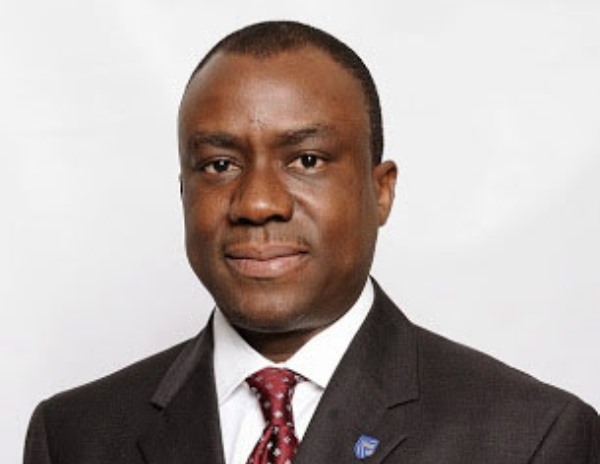
Dr. Demola Sogunle

CEO

Stanbic IBTC Bank Plc

Nigerian businesses need to prepare and brace themselves for a highly challenging period ahead as the coronavirus pandemic disrupts day-to-day life and commerce.

This follows the Federal and State Governments’ recent announcements of a set of bold measures to halt the spread of the coronavirus in Nigeria, including travel bans, school closures and limits to the size of public gatherings.

“While these actions are necessary and commendable, they are steering businesses into uncharted territory,” says Dr. Demola Sogunle, Chief Executive, Stanbic IBTC Bank PLC. “The operating environment, already difficult following years of lacklustre growth, will become even more challenging in the weeks ahead.”

As this health and economic crisis unfold, large organisations will have to contend with the challenge of managing complex operations across multiple entities and geographies – each with its own set of measures in place to tackle the pandemic.

“There is now a pressing need for effective risk mitigation and business continuity measures, and these must include partner firms, suppliers and other stakeholders,” says Sogunle.

In numerous industries, supply chains and cash flows are being severely disrupted, particularly for those businesses involved in cross-border trade. This makes planning more crucial than ever.

With this in mind, organisations should consider the early loading and planning of payments, as well as intensive cash-flow management and liquidity planning. Those businesses that have lending facilities in place should assess whether these can cope with changed or disrupted cash flows.

Also, businesses involved in cross-border trade can consider measures that reduce the impact on cash flows. Letters of credit, for instance, have a lesser impact on cash flows than upfront deposits. And the disruption of physical trade flows might require an alignment of the associated cash flows.

Meanwhile, the health and safety of employees, clients, and other stakeholders need to be top of mind. Companies should consider separating teams and allowing employees to work remotely, where possible, although the persistence of load-shedding does complicate remote work.

As more employees work from home, connectivity will be key. To enable this, teams could be provided with larger data bundles and afforded remote and secure access to internal systems. And with employees working in new environments, communication will be crucial to ensure that staff are well-informed and reassured, as well as productive.

Comprehensive policies and protocols applicable to both staff and clients are essential. Naturally, hygiene within the workplace and externally is of paramount importance – access to hand sanitizers, for instance, could prevent the spread of the virus.

“It is extremely important that companies remain calm and keep working effectively. Stanbic IBTCrecognises that it has a responsibility to do everything it can to help clients keep their businesses and their lives on track.

“As we have come to grips with this new reality that is facing us, we have all made the necessary plans in our different environments and prioritised our requirements so that we can continue to work, interact, and contribute to the society in which we live.

We do acknowledge that our business customers are facing challenges in dealing with the disruption to their businesses. We also understand that in any business or personal financial cycle there can be challenges in meeting financial obligations. These challenges may be heightened especially in times of economic downturns and crises.Customers who are in financial distress should contact the bank as soon as possible. The sooner the bank is informed, the sooner both parties can find a workable solution to address or resolve issues of financial distress.  It is not in Stanbic IBTC Bank PLC’s interest to see a business fail, or a home lost. It is in both parties’ interest to find a workable solution. We do urge customers to contact the bank should they experience difficulties. We do not doubt that the impact of the Corona-19 virus has been extremely disruptive,” Sogunle says.

Stanbic IBTC Relationship Managers are in contact with our customers and are there to provide all the support necessary. Our customers all have individual needs and requirements and we will provide all the assistance necessary on a case by case basis.

“We are encouraging clients to make use of digital channels when transacting and engaging with the bank, where possible, and to contact the bank if a financial strain is foreseen. By planning, working together and remaining vigilant, we can limit the strain on Nigeria’s businesses in the weeks and months ahead,” Sogunle added.


Linkage Assurance Women Seeks Greater Opportunities for More Relevance

0

L-R: Mrs. Temitope Abolaji, Marketer, Linkage Assurance Plc; Ms. Floy Ukadike, Marketer, Linkage Assurance Plc; Mrs. Olubukola Olaniyan, Marketer, Linkage Assurance Plc; Mrs. Joyce Ojemudia, GM, Marketing, Linkage Assurance Plc; Mrs. Chioma Ogugua, Underwriter, Linkage Assurance Plc); Ms. Mercy Osunde, Marketer, Linkage Assurance Plc during the celebration of International Women’s Day organized by Linkage Assurance Plc in Lagos.

As the world marks the International Women’s Day this March, seeking empowerment for the feminine gender, female staff of Linkage Assurance Plc have underscored the importance of harnessing the potential and hidden abilities that rest with the women-fold.

They noted that if the hidden abilities can be explored without being undermined by sentiments that women are the weaker gender, the feminine gender could add so much value to the economy and society at large.

Speaking on the theme ‘Each for Equal’ as part of the activities to mark the women’s day, Mrs. Joyce Ojemudia, GM, Marketing, Linkage Assurance called on the women staff to take advantage of the event and array of expert speakers brought together to redefine their career and launch themselves into higher responsibility in their professions.

Ojemudia also noted that it is important that women set goals, be focused, have clear vision, be committed to their visions, and take action.

“I will advice that we get your certifications and have mentors whom you can look up to for guidance and advice.”

The speakers, while agreeing that women are disadvantaged in a number of ways including managing career and family, they emphasized the importance of women overcoming these to make success in their career by exhibiting superior knowledge, by virtue of what they deposit or invest in their brain.

They also agreed that women should invest in every aspect of their life while also mastering the art of impression management, as that will give them the opportunity to be considered along their male counterparts for any position.

On the theme of the conference, the speakers said it was app and necessary to stimulate women to know that they are not inferior to men, and could achieve so much if the pursue their goals conscientiously.

Among the speakers at the event includes- Modupe Marc-Dawodu who spoke on the topic ‘The Challenges Facing the 21st Century Women’; Mr. Rajiv Sharma, Management Leadership Skills; Dr. Lekan Adelakun, ‘Dynamics of Women’s Health and Stress Management’; and Mrs. Abi Longe who also spoke on ‘Productivity and Performance to Achieve Corporate Goals’.


AIO 2020 Postponed to Oct 3 over Coronavirus

0


The Executive Committee of the African Insurance Organisation (AIO) has formally postponed the 47th AIO Conference & General Assembly earlier scheduled for Lagos, Nigeria from May 31 to June 3, 2020 due to the COVID-19 pandemic.

The new date for the conference is now October 3, 2020 in Lagos, Nigeria.

COVID-19 Threatens 50m Travel, Tourism Jobs Worldwide

0


The World Travel & Tourism Council (WTTC) has cried out that the Coronavirus pandemic now threatens over 50 million jobs in the global travel and tourism sector.

In a Letter to Governments around the world, Gloria Guevara, the President & CEO of WTTC said the sector contributes over 10.4 percent of global Gross Domestic Product (GDP) and 320 million jobs. She said the COVID-19 pandemic has put about 50 million jobs at risk.

“Without Travel & Tourism, economies around the world face an existential threat.”

Guevara therefore called on governments around the world to support the survival of the sector by rendering financial help to protect the income of millions of workers in the travel and tourism industry; extend interest-free loans to major operators and SMEs in the sector to avoid corporate collapse and to waive taxes, dues and other financial demands with immediate effect for 12 months.

Swiss Re, Zurich Insurance in Talks with Regulator on Coronavirus Impact

0


Patrick Winters

Switzerland’s top insurance companies are in talks with the financial regulator about the impact of the coronavirus outbreak on their capital buffers and their business, according to people familiar with the matter.

The watchdog contacted Swiss Re AG, Zurich Insurance Group AG, Swiss Life Holding AG and other local insurers to discuss capital and liquidity issues after the market slump and ahead of an expected wave of claims related to coronavirus deaths, cancellations and business disruption, the people said, asking not to be identified talks are private.

The regulator, known as Finma, is in “close contact” with the institutions that it regulates in such situations, a spokesman said, adding that it’s closely monitoring the situation and possible effects. Insurers are likely to be more impacted by the correction in financial markets than by claims, he said, declining to comment on specific companies.

Insurers — as well as the re-insurers who take up their losses — are assessing the cost of disruptions related to the virus – which has claimed the lives of more than 10,000 and put swathes of the U.S. and Europe on lockdown. The industry has worked to reduce its exposure to pandemics since the 2003 outbreak of SARS in Asia. Over recent years, that’s included tightening their policies by inserting communicable-disease exclusions in contracts.

A Zurich and Swiss Re spokesperson declined to comment. Swiss Life said that and other insurers are “regularly in exchange with the supervisory authority Finma regarding their business activities. As a matter of principle, we do not comment on our ongoing exchange with Finma.”

Insurers that fall under Finma’s regulation have solvency ratios that are on average well over the required minimum, the watchdog said. Capital buffers built up over the years can also be used in case that’s required, Finma said.

Munich Re and Swiss Re, the world’s two biggest re-insurers, in recent days sought to reassure investors that the virus would have a limited impact on their businesses.

“Even in the very unlikely scenario of a worldwide pandemic equivalent to a 200-year event, Munich Re would face a maximum of 1.4 billion euros in life and health insurance claims – similar in scope to a medium-sized natural catastrophe in property-casualty reinsurance,” the firm said in its annual report on Wednesday. It doesn’t expect the coronavirus outbreak to have any overall material effect on annual results.

The major impact of Covid-19 on the insurance industry to date is on the asset side of the balance sheet, Swiss Re chief financial officer John Dacey said at an investor conference. The company put in place hedges to mitigate the economic impacts of falling equity prices and widening credit spreads and sees the impact to be entirely manageable at this point, he said.


Access Bank Issues 1st Dual Listed Bond on NSE, LuxSE

0


Herbert Wigwe

Group Managing Director/CEO

Access Bank Plc

The successful listing of Access Bank’s N15bn Green Bond on the Luxembourg Stock Exchange (LuxSE) represents a major milestone in the development of sustainable financing in Nigeria.

The successful cross-listing of this 15.50 percent fixed rate green bond with five-year maturity has enjoyed many firsts including the first-ever climate bonds standard certified corporate green bond to be issued in Africa; the first to be listed on The Nigerian Stock Exchange (NSE) in 2019; and now, the first successful cross-listing of a bond born out of the partnership between NSE and LuxSE.

According to the World Economic Forum’s Global Risks Report, the top 5 risks in the world today closely related to climate change issues. There is, therefore, an increased urgency to reverse recent environmental trends such as ravaging bushfires, extremes of temperatures, floods, cyclones and season disruptions that have made the effects of climate change even more real.

These developments have thrust the concept of sustainable financing into the limelight, allowing products like Green Bonds to gain increasing significance.

It is, therefore, no surprise that the green bond market has witnessed tremendous growth globally with a total of $181bn raised from global investors in 2019 representing a 14-fold increase from the $13Bn raised in 2013. On the demand side, there has been heightened consideration of Environment, Social and Governance (ESG) factors in the demand for profitable investment products.

Looking at the Nigerian market, notable milestones have been achieved through the collaboration of public and private stakeholders.

In 2016, NSE boldly reached out to the Ministry of Environment with a proposal for the issuance of a Green Bond which was embraced and championed by former Minister of Environment and now Deputy Secretary General of the United Nations, Mrs. Amina Mohammed. This move led to a series of partnerships and innovations that have delivered gradual uptake in this market segment.

Among these were:

  • The first ever Green Bonds conference which held at the Stock Exchange House, Lagos and was headlined by the Vice President of the Federal Republic of Nigeria, Professor Yemi Osinbajo;
  • The issuance of the first 5-year N10.69bn sovereign and certified green bond from the Nigerian Government under its Ministry of Environment and the Debt Management Office (DMO);
  • The subsequent issuance of a 7-year, N15bn sovereign Green Bond which was well received by investors with an over-subscription of 220%;
  • The listing of Access Bank Plc’s N15bn Green Bond and North South Power Company Limited’s N8.5bn Corporate Infrastructure Green Bond; and
  • The signing of a Memorandum of Understanding between the NSE and the LuxSE to promote cross listing of bonds and foster the growth of sustainable finance in Nigeria

The Green Bonds market presents great opportunities to reap value if it continues to enjoy the unwavering commitment of key capital market stakeholders. Access Bank has pledged its support to the global climate change mitigation and adaptation agenda which seeks to promote responsible green lending globally.

Group Managing Director, Access Bank Plc, Herbert Wigwe affirmed that, “The cross-listing of the bond will make a material contribution to address climate change and provide institutional investors with access to a deep pool of green capital domestically and internationally.”

The NSE on its part has expressed its resolute commitment to the development of a sustainable capital market in Nigeria.

The Chief Executive Officer, NSE, Mr. Oscar N. Onyema has been reported to have said, “We will continue to maintain a dedicated sustainable market segment which provides issuers, asset managers and investors, access to green, social, sustainable, or ESG-focused securities. Asides Green Bonds, this segment will also promote the development of green labelled Fixed Income Products, Indices and Exchange Traded Products (ETFs) that help direct funding of green projects and environmentally aligned issuers as well as the green transition that ensures market resilience to the economic impacts of climate change.”


COVID-19: A New Environment for Insurers, Claimants

0


By Insurance Specialists at Webber Wentzel

After the likely spike in insurance claims arising from the COVID-19 pandemic, insurers are likely to introduce new or change existing exclusionary clauses which were not previously considered to be necessary.

The rapid spread and potential damage of the Coronavirus presents an extraordinary situation for governments, businesses and individuals. The Coronavirus is twice as contagious as ordinary flu, but mortality associated with the virus is 20 times higher. The last comparable event was about 100 years ago, when the Spanish flu epidemic occurred just after World War I.

In the following sections, we discuss the insurance policies that are most likely to experience claims as a result of events arising from the Coronavirus outbreak.

  • Life and Health Insurance

Life insurance, income protection and disability policies, which pay out when the policyholder dies or is incapacitated, could provide protection in this event, if all other conditions are met and there are no other exclusions or limitations.

One exclusion is risk-taking behaviour. If the policyholder does not follow well-publicised government recommendations to avoid contagion, for example by visiting banned countries, then the insurance company could regard this as high-risk behaviour and may not pay out on the policy.

These policies generally preclude pre-existing conditions, such as HIV. The policyholder should check what diseases are excluded. Other policies may specifically exclude a pandemic of certain diseases.

  • Medical Malpractice Insurance

This covers any act, error or omission on the part of a doctor, specialist, nurse or health establishment, in the context of providing a health service to patients that gives rise to a claim for damages. The standard of reasonableness applies. In a pandemic, the circumstances will be dictated by international best practice, so the health practitioner or establishment will be held to the infection control measures recommended by global bodies.

Given the numbers affected by the Coronavirus, there may be class actions formed by groups of patients exposed to harm through inadequate infection control measures. In this situation, the reality that health infrastructure is under stress could be raised as a valid defence.

In SA, there are only about 7,000 critical-care beds available (across the public and private sectors) and it would only require 20,000 severe infections to reach the upper limit of what our health infrastructure can respond to.

  • Business Interruption

Unfortunately, businesses interruption policies may not cover damage arising from the consequences of Coronavirus. Certain policies require that there must be underlying material damage to insured property to trigger the business interruption section of a policy, and the spread of the Coronavirus and COVID-19 are unlikely to result in physical damage to insured property.

However, some business interruption policies do include extension clauses for infectious or contagious diseases.

Those clauses do not require material damage as a condition of indemnity, although even some of those extension clauses can be limited to a certain radius from the insured’s premises before the policy will respond. Some interruptions may be outside the specified radius, making it difficult to claim under the extension clause.

  • General Liability

These policies cover the liability of an individual to pay damages to a third party as a result of negligent conduct, e.g. the “slip and fall” cover that supermarkets carry to protect themselves against claims from shoppers who injure themselves as a result of a slippery floor.

In the Coronavirus situation, businesses may potentially be sued for negligently allowing it to spread. A typical example would be a business in the hospitality industry which holds a gathering of more than 100 people, despite the prohibition, at which someone is infected with Coronavirus.

It is difficult to prove negligence and causation in the event of the spread of a disease. The claimant would have to demonstrate the necessary steps were not taken to contain it and that the infection was a direct result of the event.

It might be easier to prove negligence on the part of the government (for not having correct infection control in public buildings or government institutions, such as prisons) than it would be against individual businesses. Currently, to limit the potential number and size of those claims, a State Liability Amendment Bill is under discussion, but it has not yet been passed.

  • Directors & Officers Insurance

These policies cover wrongful acts by directors and officers of a company that result in the company or third parties such as shareholders and creditors incurring a loss. This can result in a claim against the directors and officers of the company in their personal capacities to make good the loss.

The Coronavirus could present a similar scenario to that experienced in the case of Cyber-attacks on companies. This can result in claims against directors and officers for failing to take steps to protect the business, which may be covered under directors and officers insurance.

If appropriate policies and procedures are not implemented, directors and officers may risk being liable. For example, the liquidator of a company could sue the directors and officers as a result of acts or omissions that caused the company to collapse.  The US and China are already seeing the first sign of class actions.

  • Employment Practices Liability

Employment practices insurance provides additional compensation for employees above that provided by the Compensation for Occupational Injuries and Diseases (COID) Fund, for example if employees contract COVID-19 in the course of their work.

Many companies are recommending that their employees work from home because they cannot guarantee their protection in the workplace. There has to be a balance between keeping employees safe and continuing to earn revenue.

  • Travel and Credit Insurance

In the context of COVID-19, travel insurance may pay out for claims arising from events such as the cancellation of flights or travel plans, repatriation, medical expenses and delays.

Credit insurance will protect a company against non-payment of accounts by debtors who go insolvent. Their insolvency could be triggered by supply disruptions or business closure caused by the Coronavirus pandemic.

  • Conclusion

Although we expect that COVID-19 will result in an increase in the number of insurance claims, the success of claims arising from the pandemic is not inevitable. At this stage, the effect and consequences of the Coronavirus pandemic and COVID-19 on insurance are as uncertain as what to do next to avoid catastrophe.


ITU Unveils Guidelines to Help Countries Develop Telecom Plans

0

In the face of the global coronavirus crisis, as in any other emergency, the speed and efficiency of our response is proportional to the level of preparedness. To help countries better manage disaster response activities at a time when the frequency, intensity and human and economic impact of disasters is on the rise worldwide, the International Telecommunication Union (ITU) launches new guidelines for the development and implementation of National Emergency Telecommunication Plans.

These guidelines will assist national authorities and policymakers in developing policies and regulations that can ensure the continued use of telecommunication networks and services before, during and after a disaster.

“The exceptional COVID-19 crisis we are going through right now shows how vital information and communication technology networks and services are, both to respond to the current pandemic and to address disaster management,” says ITU Secretary-General Houlin Zhao.

“Now more than ever, the implementation of comprehensive national emergency telecommunication plans can ensure there is effective and timely sharing of information across all levels of government, within affected communities and among humanitarian agencies to prioritize response efforts and to save lives.”

A national emergency telecommunication plan sets out a strategy to enable and ensure communication availability during the phases of disaster mitigation, preparedness, response and recovery by promoting coordination and engagement across all levels of government, humanitarian agencies, service providers and communities at risk.

The Guidelines also highlight major areas of risk during a disaster, provide justification for the funding of vital equipment and personnel in an emergency, and advocate the need for day-to-day resources and procedures that keep national authorities prepared, especially in relation to maintaining vital communications, the essential lifeline during emergencies.

“When disaster strikes there is no time to think about what to do and how to organize response. It is crucial that all stakeholders are prepared beforehand and ready to take action,” says Doreen Bogdan-Martin, Director of the ITU Telecommunication Development Bureau.

“Mock exercises including tabletop, talk-through and walk-through exercises to full-scale drills, help to ensure smooth emergency response among those involved in disaster management and communications.”

ITU has already assisted several countries in developing their national emergency telecommunication plans, setting up of early warning and monitoring systems and the provision of emergency telecommunications equipment.

With emergency readiness in mind, ITU and the Global Emergency Telecommunications Cluster (ETC), a global network of organisations that work together to provide shared communications services in humanitarian emergencies, have joined forces to develop a Tabletop Emergency Simulation Guide which offers tools to test and refine the national emergency telecommunication plans using simulated scenarios.

“With the growing frequency and complexity of disasters, it’s vital to test, identify and close any gaps in national readiness. The scenarios in this simulation guide will make it easier for all stakeholders to do that ahead of time,” says Enrica Porcari, Chair of the ETC, Chief Information Officer & Director Technology Division of the UN World Food Programme.

World Bank Raises COVID-19 Response Package to $14bn

0


The World Bank and IFC’s Boards of Directors have approved an increased $14 billion package of fast-track financing to assist companies and countries in their efforts to prevent, detect and respond to the rapid spread of COVID-19.

The package will strengthen national systems for public health preparedness, including for disease containment, diagnosis, and treatment, and support the private sector.

IFC, a member of the World Bank Group, will increase its COVID-19 related financing availability to $8 billion as part of the $14 billion package, up from an earlier $6 billion, to support private companies and their employees hurt by the economic downturn caused by the spread of COVID-19.
The bulk of the IFC financing will go to client financial institutions to enable them to continue to offer trade financing, working-capital support and medium-term financing to private companies struggling with disruptions in supply chains.

IFC’s response will also help existing clients in economic sectors directly affected by the pandemic–such as tourism and manufacturing—to continue to pay their bills. The package will also benefit sectors involved in responding to the pandemic, including healthcare and related industries, which face increased demand for services, medical equipment and pharmaceuticals.
“It’s essential that we shorten the time to recovery.   This package provides urgent support to businesses and their workers to reduce the financial and economic impact of the spread of COVID-19,” said David Malpass, President of the World Bank Group“The World Bank Group is committed to a fast, flexible response based on the needs of developing countries. Support operations are already underway, and the expanded funding tools approved today will help sustain economies, companies and jobs.”

The additional $2 billion builds on the announcement of the original response package on March 3, which included $6 billion in financing by the World Bank to strengthen health systems and disease surveillance and $6 billion by IFC to help provide a lifeline for micro, small and medium sized enterprises, which are more vulnerable to economic shocks.

“Not only is this pandemic costing lives, but its impact on economies and living standards will likely outlive the health emergency phase. By ensuring our clients sustain their operations during this time, we hope the private sector in the developing world will be better equipped to help economies recover more quickly,” said Philippe Le Houérou, Chief Executive Officer of IFC“In turn, this will help vulnerable groups to more quickly recover their livelihoods and continue to invest in the future.”

Having mobilised quickly at the time of the 2008 global financial crisis and the Western African Ebola virus epidemic, IFC has a successful track record of implementing response initiatives to address global and regional crises hampering private-sector activity and economic growth in developing countries.


‘NAICOM Should Extend Recapitalisation Deadline to 2021’

0

Mr. Tope Smart

Chairman

Nigerian Insurers Association

An operator in the insurance industry has enjoined the National Insurance Commission (NAICOM) to extend the deadline given the market to recapitalise from December 31, 2020 to 2021 in view of the market disruptions and uncertainties created by the coronavirus crisis in Nigeria and around the world.

He said the prevailing situation has made all the recapitalisation strategies and game-plans by operators unrealistic and largely overtaken by events of the moment.

The operator told Business Journal thus: “It is important for the market to appeal to NAICOM to extend the recapitalisation deadline from December 31, 2020 to 2021 because of this coronavirus issue. If the COVID-19 problem does not go away by the third quarter of 2020, it would be rather difficult for many operators to meet the December 31, 2020 recapitalisation deadline set by NAICOM. The reality is that the current situation is adversely affecting all our strategies and plans to recapitalise on or before the deadline. I believe that if the market decides to approach the regulator on this issue as a body, something positive could be done.”

Champion Newspaper’s Excellence Award Holds March 20

0


 …Govs Ayade, Ugwuanyi, Airpeace CEO, Zenith Bank GMD, Globacom others make list

The best of the nation’s human resources and institutions will be on parade on Friday March 20, 2020 as Champion News Media, the publishers of Champion Newspapers rolls out the drums in celebration of the winners of its 2019 awards and recognitions.

Scheduled to hold at the prestigious Oriental Hotel in Victoria Island, Lagos, the Champion Newspapers Awards is targeted at acknowledging the contributions of some of the outstanding individuals, organisations, agencies  and institutions of both state and federal government to the development of Nigeria in particular and humanity in general in the areas of business, politics, culture, social and infrastructural developments.

The Group Managing Director, GMD and Editor-in-Chief of Champion Newspaper, Dr. (Mrs.) Nwadiuto Iheakannwa who spoke on the preparations for the event had expressed delight at the elevation of the 2019 edition of the awards to an ‘A’  list event  saying that the event  will translate to a parade of stars.

“The awards and recognitions are intended to acknowledge those persons, organisations, institutions and agencies, who made outstanding contributions in reshaping the growth and fortunes of Nigeria and indeed the whole world in 2019. We took extra care in sorting out these individuals and organisations as our Board of Editors was painstaking in voting for the right candidates.

“It is our own little way of encouraging Nigerians to strive towards excellence in all their endeavours. We should have the people that we should look up to and emulate at all times. The award ceremony is Champion Newspaper’s own way of fostering a better society. We are looking forward to hosting no fewer than 500 dignitaries at the event”, she explained.

Already, the governor of Lagos Mr. Babajide Sanwo-Olu has accepted the role of the Chief Host at the March 20, 2020 event which will be presided over by Minister of the Niger Delta Affairs, Senator Godswill Apkabio. Senator Akpabio is a two- term governor of oil rich Akwa Ibom State.  The charismatic Senate Minority Leader, Senator Enyinnaya Abaribe will be the Special Guest of Honour.

No fewer than 10 serving senators and House of Representatives members have confirmed their attendance at the event. Also expected in attendance is the Speaker of the Lagos State House of Assembly, Rt. Hon. Mudashiru Obasa. Imo State Governor, Senator Hope Uzodinma is expected to make a special appearance at the event.

Giving an insight into what promises to be an award like no other, Dr. Iheakanwa revealed that it took the in-depth analysis of the profiles and contributions of so many nominees for the selection committee to announce the Air Peace Chief Executive Officer, Mr. Allen Onyema as the 2019 Champion Newspapers Man of the Year.

According to Dr. Nwadiuto, Cross River State Governor, Prof. Ben Ayade will be on the podium on March 20 to receive the Governor of the Year award while his counterpart in Enugu, Governor Ifeanyi Ugwuanyi  is the Best Governor of the Year on Security.

Speaker of the Ebonyi State House of Assembly Rt. Hon. Ogbonnaya Nwifuru got the highest votes to emerge as the Best Assembly Speaker of the Year.

The roll of honour at this year’s annual Champion Newspapers Awards includes Zenith Bank Plc GMD/Chief Executive Officer, Mr. Ebenezer Onyeagwu who is the Bank Chief Executive Officer of the Year, Globacom Limited as Telecommunication Company of the Year, Fidelity Bank Plc as Bank of the Year, Sovereign Trust Insurance Plc emerged as Insurance Company of the year just as Access Bank Plc’s Public and Media Relations Manager, Mr. Abdul Imoyo will be honoured as the Best Media Manager of the Year.

The stars to be celebrated will also include, Universal Insurance Plc, as the Most Innovative Company of the Year, Dr. Dakuku Adol Peterside who is the out-going Director General of NIMASA will be honoured as the Best Public Agency Manager of the Year. Greenwhich Trust Limited is the Corporate Leader of the Year just as Seplat Oil and Gas Plc was voted Oil and Gas Company of the Year.

Other awardees are: Senator Annie Okonkwo who emerged Democracy Icon of the Year, God is Good Logistics will mount the podium as Logistics Company of the Year and Dr. (Mrs) Asabe Shehu Yar’ Adua Foundation who will be decorated as the Non Governmental Organisation (NGO) of the Year.

The Group Managing Director of Champion Newspapers further assured on capitalizing on the award series in encouraging the culture of excellence in both the private and public sectors of the nation’s economy in order to challenge the ingenuity of Nigerians.

“I am confident that with the appropriate policies and business environments, Nigeria will get her crop of managers to exhibit better work culture. That is why the whole nation will have to keep encouraging those who are known to be doing the right things. The reward for hard work is more work. Champion Newspapers will continue to partner with groups and individuals including corporate organisations in promoting the good values of Nigerians. This is part of the objectives behind the annual Champion Newspaper’s Awards ceremony”, she explained.

Meanwhile, letters of commendations have continued to trail the release of the list of this year’s awardees just as the recipients have confirmed their acceptance of the awards, thereby setting the tone for the hosting of the landmark event on March 20, 2020.

‘Tokyo 2020 Olympic Games to Go On Despite Coronavirus’

0

Yesterday, the International Olympic Committee (IOC) met with all stakeholders of the Olympic Games Tokyo 2020 and issued the communiqué below:

This is an unprecedented situation for the whole world, and our thoughts are with all those affected by this crisis. We are in solidarity with the whole of society to do everything to contain the virus.

The situation around the COVID-19 virus is also impacting the preparations for the Olympic Games Tokyo 2020, and is changing day by day.

The IOC remains fully committed to the Olympic Games Tokyo 2020, and with more than four months to go before the Games there is no need for any drastic decisions at this stage; and any speculation at this moment would be counter-productive.

The IOC encourages all athletes to continue to prepare for the Olympic Games Tokyo 2020 as best they can. We will keep supporting the athletes by consulting with them and their respective NOCs, and by providing them with the latest information and developments, which are accessible for athletes worldwide on the Athlete365 website and via their respective NOCs and IFs.

The IOC has confidence that the many measures being taken by many authorities around the world will help contain the situation of the COVID-19 virus. In this context, the IOC welcomes the support of the G7 leaders as expressed by Japanese Prime Minister Abe Shinzo, who said: “I want to hold the Olympics and Paralympics perfectly, as proof that the human race will conquer the new coronavirus, and I gained support for that from the G-7 leaders.”

We will continue to act in a responsible way and have agreed the following overriding principles about the staging of the Olympic Games Tokyo 2020:

  1. To protect the health of everyone involved and to support the containment of the virus.
  2. To safeguard the interests of the athletes and of Olympic sport.

The IOC will continue to monitor the situation 24/7. Already in mid-February, a task force was set up consisting of the IOC, the World Health Organization (WHO), the Tokyo 2020 Organising Committee, the Japanese authorities and the Tokyo Metropolitan Government.

The purpose of the task force is to ensure coordinated actions by all stakeholders. It has the mission to keep a constant appraisal of the situation to form the basis for the ongoing operational planning and necessary adaptations. The task force also monitors the implementation of the various actions decided. The IOC will continue to follow the guidance of this task force. The IOC’s decision will not be determined by financial interests, because thanks to its risk management policies and insurance it will in any case be able to continue its operations and accomplish its mission to organise the Olympic Games.


Lloyd’s Seeks Estimate of Coronavirus Losses from Insurers

0


Mr. Tope Smart

Chairman

Nigerian Insurers Association

Lloyd’s of London has asked its member firms to provide estimates of their potential current and final losses from coronaviru to help the insurance market understand its possible overall losses from the impact of the pandemic.

Lloyd’s was working with British and overseas regulators to formulate its response to the spread of the virus, using its experience of previous catastrophes, the spokesman said in an emailed statement.

“The situation is fast-moving and changing daily, leading to a high degree of uncertainty about the eventual type and scale of losses that may emerge,” the spokesman said.

Lloyd’s would ask its managing agents the same question in a month’s time, the spokesman said, and could ask for the information more frequently, as it expected “the loss estimates to move over time as the situation and our understanding develops.”

Lloyd’s of London chief executive, John Neal said last week that the impact for the 330-year old commercial insurance market was likely to be felt through claims for supply chain disruption.

Lloyd’s closed its “underwriting room” in its City of London tower – where insurance deals take place face-to-face – for the first time for a day on Friday last week to see if the market was able to operate without it. The test was successful, the spokesman said.

Risk modeling firms say they are not yet able to provide estimates of the global insurance losses from the virus.

Lloyd’s made pre-tax losses of $2 billion in 2017 following large hurricanes and other natural disasters.

Allianz Nigeria Delivers on 60 Minutes Motor Claims Settlement

0


Allianz Nigeria makes good her promise to settle motor claims within 60 minutes.

The nationwide campaign to settle motor claims within 60 minutes which was launched on February 17, 2020 has seen a total of 53 claims to the tune of N2, 784, 225 settled in less than an hour.

Allianz Nigeria expresses gratitude to the numerous customers that have benefited from the 60 minutes campaign.

The company has also committed to continue to provide excellent service delivery of the highest standards.