Home Blog Page 21

Nigeria Secures Permanent Seat on the Board of African Central Bank

0

During the just-concluded 39th Session of the Executive Council of the African Union, Nigeria recorded significant diplomatic and institutional achievements, consolidating its leadership role in advancing Africa’s economic integration, peace, security, and democratic governance.

A major highlight of the session was the Council’s agreement to grant Nigeria a permanent seat on the Board of the African Central Bank.

This landmark development underscores Nigeria’s strategic role in shaping Africa’s financial architecture. This decision also extends Nigeria’s representation to the Board of the Technical Convergence Committee of the African Monetary Institute, which serves as the precursor to the establishment of the African Central Bank.

These developments affirm Nigeria’s technical capacity, economic significance, and commitment to advancing Africa’s monetary integration agenda.

In the area of peace and security, the session witnessed the successful election of the candidates collectively agreed upon by the Economic Community of West African States to the Peace and Security Council.

This outcome reflects the strong cohesion, cooperation, and unity among ECOWAS Member States, as well as the region’s shared commitment to promoting stability and collective security across the continent.

Furthermore, Nigeria demonstrated leadership in strengthening democratic governance across Africa by organising a Ministerial High-Level Panel Discussion on Regional Partnerships for Democracy.

The event attracted wide participation from ministers, senior government officials, and delegates, not only from the West African region but from across the continent and the international community.

The panel facilitated constructive dialogue on strengthening democratic institutions, fostering inclusive governance, and enhancing collaborative regional approaches to sustaining democratic values.

Nigeria’s engagements and outcomes at the 39th Executive Session of the Executive Council reaffirm the country’s commitment to the ideals and objectives of the African Union, particularly in promoting economic integration, institutional development, peace, security, and democratic governance across the continent.

The Federal Government of Nigeria remains dedicated to working collaboratively with Member States and regional bodies to advance Africa’s shared prosperity and sustainable development.

Tinubu Hails BOI on N636bn Loan Disbursement to Businesses in 2025

0

President Bola Ahmed Tinubu has commended the Bank of Industry (BOI) for achieving N636 billion in loan disbursement to businesses in 2025, the highest annual financing volume in the institution’s history.

The President described the milestone as concrete evidence that ongoing macroeconomic reforms are strengthening development finance institutions and unlocking capital for productive sectors of the economy.

The N636 billion was disbursed to more than 7,000 enterprises nationwide. A breakdown of the financing shows that N202 billion was allocated to agro-allied enterprises, N100 billion to critical national infrastructure, including broadband, power, aviation, and transportation, N79 billion to manufacturing, N77 billion to extractive industries, and N55 billion to services.

In addition, the Bank deployed N73 billion in managed and matching funds on behalf of state governments and institutional partners.

According to President Tinubu, “the N636 billion disbursed by the Bank of Industry in 2025 translates directly into productive capacity across Nigeria. It financed agro-processing expansion, strengthened manufacturing output, supported infrastructure delivery, and empowered thousands of enterprises across our states.

“At a time of global financing constraints, Nigeria expanded access to long-term capital for its businesses. That is a direct outcome of reform, credibility, and institutional discipline.”

Disbursement by business size reflects a deliberate inclusion strategy. Nano enterprises received N51 billion. Micro businesses accessed N32 billion. Small and medium enterprises received N178 billion in financing, while large enterprises accounted for N375 billion.

Under the Federal Government’s N200 billion MSME intervention programme, BOI recorded over 95 percent performance as the disbursing institution. The Presidential Conditional Grant Scheme reached 957,400 beneficiaries in 2025 alone.

In addition, BOI’s financing activities led to the creation and retention of approximately 1.6 million jobs. The bank supported more than 7,000 MSMEs and 570 startups during the year.

Inclusive financing initiatives also recorded a measurable impact. Through the Guaranteed Loans for Women Programme, a N10 billion gender-focused facility providing up to N50 million per beneficiary, women-owned enterprises expanded access to affordable credit. Youth-owned enterprises received N12 billion in financing. Under the Rural Area Programme on Investment for Development, 880 rural-based enterprises across the 36 states and the FCT accessed over N6.5 billion.

Under the BOI 2025 disbursement, strategic interventions included upgrading a tomato processing facility from 3.1 metric tonnes per hour to 10 metric tonnes per hour and linking 47,508 smallholder farmers to formal processing value chains.

The bank also supported the deployment of 100 mini-grids in partnership with global development finance institutions, connecting 11,777 new customers to electricity. BOI-financed projects contributed to an estimated annual reduction of over 20,000 tonnes of carbon emissions.

Through the Investment in Digital and Creative Enterprises programme, 500 founders were prepared for investment, 100 technology ventures received funding, and 400 youths were trained through innovation initiatives targeting over 300,000 Nigerians.

The President further noted that BOI maintained strong asset quality, recording a non-performing loan ratio below 1.5 per cent despite macroeconomic headwinds. He also acknowledged the €2 billion syndicated facility secured in 2024 and the additional €210 million mobilised from international partners in 2025, which strengthened the Bank’s lending capacity.

President Tinubu added: “Development finance must be disciplined, measurable, and aligned with national priorities. What we are witnessing is the transition from strategy to scale. Our economic transformation will be built on production, value addition, and enterprise growth. We will continue to crowd in capital, deepen institutional reform, and ensure that access to finance supports real sector expansion across Nigeria.”

The President also welcomed BOI’s designation as Nigeria’s first National Implementing Entity to the United Nations Adaptation Fund and its recognition for sustainable finance and financial inclusion, describing these achievements as strengthening Nigeria’s global development finance standing.

President Tinubu reaffirmed his administration’s resolve to consolidate reform gains and expand credit access to enterprises as part of a long-term strategy to accelerate industrialisation and inclusive economic growth.

Index-Based Livestock Insurance Consortium Disburses ₦181.9m in Claims Payouts to Livestock Herders

0

A consortium of insurance companies led by Leadway Assurance Company Limited, in collaboration with Rex Insurance Limited, NSIA Insurance Limited, AIICO Insurance Plc and Nigerian Agricultural Insurance Corporation (NAIC), has disbursed a total sum of ₦181,917,900 as insurance claims to livestock herders across Adamawa, Bauchi, and Plateau States under the Index-Based Livestock Insurance (IBLI) programme.

The claims payout ceremony, held in Yola, Adamawa State, marks a significant milestone in the use of innovative, data-driven insurance solutions to protect pastoral livelihoods against climate-related risks.

The IBLI programme is designed to provide timely financial relief to livestock owners affected by drought and other climate shocks and avails them with financial resources to purchase pasture for their animals whenever there is drought in the grazing area thereby protecting the animal from mortality. Unlike conventional insurance, IBLI relies on objective indices such as satellite-based vegetation data to trigger payouts, ensuring transparency, efficiency, and prompt compensation without the need for individual loss verification.

Leadway Assurance serves as the Lead Technical Partner for the IBLI programme, providing technical leadership in product design, risk management, and implementation, while working closely with its co-underwriters.

The programme is further strengthened through partnerships with Africa Reinsurance Corporation (Africa Re), the reinsurer of the project, Livestock Productivity and Resilience Project (L-PRESS), International Finance Corporation (IFC) a member of the World Bank Group, thereby underscoring the importance of regional and international partnerships in the development and deployment of this innovative and bespoke insurance solutions for the benefit of cattle herders in Nigeria.

Mr. Ayoola Fatona, Global Head, Agriculture Risk Solutions, Leadway Assurance, highlighted the importance of collaboration in delivering impact at scale: “The IBLI claims payout underscores our commitment to delivering innovative, data-driven insurance solutions that protect livestock-dependent livelihoods. Through strong collaboration with our co-underwriters, L-PRESS, IFC and Africa Re as reinsurer, we are strengthening resilience among herders in Adamawa, Bauchi, and Plateau States while advancing sustainable agricultural risk management in Nigeria by Livestock farmers. By deploying this solution, the herders’ adaptability and coping mechanism against the negative impact of climate change and global warming is further enhanced”

The claims paid represent verified index-triggered losses recorded during the insured period and demonstrate the effectiveness of the IBLI framework in responding to climate shocks affecting pastoral communities.

The IBLI consortium remains committed to expanding access to agricultural insurance through strong partnerships with reinsurers, governments, and development stakeholders, while promoting resilience, financial inclusion, and sustainable livelihoods within Nigeria’s livestock sector.

By this initiative, Leadway Assurance Company Limited has once again demonstrated its commitment to contributing to guaranteeing the food security of the nation.


SanlamAllianz General Insurance Appoints Jacqueline Agweh as MD/CEO

0

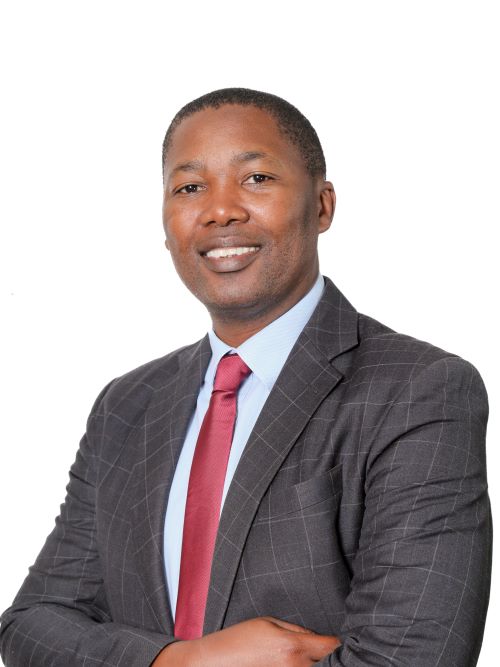
 SanlamAllianz General Insurance has announced the appointment of Mrs. Jacqueline Uche Agweh as its substantive Managing Director/Chief Executive Officer, effective February 11, 2026.

Mrs. Agweh brings over three decades of deep industry experience cutting across underwriting, claims management, reinsurance, insurance broking, life assurance, and technical operations. Her appointment marks a significant milestone in the company’s commitment to strengthening leadership capacity and enhancing operational excellence within Nigeria’s insurance sector.

Prior to her appointment, she served as Executive Director, Technical Operations at SanlamAllianz General Insurance. She previously held senior management roles at FBN General Insurance (now Sanlam General Insurance), Oasis Insurance Plc, Kelsan Insurance Brokers Limited, ACEN Insurance Co. Limited, and other leading institutions within the industry.

Mrs. Agweh is a Fellow of the Chartered Insurance Institute of Nigeria (FCIIN) and an alumna of the Lagos Business School (SMP 69). She holds a Bachelor of Science degree in Insurance from the University of Lagos.

A respected industry professional, she has served on several Nigerian Insurers Association (NIA) committees, including as Chairman of the Sub-Committee on Outstanding Claims and Chairman of the Motor Technical Committee Retreat (2022). She is also actively involved in various professional and industry associations, contributing to the advancement of insurance practice and governance in Nigeria.

A recipient of multiple industry awards, including the then FBN General Insurance Chairman’s Gold Award for Leadership, Mrs. Agweh is widely recognised for her strategic leadership, customer-focused approach, and strong commitment to innovation and continuous improvement.

Speaking on the appointment, the Company reaffirmed its confidence in her ability to drive growth, deepen stakeholder trust, and position SanlamAllianz General Insurance as a market leader in delivering innovative and reliable insurance solutions. 

About SanlamAllianz General Insurance

SanlamAllianz General Insurance is a subsidiary of SanlamAllianz Life Insurance, a leading provider of innovative and customer-focused insurance solutions in Nigeria, committed to delivering financial security and long-term value to individuals and businesses.

BudgIT Claims 92 Fraudulent Projects Out of 2,760 in 2024/2025 Tracka Report

0

Tracka, BudgIT’s service delivery promotion platform, which allows citizens to collaborate, track, and give feedback on public projects in their communities, has released its 2024/2025 project tracking report, revealing that several government projects across Nigeria remain incomplete, abandoned, or untraceable despite significant budget allocations.

In this reporting cycle, Tracka monitored 2,760 projects across 28 states, highlighting systemic gaps between public spending and tangible development outcomes. Of these projects, 1,438 were completed, 99 were abandoned, 660 were in progress, 471 were not done, and 92 were fraudulently delivered—characterised by the diversion of project funds and projects to other locations, disbursements of funds for projects completed in previous budget cycles without new implementation, projects partially completed, and poorly executed.

The highest incidence of such fraudulent projects was recorded in Imo (17.43%), Lagos (12.73%), Kwara (11.76%), Abia (10.67%), and Ogun (8.33%). These five states account for 57.1% of all fraudulently delivered projects, representing ₦8.61 billion of the total ₦15.07 billion disbursed for projects in this category.

A further breakdown of these projects involved targeted tracking to evaluate the status of strategic infrastructure and its wider impact on national development. This focused monitoring covered key sectors, including dam projects, revitalised primary healthcare centres, and federally funded projects in the Niger Delta.

By concentrating on these priority areas, Tracka aimed to provide a clearer understanding of how public investments translate into tangible outcomes for citizens.

Following repeated national grid collapses in 2024, Tracka focused on dam-related projects across 13 states with a combined value of ₦432 million. Dams are critical for water management, irrigation, and power generation, and weak oversight in this sector can have ripple effects on national energy supply, food production, and economic stability.

Of the 16 projects tracked, none were completed at the time of assessment. Four were abandoned, six were progressing slowly, and six had yet to commence despite prior funding.

Access to primary healthcare remains one of the most urgent needs in many communities. To assess progress, Tracka tracked 47 revitalised primary healthcare centres across 25 states. Of this number, 26 centres showed visible improvements in infrastructure or equipment; 12 were under renovation; eight had no interventions despite being listed as revitalised; and one was completely abandoned.

In many neglected facilities, residents continued to face long travel distances and substandard care due to inadequate staffing, poor equipment, and weak sanitation. Limited public disclosure of disbursement data compounded these challenges, obscuring whether delays stemmed from funding gaps, contractor inefficiency, or weak supervision.

In the Niger Delta, Tracka monitored 48 federally funded projects across Akwa Ibom, Cross River, Delta, and Rivers states. While 29 projects were completed and produced measurable community benefits, 13 had not commenced, four were ongoing, and two were untraceable despite confirmed funding.

Despite these challenges, the report highlights 15 success stories driven by citizen engagement. These include the revitalisation of Kaida Sabo Primary Healthcare Centre, renovations at Nawairudeen Primary School in Plateau State, completion of a stalled healthcare centre in Ikirun, empowerment programs for persons with disabilities in Katsina, erosion control initiatives in Rivers State, and clean water access through borehole projects in Akwa Ibom.

Commenting on the report’s findings, the Head of Tracka, Joshua Osiyemi, highlighted the urgent need for citizen oversight to ensure that public funds deliver real impact.

“The 2024/2025 Tracka report confirms what we have long known. Allocation of funds does not guarantee project delivery. Citizen oversight is not optional; it is essential. Tracka monitored 11.2% of the budgeted projects (2,760 out of 24,553) (ERGP+ZIP), demonstrating what is possible. If just 5% of Nigerians engage in oversight, monitoring could reach 50%, significantly reducing opportunities for corruption and greatly improving service delivery and quality of life across communities.”

To this end, we call on the government to publish detailed project information, provide timely disbursement data, strengthen supervision, and prioritise socially impactful projects. State governments must treat federal allocations to them as strategic development tools, not discretionary or patronage funds.

Also, Anti-corruption agencies are urged to act preventively, close systemic loopholes, and ensure investigations yield tangible results. In the meantime, citizens are encouraged to visit project sites, document progress, and use civic platforms such as Tracka to reinforce accountability at the grassroots level.

The 2024/2025 report serves both as a warning and an invitation: without accountability, public resources will continue to be wasted; but with citizen engagement, institutions and communities can ensure that public spending delivers real, measurable impact.


Transcorp, DMO, MTN, Dangote Cement, CardinalStone, among Winners at NGX Made of Africa Awards

0

Transnational Corporation Plc, the Debt Management Office, CardinalStone, Chapel Hill Denham and MTN Nigeria Communications were among the recipients at the 2025 Made of Africa Awards hosted by Nigerian Exchange Group, recognising institutions driving performance across Nigeria’s capital markets.

The awards honour brokers, issuing houses, trustees, fund managers, listed companies and other market participants for excellence in value delivery, compliance and market impact.

Group Chairman of NGX Group, Umaru Kwairanga, said the awards underscore the role of market stakeholders in strengthening investor confidence and improving market standards. “Their achievements set a benchmark for performance, integrity and innovation across the capital market,” he said. He added that sustaining this level of discipline and transparency is essential to maintaining the trust of both domestic and international investors in Nigeria’s financial markets.

Group Managing Director and Chief Executive Officer, Temi Popoola, emphasised the importance of collaboration and operational efficiency stating “Operational efficiency and cooperation across the ecosystem are increasingly important as trading activity diversifies and investor expectations continue to rise”

Adding a regulatory perspective, Bola Ajomale, Executive Commissioner, Operations, Securities and Exchange Commission (SEC), said the awards underscore the value of compliance and transparency in market development.

“Recognition through the Made of Africa Awards reinforces the importance of adherence to market rules and standards. When operators demonstrate accountability and professionalism, it strengthens investor confidence, ensures market integrity, and supports sustainable growth across Nigeria’s financial markets,” he said.

Chief Executive Officer of Nigerian Exchange Limited, Jude Chiemeka, said recognising strong performance across the ecosystem supports deeper market participation and long-term capital mobilisation.

Among the recipients, First Trustees Limited won Best Trustees in Terms of Deal Value, while Legend Internet Plc received the Market Debut Excellence award.

CardinalStone Securities emerged as Equity Trader of the Year and Broker of the Year, Capital Express Securities won ETPs Trader of the Year, and Stanbic IBTC Stockbrokers was named Fixed Income Trader of the Year. Chapel Hill Denham received awards for Fund Manager with the Largest Listed Fund Size and Market Operator with the Highest Value of Foreign Portfolio Investment Transactions.

Mainstreet Capital and APT Securities and Funds jointly won Issuing House with the Highest Number of Primary Market Equity Transactions, while Anchoria Advisory Services led in corporate bond issuances. Dangote Cement was named Best Issuer in Terms of Fixed Income Listings, BUA Cement received the award for Most Compliant Listed Company, and Transnational Corporation Plc was honoured for Capital Market Excellence in Equity.

Network Capital was named Most Compliant Trading License Holder, United Capital Securities won Best Sponsoring Trading License Holder, and Banwo and Ighodalo received recognition for legal advisory value in capital market transactions.

Special recognition went to the Debt Management Office for fixed income market development and to the Capital Markets Correspondence Association of Nigeria for capital market reporting, while Lambeth Capital/Bamboo Systems Technology were recognised for onboarding the highest number of new retail investor accounts.

The awards come as NGX Group continues efforts to broaden market participation and deepen liquidity across equity and fixed income segments.


NGX Group, SEC, Nigeria Police Force Collaborate on Capital Market Integrity

0

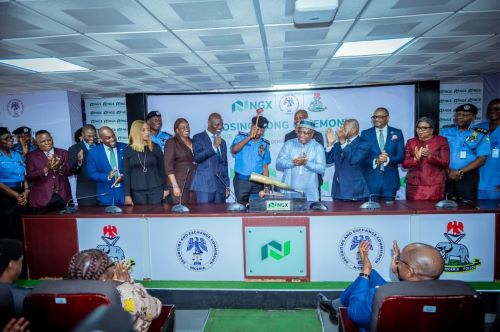
Nigerian Exchange Group Plc (NGX Group) has hosted a Closing Gong Ceremony in honour of the Inspector-General of Police (IGP), Kayode Egbetokun, signaling a strengthened partnership between capital market regulators and law enforcement agencies.

The ceremony highlighted a shared commitment to investor protection, the prevention of financial crime, and the reinforcement of trust and confidence in Nigeria’s capital market.

Welcoming the IGP, Alhaji Umaru Kwairanga, Group Chairman of NGX Group, commended the leadership of the Nigeria Police Force in supporting market integrity.

He said: “Market integrity is a shared responsibility.”

By honouring the Inspector-General of Police, we are reinforcing the importance of institutional alignment in protecting investors and preserving trust in our financial system. Strong collaboration between regulators, enforcement agencies, and market infrastructure institutions is essential to building a resilient and credible market that supports economic growth.”

The Director-General of the Securities and Exchange Commission (SEC), Dr. Emomotimi Agama, emphasized the importance of coordinated enforcement, noting:

“Investor protection is at the core of market regulation, and today’s engagement highlights how critical collaboration with law enforcement is to achieving that mandate. This partnership strengthens our enforcement capacity, enhances deterrence against illegal investment activities, and reinforces confidence in the Nigerian capital market.”

In his response, IGP Kayode Egbetokun reaffirmed the commitment of the Nigeria Police Force, stating: “A transparent and well-regulated capital market is vital to Nigeria’s economic growth. The Nigeria Police Force remains committed to working with regulators and market operators to prevent financial crime, protect investors, and uphold the integrity of our financial system.”

Also speaking, Chairman of Nigerian Exchange Limited (NGX), Ahonsi Unuigbe, highlighted the role of the Exchange in promoting market discipline:

“A transparent and orderly market can only thrive where rules are respected and misconduct is addressed decisively. The presence of the Nigeria Police Force in this collective effort sends a strong signal that safeguarding the market is a national priority.”

Similarly, Group Managing Director/Chief Executive Officer of NGX Group, Temi Popoola, stressed the importance of aligning innovation with oversight:

“Technology and market growth must be supported by strong enforcement and investor protection frameworks. Our collaboration with the SEC and the Nigeria Police Force reflects a unified approach to preserving the credibility of Nigeria’s capital market.”

The event brought together key stakeholders across the capital market ecosystem, all reaffirming their commitment to accountability, transparency, and investor confidence. The ceremonial Closing Gong marked a collective resolve to strengthen Nigeria’s financial system through sustained collaboration.


ITREALMS Media Announces 2026 Nigeria DigitalSENSE Forum, Focuses on Sustaining WSIS Vision, Multistakeholder Synergy

0

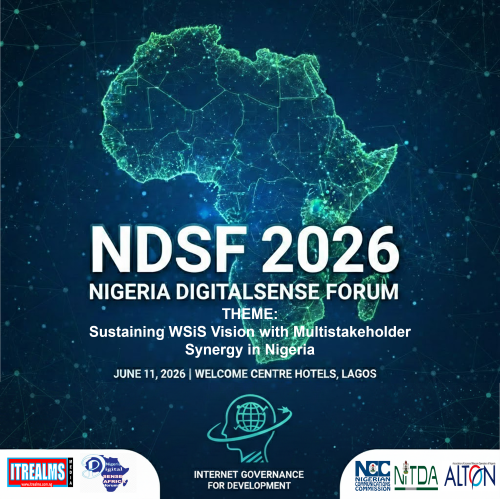
As the global community accelerates toward a more integrated digital future, ITREALMS Media Group, through its flagship digital rights initiative, the Nigeria DigitalSENSE Forum (NDSF), has officially announced the 2026 edition of its annual convening on Internet Governance for Development (IG4D).
The forum, scheduled for Thursday, June 11, 2026, at the Welcome Centre Hotels, Ikeja, Lagos, will bring together policymakers, tech innovators, and civil society under the theme: “Sustaining WSIS Vision with Multistakeholder Synergy in Nigeria.”
This year’s theme aligns with the recent UN General Assembly Resolution A/RES/80/173, which reaffirms the World Summit on the Information Society (WSIS) vision. The 2026 NDSF aims to address the critical need for connecting all citizens, ensuring the affordability of digital technologies, and increasing investment in Digital Public Infrastructure (DPI) to bridge the widening digital divide.
Speaking on the upcoming event, Ogbuefi Remmy Nweke, Group Executive Editor and Lead Consulting Strategist at ITREALMS Media, emphasized that the stability of Nigeria’s digital economy depends on collaborative security.
“Building an inclusive, open, and secure digital space remains paramount,” Nweke stated. “Beyond connectivity, we must ensure that our digital ecosystem protects children online and remains resilient against global threats. The 2026 NDSF serves as a catalyst for the multistakeholder synergy required to achieve these goals.”

Key Highlights of NDSF 2026:
Focus on Emerging Tech: In-depth discourse on IPv6 adoption, Domain Name System (DNS) security, and the evolution of Digital Public Infrastructure.
Child Online Protection: Strategies for creating a safer internet for the younger generation.
Strategic Collaboration: Continuing a long-standing partnership with the Nigerian Communications Commission (NCC), NITDA, and Association of Licensed Telecom Operators of Nigeria (ALTON).
Smart Infrastructure: Exploring how telecommunications and satellite technology can drive the “Smart Nigeria” agenda.
The forum will feature a keynote address titled “Sustaining the WSIS Vision via Telecoms: Driving Multistakeholder Synergy for Nigeria’s Future,” expected to be delivered by leadership from the nation’s top regulatory bodies.
Since its inception, NDSF, hosted by DigitalSENSE Africa (DSA), an ICANN-certified At-Large Structure; has been at the forefront of motivating public discourse on the business and technological benefits of advancing internet governance.

Members of the press, stakeholders in the ICT sector, and the general public are invited to join this milestone event to help shape the trajectory of Nigeria’s digital sovereignty.

Union Bank Staff Celebrates Induction by ARCON

0

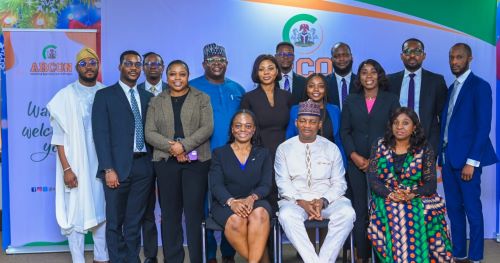
L-R: (Front Row Seated) Chief Brand and Marketing Officer, Union Bank of Nigeria, Mrs. Olufunmilola Aluko; Director-General, Advertising Regulatory Council of Nigeria (ARCON), Dr. Olalekan Olumuyiwa Fadolapo; and Director Regulation, Monitoring and Enforcement, ARCON, Mrs. Emme Akande with (Back Row Standing) 2nd Right, Head, Strategic Brand Management, Union Bank, Alvin Agorom; 5th Right, Head Product Marketing, Ejiebhen Egbomondion; 6th Right, Head Strategic Communications and Media, Olufisayo Adelekun with other Union Bank inductees during their induction by ARCON as Registered Advertising Practitioners of Nigeria held at the Stallion Plaza in Marina, Lagos recently.

CBN Approves Weekly FX Sale of $150k to BDCs to Enhance Market Liquidity

0

The Central Bank of Nigeria (CBN) has approved the participation of licensed Bureau De Change (BDC) operators in the Nigerian Foreign Exchange Market (NFEM) as part of efforts to improve foreign exchange liquidity in the retail segment of the market and meet the legitimate needs of end users.

The CBN has also approved that weekly FX purchases by each BDC be capped at USD150,000, and that utilisation comply with existing BDC operational guidelines.

Under the new directive contained in a circular signed by the Director, Trade and Exchange Department, Dr. Musa Nakorji, all BDCs duly licensed by the CBN are permitted to access foreign exchange through any Authorised Dealer Bank of their choice, at the prevailing market rates. The move, according to the circular, aims to deepen market efficiency and ensure broader access to foreign exchange across the economy.

The CBN, however, imposed strict compliance and risk-management conditions on the transactions. Authorised dealers are required to conduct full Know-Your-Customer (KYC) and due diligence checks on BDC clients before any FX sale.

To strengthen transparency and accountability, the CBN directed that all licensed BDCs must submit timely and accurate electronic returns in line with extant regulations. Any unutilised foreign exchange must be sold back to the market within 24 hours, as BDCs are prohibited from holding FX positions purchased from the NFEM.

The circular further restricts settlement practices, mandating that all FX transactions be conducted through settlement accounts with licensed financial institutions. Third-party transactions are prohibited, while cash settlement is limited to a maximum of 25 per cent of each transaction amount.

Overall, the directive reflects the CBN’s broader strategy to balance market access with strong regulatory oversight, ensuring liquidity in the foreign exchange market while safeguarding financial system integrity.


Cairo Ojougboh Foundation Back Govt’s Education Development Drive

0

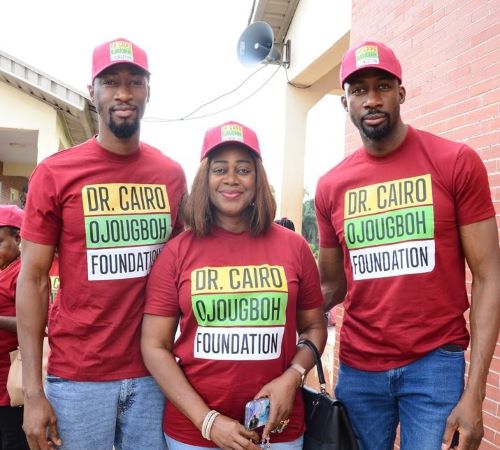
L-R: Son of the late Dr. Cairo Ojougboh, Mr. Nkem Ojougboh; Chairperson, Dr. Cairo Ojougboh Foundation, Mrs. Bose Ojougboh and another son, Mr. Orieka Ojougboh, during the event in Agbor, Delta State recently.

In what many described as an inspiring and life-changing event, the Dr. Cairo Ojougboh Foundation has strengthened its focus on driving initiative that enhances government’s efforts for educational development in Nigeria.

The Foundation was established in honour of the late medical doctor and member of the House of Representatives, Dr. Cairo Ojougboh.

As part of the initiative, the Foundation recently held a special programme at St. Columba’s Grammar School, Agbor, the headquarters of the Ika South Local Government Area in Delta State, with the theme: “Your Future, Your Choice,” where the Foundation presented a cheque of ₦2,700,000 to cover examination fees for students sitting for West African Examination Council (WAEC), National Examination Council (NECO), and the Junior Secondary School (JSS) 3 examinations.

The Foundation also rewarded academic excellence by giving cash gifts to the best students across the nine academic arms of the school. In addition, notebooks and writing materials were distributed to support effective learning among the students.

Beyond the financial support, the programme stood out as a strong investment in the academic and personal development of the students, while also celebrating the enduring legacy of discipline, excellence, and service that Dr. Cairo Ojougboh was known for.

Speaking at the event, the Chairperson of the Foundation, Mrs. Bose Ojougboh, emphasised the importance of giving back to the institution that helped shape Dr. Cairo’s life and values, noting that St. Columba’s Grammar School played a significant role in shaping Dr. Cairo’s life.

She added that the Foundation is committed to inspiring current students to remain focused and hardworking while reminding the students that obstacles should not be seen as roadblocks, but as stepping stones for growth, encouraging them to turn challenges into opportunities.

She also encouraged students to take responsibility for their future by making intentional and positive life choices, both academically and personally, underscoring the importance of hard work and consistency as ingredients for success.

Ojougboh, who had her two sons, Mr. Nkem Ojougboh and Mr. Orieka Ojougboh, as active participants at the programme, urged students to understand that every decision they make contributes to their future, emphasising that discipline, consistency, and focus are non-negotiable for success factors.

The event was further enriched by the strong presence of the Old Boys of St. Columba’s Grammar School, led by Elder Ndudi Agholor, who were fully represented at the programme. Many of them shared memories of their time in school, recalling their experiences with deep nostalgia and pride. The alumni reflected on their years in the school and appreciated the current school leadership for maintaining the high standards the institution has always been known for.

In their remarks, the school principal, Rev. Fr. Joseph Ugboh and the Chairman of Ika South Local Government, Engr. Jerry Ehiwarior, commended the Cairo Ojougboh family for the initiative and encouraged them to sustain it, noting that it is a meaningful way to preserve and honour Dr. Cairo’s legacy. They applauded members of the Foundation for a ‘commendable and impactful’ initiative.

They expressed deep appreciation to the Foundation for the generous support and for honouring the legacy of Dr. Cairo Ojougboh, adding that the gesture had greatly inspired and motivated the students to work harder towards their goals.

The programme ended on a very hopeful note, with students leaving the event feeling motivated and determined to make better decisions about their future.


Standard Bank Hosts 2nd African Markets Confab: Mobilising Global Capital at Scale for Africa’s Growth and Dev

0

Standard Bank Corporate and Investment Banking, will host the second edition of its seminal African Markets Conference (AMC 2026).

The flagship event will take place on 22-24 February, 2026 in Cape Town, South Africa, bringing together global institutional investors, sovereign wealth funds, and African policymakers to catalyse the flow of capital into the continent’s most critical sectors.

Luvuyo Masinda, Chief Executive of Corporate and Investment Banking at Standard Bank Group says AMC 2026 builds on the success of the inaugural 2025 conference, which reframed Africa’s narrative from risk to resilience.

“This year’s engagement bridges the gap between policy ambitions and market realities. Africa urgently needs practical measures to deepen capital pools, improve market liquidity, and strengthen regulatory frameworks that give investors’ confidence to deploy capital at scale. Mobilising capital is not just about funding projects; it is about building the foundation of a more balanced and inclusive global economy,” says Masinda.

It is estimated that by 2050, Africa will add one billion people, more than half in cities, yet it invests only $75 billion of the $150 billion it needs annually for infrastructure. Standard Bank aims to use AMC 2026 to ensure that African priorities remain at the centre of the global financial discourse.

The conference will be structured around five high-impact pillars designed to move the needle on investment:

  • Prioritising infrastructure as an Asset Class:Moving beyond aid toward public-private partnerships (PPPs) that turn critical projects into investable assets for the private sector.
  • Accelerating the Energy Transition:Positioning Africa as a cornerstone of global energy security by unlocking its renewable potential through innovative solutions.
  • Deepening African Capital Markets and mobilising private capital: Enhancing domestic liquidity, improving regulatory transparency, and expanding access for institutional investors.
  • Enabling intra-African trade and flows of capital: Highlighting the importance of deeper regional integration for Africa to attract Foreign Direct Investment (FDI) in the current uncertain global investment climate. Leveraging the African Continental Free Trade Area (AfCFTA) for a larger, more predictable market that encourages intra-African investment.
  • Africa’s Sovereign Debt and Cost Sustainability: Addressing the debt requirement in closing Africa’s developmental needs. The discussion is reframed from access to affordability, credibility and structure, with related perceived risk premium and the development of capital markets.

AMC 2026 will host a high-level delegation of decision-makers, ensuring that the dialogue leads to tangible commitments. Confirmed participants include:

  • Finance Ministers, Ministers in Infrastructure developmentand Central Bank Governors from key African growth hubs.
  • Global Asset Managers and Institutional Investorsseeking yield and sustainable impact.
  • Development Finance Institutions (DFIs)and multilateral agencies focused on de-risking frameworks.
  • Standard Bank executives, including Sim TshabalalaCEO of Standard Bank Group, Luvuyo Masinda (CEO, CIB), Sola Adegbesan (Head of Global Markets Africa Regions) and Alex Davidson (Head of Global Markets SA), will lead technical sessions on market liquidity.

The 2026 African Markets Conference represents a collective call to action for the public and private sectors. It is a platform where the roadmap for Africa’s growth will be charted, debated, and ultimately, accelerated.


Stanbic IBTC Insurance Triumphs at 2025 Risk Analyst Awards, Showcase Institutional Excellence

0

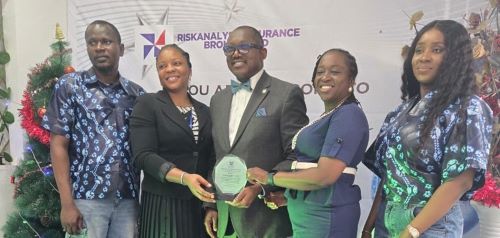
Stanbic IBTC Insurance, a subsidiary of Stanbic IBTC Holdings, has been recognised as one of Nigeria’s top-performing insurers, winning the Life Insurance category at the 2025 Risk Analyst Insurance Brokers Performance Review Awards.

The award is part of Risk Analyst Insurance Brokers Limited’s annual assessment of insurance underwriters, which evaluates partners based on key criteria including claims settlement efficiency, service delivery, responsiveness, and broker–underwriter collaboration.

The initiative aims to promote accountability, raise service standards, and strengthen trust across Nigeria’s insurance ecosystem.

Stanbic IBTC Insurance Limited’s recognition reflects its operational discipline, prompt claims settlement, and partnership-driven approach that fosters long-term confidence with clients and brokers. The 2025 performance highlights the insurance company’s role as a dependable and credible underwriting partner in the market.

Akinjide Orimolade, Chief Executive of Stanbic IBTC Insurance, said: “At Stanbic IBTC Insurance, trust is built through reliable performance, timely claims settlement, and service that supports customers when it matters most. This recognition reflects the quality of service we provide for our clients and partners. We are honoured to receive this accolade and will continue to raise standards across the industry.”

Chuma Nwokocha, Chief Executive of Stanbic IBTC Holdings, added: “We are proud of this achievement, which highlights the strength of our insurance business and the broader Stanbic IBTC Group’s focus on building strong, enduring institutions. Stanbic IBTC Insurance continues to set benchmarks in professionalism, client service, and operational excellence; reinforcing our role as a trusted partner to individuals and businesses across Nigeria.”

The 2025 Risk Analyst Insurance Brokers Performance Review Awards recognises Stanbic IBTC Insurance Limited’s performance in life insurance and reflects the broader institutional direction of Stanbic IBTC Holdings; building resilient, trusted, and high-performing financial institutions that contribute to Nigeria’s economic growth and the development of the insurance sector.

Oil Industry Contracting: NCDMB Issues NCEC Guidance Notes, Rules Out Transfer of Certificate

0

Determined to speed up the oil and gas industry contracting processes, weed out firms lacking technical capacity to perform and reduce Nigeria’s cost of production, the Nigerian Content Development and Monitoring Board has issued the “NCEC Application Guidance Notes”, with effect from December 2025.

The document which is available on the Board’s website – ncdmb.gov.ng, and on the NCEC application portal, forms part of concerted efforts to operationalise the Presidential Directives (PDs) on Local Content Requirements, which mandates NCDMB to take further steps to eliminate intermediaries in the contracting process lacking demonstrable capacity.

Emphasising that one of the key requirements for participating in the Nigerian oil and gas industry contracting process is the possession of NCECs issued by the NCDMB, the document states that “Unmerited possession and/or misapplication of the NCECs during tendering/bid evaluations contribute to contracting delays and admittance of unqualified intermediaries into the contracting process”.

According to NCDMB, the goal of the new document is to “tackle cases of single and multiple NCEC applications not matched to capacities on ground, submission of fake/forged documents, under declaration of personnel, non-existent offices/equipment, and many other dubious applications.” It will also enhance timely review and approval of applications from genuine service companies as the document provides all the requirements needed to complete credible application at first attempt.

The eight NCEC categories cover Manufacturing & Related Services (MS), Fabrication & Construction (FC), Construction & Moveable Equipment (EC), Services & Support (SS), Quality Control Inspection and Testing (QS), Non-Moveable Assets (DA), Procurement & Supplies (PS) and Consultancy Services (CS).

The document advised service companies to provide details of their specific service offering with sufficient supporting evidence while applying for any of the NCEC categories via the application portal. Providing further explanation, NCDMB stressed that it does not solicit or require any payment for the application, processing, or approval of NCEC or any of its certifications. It added that “in line with the Presidential directive on Local Content compliance, NCDMB prohibits the use of agents/middlemen/third parties in raising/submission of NCEC application on behalf of service companies. Service Companies registered on the NOGIC-JQS are liable for any claims/documentations submitted in support of application for NCEC or any other NCDMB certifications using their assigned login in details.”

The document also indicated that companies and their subsidiaries or local partners cannot apply for or obtain NCEC as separate companies using the same facilities, equipment, assets, or documentation and NCEC is not transferable for use by another company.”

Continuing, the guidance notes enjoined service companies to only apply for NCECs based on their core service area, noting that spurious applications contribute to delays in the processing of genuine applications, warning that cases determined to constitute abuse of NCEC applications shall attract applicable sanctions.

The NCEC notes also indicated that companies applying for multiple NCECs must have the capacities in terms of assets, facilities, equipment and personnel to execute the scope of activities under the target NCEC categories, adding that NCDMB will carry out facility visits to ascertain the capacities and capabilities claimed by the company in all the multiple NCEC applications.

It stated further that NCECs are not granted in anticipation of establishment of local capacities but are approved based on functional equipment/assets with dedicated resources/utilities in place to operate or perform the services, hence applicants must be ready to demonstrate operability and availability of owned assets/equipment as may be required during facility visit by NCDMB team.

“Request for upgrade or addition of services, on approved, un-expired NCEC based on additional investment will be treated as new application and subjected to verification of all equipment/assets/documentation submitted in support of the modification,” the document added, stating further that applicants are expected to be upfront and intentional in the provision of the relevant and complete information required for timely review of their requests.

The document also listed services which do not require NCECs. They include GSM service providers, commercial airlines, educational institutes, legal advisory services, public relations and events management, government agencies, and CSR projects with community vendors.

Commenting on the guidance notes, the Executive Secretary of NCDMB, Engr. Felix Omatsola Ogbe enjoined oil and gas stakeholders to study the guidance notes while applying for NCECs. He warned that submission of forged, altered, or falsified documents constitutes a criminal offence and will attract legal consequences as well as Board’s administrative punishments.

He mentioned that NCDMB had set target timelines for the review and processing of NCEC applications, with the portal providing timestamp of all activities/interactions undertaken from the point of submission of application and all reviews by the Board.

NCDMB Webinar Unlocks AfCFTA Market Access for Energy Sector

0

The Nigerian Content Development and Monitoring Board has outlined a practical framework for positioning Nigeria’s energy sector to access the African Continental Free Trade Area, following a strategic webinar focused on meeting rules-of-origin requirements for continental trade.

The Board held a pre-conference webinar on Wednesday ahead of the Nigeria Local Content AfCFTA Energy Summit scheduled for Monday, February 9, 2026.

The engagement was attended by stakeholders from the oil and gas, power and renewable energy sectors, and they addressed how Nigerian products and services can qualify for preferential market access across 54 African countries with a combined gross domestic product of $3.4tn and a population of about 1.4 billion people.

Entitled ‘Meeting AfCFTA Origin Requirements in Energy Trade’, the webinar focussed on one of the major barriers facing Nigerian exporters under AfCFTA — structuring production and operations to meet origin requirements that determine eligibility for duty-free and preferential trade.

The initiative was supported by the Executive Secretary of NCDMB, Engr. Felix Omatsola Ogbe, and the Acting Director of Planning, Research and Statistics, Mr. Ene Ette, as part of preparations for the forthcoming Nigeria Local Content AfCFTA Energy Summit, with the theme ‘Unlocking Africa’s Energy Future through AfCFTA: Trade, Innovation and Regional Integration’.

Speaking during the session, a communications analyst, Joseph Nwokedi, representing the Acting National Coordinator of Nigeria’s AfCFTA Coordination Office, Mrs Patience Okala, stressed the central role of energy in Africa’s economic integration under AfCFTA.

He urged Nigerian companies to shift their focus from Nigeria’s domestic market of about 200m people to the wider continental market of 1.4bn consumers.

“Without energy, there’s no industrialisation. Without energy, regional value chains remain aspirational,” Nwokedi said. “With AfCFTA, energy transforms from a domestic infrastructure issue into a tradable, investable and exportable sector within an integrated African market.”

He noted that even one per cent penetration of the African market translates to about 14m consumers, underscoring the scale of opportunity available to Nigerian energy firms.

The webinar identified four key pathways through which Nigeria’s energy sector can participate in AfCFTA-enabled trade. First, Nigeria’s Electricity Act of 2023 allows independent power producers to supply electricity directly to industrial clusters and export processing zones, positioning power generation as a foundation for trade-ready manufacturing.

Second, the country has submitted commitments under AfCFTA that enable professionals such as engineers, electricians, geophysicists and energy auditors to export services across Africa, subject to mutual recognition of qualifications.

Third, refined petroleum products, gas derivatives, electricity and renewable energy components can be traded across borders under preferential tariffs, provided they meet AfCFTA rules of origin.

Fourth, AfCFTA’s investment protocol, combined with recent domestic reforms, including the Presidential Directives on Investment Incentives for 2024–2025, strengthens Nigeria’s credibility for attracting cross-border investments in power generation, transmission, renewable energy and storage infrastructure.

Delivering a technical presentation, Assistant Comptroller of Customs, Burhan Sulaiman, explained that AfCFTA would eliminate tariffs on 90 per cent of goods traded within the bloc over five to 10 years, with an additional seven per cent liberalised over 13 years. However, he stressed that these benefits were conditional on meeting origin requirements.

“Companies lose benefits because origin was treated as an afterthought,” Sulaiman said. “You must build in origin compliance from the beginning, not while already running your project. Origin determines whether you export duty-free or pay full tariffs.”

He clarified that origin is determined by where economic production takes place, not by company ownership or registration. Foreign-owned companies producing in Nigeria can export as Nigerian origin, while Nigerian companies importing finished goods cannot claim AfCFTA preferences.

Sulaiman explained that products qualify for preferential access through two routes. “Wholly obtained” goods are entirely produced within AfCFTA member states, such as crude oil and natural gas extracted in Nigeria, as well as locally generated electricity regardless of fuel source.

The second route, “substantial transformation”, applies where foreign inputs are used and requires compliance with one of three tests: a change in tariff classification; a value-addition threshold limiting foreign content to between 30 and 60 per cent of ex-works price; or completion of specific prescribed processes such as distillation, cracking or reforming for petroleum products.

He provided sector-specific guidance, noting that in oil and gas, locally extracted crude and gas qualify, just as refined petroleum products that meet processing requirements. However, simple blending, basic distillation operations and modular refineries using imported crude without substantial transformation do not qualify.

In the power sector, he explained, locally generated electricity and regionally manufactured equipment with deep component transformation qualify, while installation-only activities, imported turbines, transformers and switchgear mounting do not.

“For renewables, regional solar cell and battery cell manufacturing with deep component processing qualify,” he said, adding that panel installation alone, simple module assembly and packaging imported batteries do not meet the thresholds.

Sulaiman warned that without regional manufacturing accumulation, power equipment exports fail origin tests.

According to him, the Nigeria Customs Service applies a five-step verification process for origin claims, including confirming accurate HS codes, reviewing production records, testing for minimal operations, verifying African input origins and ensuring consistency across certificates, production records and cost documentation.

“Weak documentation kills origin claims. Even genuinely originating products can be denied if documentation is incomplete or inaccurate,” he noted.

Both speakers emphasised that origin compliance should be treated as a core business strategy rather than a regulatory formality.

“Origin is not paperwork; it is strategy,” Sulaiman said. “It shapes where you locate facilities, how you source inputs, and where you sign regional contracts. Treat it as strategic from day one.”

Nwokedi urged Nigerian firms to act early. “AfCFTA is happening now. Early movers will shape supply chains, standards and partnerships. Are you going to lead, or simply follow?”

Officials also provided updates on AfCFTA implementation, noting that 92 per cent of rules of origin had been agreed, with negotiations ongoing in the textiles and automotive sectors.

An online dispute resolution mechanism has been established to coordinate Customs authorities, standards bodies and complainants.

Nigeria has deployed a fully operational electronic certification system for paperless trade, while Nigerian Customs is introducing risk-management frameworks that could allow exporter self-certification on commercial invoices.

Following a five-year implementation review led by the Minister of Industry and Investment, Dr Jumoke Oduwole, government sensitisation efforts have intensified through partnerships with the Nigerian Association of Chambers of Commerce, Industry, Mines, and Agriculture; Women’s Chambers of Commerce; zonal outreach programmes and ‘P3 engagements’ involving the press, private sector and public institutions.

“The government will not trade under AfCFTA — our exporters will,” officials said. “If they win, we win.”

Nigerian Customs also reiterated its open-door policy for pre-export origin verification to help businesses avoid delays and additional costs at the border.

The webinar highlighted Nigeria’s potential as a regional energy and transition-fuel hub, building on frameworks such as the West African Power Pool to support cross-border electricity trade.

Key recommendations included structuring projects for origin compliance from inception, forming regional joint ventures, aligning with continental standards and leveraging AfCFTA service commitments to export Nigerian energy expertise.

The session ended with confirmation that the webinar was a technical precursor to the Nigeria Local Content AfCFTA Energy Summit, which will convene policymakers, industry leaders and trade experts to develop strategies for maximising Africa’s energy potential under the AfCFTA framework.