African economies have grown substantially over the past decade, but poverty and inequality reduction has remained less responsive to growth successes across the continent, says the 2015 edition of the African Development Bank (AfDB)’s African Development Report, that was officially launched on 26 July, 2016 at the Bank’s headquarters in Abidjan, Côte d’Ivoire by the AfDB President Akinwumi Adesina, represented by Kapil Kapoor, Acting Vice President, Sector Operations.
The theme of this edition is on “Growth-poverty and inequality nexus: overcoming barriers to sustainable development”.
Despite earlier periods of limited growth, African economies have grown substantially over the past decade. However, poverty and inequality reduction has remained less responsive to growth successes across the continent.
How does growth affect poverty and inequality? How can Africa overcome contemporary and future sustainable development challenges? This 2015 edition of the African Development Report (ADR) offers analysis, synthesis and recommendations that are relevant to these questions.
The objective of the Report is to guide policy processes by contributing to the debate analysing what has happened during recent years, what has worked well, what hasn’t worked well, and what needs to be done to address further barriers to sustainable development in Africa?
Africa’s recent economic growth has not been accompanied by a real structural transformation. As a result, millions of Africans, especially women and youth, have been left behind.
The Report highlights the intermediating role of various forms of inequality that limit the transformation of Africa’s growth into prosperity for all.
Unequal access to economic resources and opportunities is mirrored in the continent’s high income inequality, gender gaps in earnings and opportunities, the rural-urban divide, youth under-employment and in the limited priority given to key poverty-reducing sectors like agriculture, agro-industries, and manufacturing.
In his Forward remarks, AfDB President, Akinwumi Adesina says: “I firmly believe that development is about delivering real improvements in living conditions right across society. This analysis shows that widespread inequality is limiting both growth and poverty reduction across Africa. These income disparities have remained persistently high over decades, leaving Africa one of the world’s most unequal regions.”

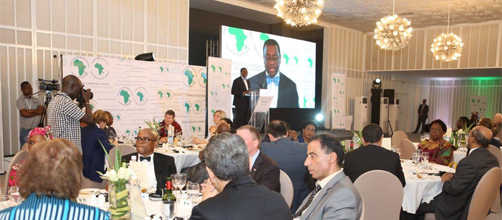
ADB Report: ‘Poverty, Inequality Growing in Africa’





Popular Categories


Previous article

Next article