
The Lagos Chamber of Commerce and Industry (LCCI) has called on the Central Bank of Nigeria (CBN) to consider probing the loan portfolios of banks to determine if the rising cases of non-performing loans or loan defaults are due to shady practices in loan approvals by the banks.
The Chamber said the apex bank needs to look beyond the publication of names of debtors in newspapers and carry out the investigations immediately. The call is in reaction to the banks’ decision to publish the names of delinquent debtors in at least three national newspapers in compliance with the directive of the CBN, starting from August.
Mr. Remi Bello, the President of LCCI, said that there are bad borrowers and there are bad lenders, saying that the CBN should deal with both sides of this equation and be seen to have truly done justice.
According to him, there are global best practices in debt recovery and publishing names of debtor companies and their directors in national newspapers is unorthodox and unprofessional.
“Due consideration should also be given to the legal implications. Entrepreneurship is about risk taking. Sometimes, profits are made, at other times, losses are suffered. It will be unfair to portray business failure as an act of criminality, which is what the publication of names connotes.
The reputational cost to such businesses is also very high. In any event, loans are supposed to be collateralised and a foreclosure invoked in the event that such loans are not redeemed. This is the best practice approach to debt recovery,”Bello said.
He noted that there are varying causal factors for loan default which have to be taken into account in matters of this nature. “The LCCI recognises two broad categories of debtors. There are defaults that have arisen as a result of genuine business failure, which affected the capacity to repay, and there are defaults that have arisen as a consequence of deliberate intent not to repay.
The latter borders on character quality, which is what the Know Your Customer (KYC) concept is meant to address. It is important to distinguish between these two categories of debtors in order to guide the choice of debt recovery strategy.”
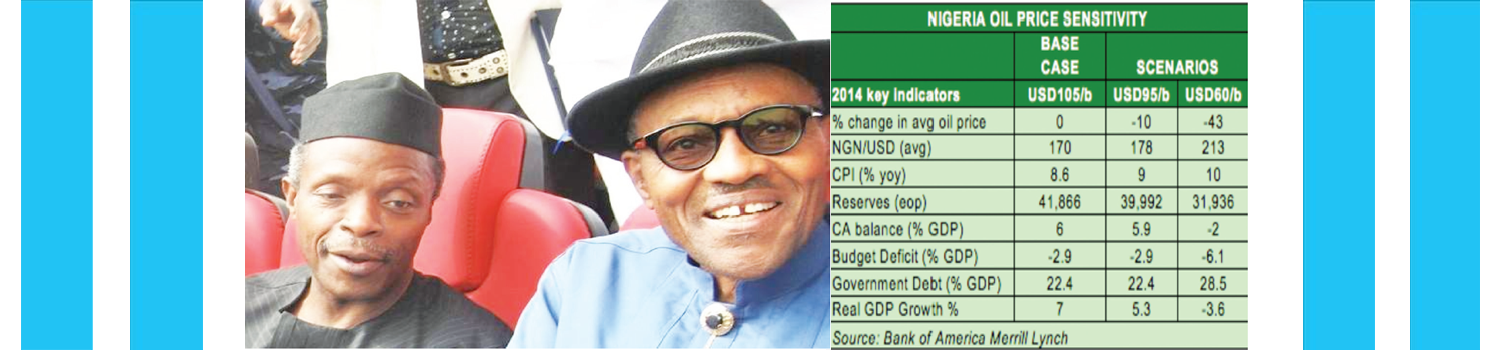
He pointed out that some of the possible factors in business failure in recent years include shocks and dislocations, which arose from the sudden depreciation in the Naira exchange rate, and sudden drop in crude oil prices, which had a significant impact on petroleum product importers as investors in the upstream oil and gas sector are also victims of the collapse of oil prices, among others.