Thursday, January 15, 2026
32.5 C
Lagos
Home Blog Page 256

Selloffs in Banking Stocks Extend Bearish Run to Third Consecutive Day

0
nse

Yesterday, sell-offs in Banking stocks – ZENITH (-1.6%), GUARANTY (-0.9%),ACCESS (-3.4%) and UBA (-2.0%) – extended the bearish performance in the market to the third consecutive trading session as the All Share Index (ASI) fell 7bps to 37,226.44 points while YTD loss worsened to 2.7%. Consequently, investors lost N9.7bn as market capitalisation remained at N13.5tn. However, activity level was mixed as volume traded decreased by 7.8% to 263.0m units while value traded increased by 10.0% to N4.1bn.ACCESS (42.9m), ZENITH (40.8m) and SOVERNINS (33.8m) were the most traded stocks by volume while ZENITH (N1.0bn), INTBREW (N0.8bn) and UNILEVER (N0.7bn) were the most traded stocks by value.

Mixed Sector Performance
The performance across sectors under our watch remained mixed as 2 of 5 indices closed higher. The Industrial Goods index rose 0.5% due to bargain hunting in DANGCEM (+0.9%) and WAPCO (+1.8%) while the Consumer Goods index gained 0.1% following buy interest in INTBREW (+5.6%) and UNILEVER (+0.3%).

On the other hand, the Banking index led losers, shedding 1.4% on the back of sell-offs in ZENITH (-1.6%), GUARANTY (-0.9%), ACCESS (-3.4%) and UBA (-2.0%). Similarly, the Insurance and Oil & Gas indices declined 1.1% and 0.6% respectively due to continued profit taking in CUSTODIAN (-3.8%) and FORTE (-7.4%).

Investor Sentiment Weakens
Investor sentiment as measured by market breadth (advance/decline ratio) weakened to 0.5x from 0.7x recorded yesterday as 15 stocks advanced against 30 stocks that declined. Yesterday’s best performing stocks were CUSTODIAN (+8.5%), INTBREW (+5.6%) and MULTIVERSE (+5.0%) while the worst performing stocks were BETAGLAS (-10.0%),TANTALIZER (-9.1%) and MCNICHOLS (-9.0%).
As highlighted yesterday, we continue to see some late bargain hunting in the market, albeit, insufficient to upturn market performance. Hence, we expect to see a similar trend in tomorrows’ trading activity.

Yahsat Targets West Africa Expansion for Growth

0
Yahsat

Yahsat, the UAE-based global satellite operator, will participate in West Africa Com on the 10th and 11th July 2018 as Gold Sponsors.

The event, which unites critical players in the telco value chain, will see Yahsat showcase its flagship Broadband service – YahClick – to partners and customers in the region.

Yahsat’s participation at the event is part of its expansion plan to launch YahClick this year in five new markets in West Africa. The service will be available in Senegal and Gambia through service partner Arc Telecom, in Ivory Coast through CEE-NET, Isocel in The Benin, and through both Teledata and Comsys in Ghana.

Farhad Khan, Chief Commercial Officer at Yahsat said: “We are excited to participate in West Africa Com for the second year. Africa is a high-priority market for us, and with the commercial readiness of our third satellite Al Yah 3 we are now able to offer our Broadband connectivity solutions to even more markets across the continent.”

Back in 2012 Yahsat was the first to introduce Ka-Band satellite technology to Africa through YahClick, the continent’s number one satellite Broadband service.

YahClick has already proven to be an enabler of socio-economic development across Africa and other parts of the world where it is already present, be it by providing connectivity to remote schools and clinics, connecting rural public libraries or assisting government and non-government employees during their field work.

YahClick has also been a great success in supporting businesses, small and big, to sustain and further grow their operations through its reliability and high quality of service.
“As we continue to expand into new markets, West Africa Com also presents us with the opportunity to meet with potential new partners as we seek to add to our existing network of trusted service partners” added Khan.
Yahsat is based in Abu Dhabi, UAE, and is wholly owned by Mubadala Investment Company, the investment vehicle of the government of Abu Dhabi.

ZETA-WEB Nigeria Appoints Chris Obasi as New MD

0
ZETA-WEB Nigeria Appoints Chris Obasi as New MD
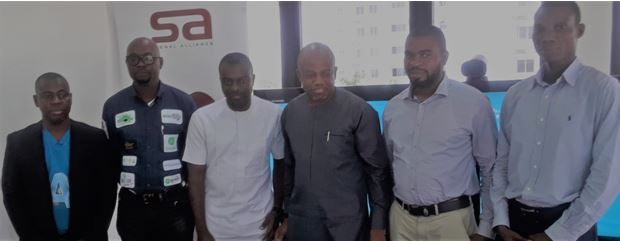
L-R: Jumoke & Chris

Zeta-Web Nigeria Limited, one of the leading ICT companies in Nigeria, is pleased to announce the appointment of Mr. Chris Obasi as the new Managing Director with effect from 1 July 2018.

Chris Obasi brings with him 20 years of industry leadership experience and knowledge of provisioning ICT services and solutions. Prior to his appointment as Managing Director of Zeta-Web, he was the General Manager, IT & Facilities for MultiChoice Nigeria.

The outgoing Managing Director for Zeta-Web, Mrs. Jumoke Ogunmodede said while welcoming Mr. Obasi in her outgoing address,“Chris’ appointment brings immeasurable value to Zeta-Web due to his experience with providing strategic IT solutions across a variety of disciplines. With his track record, experience and exposure, I have no doubt that this organization will be led to even greater successes and exploits”.

In response, Mr. Chris Obasi said,” Zeta-Web has a tremendous potential for further growth and to diversify into new sectors while bringing sound business values and service delivery to match the demands and high expectations of our clients.  I have always respected Zeta-Web’s brand, values and proven delivery models, and I am excited to be on board and part of the great team that will take these to the next level.”

He expressed appreciation to Mrs. Jumoke Ogunmodede for leading the company since 2013, despite operating in a highly competitive environment, saying the company has consistently crested many milestones and done so in a sustainable manner – achievements which she should be proud of.

He further reiterated that the core values of the company – Customer Focus, Innovation, Mutual Respect, Learning & Development, Performance Driven, High Quality of Service and Inclusive Participation will continue to be the business focus.

uTracka Raises Alarm over N100bn Constituency Projects in 2018 Budget

0

Tracka, a transparency platform which allows citizens to collaborate, track and give feedback on public projects in their communities, has noticed some irregularities in the 2018 approved budget, especially the N100 billion zonal intervention projects nominated by members of the National Assembly.

Considering the challenge of service delivery in the country, Tracka ensures that budgeted projects in local communities follow best practices and are executed to citizens’ satisfaction. The lack of citizen inclusion in the nomination of the capital projects has led to increasing number of abandoned projects across Nigeria.

Over the years, despite huge funds allocated as capital expenditure, some projects are either left uncompleted or mismanaged.

A quick review of the constituency projects reveals that 50% of projects nominated by the lawmakers from 2016 till date are geared towards empowerment. Empowerment projects include the disbursement of items like sewing machines, bikes, tricycles, grinding machines, and more to constituency members. These disbursements, however, raise questions: how do politicians decide on “empowerment items” needed by their constituencies? How do they decide on who gets what in the community? What impact do these items — which are mostly imported — have on our economy? In 2017, a total of N54 billion was allocated for empowerment provisions; the sum increased to N61 billion in the 2018 budget.

In the 2018 budget, Tracka found out that over 800 projects were budgeted under agencies that do not have the mandate to execute the projects. In its search, Tracka noted that some education projects were budgeted under the Ministry of Water Resources. Case in point, the construction of five three-blocks of classrooms in Bunyun and four other locations in Plateau state were awarded to Lower Basin River Board Development under Water Resources for N70, 000, 000.  Projects like this make us raise eyebrows: does the Ministry of Water Resources have the competence to execute education projects?

For clarification, we placed a call to a House of Representatives member in charge who informed the Tracka team that there were issues with the implementation of past projects under the Universal Basic Education Commission (UBEC). He noted, the projects were routed through other agencies, to avoid under-implementation of projects in 2018. While Tracka understands the complexities around constituency projects and the wall hole for corruption, it is important to note that due process must be followed by all agencies and officials involved, Uadamen Ilevbaoje, Tracka Head stated.

In addition to the irregularities, projects with unspecified locations with a total sum of N1.4 billion were observed in the 2018 zonal intervention projects. Failure to provide these locations is antithetical to democracy, depriving communities, civil society organizations and auditing bodies of information and opportunities to monitor and ensure proper implementation of the public officials’ obligations to the people. It also provides an avenue for the syphoning of public funds meant for project implementation.

‘Tracka calls on citizens to also keep track of allocations under the purview of some key lawmakers in the National Assembly who scored to their constituencies the highest allocations. We call on Nigerian citizens to engage their elected representatives in carrying out needs assessment to ensure their needs are covered in the budget.  We equally call on all Nigerians to keep an eye on the funds, track projects until completion and always demand accountability.’

About BudgIT

BudgIT is a civic organisation that applies technology to intersect citizen engagement with institutional improvement, to facilitate societal change.

A pioneer in the field of social advocacy melded with technology, BudgIT uses an array of tech tools to simplify the budget and matters of public spending for citizens, with the primary aim of raising the standard of transparency and accountability in government.

The Nigeria Mid-Year Outlook Report

0
Nigerian economy

By Cordros Capital

We are pleased to share with you, the Nigeria Mid-year Outlook Report — with the theme “Stable Macros, Political Concerns, Cautious Markets”.

In the report, we analyse the Nigerian economy in detail, discussing the salient events that happened in H1-2018, but dwelling more on expectations for the second half of the year. 

Following our critical assessment of the Nigerian economy at the turn of the year, we concluded that vis-à-vis investment and business strategy, in 2018, the best course to take is to look beneath the surface. We were of the view that the sub-optimally diversified nature of the Nigerian economy calls for a cautious approach towards riding on the prevailing wave of recovery. In effect, we guided to the “2-3-1 formation”.

So far this year, the turnout of event has both been instructive and in line with our position. Globally, economic growth is progressing as expected, albeit with downside risk hinged primarily on global trade tussle. Market proceedings have been largely impacted by the significant volatility of frontier and emerging assets, elicited by rising US treasury yield in the face of monetary policy normalisation by the Fed.

On the domestic front, economic recovery also progressed, albeit at a slower pace (in the absence of structural reforms), with markets losing steam after an impressive start to the year.

While still optimistic about the macroeconomic climate over the second half of the year – highlighted by stable macros – the combination of heightened political concerns locally and continued external market risks necessitate a readjustment of our prior guidance to cater to a more cautious market outlook.        

Nigeria Records $22bn Remittance in 2017, Highest in Africa

0

Meet the largest gathering of money transfer providers on the Africa continent at the 7th RemittanceAfrica Expo that will take place across 23 and 24 of October at the Lagos Oriental hotel with the compelling headline theme ‘Unlocking Opportunities in Money Transfer and Payment systems in Africa’.  The conference will host leading thought leaders in the remittance ecosystem in Africa and beyond.
According to a recent report by the World Bank, Remittances to low- and middle-income countries rebounded to a record level in 2017 after two consecutive years of decline.

Remittance inflows improved in all regions and the top remittance recipients were India with $69 billion globally and Nigeria ($22 billion) in Africa which is closely followed by Egypt ($20 billion).

While Remittance inflow is improving, there is significant leapfrogging of payment systems across the continent and there is a compelling need to better align remittances and payment systems in Africa to improve transaction efficiencies and further reduce cost.
With registration for speakers, sponsors and partners now going live via the event website, the Event Director at mobilemoneyafrica, the remittanceafrica brand owners, West Ekhator, said: ‘The formal market for international and cross border money transfer to Africa is still young and faces typical emerging markets challenges when compared to more established markets, so we are at the fore front of delivering, highly engaging event platforms for supply -side decision makers in the remittance ecosystem to network and explore partners in the evolving remittance and payment ecosystem in Africa.’
The conference will aim to create a more competitive market place for players to foster and deepen their engagements across the ecosystem will hold in Africa’s largest remittance market, Nigeria in October, 2018.

Nigeria’s Hotel Sector to Witness Highest Growth Rate in 5 Years – PwC

0
PwC

Africa’s hotel sector has the potential for further growth over the next five years. An increase in the number of foreign and domestic travellers, as well as an expansion in a number of hotel chains on the continent reinforces the hotel sector’s untapped potential for business growth.
These are some of the highlights from a report issued yesterday by PwC on Africa’s hotel sector.
PwC’s eighth edition of the Hotels outlook: 2018-2022 includes information about hotel accommodation in South Africa, Nigeria, Mauritius, Kenya and Tanzania.

The report projects that hotel room revenue for the five markets as a group will increase at a 7.4% compound annual rate to R50.5 billion in 2022 from R35.2 billion in 2017.
Pietro Calicchio, Hospitality Industry Leader, PwC Southern Africa, says: “Tourism to the African continent has proven to be resilient in the face of economic and political uncertainty, impacts of droughts and other regulatory changes. The opportunities are aplenty for this industry to enjoy further growth albeit at a more modest pace. However, as we continue to see there are also a number of challenges facing each country. This is an industry that is reactive to the smallest change in political, regulatory, safety and sustainability matters.”
South African hotel room revenue is expected to expand to R21.8 billion in 2022, up 5.6%, compounded annually, from R16.6 billion in 2017.

The growth in hotel rooms in South Africa, remains similar to that forecast in our 2017 Hotels Outlook with an additional 2 900 rooms to be added over the next five years. We also forecast occupancy rates to continue to grow over the forecast period and to reach 62.5% in 2022.
International visitor numbers to South Africa continued to grow with a 2.4% increase overall. The outlook for 2018 remains positive albeit at lower percentages than experienced in 2016. The report projects that the number of foreign visitors and domestic tourism will increase by 5.3% in 2018. The total number of travellers in South Africa is expected to reach 19.5 million by 2022, a 4% compound annual increase from 16 million in 2017. “There is also continued debate on further relaxation of visa requirements for international visitors and this may impact on our forecast growth,” Calicchio comments.
After jumping 38% in 2016, visitors from China to South Africa fell 17% in 2017. Travellers from India rose a modest 2.7% in 2017, well below the 21.7% increase recorded in 2016. Of non-African countries the UK is still the largest source of visitors to South Africa at 447 901 in 2017, contributing to the overall growth of 7.2% in visitors from non-African countries in 2017. Of African visitors, the largest number came from Zimbabwe at 2 million, followed by Lesotho at 1.8 million and Mozambique at 1.3 million.
While the fundamentals affecting tourism to South Africa remain favourable, helped by an improving global and local economy, it is impacted by other factors like the water shortage in Cape Town.

As there is little historical precedence, it is difficult to project the impact of the drought on tourism. Although bookings were down in Cape Town, overall tourism to South Africa held up during the festive season and actually picked up in the first quarter of 2018.

Hotels in Cape Town are taking a number of steps to conserve water. If the winter rainfall continues at the current rate, the crisis may be limited in scope.
Nigeria is expected to be the fastest-growing country over the next five years. A number of new hotels are scheduled to be opened during this time. Continued improvement in the domestic economy will also lead to faster growth in guest nights.
Kenya, Tanzania and Mauritius should be the next fastest growing, with compound annual increases of 9.6%, 9.1% and 7.2%, respectively. South Africa is projected to be the slowest growing market with a 5.6% compound annual increase in room revenue.
Overall, hotel room revenue in South Africa rose 4.6% to R16.6 billion in 2017. Five-star hotels had the highest occupancy rates in the market in 2017, at 79.5%. While the average daily rate (ADR) growth for five-star hotels slowed in 2017 (R2,6 million), as it did for the market as a whole, the 8.8% increase was still well above the increase for three- and four-star hotels, reflecting the impact of the high occupancy rate for five-star hotels.
With a number of four-star hotels opening in 2017, available rooms increased 1.8%, the first rise since 2013. Most of the hotel openings scheduled for the coming years will be four-star hotels, leading to a projected 2.4% compound annual increase in available four-star rooms over the next five years – 76% of the total increase in available rooms for all hotels in South Africa. Three-star hotels accounted for 31% of total hotel room revenue in 2017.
The hotel markets in Nigeria and Mauritius continued to perform well in 2017 with both achieving double-digit growth whereas Kenya and Tanzania had decreases in room revenue. For the forecast period as a whole, the number of available rooms in Nigeria will rise from 9 700 in 2017 to 12 600 in 2022, a 5.4% compound annual increase – still the largest expansion of any country in the report.
Hotel room revenue in Mauritius increased by 12.7% in 2017 and the country continues to experience growth in the number of foreign visitors. Hotel room revenue is projected to grow at a 7.2% compound annual rate to 2022.
Kenya experienced a drop in visitors following the national elections in August 2017 but recovery was already seen in December with an increase in visitor numbers resulting in 9.9% overall growth. However, this was not enough to boost overall room revenue, which showed a 13.5% decline in 2017. Going forward, tourism in Kenya is expected to increase at a 6.9% compound annual rate, rising to 2.06 million in 2022 from 1.47 million in 2017.
Tanzania’s hotel room revenue amounted to US$206 million in 2017, a decline of 5.5% over 2016 due to a drop in guest nights. However, we expect guest nights to grow in 2018 and forecast revenue growth of 10.2% for 2018.
The hotels and tourism sectors in each of the countries in our report are all showing signs of continued growth over the forecast period. Tourism remains an important part of each economy. However, the smallest change or disruption can have a fundamental impact on the future growth of each market. “It is therefore important that investors, hotel operators, tourism bodies and governments continue to work together to grow this important industry and ensure its sustainability so that all stakeholders derive the maximum benefit from it,” Calicchio concludes.

NSE Partners Kinabuti Fashion Initiative to Promote Financial Literacy

0
Nigerian stock exchange

As part of its contribution towards building a financially savvy generation, The Nigerian Stock Exchange (NSE) is partnering with Kinabuti, to empower young people with entrepreneurial skills and financial literacy leveraging its Dare To Dream initiative across university campuses in Nigeria.

The partnership will see NSE engage with about 25,000 undergraduates expected to be reached during the 2018 edition of the Dare to Dream activation by giving them a financial literacy talk, educating them about the various offerings available in the capital market and conducting trivia quiz to test understanding of the learning from the various talks.

A stock broker will be on ground to assist interested youths who want to open a brokerage account and begin to invest for the future.

Also, the state champions of the programme that will proceed to the boot camp will have the opportunity of visiting the Nigerian bourse and have an experience of the trading floor as well as meet with brokers to better understand how trading is done.

NSE officials will further participate in the programme by featuring as judges in selecting the winners of the Dare to Dream project at the grand finale.

Prior to NSE’s participation in the Dare2dream project, the platform empowers Nigerian youths by developing talents and skills in fashion and entertainment related industries. With this sponsorship, the participants will have an opportunity to learn more about finance and enhance the potential for participation and job opportunities in the capital market. 

Speaking on the initiative, Olumide Orojimi, Head, Corporate Communications stated: “Only a highly financially literate population can take advantage of suitable financial products and services to achieve sustainable financial well-being. This partnership complements our various financial literacy programmes aimed at building a highly financial literate population that is competent to, or confident in choosing and utilising financial products and services to raise their welfare. With about 65% of the Nigerian population as youths, we have carefully chosen this partnership to help raise the financial literacy level of our future leaders.”

Also commenting, Francesca Rosset, Co-Founder of Kinabuti the Producer of Dare2Dream said:

“We are excited to welcome NSE on board season 5 of the Dare2Dream initiative. The partnership is key to promote financial literacy amongst the youths, an essential for building an inclusive economy in Nigeria. In addition to the great learnings we have in store for the youths, their being able to better understand the capital market and investment from NSE will play a huge role in preparing them for their future.”

About The Dare2Dream

The Dare2Dream initiative, now in its 5th year, is a programme through which Kinabuti empowers young people looking to start careers in the creative arts space, specifically, models, dancers, musicians and presenters.

Delivered in the form of a reality show, it comes in three phases starting with campus activations to create awareness and select the top creative minds; thereafter, a boot camp is held to provide essential training for the participants and to trim down their number by way of eliminations; lastly, a grand finale event is held to showcase the identified talents and to announce winners.

Equities Market Records 1st Positive Performance in H2:2018… NSE ASI up 0.7%

0

The domestic bourse halted a three consecutive day bearish run yesterday as renewed buy interest in market bellwethers buoyed the NSE All Share Index (ASI) 0.7% to 37,743.22 points while YTD loss moderated to 1.3%. Gains in DANGCEM (+2.2%), NIGERIAN BREWERIES (+1.8%) and DANGSUGAR (+3.5%) pushed the benchmark index higher for the first time in H2:2018. Accordingly, investors gained N88.4bn as market capitalisation rose to N13.7tn.

Similarly, activity level increased as volume and value traded surged 30.2% and 146.8% to 497.1m units and N5.9bn respectively. The top traded stocks by volume were UBA (294.9m), ZENITH (38.3m) and ACCESS (34.4m) while UBA (N3.1bn), ZENITH (N930.7m) and GUARANTY (N546.1m) were the top traded stocks by value.

Mixed Sector Performance
Across sectors, performance was mixed as 3 of 5 indices closed in the green.

The Industrial Goods index emerged top performer, up 1.3% as a result of buy interest in DANGCEM (+2.2%) and CCNN (+4.7%).

Likewise, the Banking and Consumer Goods indices rose 0.3% and 0.2% respectively following gains in UBN (+1.7%), STERLING (+5.7%),NIGERIAN BREWERIES (+1.8%) and DANGSUGAR (+3.5%). On the flipside, the Insurance and Oil & Gas indices declined 1.3% and 0.9% respectively due to sell-offs in MBENEFIT (-5.1%), AIICO (-1.5) and MOBIL (-7.9%).

Investor Sentiment Strengthens
Investor sentiment as measured by market breadth (advance/decline ratio) strengthened to 1.2x from 0.9x recorded in the preceding session as 23 stocks advanced relative to 20 that declined.

The top performing stocks were MULTIVERSE (+10.0%), HMARKINS (+9.7%) and JAPAULOIL (+8.3%) while CAPOIL (-9.1%), NEM (-8.8%) and CHAMPION (-8.0%) were the worst performers.

Following a rebound in market performance today, we expect bargain hunting to further boost the benchmark index tomorrow as investor sentiment stays upbeat.

‘Mystery Projects in 2018 Budget Will Derail Economic Growth Plan’

0

BudgIT decries the masking and insertion of several opaque items with little or no bearing on the economy by the National Assembly.

A recent analysis by BudgIT shows that approximately 6, 529 new projects valued at N579.08bn was inserted into the 2018 budget by the National Assembly.

Out of the 6529 new projects entered into the budget, 90.6% or 5918 items have a unit value below N200m. Also, the projects cannot be directly linked to the written, medium-term aspirations of the government as highlighted in the Economic Recovery and Growth Plan.

An analysis of the inserted projects shows that N63.64 billion or approximately 11% of the new projects added by the National Assembly will be spent on various training and capacity building programmes in 2018.

Given that the budget will be largely funded by borrowings (as highlighted in the 2018 fiscal plan), it is disheartening to discover that most of the identified line items therein show a significant disconnect from the developmental goals of government, as stated in its Economic Recovery and Growth Plan (ERGP).

‘We are alarmed at the number of micro-projects added by the National Assembly that may not fall within the core scope of the Federal Government.

We also noticed that the new projects inserted into the budget are fragmented, and budget line items are accompanied with vague descriptions that will prove difficult to monitor or track in physical and auditing terms. It is equally essential for the National assembly to explain the rationale behind the increased allocations to itself as such cannot be justified given the abysmal distribution to the education and health sector, considering that National Assembly increased its budgetary allocation from N125 billion to N139.5 billion.

We also observed that projects valued at N13.16 billion were cancelled altogether without detailed explanation by the national assembly. Some of the critical projects removed from the 2018 budget included  N200.3 million meant to settle arrears under the national telephony programme, N100 million allocated for the Establishment of an ICT university and the N1.2 billion allocated under the proposed budget for the construction of the  Zauro polder irrigation project.  Equally shocking is the fact that allocation to over 4,621 projects were reduced by approximately N318.89 billion without citations.’

BudgIT welcomes the addition of N55.15 billion to the health sector under the National Health Act. While the amount falls short of the 1% consolidated revenue fund (above N70bn), we see the allocation as the critical starting point and urge Nigerians and critical stakeholders to monitor its implementation.

‘Overall, we believe that the 2018 budget will need proper interrogation from all stakeholders. It is also essential for the National Assembly and Executive to significantly reduce the administrative component of the budget and direct funds towards improving education, health and other critical infrastructure. We also believe that there will be a more in-depth interrogation of the extent of the powers of the National Assembly and how such powers are exercised with great responsibility.’

About BudgIT

BudgIT is a civic organisation that applies technology to intersect citizen engagement with institutional improvement, to facilitate societal change. A pioneer in the field of social advocacy melded with technology, BudgIT uses an array of tech tools to simplify the budget and matters of public spending for citizens, with the primary aim of raising the standard of transparency and accountability in government.

Sustained Sell-Offs Drag Benchmark Index… NSE ASI down 0.9%

0
nse

The bearish performance of the local bourse was extended into the second consecutive session as sell pressures in bellwethers – NESTLE (-4.1%), DANGCEM (-0.6%), and ZENITH (-2.4%) dragged the benchmark index 0.9% lower to 37,606.23 points while YTD return fell to -1.7%.

Accordingly, investors lost N123.8bn in value as market capitalisation decreased to N13.6tn. However, activity level strengthened as volume and value traded rose 4.2% and 43.1% to 254.8m units and N2.6bn respectively.

The top traded stocks by volume were MULTIVERSE (100.0m), ZENITH (16.5m) and GUARANTY (13.0m) while GUARANTY (N515.9m), DANGCEM (N481.3m) and ZENITH (N403.3m) were the top traded stocks by value.

Insurance Sector Emerges Lone Gainer
Across sectors, performance was largely bearish as 4 of 5 indices under our watch closed in the red. The Industrial Goods index led laggards, down 1.5% as investors booked profit in DANGCEM (-0.6%) and WAPCO (-3.7%).

The Banking index trailed, down 1.3%, following sell-pressures in ZENITH (-2.4%) and GUARANTY (-1.0%). In the same vein, losses in MOBIL (-5.0%), NESTLE (-4.1%) and DANGSUGAR (-0.6%) dragged the Oil & Gas and Consumer Goods indices 1.2% and 1.1% lower respectively.  On the flip side, the Insurance index was the lone gainer for the day, rising 0.6% on the back of buying interest in CUSTODIAN (+8.6%) and NEM (+4.6%).

Investors’ Sentiment Softens
Investors’ sentiment as measured by market breadth (advance/decline ratio) softened to 0.5x from 0.8x recorded in the preceding session as 13 stocks advanced against 28 that declined. Yesterday’s top performing stocks were PRESTIGE (+9.4%), ROYALEX (+9.1%) and REDSTAREX (+8.3%) while JAIZBANK (-10.0%), CORNERST (-9.4%) and MAYBAKER (-8.9%) were the worst performers.

‘In line with our expectation, market performance was bearish today and we expect this to be sustained in subsequent sessions as investor sentiment stays soft. However, we do not rule out the possibility of some end of the week bargain hunting as investors take advantage of attractive market prices.’

KSrelief Launches Comprehensive Project to Deliver ‘Life Without Landmines’ for Yemenis

0
KSrelief

The King Salman Humanitarian Aid and Relief Centre (KSrelief) this week launched the Saudi Project for Landmine Clearance (MASAM), a program committed to making Yemen landmine-free in order to protect civilians and to safeguard the delivery of urgent humanitarian supplies.

Dr Abdullah Al Rabeeah KSrelief Supervisor General
Dr Abdullah Al Rabeeah
KSrelief Supervisor General

More than 600,000 mines are planted in the liberated areas by militias,130,000  internationally-banned sea mines, 40,000 mines inMarib and 16,000 in the island of Mayon.

The conflict has resulted in the manufacture and deployment of landmines by militias causing over 1,539 recorded deaths, injury for over 3,000 and permanent disability to over 900 Yemenis, mostly women, children and the elderly. Unfortunately, these figures are far less than the actual numbers as the national demining program has not been able to identify and register them. At a KSrelief-funded prosthetics center in Marib, more than 195 landmine victims were fitted with 305 prosthetic last year.

This KSrelief-funded project was launched Monday following the Yemeni Government’s signing of an Agreement for Clearance of Landmines and Explosive Remnants of War with Dynashield, in solidarity with UK companyDynasafe. Clearance will be in five phases:

  • Phase one: Consultation, surveying and coordination with local authorities.
  • Phase two: Deployment and the initial execution on safe clearing of landmines.
  • Phase three: Comprehensive clearing operations for landmine removals across at least six governorates of Yemen, including Sanaa, Marib, Aden and Taiz.
  • Phase four: Implementation of rapid-intervention teams to clear critical aid delivery infrastructure and emergency response situations.
  • Phase five: Comprehensive operations management and ongoing delivery of phases three and four.

Dr Abdullah Al Rabeeah, KSrelief Supervisor General, said: “The use of landmines against the innocent people of Yemen has been a despicable blight on the lives of civilians and aid workers across the country. KSrelief and our partners at Dynashield, with the support of the Yemeni government, are committed to the safe and comprehensive removal of these devastating devices. Critically, this project will also clear aid delivery routes to ensure an unimpeded flow of humanitarian supplies. Our promise is a life without landmines for the people of Yemen.”KSrelief

Registration Opens for 2018 ASEA Annual Conference

0
Registration Opens for 2018 ASEA Annual Conference

The Nigerian Stock Exchange (NSE) announced yesterday that registration has now opened for the 22nd Annual African Securities Exchange Association (ASEA) Conference to be held on November 26 and 27, 2018 at Oriental Hotel, Lagos, Nigeria.

Attendees can register via the dedicated conference website, at www.asea-ngx2018.com. A discount of $150 is available for conference attendees who register before July 31, 2018.

The two-day conference will feature over 60 distinguished speakers and panelists, from around the globe including senior policy makers, business leaders, investors, thought leaders, and keynote speakers such as Dr Akinwunmi Adesina, President, African Development Bank, Ms. Aruma Oteh, Vice President and Treasurer, World Bank, Ms. Kemi Adeosun, Hon. Minister of Finance, Federal Republic of Nigeria, Mr. Aigboje Aig-Imoukhuede, Chairman, Coronation Capital, Mr. Abimbola Ogunbanjo, President, The Nigerian Stock Exchange to mention a few.

Commenting on the development, the President of ASEA and Chief Executive Officer of NSE, Mr. Oscar N. Onyema, said: “The level of enthusiasm received so far is encouraging to us as the host of this flagship African capital market conference. We look forward to bringing together global subject matter experts, exchange leaders, business and thought leaders, investors and other stakeholders within the capital market ecosystem, for a robust discussion of real-world solutions to key issues facing the African continent.  The speakers at the conference reflect the multi-faceted nature of the industry, emerging technologies, sustainability and more.”

Expected to be discussed at the conference are burning issues around Africa’s global competitiveness, emerging technologies and inclusive growth, within the broader perspectives of sustainability. Dimensions to cover include:

  • Green growth
  • Redefining Business Models: African Capital Markets in an Era of Customer-Centricity
  • Cloud Banking
  • FinTech for Africa – Driving Innovation and Efficiency in the 4thIndustrial Revolution
  • Galvanizing Domestic Finance for the SDGs in Africa
  • Driving Africa’s ‘Real’ Economy: Innovative Solutions for Market-Based SME Financing
  • Pathways to Inclusive Growth in Africa: Digital Finance, Financial Literacy, Inclusion and the Democratization of Wealth
  • African Capital Markets – A Facilitator of Affordable Housing in SSA?
  • RegTech and the Future of Regulation in Africa

Companies interested in sponsoring the event can also learn more about the conference on the website, as we have different sponsorship levels that are targeted to your needs. All levels come with varying company exposure throughout the two-day event.

Equities Market Opens H2:2018 in the Red… NSE ASI down 0.9%

0
Nigerian stock exchange

Profit taking in market bellwethers dragged the performance of the local bourse yesterday as the NSE All Share Index (ASI) fell 0.9% to close at 37,946.92 points while YTD return was dragged into the negative region at -0.8%.

Specifically, sell-offs in DANGCEM (-2.1%), GUARANTY (-1.2%) and ZENITH (-1.6%) pulled the benchmark index lower. Similarly, investors lost N120.1bn as market capitalisation declined to N13.7tn. Activity level weakened as volume and value traded dipped 47.9% and 68.2% to 244.5m units and N1.9bn respectively.

The most traded stocks by volume were STERLING (100.4m), FBNH (23.7m) and WEMA (16.9m) while DANGCEM (N384.3m), FBNH (N251.1m) and GUARANTY (N236.9m) were the top traded stocks by value.

Bearish Sector Performance 
Sector performance was largely bearish as 4 of the 5 indices under our coverage closed southwards. The Oil & Gas index emerged lone gainer, up 0.8% following buy interest in MOBIL (+9.2%).

On the other hand, the Industrial Goods index shed the most, down 1.0%, due to losses in DANGCEM (-2.1%) while the Banking index trailed, shedding 1.0% as profit taking in GUARANTY (-1.2%) and ZENITH (-1.6%) dragged the index lower.

Similarly, the Consumer Goods index shed 0.1% as a result of sell-offs in NIGERIAN BREWERIES (-1.0%) and HONYFLOUR(-9.6%) which was dragged by underwhelming FY:2017 results while losses in CORNERST (-8.6%) and MBENEFIT  (-8.1%) pulled the Insurance index 0.1% southwards.

Investor Sentiment Weakens
Investor sentiment as indicated by market breadth (advance/decline ratio) weakened to 0.8x from 1.7x recorded in the prior session as 16 stocks advanced relative to 21 decliners.

Yesterday’s top gainers were AIICO (+9.8%), CILEASING (+9.7%) and UNITY (+9.3%) while FORTE (-9.7%), HONYFLOUR (-9.6%) and CORNERST (-8.6%) were the worst performers. While small to mid cap stocks have enjoyed bargain hunting from short-term investors, we continue to observe bearish sentiments on bellwethers.

Hence, we expect overall market performance to be bearish in subsequent sessions while emphasizing that valuations remain attractive for entry by long-term investors.

CBN: Banks Must Resolve USSD Disputes in 3 Days

0
Godwin Emefiele
Godwin Emefiele CBN Governor

The Central Bank of Nigeria (CBN) has directed all commercial banks to resolve disputes arising from use of Unstructured Supplementary Service Data (USSD) channel within three days.

Speaking at the ‘Meet The Executive’ forum organised by the Finance Correspondents Association of Nigeria (FICAN) in Lagos, CBN Director, Banking & Payment Systems Department, ‘Dipo Fatokun, said such resolution will help build more confidence in the payment system and bring more people into the financial services net.

He said some provisions of the regulatory framework for USSD such as the authentication measures for transactions, International Mobile Subscriber Identity (IMSI), Date of SIM Swap, Date of Device change, International Mobile Equipment Identity (IMEI) among others were meant to make the channel more effective.

Fatokun, who was represented by Assistant Director, Banking & Payments System Department, Taiwo Oladimeji, said maximum USSD transaction limit remains N100, 000 per customer per day adding that any amount above that requires a customer to execute indemnity at the bank.

Mr. Godwin Emefiele Governor Central Bank of Nigeria
Godwin Emefiele
Governor
Central Bank of Nigeria

Speaking on the theme: Half-Year Review of Developments in the E-Payment Industry and Customer Protection, Fatokun said: “USSD transactions above N20, 000 require two-factor authentication (2FA). No USSD financial service should be activated for customer unless the deactivation mechanism is put in place with effect from October, 2018. In addition, the CBN is currently working to properly structure and formalize the sandbox arrangement in Nigeria by collaborating with some infrastructure providers like the Nigeria Interbank Settlement System (NIBSS) to interact with FinTechs.”

Fatokun added that the financial system is undergoing transformation through technology, adding that it is not only peculiar to the financial services sector, but all sectors of human endeavours.

“We are seeing new operators with technology savvy, more efficient models, and collaborations among new entrants as well as established participants in payments systems in ways that exhibit regulatory challenges. To meet up with the challenges, some countries have adopted regulatory sandbox approach which is not totally novel to the CBN. We are however working to properly structure and formalize the sandbox arrangement in Nigeria by collaborating with some infrastructure providers to interact with FinTechs,” he said.

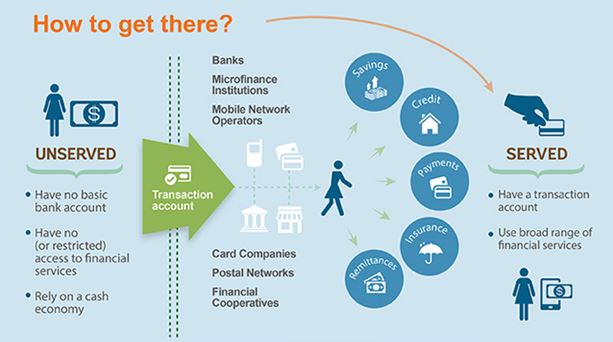
He said a well-functioning National Payments System (NPS) is crucial to the financial sector development as it increases confidence in the financial sector by ensuring a credible, reliable and efficient payment system. He added that in recent years, the Nigerian payment landscape has experienced a lot of innovation, bursting with enterprise and reaching the unbanked and undeserved.

Speaking further, he said consumer protection, involves a whole range of laws, policies, structures, actions and behaviours designed to protect consumers from the abuse and exploitation of service providers.

“Consumer protection is critical in improving access and usage of financial products and services.  Ensures that increase access and usage of financial services, translate into benefits for the economy and individuals. Helps protect consumers from probable market abuse and exploitation. Helps consumers benefit from well informed decisions. Helps consumers appreciate how best to use and manage financial products and services,” he said.