Wednesday, December 24, 2025
33 C
Lagos
Home Blog Page 248

17 States Owe Pensions, Salaries Despite N1.8tr Bailout

0

BudgIT, worried that some states are yet to fully offset the outstanding amount owed pensioners and civil servants despite series of bailouts aimed at offsetting the liabilities, recently conducted a survey. The survey aimed at ascertaining the frequency and magnitude of challenges civil servants and pensioners are encountering.

The survey focused on three different categories of workers in all 36 states namely: primary and secondary school teachers, state midwives and state secretariat workers. Also, attention was paid to ascertain if retirees at the state level are receiving pensions as at when due.

From the survey carried out, we discovered that 12 states are yet to offset the amount owed secondary school teachers fully and many states are threatening workers to keep the information away from public domain.

Notable among states with outstanding liabilities to secondary teachers is Osun and Kogi state. Osun State has been paying secondary school teachers above level 8 only a fraction of their salaries and entitlement for the last 30 months.

Cumulatively, Osun State is owing secondary school teachers above level 8 about 15 months’ salary.  Other states with outstanding liabilities to states include Abia, Benue, Bayelsa, Kwara, Imo, Ekiti, Oyo, Ondo and Zamfara. Kogi State, for instance, are owing teachers about 13 months of salaries according to the response given by secondary school teachers during the survey.

Midwives, whose responsibility includes attending to issues around pregnancy, childbirth, postpartum, women’s sexual and reproductive health and newborn care – are also bugged down by issues including failure of some state to pay  salaries and emolument as at when due. Midwives were questioned during the survey across the 36 states. BudgIT discovered that 10 states are owing midwives salaries as at close of business on September 24, 2018.

Delta, Imo, Abia, Osun, Plateau, Bayelsa, Ekiti and 11 other states owe Pensioners entitlement ranging from  1 month to 36 months. Almost all pensioners expressed how unhappy they are, their dissatisfaction with the government and how hard it has been for them to survive despite years of hard work up into service

BudgIT hereby ask States to offset outstanding liabilities to its workers and pensioners as funds in form of bailout estimated to be in the region of N1.8 trillion have been issues to states to offset all outstanding liabilities owe workers.

NSE, Bloomberg Holds 4th CEO Roundtable Oct 9

0
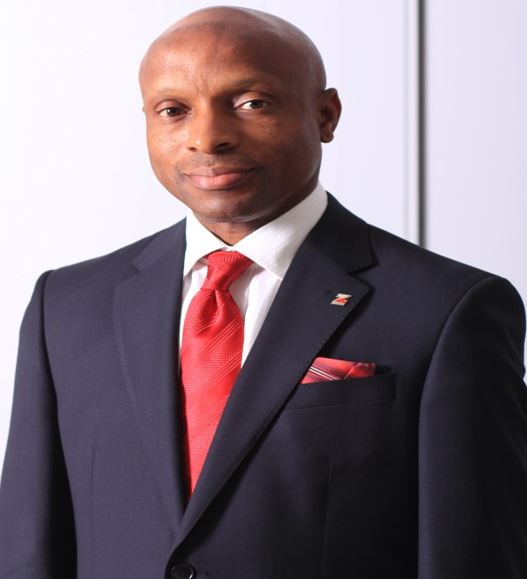
Mr. Oscar Onyema CEO

The Nigerian Stock Exchange

The Nigerian Stock Exchange (NSE) in collaboration with Bloomberg will hold the fourth edition of the NSE-Bloomberg CEO Roundtable on Tuesday, October 9, 2018 at Stock Exchange House,  Lagos.

The event themed, “Reshaping the Nigerian Economy for Sustainable Growth: Leveraging the Fourth Industrial Revolution as a Catalyst for Advancement”, will focus on the topical issue of the fourth industrial revolution and its implication for the Nigerian economy.

This edition of the NSE-Bloomberg CEO Roundtable will bring together business leaders across multiple sector as well government officials to examine the present state of the Nigerian economy in light of the unfolding fourth industrial revolution and chart a way forward.

Speaking on the event, Oscar N. Onyema, Chief Executive Officer, NSE, said that “Nigeria’s dependence on commodities production as the mainstay of its economy has historically proven to be the source of its high risk exposure to global shifts in commodity demand. With the unfolding fourth industrial revolution which has seen the embedment of technology across all aspects of society, I believe we can accelerate the unlocking of untapped value across all sectors of the economy through the disruption of existing industries and creation of entirely new ones. As with previous editions, I expect the forum to be highly interactive with robust engagement.”

Confirmed speakers for the event include: Oscar N. Onyema, CEO, NSE, Patience Oniha, Director General, Debt Management Office; Herbert Wigwe, Chief Executive Officer, Access Bank Plc; Mark Bohlund, Africa Economist, Bloomberg Economics (BE); Fikayo Akeredolu, Country Manager, Bloomberg L.P; Charles Anudu, Chief Executive Officer, Swift Networks; Jubril Enakele, Managing Director, Zenith Capital Limited; Shola Akinlade, CEO/Co-Founder, Paystack; Paul Wallace, Africa Emerging Markets Reporter, Bloomberg News and Tony Ibeziako, Acting Divisional Head, Listing Business, NSE.

The annual NSE Bloomberg CEO Roundtable is a platform that ensures continuous dialogue with key stakeholders and provides strategic solutions to economic issues for follow up implementation by The Exchange in its capital market advocacy role.

Almond Set for Insurance Forum, Industry Nite

0

Almond Productions Limited, promoters of the Annual Insurance Consumers’ Forum (ICF) is set to host the event once again this year in Lagos.

The Insurance Consumers’ Forum (ICF) which started in 2013 provides a robust platform for interaction between Insurers and the Insuring Public in a No-Holds-Barred atmosphere, on issues that bothers on excellent customer service delivery. Following the success of the previous editions, the stage is now set for the 2018 edition.

The forum with the theme: Relieving Customers Pain Points in Insurance through Exceptional Service Delivery will hold on Friday 16th of November at NECA House, Ikeja by 9:30am.

The forum this year will be chaired by Dr. Justus Uranta, former Group Managing Director, Niger Insurance Plc.

Guest Speaker this year is Chief Chris Uwadiegwu Obi, former Manager in-Charge of Training, Personnel and Human Resources, Exxon Mobil Nigeria and now Managing Director, Blue Pearl Konsult Limited while the discussant is Mr. Tunde Oshadiya, Managing Director, Guinea Insurance Plc.

The focus this year would be on the following issues but not limited.

(1)     What part of insurance transaction do customers experience the most pain or stress?

(2)     What kind of products do you want from insurance companies and at what price?

(3)     Digital Insurance: What social media platform will you buy insurance from?

(4)     What do you want insurance companies to do differently to interest you as a customer?

The forum according to Faith Ughwode, CEO Almond Productions Limited, is bigger and better this year because of the scope of participants who are drawn from trade groups, formal and informal, federal and state government agencies and parastatals and officers of various law enforcement agencies who have dealings with the enforcement of insurance in Nigeria.

In addition to the Consumers’ Forum this year, Ms Ughwode said they are also hosting another major event in the evening on the 16th of November at Shell Hall Muson Centre, tagged ‘Insurance Industry and Consumers’ NITE.’

This event is a platform for insurance operators, be it underwriters or brokers to reward their loyal customers/clients.

“Insurance companies are generally perceived by the insuring public as people who just collect premium but don’t give anything back if you don’t suffer a loss. That is what we want to change with this Platform. It is also to open up the insurance industry to the entertainment or creative sector who appeal to the critical mass of the Nigerian population today through their huge followership on social media.” Headlining the maiden edition of the Industry NITE are Ace Comedians: Ay, Akpororo, Seyi Law, Ushbebe and a host of others.

“We at Almond Productions Limited believe strongly in the growth potential of the insurance industry. Social events like these are the positive forces that will open up the industry to the Nigerian public.

Insurance practitioners and their customers are in for a good time at these epoch-making events.”

Enhanced Pension: Means of Cushioning Effect of Non Implementation of Guaranteed Minimum Pension under PRA 2014

0
Dr Pius Apere MDCEO Linkage Assurance Plc
Dr Pius Apere (PhD/FCII) (Actuarial Scientist and Chartered Insurer)

Introduction

Nigerian Pensioners have two basic expectations under the Defined Contributory Scheme (CPS), namely“ to have sustainable standard of living in retirement and their benefits paid as at when due”.

The above expectations cannot be fully met for all pensioners without the implementation of the guaranteed minimum pension (GMP) as stated in section 84(1) of Pension Reform Act (PRA) 2014.This is true particularly for those retirees with small Retirement Savings Account (RSA) balances because they have not accumulated enough as at the date of retirement to have a decent standard of living in retirement.

The delay in the implementation of GMP(by PENCOM for more than 10 years after the CPS was established in 2004) have resulted in growing sense of disenchantment among current pensioners with relatively small RSA balances at retirement. This is because of the small monthly pension they have been receiving over the years relative to the huge gains (from investment returns and/or dividends) the Pension Fund Administrators (PFAs) are currently making. The GMP (if implemented) would have eliminated the disenchantment among the current pensioners.

The recent implementation of Enhanced Pension (EP) programme by PENCOM effective from December 2017 is aimed at providing sustainable standard of living in retirement for the Programmed Withdrawal (PW) pensioners and therefore it could be seen as cushioning the effect of the non-implementation of GMP for these PW pensioners.

This paper highlights the rationale and implications for introducing the Enhanced Pension (EP) programme for only the Programmed Withdrawal (PW) pensioners.

  • The Rationale for Enhanced Pension (EP) Programme

The guaranteed minimum pension (GMP) is usually to protect the RSA holders against some of the risks of low investment returns and the erosion of pensioners’ incomes by inflation during a period of economic down turn leading to having a low standard of living in retirement.  Thus, it could be seen as a redistribution of resources to act as a safety net for pensioners.

The delay in the implementation of GMP could be considered to be the main reason for PENCOM’s attention being drawn to the “clamouring for periodic enhancement of the pension for retirees on Programmed Withdrawal (PW) under the CPS”. The grumbling may arise mainly due to the contributors and/or new retirees demanding for huge initial lump sum payment, leaving them with reduced RSA balances for investment which in turn has reduced the monthly income to live on in retirement.

The PENCOM’s framework on Enhanced Pension (EP) provides that “only retirees on Programmed Withdrawal (PW) under the CPS with appreciable growth in their RSAs are entitled to receive enhanced pensions”. Furthermore, the framework also stated that:(a)“PFAs shall continue paying current pensions to retirees that have insufficient growth to be considered for enhancement”.(b) “PFAs shall continue paying pensions to retirees that have fully exhausted their RSAs from their statutory reserve pending implementation of Minimum Pension Guarantee (MPG)”.

The implementation of EP is a welcome development but the fact that it is applicable to only Programmed Withdrawal (PW) pensioners has great concerns and far-reaching implications to other stakeholders.

  • The Funding of Enhanced Pension (EP) Programme

Indeed, the funding of Enhanced Pension (EP) is the responsibility of the PFAs, as stated in PENCOM’s framework on EP that “PFA shall use the surplus [generated from Return on interest (ROI)]”and/or“statutory reserve Fund” to enhance the pensions of eligible retirees.

Section 81 of PRA 2014 required that “every PFA shall maintain a Statutory Reserve Fund as contingency fund to meet any claim for which the PFA may be liable as determined by the Commission. The Statutory Reserve Fund shall be credited annually with 12.5 percent of the net profit after tax or such other percentage of the net profit as the Commission may, from time to time, stipulate”.

  • The Implications for Enhanced Pension (EP) Programme

Pension Products – Basically there are two main pension products being used at the de-accumulation phase to provide retirement benefits for the RSA holders in the CPS(as stated in section 7(1) of PRA 2014), namely Life Annuity(LA) and Programmed Withdrawal (PW) products.

Briefly, life annuity provides a regular income for life with a minimum guaranteed period of 10 years. Where the retiree dies within the guaranteed period the income for the unexpired period is paid in lump sum to the estate of the retiree or named beneficiary.  On the other hand, the retiree under Programmed Withdrawal (PW) receives a regular income from his/her RSA (with the balance being invested continuously) over an expected lifespan until the RSA balance runs out.

The Programmed Withdrawal (PW) and Life Annuity (LA) products are being marketed separately by PFAs and Life Insurance Companies (Life Insurers) respectively. On the other hand, the marketers of these products (PFAs and Life Insurers) are regulated separately by PENCOM and NAICOM respectively.

However, the guidelines for Life Annuity (LA) product are jointly issued by the two regulatory bodies (as specified in section 7(1) (c) of PRA 2014). The framework on Enhanced Pension (EP) applies to only the Programmed Withdrawal (PW)product and PW pensioners being regulated by PENCOM. It is obvious that the pensioners under Life Annuity product are also clamouring for either guaranteed minimum pension (GMP) or Enhanced Pension (EP), having considered the economic hardship facing Nigeria pensioners.

New Retirees’ Preferred Choice of Pension Benefit Options The PFAs (being the first point of contact with new retirees) and Life Insurers had been de-marketing each other in the past in order to gain undue business patronage under the CPS.

The lack of professional advice (i.e. not based on individual circumstances and/or risk profile) had been given to new retirees to freely choose suitable pension products (i.e. pension benefit options) at retirement.

The above has led to more retirees still opting for Programmed Withdrawal (PW) product (142,742retirees) than Life Annuity (LA) product (34,876 retirees), showing that 80.36% and 19.64% of the retirees were under PW and LA products respectively in December 2016.

The recent implementation of Enhanced Pension (EP) for only Programmed Withdrawal (PW) pensioners would no doubt create a natural tendency for more new retirees to choose Programmed Withdrawal (PW) product rather than the life annuity (LA) product in the future without the PFAs deliberately de-marketing the Life Insurers. Thus, the number of retirees under Programmed Withdrawal (PW) is likely to increase exponentially over time than those retiring as annuitants.

The Statutory Reserve FundThe Statutory Reserve Fund (SRF) of PFAs (i.e. an annual accumulation of a percentage of net profit after tax of PFAs over the time) used in the funding of Enhanced Pension (EP)do not arise only from the management of RSAs of current Programmed Withdrawal (PW) pensioners over the years but also from the management of RSAs of current and past contributors (who have actually or may eventually become annuitants at retirement).

Thus, annuitants whose RSAs have contributed to the Statutory Reserve Fund (SRF) of PFAs in the past should have (a lien in EP) been considered in the implementation of Enhanced Pension (EP).The implementation of Enhanced Pension (EP) using the SRF suggests that a claim has arisen for which a PFA is liable as determined by PENCOM (section 81(1) of PRA 2014).

The above also suggests that the clamouring for Enhanced Pension (EP)that cut the attention of PENCOM would not cease until the guaranteed minimum pension (GMP)is implemented for the benefit of all eligible pensioners (both Programmed Withdrawal and Life Annuity retirees) living in poverty. For the Programmed Withdrawal (PW) Pensioners, the Enhanced Pension (EP)is akin to the guaranteed minimum pension (GMP)as the principle and concept of payment are more or less the same.

The implementation of Enhanced Pension (EP) would put an undue strain on a PFA’s Statutory Reserve Fund and hence on the PFA’s cash-flows. This will be the case when the number of Programmed Withdrawal (PW) pensioners would increase significantly since the PW product is more likely to be the new retirees’ preferred choice than the Life Annuity (LA) product, as explained above.

The original aim of maintaining the Statutory Reserve Fund would not be met as the Fund is likely to be depleted to a level below the acceptable threshold already set by PENCOM.

Pension Protection Fund– PFAs has been contributing towards the Pension Protection Fund (as required by section 82 of PRA 2014) to be utilised for any purpose deserving protection as determined by PECOM including the funding of GMP.

Thus, the implementation of Enhanced Pension (EP) using Statutory Reserve Fund maintained by PFAs is an extra burden placed on PFAs.

Conclusion

It is clear that Enhanced Pension (EP) is not a substitute of guaranteed minimum pension (GMP) and therefore, there is an urgent need to implement the GMP for the benefit of all eligible pensioners (not only the Programmed Withdrawal (PW)pensioners) in order to have a decent standard of living in retirement, particularly in this period of serious economic hardship facing the country.

AccorHotels: A Record Year of Growth, Development in Africa

0

Straight from the African Hotel Investment Forum (AHIF) in Nairobi, AccorHotels, the world’s leading travel & lifestyle group, announced a record year of development in Africa.

Beginning with the 50% stake in the Mantis Group in April, followed by the announcement in late July of a dedicated Investment Fund with a targeted reach of USD $1 billion devoted towards sustainable development in Sub Sahara Africa, the journey continued with the acquisition of Mövenpick Hotels & Resorts in September.

All this culminated with the very recent announcement of hospitality stalwart Mark Willis, to take the helm of the Middle East and Africa as the Group continues to set the pace and grow from strength to strength.
AccorHotels is the largest operator in Africa with a network of over 150 hotels in operation, representing close to 27,000 rooms across 23 countries. Moving forward the Investment Fund, in partnership with Katara Hospitality, will underscore growth and development for the region, providing a platform for a combined network of organic and acquisition reach of 250 hotels by 2025.
Following the acquisition of Mövenpick Hotels & Resorts, which added over 50 hotels to the Group’s Middle East and Africa portfolio, including the Mövenpick Ambassador Hotel Accra and Mövenpick Hotel & Residences Nairobi, C-suite leadership was announced with Mark Willis as the Chief Executive Officer (CEO) for AccorHotels Middle East & Africa.

With more than three decades of operational experience with leading hospitality groups, Willis spent over 12 years in the Middle East and Africa.
Speaking at the Regional Leaders panel at AHIF, Willis outlined the Group’s vision for Africa based on organic growth and development and a renewed focus on rebalancing AccorHotel’s presence in Africa with a focus on key cities and destinations in East and Southern Africa.

He drew emphasis on the need for collaboration with local partners and to mobilize their expertise, intuitive knowledge and passion for community outreach, citing the Mantis Group as the perfect example of a hospitality leader in South Africa with genuine credentials in eco-tourism combined with wildlife conservation.
Over the course of the year, the Group also opened flagship properties and signed key projects, including the first Fairmont flag in Morocco with the opening of the Fairmont Royal Palm Marrakech and the conversion of the Ibis Styles Nairobi, complete with energetic design and a vibrant open-air rooftop lounge.

Key signings included the combination of Novotel and Adagio residences in Abidjan, Novotel Algiers, and two strategic projects in Lagos with the MGallery Ikoyi and Pullman Ikoyi. The Group also announced the first Pullman brand in Ghana to open in 2021 – Pullman Accra Airport City – a mixed use complex with Pullman Living, a compelling extended stay solution in the premium market
Hand-in-hand with these achievements is a dedicated team of operators located across regional offices in Johannesburg, Dakar, Cairo, Dubai and Casablanca ensuring the success of each opening.

From Design & Technical Services, Talent and Culture (Human Resources), Operations, Food and Beverage, Sales and Marketing to a fully-fledged pre-opening team and task force, AccorHotels builds confidence with owners by delivering the brand successfully to the market.

Mastercard Foundation, African Leadership Academy Welcome 2018 Anzisha Prize Finalists

0

Entrepreneurship is central to Africa’s economic growth and is one of the keys to unlocking job opportunities for young people across the continent.

Mastercard Foundation in partnership with the African Leadership Academy (ALA) is pleased to announce that 20 of Africa’s youngest and brightest entrepreneurs will join the Anzisha Fellowship–a lifelong affiliation that will help accelerate their path to entrepreneurship success.

On Tuesday, October 23, these 20 finalists will compete for the Anzisha Prize, Africa’s premier award for her youngest entrepreneurs.
The Anzisha Prize awards young entrepreneurs who have developed and implemented innovative solutions to social challenges or started successful businesses within their communities.

Selected from a pool of over 600 applicants, from 13 countries, the finalists are armed with the tools they need to grow their business and attract investment, and are coached and mentored by industry experts. As Anzisha Fellows, they emerge as role models igniting the entrepreneurial spirit within their peers and creating job opportunities in their communities.
Now in its 8th year, the Anzisha Prize program attracts young entrepreneurs from across Africa and for the first time, the Prize is recognizing the achievements of entrepreneurs from Benin, Libya, and Sierra Leone.

Applicants represent a wide variety of entrepreneurial efforts, from manufacturing, mining, and healthcare, but agripreneurs continue to dominate the applicant pool. Among them is Kenyan Kevin Kibet, the 22-year old founder of FarmMoja Limited which supports smallholder farmers by providing them with inputs, training, and access to reliable markets.

Since its inception in 2016, FarmMoja has distributed inputs to 30 farmers, acquired a seven-acre farm with 1,000 trees, and raised $20,000 in equity funding from angel investors to underwrite its expansion activities. Another finalist, Vanessa Ishiimwe from Rwanda is running three learning centres within a Ugandan refugee camp which are educating more than 300 children and employing 18 youth as teachers.
“Investing in young entrepreneurs to address the youth employment challenge is at the core of the Foundation’sYoung Africa Works strategy,” said Koffi Assouan, Program Manager, Mastercard Foundation. “These Fellows are tackling challenges in their communities and driving job creation and sustainable economic growth by improving efficiency in the agrifood sector. We congratulate them on their success.”
The 20 finalists will be flown to Johannesburg for a 10-day entrepreneurship boot camp where they will receive intensive training from African Leadership Academy’s renowned Entrepreneurial Leadership faculty. They will be coached on how to pitch their business to a panel of judges for a share of the US$100,000 cash prize.

The grand prize winner will receive US$25,000. The remainder of the prize money will be shared among the rest of the finalists. Additionally, each finalist is enrolled in a Fellowship program that will provide over $7,500 in additional support and services.
This year, for the first time, the pitch competition will be live streamed across the continent.  Online audiences will have the opportunity to tune into the pitch competition and rally behind the entrepreneurs who inspire them most, possibly motivating them to begin their own entrepreneurial journey. The pitching event will be hosted by Cameroonian Tonje Bakang, a tech entrepreneur who created Africa’s Netflix, Afrostream and a long-time supporter of young entrepreneurs.
“What makes the Anzisha Prize unique is its dedicated investment in Africa’s young job starters as a means to encourage other high potential young entrepreneurs across the continent.  We want these stories to reach the right person at the right moment to catalyse their interest and entry into entrepreneurship,” said Josh Adler, Vice President of Growth and Entrepreneurship at African Leadership Academy.
The winners will be announced during an extraordinary gala evening on October 23, which will include a keynote address from Sim Shagaya, a Nigerian entrepreneur who is the founder and former CEO of Konga.com, one of West Africa’s largest electronic commerce websites.
The Anzisha Prize will be hosting events across the continent to share the stories of this year’s top 20 entrepreneurs and to encourage young Africans to start their own ventures.

Marriott International Plans 200 Hotels in Africa by 2023

0
Marriott International

From the Africa Hotel Investment Forum (AHIF) in Nairobi, Kenya, Marriott International yesterday announced rapid expansion plans across Africa.

Strong demand for select-service brands and conversion opportunities are driving the momentum of growth for the company, amplified by five new hotel signings. The new signings will further consolidate Marriott International’s presence in Ghana, Kenya, Morocco and South Africa and mark the company’s entry into Mozambique.

The signings put Marriott International on track to increase its portfolio by 50 percent with over 200 hotels and 38,000 rooms by 2023 estimated to generate 12,000 new job opportunities.
Marriott International’s planned growth reinforces its commitment to Africa and underscores the substantial emphasis that countries across Africa are placing on the travel and tourism sector.  The company estimates that the five new projects signed will drive investment of over $250 million by the property owners and will generate substantial economic activity.
“Marriott International’s acquisition of Protea Hotels followed by the acquisition of Starwood Hotels & Resorts Worldwide has given an impetus to our organic growth on the continent. Today we are seeing strong owner interest in our brands, backed by our combined loyalty program, the collective strength of our global platform and our highly-experienced, local teams,” said Alex Kyriakidis, President and Managing Director, Middle East and Africa, Marriott International. “African economies have sustained unprecedented rates of growth, which have mainly been driven by a strong domestic demand, improved macroeconomic management and increased political stability. The continent is still under capacity as far as branded hotel supply is concerned, presenting us with a fantastic opportunity to grow our brands and enhance our footprint,” he added.
Today, Marriott International is present in 21 countries on the African continent: Algeria, Djibouti, Egypt, Ethiopia, Gabon, Ghana, Guinea, Kenya, Malawi, Mali, Mauritius, Morocco, Namibia, Nigeria, Rwanda, Seychelles, South Africa, Tanzania, Tunisia, Uganda and Zambia. The company is set to expand into new markets including Benin, Botswana, Ivory Coast, Mauritania, Mozambique and Senegal.

Conversion Strategy Spurs Growth 
Marriott International continues to see increased interest from owners looking to maximize the value of their assets quickly, with many conversion opportunities across Africa.

“The increasing demand for conversion deals from new and existing partners is a strong reflection of Marriott International’s powerful network, loyal customer base and commitment to deliver value for owners,” said Kyriakidis. “We’ve developed a conversion-friendly strategy, which allows us to deliver value to our partners through a flexible, cost-efficient process that yields almost immediate results.  That strategy gives our partners access to world-class reservation systems and our loyalty program.”
Recent conversions to the company’s brands include Four Points by Sheraton Nairobi, Hurlingham, Four Points by Sheraton Arusha, The Arusha Hotel, Tanzania and the iconic Mena House, Cairo which joined the Marriott Hotels and Resorts global brand portfolio earlier this year.
Amongst new conversion deals, Marriott International has signed the Marriott Marrakech Hotel in Morocco. With over 360 rooms, the hotel is slated to be rebranded in 2020.

Select-Service Brands in High Demand
Marriott International’s select-service brands, including Four Points by Sheraton, Protea Hotels by Marriott and AC Hotels by Marriott, are experiencing unprecedented demand with vigorous expansion in both mature and emerging markets.
Marriott International has signed two new hotels under the Protea Hotels by Marriott brand including Protea Hotel by Marriott Accra Kotoka Airport, Ghana and Protea Hotel by Marriott Nairobi, Kenya. Protea Hotel by Marriott Accra Kotoka Airport is planned to be a 200-room hotel strategically located in the prestigious airport residential area of Accra offering a restaurant, a lobby bar and lounge, small conference and meeting facilities, an air crew lounge, a gym and a roof-top pool bar and lounge with uninterrupted views of the city.

Protea Hotel by Marriott Nairobi will be located approximately 5 km from Jomo Kenyatta International Airport on Mombasa Road. Expected to open in 2021, the 250-room hotel will include a restaurant, a bar, a fitness center, a pool and 600 square meters of meeting space. Earlier this year, Marriott International signed Protea Hotel by Marriott Pretoria Loftus Park, South Africa, which is slated to open later this year.
The company also signed Four Points by Sheraton Nampula, Mozambique, which will be its first hotel in the country. The hotel, expected to open in 2023, is part of a mixed-use development comprised of a shopping center, apartments, residential homes, a hospital, offices and the hotel. The 185-room property includes 100 hotel rooms and 85 extended stay units, food and beverage facilities, conferencing facilities, a fitness center and a pool.
Later this year, Marriott International will debut the AC by Marriott brand into Africa with the opening of the 188-room AC by Marriott Cape Town, Waterfront, conveniently located just minutes away from the buzzing Victoria & Alfred Waterfront and just a 25-minute drive from Cape Town International Airport.  The company has also signed its second AC by Marriott hotel in Africa, AC by Marriott Umhlanga Ridge, Kwazulu Natal, Durban.

The 205-room hotel will be a part of a mixed-use development comprised of offices and high-end residential apartments and boasts dramatic views of the Indian Ocean. Slated to open in 2023, the hotel is within easy access from major highways and in close proximity to the King Shaka International Airport.
The company expects to introduce some of its other well-known select-service brands like Aloft Hotels, Element, Courtyard by Marriott and Residence Inn by Marriott with hotels already under development. It is also looking for opportunities to bring Fairfield by Marriott to the continent.
Speaking on the increased interest in mixed-use development projects, Kyriakidis said, “As cities evolve and grow into flourishing urban centers, we will continue to see a lot of activity in this space. An international hotel brand can bring cachet to a project that positions it significantly above its peers. Our portfolio of diverse brands lends itself to grow in all markets providing developers the flexibility and choice to identify the right brand for the right location. We believe this also provides an incredible opportunity to develop branded residences with our luxury brands such as The Ritz-Carlton, St. Regis and W Hotels and we are actively pursuing this. Today our brands account for nearly 60 percent of the global hospitality-branded residences market.”
“Africa is a very compelling story for us. With our history on the continent, our footprint and strong pipeline, a diverse portfolio of brands and a robust management infrastructure, we believe that we enjoy the trust and the confidence of Africa’s hotel development community,” he added.
Marriott International is enjoying a strong year of new hotel openings in Africa, which includes its first hotel in Mali – Sheraton Bamako – as well as the first Marriott Hotel in Accra. The company also debuted the Protea Hotel by Marriott brand in North Africa with the opening of Protea Hotel by Marriott Constantine.

Fidelity Bank CEO Assures Investors of Better Returns in 2018

0
Mr. Nnamdi Okonkwo Managing Director/CEO Fidelity Bank Plc

Fidelity Bank CEO, Mr. Nnamdi Okonkwo has assured the investors and analysts community that the top Nigerian lender will deliver better returns in the 2018 financial year.

Speaking during the Half Year Investors and Analyst Conference Call, Okonkwo said the bank will maintain the disciplined approach to the execution of the medium term strategic initiatives that have sustained the bank’s strong performance in recent years. “From what we have seen so far and going by our half year results, we are staying with our guidance for the full year” said Okonkwo.

The engagement with investors and analysts came on the heels of the recently released H1 2018 results which saw the Bank record double-digit growth in key revenue lines and achieving significant traction in its chosen business segments.

Gross profits rose by 27.3 to close at N13 billion whilst Profit After Tax (PAT) grew by 31 percent to close at N11.8 billion from N9.03 billion recorded in 2017, a performance that Okonkwo attributed to the “disciplined approach in managing the balance sheet growth of the bank, it’s strategic cost containment initiatives; focused attention to chosen business segments and determined execution of its retail and digital banking strategy”

The bank’s much awaited HI 2018 results have been positively received by the market. Renaissance Capital said “on a sequential basis, PBT was up an impressive 61 percent QoQ, largely driven by much stronger income during the quarter. We like the decent 8 percent QoQ (+3 percent YtD) growth in the bank’s loan book, which was largely driven by the manufacturing, general commerce and transport segments. We find this performance impressive in light of the tepid growth in the sector.”

“The bank’s Return On Equity (RoE) of 12.2 percent is the highest it has been since 2008, driven by a combination of higher Return On Asset (RoA) and leverage – leverage of 7.6x in 1H18 compares with 6.9x in FY17, while RoA of 1.6 percent, compares with 1.4 percent, within the same periods. Contributing to this RoE uplift, is of course the IFRS 9 impact of a lower equity base” Rencap further stated.

Also, analysts at Investment One pointed out that “the Bank’s efforts at driving its digital banking strategy is paying off, having posted a 30.1 percent year-on-year boost in non-interest income to N14.3 billion in H1 2018” According to them, the growth was driven mainly by a 60.9 percent year-on-year increase in net fees and commission.

“The Bank’s digital banking strategy has shown that about 40 percent of its customers have now enrolled on its digital platforms in H1 2018, up 10 percent year-on-year, 80 percent of its total transactions are now done on these platforms. On operations and contact channels, the Bank at the end of Q2 2018 has 4,513 Point of Sale (PoS) terminals, 2 million ATM Cards and 778 Automated Teller Machines (ATMs) and 1.6 million mobile customers” noted the analyst report.”

Aiteo Founder, Peters, Wins Forbes Oil & Gas Leader of the Year Award 2018

0
R-L: Benedict Peters, Founder of AITEO Group receiving the award from Mike Perlis, CEO and Vice-Chairman of Forbes Media in New York, USA.

R-L: Benedict Peters, Founder of AITEO Group receiving the award from Mike Perlis, CEO and Vice-Chairman of Forbes Media in New York, USA.

International business leader and founder of Aiteo Group, Benedict Peters was awarded Africa’s Oil and Gas Leader of the Year at the Forbes Best of Africa Gala which held at Forbes Headquarters, New York City on September 27, 2018.

The award is an acknowledgement of Peters’ significant contribution to oil and gas development in Africa by visionary leadership, distinguished service and transformational realignment of a sector dominated by International Oil Companies. The Forbes Award also recognised Mr. Peters’ commitment to bettering the lives of people and societies across Africa by philanthropic engagement.
On presenting the award Mike Perlis, CEO and Vice-Chairman of Forbes Media said, “recipients are singled out for their work in bringing prosperity to all 55 countries of the African continent”.
According to the Editor, Emerging Markets for Forbes, Paul H. Trustfull, “Peters’ ascendancy in Africa’s Oil and Gas sector has been exemplary as well as revolutionary. His company, Aiteo, has thrived for about two decades – going from a downstream start-up to becoming a leading integrated energy conglomerate with strategic investments in hydrocarbon (or commodities) exploration and production.
Peters reinvented himself in times of great personal challenge. He resurrected his identity and reputation while battling injustice. He proves that inspirational leadership in a difficult industry is possible.” Trustfull added.
Dedicating the coveted award to all Aiteo employees worldwide, Benedict Peters said “The acknowledgement by Forbes as Oil and Gas Leader of 2018 is inspiring. It means a lot to me and the entire Aiteo Group. I am delighted that the International community recognises our contribution towards Africa’s self-sufficiency in energy and our aspiration to become a reference point for indigenous capacity in oil and gas. This award motivates us to broaden our vision for the continent, despite all odds, and accelerate her economic transformation. We believe that Africa has what it takes to lead the world and we will continue to push the frontiers of development through our investments in people and technology. The success of our Oil and Gas Upstream subsidiary proves that the future we envision in Africa rests to a large extent in the hands of Africans.”
Peters ventured into the oil and gas sector as an entrepreneur in 1999 and initially traded mainly in the downstream sector.
Aiteo is currently the highest producing indigenous oil E&P company in Nigeria.
In 2015, Benedict Peters consolidated Aiteo’s asset portfolio with a $3 billion acquisition of sub-Saharan Africa’s largest onshore block (OML 29).

Subsequently, Aiteo optimised the asset’s yield from 17,000 barrels of oil per day (bopd) to almost 70,000 bopd within the year of the asset’s acquisition. The largest indigenous energy provider currently peaks production at around 100,000 bopd, doubling its initial asset value to $6 billion within three years.

The company plans to invest another $4.3 billion acquiring additional offshore assets with a projected total output of 250,000 bopd in the short to medium term.
Beyond oil, the Aiteo Group has investments in mining, agriculture, infrastructure development, electricity generation and distribution, with a fast-growing retail distribution network. It is focused on serving the needs of communities across the continent by leveraging a unique combination of a strategic asset base, technology, innovation, and some of the best technical and business minds across the industries it operates in.

The group has been expanding rapidly, to extend its operations to different countries across Africa and beyond with emerging international presence in the DRC, Ghana, Guinea, Liberia, Zambia, Zimbabwe as well as offices in Geneva and Paris.
Peters is passionate about youth empowerment and has donated generously to support football on the African continent. Through Aiteo, he sponsors the Nigerian Football Federation, CAF Awards, Aiteo Cup (the Federation’s foremost tournament in Nigeria) and a football team in his company’s host community. He has also assisted thousands of internally displaced persons in northern Nigeria while supporting clean water sanitation initiatives in Africa, in partnership with Face Africa, improving the lives of over 25,000 people in rural Liberia. Peters addresses social and environmental issues in the agricultural sector through the Joseph Agro Foundation, set up in July 2014 to tackle chronic unemployment and water shortage.
In recognition of his groundbreaking contribution to development, Peters was one of four recipients of the Marquee Award for Global Business Excellence at the Africa-US Leadership Awards in 2014. In the same year, he received the “Leadership CEO of the Year” award.

In 2015, Peters was conferred with the Dr. Martin Luther King Jr. Legacy Awards in the “Economic Empowerment” category. And was listed as one of the ‘50 Most Influential Nigerians in 2017’ by BusinessDay. More recently,  he has been recognised as the  ‘Oil and Gas Man of the Year’ at the prestigious 2018 Guardian Awards.

Fidelity Bank Achieves 80% Digital Transactions as Profit Tops N13bn

0
Mr. Nnamdi Okonkwo Managing Director/CEO Fidelity Bank Plc

Fidelity Bank Plc posted an impressive half year results for 2018, recording a double-digit growth in key revenue lines and achieving significant traction in her chosen business segments.

Details of the audited half year results, for the period ended June 30, 2018, released at the Nigerian Stock Exchange (NSE) on Wednesday showed a 27.3 percent jump in Profit Before Tax (PBT) from N10.2 billion in the previous period to N13 billion in the reporting period. Profit After Tax (PAT) rose by 31 percent to close at N11.8 billion from N9.03 billion recorded in 2017, whilst gross earnings rose by 3.6 percent from N85.8 billion to N88.9 billion.

In other indices, total assets grew by 13.7 percent to N1,567.6 billion from N1,379.2 billion in the previous period while total deposits– a measure of customer confidence, increased by 19.7 percent to close at N927.9 billion from N775.3 billion in 2017.

Commenting on the results, Fidelity Bank CEO, Mr. Nnamdi Okonkwo attributed the impressive performance to the disciplined approach in managing the balance sheet growth of the bank, it’s strategic cost containment initiatives; focused attention to chosen business segments and determined execution of its retail and digital banking strategy.

He stated that “Gross earnings, net fee and commission income all grew primarily due to the increase in transactional activities. Our digital banking initiative continues to gain traction with almost 40 percent of our customers now enrolled on our mobile/internet banking products and over 80 percent of total transactions now done on our digital platforms”.

As shown in recent years, Fidelity Bank’s retail digital banking strategy has continued to positively impact the business. This was again evident in the HI 2018 results as savings deposits increased by 10.6% to N197.5 billion. “The bank is on track to achieving a 5th consecutive year of double-digit savings growth. Low cost deposits now account for 73.8% of total deposits” he explained further.

Although Total Operating Expenses grew by 5.7% to N32.7 billion, Okonkwo maintained that the bank’s cost to income ratio remained relatively stable at 67.7% when compared to 67.5% reported in the previous year.

This is in spite of the double-digit inflationary environment in Nigeria. With regulatory ratios such as the Capital Adequacy Ratio at 17%, Liquidity Ratio at 33.2%, well above required threshold, Okonkwo was optimistic that the bank will sustain this sterling performance in the second half of the year.

About Fidelity Bank Plc

Fidelity Bank Plc is a full-fledged commercial bank operating in Nigeria with over four (4) million customers who are serviced across its 240 business offices and various digital banking channels.

The bank which is focused on select niche corporate banking sectors as well as Micro Small and Medium Enterprises (MSMEs), has in recent times won accolades as the Best SME Friendly Bank, Best in Mobile Banking and the Most Improved Corporate/Investment Bank among several industry awards and recognition.

NSE Retains ISO 27001:2013 Certification

0
Mr. Oscar Onyema CEO NSE

The Nigerian Stock Exchange (NSE) has announced the retention of the ISO 27001:2013 certification for its Information Security Management System (ISMS) for the third year consecutively.

The re-certification followed a rigorous independent audit of NSE’s Information Security Management System (ISMS) by the British Standard Institute (BSI), to ensure that the principles of the International Organisation for Standardisation (ISO) on ISMS standard are being upheld at the Exchange and controls are working as intended.

Commenting on the development, Mr. Oscar N. Onyema, CEO, NSE said: “We are delighted to retain this ISO certification from the British Standard Institute. It demonstrates our continual commitment to data protection and a clear indication of the robustness of our systems and processes in managing sensitive stakeholders’ information. Since first attaining the ISO 27001:2013 certification in August 2015, we have continued to evolve and improve our security management processes to ensure that our information security controls remain safe and effective in light of emerging business needs and the changing security landscape.”

“NSE takes a proactive approach to security as we recognize the importance of protecting our data and stakeholders’ information assets. With our recertification, our clients and stakeholders can be confident that we follow information security best practices in managing our risk exposure”, said Mrs. Favour Femi-Oyewole, Head, Information Security, NSE.

The International Organisation for Standardisation is an independent, standard-setting body which promotes worldwide proprietary, industrial and commercial standards.

These standards provide world-class specifications for products, services and systems, to ensure quality, safety and efficiency. ISO 27001:2013, (ISMS) is the international standard of best practice for managing confidentiality, integrity and availability of information asset.

This includes financial information, intellectual property, personal records and information entrusted by third parties.

The British Standards Institute is reputed for providing assessment and certification to management system standards across 150 economies globally.

19 Firms Bid for Afam Power, Yola DISCO

0

Afam Power Plant

Nineteen (19) firms have indicated interest to acquire the Afam Power Company and the Yola Distribution Company (YDC) put up for sale by the Federal Government.

At the close of the submission of bids for the Expression of Interest (EOIs) for the two power companies, seven (7) companies submitted bids to buy Afam while 12 submitted for the Yola Disco.

The Head, Public Communications of the Bureau of Public Enterprises (BPE), Amina Othman Tukur in a statement shortly after the 1 pm deadline for the submission of EoIs for the two companies on Tuesday, September 26, 2018, said among the companies that bid are renowned players in the power industry.

Tukur said the Evaluation Committee earlier set up by the Bureau to scrutinize the bids was immediately after the expiry of the deadline, inaugurated by the Bureau’s Director of Energy, Mr.Yunana Jackdell Malo to commence work.

The request for expression of interest in the two companies was published by the BPE in national newspapers on August 16, 2018.

It would be recalled that although Yola Distribution Company was successfully privatised and handed over to the core investor in 2013, a force majeure was declared in 2015 by the core investor citing insecurity in the North-East region of the country.

Following this, the company was duly repossessed by the Federal Government. The transaction for Afam Power Generation Company on the other hand fell through due to the delay in signing the Gas Supply Agreement (GSAA) and the Gas Transportation Agreement (GTA).

In 2017, the National council on Privatisation (NCP) gave approval for a fresh transaction to privatise the two power companies.

Bearish Performance Extends into 2nd Consecutive Session…ASI Down 61bps

0
nse

Yesterday, the bearish performance in the local bourse was extended to the second consecutive trading session as profit taking in NESTLE (-4.2%),GUARANTY (-2.1%) and UBN (-3.8%) pulled the benchmark index down 61bps to settle at 32,763.35 points.

Following this, market capitalisation declined by N73.0bn to N12.0tn while YTD loss worsened to -14.3%. Activity level was however mixed as volume traded fell 10.4% to 154.3m units while value traded rose 33.0% to N2.7bn.

FIDELITY (23.3m units), GUARANTY (16.8m units) and UBA (16.2m units) were the top traded stocks by volume while the top traded stocks by value were NESTLE (N1.3bn), GUARANTY (N621.4m) and ZENITH (N246.2m).

Bearish Sector Performance
Performance across sectors was largely bearish as 3 of 5 indices under our coverage trended downwards. The Consumer Goods ndex led decliners, down 1.5% following profit taking in NESTLE (-4.2%), DANGSUGAR (-2.7%) and PZ (-4.8%).

Similarly, the Banking and Industrial Goods indices lost 1.0% and 0.1% respectively on the back of sell pressures in GUARANTY (-2.1%), UBN (-3.8%) and CCNN (-2.1%).

On the flip-side, the Insurance index gained 0.4%, following investors’ bargain hunting in CUSTODIAN (+4.8%) and LINKASSURE (+9.4%) while the Oil & Gas index rose by 0.1% due to buying interest in TOTAL (+1.1%).

Investor Sentiment Weakens Further
Investor sentiment as measured by market breadth (advance/decline ratio) weakened to 0.6x from 0.7x recorded yesterday as 13 stocks gained compared to 21 stocks that declined.

Outperforming stocks yesterday were FIRSTALUM (+10.0%), ROYALEX (+10.00%) and LINKASSURE (+9.4%) while the laggards were ABCTRANS (-9.1%), PZ (-4.8%) and HONYFLOUR (-4.8%).

Although we maintain a bearish outlook over the near term, we nonetheless expect a rebound in market performance today, Friday, the close of the week.

MPC Meeting: Policy Parameters Remain Unchanged

0
central bank of Nigeria

Cordros Capital says in line with its expectation, the Monetary Policy Committee (MPC) – faced with choice of hiking or leaving policy parameters unchanged – elected to maintain status quo by keeping all monetary policy metrics at current levels.

As with the last meeting in July, three members of the Committee voted for a rate hike, while 7 members voted in favour of a hold. Pertinently, three of the members that leaned in favour of a hold, also voted for 150bps hike in CRR, thereby signalling a firmer hawkish stance.

For us, it is important to reiterate that the (1) elevated maturity profile over the rest of the year, (2) liquidity implication of election-related spending, (3) flood-induced pressure on domestic food prices, (4) tighter domestic food supply amidst lingering security issues in food producing areas, and (5) higher FAAC disbursements, driven by rising oil proceeds, portend upside risk to inflation.

However, on the currency, the MPC’s expectation that the foreign reserve would be supported by strong oil prices (above budget benchmark) and improved domestic production towards the end of the year, suggests that the CBN is unlikely to change its policy in that space soon.

Against the backdrop of the above, and with a more conservative growth outlook, we see the MPC keeping the key rate on hold in the near term.   That said, we note that a rate hike is not completely out of sight, with (1) indeed increasing member of the Committee striking a hawkish tone, (2) a low base 2018 headline inflation likely to result in higher y/y headline inflation over H1-2019, and (3) the possible hike of PMS and electricity prices after the elections next year pressuring prices.

Rand Merchant Bank Seeks Public Education on Financial Inclusion

0

The Chief Operating Officer of Rand Merchant Bank Nigeria (RMB), Mr. Funso Odukoya, has called for increased awareness on issues around financial inclusion in the country.

Odukoya spoke during a panel session at the 2018 Annual National Conference of the Finance Correspondents Association of Nigeria (FICAN), with the theme: “Banks, Fintechs and Nigeria’s Financial Inclusion Journey,” held in Lagos, recently.

“To achieve financial inclusion, we need to educate everyone. Let’s get the information out there and let’s bring people into the financial system.

“We can achieve this by understanding our culture and by leveraging information to make sure everybody understands what financial inclusion is about,” he said.

Responding to a question on reports that banks don’t lend to fintechs because of competition, Odukoya said: “Banks carry out due diligence before they lend to any sector. You really must do the due diligence before you can lend to anybody. Bankers are just understanding the risk now.”

But, he pointed out that in most countries where fintechs had developed, “you will discover that they are not really dependent on banks’ funding.”

“There are venture capitalists and private equity companies that look into the value the start-up is bringing and they provide funds to those companies.

“So, fintechs that are struggling for funds, I would say is because they have no value to offer. If a fintech start-up has value, funding will seek such a firm out.

“We have instances of young start-ups that are flooded with funding because they are bringing value to the table.”

Continuing, he said: “But the relationship between the banks and fintechs has to be collaborative. It mustn’t be we against them; it has to be all of us working together to achieve the ultimate goal of reaching out to everyone.

“So, the goal is not for fintechs to overtake banks, or banks to overtake fintechs. The goal is to reach out to everyone and make financial services affordable and available to everyone.”