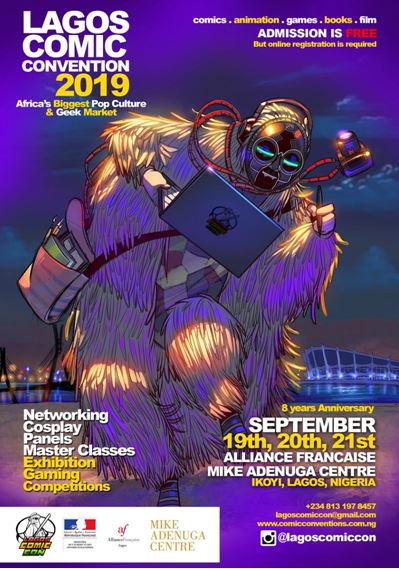
The Lagos Comic Con, now known as the Fearless Lagos Comic Con has for nearly a decade been the hottest platform for celebrating and promoting the best of Africa’s creativity in the form of comics, animation, film, books and gaming with thousands of young and vibrant enthusiasts, industry players and investors gathering to exhibit, interact and keep in touch with the latest trends in the industry.
This year’s event will feature exhibitions, panel discussions, workshops, competitions, pitches and cosplays. Unlike previous events, the convention will be free access to all zones. According to the Chief Event Coordinator, Ray Anyasi, ¨the fact that it is a three-day event this year has allowed for more robust programming. The activities and fun have been tripled to give the guests a time of their lives¨.
He noted that after the unbelievable crowd turn out last year, it became expedient that they expand the duration of the event, stating that they expect over 6000 guests in the three days of this year’s event. While attendance is free, guests must register online on allevents.ng to get access to the many fun activities.
The Panel sessions will have top speakers from France, USA, Japan, South Africa and Nigeria discussing key issues in the creative industry like running a viable comic business, creating content that sells, distribution for animation, the effect of digital book platforms on Africa’s reading culture among other topics.
At the master class zone, top creative professionals will facilitate classes on film making, story plotting, illustrations and many others. At the costume competition, dozens of cosplayers will compete for a grand prize of N50,000 and other gifts. There will also be exclusive screenings of groundbreaking films in animation and CGI/VFX, most notably the Malika Animation project by Youneek Studio starring Adesua Etomi.
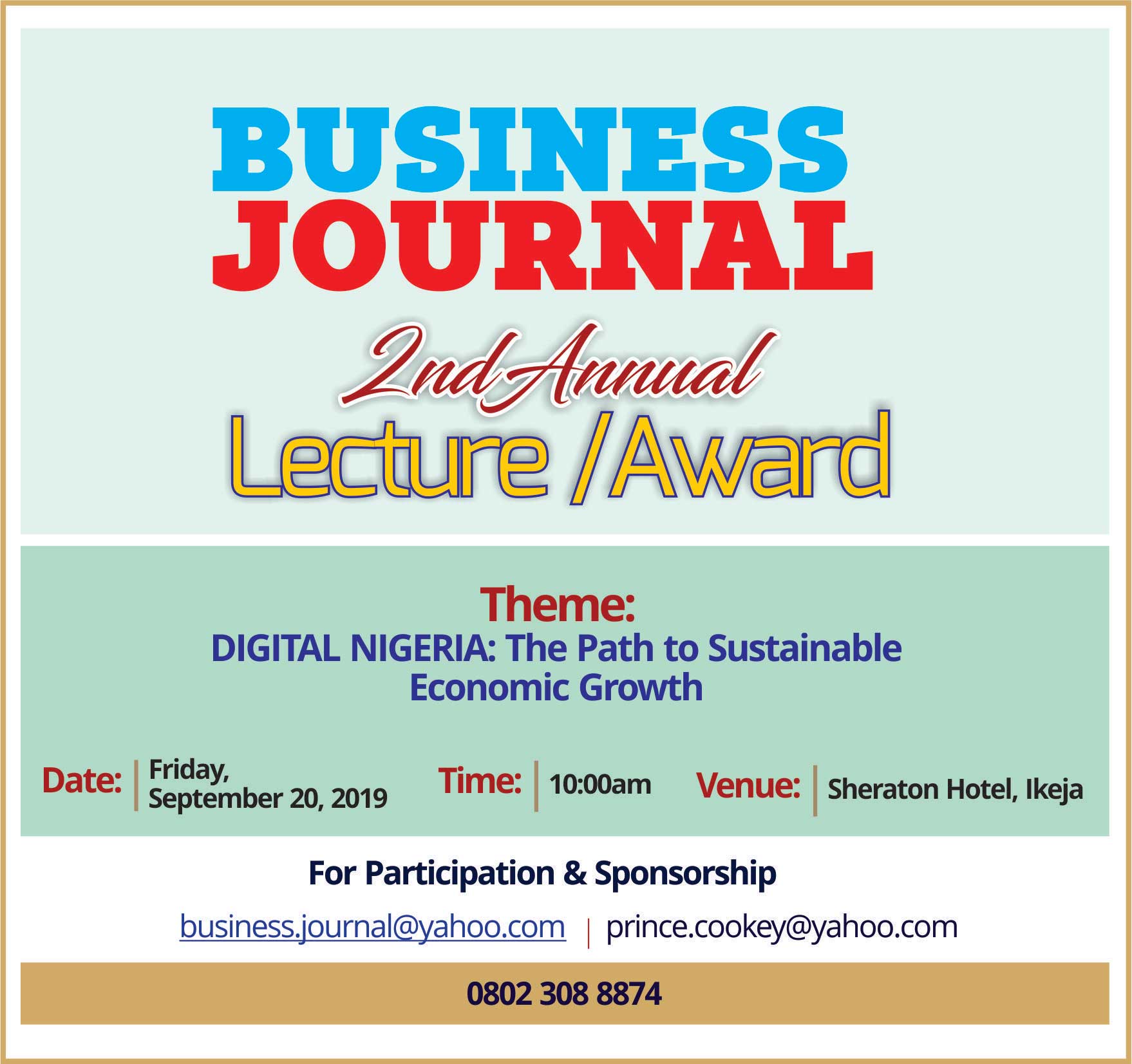
The Board, Management & Staff of Business Journal (print & online) hereby invites the General Public to her 2nd Annual Lecture/Awards on Friday, September 20, 2019 at Sheraton Hotel, Ikeja.
Time is 10 am prompt.
Please join us for a robust conversation.
The Invite is duly attached for your attention.
Thanks.
Prince Cookey
Publisher/CEO Business Journal
08023088874 [email protected]
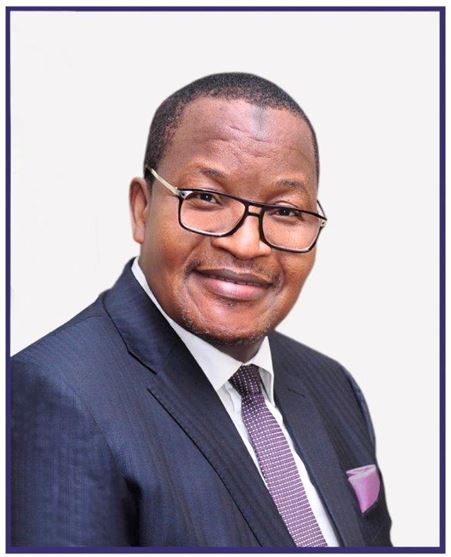
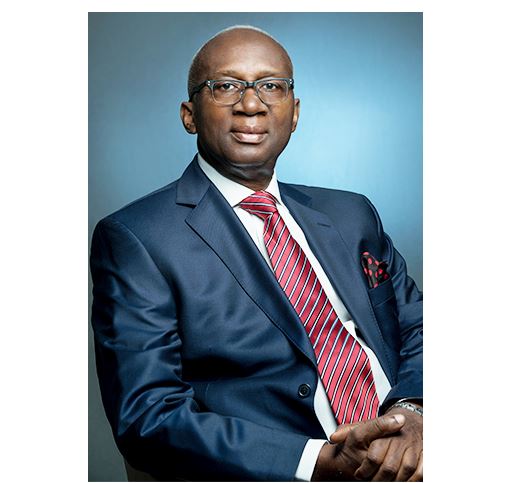
Prof. Umar Danbatta
Executive Vice-Chairman/CEO
Nigerian Communications Commission (NCC)
With a large number of 3.7 billion global unconnected population out of which 1.2 billion reside in Africa, the Executive Vice-Chairman/CEO of the Nigerian Communications Commission (NCC), Prof Umar Garba Danbatta, yesterday told the global community that African continent holds the ace and that 5G is the next frontier of investment.
Prof Danbatta spoke yesterday as a panelist on the topic, 5G Centre Play at the on-going Intentional Telecommunications Union (ITU Telecom World 2019 in Budapest, Hungary.
With the representatives of global ICT giants, including Nokia, Orange, and AT&T among other panelists, Danbatta said 5G will provide a very veritable and convincing investment for investors.
Prof. Umar Danbatta Executive Vice-Chairman/CEO Nigerian Communications Commission (NCC)
He, however, said that government alone cannot do it hence he beckoned on the private sector to take advantage of the opportunities provided by 5G and invest in Africa which guarantees adequate returns on investment.
“We need to look at 5G usage scenarios, and there are 3 of them: The enhanced mobile broadband applications, the ultra-reliable low latency applications and the Machine to Machine applications.
In our own part of the world, we are looking closely at these key areas of usage scenarios. The one that African countries will subscribe to quickly is the enhanced mobile broadband applications. The reason is for this is that, African countries are trying to roll out broadband infrastructure for broadband applications. So this will spurs us on to ensure we put in place the necessary infrastructure,” he explained.
According to him, African nations are trying to reserve the spectrum for the roll out of broadband services. “Specifically in Nigeria we are talking about three, 26, 38 and 42 GHz. These frequencies exist and we are not licensing it for other applications. We are waiting in anticipation for the standardization process to be completed at the World Radio Communication (WRC) in Egypt and then we can see how we can go forward with the licensing processes in the 3 frequencies, Prof Danbatta added.
Addressing the audience further, the NCC boss said the other important step that African countries are taking is to address new forms of anxiety that is occasioned by this emerging technology, 5G.
“There’s also the regulatory anxiety. And therefore to do that successfully like we had done in the past with every service we deployed, we start with a proof of concept trial. And preparations are underway for this important trial to take place.”
“The whole idea behind the trial is to be able to see what these challenges are. Security challenges, levels of radiation power density, whether this is within the acceptable limits provided for by the international non-ionization radio regulatory agencies as well as to ensure whatever factors that we need to come to terms with in preparatory to commercial deployment of services are identified in readiness for commercial roll out of services using 5G.”
He further told the audience that African countries are currently exchanging information and experiences on what they are seeing, “the promise of the 5G roll out in the area of enhanced Broadband mobile services in our individual countries as well as addressing the anxiety of the citizens by giving them the information that will make them receptive to this technology that is already here.”
Stanbic IBTC Bank, a member of the Standard Bank Group has launched an integrated Marketing Campaign (IMC) on its Unstructured Supplementary Service Data (USSD) application, with the dedicated code, *909#.
The *909# USSD string affords customers the opportunity to access wallet and banking services such as inter and intra bank transfers, airtime purchase, check balance, account opening and loans, in addition to purchase of mutual funds & pensions. This reinforces Stanbic IBTC Bank’s status as Nigeria’s foremost full-service financial services group.
The *909# USSD campaign launches on Monday, September 9, 2019.However, customers will be rewarded throughout the rest of the month of September, when they transact with *909#.
Wole Adeniyi, Deputy Chief Executive at Stanbic IBTC Bank, said: “It is important for the bank to embark on an integrated marketing and communication campaign highlighting *909# as a financial freedom vehicle for all Nigerians to access seamless financial services. This campaign will be targeted at the public – it is open to every Nigerian that can legally own a bank account. It has been strategically set to break on the September 9 (9-09) to reinforce top of mind awareness with the general public.”
Some of the benefits that customers will enjoy on September 9, the launch day, include getting additional 90.9% value on airtime purchased via the *909# platform from 9.09 – 9.39am and 90.9% value when they recharge using *909# from 9.09 and 9.39pm.
Also, from September 10 to 30, customers will be rewarded with 9.09% additional airtime when they recharge with *909# from 9.09 -9.39am and pm respectively.
Wole Adeniyi added: “The *909# code is unique because it is the only USSD which covers a wide range of mobile financial transactions and is not just restricted to banking. Stanbic IBTC bank recognizes the daily complexities of living in a fast-paced digital society. The *909# code is intuitive and designed around the needs of the average Nigerian.”
Since its initial introduction in April of this year, the DHL Africa eShop app has seen its user base grow rapidly, and within the first three months of operation, it had already been rolled out to 20 countries across Sub-Saharan Africa (SSA).
DHL Express announced this week that the innovative mobile and desktop platform is now available in 14 additional countries across the region. This increases the platform’s reach to 34 countries across SSA.
Hennie Heymans, CEO of DHL Express Sub Saharan Africa, says that user uptake on the DHL Africa eShop app has been remarkable over the last five months, not only from the number of downloads, but just as importantly, from an order perspective. This is why we’re excited to launch DHL Africa eShop in Angola, Benin, Burkina Faso, Burundi, Chad, Ethiopia, Guinea, Lesotho, Liberia, Mali, Namibia, Niger, Sudan, and Togo.
“DHL adopted a phased approach for the rollout of the platform on the continent, with the initial launch implemented in 11 countries to test the market’s reaction. Within the first seven weeks, the response from the consumer market was so impressive, that the second phase was initiated – which added 9 more countries to the list. Now we are once again able to build on that momentum, with the biggest single rollout phase so far.”
The DHL Africa eShop app offers African consumers unprecedented access to international retailers on an easy-to-use platform, with great convenience and speed. It also enables many global brands to connect with a captive African market. The DHL Africa eShop enables African customers to shop directly from over 200 US- and UK-based online retailers, with purchases delivered to their door, by DHL Express. This solution was developed in partnership with Link Commerce – a division of Mall for Africa.
He adds that while Africa’s ecommerce market is still lagging behind the rest of the globe in terms of annual turnover, it may well make significant strides to catching up in the near future. “A report by Statista reveals that e-commerce in Africa was valued at $16.5 billion in 2017. McKinsey adds to this calculation by predicting that this value could potentially reach $75 billion by 2025.”
As the global leader in express logistics, DHL is well positioned to connect African consumers with these exciting global brands. “We are committed to driving e-commerce growth on the continent for etailers as they work to expose their brands to international markets and also for consumers, who want easy access to global brands,” concludes Heymans.
DHL is celebrating the launch of the new countries with a promotion of $20 flat rate shipping for up to 5 items from over 100 US/UK selected sites to all DHL Africa eShop countries. The promotion is limited to Clothing and Accessory items only, and buyers need to use coupon code CELEBRATE when completing their order.
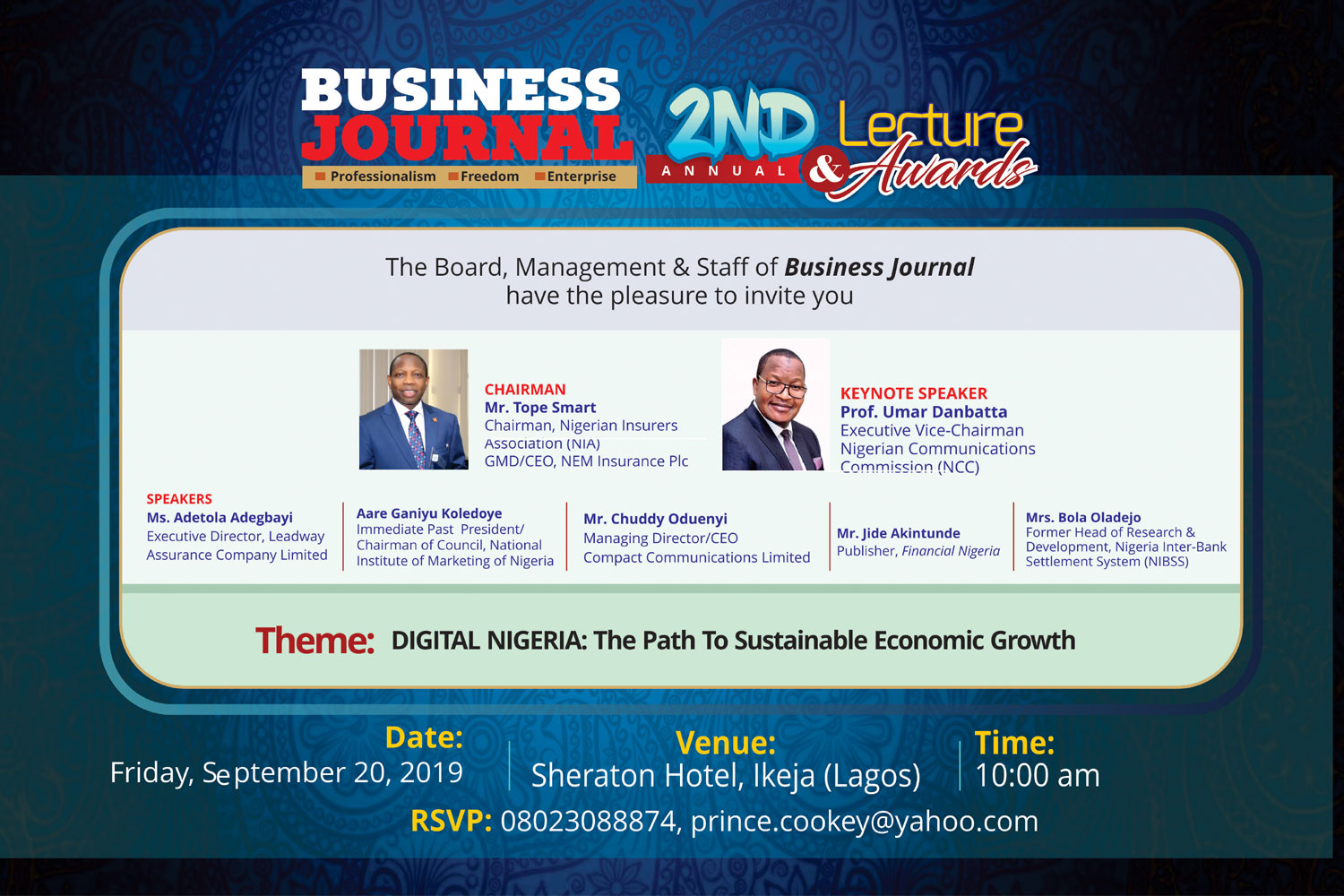
Professor Umar Danbatta, Executive Vice- Chairman, Nigerian Communications Commission (NCC) will deliver the keynote speech at the Business Journal 2nd Annual Lecture/Awards 2019 scheduled for Friday, September 20, 2019 at Sheraton Hotel, Ikeja, Lagos.
The Lecture which has DIGITAL NIGERIA: The Path to Sustainable Economic Growth as theme.
will examine the impact (opportunities & challenges) of digital disruption on various sectors of the Nigerian economy.
The event would be chaired by Mr. Tope Smart, Chairman, Nigerian Insurers Association (NIA) and also Group Managing Director/CEO, NEM Insurance Plc.
The panel includes Mrs. Kola Oladejo, former Head of Research & Development, Nigeria Inter-Bank Settlement System (NIBSS); Aare Ganiyu Koledoye, immediate past President/Chairman of Council, National Institute of Marketing of Nigeria; Mr. Chuddy Oduenyi, Managing Director/CEO, Compact Communications Limited; Ms. Tola Adegbayi, Executive Director, Leadway Assurance Company Limited and Mr. Jide Akintunde, Publisher, Financial Nigeria.
Commenting on the 2019 Annual Lecture, Prince Cookey, Publisher/CEO of Business Journal said:
“The Business Journal 2nd Annual Lecture/Award 2019 is indeed a rare opportunity for stakeholders and professionals to critically evaluate the opportunities and challenges of digital disruption on the various segments of the Nigerian economy ranging from banking, aviation, insurance and on such professions as marketing, PR and media. It would also offer a roadmap on how Nigeria could reap bountifully from the digital transformation era to achieve sustainable economic growth.”
Explaining the objective of the Business Journal Annual Lecture Series, Cookey added:
“The Business Journal Annual Lecture Series is a platform to examine emerging issues in the Nigerian and global economy and generate workable solutions going forward. It brings stakeholders across sectors together to review the state-of-affairs in the economy through robust conversation. This year, the focus is on digital disruption in terms of opportunities and challenges it presents to various sectors and professional groups. This is the second in the lecture series and we hope to continue to provide such platform for annual conversation on factors changing the business dynamics in our country.”
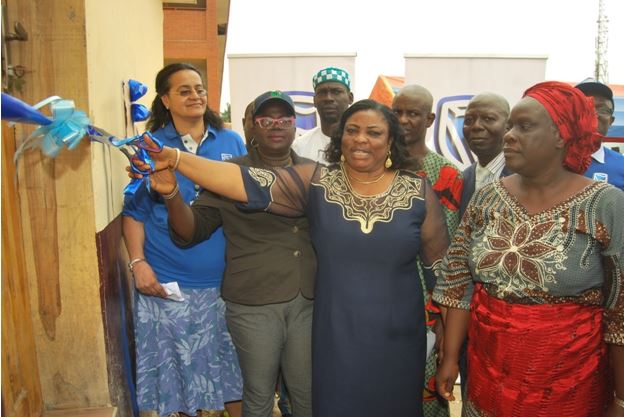
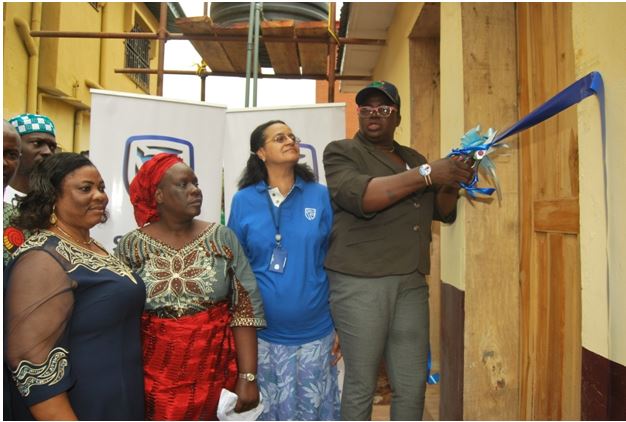
(L-R): Angela Omo - Dare, Head, Country Legal Services, Stanbic IBTC Holdings PLC; Hon. Alamu Airat Mojirade, Education Secretary, Alimosho LGEA; Mrs. Oluwabunmi Morenikeji Oteju, Director, State Universal Basic Education Board, Lagos State and Mrs. Elizabeth Adebola Ogunmola, Head Teacher, Abaranje Primary School, Abaranje, Lagos State; at the handover ceremony of built modern toilets, septic tank, borehole and water head tank, at Abaranje Primary School II, Abaranje, Alimosho LGA, Lagos State, on Monday, August 26, 2019.
(L-R): Angela Omo – Dare, Head, Country Legal Services, Stanbic IBTC Holdings PLC; Hon. Alamu Airat Mojirade, Education Secretary, Alimosho LGEA; Mrs. Oluwabunmi Morenikeji Oteju, Director, State Universal Basic Education Board, Lagos State and Mrs. Elizabeth Adebola Ogunmola, Head Teacher, Abaranje Primary School, Abaranje, Lagos State; at the handover ceremony of built modern toilets, septic tank, borehole and water head tank, at Abaranje Primary School II, Abaranje, Alimosho LGA, Lagos State, on Monday, August 26, 2019.
(L-R): Mrs. Oluwabunmi Morenikeji Oteju, Director, State Universal Basic Education Board, Lagos State; Mrs. Elizabeth Adebola Ogunmola, Head Teacher, Abaranje Primary School, Abaranje, Lagos State; Mrs. Angela Omo – Dare, Head, Country Legal Services, Stanbic IBTC Holdings PLC and Hon. Alamu Airat Mojirade, Education Secretary, Alimosho LGEA, Lagos State; at the handover ceremony of built modern toilets, septic tank, borehole and water head tank at Abaranje Primary School II, Abaranje, Alimosho LGA, Lagos State, on Monday, August 26, 2019.
Stanbic IBTC Holdings PLC, a member of Standard Bank Group, has donated an ultra-modern lavatory to Abaranje Primary School, located in the Alimosho Local Government Area of Lagos State.
The facility donated by Stanbic IBTC consists of a block of 12 modern toilets – 10 for the use of students and two for their teachers’ use. It also includes a septic tank, borehole and overhead water tank.
Speaking during the hand-over ceremony at the school premises, Angela Omo-Dare, Head, Legal Services of Stanbic IBTC, said that the donation was in line with the company’s Corporate Social Initiatives.
Giving a background to the project, Angela stated that the Legal Services Department of Stanbic IBTC decided to undertake a CSI initiative that would benefit a public primary school and also address a health challenge.
Angela said: “Some members of the team were charged with finding a suitable project. When they returned, they spoke of a school where 800 children were sharing two pit latrines. The team was unanimous in its belief that this project was the most deserving of all the interventionist measures we considered. The team was determined that the children of Abaranje Primary School II, should have access to modern toilets.”
She stated that the CSI project was funded by staff of the Legal Services Department of Stanbic IBTC, with contributions from their friends and family members. She added that Stanbic IBTC matched the funds raised by the Legal Services Department, which enabled the completion of the project.
Urging other corporate organisations to emulate Stanbic IBTC’s initiative, Angela stated: “We are grateful that we have been given the opportunity to contribute towards the comfort and health of young Nigerians. We received much joy from the evolution of this project and a sense of pride from its completion. It emphasizes Stanbic IBTC’s core value of Teamwork.”
In her welcome remarks, Mrs. Oluwabunmi Morenikeji Oteju, a Director in the State Universal Basic Education Board of Lagos State, thanked Stanbic IBTC for donating the toilet facilities and for initiating similar CSI initiatives across primary schools in Lagos State.
She said: “I want to say a very big thank you for building this befitting structure for the children because they are the future leaders. I am also aware that you have several projects relating to provision of benches and tables for children in our primary schools, building/ renovating of libraries and so much more. There are over 1,016 primary schools in Lagos and the government alone cannot cater to all their needs. A lot of stakeholders have to come in to support and Stanbic IBTC is part of the organisations offering support. Projects like these make the learning environment more conducive and the students can learn better under such conditions.”
She further pledged that the facilities provided by Stanbic IBTC would be put to effective use, assuring that the infrastructure would be properly maintained.
Mrs. Elizabeth Ogunmola Adebola, the Head Teacher,Abaranje Primary School II, expressed gratitude to the management of Stanbic IBTC. She disclosed that the school had been sharing a block of two toilets with another school when its pit toilet got destroyed three years ago.
She said: “We thank the Legal Department of Stanbic IBTC Holdings for bringing this project to this school. In fact, we were at a point where we didn’t know what to do any longer. When members of the Legal Services Department of Stanbic IBTC came, we were very happy when they said that they wanted to build a block of toilets for us. We are thankful for this beautiful toilet facility that has been provided for our pupils so that they can have a taste of good living.”
Stanbic IBTC is a Nigerian company which had its roots in Investment Banking & Trust Company PLC, formed on February 2, 1989 with Atedo Peterside as the first Chief Executive.
The company has since evolved into a full-service financial institution with 9 subsidiaries all headed by Nigerians.
Stanbic IBTC Holdings PLC has estimated staff strength of approximately 5,000, 99.9% of whom are Nigerians. Additionally, eight of Stanbic IBTC Holdings PLC’s ten-member board are Nigerians.
Access Bank PLC recently released audited H1-19 numbers. The result was impressive as the bank recorded strong growth in both gross earnings and profitability.
The strong performance was underpinned by funded income growth, with non-funded income underperforming the prior year. Consequently, the bank recorded a strong PBT growth of 61.7% y/y. Finally, the bank proposed an interim dividend of NGN0.25/share, which translates to a yield of 3.9% based on the closing price on the 5th of September 2019 (NGN6.45).
According to Cordros Capital, the bank recorded interest income growth of 46.4% y/y to NGN226.1 billion in the period, which was underpinned by the strong growth recorded in gross loans and advances of 30.6% y/y to NGN2.72 trillion.
On the other hand, non-interest income declined by 28.7% y/y to NGN47.15 billion, as trading income on investment securities declined by 93.0% y/y to NGN4.15 billion.
Also, interest expense increased by 16.1% y/y to NGN117.75 billion, significantly below the growth rate in income, resulting in a significant growth in net interest income of 81.9% y/y. Consequently, the bank’s net interest margin expanded by 2.0ppts to 7.6% from the prior year, reflecting the benefits of the bank’s increased pool of low-cost liabilities.
Also, the bank’s operating expenses increased substantially during the period by 28.9% y/y to NGN123.30 billion. This was driven by a combination of increases in (1) AMCON levy (+29.4% y/y) given the expansion in the bank’s assets base (+31.0% y/y to NGN6.49 trillion), (2) Professional fees (+325.1% y/y to NGN4.84 billion) related to the business consolidation with Diamond, (3) Personnel expenses (+19.8% y/y to NGN31.5 billion) also related to the larger entity, as well as other ancillary costs. However, despite the expansion in operating expenses, the bank’s cost-to-income ratio (after accounting for LLEs) moderated to 62.5% from 68.2% in the corresponding period of the prior year.
Consequent on the growth in income relative to expenses, the bank recorded a profit before tax growth of 61.7% to NGN74.12 billion, while PAT settled 59.1% higher y/y at NGN63.02 billion. At the current run-rate the bank’s PAT for FY-19 will settle 56.1% higher, while annualized RoAE would settle at 23.5% relative to 19.0% in the prior year.
The macro-prudential ratios remained strong, save for the bank’s NPL of 6.4% which remains above the statutory level but has trended downward from the 10.0% recorded in Q1-19.
The bank’s capital adequacy ratio of 20.8% remains well above the statutory limit for D-SIBs (16.0%), while the bank’s liquidity level of 49.7% also remains well above the limit. While the bank has significant headroom to drive growth given the macro-prudential ratios, we expect more focus on the remediation to bring NPLs downwards.
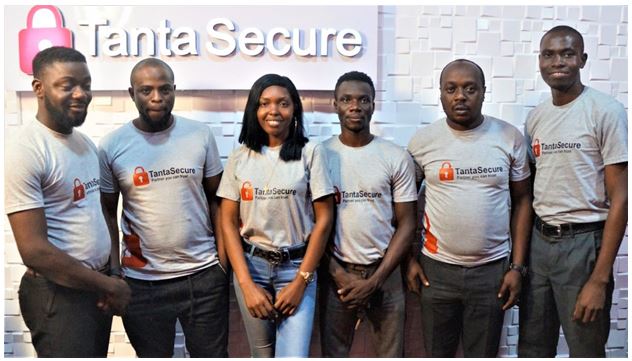
Tanta Secure Limited, an indigenous device protection and information technology (IT) firm in Lagos recently unveiled their flagship products termed Corporate and Individual Plans known as the first extended device and smartphone protection solution in the country.
As Nigerians get busier by the day and also embracing sophisticated technology, the need to maintain these technologies and complicated devices becomes imperative and imminent. With the TantaSecure™ plan, the company bridges those needs. Offering convenience and confidence, the TantaSecure™ Corporate and Individual plans bring respite to Nigerians. Addressing the critical questions on who would fix these smartphones and devices when they get damaged? How to get reputable technicians and how fast can services be delivered?
Speaking to the media, the Chairman and Founder of TantaSecure, Abraham Tanta said “TantaSecure™ protects all devices, appliances, electronics and gadgets, makes and models no matter where or when they were purchased—as long as they are working, in good condition, and you have proof of purchase. If you currently have device insurance through other agencies, you can easily switch to TantaSecure™ (and save up to 50%) no matter what type of device you have.”
Africa’s pace of economic growth is set to pick up this year but the recovery remains patchy and debt levels are soaring, adding urgency to the continent’s drive to boost trade, experts told the World Economic Forum on Africa.
There are clear bright spots. Five of the world’s fastest-growing economies – Ghana, Ethiopia, Senegal, Côte d’Ivoire and Rwanda – are in sub-Saharan Africa, said Albert Zeufack, Chief Economist for Africa at the World Bank.
Still, the macroeconomic threats to the region are growing as escalating trade tensions between China and the United States threaten a global slowdown.
“The risks to the macro outlook are mostly on the downside,” Zeufack said. “The recovery on the continent will remain fragile.”
Rising debt levels are fuelling vulnerabilities, especially as external debt is shifting from the public to the private sector, making it imperative to keep Africa’s growth engine humming smoothly. “For as long as you have improving growth prospects and for as long as you are able to contain deficits, then the debt situation can be contained,” said Lesetja Kganyago, Governor of the South African Reserve Bank.
The African Development Bank forecasts the continent’s GDP will increase by 4.0% this year, up from 3.5% in 2018, putting its growth rate ahead of the global average. But the World Bank has a more cautious view for sub-Saharan Africa, where growth is expected to increase to 2.8% from 2.3% in 2018.
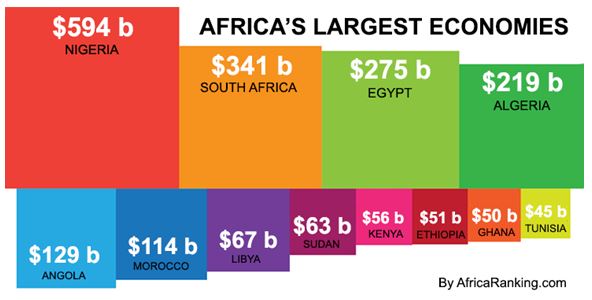
Worryingly, growth in Africa’s two largest economies and its biggest democracies, South Africa and Nigeria, is holding the continent back. Kganyago said stripping out these two from the calculation leaves the rest of Africa with a much more respectable growth rate above 5%.
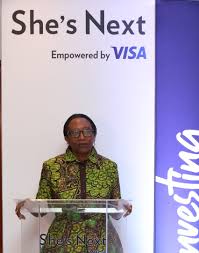
Visa is launching She’s Next, Empowered by Visa, in Africa, to encourage female micro-and small-business owners as they fund, run and grow their businesses across the continent.
The global expansion of this program, announced today at the 28th World Economic Forum on Africa in Cape Town, is part of Visa’s on-going commitment to support female entrepreneurs.
Visa and the International Trade Centre (ITC) announced the signing of a Memorandum of Understanding launching a new partnership to increase the financial inclusion of small businesses and women-owned small businesses globally by helping empower them to participate in international digital trade economy.
The number of women entrepreneurs is growing around the world, with 163 million starting businesses since 2014 alone.Additionally, the highest percentage of these women are in Africa, where 26% of women start or manage a business.She’s Next in Africa will harness the power of Visa’s global brand and network to build awareness of these women entrepreneurs and invest in them to provide them with tools to build their businesses.
“Women entrepreneurs are the backbone of local economies, and the need for support is real. Closing the gender gap requires persistent hard work and support,” said Aida Diarra, senior vice president and group country manager, Visa Sub Saharan Africa. “That is why Visa is using its voice to shine a light on the contributions and economic potential of female-owned micro-and small-businesses around the world.”
Women typically reinvest up to 90% of their income in the education, health and nutrition of their families and communities – compared to up to 40% for men – which makes investing in women’s businesses one way that Visa can help transform societies.
As another school year beckons, Stanbic IBTC Bank PLC, a member of Stanbic IBTC Holdings PLC, has introduced a suite of educational payment products that will ease the burden of school fees which parents and guardians have to bear.
Stanbic IBTC Bank PLC, being a Nigerian bank, specifically developed the educational products, taking cognisance of the country’s cultural nuances.
The first of the solutions is the EZ cash loan/advance. Parents and wards who are strapped for cash at the point when school fees payment are due, can take advantage of the EZ cash loan which gives access to loans, in less than a minute, to pre-approved customers.
Salaried employees can also take advantage of Salary Advance (SALAD), another of the bank’s short term loans that are quick and easy to get. Another of Stanbic IBTC Bank PLC’s educational products is an international money transfer solution for payment of school fees and allowances abroad.
Added to that are prepaid cards which can be preloaded with pocket money for children/wards, while the credit cards, which currently offer a 55-day interest moratorium, can be used to seamlessly pay school fees.
Dr. DemolaSogunle, Chief Executive, Stanbic IBTC Bank PLC, said that the bank attaches a high premium to learning, hence the need to develop solutions which parents and guardians can take advantage of to ensure that their wards get the desired level of education.
He said: “We are a Nigerian bank and we realise that whilst parents and guardians may have desired levels of education for their children, funding may be a deterrent in the pursuit of these dreams. We have hence developed these products which will ease the burden of school fees payment while also providing satisfaction to the parents and guardians that their wards are getting good education.”
Dr. Sogunle identified a deep understanding of Nigeria and developing tailor-made solutions as factors that distinguishes Stanbic IBTC Bank as a leading Nigerian financial institution.
He added that the bank’s loan products offerfast, simple and convenient ways by which customers can meet their short term financial obligations to educate their wards, with very convenient repayment terms.
Other benefits of the school fees loans are: access to a revolving line of credit, flexible repayment terms, and the opportunity to access credit up to 100% of the customer’s income. With schools resuming for a new term, the school fees loans will help to alleviate the financial burden parents and guardians may face in paying school fees.
According to the Stanbic IBTC Bank Chief Executive, the conditions for accessing the loan products are having a salary account with the bank or having investments with any of the Stanbic IBTC group subsidiaries.
Loan applicants can walk into any branch of the bank and apply for any of the education loans in a few easy steps.
The application is then processed and the customer is contacted with feedback.
Stanbic IBTC Holdings PLC is a Nigerian financial institution with eight subsidiaries and an estimated staff strength of 5,000 Nigerians. Furthermore, 80% of the Stanbic IBTC board members are Nigerian.
The Board of MTN Nigeria wishes to add its unequivocal condemnation of the xenophobia and violence against Nigerians and other nationalities in South Africa over the recent days, as well as the violent response to it in Nigeria. Violence cannot and must never be acceptable and we must reject it in the strongest terms possible.
We offer our profound sympathies to all those affected and urge all stakeholders and communities in Nigeria, South Africa and other countries, to act with restraint, and to work collaboratively to address these issues. Our future as a continent will be built on enhanced connections and greater integration economically, culturally and politically. It is in all of our interests to work together.
Ken Aghoghovbia, Deputy Managing Director/COO, African Reinsurance Corporation (centre) receiving award of the 2018 NAIPCO Insurance Development Promoter Award from Mohammad Ahmad, Chairman of the NAIPCO 2019 National Conference (left) while Mrs. Omobola Tolu-Kusimo, President of NAIPCO (right) looks on.
Ken Aghoghovbia, Deputy Managing Director/COO, African Reinsurance Corporation (centre) receiving award of the 2018 NAIPCO Insurance Development Promoter Award from Mohammad Ahmad, Chairman of the NAIPCO 2019 National Conference (left) while Mrs. Omobola Tolu-Kusimo, President of NAIPCO (right) looks on.
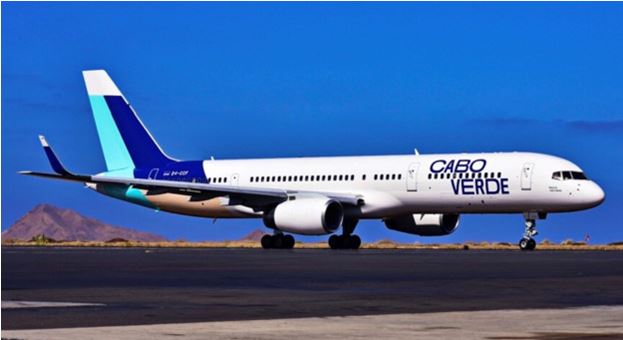
In order to respond to West African market requests, Cabo Verde Airlines has decided to include one piece of baggage into its Promo fares from flights originating in Dakar (Senegal), Lagos (Nigeria) and Luanda (Angola).
With the added baggage, Promo fares starting in Dakar, Lagos, and Luanda will now work with one piece of baggage allowed for outbound and inbound flights for all Cabo Verde Airlines’ destinations, except for flights between Dakar and Cabo Verde, and Luanda and Cabo Verde, which remain with a two piece policy for all fares.
The campaign is already active and it’s only valid for routes starting in these three cities.