Home Blog Page 227

Emirates Resumes Flights to Lagos, Abuja from Sept 7

0

The addition of the Nigerian cities and daily Abuja flights expands the airline’s network to 84 destinations

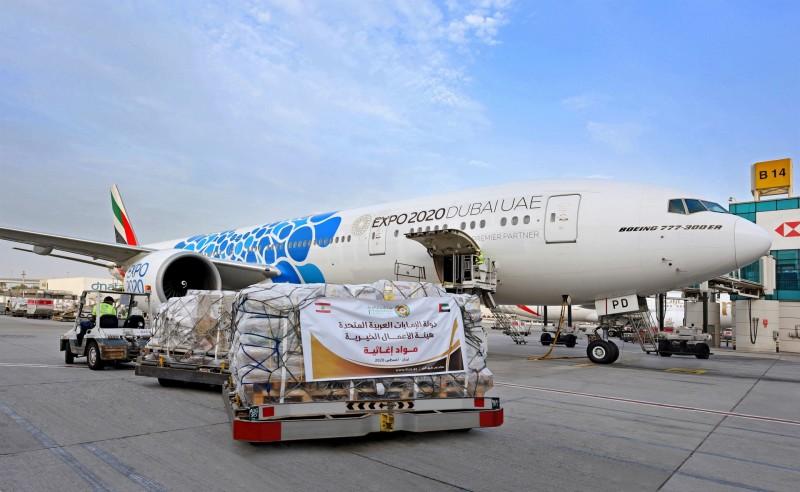
Emirates flights to Nigeria will resume this week. Passenger services to Lagos will start again on 7 September and daily flights to Abuja from 9 September.

The resumption of flights to both Nigerian cities takes Emirates’ African network to 13 destinations, as the airline works hard to help its customers travel safely and confidently, implementing industry-leading health and safety measures at all points of the travel journey.

Flights to Lagos will operate four times a week on Monday, Wednesday, Friday and Sunday. Flights to/from Abuja will operate daily.

Passengers travelling from both cities in Nigeria to the Americas, Europe, Middle East and Asia Pacific can enjoy safe and convenient connections via Dubai, and customers can stop over or travel to Dubai as the city has re-opened for international business and leisure visitors.

Ensuring the safety of travellers, visitors, and the community, COVID-19 PCR tests are mandatory for all inbound and transit passengers arriving to Dubai (and the UAE), including UAE citizens, residents and tourists, irrespective of the country they are coming from.

From sun-soaked beaches and heritage activities to world class hospitality and leisure facilities, Dubai is one of the most popular global destinations. In 2019, the city welcomed 16.7 million visitors and hosted over hundreds of global meetings and exhibitions, as well as sports and entertainment events.

Dubai was one of the world’s first cities to obtain Safe Travels stamp from the World Travel and Tourism Council (WTTC) – which endorses Dubai’s comprehensive and effective measures to ensure guest health and safety.

Emirates’ booking policies offer customers flexibility and confidence to plan their travel. Customers who purchase an Emirates ticket by 30 September 2020 for travel on or before 30 November 2020, can enjoy generous rebooking terms and options, if they have to change their travel plans due to unexpected flight or travel restrictions relating to COVID-19, or when they book a Flex or Flex plus fare.

Customers can now travel with confidence, as Emirates has committed to cover COVID-19 related medical expenses, free of cost, should they be diagnosed with COVID-19 during their travel while they are away from home.

This cover is immediately effective for customers flying on Emirates until 31 October 2020 and is valid for 31 days from the moment they fly the first sector of their journey. This means Emirates customers can continue to benefit from the added assurance of this cover, even if they travel onwards to another city after arriving at their Emirates destination.

Emirates has implemented a comprehensive set of measures at every step of the customer journey to ensure the safety of its customers and employees on the ground and in the air, including the distribution of complimentary hygiene kits containing masks, gloves, hand sanitiser and antibacterial wipes to all customers.


DBN CEO Lauds Ecobank, AUDA-NEPAD Partnership for MSMEs

0

Managing Director, Development Bank of Nigeria (DBN), Tony Okpanachi has commended the setting up of the MSME Academy, an initiative of the African Union Development Agency – AUDA-NEPAD in partnership with the Ecobank Group.

Okpanachi who was speaking at the virtual launch of the first Pan-African MSME Academy said the AUDA- NEPAD and Ecobank partnership must be lauded as the entrepreneurial potential and critical role of MSMEs in economic growth and development in Nigeria is clear. He noted that DBN will continue to collaborate with financial institutions to assist them with all necessary support to play their role in the economy.

In his presentation titled: “How MSMEs can access funding – opportunities from financial Institutions/banking sector”, Mr. Okpanachi, said to be bankable, the MSMEs should have accurate financial statement, collaterals, good credit history, viable business model and sound corporate governance, listing the sources of funding to include equity, grants and credit.

Also speaking, Managing Director, Ecobank Nigeria, Patrick Akinwuntan  pledged the bank’s support for small businesses operating in the country, stressing that the micro, small and medium enterprises (MSMEs) sub sector remains the most affected by the COVID-19 pandemic and needs support in the revamping of the nation’s economy.

Akinwuntan maintained that MSMEs are the drivers of post COVID-19 economic recovery for Nigeria, noting that the sub sector should take advantage of technology, financial services, and support from the government to drive the survival and growth of their businesses.

Further, Mr Akinwuntan said the MSME Academy which is an initiative of the African Union Development Agency – AUDA-NEPAD in partnership with the Ecobank Group provides easy access to practical training and resources on financing opportunities in various countries in Africa, how to build a digital presence for businesses and how to adapt business operations in the era of the COVID-19 pandemic.

In his words, “ as an MSME friendly bank, we have been helping them with capacity building; providing simple and easy access to loans  in various sectors including agriculture, creative industry, healthcare and commerce amongst others; access to markets via our e-commerce solutions and simple but robust digital platforms for collections and payments. We have also provided a channel to enable MSMEs to open various accounts via self-service on our webpage. I encourage all MSMEs in the country to avail themselves of this opportunity to grow their business. ”

Representing AUDA-NEPAD, Amine Idriss Adoum, Director, Programme Delivery & Co-ordination, explained that the MSME Academy aims to build the capacities of MSMEs across Africa through a combination of relevant content library, a network of institutions specialized in MSME support such as incubators and accelerators, and a community of peers, mentors, and advisors.

He noted that  the key objectives of the academy is to radically expand access to finance by aggregating smaller financial institutions such as micro-credit institutions and credit unions that have access to micro-enterprises, standardising their processes, and building trust in their capabilities.

“The MSME Digital Platform is a one-stop-shop for all MSMEs across Africa to access all these three programmes which jointly address MSMEs’ challenges with access to capacity building, markets, and capital”. He explained.

The first Pan-african MSME Academy is open to Medium, Small and Micro Enterprises in Nigeria and across Africa . The programme provides support to African MSMEs and is structured along three pillars, namely:  the MSME Academy, MSME Marketplace, and MSME Financing Support Programme to be delivered through an MSME Digital Platform.

The Academy provides easy access to practical training and resources on financing opportunities in various countries in Africa, how to build a digital presence for businesses and how to adapt business operations in the era of the COVID-19 pandemic.

It also offers free access to market intelligence, mentors with a diverse experience and assisting with access to funding opportunities.

Access Bank: Will Diamond Synergy Spur Growth Long Term?

0

Access Bank Plc released its H1-20 earnings recently which revealed that the bank recorded a marginal decline in profitability. On the EPS of NGN1.73 (-8.9% vs. H1-19), the bank’s board has proposed an interim dividend of NGN0.25/s (H1-19: 0.25/s), which equates to a yield of 3.9% based on the closing price of NGN6.40 as of the 3rd of September 2020.
The bank recorded an interest income decline of 9.6% y/y to NGN246.72 billion in the period, pressured by the decline in income from investment securities (-31.4% y/y to NGN74.00 billion).

According to Cordros Capital, the decline in income from investment securities was expected given increased capital allocation to risk asset creation given the CBN’s LDR policy, as well as the precipitous decline in yields on assets from the prior year.

This decline was steep enough to offset growth in other contributory lines, as income from loans and advances to customers (+0.3% y/y to NGN160.61 billion) and banks (+7,598% y/y to NGN6.72 billion), as well as cash and balances with banks (+11.5% y/y to NGN5.39 billion) all expanded over the period.
Interest expense expanded moderately over the period, advancing by 2.3% y/y to NGN120.52 billion, with the most pressure exerted by interest on deposits from financial institutions, which rose by 48.8% y/y to NGN34.07 billion, and offset the declines from  deposit from customers (-11.6% y/y) and debt securities (-31.3% y/y).

The bank seems to have now optimised its deposit base and is taking advantage of the synergy with Diamond bank, as cost of deposits declined by 27.9% from the Q4-19 standalone period to the Q2-20 period. While there was a moderate growth in expense on deposits from customers q/q in Q2-20 (+4.2%), the run rate would still be well below expense in 2019FY.
Non-interest income grew by 194.5% y/y to NGN138.85 billion, supported by strong growth in income from investment securities (3,152% y/y to NGN134.84 billion), primarily driven by derivative instruments, which offset the substantial FX revaluation loss recorded (+988.7% y/y to NGN57.6 billion).
Operating expenses increased substantially during the period by 40.0% y/y to NGN174.29 billion, given the effects of the consolidation with Diamond bank. Consequently, all major contributory lines recorded spikes, with regulatory charges – AMCON levy (+56.5% y/y to NGN35.44 billion) and NDIC premium (+28.8% y/y to NGN7.54 billion) –, personnel expenses (+16.0% y/y to NGN36.25 billion), and other expenses (+49.2% y/y to NGN77.70 billion) all expanding.

Given the significant year-on-year expansion in operating expenses, the bank’s cost-to-income ratio (after accounting for LLEs) deteriorated to 70.1% from 66.1% and 55.0% in the previous quarter and corresponding period of the prior year, respectively.
Consequent on the growth in income relative to expenses, the bank recorded a profit before tax growth of 1.8% y/y to NGN74.31 billion, while PAT settled 1.4% lower y/y at NGN61.03 billion, given the higher income tax expense (+19.7% y/y).

Emirates Brings Back Lagos, Abuja to its Route Network

0

Emirates has announced it will resume passenger services to Lagos (7 September) and Abuja (9 September) in Nigeria.

The resumption of flights to both Nigerian cities takes Emirates’ African network to 13 destinations, as the airline works hard to help its customers travel safely and confidently, implementing industry-leading health and safety measures at all points of the travel journey.

Flights to Lagos will operate four times a week on Monday, Wednesday, Friday and Sunday.  Flights to/from Abuja will operate three times weekly on Wednesday, Friday and Sunday. The addition of the Nigerian cities expands the airline’s network to 84 destinations.

Passengers travelling from both cities in Nigeria to the Americas, Europe, Middle East and Asia Pacific can enjoy safe and convenient connections via Dubai, and customers can stop over or travel to Dubai as the city has re-opened for international business and leisure visitors.

Ensuring the safety of travellers, visitors, and the community, COVID-19 PCR tests are mandatory for all inbound and transit passengers arriving to Dubai (and the UAE), including UAE citizens, residents and tourists, irrespective of the country they are coming from.

Destination Dubai: From sun-soaked beaches and heritage activities to world class hospitality and leisure facilities, Dubai is one of the most popular global destinations. In 2019, the city welcomed 16.7 million visitors and hosted over hundreds of global meetings and exhibitions, as well as sports and entertainment events. Dubai was one of the world’s first cities to obtain Safe Travels stamp from the World Travel and Tourism Council (WTTC) – which endorses Dubai’s comprehensive and effective measures to ensure guest health and safety.

Flexibility and Assurance: Emirates’ booking policies offer customers flexibility and confidence to plan their travel. Customers who purchase an Emirates ticket by 30 September 2020 for travel on or before 30 November 2020, can enjoy generous rebooking terms and options, if they have to change their travel plans due to unexpected flight or travel restrictions relating to COVID-19, or when they book a Flex or Flex plus fare.

Free, Global Cover for COVID-19 Related Costs: Customers can now travel with confidence, as Emirates has committed to cover COVID-19 related medical expenses, free of cost, should they be diagnosed with COVID-19 during their travel while they are away from home. This cover is immediately effective for customers flying on Emirates until 31 October 2020 (first flight to be completed on or before 31 October 2020), and is valid for 31 days from the moment they fly the first sector of their journey. This means Emirates customers can continue to benefit from the added assurance of this cover, even if they travel onwards to another city after arriving at their Emirates destination.

Health and Safety: Emirates has implemented a comprehensive set of measures at every step of the customer journey to ensure the safety of its customers and employees on the ground and in the air, including the distribution of complimentary hygiene kits containing masks, gloves, hand sanitizer and antibacterial wipes to all customers.

Zenith Bank: Mixed Bag of Decline, Strong Growth in H1

0

Ebenezer Onyeagwu

MD/CEO

Zenith Bank Plc

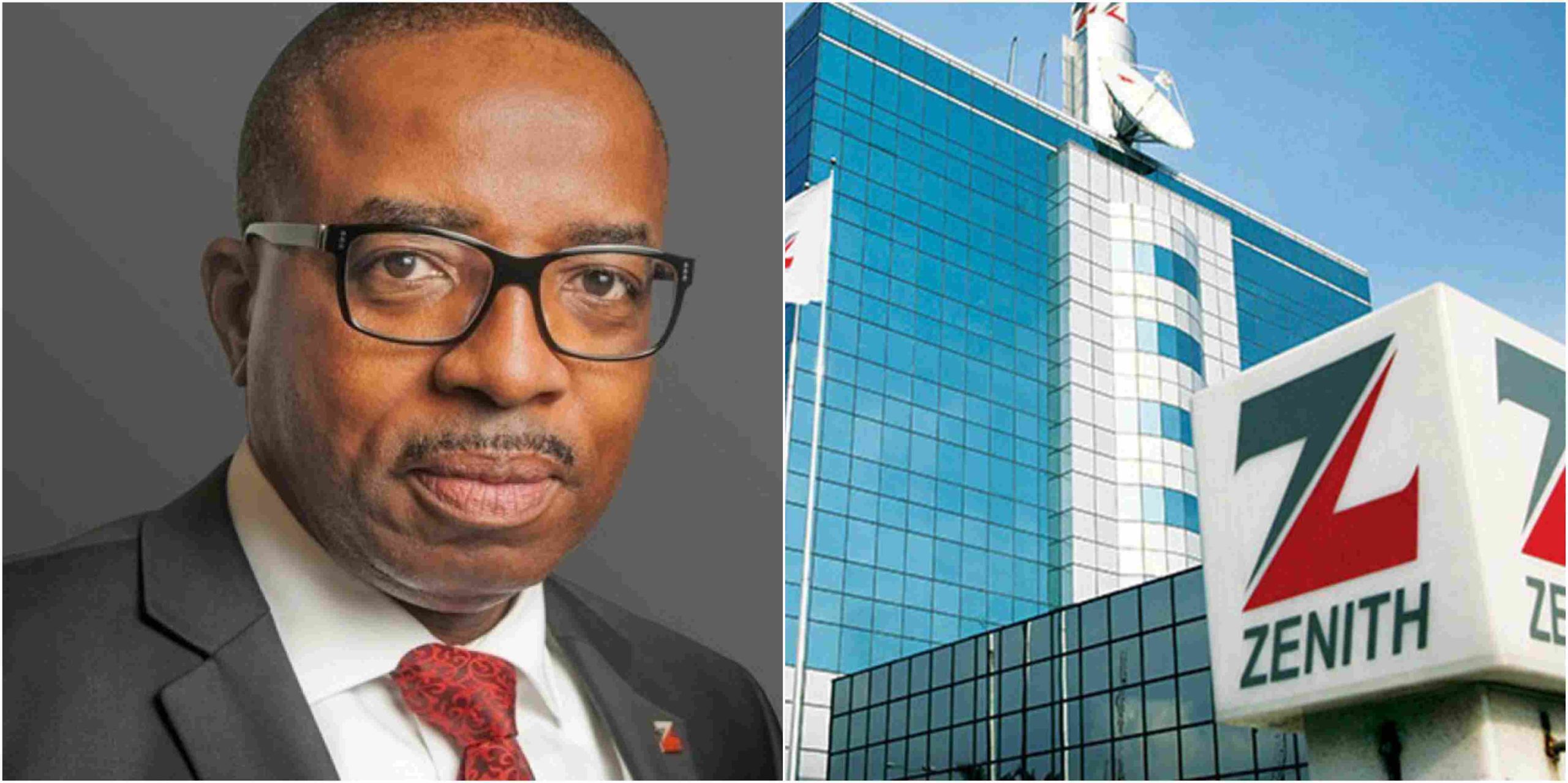
The 2020 half-year (H1) financial report of Zenith Bank Plc reveals a mixed bag of decline and strong growth in certain market fundamentals.

On the EPS of NGN3.30 (+16.6% vs. H1-19), the Board has proposed an interim dividend of NGN0.30/s (H1-19: 0.30/s), which equates to a yield of 1.7% based on the closing price of NGN17.20 as of the 3rd of September 2020.
Analysis by Cordros Research shows that interest income grew by 1.1% y/y to NGN216.95 billion, supported primarily by the income from loans and advances to customers (+11.6% y/y to NGN128.37 billion) as risk asset creation has been strong in the year so far (+13.8% YTD to NGN2.62 trillion).

The other contributory line recorded a decline – investment securities (-18.1% y/y). The decline in income from investment securities was expected, as yields across assets have pared significantly from the prior year.
Also, interest expense declined by 17.4% y/y to NGN59.55 billion, reflecting lower interest cost on borrowings over the corresponding period of the prior year (-50.7% to NGN17.00 billion) and despite the increased cost on deposits from customers (+13.3% to NGN42.54 billion).

Consequent to the decline in interest expense, net interest income settled higher by 10.5% y/y at NGN157.41 billion. After accounting for credit impairment charges (+74.2% y/y to NGN23.92 billion), net interest income (ex-LLE) settled 3.7% higher year-on-year.

The exponential growth in LLE is in line with our expectations, given the application of the ECL model and the expected impact of the pandemic on the bank’s risk asset quality both at present and going forward.
Continuing the trend during the year, non-interest income (NII) was strong, settling 6.2% higher y/y at NGN116.49 billion. The strong growth recorded was supported by expansions in FX revaluation gains (+239.6% y/y to NGN22.02 billion), and gains on investment securities (+30.4% y/y to NGN58.83 billion). This expansion in NII, alongside the growth in net interest income, led to an expansion in operating income of 4.8% y/y to NGN249.97 billion.
Operating expenses growth was moderate, as the bank continued to focus on cost management in the face of moderate gross earnings growth. Opex grew by 7.1% y/y to NGN135.85 billion, with the most pressure exerted by other operating expenses (+16.6% y/y to NGN21.22 billion) such as I.T, and maintenance costs.

Consequent to the Opex growth relative to operating income growth, the bank’s cost-to-income ratio (ex-LLE) settled higher at 54.3% relative to 52.7% and 50.9% in the prior quarter and the corresponding period of the prior year.

Also, profitability was stronger, with profit-before-tax settling 2.2% higher year-on-year. However, profit-after-tax settled 16.8% higher year-on-year, on account of a 54.8% decline in income tax expense.
In our view, the bank’s macro-prudential ratios remain strong, as all ratios settled within statutory limits. The bank’s non-performing loans ratio improved to 4.7% from 5.0% in the prior quarter, although this may be adduced to the significant YTD expansion in loans to customers, as well as regulatory forebearance for distressed restructures.

Similarly, the bank’s capital adequacy (20.0%) and liquidity (43.8%) ratios remained strong after expanding quarter on quarter and signifies that the bank has ample headroom for growth over the medium-term.

“Also, we note that the bank’s current loans-to-deposits ratio (66.1%) is now above the minimum LDR of 65.0%.”

NAICOM + PenCom: Beautiful Deal!

0

R-L: Mr. O. S. Thomas, Commissioner for Insurance, National Insurance Commission (NAICOM) and Hajia Aisha Dahir-Umar, Director-General, National Pension Commission (PenCom)

African Alliance Names Adekola as New CEO

0

Olabisi Adekola has been named new CEO of African Alliance Insurance Plc with September 1, 2020 as commencement date. Adekola took over from Mrs. Funmi Omo.

Olabisi Adekola is a seasoned Chartered Accountant, Investment Manager and
Business Continuity leader with over 25 years’ experience in Financial Management,
Internal Audit and Accounting.

After a stint as a Data Entry Officer at Nigerian Hoechst PLC, she joined the African Alliance in 1997 as an Assistant Superintendent in the Finance department. She learnt the ropes and rose through the ranks in Finance until she was moved to Internal Audit as Manager in 2002.

She became a key member of the Internal Audit team tasked with designing and implementing various programmes for the prevention and detection of frauds, errors and irregularities in the company.

As she excelled in the various roles she held in the department, her stock rose and she is credited with putting in place a couple of processes that have become an integral part of the business till date. In 2008, Olabisi was promoted as Acting Head (Finance and Investment) and then Assistant General Manager (Finance and Investment) in 2010.

As AGM, she managed and administered the entire investment portfolio of the company and was responsible for financial reporting and control, design and review of strategic corporate policies as well as budget performance and analysis. In 2012, Olabisi was promoted as the Executive Director (Finance), capping a brilliant lateral growth within the organisation.

Olabisi holds an MBA in Financial Management from the Lagos State University, as
well as HND and National Diploma in Business Administration from the Federal
Polytechnic, Ilaro, where she finished top of her department at both instances. She is
a Fellow of both the Institute of Chartered Accountants of Nigeria (FCA) and
Association of Investment Advisors and Portfolio Managers (FIAPM); an Associate
Member of the Chartered Institute of Taxation of Nigeria (ACTI), Nigeria Institute of
Management and Business Continuity Professional, Disaster Recovery International.
Olabisi is an alumnus of the Lagos Business School and China-Europe International Business School.

African Leaders Reaffirm Support for Afdb as Adesina Begins 2nd Term

0


African leaders have reaffirmed their support for the African Development Bank Group and its leadership under Dr. Akinwumi Adesina as he begins his second five-year term with a renewed mandate to foster sustainable development on the continent.

In goodwill messages to mark Adesina’s inauguration, Presidents Muhammadu Buhari of Nigeria, Paul Kagame of

Rwanda, Alpha Conde of Guinea, George Weah of Liberia, President Sassou Nguesso of Republic of the Congo and Guinea Bissau’s Umaro Embalo, commended the Bank’s interventions, especially its assistance to member states in the wake of the COVID-19 pandemic.

“Dr. Adesina, you have our full support as you continue to lead the Bank through this COVID-19 period, marked by turmoil but also the prospect of new opportunities for our continent,” Kagame said, noting that the Bank had played a key role in ensuring that Africa’s interests reflected on the international agenda during the crisis.

Adesina, who first took office as the 8th elected president of the Bank Group in 2015, was unanimously reelected by the Board of Governors with a 100 percent vote at the end of the Bank’s 2020 Annual Meeting on 27 August. For the first time, the meetings were held virtually due to the restrictions imposed by the COVID-19 outbreak.

President Buhari noted that the unanimity of Adesina’s reelection was a vote of confidence in his leadership and programs, especially the Bank’s High 5 priority agenda. If diligently implemented, the High 5s will help Africa to meet most of the Sustainable Development Goals of the UN.

“Under your leadership, the Bank has made admirable progress and we are confident that this gain will be consolidated and scaled up in the next five years,” Buhari said in a message presented on his behalf by the Bank’s Governor for Nigeria.

While congratulating Adesina for his overwhelming reelection, President Conde urged him to continue to pursue the High 5s and related policies to provide jobs for the continent’s growing youth population.

President Weah pledged Liberia’s continued partnership with the Bank under Adesina’s leadership. “Dr. Adesina, your reelection signifies Africa and the world’s confidence in your leadership,” he added.

Niale Kaba, the Ivorian Minister of National Planning and the immediate past chairperson of the Bank’s Board of Governors, represented Ivorian President Alassane Ouattara, who also reaffirmed his country’s strong bond with the Bank.

There were solidarity messages also from former Nigerian President Goodluck Jonathan and former Vice President Atiku Abubakar, under whose government Adesina served as Agriculture Minister. Messages also poured in from regional bodies, including the African Union Commission, the Common Market For Eastern and Southern Africa (COMESA), ECOWAS and the New Partnership for Africa’s Development (NEPAD).

In his inaugural speech, Adesina outlined a renewed vision to build a much stronger and resilient African Development Bank Group, with the leadership and capacity to deliver greater quality impacts for Africa, while remaining financially strong and sustainable.

To achieve this, he said he would focus on building a stronger institution, strengthen human capacity, enhance effectiveness, deepen quality and impact and maintain financial sustainability.

Ghana’s Finance Minister and incoming chairman of the Board of Governors Kenneth Ofori-Atta, presided over the swearing in ceremony.

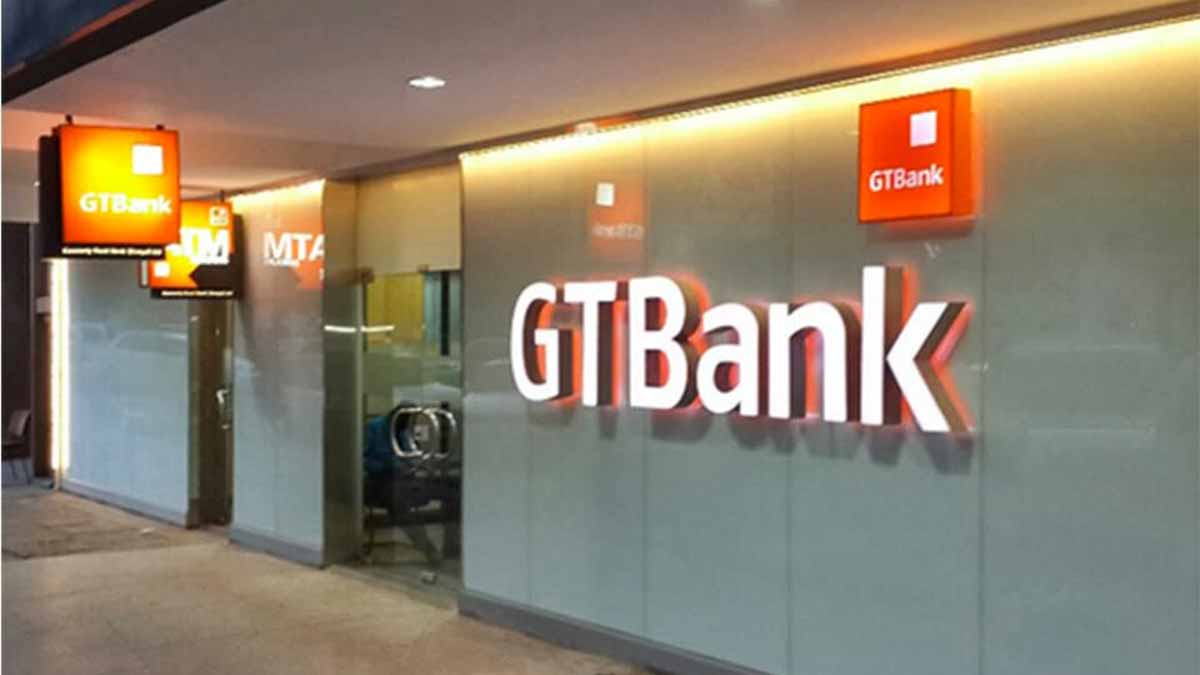
GTBank Records 5% Profit Decline in H1 2020

0

The H1 2020 result of GTBank Plc shows that operating expenses expanded by 19.2% y/y to NGN83.31 billion, with the most pressure exerted by regulatory charges – AMCON levy (+11.1% y/y to NGN17.20 billion) and NDIC premium (+105.0% y/y to NGN8.26 billion).

A relative decline in earnings as a deterioration of its still industry-best efficiency led to a moderate decline in profitability.

Consequent on the OPEX growth relative to operating income growth, cost-to-income ratio (ex-LLE) settled higher at 43.2% relative to 40.6% and 37.6% in the prior quarter and the corresponding period of the prior year respectively.

According to Cordros Research, profitability was weaker, with profit-before-tax settling 5.2% lower year-on-year, while profit-after-tax settled 4.9% lower, given the decline in income tax expense (-7.3% y/y to NGN15.44 billion).
Also, the bank proposed an interim dividend of NGN0.30/s, which translates to a dividend yield of 1.2%, based on a market price of NGN25.66/s (2nd September 2020).
Interest income grew by 3.2% y/y to NGN153.71 billion, supported by growth in income from loans and advances to customers (+6.2% y/y), and investment securities (+6.9% y/y), both of which masked declines across interest income from cash (-57.4% y/y), loans to financial institutions (-45.3% y/y) and assets pledged as collateral (-14.7% y/y). We note that the strong growth recorded in risk assets (8.2% YTD to NGN1.62 trillion) was likely responsible for the acceleration in interest income from loans to customers.
On the other hand, interest expense pared by 20.0% y/y to NGN26.09 billion, despite an increase in deposits by 18.5% YTD to NGN3.00 trillion, as the bank has seemingly continued to improve its CASA (low-cost deposits: current and savings accounts) mix during the year.

Consequent on the strong balance sheet management, net interest income growth was strong, expanding by 9.7% y/y to NGN127.62 billion.
Non-interest income grew moderately during in the period, settling 1.0% higher y/y at NGN72.18 billion, with major lines recording declines save for, gains from FX trading (+43.6% y/y to NGN7.65 billion) and FX revaluation (+723.1% y/y to NGN21.90 billion).

While NII grew at a slower pace than might otherwise been expected, given revised charges and weaker transactions flows occasioned by the global pandemic, the positive impact of revaluation gains should lead to a positive year-on-year performance in non-core income.

Given the growth in income, and despite the exponentially larger loan loss expenses (+209.7% y/y to NGN6.77 billion), the bank recorded an expansion in operating income of 4.0% y/y.

UBA Reports N206bn Interest Income in H1 2020

0

Kennedy Uzoka

Group Managing Director/CEO

UBA Plc

The United Bank for Africa (UBA) Plc released its audited H1-20 numbers recently, which showed that interest income increased by 0.3% y/y to NGN205.59 billion, supported by the growth across major contributors to the line, with the largest contributions coming from loans and advances to customers (+9.9% y/y to NGN113.89 billion), and loans and advances to banks (+77.5% y/y to NGN2.17 billion).  

On the EPS of NGN1.24 (-23.5% vs. H1-19), the Board has proposed an interim dividend of NGN0.17/s (H1-19: 0.20/s), which equates to a yield of 2.6% based on the closing price of NGN6.55 as of the 1st of September 2020.
However, income from investment securities (-9.5% y/y to NGN83.04 billion) declined as yields on assets have fallen in 2020 across OMO and other fixed income instruments. We expect this line to remain under pressure through the year, and as such underperform FY-19.
Interest expense declined by 9.0% y/y to NGN86.26 billion despite growth across most major interest expense lines. However, the reduced cost on deposits from customers (-19.9% y/y to NGN53.38 billion), as the bank’s CASA mix improved during the period (78.5% vs. 73.5% in H1-19), was able to offset the impact. Consequent to the growth in income and decline in expense, the bank recorded an expansion in net interest income of 8.4% y/y.

According to Cordros Research, the bank still has some scope for gains here given that the CBN has now reviewed the minimum rate on savings deposits down to 10.0% of MPR (30.0% previously).

“We expect this will sustain net interest income growth in the year, even as interest income from loans may pare q/q through the rest of the year.”
Non-interest income grew during the period by 6.7% y/y to NGN77.74 billion, driven by the growth in fees and commissions income (+7.0% to NGN38.58 billion) and FX revaluation gains (+619.8% to NGN7.80 billion).

As expected there were declines in income from investment securities (-19.6% y/y to NGN13.84 billion) – given the LDR limit which reduced capital allocation –, and FX trading (-7.3% y/y to NGN13.37 billion) – given FX illiquidity.
Operating expenses settled 20.6% higher year-on-year, driven primarily by increased personnel expense (+19.9% y/y to NGN44.57 billion) and regulatory costs – AMCON levy (+12.1% y/y to NGN22.42 billion) and NDIC premium (+12.2% y/y to NGN5.58 billion).

Consequently, the bank’s cost-to-income ratio (ex-LLE) settled higher at 69.8% relative to 60.9% in the corresponding period of the prior year.

This pressured the trickle-down from the income line and resulted in profit-before tax declining significantly by 18.7% y/y to NGN57.13 billion. Consequently, profit-after-tax settled 21.7% lower y/y at NGN44.43 billion, despite a lower income tax expense (-6.2% y/y to NGN12.70 billion).

0

ADVISORY SERIES:

How to Switch Your Career to a Tech Job

Tech professionals are in demand these days as they can innovate how companies operate. New technologies are widely used to improve products and services. Given that, many people have started to switch careers.

As tech talents are scarce, companies have started to make better job offers. In fact, having a job in the tech field will not only allow you to earn a six-figure salary but also give you excellent benefits.

Major companies like Google and Netflix provide their employees with amazing perks like free on-site spa and gym sessions. Also, employees have other health benefits like vision, dental and health insurance.

With this in mind, switching careers to a tech job sounds really attractive. However, many people don’t know how to start. For that reason, they often spend time trying new things that won’t be helpful to start a tech career. We’re here to avoid that.

Given these points, here are some tips that will help switch careers. They will not only allow you to change from a non-tech field to a tech job but also to be on the path of real career fulfillment.

Identify Reasons Why You Want to Switch

This is the first step every person has to take before switching careers. Figuring out why you want to switch careers will help you to determine your main goal. Most people change careers because they don’t like their actual job. However, whether you’re satisfied with the industry you are working in or not, keeping things clear helps you determine specific tactics.

The tech field is made for those who like challenges. For that reason, if you like to learn new things and continuously create innovative solutions, this is the right choice to make. Having a higher salary is a perk tech professionals have but, you must know what kind of role you want to see if it will meet your requirements.

Tech jobs are for those who have passion. Given that, it’s your determination, which will help you keep motivated during the switching process.

Enroll in a Coding Bootcamp

Many people believe that they need prior knowledge to switch careers. Some may feel scared and do make the decision they have always wanted. Given that, the truth is they are wrong, and starting a tech career can be as easy as enrolling a coding bootcamp.

Springboard is a company that offers courses in fields like machine learning, software engineering, and UX design. In its coding bootcamp, students are able to launch their new tech careers while learning from home.

Through a bootcamp, you’ll be able to learn job-ready skills in only six months. Also, all of Springboard’s programs are self-paced. Meaning, you will need less than 20 hours per week to kickstart your new tech career.

On the other hand, for many people, money can be a barrier. Given that, it’s important to say that Springboard offers several financing options to its students. In fact, they have upfront payment discounts as well as deferred tuition benefits.

Coding bootcamps have become very popular lately. It’s because they can produce tech professionals with amazing skills. Also, their tuition costs are lower than a four-year college course. For that reason, more people are enrolling in coding bootcamps.

Major companies like Google and Amazon build relationships with recognized educational companies to hire fresh tech graduates. General Assembly, another education company, partners with companies like Microsoft, Condé Nast, and Google to get people on board.

As a result, after graduation, students can get a dream job in some of those major-league companies. At the General Assembly, students can learn mobile development, digital marketing, and product management skills.

General Assembly’s programs are designed to fit students’ requirements. In that case, the company allows students to take short- or long-term courses as well as in-person or online. Additionally, General Assembly provides its students with a career support team that will help them to be ready for the job searching path.

There is no doubt that switching careers is never that easy. Joining a coding bootcamp is the best way to start. It’s because experts and other students from the alumni community will help you during the process. At the same time, if that was not enough, they will also help you during the job searching process.

Learn Programming Skills

Programming skills are essential these days if you want to land a tech job. In that case, learning how to code will be a must if you’re going to switch careers. However, with so many programming languages out there, how will you know which one you should learn?

To answer that question, we must look for the programming skills major companies are looking for in their new hirings. In fact, they will help you not only to switch your career but also to stand out from other candidates.

Python is a trendy programming language that has been used because of its versatility. Python can be used for specifics or general purposes. For that reason, it’s a programming language beloved by tech talents.

For example, with the use of Python, data scientists can create useful solutions to analyze, interpret, and visualize specific data. As a result, more efficient insights are developed, and companies can make better decisions. Data-driven decisions have been able to increase companies’ profits exceptionally.

Tech talents like web developers prefer to use programming languages like JavaScript. It’s because JavaScript enables web developers to create visually appealing websites. Interactive user interfaces are a must these days because customers have higher requirements.

With this in mind, to meet customers’ needs, web developers have to create innovative websites. Additionally, JavaScript can be used for front-end development as well as back-end development. Consequently, web developers allow companies to gather valuable information from customers by only using JavaScript.

Generally speaking, whether you want to become a data scientist or a web developer, programming skills are essential in almost every tech job.

Apply for a Tech Internship Program

Work experience is crucial to get hired in a tech company. With this in mind, it’s feasible to say that it’s almost impossible to get hired with no experience. For that reason, applying to a tech internship is an excellent idea.

An internship is the first work experience a fresh graduate can have. No matter if you get hired or not, you’ll still have something to add to your CV. Apart from that, getting an internship in a tech company will allow you to get in shape. It’s because you’ll learn how the information technology (IT) department works, what their duties are as well as how they solve everyday issues.

Major companies, like Microsoft, invest vast amounts of money in their interns. Consequently, it’s important to realize that they want their interns to become proficient. As a result, no matter if you’re not the perfect fit for the job you have always wanted; you’ll have many other choices to improve.

Build a Portfolio of Projects

Tech skills are indeed essential to get a job in the tech industry. But, we can’t leave aside soft skills. It’s probable that it will be the soft skills that will make you stand out over other candidates. With this in mind, to demonstrate employers your capabilities, you have to build a portfolio.

If you haven’t worked on projects previously, you can also volunteer on a passion tech project. In that case, you’ll be able to help others during the project and learn new things. In the same way, getting involved in minor projects can help you improve specific skills faster and achieve your main goal.

Getting involved in online tech communities like Github allows you to get familiar with the tasks tech professionals need to accomplish. Also, if you have entry-level tech skills, you can start freelancing. Freelancing helps people improve their skills as they can participate in entry-level projects.

Under those circumstances, it will be only a matter of time to build a remarkable portfolio.

Take Advantage of Networking

Switching careers can be challenging if you have no friends in the tech field. Networking is one of the most important things for tech professionals. It’s because it not only helps them find better jobs but also helps them find support for their projects.

You can meet tech professionals by attending career fairs or meet-ups. Also, you can make connections with others by talking about their passions. You can also reconnect with previous co-workers that are willing to update their skills and be part of the tech world. For example, if you worked as a sales representative, you can look for people who are learning digital marketing skills.

Conclusion

As mentioned above, there are a few aspects we should consider before switching careers. Nevertheless, if you have already made the decision, you must keep motivated and keep the main goal in mind.

Companies are innovating the world with the help of new technologies.

For that reason, switching your career from a non-tech field to a tech job will provide you with skills for the future of work. It’s because the demand for tech talents is increasing, and every day more data is generated.

Courtesy: Careerkarma

Photo: Canadianvisa.org

 

Stanbic IBTC PMI: Economic Rebound Continues in August

0

The recovery in the Nigerian private sector gathered momentum in August as demand improved following the easing of restrictions related to the coronavirus disease 2019 (COVID-19). Output and new orders rebounded, rising sharply from July. Employment was broadly stable, although excess capacity remained as a result of the severe declines in new business during the second quarter.

Currency weakness led to another record increase in purchase costs, in turn feeding through to arise in selling prices unprecedented since the survey began in January 2014.

The  headline  figure  derived from the survey  is  the Nigeria Purchasing Managers’ Index™ (PMI®), a property of Stanbic IBTC Bank PLC.

Readings above 50.0 signal an improvement in business conditions on the previous month, while readings below 50.0 show a deterioration.

The headline PMI rose sharply in August to 54.6, up from

50.4 in July.The reading signalled a marked improvement in business conditions, following a return to growth in the previous month.

There bound in new orders continued midway through the third quarter as client demand strengthened following the easing of COVID-19 restrictions. New business increased for the second month running, and to the greatest extent since January.

A similar picture was evident with regards to business activity, which rose at a substantial pace that was much stronger than seen in the previous month.

Despite strong rises in workloads during August, data suggested that the steep contractions seen during the second quarter left residual spare capacity. Companies were therefore able to continue depleting backlogs of work while leaving staffing levels broadly unchanged. The stability of employment did bring a four-month sequence of job cuts to an end, however.

Spare capacity was also reported at suppliers. This, alongside relatively quiet road conditions, meant that vendors were able to speed up deliveries in spite of a marked increase in purchasing activity. Stocks of purchases meanwhile rose sharply for the second month running.

Overall input cost inflation quickened to a fresh series record in August, despite a reduction in staff costs.  The rise in overall input prices was driven by a record increase in purchase costs, in turn largely the result of currency weakness. In response to higher raw material prices, companies raised their own charges. As was the case with input costs, the increase in selling prices was the quickest since the survey began.

Subdued business sentiment was registered again amid concerns around the lasting impact of COVID-19.

Samsung Unveils New Foldable Future with Galaxy Z Fold2

0

Samsung continues to pioneer an entirely new category of mobile devices by introducing the newest foldable that pairs bold design with advanced engineering.

After releasing two foldable devices and listening to user feedback on the most requested upgrades and new features, Samsung unveils the Galaxy Z Fold2 with meaningful innovations that offer users enhanced refinements and unique foldable user experiences.

“The journey to reach the next generation of mobile is full of originality and innovation,” said Mr. Caden Yu, the Managing Director of Samsung.

“With the launch of the Samsung Galaxy Z Fold2, we closely listened to user feedback to ensure we were bringing meaningful improvements to the hardware, while also developing new innovations to enhance the user experience. Further strengthened by our industry-leading partnerships with Google and Microsoft, we’re reshaping and redefining the possibilities of the mobile device experience.”

Galaxy Z Fold2 combines the portability and flexibility of a smartphone with the power and screen size of a tablet for ultimate productivity. Whether folded or unfolded, you can enjoy a luxury mobile experience with Galaxy Z Fold2’s premium design.

The Best Cinematic Viewing

The Galaxy Z Fold2 comes packed with two edge-to-edge, nearly bezel-less Infinity-O Displays.

The Cover Screen is a 6.2-inches screen which delivers a smartphone view and unfolds to a full cinematic view on the massive 7.6 inches Screen.

Next Level Multi tasking

The new foldable future brings to you the next level of multi-tasking  with the ability to open up to 3 windows and drag and drop content across windows.

The Super Flex Mode

While the flex mode allows you to view your content at different angles and on two screens at the same time, it also provides a hands free camera experience.

That is not all. You can capture and view images or video right after the shot is taken and instantly delete the result without entering the gallery.

Pre Order

Galaxy Z Fold2 is available from the 11th of September with a limited Phone Cover offer, Samsung Care+(discounted screen repair, hardware repair and software coverage) and 4 months YouTube premium.

Launch

The Z Fold 2 would be officially available in the market from the 2nd of October.

Visit any of our Samsung Experience Store nationwide for an amazing and pleasurable experience.


Device Specifications

With its sleek design and refined engineering, Galaxy Z Fold2 comes in two equally stunning colors: Mystic Black and Mystic Bronze, side fingerprint sensor for easy screen unlock, 12GB RAM/256GB ROM, a long lasting battery of 4500mAh with 25W fast charging.


NAICOM, PenCom Unveil MoU on Annuity, De-marketing of Operators

0

Mr. O.S. Thomas

Commissioner for Insurance

NAICOM

The National Insurance Commission (NAICOM) and the National Pension Commission (PenCom) in an epoch-making ceremony held in Abuja on September 1, 2020, signed off the Revised Regulation on Retiree Life Annuity, the Guidelines on Group Life Insurance Policy for Employees and CPS Retiree Pack. The event also included the signing of a Memorandum of Understanding between PenCom and NAICOM.

The revised Regulations and Guidelines provide clarity on the Provisions of the PRA 2014 in areas relating to Retiree Life Annuity with focus on guiding stakeholders to make informed decision, ensure safety of Retiree Life Annuity funds and assets, address concerns of mis-selling and de-marketing by pension and insurance operators as well as bringing stability into the financial sector of the economy.

The landmark event was the outcome of the collaborative efforts of PenCom and NAICOM.


Verve Unveils the ‘Good Life’ Consumer Promo Sept 1

0

Africa’s leading payment technology and card business, Verve International, has launched a nationwide promo to reward its cardholders with cash prizes and airtime. The promo tagged “The Verve Good Life Promo” kicks off today, September 1, 2020 and will run till November 29, 2020.

The Verve Good Life Promo seeks to enable Verve’s loyal cardholders to live the good life, whatever the ‘good life’ means to them. Its objective is to alleviate the adverse impact of the COVID-19 pandemic and subsequent economic hardship on Verve card holders and Nigerians in general

Speaking about the initiative, Cherry Eromosele, Group Chief Marketing and Communications Officer, Interswitch Group, reiterated the brand’s commitment to reward Verve card holders for their loyalty.

She said: “Beyond our commitment to provide Verve card holders with seamless, reliable and secure payment solutions both locally and internationally, we currently identify with their challenges, especially as occasioned by the pandemic, therefore we desire to play a part in alleviating these. This has informed the introduction of the Verve Good Life Promo. During the 12 weeks of the promo, we will be rewarding over 2,500Verve card holders nationwide with over N27 million in cash and airtime.”

Mike Ogbalu III, Divisional CEO for Verve International, stated that the Verve Good Life promo idea represents the latest initiative among recent interventions conceptualized by Verve to reward the loyalty of its cardholders whilst incentivizing them towards continued transaction, in addition to other activations such as the highly successful series of ‘Free Fuel Friday’ promotions that are being championed by the brand.

Ogbalu said, “Despite the economic challenges, we will continue to stay true to our commitment to being customer-centric by guaranteeing efficient payment solutions tailored to the lifestyles of African consumers and continuously rewarding customers who have stayed loyal to our brand.”

To qualify for the grand draw for N1,000,000 cash prize, Verve cardholders are expected to transact with their Verve cards at least 36 times during the 3 months duration of the promo.

To qualify for the monthly raffle draws for N50,000 cash prize, card holders are expected to transact with their Verve cards at least 12 times monthly. To qualify for the weekly raffle draws for N10,000 cash prize and N5,000 airtime reward, cardholders are expected to transact at least 3 times weekly. The more customers transact, the higher their chances of winning.

Weekly Prize category 1 – 100 winners to win N10,000 cash every week for 12 weeks

Weekly Prize category 2 – 100 winners to win N5,000 airtime every week for 12 weeks

Monthly Prize category – 50 winners to win N50,000 cash every month during the 3 months of the promo

Grand Prize category – 2 winners to win N1,000,000 cash each at the end of the 3 months period of the promo

The promo will run for three (3) months, with rewards for Verve cardholders who consistently use their cards across various payment channels such as: Point of Sale (POS) terminals, Automated Teller Machines (ATMs), Web and agent banking centers.


About Verve

Verve is Interswitch Group’s innovative card scheme, offering products and solutions that enable consumers to transact all over Nigeria and across international markets.

As the first African card scheme to be recognized as a valid, globally accepted e-payment gateway, we have built a world-class value chain ecosystem that provides seamless payment options for consumers and businesses in Nigeria and across Africa.

The Verve Classic card enables ease of secured payment across the African markets, while the Verve Global card now empowers its cardholders to make seamless payments in over 185 countries, including the US, UK, UAE and South Africa, across 20 million platforms, wherever the Discover, Diners Club International, Pulse and Verve logos are displayed.