Saturday, April 25, 2026
31.8 C
Lagos
Home Blog Page 215

UBA Reports N206bn Interest Income in H1 2020

0

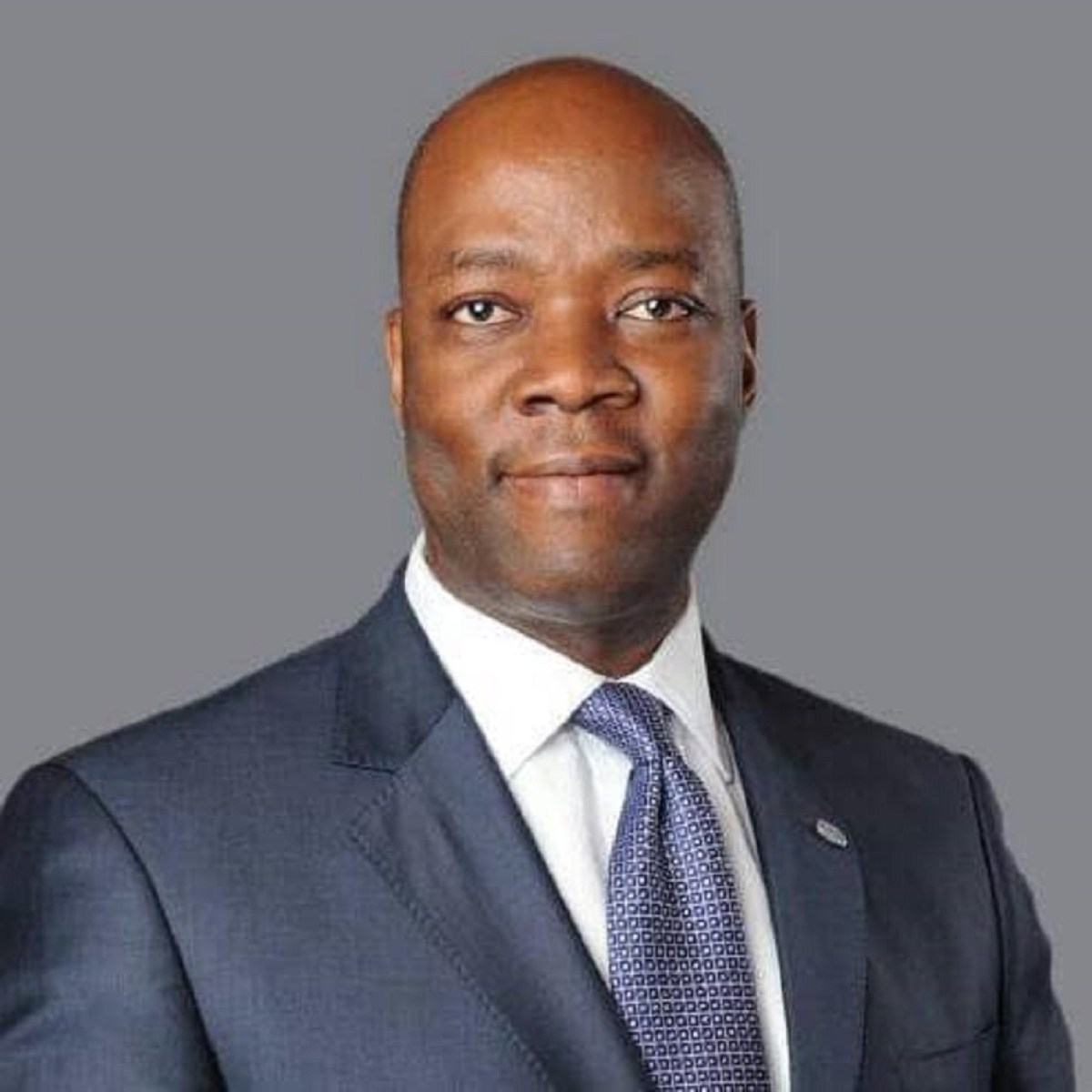
Kennedy Uzoka

Group Managing Director/CEO

UBA Plc

The United Bank for Africa (UBA) Plc released its audited H1-20 numbers recently, which showed that interest income increased by 0.3% y/y to NGN205.59 billion, supported by the growth across major contributors to the line, with the largest contributions coming from loans and advances to customers (+9.9% y/y to NGN113.89 billion), and loans and advances to banks (+77.5% y/y to NGN2.17 billion).  

On the EPS of NGN1.24 (-23.5% vs. H1-19), the Board has proposed an interim dividend of NGN0.17/s (H1-19: 0.20/s), which equates to a yield of 2.6% based on the closing price of NGN6.55 as of the 1st of September 2020.
However, income from investment securities (-9.5% y/y to NGN83.04 billion) declined as yields on assets have fallen in 2020 across OMO and other fixed income instruments. We expect this line to remain under pressure through the year, and as such underperform FY-19.
Interest expense declined by 9.0% y/y to NGN86.26 billion despite growth across most major interest expense lines. However, the reduced cost on deposits from customers (-19.9% y/y to NGN53.38 billion), as the bank’s CASA mix improved during the period (78.5% vs. 73.5% in H1-19), was able to offset the impact. Consequent to the growth in income and decline in expense, the bank recorded an expansion in net interest income of 8.4% y/y.

According to Cordros Research, the bank still has some scope for gains here given that the CBN has now reviewed the minimum rate on savings deposits down to 10.0% of MPR (30.0% previously).

“We expect this will sustain net interest income growth in the year, even as interest income from loans may pare q/q through the rest of the year.”
Non-interest income grew during the period by 6.7% y/y to NGN77.74 billion, driven by the growth in fees and commissions income (+7.0% to NGN38.58 billion) and FX revaluation gains (+619.8% to NGN7.80 billion).

As expected there were declines in income from investment securities (-19.6% y/y to NGN13.84 billion) – given the LDR limit which reduced capital allocation –, and FX trading (-7.3% y/y to NGN13.37 billion) – given FX illiquidity.
Operating expenses settled 20.6% higher year-on-year, driven primarily by increased personnel expense (+19.9% y/y to NGN44.57 billion) and regulatory costs – AMCON levy (+12.1% y/y to NGN22.42 billion) and NDIC premium (+12.2% y/y to NGN5.58 billion).

Consequently, the bank’s cost-to-income ratio (ex-LLE) settled higher at 69.8% relative to 60.9% in the corresponding period of the prior year.

This pressured the trickle-down from the income line and resulted in profit-before tax declining significantly by 18.7% y/y to NGN57.13 billion. Consequently, profit-after-tax settled 21.7% lower y/y at NGN44.43 billion, despite a lower income tax expense (-6.2% y/y to NGN12.70 billion).

0

ADVISORY SERIES:

How to Switch Your Career to a Tech Job

Tech professionals are in demand these days as they can innovate how companies operate. New technologies are widely used to improve products and services. Given that, many people have started to switch careers.

As tech talents are scarce, companies have started to make better job offers. In fact, having a job in the tech field will not only allow you to earn a six-figure salary but also give you excellent benefits.

Major companies like Google and Netflix provide their employees with amazing perks like free on-site spa and gym sessions. Also, employees have other health benefits like vision, dental and health insurance.

With this in mind, switching careers to a tech job sounds really attractive. However, many people don’t know how to start. For that reason, they often spend time trying new things that won’t be helpful to start a tech career. We’re here to avoid that.

Given these points, here are some tips that will help switch careers. They will not only allow you to change from a non-tech field to a tech job but also to be on the path of real career fulfillment.

Identify Reasons Why You Want to Switch

This is the first step every person has to take before switching careers. Figuring out why you want to switch careers will help you to determine your main goal. Most people change careers because they don’t like their actual job. However, whether you’re satisfied with the industry you are working in or not, keeping things clear helps you determine specific tactics.

The tech field is made for those who like challenges. For that reason, if you like to learn new things and continuously create innovative solutions, this is the right choice to make. Having a higher salary is a perk tech professionals have but, you must know what kind of role you want to see if it will meet your requirements.

Tech jobs are for those who have passion. Given that, it’s your determination, which will help you keep motivated during the switching process.

Enroll in a Coding Bootcamp

Many people believe that they need prior knowledge to switch careers. Some may feel scared and do make the decision they have always wanted. Given that, the truth is they are wrong, and starting a tech career can be as easy as enrolling a coding bootcamp.

Springboard is a company that offers courses in fields like machine learning, software engineering, and UX design. In its coding bootcamp, students are able to launch their new tech careers while learning from home.

Through a bootcamp, you’ll be able to learn job-ready skills in only six months. Also, all of Springboard’s programs are self-paced. Meaning, you will need less than 20 hours per week to kickstart your new tech career.

On the other hand, for many people, money can be a barrier. Given that, it’s important to say that Springboard offers several financing options to its students. In fact, they have upfront payment discounts as well as deferred tuition benefits.

Coding bootcamps have become very popular lately. It’s because they can produce tech professionals with amazing skills. Also, their tuition costs are lower than a four-year college course. For that reason, more people are enrolling in coding bootcamps.

Major companies like Google and Amazon build relationships with recognized educational companies to hire fresh tech graduates. General Assembly, another education company, partners with companies like Microsoft, Condé Nast, and Google to get people on board.

As a result, after graduation, students can get a dream job in some of those major-league companies. At the General Assembly, students can learn mobile development, digital marketing, and product management skills.

General Assembly’s programs are designed to fit students’ requirements. In that case, the company allows students to take short- or long-term courses as well as in-person or online. Additionally, General Assembly provides its students with a career support team that will help them to be ready for the job searching path.

There is no doubt that switching careers is never that easy. Joining a coding bootcamp is the best way to start. It’s because experts and other students from the alumni community will help you during the process. At the same time, if that was not enough, they will also help you during the job searching process.

Learn Programming Skills

Programming skills are essential these days if you want to land a tech job. In that case, learning how to code will be a must if you’re going to switch careers. However, with so many programming languages out there, how will you know which one you should learn?

To answer that question, we must look for the programming skills major companies are looking for in their new hirings. In fact, they will help you not only to switch your career but also to stand out from other candidates.

Python is a trendy programming language that has been used because of its versatility. Python can be used for specifics or general purposes. For that reason, it’s a programming language beloved by tech talents.

For example, with the use of Python, data scientists can create useful solutions to analyze, interpret, and visualize specific data. As a result, more efficient insights are developed, and companies can make better decisions. Data-driven decisions have been able to increase companies’ profits exceptionally.

Tech talents like web developers prefer to use programming languages like JavaScript. It’s because JavaScript enables web developers to create visually appealing websites. Interactive user interfaces are a must these days because customers have higher requirements.

With this in mind, to meet customers’ needs, web developers have to create innovative websites. Additionally, JavaScript can be used for front-end development as well as back-end development. Consequently, web developers allow companies to gather valuable information from customers by only using JavaScript.

Generally speaking, whether you want to become a data scientist or a web developer, programming skills are essential in almost every tech job.

Apply for a Tech Internship Program

Work experience is crucial to get hired in a tech company. With this in mind, it’s feasible to say that it’s almost impossible to get hired with no experience. For that reason, applying to a tech internship is an excellent idea.

An internship is the first work experience a fresh graduate can have. No matter if you get hired or not, you’ll still have something to add to your CV. Apart from that, getting an internship in a tech company will allow you to get in shape. It’s because you’ll learn how the information technology (IT) department works, what their duties are as well as how they solve everyday issues.

Major companies, like Microsoft, invest vast amounts of money in their interns. Consequently, it’s important to realize that they want their interns to become proficient. As a result, no matter if you’re not the perfect fit for the job you have always wanted; you’ll have many other choices to improve.

Build a Portfolio of Projects

Tech skills are indeed essential to get a job in the tech industry. But, we can’t leave aside soft skills. It’s probable that it will be the soft skills that will make you stand out over other candidates. With this in mind, to demonstrate employers your capabilities, you have to build a portfolio.

If you haven’t worked on projects previously, you can also volunteer on a passion tech project. In that case, you’ll be able to help others during the project and learn new things. In the same way, getting involved in minor projects can help you improve specific skills faster and achieve your main goal.

Getting involved in online tech communities like Github allows you to get familiar with the tasks tech professionals need to accomplish. Also, if you have entry-level tech skills, you can start freelancing. Freelancing helps people improve their skills as they can participate in entry-level projects.

Under those circumstances, it will be only a matter of time to build a remarkable portfolio.

Take Advantage of Networking

Switching careers can be challenging if you have no friends in the tech field. Networking is one of the most important things for tech professionals. It’s because it not only helps them find better jobs but also helps them find support for their projects.

You can meet tech professionals by attending career fairs or meet-ups. Also, you can make connections with others by talking about their passions. You can also reconnect with previous co-workers that are willing to update their skills and be part of the tech world. For example, if you worked as a sales representative, you can look for people who are learning digital marketing skills.

Conclusion

As mentioned above, there are a few aspects we should consider before switching careers. Nevertheless, if you have already made the decision, you must keep motivated and keep the main goal in mind.

Companies are innovating the world with the help of new technologies.

For that reason, switching your career from a non-tech field to a tech job will provide you with skills for the future of work. It’s because the demand for tech talents is increasing, and every day more data is generated.

Courtesy: Careerkarma

Photo: Canadianvisa.org


Stanbic IBTC PMI: Economic Rebound Continues in August

0

The recovery in the Nigerian private sector gathered momentum in August as demand improved following the easing of restrictions related to the coronavirus disease 2019 (COVID-19). Output and new orders rebounded, rising sharply from July. Employment was broadly stable, although excess capacity remained as a result of the severe declines in new business during the second quarter.

Currency weakness led to another record increase in purchase costs, in turn feeding through to arise in selling prices unprecedented since the survey began in January 2014.

The  headline  figure  derived from the survey  is  the Nigeria Purchasing Managers’ Index™ (PMI®), a property of Stanbic IBTC Bank PLC.

Readings above 50.0 signal an improvement in business conditions on the previous month, while readings below 50.0 show a deterioration.

The headline PMI rose sharply in August to 54.6, up from

50.4 in July.The reading signalled a marked improvement in business conditions, following a return to growth in the previous month.

There bound in new orders continued midway through the third quarter as client demand strengthened following the easing of COVID-19 restrictions. New business increased for the second month running, and to the greatest extent since January.

A similar picture was evident with regards to business activity, which rose at a substantial pace that was much stronger than seen in the previous month.

Despite strong rises in workloads during August, data suggested that the steep contractions seen during the second quarter left residual spare capacity. Companies were therefore able to continue depleting backlogs of work while leaving staffing levels broadly unchanged. The stability of employment did bring a four-month sequence of job cuts to an end, however.

Spare capacity was also reported at suppliers. This, alongside relatively quiet road conditions, meant that vendors were able to speed up deliveries in spite of a marked increase in purchasing activity. Stocks of purchases meanwhile rose sharply for the second month running.

Overall input cost inflation quickened to a fresh series record in August, despite a reduction in staff costs.  The rise in overall input prices was driven by a record increase in purchase costs, in turn largely the result of currency weakness. In response to higher raw material prices, companies raised their own charges. As was the case with input costs, the increase in selling prices was the quickest since the survey began.

Subdued business sentiment was registered again amid concerns around the lasting impact of COVID-19.

Samsung Unveils New Foldable Future with Galaxy Z Fold2

0

Samsung continues to pioneer an entirely new category of mobile devices by introducing the newest foldable that pairs bold design with advanced engineering.

After releasing two foldable devices and listening to user feedback on the most requested upgrades and new features, Samsung unveils the Galaxy Z Fold2 with meaningful innovations that offer users enhanced refinements and unique foldable user experiences.

“The journey to reach the next generation of mobile is full of originality and innovation,” said Mr. Caden Yu, the Managing Director of Samsung.

“With the launch of the Samsung Galaxy Z Fold2, we closely listened to user feedback to ensure we were bringing meaningful improvements to the hardware, while also developing new innovations to enhance the user experience. Further strengthened by our industry-leading partnerships with Google and Microsoft, we’re reshaping and redefining the possibilities of the mobile device experience.”

Galaxy Z Fold2 combines the portability and flexibility of a smartphone with the power and screen size of a tablet for ultimate productivity. Whether folded or unfolded, you can enjoy a luxury mobile experience with Galaxy Z Fold2’s premium design.

The Best Cinematic Viewing

The Galaxy Z Fold2 comes packed with two edge-to-edge, nearly bezel-less Infinity-O Displays.

The Cover Screen is a 6.2-inches screen which delivers a smartphone view and unfolds to a full cinematic view on the massive 7.6 inches Screen.

Next Level Multi tasking

The new foldable future brings to you the next level of multi-tasking  with the ability to open up to 3 windows and drag and drop content across windows.

The Super Flex Mode

While the flex mode allows you to view your content at different angles and on two screens at the same time, it also provides a hands free camera experience.

That is not all. You can capture and view images or video right after the shot is taken and instantly delete the result without entering the gallery.

Pre Order

Galaxy Z Fold2 is available from the 11th of September with a limited Phone Cover offer, Samsung Care+(discounted screen repair, hardware repair and software coverage) and 4 months YouTube premium.

Launch

The Z Fold 2 would be officially available in the market from the 2nd of October.

Visit any of our Samsung Experience Store nationwide for an amazing and pleasurable experience.


Device Specifications

With its sleek design and refined engineering, Galaxy Z Fold2 comes in two equally stunning colors: Mystic Black and Mystic Bronze, side fingerprint sensor for easy screen unlock, 12GB RAM/256GB ROM, a long lasting battery of 4500mAh with 25W fast charging.


NAICOM, PenCom Unveil MoU on Annuity, De-marketing of Operators

0

Mr. O.S. Thomas

Commissioner for Insurance

NAICOM

The National Insurance Commission (NAICOM) and the National Pension Commission (PenCom) in an epoch-making ceremony held in Abuja on September 1, 2020, signed off the Revised Regulation on Retiree Life Annuity, the Guidelines on Group Life Insurance Policy for Employees and CPS Retiree Pack. The event also included the signing of a Memorandum of Understanding between PenCom and NAICOM.

The revised Regulations and Guidelines provide clarity on the Provisions of the PRA 2014 in areas relating to Retiree Life Annuity with focus on guiding stakeholders to make informed decision, ensure safety of Retiree Life Annuity funds and assets, address concerns of mis-selling and de-marketing by pension and insurance operators as well as bringing stability into the financial sector of the economy.

The landmark event was the outcome of the collaborative efforts of PenCom and NAICOM.


Verve Unveils the ‘Good Life’ Consumer Promo Sept 1

0

Africa’s leading payment technology and card business, Verve International, has launched a nationwide promo to reward its cardholders with cash prizes and airtime. The promo tagged “The Verve Good Life Promo” kicks off today, September 1, 2020 and will run till November 29, 2020.

The Verve Good Life Promo seeks to enable Verve’s loyal cardholders to live the good life, whatever the ‘good life’ means to them. Its objective is to alleviate the adverse impact of the COVID-19 pandemic and subsequent economic hardship on Verve card holders and Nigerians in general

Speaking about the initiative, Cherry Eromosele, Group Chief Marketing and Communications Officer, Interswitch Group, reiterated the brand’s commitment to reward Verve card holders for their loyalty.

She said: “Beyond our commitment to provide Verve card holders with seamless, reliable and secure payment solutions both locally and internationally, we currently identify with their challenges, especially as occasioned by the pandemic, therefore we desire to play a part in alleviating these. This has informed the introduction of the Verve Good Life Promo. During the 12 weeks of the promo, we will be rewarding over 2,500Verve card holders nationwide with over N27 million in cash and airtime.”

Mike Ogbalu III, Divisional CEO for Verve International, stated that the Verve Good Life promo idea represents the latest initiative among recent interventions conceptualized by Verve to reward the loyalty of its cardholders whilst incentivizing them towards continued transaction, in addition to other activations such as the highly successful series of ‘Free Fuel Friday’ promotions that are being championed by the brand.

Ogbalu said, “Despite the economic challenges, we will continue to stay true to our commitment to being customer-centric by guaranteeing efficient payment solutions tailored to the lifestyles of African consumers and continuously rewarding customers who have stayed loyal to our brand.”

To qualify for the grand draw for N1,000,000 cash prize, Verve cardholders are expected to transact with their Verve cards at least 36 times during the 3 months duration of the promo.

To qualify for the monthly raffle draws for N50,000 cash prize, card holders are expected to transact with their Verve cards at least 12 times monthly. To qualify for the weekly raffle draws for N10,000 cash prize and N5,000 airtime reward, cardholders are expected to transact at least 3 times weekly. The more customers transact, the higher their chances of winning.

Weekly Prize category 1 – 100 winners to win N10,000 cash every week for 12 weeks

Weekly Prize category 2 – 100 winners to win N5,000 airtime every week for 12 weeks

Monthly Prize category – 50 winners to win N50,000 cash every month during the 3 months of the promo

Grand Prize category – 2 winners to win N1,000,000 cash each at the end of the 3 months period of the promo

The promo will run for three (3) months, with rewards for Verve cardholders who consistently use their cards across various payment channels such as: Point of Sale (POS) terminals, Automated Teller Machines (ATMs), Web and agent banking centers.


About Verve

Verve is Interswitch Group’s innovative card scheme, offering products and solutions that enable consumers to transact all over Nigeria and across international markets.

As the first African card scheme to be recognized as a valid, globally accepted e-payment gateway, we have built a world-class value chain ecosystem that provides seamless payment options for consumers and businesses in Nigeria and across Africa.

The Verve Classic card enables ease of secured payment across the African markets, while the Verve Global card now empowers its cardholders to make seamless payments in over 185 countries, including the US, UK, UAE and South Africa, across 20 million platforms, wherever the Discover, Diners Club International, Pulse and Verve logos are displayed.


Still on Financial Inclusion

0

By Elvis Eromosele

Alake Suleman is 45 years old. He is popularly referred to as Baba Kareem. He is the definition of a journeyman. He is a certified ‘labour’ on construction sites, a respected grasscutter cum gardener and an itinerary real estate agent.

He never had a bank account in his first three decades on earth. He is not lettered, and cannot read or write in English. The compound where he lives is not connected to the mains, so he doesn’t have a utility bill, never had.

He used to send money to his mother in the village through interstate transporters until recently. Now, he uses a kiosk a street away. For the first time, banking has reached Baba Kareem. Agency banking has brought financial inclusion home to him.

Today, financial inclusion is not just a term for Baba Kareem; it is a new way of life. It has brought the reality of easy banking service home. It is not as if Baba Kareem knows what financial inclusion is.

According to the World Bank, “Financial inclusion means that individuals and businesses have access to useful and affordable financial products and services that meet their needs – transactions, payments, savings, credit and insurance – delivered in a responsible and sustainable way.”

Reports indicate that over two billion adults are without a bank account. Women, young people and persons who live in rural and suburban areas make up a significant percentage of the unbanked. This shows why it is important and urgent. Too many are out of the financial systems and are thus deprived.

The World Bank is big on financial inclusion. It sees possibilities every time it is mentioned. To the World Bank, financial inclusion is a key enabler to reducing poverty and boosting prosperity.

With the potential to reduce poverty and boost prosperity, financial inclusion should concern everyone.

In Nigeria, the rapid and widespread deployment of Information and Communication Technology (ICTs) and CBN policies has led to progress on financial inclusion. Banks, fintech firms and digital mobile services providers have all pitched in. But the truth be told, so much more still needs to be done. A lot of people are unbanked and underbanked. There are the ones that have to be reached.

A close look would suggest that what exists in Nigeria currently is only partial financial inclusion. It may look good in the media but it is largely thin on the ground. So, what we see is agency banking focused on cash withdrawals and deposits, transfers and some payment.

This in itself is not bad. Infact, it is a step in the right direction.

It is now time to move forward. We have celebrated too long at this stop we need to move on. It is time to move beyond transfers and payments to other parts of financial inclusion that makes it so admirable. It is time to consider micro/nano lending and micro-insurance.

As Sri MulyaniIndrawati, Minister of Finance of Indonesia, former head of the World Bank Group said, “Financial inclusion matters not only because it promotes growth, but because it helps ensure prosperity is widely shared. Access to financial services plays a critical role in lifting people out of poverty, in empowering women, and in helping governments deliver services to their people.”

This is precisely the sort of thing that we need financial inclusion to mean in Nigeria – to help to reduce poverty.

Experts concede that access to fund plays an important role in the process of reducing poverty. Lending is about access to funds-funds to invest in a new or existing business, to meet emergencies and urgent needs. This is a way out of poverty for many.

Crowd-sourcing is today emerging as a popular way to raise funds along with peer to peer (P2P) lending. We can do better. Small loans should be an integral part of financial inclusion.

No, we are not talking microfinance institutions (MFI) that have gradually left their key function and are comparing themselves and competing with banks. Many have introduced conditions people struggle to meet. It should be more in the mode of nano finance. This is access to small amounts largely interest-free.

Nano finance refers to a system which provides the opportunity for the poorest of the poor, especially women all over the world to have access to individual interest-free loans of not more the equivalent of 20 USD to support their livelihoods, emergency needs, school fees for their children and healthcare for their family.

This is where mobile money can play a huge role. Let the banks talk to the fintech firms and telcos. The potential is humongous.

Another important area is micro-insurance. Micro-insurance is described as a mechanism to protect low-income households against risks, such as illness, a death in the family, or crop failure. The whole idea is the creation of a value proposition for the informal economy, to reach those who would otherwise be underserved by mainstream commercial and social insurance schemes.

It is, however, only beginning to find ground in Nigeria. In a country where over 90 million people live in poverty, micro-insurance would be a hit. Health insurance is an indispensable part of this insurance. Insurance for the bottom of the pyramid would truly be a game-changer. Insurance firms with foresight should begin to jostle for a slice the cake in this space.

Investopedia explains that financial inclusion strives to remove the barriers that exclude people from participating in the financial sector and using these services to improve their lives. It is also called inclusive finance.

So, it is time to remove the barriers. It is time to grant people access to funds. This is true financial inclusion.

Yes, there are challenges. The two biggest ones include a population that is largely financially illiterate and infrastructural facilities that are mainly inadequate and sometimes totally unavailable. They are not insurmountable. They can indeed be overcome with persistent and directed action.

The whole idea behind financial inclusion is the opportunity to help to alleviate poverty through access to the various classes of financial services

Financial inclusion may well be an all-important driver for economic growth. The government must explore how to employ it to curtail the menace of poverty.

The future is definitely financial inclusion.


Elvis Eromosele, a Corporate Communication professional and public affairs analyst lives in Lagos. 

When Bakers Hit Gold!

0

A baker is only as good as his/her flour. The type of flour utilized in the bakery determines the quality of the output which in turn influences patronage and profitability.

These 2 factors will ultimately determine whether a bakery will thrive, remain stagnant or perhaps even decline and ultimately close shop.

There are certain performance indicators which can be used in assessing the quality of flour. Characteristics of high-quality flour include high water absorption which results in high yield as well as good look, feel and taste of the final product.

Bakers prefer flour that absorbs more water because it gives higher yield than lower water absorbing flour. It is also important that the final product of the flour looks, feels and tastes good as this is what consumers experience and what will induce trial and repeat purchase.

Three prominent bakers agree that a popular flour brand, Mama Gold Flour, ticks all the boxes with regards to a flour that has the highest water absorption, gives higher yield and also looks, feels and tastes very good.

These bakers should know, given their experience and the positions they occupy in the Lagos baking industry. They are Alhaji Raji Omotunde—Assoc. Chairman; Alhaja Sherifat  Gbadamosi, Treasurer and; Alhaji Raji Opeyemi, the Alimosho Local Government Chairman, all of the Lagos Chapter of the Association of Master Bakers and Caterers of Nigeria (AMBCN), the umbrella body for bread bakers in the country.

Alhaji Omotunde described Mama Gold Flour as the most superior flour brand in the market, asserting that the product quality and packaging are exceptional. Speaking on his preference for the Mama Gold flour brand, he said: “I have noticed that the quality of Mama Gold far exceeds the quality of the other brands. This is why I usually buy only Mama Gold flour”.

Speaking further, the AMBCN president said: “When I use the Mama Gold brand, the bread is fluffy and very attractive. The bread baked with Mama Gold flour always has a golden look. These qualities make the Mama Gold Flour a unique flour brand. Hence any baker who knows his onions in baking will most likely go for Mama Gold Flour.”

Gbadamosi also affirmed the good taste of bread baked with Mama Gold flour and its impact on the profitability of her bakery. The AMBCN treasurer, who is also a retailer of the Mama Gold flour brand, advises existing and potential bakers to use Mama Gold flour for all their baking.

She stated: “I have been recommending Mama Gold to other bakers who, having used it, can also attest to its quality. One of the bakers I introduced the Mama Gold Flour to has been using only Mama Gold Flour ever since I introduced it to her three years ago. She now bakes a minimum of 100 bags of flour every week in her bakery. I sell and bake only with Mama Gold Flour. I don’t use any other brand. I have been persuaded to buy some other flour brands, but I have always refused to do so since I am fine with Mama Gold.”

She further described the taste of her bread as top notch, adding that she frequently receives compliments for the bread. She attributes this to the fact that she uses a brand of flour that has never failed her.“Mama Gold Flour will always be my preferred choice because its quality speaks for itself. The very unique taste it gives our bread is actually not comparable to the taste of bread made from other flour brands.”

Alhaja Gbadamosi also confirmed that Mama Gold flour has helped in boosting the profitability of her bakery because it absorbs more water and gives more yield than any other available flour brand. “The high-water absorption rate translates into extra number of dough which results in extra profit per bag of flour” and there was also a time that the company ran an end-user promo that further boosted profitability for all bakers who are loyal to the brand.”

For Alhaji Raji Opeyemi who has over 40 years of baking experience, Mama Gold towers above other brands in terms of bread taste and texture, adding that it has also maintained its high quality since it was launched in 2014. He also attested to the high yield quality of the Mama Gold flour brand.

Aside being a master baker, Alhaji Opeyemi is one of the biggest wholesale distributors of flour in Lagos State. He also reiterated that Mama Gold flour is the preferred brand for bakers who purchase flour from him. He said: “Most bakers who buy flour from me prefer Mama Gold Flour. That speaks a lot about the yield and quality of the brand. As a baker I use other brands sometimes just to see what the yield and product will be, and I have never regretted sticking to Mama Gold Flour in my bakery. Some flour brands claim to weigh 50kg, but actually weigh less. It will amaze you that we from time to time enjoy end-users promo. This gesture is very encouraging to bakers and should inspire other millers to do more for their bakers. The quality of Mama Gold Flour is topnotch, so I expect nothing less from its yield which in turn brings profit.”

He advised upcoming bakers to conduct their own tests with Mama Gold Flour against other flour brands to confirm which brand will give them the best results. His prediction went thus: “When they compare the end product, they will know that Mama Gold is the Best in terms of yield and quality.”

RedStar Express Commences Express Grocery Service

0

Red Star Express Plc, one of Nigeria’s foremost logistics solutions providers, has commenced delivery of fresh groceries for its customers in major cities across Nigeria.

In a recent statement from the company, it was mentioned that customers will now be able to send and receive fresh organic products ranging from fresh vegetables/crops to frozen foods (chicken, beef).

According to the company’s Group Managing Director, Dr. Sola Obabori, the service was created in response to changing consumer behavior following the impact of the COVID-19 pandemic. “We are mindful of how customers’ shopping habits have changed since the pandemic became widespread. Nowadays, most customers are purchasing products online and having these products delivered to them in their homes. To avoid the risks involved in staying in crowded places, less people will be going to the markets to buy food stuffs for their homes. The need to have these items brought to their homes has become vital; making it a challenge that we are looking to provide a solution for with this new service,” he stated.

With the Express Groceries service, deliveries are made using vehicles that are equipped with temperature-controlled storage units that ensure that groceries are preserved until they are delivered.

 About Red Star Express

Red Star Express Plc is a Licensee of Federal Express (FedEx) Corporation, the world’s largest delivery solutions provider. It has over 150 offices in Nigeria; with international offices in Niger Republic, Burkina Faso and Benin Republic. Its network spans over 1,500 communities in Nigeria and 214 countries worldwide.

Red Star Express Plc is made up of 4 divisions and business units specializing in areas such as Express Delivery, Logistics, Freight, Outsourcing services, Supply Chain Management, E-Commerce Facilitation, Printing and Packaging, E-Archiving, as well as Agro Trade Logistics.


Pan-african MSME Academy Webinar in Nigeria Set for Sept 3

0

All is set the first Pan-african MSME Academy informational webinar in Nigeria slated for 3rd of September, 2020 at 10am and open to Medium, Small and Micro Enterprises across the 36 states and Federal Capital Territory.

The MSMEs are invited to join this webinar tailored specifically for MSME operating in Nigeria. The webinar provides tips on access to finance and building a digital presence.

Spearheaded under the AUDA-NEPAD “100,000 MSMEs by 2021” (100K MSMEs) programme launched by the African Union Development Agency – AUDA-NEPAD in partnership with the Ecobank Group, the MSME Academy provides easy access to practical training and resources on financing opportunities in various countries, how to build a digital presence for businesses and how to adapt business operations in the era of the COVID-19 pandemic.

The Pan-african MSME Academy offers free access to market intelligence, a host of mentors with a diverse experience while assisting with access to funding opportunities. The programme provides support to African MSMEs and is structured in three pillars, namely:  the MSME Academy, MSME Marketplace, and MSME Financing Support Programme to be delivered through an MSME Digital Platform.

The MSME Academy aims to build the capacities of MSMEs across Africa through a combination of relevant content library, a network of institutions specialized in MSME support such as incubators and accelerators, and a community of peers, mentors, and advisors; the MSME Marketplace is a consolidated marketplace of marketplaces, enabling MSMEs to access e-commerce, procurement and alternative financing opportunities across the continent; while the MSME Financing Support Program is a scheme that will bring together financial institutions, guarantee funds, and other institutions to reduce the cost of risk for lenders to deliver capital to MSMEs at scale.

The objective is to radically expand access to finance by aggregating smaller financial institutions such as micro-credit institutions and credit unions that have access to micro-enterprises, standardising their processes, and building trust in their capabilities. The MSME Digital Platform is a one-stop-shop for all MSMEs across Africa to access all these three programmes which jointly address MSMEs’ challenges with access to capacity building, markets, and capital.


Anchor Insurance CEO, Ebose, Tasks Media Practitioners on Insurance Growth

0

R-L: Mr. Chuks Okonta, New Chairman of NAIPCO; Mr. Adebisi Ikuomola, Executive Director, Anchor Insurance Company Limited and Mr. Nelson Egboboh, Head, Corporate Communications, Anchor Insurance, at the official inauguration of the new NAIPCO EXCO at Sheraton Hotel, Ikeja today.

Mr. Ebose Augustine, Managing Director/Chief Executive Officer, CEO, Anchor Insurance Limited, has appealed to media practitioners to assist the insurance sector in its ongoing efforts to deepen insurance penetration in the country.

Ebose said that the media can render assistance through adequate sensitization and education of the public on the inherent benefits in insurance products and services.

Speaking at the inauguration ceremony of the new executives of the National Association of Insurance and Pension Correspondents (NAIPCO) in Lagos today, Ebose noted that the media has got a pivotal role of constantly educating the public on the new ways of doing things and business.

Speaking on the topic: “The Role of Insurance Journalists in Emerging Realities” Ebose who was represented by the Executive Director, Technical, Anchor Insurance, Mr. Adebisi Ikuomola, appealed to media practitioners to help insurers in achieving their target objective of deepening insurance penetration in the country through their pivotal role in communicating the message of insurance to the public.

He opined that with the new normal brought about by the covid-19 pandemic, the media has got the pivotal role of constantly educating the public on the new ways of doing things.

He said: “It is the social responsibility of the Journalists to ensure that as the light of the public, no one is left in the dark about new realities.

“The new global realities have more than ever before imposed an onerous responsibility on journalists to continue to update their skills by developing new capacities, a paradigm shift in the way we see things, report issues objectively to achieve balanced perspective and stand point.”

On the recapitalization exercise, he said “It is the duty of the insurance Journalist to offer regular well researched analyses on how companies can go through the processes with ease, the advantages of the process to insurers, shareholders, the insured and the workers. It is not a time for the insurance Journalists to begin to watch to know who will sail through or not.

“The new reality poses new levels of risks globally, overwhelming health infrastructures and developing economies are harder hit. Most advanced countries entered into the pandemic with historic loan and public debts on average higher than they have been over the years.”

The Anchor Boss who highlighted the various challenges posed by the pandemic stated that the impact of the pandemic on the insurance services could be felt in areas like high claims demand, credit risk exposures from businesses facing possible default, lack of sales from travel insurance, less use of face to face marketing channel, surge in demand for health and business interruption insurances.

“The Nigerian insurers are a set of geniuses as we already have developed and perfected quick ways to pre-empting any challenges the pandemic throws at our businesses any time,” he said.

Sanofi Reinforces Commitment as Africa Becomes Free of Wild Poliovirus

0

The independent Africa Regional Certification Commission (ARCC), the body responsible for certifying the eradication of wild poliovirus in the WHO Africa Region (WHO-Afro), has granted the region ‘wild poliovirus free’ status.

This follows after Nigeria, the last wild poliovirus endemic country in the region, recorded no new cases in three years–the requisite period–since it last reported cases of wild poliovirus.

Sanofi Pasteur, the world’s single largest producers of vaccines, is proud to be associated with this major milestone for Nigeria, WHO Africa Region and the overall global efforts to free the world of polio.

In Nigeria, Sanofi Pasteur has been working in collaboration with stakeholders such as the National Primary Healthcare Development Agency (NPHCDA), WHO, UNICEF and several multi-lateral and non-governmental organizations in the national immunization programmes for children under 5 years ofage.

Charles Wolf, Vaccines Head for Africa, said:“The ambition to eradicate polio from the world has been a long journey. The recent declaration by ARCC certifying the WHO Africa region as free of wild poliovirus is a watershed for the WHO and all partners in the Global Polio Eradication Initiative (GPEI).For over three decades, we at Sanofi Pasteur have been supporting the global public health coalition on polio through our  expertise and the provision of innovative vaccines to support national, regional and global immunization programs for children under 5 years of age”.

Polio is a highly infectious viral disease that is transmitted from person to person, mainly through a fecal- oral route or, less frequently, through contaminated water or food and multiplies inside the intestines. Onein200infectionsleadstoirreversibleparalysis,usually in the legs.

Amongthoseparalyzed,5 to 10 per cent diewhentheirbreathingmusclesbecomeimmobilized.Poliomainlyaffectschildrenunder5yearsofage.

There is no cure for polio but the disease can be prevented through administration of a simple and effective vaccine, given multiple times. This is why efforts are underway across every country to rapidly boost immunity levels in children and protect them from polio paralysis.

Wild poliovirus cases have decreased by over 99 per cent since 1988, from an estimated 350,000 cases in more than125 endemic countries then to 33 reported cases in2018. Of the three strains of wild poliovirus (type1, type2andtype3), wild polio virus type2 was eradicated in 1999 and no case of wild polio virus type3 has been found since the last reported case in Nigeria in November2012.

In 1988, the Global Polio Eradication Initiative (GPEI) was launched by several stakeholders involved in global public health and led by the World Health Organization. At that time, polio was endemic in 125 countries with more than 350,000 children paralyzed each year. Since then, thanks to the strong collaborations across the GPEI, there has been a 99.9% decrease in paralytic cases.

The fight against polio worldwide is not yet over. Sanofi Pasteur remains committed to supporting the GPEI until the disease is eradicated worldwide. Once polio is eradicated, the world can celebrate the delivery of a major global public good that will benefit all people equally, no matter where they live. By then, no child will ever again suffer the terrible effects of lifelong polio-paralysis.

The 5 Outcomes of the Work Culture Shift

0

By Elvis Eromosele

Anxiety about the future of work had hunted humans for aeons.

Conversation around working from home, creating work-life balance and using technology to promote remote work has festered for decades. The COVID-19 pandemic has now brought everything home.

The pandemic not only disrupted human existence but has nudged work onto a new direction; the direction many had been wary of exploring. Today, virtual and remote has suddenly become the norm. The feared digital transformation of work has finally arrived faster than ever anticipated, thanks to COVID-19.

Remote working is way passed the buzz word stage. Experts are now calling it the future of work. The vast majority of leaders predict that remote working will remain the new normal post COVID-19.

Remote work is described as the growing trend of employees who don’t walk into a traditional office each weekday morning, instead opting to work remotely part- or full-time from home, abroad, or a well-designed co-working space in the name of flexibility, technological progress, and productivity.

Essentially, remote work is work done outside the boundaries of the traditional office environment. It is about employees successfully executing daily tasks, projects and collaborating with co-workers without commuting to an office each day.

The growth and adoption of remote work have incredible, numerous and far-reaching implications. It is the beginning of a new era of work.

Here are five possible outcomes of this shift in work culture:

Growth of Workspaces: The prevalent thinking is that as the world shifts towards more remote working, companies would question the wisdom of huge and expensive office spaces. It is likely that small and functional would become the norm. Reports indicate that not everyone would work from home. It might just be a case of locating a co-working space that reduces the commute time.

Co-working spaces are essentially shared workspaces. They offer affordable office space for those looking to escape the isolation of a home office or coffee shop. A major advantage of co-working spaces is the ability to rent out only what is required and for the desired work-hours.

The news report indicates that Mastercard is considering consolidating some of its offices while Facebook is also looking at setting up working “hubs” across the US.

Workspaces will continue to grow like muscles on steroid. More investment, guaranteed power and internet service will make them thrive

Increased Use of Technology: As more firms explore the work from home function, investment in aided technology and broadband internet to drive connectivity is expected to rise. Video conferencing platforms such as Zoom, Cisco’s Webex, Microsoft Team and Google Meet among others are already scaling up rapidly and gaining traction.

Firms would also need to invest in technology to monitor and ensure that employees work the required number of hours.

Work-life Balance: This was like the proverbial pie in the sky before COVID-19 struck. Now, with some many people working from home, it is looking more than a likely possibility.

In the light of the COVID-19 lockdowns across the world, employees are setting up workspaces at home and showing improved productivity contrary to fears. It is almost as if employees can now manage their work and stay in touch with family.

Remote work means employees can finally strive to get that balance – work-life-balance. With the elimination of commute time, this is finally looking a real possibility.

The concern, however, is that for many, remote work may gradually move from working at home to living at work.

New Businesses: New opportunities, new businesses and start-ups dedicated to serving the work from the home clan are beginning to emerge. This is a good thing.

Mobile applications and tools to make working from home more productive will spring up and grow rapidly. It would be a whole new world indeed.


Psychological Impact: Today, many are still afraid of resuming at work. The pandemic scare will take a while to fade. Besides, lots of firms have had to downsize and let employees go. So, anxiety about job security remains.

Counselling would be required here to help people cope with job losses, family time.

One thing is clear; it is never going to be business as usual, ever again. The firms that would thrive in this world are those that understand that employee welfare and well-being are the ingredients for sustainable success.

Welcome to the future of work!


Elvis Eromosele, a Corporate Communication professional and public affairs analyst lives in Lagos.


Guinea Insurance Grows Investment Income by 50.5% in 2019

0

R-L: Ranti Oke, DCSL Company Secretaries Limited; Samuel Onukwe, Non Executive Director; Ademola Abidogun, Managing Director/CEO; Pius Edobor, Executive Director, Finance & Administration.

Guinea Insurance PLC recently held its 62nd Annual General Meeting virtually in strict compliance with guidelines and directives issued by the Federal Government of Nigeria, State Government, Health Authorities and Regulatory Agencies, as part of efforts aimed at stemming the spread of COVID-19.

While presenting its 2019 Financial Year results to its shareholders at the meeting, the Company as a consequence, posited the dip experienced in the general economy to be the root cause of the declining revenue pool of Nigerian insurance companies.

It stated that premium payments for the year decreased significantly as in most cases, policies were not renewed for want of disposable income, amongst other economic challenges.  Nonetheless, it recorded modest earnings as Gross Premium Written stood at N1.29 billion in 2019, as against N1.24 billion in 2018, representing an increase of 4.02%.

Gross Premium Income decreased by 2.05% from N1.20 billion in 2018 to N1.17 billion in 2019. Net Premium Income also decreased slightly by 0.27% from N904.9 million in 2018 to N902.4 million in 2019. Due to operational efficiency in terms of people, processes and technology, investment income for the period under review increased considerably by 50.5%, from N139 million in 2018 to N210 million in 2019.

Operational Expense of N868.6 million was efficiently managed as it resulted in a savings of about 3%when compared to N904 million reported in 2018.

Amongst many other successes recorded during its 2019 AGM; the Company was able to secure its shareholders approval to appoint BDO Professional Services as External Auditors; re-elect three directors namely: Alhaji Hassan Dantata, Dr. Mohammed Tahir Attahir and Mr. Anthony Achebe who were to retire by rotation

In his remark, the Chairman, Board of Directors, Godson Ugochukwu gave thanks to God for His abounding grace and for the opportunity to participate physically and congregate virtually this year in the discharge of their shared responsibilities to the Company in the face of the current global health crisis occasioned by – the Novel Coronavirus (COVID-19) and its attendant global economic consequences. He expressed his heartfelt appreciation to the Company’s shareholders as they continued to keep the faith with Guinea Insurance albeit harsh economic realities.

On steps taken by the Company to meet up with the recapitalisation exercise of NAICOM and to beat the 31 December 2020 and 30 September 2021 deadlines respectively, Godson stated “We are sure not to be left behind, discussions are ongoing and our preparedness has reached an advanced stage but could not be discussed prematurely. We are also looking the way of merger and the Company is in discussion with core investors.

In a closing remark, Managing Director/Chief Executive Officer, Guinea Insurance, Ademola Abidogun said “it is the intention of our board and management to identify opportunities amidst the COVID-19 pandemic, we will continually leverage Information Communication Technology to create veritable and easily accessible platforms that will not only deliver services real-time and in a seamless manner but also, will deliver on the numbers. Our longevity as a brand has stood the test of time and the values created over the years are embedded in the loyalty and commitment that we have enjoyed from all stakeholders”.

“We intend to keep Guinea Insurance PLC as a legacy for several generations to come., our strength is made manifest in our passion for high standards and our single-minded determination to emerge a world class enterprise, one with the scope and economies of scale necessary to drive home our unflinching mandate of returning Guinea Insurance on the path of sustainable profitability.”

‘Govt Must Improve Farm Access, Security to Combat Malnutrition’

0

Mr. Remmy Nweke, National Co-ordinator, Media Centre Against Child Malnutrition (MeCAM) has called on government at all levels in Nigeria to improve access to farm lands via improved security nationwide (boundary conflicts, herdsmen-farmer clash, terrorism, kidnapping and IDPs) to quickly address the rising tide of malnutrition in the country.

Speaking on the topic: The UN Decade of Action on Nutrition: Connecting the Dots for Nigeria during a webinar on the UN Decade, Nweke also listed other important factors such as increased health budget with emphasis on nutrition budget line, early approval and prompt release, review of School Feeding Programme and boosting small-holder farmers as part of the way forward on nutrition.

Others include:

  • Encourage nutrition-related dieting at all levels, Adequate data is essential for economic planning Insufficient target data to assess Nigeria’s progress
  • Further actions to be taken to strengthen effective and significance interventions should include government policies evolving: Both nutrition-specific and nutrition-sensitive investments, health-system and community levels
  • An inter-sectoral approach for achieving the 2025 target
  • In addition, there is need to partner non-state actors
  • Recognize donors and informal institutional networks (national, sub-national and community based) play critical roles in shaping policies
  • Implementing programmes and engagement of communities
  • Improve nutritional status of mothers, infants and young children
  • Reduce malnutrition in all its forms, while nutrition efforts must continue beyond 2025.

He listed the seven major classes of nutrients as carbohydrates, fats, dietary fiber, minerals, proteins, vitamins and water. He added that the underlying causes of malnutrition in Nigeria include poverty, inadequate food production, inadequate food intake, ignorance, uneven food distribution of food, poor food preservation techniques, improper preparation of foods, food restriction, taboos and poor sanitation.

Nweke warned that the United Nations (UN) was deeply concerned about nutrition due to rising negative figures such as:

  • 800 million chronically undernourished persons worldwide
  • 159 million stunted children under the age of 5
  • 50 million wasted children under the age of 5
  • 2 billion+ micronutrient deficiencies
  • 9 billion+ overweight adults
  • 600 million rising obesity

The UN therefore calls upon Member States, regional political and economic communities and the global community to translate the commitments made through the ICN2 Rome Declaration on Nutrition into SMART commitments for action, in the context of national nutrition and nutrition-related policies. The Commitments is managed jointly by the Secretariat of FAO/WHO.

The speaker said Nigeria’s progress report against 10 nutrition targets as recorded in 2019 was more or less dismal as follows:

  • Women of reproductive age: No Progress
  • Under 5 stunting: Some Progress
  • Under 5 overweight: On Course
  • Low birth weight: No Data
  • Adult male diabetes: No Progress/Worsening
  • Adult female diabetes: No Progress/Worsening
  • Adult male obesity: No Progress/Worsening
  • Adult female obesity: No Progress/Worsening
  • Exclusive breastfeeding: Some Progress

The Nutrition Decade aims to accelerate implementation of the commitmentsq made at the Second International Conference on Nutrition (ICN2), achieve the global nutrition and diet-related NCDq targets by 2025; and contribute to the realisation of the Sustainableq Development Goals (SDG) by 2030 via Goal 2.

About the United Nations Decade of Action on Nutrition

The United Nations (UN) Decade of Action on Nutrition is a commitment by United Nations Member States to undertake some 10-year of sustained and coherent implementation of policies, programmes and increased investments to eliminate malnutrition in all its forms, everywhere, and leaving no one behind.

This follows the recommendation in the Rome Declaration, the United Nations (UN) Decade of Action on Nutrition (2016–2025) as declared by the UN General Assembly in April 2016. Thus offering a unique opportunity to all countries and stakeholders to unite around a common framework and to increase the visibility, coordination, efficiency and effectiveness of nutrition action at all levels across the world.

In order to manage a coordinated implementation of the United Nations Decade of Action on Nutrition (Nutrition Decade), the UN General Assembly mandated the Food and Agriculture Organisation (FAO) and World Health Organisation (WHO) to co-lead its implementation and to develop a work programme to this effect.

Till date only three countries have filed for commitment out of the 193 UN member states, but none from Africa.