

L-R: Olukotun Samuel, Chairman, Northern Area Committee, NCRIB; Tony Saiki, Head, Marketing, Linkage Assurance Plc; Daniel Braie, MD/CEO and Okanlawon Adelagun, ED, Technical, Linkage Assurance Plc during the Northern Area Committee General Meeting sponsored by Linkage Assurance Plc in Kano recently.
AIBA Holds Webinar April 21on Impact of Covid-19 Pandemic
The African Insurance Brokers Association (AIBA) will hold a webinar via zoom on Wednesday 21st April 2021 at 11:00 GMT.
The Theme of the webinar to be organised by the African Insurance Organisation (AIO) is “REPOSITIONING INSURANCE BROKING OPERATIONS AFTER COVID-19”
Standard Bank Group Names Yinka Sanni as New CEO for Africa
Yinka Sanni
Standard Bank Group, Africa’s largest bank by assets, has appointed Yinka Sanni as its new Chief Executive for Africa Regions and a member of the Group Leadership Council.
Sanni, the group’s Regional Chief Executive for West Africa, takes over from Sola David-Borha, who is retiring after thirty-one (31) years of distinguished service to the group.
Sanni holds a B. Agric. (Hons) degree in Agricultural Economics from the University of Nigeria and an MBA from Obafemi Awolowo University. He attended the Advanced Management Programme at Harvard Business School in 2009 and the Global CEO Programme at the Wharton School in 2017. He has over 30 years of experience in the financial sector across wholesale, retail and asset management, and joined Standard Bank Group’s Nigerian subsidiary, Stanbic IBTC Bank PLC, in December 1990.
In a note to employees, Standard Bank Group CEO Sim Tshabalala congratulated Sanni on his appointment and thanked David-Borha for her extraordinary contributions to the group.
“Sola was appointed as the Chief Executive of Africa Regions in January 2017 and is one of the group’s most deeply expert and experienced bankers,” Tshabalala said. “Under her leadership, the Africa Regions portfolio has grown remarkably in capacity, market share and contribution to the group’s headline earnings.”
David-Borha has been a passionate advocate of culture change and executive leadership development, having sponsored the ‘Last Mile’ programme, which has resulted in the successful promotion of talented people into both Regional Chief Executive and Country Chief Executive positions, including the appointment of two female Chief Executives in the Africa Regions business.
“It has been a great honour and privilege to serve and contribute to the growth of the Standard Bank Group,” David-Borha said. “I am delighted to be handing over to Yinka Sanni, an exceptional, authentic and experienced leader who will take the baton forward in driving Africa’s growth.”
David-Borha will remain with the group until the end of June to ensure a successful leadership transition and handover process. Sanni’s appointment was effective from April 15, 2021.
Great Nigeria Insurance Reports N501m Claims Payment in 1st Qtr 2021

Cecilia Osipitan
Managing Director/CEO
Great Nigeria Insurance Plc
Great Nigeria Insurance Plc (GNI) has continued to affirm its willingness and capacity to honour all genuine claims as and when due.
The company, in its quarterly release of the total claims paid showed it had obligated a total sum of N501, 591,032.61, (Five hundred and One Million, Five Hundred and Ninety-One Thousand, Thirty-Two Naira, Sixty-One Kobo) to various insured spread across the country. The organisation is a composite entity licensed to underwrite both Life and Non-Life insurance businesses.
In a statement, the company’s Spokesperson and Corporate Communications & Brand Manager, Oyinkansola Sobande, said that GNI does not pay lips service to settlement of genuine claims when they occur.
She however, stated that the claims experience so far has been very alarming which she attributed to the downturn in the economy. According to her, “every insured wants to claim at every given opportunity which impacted the claims figure since the occurrence of the pandemic.”
The summary of the claims composition paid in the first quarter of 2021, shows that Group Life had the highest figure of N422 million while General Insurance business totalled N79 million. Under the Non-Life business: Fire ranked first with total claims settled of N32.2 million while General Accident recorded N25.8 million.
The total sum of N12 million was paid as claims on Motor Insurance, Engineering gulped N6.7 million, Oil and Gas Insurance stood at N1.1 million with Marine Insurance closing the figures with N0.96 million.
While commenting on the intent of the organisation as regards claims settlement, the Managing Director/CEO of GNI, Mrs. Cecilia O. Osipitan had this to say:
“There is no compromise to claims settlement in Great Nigeria Insurance Plc because the major focus of the company is to ensure that our customers get to enjoy the benefits of taking out any form of insurance policy with us through prompt settlement of their claims when the need arises. That to us, is the only way to prove that we are well and alive to our responsibilities as an Underwriting Firm in the country. We intend to uphold this obligation and we will continually strive to make good our promise at all times to delight our esteemed customers.”
Osipitan further stated that the company has put in place a friendly-claim-process with the major aim of putting smiles on the faces of its various customers across the country by ensuring that claims are settled within the shortest period possible on completion of all necessary documentation.
“Our commitment to uphold our Vision and Mission has made the company one of the country’s most relevant and responsive insurance companies in the country. Great Nigeria Insurance Plc is no doubt a formidable force to reckon with in the Nigerian insurance landscape with a network of offices spread across locations in the country buoyed by cutting-edge technology in delivering seamless and convenient insurance service to all teeming customers in the country and beyond.”
47th AIO Conference in Lagos Set for Sept 4, 2021
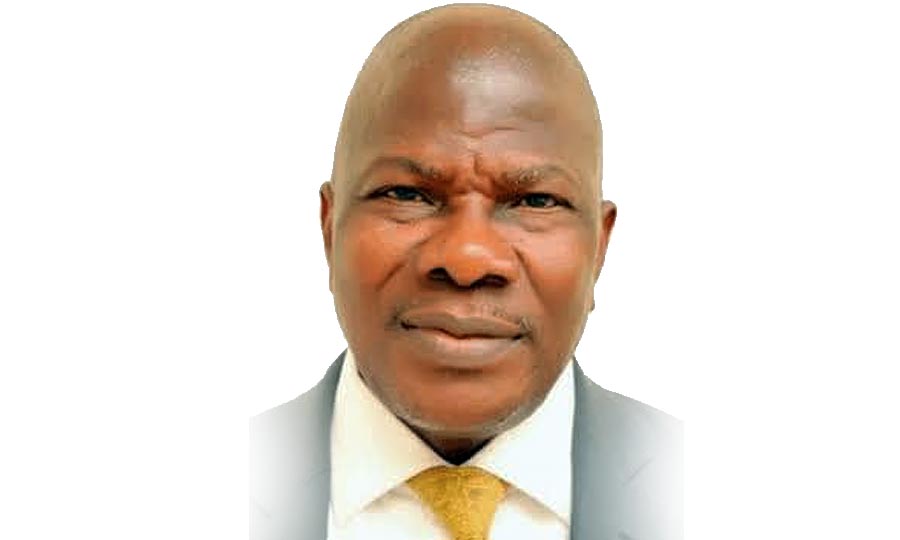
Mr. O. S. Thomas
Commissioner for Insurance/CEO
National Insurance Commission
The Executive Committee of the African Insurance Organisation (AIO) has finally announced that the 47th Conference and Annual General Assembly of the AIO will hold in Lagos, Nigeria from September 4-8, 2021.
The Committee said in a communiqué that the improvement in the global situation of the Covid-19 pandemic through mass vaccination around the world in addition to lifting of travel and gathering restrictions has made it possible to hold the conference.
The confab was earlier scheduled for 2020 but was later postponed due to the global pandemic outbreak.
Leadway: Customer Focus, Digital Channels to Drive Future Insurance Growth

Mr. Tunde Hassan-Odukale
Managing Director/CEO
Leadway Assurance Company Limited
Leadway Assurance Company Limited says Nigerian insurers must develop and deploy digital channels and focus on the need of customers to generate sustainable growth their brand in the future.
Speaking on the topic “Insurance For The Future In 2021” at the virtual training for insurance journalists organised by Leadway Assurance Company Limited, Mr. Akinyemi Alebiosu, Principal Investment and Strategy, Leadway Assurance Limited, said that underwriting in the future is going to be driven by data.
According to Alebiosu, if companies have proper data, they can predict incidents of loss and properly price it.
He said: “Data is the new oil and underwriting in the future is going to be driven by data and analytics. We are getting to a point where we will be using historical records, using robotics, artificial intelligence in making decisions of pricing, type and extent of risks we take.
“Insurance companies of the future will seek to collect large pools of data, analyse it, try to make meaning of it, prepare or create predictive models, at the end of the day make decisions that will make the product better. For example, in analysing the data, I want to know the pain point of our customers, what is their biggest concern, how am I able to create products that meet these needs at the lowest cost because if I have a proper data I can predict incidents of loss and properly price it and also know what their price point is. So at the end of the day if we use data and analytics correctly in our underwriting process, the customer will be happy, the underwriter will be happy and all the stakeholders will benefit from the insurance ecosystem.”
Alebiosu stated that digital channels will soon displace insurance agents despite their current dominance of the market.
“Insurance is largely driven by agents and brokers; it is only a matter of time that the digital platforms will outnumber insurance agents in the distribution of insurance. So for insurance companies of tomorrow, for insurance products, we need to consciously gravitate from directly selling to customers to creating digital channels that are customer friendly and customer centric.
“For example, if I want to buy insurance, I don’t need to call somebody, I just go to the website, I can find what I need and make a purchase. We need to be able to meet our customers over the social media, because they want to send us messages and get instant answer. Social media is also an avenue for customer education. If we compare the number of Nigerians on social media and the number of Nigerians that have insurance, you will see that we have a very long way to go.”
He said that Leadway is a solution based company, adding “We want to see your problems, your risks and we want to solve them.”
Executive Director, General Business, Leadway Assurance Limited, Ms. Adetola Adegbayi implored Nigerians to embrace insurance, stressing that insurance remains a key source of raising fund to carter for risks.
She noted that Leadway Assurance over the years has being providing happiness to the insuring public through prompt payment of claims.
Sovereign Trust Insurance Reports N687m Profit in 2020, Up 37%
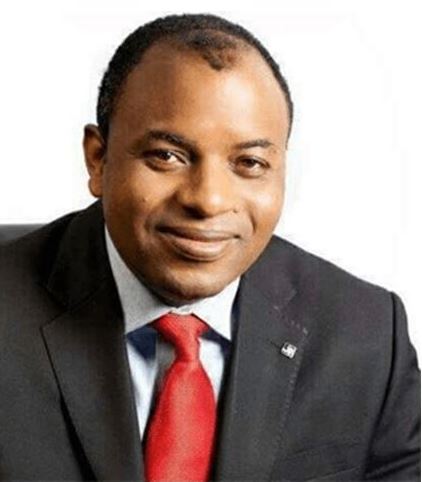
Mr. Olaotan Soyinka
Managing Director/CEO
Sovereign Trust Insurance Plc
In spite of the challenging operating environment that characterised operations of most businesses in the country in 2020 which was largely due to the effects of the Covid-19 pandemic and the seeming lull in the insurance sector in the year, Sovereign Trust Insurance Plc has once again put up a commendable performance in the year under review when compared with the company’s performance in 2019.
The Managing Director and Chief Executive Officer of the underwriting firm, Mr. Olaotan Soyinka said the development is an encouraging one considering the level of work that was put in place in 2020.
It is quite interesting to note that the company recorded a leap of 37% in its Profit After Tax of N687 million as against N503 million recorded in year 2019. The Gross Premium Written in 2020 stood at N11.1 billion compared to the N10.8 billion written in 2019, representing a marginal increase of 2%.
Another interesting highlight of the 2020 accounts which could be described as heart-warming is the rise in the company’s total assets from N13.4 billion to N14.8 billion in 2020 representing 11% increase.
As the company grew its balance sheet in 2020, so did it also increase its claims payout. In 2020, a total of N3.48 billion was paid as claims against N2.2 billion that was paid in 2019. This in a way underscores the company’s claims paying ability coupled with the company’s renewed attention at delighting our customers.The net premium income also grew by 10% from N5.9 billion to N6.5 billion in 2020.
The Managing Director while briefing newsmen in Lagos said the management of the company is committed to meeting and surpassing the expectations and aspirations of its shareholders and stakeholders alike.
“These performance levels are a confirmation of the management’s determination to effectively and strategically position the company as one of the leading insurance companies in the country while at the same time, propel the company to a profitable height for shareholders’ delight” in the years ahead.
Linkage Assurance Reports N34bn Total Assets, N8.3bn Premium in 2020
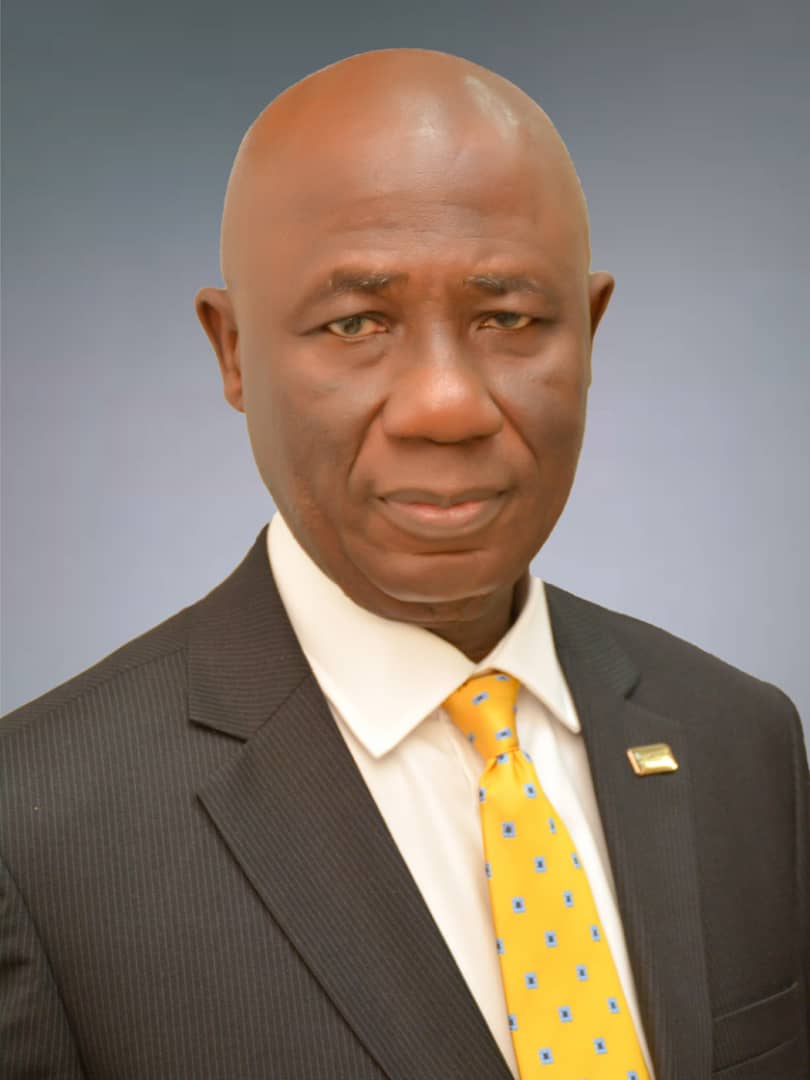
Mr. Daniel Braie
Managing Director/CEO
Linkage Assurance Plc
Linkage Assurance Plc has released its 2020 audited financial result, posting a Gross Premium Written of N8.3 billion, an increase of 28 percent YoY from N6.5 billion in 2019, while total assets also rose by 18 percent YoY in 2020 to N33.9 billion, compared to N28.7 billion in 2019.
The company also witnessed significant improvement in other indices, with underwriting profit growing by 102 percent, from N0.4 billion in 2019 to N0.8 billion at the end of 2020,and this according to the company was as result improvement in core business activities on the backdrop of healthy business underwriting decisions, reinsurance optimisation and efficient claims management process.
Notwithstanding the irrepressible impact of COVID-19 pandemic on economic landscape, the Company remained resilient, recoding a profit before tax of N2.5 billion, compared to N1.3 billion in 2019 representing 89 percent YoY growth, while profit after tax was N2.4 billion, increasing by 65 percent from N1.5 billion in 2019.
From this profit and committed to delighting its shareholders, Linkage Assurance will be proposing for approval at her Annual General Meeting (AGM) a bonus share issue amounting to N2 billion (of 4 billion ordinary shares at 50k per share) and a cash dividend of N0.05 per share (amounting to N500 million), to existing shareholders.
In his remark, the MD/CEO, Daniel Braie, said the company’s outstanding performance was hinged, amongst others, on activation of a robust Business Continuity Management (BCM) Plan during COVID-19 lockdown which stimulated continued customers’ interaction, retention, engagement, and satisfaction.
He also emphasised that, as a leading player in the Nigerian Insurance Industry, the Company is well positioned to provide sustainable insurance solutions to the varying needs of the market through its strong capital base, innovative products, and digital platforms.
“Our strategy is to consistently grow our revenue and deliver strong returns and excellent customer experience, while leveraging on technology, strategic alliances, and capabilities to provide world-class insurance & risk management solutions.
“Our guiding principles are our core values and vision. They underpin our desires, ambitions and aspirations aimed at reinforcing the trust of our stakeholders.”
“We will continue to refine our strategy in line with the political, economic, sociological, and technological changes in the industry particularly the impact of Coronavirus (COVID-19) pandemic on the business landscape. We will also continue to develop innovative products, alternative channels of distributions and strategic initiatives that will enable us to achieve our corporate goals and objectives. With a medium-to-long term perspective, we believe that the Company will have improved growth from these initiatives.”
As a socially responsible organisation, we embarked on Corporate Social Responsibilities with a view to supporting our community and enhancing stakeholders’ engagement, Braie said.
“In line with our corporate ambition, we will continue to leverage on technology, committed workforce and strong capital base to increase market share, enhance corporate visibility, and achieve operational excellence towards a more viable and successful company.”
P+ Measurement Unveils “Get-Reports” for Nigerian PR Industry

P+ Measurement Services, Nigeria’s leading Independent Public Relations (PR) measurement and evaluation agency, has introduced “Get-Reports” a product that allows the purchase of PR performance audit reports. It is the first of its kind in the Nigerian Public Relations industry.
The product spans across areas which includes 22 Commercial Nigerian Banks PR Performance Audit Report; Top Nigerian Insurance PR Performance Audit Report; Top Nigerian Digital Banks PR Performance Audit Report and the 22 commercial Nigerian Bank CEOs PR Performance Audit Report.
Others are the Top Nigerian Insurance CEOs PR Performance Audit Report and Top Nigerian Digital Bank CEOs PR Performance Audit Report.
In the area of the Nigerian Digital Bank CEOs media Performance Audit Report, a total of four Digital Bank CEOs in the country were sampled, while the number of sample will be populated as the demand increases.
On it, the PR Performance Audit Report will deliver deep insights of CEOs for four Digital Banks in Nigeria, using the P+ Measurement Media Content Analysis (P+MCA) methodology in accordance with the Barcelona Principles 3.0; highlights Nigerian Digital Bank CEOs with the most favourable and unfavourable media reputation; and analyse the overall competitive share exposure of the four Digital Bank CEOs sampled.
It will also explore top four CEOs in the Nigerian Digital Banking industry with most interviews, as well as partnership/sponsorship, CSR/CSI, product launch, promotion and fintech media activities.
Commenting on it, the Company’s Chief Insights Officer, Philip Odiakose, pointed out the product is with 5 per cent error margin and 95 per cent confidence level, and has passed through high-quality checks and audit processes, by well-trained media and data analysts, with exceptional skills in media monitoring, media research, data gathering, analysis as well as evaluation.
He explained the reports makes sourcing for data-driven brand PR performance audit report easier than ever and can be purchased on the Mate+ platform through https://www.mateplus.com.ng/get-reports/ using various transparent payment methods on the website, and brands and agencies can also request tailored customized PR audit report for their C-Suite.
“The evaluation processes are for those that want to handle their media monitoring internally, but do not want to take the risk of a self-brand evaluation which can also be term as being “the accuse, the judge and the jury of your own homework”, This is because the health of the brand is the end goal for all brand custodians,” Odiakose affirmed.
The CIO avowed that the frontline agency with expertise in Media Monitoring, PR Measurement and Audit and CEO Media Performance and Advisory, has offered services to over 45 brands and 15 PR agencies in its five years of operation in Nigeria.
The organisation, which is the only local AMEC Member in the country, has exclusive partnerships with the Nigerian Institute of Public Relations (NIPR) and Reelforge Media Monitoring; the biggest media monitoring agency in the East African region, covering more than five countries.
It has greatly enhanced clients’ businesses to incalculable heights, with its cutting-edge processes and avant-garde methodology for PR measurement and evaluation.
Since its inception, the agency has been providing media monitoring, measurement, evaluation and performance audit services for brands, agencies and government establishments, across various segments of the economy, ranging from Banking, Telecom, Insurance, Airlines, Tourism, Government, Non-Governmental Organisations (NGOs), Pensions, Health Management Organisations (HMOs), Tobacco, Lifestyle and PayTV.
NAIC Paid N848m Claims to Farmers in 2020

Folashade Joseph
Managing Director/CEO
Nigerian Agricultural Insurance Corporation
The Nigerian Agricultural Insurance Corporation (NAIC) paid over N848 million as claims to its insured farmers in the 2020 business year.
Mrs. Folashade Joseph, Managing Director/CEO of NAIC, said the Corporation also paid N856 million in 2019 to its clients to cover losses incurred by them in the course of doing business.
Joseph enjoined agricultural investors and lending institutions to continue to partner NAIC to realize the food security agenda of President Muhammadu Buhari and the noble intentions of the Central Bank of Nigeria (CBN) under the leadership of Dr. Godwin Emefiele.
Linkage Assurance, Kano Brokers to Cement Market Partnership
Mr. Daniel Braie
Managing Director/CEO
Linkage Assurance Plc
In a bid to strengthen its market presence in the Northern part of the country, Linkage Assurance Plc will this week be engaging its broker partners in Kano and environs for better product distribution and increased consumer service.
The brokers under the umbrella body of Nigerian Council of Registered Insurance Brokers (NCRIB) Northern Area Committee (NAC) will be playing host to Linkage Assurance top management led by its Managing Director/CEO Mr. Daniel Braie in a meeting slated for Thursday in Kano.
Linkage Assurance will use the opportunity to explain some of its top-flight products that have made marks in the underwriting market to the Northern brokers, and how they could use the company’s multi-channel platforms to increase distribution.
Mr. Daniel Braie said ‘Insurance Brokers are our key partners in this business and that is why we have continued to work closely with them for the benefit of our customers across the country.
Linkage Assurance Plc, it would be recalled has held similar partnership meetings with the NCRIB Lagos Area Committee, NCRIB Abuja Area Committee as well as NCRIB Port-Harcourt Area Committee, and it plans to take this across the six geopolitical zones of the country.
Stanbic IBTC Sponsors Alternative Agric Equipment Trade Show 2021

To reiterate its commitment towards developing the agricultural sector, Stanbic IBTC Bank PLC, a member of Stanbic IBTC Group, has concluded plans to sponsor the Alternative Agriculture Equipment Trade Show organised by Developing Markets Associates (DMA).
The company said the sponsorship draws from the Federal Government’s renewed drive to mechanise its agricultural sector.
According to the organisers, the event, which will hold virtually on Friday, 26 March 2021, promises to provide participants the opportunity of accessing the United Kingdom’s most competitively-priced agricultural equipment on a digital platform.
DMA is a UK-based trade and investment company that acts as a connecter between the UK and key emerging markets. The firm is organising the trade show to tap into the Nigerian government’s plans for a large scale mechanised agriculture sector. The interactive trade expo will serve as a springboard to project affordable UK agricultural equipment to the Nigeria market.
Stanbic IBTC said the sponsorship underscores its commitment to help drive the transformation of the agricultural sector for sustainable growth and development.
Wole Oshin, Head, Agribusiness, Stanbic IBTC Bank, said, “Stanbic IBTC Bank is deeply committed to the development of the agricultural sector, because we believe it is pivotal to the nation’s economic growth. We have significant investments in the sector in the form of research, transactional products and credit facilities. We are currently working with several stakeholders within the sector across Nigeria, and we will continue to support initiatives such as this to help drive a sustainable agricultural sector.”
He added that the financial institution’s long-term goal is to help increase crop yield, build capacity, create wealth, reduce poverty and promote bi-lateral collaborations in agriculture equipment and technology development.
The expo will feature a selection of UK agriculture equipment sellers, re-sellers and manufacturing companies from across the agriculture value chain. These exhibitors will be showcasing their products, technology and services to stakeholders in the country’s agriculture sector.
Participants will have the opportunity to gain access to chat room discussions with sellers and buyers and a direct connection with key stakeholders.
Stanbic IBTC Bank assures of its unwavering support in the agricultural sector through innovative initiatives as well as its bouquet of Agric-tailored products that cater for its clients’ various transactional, working capital and equipment finance needs, amongst others.
Protein Challenge Webinar Series 8: Top 10 Take-Aways

By Elvis Eromosele
Numbers tell a story. If you can connect one story with another, you can make plausible inferences. Two reports released last week showed the power of these connections.
The Nigerian Bureau of Statistics showed that the unemployment rate for the fourth quarter of 2020 hit 33.3 per cent. This is an increase from the 27.1 per cent recorded in Q2, of the same year.
The Nigerian Protein Deficiency Report 2020 released in the same week indicated that cost and household income levels remain the major deterrents to adequate protein intake in Nigeria. According to the report, 45 per cent of Nigerians do not consume protein daily.
Can you see the connection?
The unveiling of The Nigerian Protein Deficiency Report 2020 was the highlight of the Protein Challenge Webinar Series 8. Protein Challenge is the tag of The Nigeria Protein Awareness Campaign, a protein pull media campaign supported by the United States Soybean Export Council (USSEC) and other partners to create awareness about the prevalence, status and impact of protein deficiency in Nigeria.
The report was presented by Mr. Obaro Agalabri, Service Line Lead (West Africa) IPSOS Channel Performance. IPSOS is a leading market research company that carries out in-depth analyses of various issues, such as health statistics, population demographics, and other related fields. Others on the panel included Dr. Beatrice Oganah Ikujenyo (PhD), Chief Lecturer, Department of Home Economics, Adeniran Ogunsanya College of Education, Oto-Ijanikin, and Prof Adetunji Lawrence Kehinde, Provost, College of Agriculture, Osun State University, Osun State, Nigeria.
The session was moderated by Dr. Adepeju Adeniran, Co-founder and National Chair of the Nigerian Chapter of Women in Global Health, a multi-national movement of women in health care devoted to global health improvement.
Here are my Top 10 Takeaways from the seminal session:
- The NBS has stated that less than half of the country’s work force is unemployed. This rate of unemployment is alarming with wide-ranging far-reaching effects. It means a reduction in the purchasing power of households leading to lower general food purchases. Yet, the lower socio-economic classes believe they eat sufficient protein. Information!
- A rise in unemployment results in low income, which causes poor diet. Nigeria has a gap in its protein consumption. The cost of protein in Nigeria is high and this restricts the consumption level (of protein). Cost and household income level are the main hindrances to adequate intake of protein in Nigeria. Income Gap!
- The poverty level in Nigeria is contributing largely to the protein deficiency problem. The majority of Nigerians use more than 68 per cent of their income in purchasing protein foods. This is, for many Nigerians, a heavy burden; one that many would seek to avoid. So, naturally, protein intake declines to unacceptable levels. Poverty!
- Protein deficiency in pregnant women could affect their unborn children. Pregnant women should ensure that they eat a balanced diet at all times. Nigeria has the second-highest burden of stunted children in the world. Growth and nutritional value are the main concepts associated with proteins and soybeans. Children and women should be prioritised in protein consumption in households. Prioritize Children in Protein Consumption!
- Poor knowledge of food and protein leads to nutrient deficiency, poor diet and protein deficiency. We consume foods but we do not know the nutritional content of the food that we eat. To effectively tackle protein deficiency, we must eat right. Knowledge!
- National orientation agency should promote protein awareness to the general public. The majority of these organisations also carry out CSR in sensitizing the public on eating a balanced diet. Word of mouth is currently the major source of awareness on protein food sources. Create Awareness!
- The margin of people that are unemployed in Nigeria is on the rise. Agriculture can provide solutions here. It creates employment, empowers people and produces protein-rich food. Agriculture contributes to the nutrition status of any economy. The potential of the agricultural sector to alleviate protein deficiency is very high. Encourage Agriculture!
- Food consumption patterns in Nigeria lean too much towards carbohydrates. Every day more and more people turn to rice, fufu, bread, pasta, yams and noodles. Protein-rich foods like soybeans, beans, legumes need to be consumed more. The most commonly consumed soybeans derivates are Soy Milk, Soy Powder, Soy Oil and Fried Soybeans. The use of a healthy food plate is important in meal planning. Explore Protein Power!
- Though there have been some public-private sector interventions on soybeans, there is a need for more collective and collaborative efforts to drive more awareness. If affordability is a major limitation to the daily consumption of protein-rich meals, then soybeans should be a staple in households across Nigeria. Soybeans are a protein-rich food source. It needs to be consumed more across the country. Soypower!
- It is advisable to consume protein from natural sources rather than take protein pills for our protein intake. The medical background of the patient is very important. Proper dieting is essential for the patient. Medicine is the last resort after the diet fails. Eat Well. Get Protein!
Funfact: Beans are the most consumed protein food by 81 per cent of Nigerians.
Elvis Eromosele, a Corporate Communication professional and public affairs analyst lives in Lagos.
V Bank Snooker Tournament Set for March 30 in Lagos
The debut edition of the V Bank Open Snookers and Billiards Tournament will kick off in Lagos on Tuesday, 30th of March at the Lagos Country Club.
A product of VFD Microfinance bank, V bank first showed its interest in the sports when it held a snooker tournament last December in partnership with Ebar, Lagos.
That competition was won by Waliu Wale Nojimu, with Samuel Olumide and Dafe Agbah finishing in second and third places respectively. This Easter Open tournament promises to be even bigger.
According to the Head, Marketing and Corporate Communications for VFD Group, “At VFD Microfinance bank, we’re not only passionate about building financial solutions but being a key contributor to our operating environment. This means that we take recreation activities seriously and investing in a sporting tournament is our way of encouraging people to take breaks to rejuvenate their bodies because good health is priceless wealth,” said Efeturi Doghudje.
The two-week open tournament is held in partnership with the Snooker and Billiards section of the Lagos Country Club, where the games will hold, and has total cash winnings of up to N600, 000.
Registration is currently on-going and will end on Saturday, 27th March 2021 when the preliminary games that will produce the 32 contestants for the Snookers tournament will hold for three days. The tournament proper begins on Tuesday 30th March and will run till Saturday the 10th Of April 2021.
Interested participants can register by downloading the V Bank App from either the IOS or Play Store and use the code VBLCCT to activate the account with the sum of 5000 Naira.
Existing customers can also participate by maintaining a minimum of 5,000 Naira in their account, and then send an email titled, ’Snooker’ to [email protected], to secure a spot.
The V bank Lagos Country Club tournament is an exciting way to spend this Easter. Come and watch or play.
P +Measurement Unveils 16th EvaluatePR Tweetchat on Industry Issues
P+ Measurement Services, Nigerian foremost Independent PR measurement and Evaluation Agency, is inviting Public Relations and Communications professionals to join the 16th Edition of its Evaluate PR TweetChat event.
The event will have communications and media monitoring experts share their experiences, advice, insights, and quotes on Media Measurement, Monitoring, and Evaluation in a Question and Answer session.
This event promises to be enlightening and educative as it would feature the Founder of Acumen Media Management, South Africa, Tonya Khoury, and PR and Communications Lead at Cars45, Nigeria, Bemigho Awala, who together would provide insights into the theme of the event.
The one-hour event holding between 1pm – 2pm (WAT) is scheduled to take place, Friday, 26th March 2021.