Saturday, May 2, 2026
28 C
Lagos
Home Blog Page 147

TotalEnergies, Aramco to Build Giant Petrochemical Complex in Saudi Arabia

0

TotalEnergies and the Saudi Arabian Oil Company (ARAMCO) have taken the final investment decision for the construction of a world-scale petrochemical facility in Saudi Arabia.

The “Amiral” complex will be owned, operated, and integrated with the existing SATORP refinery located in Jubail on Saudi Arabia’s eastern coast. The investment decision is subject to customary closing conditions and approvals.

The petrochemical facility will enable SATORP to convert internally produced refinery off-gases and naphtha, as well as ethane and natural gasoline supplied by Aramco, into higher value chemicals, helping to advance Aramco’s liquids to chemicals strategy.

The complex will comprise of a mixed feed cracker capable of producing 1.65 million tons per annum of ethylene, the first in the region to be integrated with a refinery. It will also include two state-of-the-art polyethylene units using Advanced Dual Loop technology, a butadiene extraction unit, and other associated derivatives units.

The project alone represents an investment of around $11 billion, of which $4 billion will be funded through equity by Aramco (62.5%) and TotalEnergies (37.5%). Its construction is scheduled to begin during the first quarter of 2023 with commercial operation targeted to start in 2027.

Eventually, the complex will provide feedstock to other petrochemical and specialty chemical plants, located in the Jubail industrial area, which will be built, owned and operated by globally renowned downstream investors, entailing an estimated additional $4 billion of investments.

This will support the establishment of key manufacturing industries such as carbon fibers, lubes, drilling fluids, detergents, food additives, automotive parts and tires.

The overall complex, including adjacent facilities, is expected to create 7,000 local direct and indirect jobs.

In July 2022, SATORP was the first MENA refinery to be certified ISCC+, an international recognition towards its circular initiatives, such as the recycling of plastic and used cooking oil. A first batch of recycled plastic was processed by the refinery in November 2022.

Saudi Aramco Chief Executive Officer Amin H. Nasser said: “Our long-standing relationship with TotalEnergies has been further strengthened by this important project, which represents an opportunity for us to showcase the potential for cutting edge liquids to chemicals technologies that support the circular economy. With this collaboration we aim to expand the value chain by producing advanced chemicals more efficiently than ever before, accelerating industrial progress in the Kingdom.”

Patrick Pouyanné, Chairman and Chief Executive Officer of TotalEnergies said: “We are delighted to write a new page of our joint history by launching this expansion project, building on the successful development of SATORP, our biggest and most efficient refining & petrochemicals platform in the world. It also deepens the exemplary relationship between our two companies over many decades in the Kingdom of Saudi Arabia. This world-class complex also fits with our strategy to expand sustainably in petrochemicals by maximizing the synergies within our major platforms.”

Leadway Pensure Unveils L.I.S.A., the ‘Perfect Assistant’ for Seamless Customer Experience

0

In actualising its quest of providing a seamless, convenient, world-class, always-on customer service experience for its diverse customers, Nigeria’s foremost Pension Fund Administrator, Leadway Pensure P.F.A., has announced the introduction of the Leadway Pensure Instant Service Assistant (L.I.S.A.).

L.I.S.A., an artificial intelligence-powered virtual tech assistant, dubbed the ‘perfect superhuman assistant’, is designed to deliver immersive, seamless, innovative, and real-time support for customers to access services, make their pension requests and receive updates, all on the go.

Speaking on this innovation, Managing Director/Chief Executive Officer, Leadway Pensure, Lanre Idris, stated that the introduction of L.I.S.A. reflects the organisation’s commitment to serving its customers exceptionally, leveraging disruptive and technology-enabled innovations for seamless, exceptional service delivery.

“Understanding the reality of the fast-paced world backed by a growing demand on brands and corporate organisations to provide real-time, convenient, and simple to use platforms for instantaneous and responsive engagement, we dug into our innovative capabilities to introduce the Leadway Pensure Instant Service Assistant (L.I.S.A.). This comprehensively researched and well-developed invention is a one-stop shop to access all our services at the comfort of our customers.”

“With L.I.S.A., all the assistance our customers need, from pension updates, balance check-ups, the status of benefit payment, and changes in details, can be assessed from a hand-held device at any time, from any location. With this, customers no longer need to worry about waiting in the queue, getting stuck in transit, being held up at a contact centre, or putting a halt to their daily activity to access our wide range of services. Technology has made the world smaller, and we have leveraged the same to build L.I.S.A, the perfect, superhuman assistant for our enrolees”, he added.

“In the same vein, we also upgraded the Leadway Pensure Mobile App to bolster the provision of exciting benefits such as the programmed withdrawal process, which allows the customer to access retirement benefits in periodic sums; and the enbloc RSA payment type, which ensures customers receive funds as a whole at the programmed time.”

For customers to enjoy these services, they can send HELP to 07018000800 via WhatsApp, Telegram, or SMS from their registered number with Leadway Pensure and follow the prompts that suit their needs. For seamless access, L.I.S.A is also available on social media channels, Facebook, Instagram, and Twitter.

As a subsidiary company of the Leadway Group, Leadway Pensure P.F.A. is a top pension administration and fund management company for ambitious, value-driven people, corporate organisations, and federal and state institutions.

Leadway Pensure P.F.A. is built on professionalism and integrity among other core values, resulting in the organisation’s ability to provide customers and stakeholders with outstanding financial services that are effective and efficient.


Sterling Bank Unveils MBN, Set to Showcase Best of Nigeria at Maiden Fair

0

L-R:  Oluwatobi Ajayi, Chairman, Nord Automobiles Limited; Ifedayo Agoro, Chief Executive Officer, Dang Lifestyle; Abubakar Suleiman, Managing Director and Chief Executive Officer, Sterling Bank Plc; Ibidapo Martins, Chief Marketing Officer, Sterling Bank Plc and Ehis Ero, Chief Executive Officer, Ero Crafted at the unveiling of Made by Nigerians press conference in Lagos recently.

As part of its commitment to the growth and development of Nigerian businesses and the economy, Sterling Bank Plc, one of Nigeria’s leading financial institutions, has created the Made-By-Nigerians platform. The Made-by-Nigerians platform is a community designed to showcase the best products and services made by Nigerians, at home and abroad.

The bank will hold a Fair from the 23rd to the 24th of December 2022 to exhibit the best Nigerian-made- goods to the highest international standards. Interested and enthusiastic exhibitors and patrons can visit mbn.ng/tradefair to register for the fair.

Managing Director and Chief Executive Officer of the Bank, Abubakar Suleiman, disclosed at a press conference in Lagos that participants should expect a spectacle comprising physical and virtual exhibitions, workshops, discounts, freebies, huge deals, games, refreshments, and entertainment, among others.

Abubakar said the two-day event is the perfect avenue for Nigerian businesses to showcase and promote their products on a global scale by connecting buyers, sellers, and everyone in the supply chain in a fun and relaxed atmosphere.

He remarked that the bank is supporting the fair because it is on a mission to promote brands owned by Nigerians to help them build capacity, grow their businesses, and transform the Nigerian economic climate.

In his words: “We are passionate about growing the economy, and we believe this is one of the ways to do it.” He disclosed that over 300 merchants have registered on the platform and are ready to serve buyers with products of the highest quality.

The CEO also said the bank will support the businesses on the platform with access to professional services such as accounting, legal, and marketing, among others, in a bid to transform them from family-owned businesses into bankable entities that can attract professional employees, lending from banks, and new investors.

The press conference had chief executives of some of the most notable Nigerian brands, such as Ehis Ero of Ero Crafted, Mariam Animashaun of Tang Groo Food Company, Omovo Ayoola, Oluwatobi Ajayi of Nord Motors; Ahmed Akinsemoyin of Zorkle, Carla Sonjirin of Spa Melori, and Ifedayo Agoro of Dang! Lifestyle, in attendance.

They commended Sterling Bank for the initiative and expressed hope of collaborating with the lender to scale their operations.

MBN is a community for those who dare to dream. It is a hub that is accessible to every business within Nigeria and/or owned by Nigerians. Its focus is to help build and better position Nigerian brands to capture the growing global demand.

Stanbic IBTC Pension Unveils N32m FUZE Talent Hunt Festival

0

R-L: Executive Director, Investment, Stanbic IBTC Pension Managers Limited, Dare Otitoju; Executive Director, Business Development, Nike Bajomo; Executive Director, Operations, Charles Emelue and Head, Business Development Department, Yinka Johnson at the event.

Stanbic IBTC Pension Mangers Limited has unveiled a FUZE Festival of music, tech, dance and fashion with N32 million in prizes to eventual winners. The FUZE Festival is scheduled for Wednesday, December 21, 2022 at Livespot Entertainment Centre, 4 Oba Elegushi Road, Close to Nike Art Gallery, Lekki from 10.00 to 7.00pm.

Mr. Olumide Oyetan, the Managing Director/CEO of Stanbic IBTC Pension Managers Limited, who was represented by Mrs. Nike Bajomo, Executive Director at the PFA, said the core objective of the initiative is to impact the populace in various areas of human endeavour. She said the idea, the first in the pension industry in Nigeria, is also to give youths the opportunity to excel in their area of natural talent.

Bajomo emphasised that the FUZE Festival is a critical part of the company’s Corporate Social Investment (CSI) initiative to give back to the society where they operate and a platform to identify gifted people at any age.

On impact on the local Nollywood industry, she said: “The FUZE Festival will create a platform for talent hunt and deepen the entertainment industry in Nigeria. The fusion of music, tech, dance and fashion in the Festival is to generate more interest in terms of more people being involved in the program. It is also a good combination to add and empower a lot of people out of poverty.”

The Stanbic IBTC Pension ED was emphatic that the government cannot do everything, hence their decision to establish the Festival as part of adding value to the society and promised that it would run annually.

The prize money ranges from N5 million to N1 million for the eventual winners.

Insurance Sector: N533bn Premium Income, N243bn Claims in Q3, 2022

0

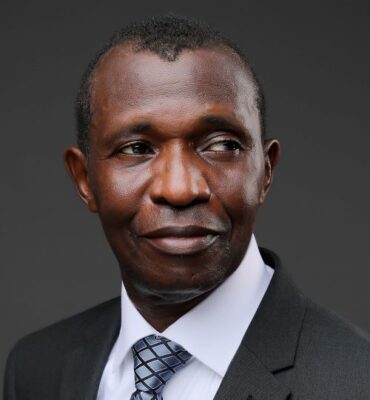
Mr. O.S. Thomas

Commissioner for Insurance/CEO

National Insurance Commission (NAICOM)

The Nigerian insurance industry in the third quarter of 2022 as captured by this analytical report by the National Insurance Commission (NAICOM) was an excellent performance in the financial services sector of the economy.

It generated about Five Hundred and Thirty-Three billion (N532.7b) Naira in gross premium income at a Year on Year (YoY) growth rate of about 15 per cent during the period.

Gross Premium Income – Performance:

Gross premium income in the third quarter of 2022 stood at N532.7 billion, a significant performance which illustrates the premium contribution by each class of the business.

Likened to the Nigeria’s growth in real Gross Domestic Product (GDP) of 2.3% during the same period, the industry fostered at a higher rate of about 15 (14.9%) per cent growth rate, an impressive performance once again.

The Non-Life segment as revealed from the data, sustained its market dominance at 58.4% of the total premium generated.

Insights in the segment show Oil & Gas was the leading driver at 30.8% with Fire Insurance following at 21.3%. Motor Insurance stood at 14.6% while Marine & Aviation, Gen. Accident and Miscellaneous reported a share of 11.8%, 11.2% and 10.3% respectively.

Life business on the other hand recorded 41.6% of the market production as its share contribution gradually closes up.

The share of Annuity in the Life Insurance business lagged at about twenty-six per cent (25.5%) while Individual Life was at 41.2% of the premium generated during the period.

Premium Retention Capacity:

Though the insurance industry’s operational environment remains challenging due to global and domestic economic challenges, its confidence remained high as affirmed by the relevant retentions situation.

The Life business retention for the period was 94% while non-life recorded a ratio of 55% as the industry average stood at about seventy-one (71.4%) per cent. indeed, in the Life Insurance business recorded commendably, a near perfect point of about ninety-four (93.8%) per cent during the period under review.

Insurance Claims Component:

The insurance claims component defines the essence of insurance business as a whole and indeed a major factor in consumer confidence building.

During the third quarter of 2022, the gross claims reported by market of N242.6 billion was slightly lower compared to the corresponding period of 2021, signifying a decline of -2.3% in the total claims reported by policyholders.

However, the ratio of total claims to gross premium stood at about 46 per cent during the current period. The net claims paid on the other hand stood at about N207.2 billion, signifying an 85.4% of all gross claims reported during the period.

The Life Insurance business recorded a near perfect point of 95.0% claims settlement against all the reported claims while non-life segment stood generously at above seventy (72.4%) per cent during the same period.

SEC Approves NGX Technology Board Listing Rules

0

Nigerian Exchange Limited (NGX) is pleased to announce that the Securities and Exchange Commission (SEC) approved the Rules for Listing on NGX Technology Board on December 15, 2022.

The NGX Technology Board is a specialised platform for technology-based companies to list and raise capital on The Exchange.

Through the Board, NGX aims to encourage investments in indigenous technologically inclined companies and others across Africa, provide greater visibility to these companies and ultimately deepen the Nigerian capital market. Securities listed on NGX Technology Board will be accessible to qualified institutional investors, retail investors, and high-net-worth investors.

Commenting on the approval of the Rules, the Chief Executive Officer of NGX, Mr. Temi Popoola said, “This is a landmark achievement that will position the Exchange as an attractive destination for capital formation by companies within the Technology Sector. It also attests to NGX’s dedication to deepening the Nigerian capital market. On behalf of the Board and Management of NGX, I would like to express our appreciation to the SEC for approving the Rules. I would also thank the Board of NGX for their invaluable contribution during this process. We are confident that NGX Technology Board will encourage start-ups, both Nigerian-founded and from other African countries, to list on the Exchange as they work towards meeting their financing needs.”

The CEO of NGX RegCo, Ms Tinuade Awe on her part said, “The approval comes after deliberation on the draft Rules by the Regulation and New Business Committee (RNBC) of NGX RegCo and the consideration of stakeholders’ comments on the exposed draft rules, followed by the subsequent submission to and approval by the Board of NGX RegCo. We are much obliged to the SEC for its quality input and approval of NGX Technology Board Rules.”

NGX, the sustainable exchange championing Africa’s growth, is committed to stimulating the technological transformation of the capital market and the development of Africa’s technology sector.


Shell Completes Acquisition of Daystar Power

0

Daystar Power, a West African provider of hybrid solar power solutions to commercial and industrial (C&I) businesses, has announced the completion of its acquisition by Shell following the approval of regulatory authorities.

The acquisition will allow Daystar to grow its operations in the region, while expanding across the African continent.
“We are thrilled about the completion of this major milestone,” said Jasper Graf von Hardenberg, CEO and Co-founder of Daystar Power. “Given the urgency of the energy crisis and the pressure on businesses across Africa, we are deeply committed to our mission to reduce energy costs and carbon emissions. As part of Shell, we can grow faster in delivering clean and affordable energy to our customers.”
Sub-Saharan Africa has abundant potential as a solar market, which is expected to grow due to the chronic energy gap.

Daystar Power aims to increase its installed solar capacity to 400MW by 2025 to become one of Africa’s leading providers of solar power solutions for commercial and industrial businesses.

Daystar Power will operate as a wholly owned subsidiary of Shell under its existing brand within Shell’s Renewables & Energy Solutions business. Daystar Power’s co-founders and management team will continue to grow its operations in key West African markets, while expanding the company’s presence to other countries across the continent.

About Daystar Power:
Daystar Power is one of the leading off-grid power service providers, offering hybrid power solutions to commercial and industrial businesses in West Africa. Daystar Power’s solutions “Solar-as-a-Service” (100% solar power) and “Power-as-a-Service” (hybrid power solutions) provide clean and reliable power while significantly reducing clients’ overall power costs.
Daystar Power’s clients pay a flat monthly fee or a variable tariff (per kilowatt hour) for premium power services, which include a power audit and assessment of energy needs, a bespoke proposal, installation, and full operation & maintenance. Clients do not incur any capital expenditure and do not pay up-front costs. By outsourcing the management of their power systems, Daystar Power clients can focus more on running their core businesses.
Founded in 2017, Daystar Power counts the region’s leading industrial and commercial companies among its client base and is active in West Africa.

About Shell:
Shell’s Renewables & Energy Solutions business is the driving force behind the development of Shell’s integrated power value chain, developing and deploying onshore and offshore wind, solar and batteries to not only produce power, but aggregate, trade and market it directly to customers, including in emerging markets. Shell’s strength as a developer has been built through more than 100 years of global energy market experience, 50 years of deep-water offshore experience and 20 years of onshore wind development, and through the acquisition of innovative renewable energy companies.


Pantami Meets with Space X, World Bank, Google to Strengthen Nigeria’s Digital Economy

0

The Honourable Minister of Communications and Digital Economy of Nigeria, Professor Isa Ali Ibrahim Pantami, had meetings at Space Exploration Technologies Corporation (Space X) headquarters in Hawthorne, California, as well as a meeting at the World Bank Headquarters and another meeting with Google Corporation in a bid to strengthen partnerships for the development of Nigeria’s digital economy.

The meetings with the World Bank and Google were held on the sidelines of the US-Africa Leaders’ Forum (USALF), which took place in Washington DC, United States of America, while the visit to Space X was a follow up to the events at the USALF.

Pantami was received at Space X by Samuel (Chad) Gibbs IV, the Vice President of Business Operations, on behalf of Elon Musk, Founder and CEO of Space X. At the visit, both parties discussed how Space X can expand its presence in Nigeria, following their entry into the Nigerian market through the Starlink broadband service.

The Honourable Minister also asked the Space X team to consider sourcing some of its engineers from Nigeria’s digital talent pool.  During the visit, the Honourable Minister and his team were given a personalised tour of the SpaceX Rocket Manufacturing Facility, Starlink Assembly Line, and Product Development Facility.  He also witnessed the live Space X rocket launch of 2 telecom satellites into orbit.

On the invitation of the World Bank Group, the Honourable Minister had a meeting with top officials of the Bank, including Vyjayanti Desai, the Practice Manager for the World Bank’s Identification for Development (ID4D) and Digitizing Government to Person Payments (G2Px) Programs.  Also at the meeting were Franz Drees-Gross, Director of Infrastructure, World Bank West African Region and Michel Rogy, World Bank’s Digital Development Practice Manager for Africa and the Middle East.  The World Bank team commended the Minister for his great leadership, which has led to significant development in Nigeria’s digital economy sector. The meeting also discussed how the Bank can further partner with Nigeria to strengthen the digital economy ecosystem in areas such as infrastructure, skilling, cybersecurity, and digital identity.

Pantami also had a meeting with Karan Bhatia, Vice-President, Government Affairs, and Public Policy at Google.  Mr. Bhatia was full of praise for the Honourable Minister for the significant progress that has been made in the digital transformation of the Nigerian economy.

He also commended the Minister for Nigeria Startup Act, noting the potential of the legislation to serve as a catalyst for rapid development of the entrepreneurial ecosystem in Nigeria and other parts of Africa.

The Google Vice-President discussed the company’s growing focus on Africa and looks forward to expanding partnerships with Nigeria in areas such as skilling, cybersecurity, and cloud computing, among others.

The Federal Ministry of Communications and Digital Economy, under Professor Pantami’s leadership, remains committed to implementing the National Digital Economy Policy and Strategy (NDEPS) in order to ensure that Nigeria’s digital economy remains a leading light, both in Africa and across the globe.


NCDMB Empowers 500 Bayelsa Youths with Mobile Phone Tech Training Program

0

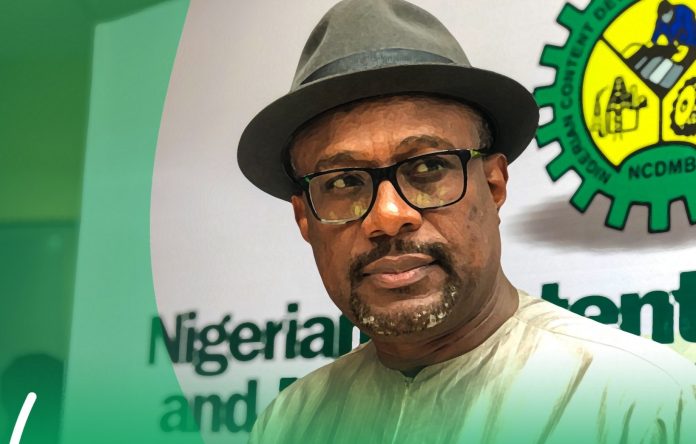
In a bold initiative to reduce the high rate of youth unemployment in Bayelsa State, the Nigerian Content Development and Monitoring Board (NCDMB) has launched the training of 500 youths on mobile phone repairs, software and entrepreneurship development.

The programme will run for eight weeks, including classroom and apprenticeship, after which the trainees would be provided hardware repair tools, shops and financial support by the Board to help them start their careers.

Speaking at the kick-off ceremony held in Yenagoa, the Executive Secretary of NCDMB, Engr. Simbi Kesiye Wabote described the initiative as “a strategic intervention between the Board and the Bayelsa State Government. According to him, “We need to be very strategic in terms of how we create employment.”

The NCDMB boss, who was represented by the General Manager, Research, Statistics & Development, Mr. Abdulmalik Halilu, explained that the training is a key initiative under the Technical Capacity Development Pillar of the Nigerian Content 10-year strategic roadmap and the intent is to build the capacities of young Nigerians in oil and gas and ancillary sectors, making them self-reliant and self-employed.

He added that ancillary sectors such as Information and Communication Technology, Agriculture, construction, and others have the capacity to create millions of jobs for young Nigerians. He noted that the GSM phone has become a critical tool for business and education, especially in the e-commerce and knowledge-based economy.

He emphasised that the value chain for mobile telephone is extensive, and it includes the production of the phone itself, marketing, and installation of applications. This is because phones develop faults regularly and the owners often become desperate to fix them, hence the relevant skills for repairs and software are most vital.

The training for the 500 youths, he explained, would be in stages. Inauguration and classroom training constitute stage one, with focus on “the fundamentals of a phone – what it is, the anatomy and procedure for fixing phones.” Stage two is apprenticeship, during which trainees would be attached to Mobile Phone Super Users” who operate standard repair shops. At the end of the training, a competency test is to be conducted by instructors.

In addition to the start-up packs promised, trainees are to receive a stipend of N30,000.00 (thirty thousand naira) monthly, and N60,000.00 (sixty thousand naira) at exit.

The Bayelsa State Governor, Senator Douye Diri, represented by the State Commissioner for Labour, Employment and Productivity, Mr. Stanley Braboke, commended the NCDMB for the initiative and charged the trainees to make the best use of the opportunity.

He said the Prosperity Agenda of the current administration in the state places a premium on vocational training and skills acquisition which could make beneficiaries income earners and self-reliant. “Phones are everywhere in Bayelsa State, and they develop faults,” he added.

The NCDMB and State Government are determined that all local government areas should benefit from the youth training programme both in the selection of trainees and in access to mobile phone repair services, he said.

The Board has held similar trainings in some states across country, including Kano, Yobe, Cross River and Bauchi States.


‘Nigeria’s Hospitality Industry Must Increase Payment Options to Maximise Growth’

0


·         The World Travel & Tourism Council’s Economic Impact Report (EIR) shows that Nigeria’s travel and tourism sector’s contribution to GDP is forecasted to grow at an average rate of 5.4% between 2022-2032
After many months of low or no growth, the Nigerian hospitality industry is gearing up to take advantage of good future opportunities.

However, customers now prefer to browse, research, and transact online and hotels must ensure they can offer their foreign customers as many digital payment methods as possible. Fortunately, there is a safe way to collect payments from international and virtual cards that can also help companies take advantage of the new business that is expected in the coming months.
The World Travel & Tourism Council’s Economic Impact Report (EIR) shows that Nigeria’s travel and tourism sector’s contribution to GDP is forecasted to grow at an average rate of 5.4% between 2022-2032, a good deal higher than the 3% growth rate of the overall economy.

The report goes on to point out that this will boost the sector’s contribution to GDP to nearly ₦12.3 trillion by 2032, which represents 4.9% of the total economy.
Travel and tourism companies hoping to benefit from this growth, especially when it comes to lucrative international business tourism, must take a close look at digital payment options as part of their competitive offering.
“During the past four years operating as a licensed payment solution service provider in Nigeria, we have seen four-, three- and two-star hotels struggle to collect payment from international and virtual cards, especially from foreign customers due to limited payment facilities, and sometimes staff’s limited knowledge of payment options. This has cost hotels millions of Naira when they can’t charge checked-in guests or collect penalties from cancellations, resulting in many lost customers. Being able to charge international cards and accept foreign currencies like US Dollars will not only boost venue revenue, but foreign currency inflow for the country as a whole,” says Chidinma Aroyewun, DPO Group’s Country Manager in Nigeria which offers DPO Pay.
Cards are widely accepted around the world and are the preferred payment method of corporate travellers. Credit cards in particular offer longer payment terms, come with built-in travel insurance, accrue more loyalty points and frequent flyer miles and, most importantly, can have their spend data integrated into the company’s expense systems.

More Protection for Merchant and Customer
Offering a card service would allow venues to take direct booking and, should there be a cancellation, they would still be able to apply a small cancellation fee to cover costs. However, many business owners are wary of the ever-present threat of fraud, which has made many hesitant to offer a more varied payment offering.
“A Virtual Terminal allows businesses to take booking deposits through an online virtual card terminal and manually process payments without using a physical POS device. Guests can pay in the currency of their choice. The complete transparency of the system means you can display the original price, exchange rate, and final amount to your customer in their local currency or currency of choice. Our hotel merchants can now charge guests while they are making a telephone enquiry, upon receiving reservation requests from an OTA like Booking.com, or if they’re a walk in,” says Ms. Aroyewun.
By offering a secure payment method, businesses can build trust with their customers which will result in repeat business. This is especially important as fraudulent activity continues to rise, including an uptick of fake travel agency or airline websites.
Venues using Virtual Terminal can immediately process transactions and receive real-time payment confirmation without the need or cost of a physical point of sale device. Nor do they need any additional phone lines or hardware to operate the terminal. The setup is easy and the service can be added to their payment option without much hassle.
“Our clients are quick to share that the more payment options they offer, the more appealing they are to a wider client base. Customer experience is a key differentiator. Businesses will support a chain of hotels, or even a small boutique lodge, if they know that they can conduct business the way they prefer, no matter what country they are in. The added security of working with a known, trusted payment provider that is recognised across Africa will also help build trust and, ultimately, revenue,” Ms. Aroyewun concludes.

NCC Chief, Umar Danbatta, Named NDLEA Special Ambassador

0

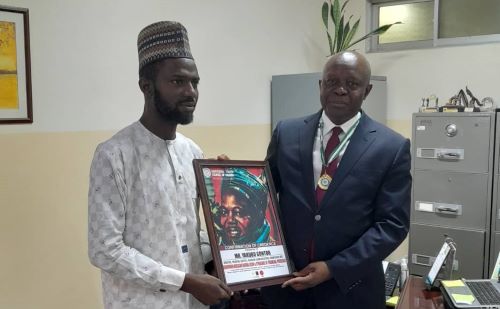
The National Drug Law Enforcement Agency (NDLEA), has named the Executive Vice Chairman of the Nigerian Communications Commission, NCC, Professor Umar Danbatta as its Special Ambassador in its renewed war against narcotics and use of other dangerous substances leading to addiction in the country.

Commander for Narcotics at the NDLEA Federal Capital Territory (FCT), Muhammed Ajiya, who announced the Ambassadorial recognition by the agency during a courtesy visit to the Commission in Abuja last weekend, said the objective of the NDLEA’s visit was to partner with the Commission in order to reduce the number of drug addicts in the country through sensitization programmes.

He said one of the aims for this collaboration is to explore the use of telecom platforms to disseminate information about its activities to sensitize the citizens. He said this has become strategic as nearly all Nigerian youths are telecom subscribers who interface with telecom platforms from time to time. Ajiya said NCC comes readily to mind as a good partner to the NDLEA to achieve the latter’s mandate of reducing cases of drug addicts among the Nigerian youths.

“The NDLEA has rehabilitation centres across the country. This shows that we do not only apprehend the drug addicts, but we have rehabilitation centres where we monitor and guide them until they are fully rehabilitated” he said as he expressed appreciation that the NCC boss considered and accepted this role in the fight against drug addiction in Nigeria.

NCC’s Director, Human Capital and Administration, Usman Malah, who received the NDLEA’s delegation on behalf of the EVC of NCC, assured the visiting team of the Commission’s commitment to supporting the drug agency in eradicating drug abuse and sensitizing the citizens especially the young generation, majority of whom are telecoms consumers, on the effect of drug.

“Strategic collaboration and partnership is one of the key pillars of the two regulatory roadmaps of the Commission – the Strategic Management Plan (SMP) 2020-2024; and the Strategic Vision Implementation Plan (SVP) 2021-2025 – and we would convey the NDLEA’s message to the Commission’s management to see how we can explore the areas of collaboration being requested by your agency,” Malah said.

Africa’s Upstream Industry: Holding Steady in a Turbulent Oil, Gas Market

0


By NJ Ayuk

Executive Chairman

African Energy Chamber

Africa’s oil and gas industry is going to breathe new life into many African economies and will create new opportunities for many Africans in 2023.

During the recent African Energy Week, many players and host nations outlined some of the most ambitious plans to produce more natural gas, diversify our economies and create more jobs, especially for women and our young people. This is a better plan than development aid.
In September 2022, the EU approved an additional 15 million Euros to support counter-insurgency efforts in Mozambique. That fresh funding – intended to protect the natural gas-rich area of Cabo Delgado – brings the bloc’s total support up to 104 million Euros this year.
This sudden involvement in the area’s five-year security saga highlights Europe’s newfound interest in a stable, energy-producing Africa.
Oil prices spiked to $85 a barrel by November and currently show no signs of slowing. The Russia-Ukraine conflict has sent shockwaves through the entire oil and gas industry, with Western nations, particularly in the EU, searching for alternate fuel sources.

While the U.S. immediately banned Russian oil imports in March, similar measures by the U.K. and EU were put off until December.
As we pointed out in our released report, “The State of African Energy: 2023 Outlook,” During African Energy Week, African oil and gas production remains steady — and fairly immune to the Ukraine-Russia conflict.

Oil – Marginal Increase
Take Nigeria for instance, whose oil production hit a 30-year low this August but is now projected to see an overall increase through 2023. By tackling its most dramatic setbacks, the West African nation has managed to maintain equilibrium.
One such setback came to light at the Forcados crude oil terminal in July when operators discovered leaks around the loading buoy, halting exports from the terminal. The operators, Nigerian National Petroleum Company (NNPC) Limited and Shell Petroleum Development Company (SPDC) of Nigeria, promptly promised to repair the leaks and resume exports by late October — and they met the self-appointed deadline.
Last summer also saw a huge escalation in pipeline theft that culminated in Nigeria losing its spot as Africa’s biggest oil producer. Ironically, this may have served as a much-needed wake-up call to tackle the decades-old problem of theft.

After a July and August that saw Nigeria’s output fall below 1 million bpd, the government awarded security contracts to protect the pipelines. The tactic yielded fruit within a month when contractors uncovered an illicit pipeline that had been siphoning stolen oil for nine years. By November, Nigeria’s output had climbed back to 1 million bpd.
Libya experienced an even more dramatic pendulum, with production falling from 1.2 million barrels per day (bpd) to 100,000 bpd this spring. In a now-familiar pattern, the conflict between two competing governments led to production outages and blockades. By August, however, production had returned to a steady 1.2 million bpd.
These setbacks in Nigeria and Libya have something in common: The solutions came from within. In a world reeling from the ripple effects of the Ukraine conflict, any producer that can tackle its largest issues in-house, without relying on geopolitical trends, deserves some notice.
Europe seems to share this attitude. Total and Eni are “close” to finalising oil production deals with Libya, where BP is also due to begin new onshore drilling. These reassuring signs all address the other major challenge shared by Libya, Angola, and Nigeria: Lack of new projects and foreign investment. Exxon also recently discovered a new well in Angola, another nation in need of fresh prospects. I had a chance to keynote the Angola oil and gas gathering and held discussions with key industry players. There is fresh hope and excitement on the horizon.
Even without factoring in these recent deals, our 2023 report predicts marginal growth for Africa’s oil production at just over 7 million bpd. Intriguingly, a stable Libya and fresh projects could see that output grow to 7.25 million bpd by 2030.

In the Russia-roiled short term, Africa’s sheer consistency offers relief to energy-hungry nations – and in the long term, potential energy security.

Gas – Growing Steady
As with oil, Africa’s natural gas output remains quite resilient to the Ukraine-Russia conflict. Some nations have already stepped up their exports to Europe, and several major projects are on track for production by 2030. While our report predicts a marginal decline in production for the short term, the continent’s overall future looks bright.
Take Algeria, whose Berkine field went from discovery to production in record-breaking time. NOC Sonatrach discovered the 12 trillion cubic feet (tcf) in reserves in March and, in partnership with Italian major Eni, began production by November.

The deal was enabled by Algeria’s international oil company (IOC)-friendly hydrocarbon law and bodes well for Eni’s and Sonatrach’s agreement to increase Italian imports by 20%.
Similarly accommodating of IOCs, Mauritania and Senegal are also growing strong. Their Tortue/Ahmeyim field contains approximately 15 tcf of gas, with operators hoping to begin production in 2024. Mauritania is also in talks with BP to develop their equally rich BirAllah (gas field. While young in the industry, the two nations have proven quite competent at cooperating with both each other and international majors.
Even more intriguing, war-torn Mozambique began exporting natural gas to Europe this November – an unexpected first. This milestone likely owes something to the EU’s recent investment in Mozambique’s security. The question remains, of course, whether Mozambique will remain stable enough to continue these gains and truly become a part of Europe’s energy security solution.

Short- and Long-Term Goals
On the surface, the state of Africa’s energy is a simple one – the continent’s production should remain steady in the short-term and has already offered Europe some energy relief. Underneath the surface, of course, individual nations face different circumstances and play their own parts in the larger picture. Libya, with its history of alternating peaceful production and violent dry spells, is a very different nation from a stable newcomer like Senegal.

As the West eyes Africa for long-term energy security and the green transition, it behooves them to examine individual nations for their strengths, weaknesses, and unique opportunities for partnership. We encourage all parties to investigate – and invest in – Africa’s rising stars for long-term energy solutions.

Stanbic IBTC Asset Mgt Launches N20bn Infrastructure Fund Series III Issuance

0

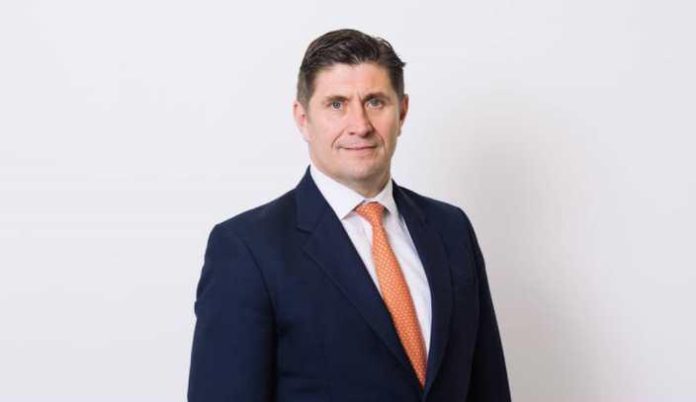
Stanbic IBTC Asset Management, a subsidiary of Stanbic IBTC Holdings, has announced the NGN19.997 billion Series III offer under its Stanbic IBTC Infrastructure Fund NGN100 billion Programme. The offer opened on Friday, 25 November 2022 and is scheduled to close on Wednesday, 21 December 2022.

The Fund aims to bridge the funding gap in Nigeria’s infrastructure sector through investing in a careful selection of eligible infrastructure investments across core infrastructure sectors in Nigeria. The Fund, structured as a close-ended collective investment scheme, seeks to provide a target return of 2% to 5% above the prevailing yield on a Federal Government of Nigeria Bond with a similar tenor to the remaining tenor of each series.

The Series III Issuance is for a tenor of 10 years and offers 188,650,000 units of NGN100 each issued at NGN106.00 per unit under the Stanbic IBTC NGN100 billion Infrastructure Fund Programme.

Commenting on this development, Dolu Olugbenjo, Chief Investment Officer, Stanbic IBTC Infrastructure Fund, noted that the Fund has made significant strides to meet its commitment to investors and its dedication to developing Nigeria’s capital market. The Fund has successfully made cash distributions to eligible unitholders in three incremental instalments within the first nine months of operation and had successfully raised capital over the last two issuances with proceeds disbursed to impact investing. The Fund also continues to support projects that provide real developmental impact and has invested in infrastructure deals in healthcare and energy sectors that have created direct and indirect employment opportunities for the projects’ host communities.

According to Dolu, “The Series III Issuance provides an opportunity for the Fund to consolidate on progress made thus far, by using the capital raised to provide debt financing to support a strong portfolio of infrastructure and infrastructure-related projects within Nigeria. The target project sectors for the Stanbic IBTC Infrastructure Fund covers a broad array of sectors including energy, healthcare, information and communication technology, telecommunications, real estate, and transportation and logistics sectors.”

“We encourage qualified institutional investors and high net-worth individual investors to continue participating in the Stanbic IBTC Infrastructure Fund issuances as partnering with us helps bridge the existing infrastructure asset gap that would deliver positive social and economic multiplier effects,” Dolu added.

NCC Initiates Regulatory Measure to Identify, Eliminate Risks in Telecom Sector

0

The Nigerian Communications Commission (NCC) has embarked on a regulatory step to sensitise the industry about the need for proper and continuous risk identification with the view to managing such risks before they affect the health of the industry.

To this effect, the Commission has hosted a two-day maiden conference at its headquarters in Abuja, where its Executive Vice-Chairman, Prof. Umar Danbatta, said it has become imperative to minimize risks in the industry to ensure that services are not disrupted, and that consumers obtain the best services that are globally available.

The conference with the theme: “Nigerian Telecommunications Industry: Managing the Emerging Risks and Embracing Risk Opportunities,” called for collaboration between the regulator and other stakeholders in the industry, to achieve multi-stakeholder strategies aimed at identifying and addressing emerging risks in the telecommunications sector to ensure sustainable and impacting growth.

Director of Policy, Competition and Economic Analysis, Yetunde Akinloye, who stood for the EVC, said the essence of the forum was to examine myriads of issues that challenge the implementation of the National Digital Economy Policy & Strategy (NDEPS) 2020-2030, and to enhance the development of a sustainable ICT sector in Nigeria.

“The focus of this conference is to bring to the fore the ever-rising uncertainties in the global economy and the attendant regulatory/operational risks in the areas of increased data security regulations, new partnerships and transforming business models, fast-changing mix of mounting capital expenditure (CAPEX) burdens, shifting market structures, newly emerging disruption scenarios, regulatory and policy challenges amongst others,” Danbatta said.

The EVC told participants at the event, which also featured virtual participation, that the Commission has been at the forefront of ensuring that the telecoms industry is not adversely impacted by these uncertainties/risks.

He stated that one of our Strategic Visions is to ensure a competitive market for the communications services that foster fair inclusion of all players, promote local content and innovative services in ways that facilitate new investment, job creation and consumer satisfaction.

Danbatta said the NDEPS is the guiding document for the Federal Government’s activities to maximise the immense opportunities that are inherent in digital technologies to nudge the diversification of Nigeria’s economy and attain the key national objectives of improving security, reducing corruption, and expanding the economy.

“While risk management has been critical in our regulatory service delivery, we acknowledge that all stakeholders must be concerned about the varied uncertainties that confront the industry. There is no gainsaying the fact that the Information and Communication Technologies Sector is inherently filled with several business and technology risks,” Danbatta said.

“It is, therefore, important that regulatory risks be minimised to ensure that services are not disrupted, and consumers obtain the best and latest services that are globally available. The Commission in a bid to ensure that operators in the industry enjoy a conducive operating environment has had cause to seek government interventions and collaborate with other Agencies of Government in addressing major sectoral risks.

“These risks include cybersecurity and online fraud, regulatory burden, multiple taxation, vandalism of telecommunication infrastructure, right of way challenges, access to foreign exchange, inter-industry indebtedness, among others,” he said.


In his paper presentation titled ‘X-raying Telecommunications Risk Radar: The Operators’ Perspective’, a facilitator at the event, who spoke to issues of concern to operators, Eniola Olugboyega, said that risk-taking can have positive or negative impact on businesses.

He also stated that most common losses from improper management of risk in the sector include customer dissatisfaction, fines and litigation, product failure, and loss of business opportunities, among others.

According to him, effective risk management aids effective decision making, prevents financial and reputational loss and addresses potential threats.

Thus, telecommunication risk from the operators’ perspective includes regulatory risk, insecurity, data breach risk, foreign exchange risk, rising CAPEX risk, human resource risk, and the inability to take advantage of new business models.


Ecobank Group: Digital Transactions Hit $59.1bn in 9 Months

0

Ecobank Group said it recorded transactions valued at $59.1 billion across its digital channels in the first 9 months of 2022.

The company disclosed this in its audited financial report for the 9-month ended September 2022. According to the company, this represents a 44% increase compared with the $40.4 billion it recorded in the same period last year.

A closer look at the various digital channels of the company shows that the Ecobank Omni Plus recorded the largest transaction value within the period at $37.8 billion. Through its mobile app and Unstructured Supplementary Service Data (USSD), Ecobank recorded $4.2 billion within the period.

Its Omni Lite channel recorded transactions valued at $4.1 billion, while Ecobank Online and Xpress Points (Agency Network) recorded $755 million and $3.7 billion transactions respectively. The company also posted transactions valued at $8.1 billion through other indirect digital channels.

The company’s result: Ecobank in the 9-month financial result reported a 7% increase in revenue from $1.26 billion in the same period of 2021 to $1.35 billion in the period under review. The bank’s operating profit expanded by 12% to $593 million, up from $528 million filed in the corresponding period of 2021, Profit before tax rose to $401 million, a 14% increase from $352 million achieved in 2021. Profit paid to shareholders grew by 7% from $182 million to $196 million.

CEO’s comment: Ecobank Group’s CEO, Ade Ayeyemi, while commenting on the result, said: “We continued to deliver on our strategic priorities and are on track to meet full-year targets despite the complex operating environment. Group-wide return on tangible equity reached a record 21%, and profit before tax increased by 14%, or 48% at constant currency (i.e., excluding currency movements). These results reflect the resilience, strong brand and diversification of our pan-African franchise.

“We saw decent client activity in consumer and wholesale payments, trade finance and foreign currency markets. Additionally, despite inflationary pressures, we maintained a tight lid on costs, thereby improving our cost-to-income ratio to 56.3% from 58.3% in the previous year. The dampened economic outlook necessitated maintaining a sound balance sheet with adequate levels of liquidity and capital. As a result, our total capital adequacy ratio at 14.4% is well above our internal and minimum regulatory limits,” he said.