
As project sponsors, borrowers, lenders and investors gathered at the Africa Investment Forum to make deals on investment opportunities, leaders of the continent’s top agribusiness companies shared their thoughts on the future of the industry.
With its vast agricultural potential, Africa’s agribusiness sector is predicted to reach US$1 trillion by 2030. Agribusiness will become the ‘new oil” on the continent, African Investment Forum participants said, fueling the motor of inclusive growth.
“Agriculture is a key priority for the African Development Bank, through our Feed Africa strategy,” said Jennifer Blanke, the African Development Bank Vice President for Agriculture, Human and Social Development.
“Understand that by transforming Africa’s agriculture sector it will become the engine that drives Africa’s economic transformation through increased income, better jobs higher on the value chain, improved nutrition, and so on,” she said in her opening remarks at an Africa Investment Forum session titled, Agribusiness: investment conversation with industry leaders.
Some agribusiness leaders said there is a need to invest US$45 billion per year to harness the power of agriculture and move up the value chain to create jobs and wealth. At present, only US$7 billion is invested in the sector.
Investments from the private sector, leaders said, will create the adequate environment and enhance the emergence of locally owned agro-processing industries, capable of creating jobs and increasing incomes in rural Africa. The continent could become a net exporter of agricultural commodities, replacing US$110 billion worth of imports, as well as doubling its share of market value for select processed commodities.
The full-capacity session was a highlight of the Africa Investment Forum, organised by the African Development Bank. The event brought representatives from multilateral financial institutions, pension funds, sovereign wealth funds, government officials and private investors to Johannesburg, South Africa for three days.
Participants in the agribusiness session discussed the industry’s entire value chain. Leading the ‘fireside chat’ was a roundtable of experts that included Aliko Dangote, President and CEO of the Dangote Group; Zainab Shamsuna Ahmed, Minister of Finance of Nigeria; William Asiko, CEO, Grow Africa; John George Coumantaros, Chairman, Flour Mills of Nigeria and TP Nchocho, CEO, Land and Agricultural Bank of South Africa
“We need to do the research to produce the right solutions to the issues we might face along the value chain. Youth are particularly involved in this aspect as they know how to develop tools addressing issues such as water management and release”, said Aliko Dangote.
Agribusiness can also promote industrialisation and urban employment, break the ‘productivity gap’ of development, and improve the quality of life for all Africans. Attendees said Africa’s agricultural potential needs to be unlocked.
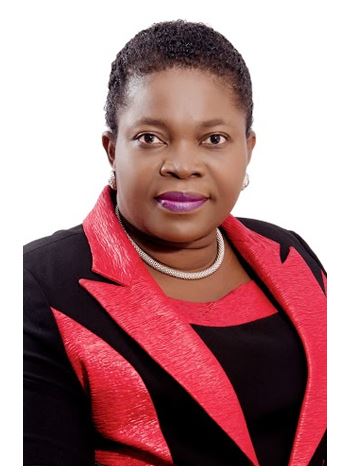
Session participants said they want to bring African agriculture to the next level. For the small and medium scale farmers, the main challenge remains access to finance. Zainab Shamsuna, Nigeria’s Minister of Finance urged investors and development partners to adapt their policies to accommodate more participants in the agriculture value chain,
“I want us to eat what we grow and consume what we produce”, Shamsuna said.
In closing the session, Edward Mabaya, Manager of Agribusiness Development at the African Development Bank highlighted the vast investment opportunities in Africa’s agribusiness including seed, fertilizer, mechanization, processing and storage.