In its latest Africa Energy Outlook 2021 released earlier this week, the African Energy Chamber forecasts increased gas monetization across the continent on the back of decarbonisation and industrialisation drive.
The African Energy Chamber has notably found that while not insulated to COVID-19, gas markets have been less exposed than that of oil to the shocks of 2020, notably because the transportation industry has been the most affected by the COVID-19 pandemic and is more oil-demanding than gas. The global gas market was nevertheless already facing a glut of LNG before COVID-19, resulting in even more depressed prices as the pandemic’s impact on demand started to manifest in the spring of 2020. As a result, key reference prices in Europe, North America and Asia all have experienced negative pressure since the start of 2020.
Looking forward, the African Energy Chamber’s expectations for the global gas market fundamentals are to remain loose through 2021 on the back of weak COVID-19 induced demand and continued high supply of LNG before prices tighten significantly as LNG demand growth will outpace liquefaction capacity due to more delays in project sanctioning.
The forecast notably points to a tight LNG balance between 2023 and 2025, and along with it, a price spike. Following this period, there is a downside risk in prices for 2026 and 2027 driven by the potential of seeing a new wave of sanctioning activity during 2021 and 2022. Such future projects are expected to include ExxonMobil and Eni’s 15.2 mtpa Rovuma LNG terminal in Mozambique and expansions of BP and Kosmos Energy’s Greater Tortue Ahmeyim (GTA) FLNG project in Mauritania and Senegal.
Given the gas glut on global markets with corresponding depressed prices, the Chamber notes that there may now be an opportunity to stimulate to more domestic gas consumption in Africa. Expanding infrastructure to displace diesel, increased use of gas in the power mix and gas for industrial purposes are all initiatives that would benefit from the current low cost of gas. Thankfully, African officials and regulators have increasingly seized the importance of natural gas and pushing for its adoption across industries, especially in key hydrocarbons market in West, Central and Southern Africa. Nigeria for instance has declared 2020 the Year of Gas and adopted a new gas transportation network code this year, and Senegal embarked this year on a gas pipeline network project to construct a 155km national gas grid.
Monetizing gas makes even more sense in Africa given the continent’s very high flaring intensities. While Africa benefits from conventional and easy to extract hydrocarbons, the inability to prevent gas flaring nevertheless catapults the continent to the overall least carbon efficient continent at about 31 kilogram CO2 emitted per barrel of oil equivalent produced according to the Outlook.
While 2018 is currently the last year with high quality data, projections towards 2025 nevertheless points to Africa overall not improving its position with emissions remaining above 30 kilograms CO2 per barrel of oil equivalent. Only stronger monetization of gas at home could justify using Africa’s gas reserves for industrial and power generation purposes instead of burning and wasting them. In doing so, Africa would not only reduce its carbon intensity, but also become more attractive to global investors seeking to allocate capital to the least carbon intensive projects possible.
The Africa Energy Outlook 2021 gives a special focus on all such gas markets trends within the continent, providing stakeholders with unique insights into production and consumption forecasts.

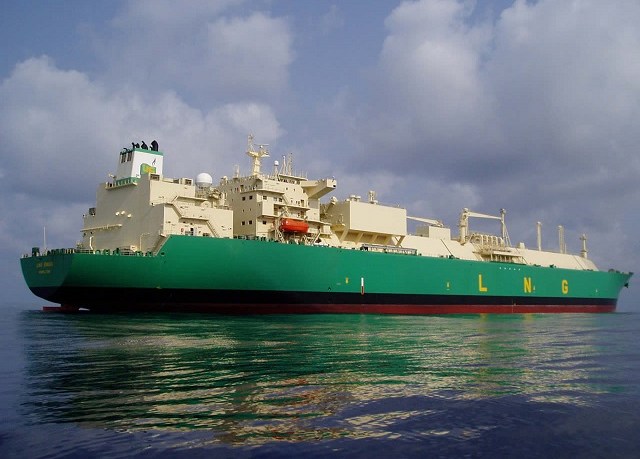
African Energy Chamber Forecasts Increased Gas Monetisation in 2021 Outlook







Popular Categories


Previous article
Next article