Monday, February 2, 2026
32 C
Lagos

‘Sudan 2012 is First AIO Conference to Discuss Takaful’

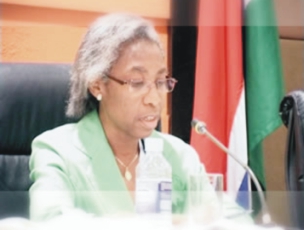
As the 39th Annual Conference/General Assembly of AIO kicks off in Khartoum, Sudan in a matter of days, Ms. Prisca Soares, Secretary General of AIO, xrays the uniqueness of the summit and her expectations.

Much attention deserves to be focused on insuring the average African with modest means. This could be achieved through Micro-insurance and Micro-takaful.
Sudan is the most developed Takaful market which makes it the ideal place to learn about that aspect of insurance. It would also be the first time the conference would be holding in Sudan.
The African insurance industry is quite healthy and vibrant. Practitioners are well aware that the insurance sector is contributing very little to the world’s insurance output and that insurance penetration is very low in most of our countries.
I believe you could say that practitioners have decided to take the bull by its horns going by recent events and activities, ranging from recent regulations from CIMA to various regional conferences and seminars.

There are also ample opportunities of partnering with international organisations, such as the World Bank, Access to Insurance Initiative (A2II), International Labour Organisation (ILO) and Making Finance Work for Africa (MFWA), in organising capacity building programmes in areas of need.
Also, with the considerable increase in the membership of the AIO currently 326 members there is a strong chance that, with the collaboration of all, the African insurance sector will achieve greater success and have more impact on the economies of African countries in the years to come.


spot_img
spot_img
spot_img

Hot this week

CBN Publishes Fintech Report: Shaping the Future of Fintech in Nigeria

The Central Bank of Nigeria has released a comprehensive...

Stanbic IBTC Bank Nigeria PMI: New Orders Broadly Stable at Start of 2026

Nigerian companies faced a muted start to 2026. A...

Mobile Performance in Nigeria: A Significant Improvement Driven by 4G

The latest data from nPerf reveal a marked improvement...

SanlamAllianz Women’s Network Leads Charge for Inclusive Education in Eti-Osa

In a global call to action to celebrate the...

Topics

Sovereign Trust Insurance Catch-Them-Young Initiative Berths at Igbobi College

L-R: Adeleye Abolade, Political Consultant and Facilitator; Adetona Elizabeth,...

Stanbic IBTC, NFF Sign N2.3bn Annual Partnership Deal

L-R: Demola Sogunle, Chief Executive, Stanbic IBTC Holdings PLC...

Stanbic IBTC Capital Leads RMB Nigeria’s ₦40bn Multi-Instrument Issuance Program

RMB Nigeria Issuance SPV Plc, a funding vehicle incorporated...

The CIIN 52nd AGM in Lagos

The 52nd Annual General Meeting (AGM) of the Chartered...

Chinese Dominance Worries Nigeria’s Textile Traders

Nafiu Badaru, a junior civil servant in northern Nigeria's biggest city Kano, doesn't make much money and it takes some cash to look good so he tends to buy Made-in-China fabric."A piece of high-quality brocade (cloth) costs around 10,000 naira ($50, 47 euros), which is way too expensive for me," he told AFP. "With the same amount of money, I can buy six pieces of cheap Chinese brocade which cost only 1,500 Naira a piece and still keep some change."The proliferation of Chinese-made textiles is a boon for consumers like Nafiu, with Kano and the wider North struggling with unemployment and economic constraints. Click here to make a lazy tweet.

Anchor Insurance Gets NAICOM’s Approval for 2018 Account

The Management of Anchor Insurance Company Limited, a company...

Lasaco Assurance Champions Maternal Health with Safe Start Initiative

From left: Mrs. Usifoh Sessin, Nursing Officer, Ogba Primary...

Sub-saharan Africa, Most Expensive Region for Remittance

Sub-saharan Africa is the most expensive region for sending money inform of remittance from other parts of the world, according to the latest report by the World Bank Group. The report listed South Asia as the least expensive. The World Bank said over $62.5 billion has so far been saved for migrants who send money home to their families in an initiative began in 2005 by the Bank and the international community to reduce the cost of sending money home. Each quarter the World Bank publishes data on how much it costs to send money home.
spot_img

Related Articles

Popular Categories

spot_imgspot_img