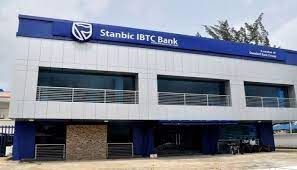

Stanbic IBTC Bank Plc, a member of Standard Bank Group intensified has its efforts in providing financial products and services for businesses in the agro-allied industry in determination to expand and support the agriculture and agro-allied industrial sector in Nigeria
The agro-allied industries are central to sustainable development. The agricultural sector is critical for generating employment, supporting the economy in farming communities, and providing food and nutritional security.
Wole Oshin, Head, Agribusiness, Stanbic IBTC Bank Plc said that Nigeria’s ambitions for accelerated and inclusive economic growth was contingent on achieving a vibrant agro-allied sector that can support extensive enterprise development and employment.
Wole stressed that Stanbic IBTC offered various credit facilities across the agricultural sector that aid value chain players to thrive.
“The available loan facilities are targeted at agribusinesses to provide short-medium term financing needs of crop and livestock producers, processors, their distribution chain and other value chain players. The loans provide revolving working capital (to meet day-to-day operational needs and purchase inputs like seeds, fertilizers, raw materials) and equipment finance solutions to farmers and agribusinesses,” Wole said.
According to him, some benefits of the Stanbic IBTC agribusiness finance include the availability of gap funding for unforeseen financial needs, maintenance of cash flow and flexibility of repayment terms based on the type of funding. He added that the facility was also versatile and can be utilised for funding resources for small and medium-sized enterprises (SMEs), vehicles and farming equipment.
Furthermore, Wole added that Stanbic IBTC had intensified efforts towards the improvement of the agro-allied sector by offering free capacity-building sessions to SMEs in the industry, noting that most sessions helped in educating SME owners on key business skills.
Wole noted that Stanbic IBTC Bank equally provided financing solutions for agricultural enterprises to suit their requirements concerning the availability of resources to purchase mechanised farming equipment, as well as the enhancement of seasonal cash flow for industrial production.
“For instance, Stanbic IBTC committed ₦50 billion to launch a nationwide agricultural finance scheme. The Nigerian Incentive-Based Risk Sharing System for Agricultural Lending (NIRSAL) and signed a memorandum of understanding to boost agricultural productivity and modernisation by facilitating increased bank lending to the sector.”
Wole said that Stanbic IBTC has committed these funds for the takeoff of the scheme. The first phase of the scheme is projected to impact thousands of lives through job creation and boost the revenue of farmers and businesses in the agro-allied industry, which is a testament to the financial institution’s efforts to drive inclusive economic growth through agriculture.
He explained that Stanbic IBTC envisioned that the programme would increase farmland output, diversify the revenue base, and provide vital resources and raw materials to the manufacturing sector. He said that the idea of providing financial solutions for agriculture and agro-allied industries as a strategy for accelerated economic growth is gradually beginning to take hold.
“Stanbic IBTC understands that funding the agro–allied industries is a sure way to diversify the Nigerian economy, as these industries are primed to spark off rapid enterprise development in Nigeria,” Wole noted.
Enhancing credit access to small farmers and agro-based enterprises at low rates of interest will have a far-reaching impact on the micro and macro economy. The growth of the agricultural sector is pivotal to economic development. Stanbic IBTC recognises this and that is why the organisation is intentionally developing initiatives and fostering partnerships that support players in the industry.