Tuesday, April 21, 2026
26.2 C
Lagos

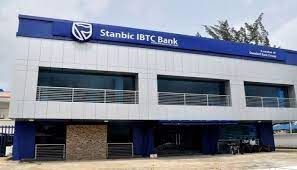
Stanbic IBTC Bank Nigeria PMI: Private Sector Growth Slows in March, Remains Solid

Business conditions in Nigeria’s private sector continued to improve solidly at the end of the quarter, but the rate of growth slowed from February. Softer uplifts in output, new orders, stocks of purchases and employment were drivers of the latest moderation.

Nonetheless, growth remained elevated by historical standards and firms continued stockpiling efforts in anticipation of greater demand over the coming months. Meanwhile, sharp cost pressures persisted, with cash shortages and price hikes again apparent.

In turn, selling prices rose at one of the quickest rates in the surveys near eight-and-a-half-year history. The headline figure derived from the survey is the Purchasing Managers’ Index (PMI). Readings above 50.0 signal an improvement in business conditions on the previous month, while readings below 50.0 show a deterioration.

At 54.1 in March, down from 57.3 in February, the latest expansion pointed to a softer, yet solid, improvement in business conditions. Growth has now been seen in each of the last 21 months. While demand conditions were favourable in March, firms reported softer inflows of new orders. Cash shortages and surging prices were commonly associated with the moderation.

That said, the rate of expansion was still sharp. Mirroring the trend for new orders, output levels at Nigerian private sector firms expanded sharply. All four of the monitored sub-sectors recorded marked upticks. Manufacturers led the expansion, followed closely by services. Agriculture and wholesale & retail followed, respectively.

Sustained increases in output and demand led firms to raise headcounts for the fourteenth month in succession. The rate of growth was modest and broadly in line with the long-run series average. Subsequently, backlogs fell sharply. Greater competition amongst vendors led to another shortening of lead times during March.

Meanwhile, firms continued advance ordering strategies amid efforts to protect against input shortages as well as mitigate against paying higher prices. The rate of stockpiling was sharp, but softer than those seen in the previous six months. As for prices, rising wage, fuel and raw material costs continued to exert upward pressures on overall input price inflation.

In fact, the rate of increase was sharp and the fourth-strongest in the series history. Firms opted to pass on higher cost burdens by raising their selling charges at a quicker pace.

Finally, despite concerns over inflationary pressures, firms remained upbeat about their prospects for output growth over the coming year, with sentiment improving from February.




spot_img
spot_img
spot_img

Hot this week

Bank of Industry Signs Strategic Partnership with RMRDC to Foster Agric Value-Chain Growth

Managing Director and Chief Executive Officer of the Bank...

CBN, FMDA Unveil Nigerian Overnight Financing Rate as New Money Market Benchmark

The Central Bank of Nigeria (CBN), in collaboration with...

Mutual Benefits Customer to Nigerians: Embrace Insurance Because it Works

A customer of Mutual Benefits Assurance Plc, Mr. Abdelhamid...

Guinness Nigeria: N1tn Market Capitalisation Signals Strong Investor Confidence, Sustained Value Creation

Guinness Nigeria Plc has achieved a landmark milestone, surpassing...

Stanbic IBTC Asset Management Bags Top Asset Management Award 2026 by Global Banking & Finance Review

In a noteworthy achievement in Nigeria's asset management landscape,...

Topics

DBI Unveils Nigeria Digital Economy Outlook 2026: Q1 Intelligence Report

DigitalSENSE Business Intelligence (DBI), an initiative of ITREALMS Media,...

PwC Survey: CEO Confidence Rises Despite New Risks, Uncertainty

Worldwide, CEOs’ confidence levels for their growth prospects and...

NGX Exhibits Resilience, Gains N15.25 Tn in Five Months

Amidst domestic and global economic headwinds, Nigerian Exchange Limited...

Beyond the Change Chorus: Is Nigeria Open for Business Again?

Against the intense apprehension by local and international observers, Nigeria's 2015 Presidential Elections turned out peaceful and successful following the incumbent's concession of defeat prior to the final announcement by the electoral umpire - INEC. The election, which was keenly contested by All Progressives Congress (APC) - General Muhammadu Buhari (GMB) and Peoples Democratic Party (PDP) - Goodluck Ebele Jonathan (GEJ) saw the emergence of GMB as the President-elect of Nigeria. GMB satisfied the constitutional requirement of polling the majority votes of 15.4 million (vs. GEJ's 12.9 million total votes) while also winning at least 25.0% of the votes cast in 28 states (vs. GEJ's 27 states). In the past weeks, there have been two contending words -- Change vs. Transformation. With the former now triumphing over the latter, the Nigerian economy and financial market demand more..."Beyond the change chorus".

MTN Nigeria Subsidiary, YDFS, Launches MoMo Agent Network

Following the successful award of a Super-Agent License, Y’ello...

NCC Commits to Bridging Digital Gender Divide, Danbatta Bags ‘Icon of Digital Revolution Award’

The Nigerian Communications Commission (NCC) has reiterated its unwavering...
spot_img

Related Articles

Popular Categories

spot_imgspot_img