
Distinguished guests, esteemed industry stakeholders, ladies and gentlemen, It is my pleasure to welcome you to this stakeholder engagement forum on unclaimed recharges. Your presence and participation here is appreciated as we engage in meaningful discussions on a matter that is important to both consumers and operators.
The telecommunications industry has long been a pillar of economic growth, financial inclusion, and digital transformation. With the widespread reliance on mobile services, prepaid plans have provided millions of Nigerians with flexibility and affordability.
However, as the sector evolves, and in line with our commitment to ensuring Quality of Experience for telecom consumers, we must address emerging challenges especially those that may compromise consumer rights. One of such is the fate of prepaid balances when accounts become inactive.
Striking the right balance between safeguarding consumer rights, ensuring effective regulatory oversight, and maintaining industry sustainability requires a collective effort, and this forum presents an opportunity to explore practical solutions on this subject. At the heart of our discussions today is the issue of unclaimed recharges.
The Quality-of-Service Business Rules 2024 stipulates that a prepaid line without a Revenue Generating Event for six months must be deactivated, and if inactivity persists for another six months, the line may be recycled. Subscribers have the right to reclaim their unused credit within one year, provided they can demonstrate ownership.
However, the broader debate remains—should operators be required to refund unused airtime, or should the principle of “use it or lose it” prevail? Our goal is to arrive at a framework that protects consumers while ensuring the continued efficiency and competitiveness of the industry. The Commission remains committed to fostering a fair, transparent, and consumer-centric telecommunications landscape.
Today’s discussion is critical to refining our policies and ensuring that our regulatory approach aligns with the dynamic nature of the market. As we deliberate, I encourage open and constructive engagement, as your insights will be invaluable in shaping a framework that balances the interests of all stakeholders.
I look forward to productive discussions and meaningful outcomes that will strengthen consumer trust and regulatory clarity. On behalf of the Nigerian Communications Commission, I thank you for your participation, and I wish us all a productive and successful forum.
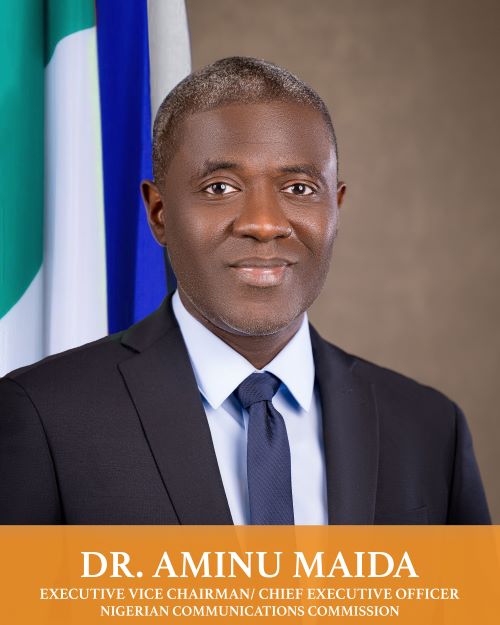
Dr. Aminu Maida
Executive Vice Chairman/CEO
Nigerian Communications Commission (NCC)