A.P. Moller -Maersk aims at having carbon neutral vessels commercially viable by 2030 and calls for strong industry involvement Aimed at accelerating the transition to carbon neutral shipping, Maersk announces today its goal to reach carbon neutrality by 2050.
To achieve this goal, carbon neutral vessels must be commercially viable by 2030, and an acceleration in new innovations and adaption of new technology is required. Climate is one of the most important issues in the world, and carrying around 80% of global trade, the shipping industry is vital to finding solutions. By now, Maersk´s relative CO2 emissions have been reduced by 46% (baseline 2007), approx. 9% more than the industry average. As world trade and thereby shipping volumes will continue to grow, efficiency improvements on the current fossil based technology can only keep shipping emissions at current levels but not reduce them significantly or eliminate them.
“The only possible way to achieve the so-much-needed decarbonisation in our industry is by fully transforming to new carbon neutral fuels and supply chains,” says Søren Toft, Chief Operating Officer at A.P. Moller – Maersk. Maersk is putting its efforts towards solving problems specific to maritime transport, as it calls for different solutions than automotive, rail and aviation. The yet to come electric truck is expected to be able to carry max 2 TEU and is projected to run 800km per charging. In comparison, a container vessel carrying thousands of TEU sailing from Panama to Rotterdam makes around 8800km. With short battery durability and no charging points along the route, innovative developments are imperative. Given the 20-25-year life time of a vessel, it is now time to join forces and start developing the new type of vessels that will be crossing the seas in 2050.
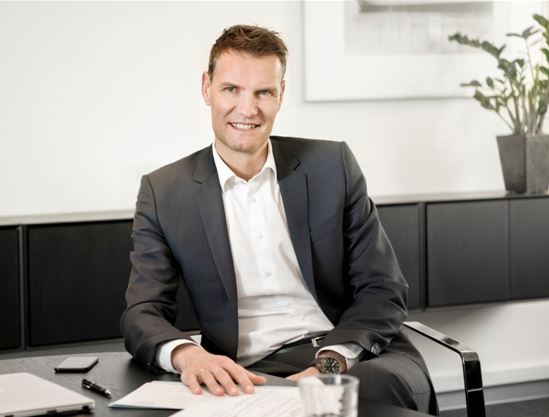
Chief Operating Officer
A.P. Moller-Maersk
“The next 5-10 years are going to be crucial. We will invest significant resources for innovation and fleet technology to improve the technical and financial viability of decarbonised solutions. Over the last four years, we have invested around $1billion and engaged 50+ engineers each year in developing and deploying energy efficient solutions. Going forward we cannot do this alone” adds Søren Toft.
“Research & Development is key to take the industry away from today’s fossil based technology and by setting this ambitious target, Maersk hopes to generate a pull towards researchers, technology developers, investors, cargo owners and legislators that will activate strong industry involvement, co-development, and sponsorship of sustainable solutions that we are yet to see in the maritime industry.
In 2019, Maersk is planning to initiate open and collaborative dialogue with all possible parties to tackle together one of the most important issues in the world; the climate change.”