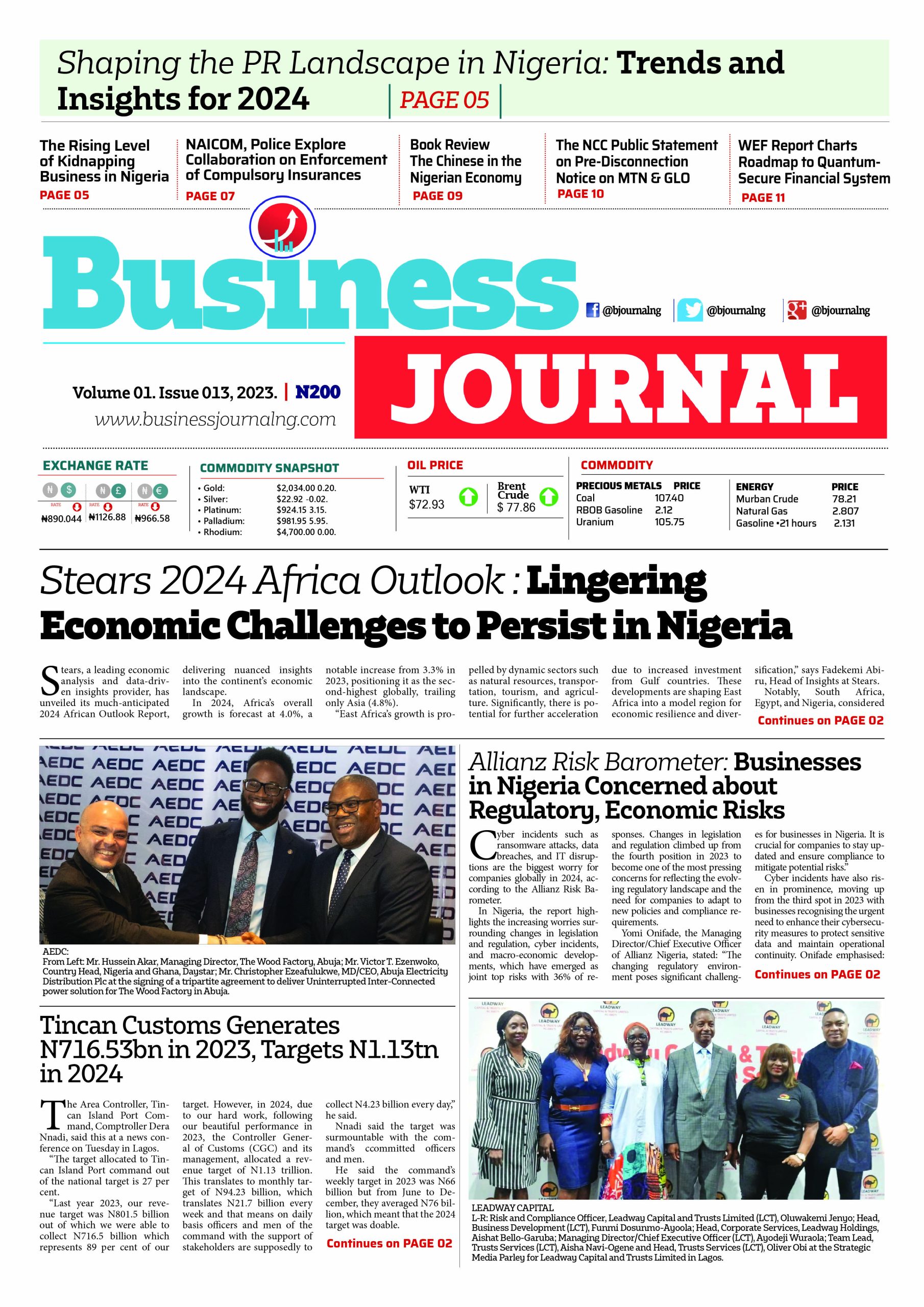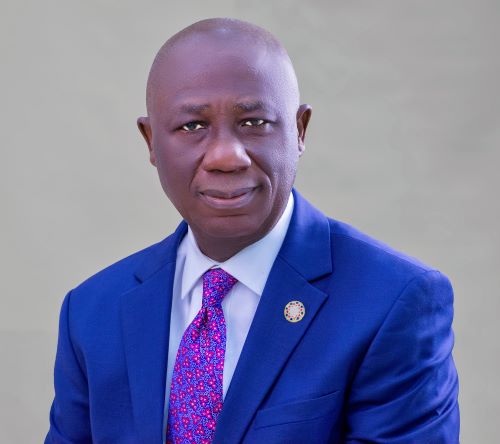


The Minister of Budget and Economic Planning, Senator Abubakar Atiku Bagudu, says Nigeria’s economy is witnessing a significant turnaround, driven by bold reforms, improved co-ordination and a renewed focus on national priorities.
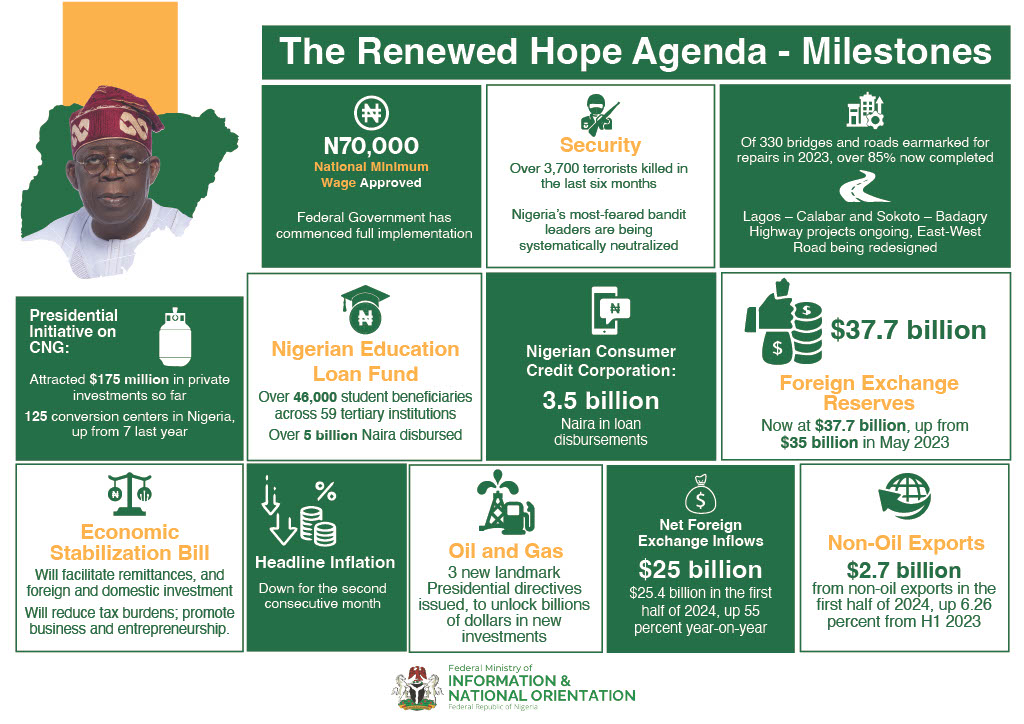
In a feature interview for an upcoming TV documentary marking President Bola Ahmed Tinubu’s second anniversary, the Minister declared that the government’s “Renewed Hope Agenda” is working and winning over investors at home and abroad.
“This is two years well spent,” Bagudu confidently stated, reaffirming the government’s commitment to the economic reforms.
“Mr. President confronted Nigeria’s economic realities with bold and necessary choices—tough as they might be—and those measures are now yielding results.”
Bagudu noted that the reform-driven economy has seen four consecutive quarters of GDP growth, exchange rate stability, and a resurgence in private sector confidence.
“We have seen four quarters of successive economic growth, stability in foreign exchange, and appreciation by Nigerians and the international community. Rating agencies have consistently appreciated what we are doing,” he said.
He added that foreign and domestic investors have responded positively to the government’s economic agenda, particularly agriculture, energy, and infrastructure.
“We have seen investors from Brazil, Belarus, and Saudi Arabia increasingly entering our agricultural space. The world economic community and multilateral institutions are putting more faith in our economy.”
According to the Minister, this renewed interest stems from the administration’s commitment to credibility, transparency, and structural change.
“Investors want to see good policy—can I get paid back? Are the numbers credible? Is the environment transparent? That’s why they appreciate when they see quarterly GDP growth,” he said.
“For the first time in 25 years, Nigeria is refining oil. Mr President was courageous enough to allow crude sale in naira to our refiners. This is a testament to his belief in our economy.”
Bagudu described removing fuel subsidies and unifying the foreign exchange market as transformative decisions restoring fiscal sanity.
“We were losing 5% of our GDP on fuel subsidy—money going to just a few,” he said. “Mr. President took the courageous step to end it.”
“The foreign exchange reform removed uncertainty and favouritism. We now have a fair market—willing buyer, willing seller—which has generated revenue growth and boosted private sector confidence.”
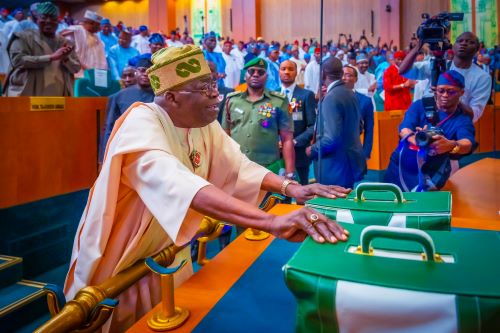
Bagudu said the 2024 and 2025 budgets balance fiscal responsibility and strategic investment in priority sectors.
“We have increased spending in health, education, infrastructure, security, and technology. The 2024 budget achieved significant deficit reduction, and more importantly, it showed that we are serious—and the markets believed us.”
He emphasised President Tinubu’s respect for the rule of law, even in managing inherited debt and Central Bank financing.
“Mr. President inherited ₦22.7 trillion in Ways and Means financing, but he insisted on respecting the Central Bank’s independence. That discipline is earning us credibility globally.”
The Minister credited the Presidential Economic Co-ordination Council and the Economic Management Team—led by President Tinubu and Co-ordinating Minister for the Economy, Wale Edun—with ensuring coherent, results-driven governance.
“This is teamwork. The President is the chief coordinator. He understands the global economic context, and the private sector respects him. We’re not just doing government-to-government coordination—the private sector is part of this reform effort.”
While acknowledging that the reforms may feel challenging in the short term, Bagudu likened the process to a necessary fitness regimen.
“Our economy is like a body going to the gym. It might feel painful now, but the muscles of progress are forming.
“Mr. President is saying: ‘I’m ready to take the pain so our children and grandchildren will inherit a more prosperous Nigeria.’ This isn’t just economic reform—it’s a moral responsibility,” Bagudu added.