Tuesday, May 19, 2026
24.9 C
Lagos

CBN Boss, Cardoso, Hosts BII, Reaffirms Commitment to Financial Sector Reform, Long-Term Capital

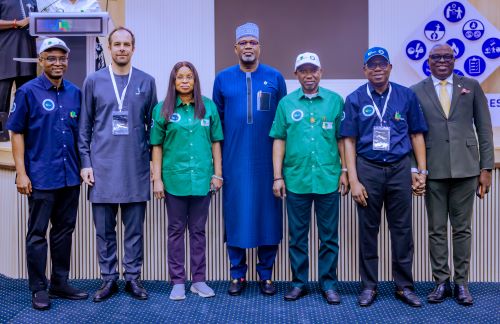
The Governor of the Central Bank of Nigeria (CBN), Mr. Olayemi Cardoso, on Wednesday, January 28, 2026, hosted a delegation from British International Investment (BII), led by its Chair, Ms. Diana Layfield, alongside the British High Commissioner to Nigeria, Mr. Richard Montgomery, as part of ongoing efforts to deepen financial sector reforms and attract long-term investment.

The Governor reaffirmed the CBN’s commitment to macroeconomic stability, credible monetary policy, and a transparent, data-driven regulatory framework aimed at strengthening the resilience of the banking system and improving financial intermediation.

Discussions focused on developments in the financial services sector, BII’s investment outlook, and opportunities to deploy patient capital in support of banking sector stability, financial inclusion, and sustainable private-sector growth.

The Governor noted that DFIs providing long-term capital and strong governance remain key partners in Nigeria’s reform agenda.

Ms. Layfield reaffirmed BII’s continued interest in Nigeria’s financial services sector, emphasising the importance of regulatory clarity and sustained engagement to support investment and inclusive growth.

The meeting was attended by members of BII’s Board and Executive Management, including Mr. Leslie Maarsdorp, Chief Executive Officer; Mr. Andrew Alli, Non-Executive Director; Mr. Simon Rowlands, Non-Executive Director; Mr. Chris Chijiutomi, Managing Director and Head of Africa; and Mr. Benson Adenuga, West Africa Regional Director and Head of the Nigeria Office, alongside senior officials of the British High Commission.

British International Investment is the UK’s development finance institution, wholly owned by the UK Government through the Foreign, Commonwealth and Development Office (FCDO), with total assets of £9.9 billion supporting over 1,600 businesses across emerging markets.


 

spot_img
spot_img
spot_img

Hot this week

CIG Motors: Pay ₦3m For a Brand New Car in May Splash Promo on Electric, Petrol Vehicles

New campaign introduces EasyPay auto-financing, major discounts and nationwide...

Understanding Why Corporates Need Credit Rating

In today’s dynamic financial landscape, silence leaves room for...

Distinguished Industry Veteran, Olusola Teniola, to Chair NDSF 2026

The organising committee of the 2026 Nigeria DigitalSENSE Forum...

The Nigeria Prize for Science & Innovation Hits New Peak as 2026 Edition Attracts 237 Entries

The 2026 edition of The Nigeria Prize for Science...

Heirs Insurance Group Named among Africa’s Fastest-Growing Companies in Financial Times Ranking

Heirs Insurance Group has achieved a landmark double recognition,...

Topics

Ecobank: Building Entrepreneurs, Supporting Financial Inclusion via Xpress Point Agents  

  Ecobank Nigeria has reiterated that its agency banking scheme,...

‘Linkage Assurance Financially Strong to Deliver Quality Services’

Underwriting firm, Linkage Assurance Plc is financially strong and...

N32M Won by 12 Nigerian Youths at Stanbic IBTC Pension Managers’ 2023 FUZE Festival

Stanbic IBTC Pension Managers, once again, successfully hosted the...

The IICC Media Retreat 2020

L-R: Mr Fatai Adegbenro, Executive Secretary, NCRIB; Mr. Rasaaq...

NAICOM Seeks Partnership with Nigeria Governors’ Forum on Insurance Penetration

The Commissioner for Insurance and Chief Executive of the...

Covid-19 Shutdown: 6 Tools to Aid Remote Working

By Elvis Eromosele Remote work was viewed as a fad....

CBN Imposes 0.5% Cybersecurity Levy on E-Transfers, Exempts 16 Items

The Central Bank of Nigeria (CBN) has imposed a...

Retail Index: Nigeria Drops to 4th Position in Africa

The 2015 African Retail Development Index released recently revealed that Nigeria dropped from Number 2 position in Africa to Number 4, though it remains a market to consider on the continent. Indeed, the report reveals the most attractive retail markets on the continent and discusses the growth of the middle-class in Africa, increased consumerism, the spread of malls, land being taken up for development for retail purposes and Sub-Sahara’s young and connected middle class that is growing fast and still deciding on its favourite brands.
spot_img

Related Articles

Popular Categories

spot_imgspot_img