
In view of the projection that the population in African cities will expand beyond the available resources and infrastructure, the leading management consulting firm, Boston Consulting Group (BCG), has advised African governments to collaborate with the private sector to build smart resilient cities.
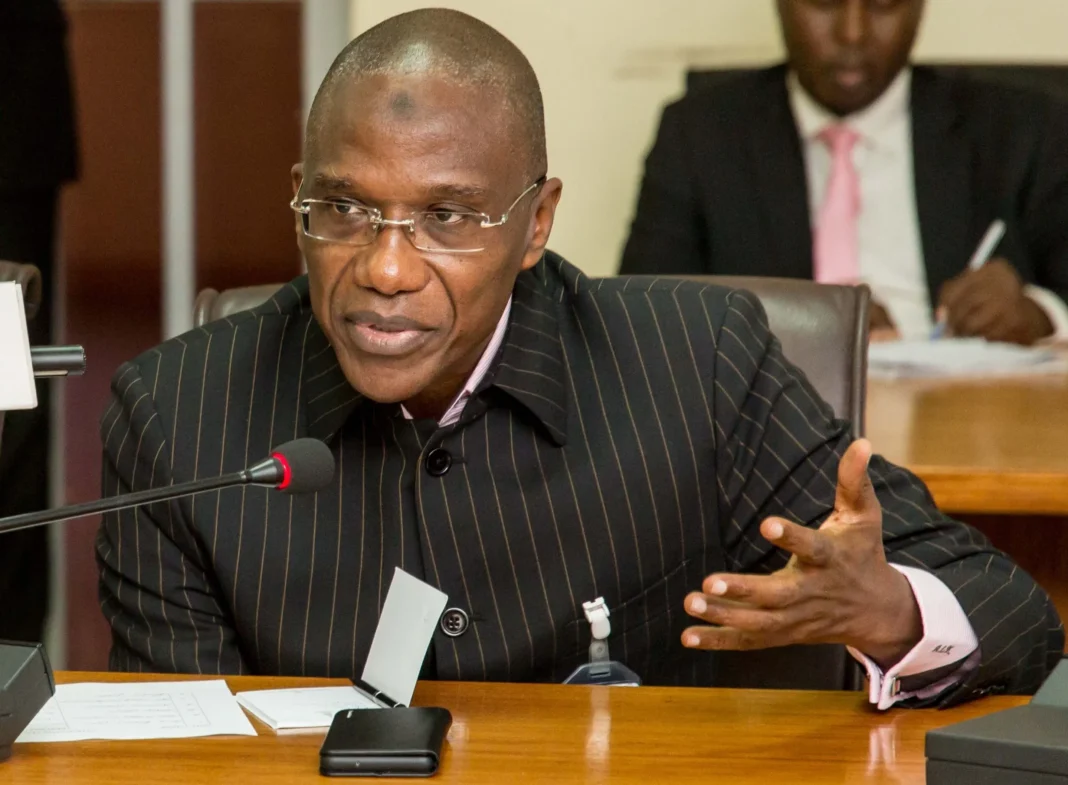
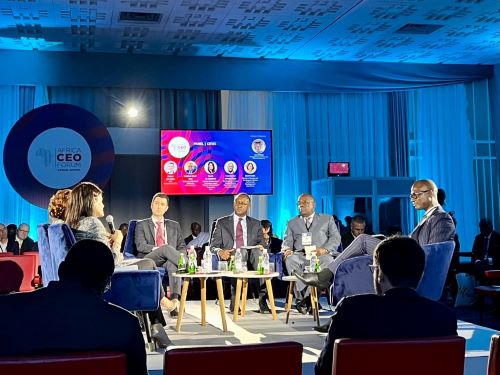
Tolu Oyekan, Managing Partner and Head of BCG Nigeria, gave this advice while moderating a session on “Megacities: Challenges and Opportunities of Unbridled Urbanisation“at the Africa CEO Forum 2022 held recently in Cote D’Ivoire.
The BCG partner and the discussants identified different ways by which African governments could collaborate with the private sector to respond effectively to the expected population growth through affordable housing, green and smart solutions.
The critical stakeholders who spoke at the session include Emmanuel Nyirinkindi, Vice President of Cross-Cutting Solutions, International Finance Corporation (IFC); Amaury de Féligonde, Managing Partner, Okan Africa; Marco Aurelio De Assis, CEO, Group Vivendi Africa; Rania A. Al-Mashat, Minister of International Cooperation, Egypt; and Kaba Niale, Cote D’Ivoire Minister of Planning and Development.
Citing United Nations prediction that African cities‘ population will double by 2050, Oyekan said the situation was likely to overwhelm the capacity of urban cities in the continent, which are already ill equipped to support existing residents.
Oyekan said, “Following the trend, issues such as migration and the potential continued pressure that could create come to the fore. For instance, a city like Lagos experiences about 80 to 100 new residents per day.
There is issue of climate change- with the expectation that cities will experience climate refugees if non-urban areas are not able to adapt appropriately. It is therefore important for governments in collaboration with the private sector to think about increasing digitalization and the potential to create smarter African cities.”
He identified some of the urgent needs that would be required by the huge population as good housing, education, healthcare, food security, adding that physical infrastructure such as strong multi-modal transportation network and electricity are necessities.
According to him, an inclusive economic framework that enables all demographics – women, men, youth, elderly, disabled – to access jobs that enable dignity or support self-employment and entrepreneurship will be required.
He asked the panellists to particularly speak to the climate impact of the population surge and possible solutions to mitigate the impact.
The subject matter experts spoke extensively on the challenges and opportunities in a period of rampant urbanisation, focusing on climate action, the development of clean energy, road network optimization and rapid construction of affordable housing.
Oyekan engaged the business and government leaders on the role of financial institutions in providing risk assessment and funding for sustainable infrastructure and clean energy projects in future African cities.
BCG’s diverse team of experts bring deep industry and functional insights as well as a range of perspectives to topical industry issues.
The ACF 2022 was a platform for international organisations, policy makers and business executives to connect and brainstorm on growth strategies for the continent.