Saturday, March 28, 2026
29.8 C
Lagos
Home Blog Page 43

Leadway Supports Nigerian Pavilion at London Design Biennale 2025

0

Leadway Group, one of Nigeria’s foremost non-banking financial service groups, has announced its sponsorship of the Nigerian Pavilion at the prestigious London Design Biennale, scheduled for June 2025. This sponsorship is a decisive commitment to the global celebration and representation of the next generation of Nigerian creatives through international convergence of Nigerian culture, innovation, and creativity.

From June 5 – 29, 2025, the Nigerian Pavilion, “Hopes and Impediments”, will take center stage at Somerset House, London, the UK’s largest creative community and a global hub for the arts.

The Pavilion curated and designed by Myles Igwebuike, founder of Nteje Studios, and produced by Culture Lab Africa and endorsed by the Centre for Black and African Arts & Civilisation (CBAAC) presents a radical reimagining of identity, historical memory, and indigenous knowledge systems through the lens of contemporary design.

Myles’ roots in South-Eastern Nigeria and experiences abroad have uniquely positioned him as a bridge between tradition and transformation; exploring how the South-East of Nigeria is a cultural powerhouse redefining narratives and inspiring a reawakening of national pride.

According to the Group Managing Director, Leadway Holdings, Tunde Hassan-Odukale, “at Leadway, we believe that the intersection of culture, creativity, and commerce holds immense power to shape society and inspire progress. Our support of Nigeria’s participation at the London Design Biennale 2025 aligns with our bold affirmation of the global significance of Nigerian artistry and innovation. This initiative is not merely about aesthetics; it’s about preserving heritage, amplifying our stories, and empowering the next generation of creative thinkers. Through this platform, we proudly invest in the limitless imagination of Nigerian youth and the enduring spirit that propels our nation forward.

“As a proudly Nigerian brand, we see this as an extension of our commitment to social investments and economic development through inclusive, future-forward and globally inspired engagements. We are honoured to be part of a movement that celebrates our identity, creativity, and the boundless potential of our people.” He concluded.

Commenting on Nigeria’s participation at this year’s Biennale, Hon. Aisha Adamu Augie, the Director General, Center for Black and African Arts and Civilisation (CBAAC), a proud partner and contributor to the Nigerian National Pavilion stated that, “Nigeria’s participation in this year’s London Biennale is critical to our collective goal of projecting the African heritage on the world stage. This provides a veritable platform for the best of African design and talents to showcase their capabilities and inspire a lot more in the creative sector in the process. Nigeria’s participation at this year’s Biennale will further cement its position as a leader in projecting African Heritage to the world,” she further added.

Leadway’s sponsorship strengthens its broader investment in the Nigerian creative community. The company has previously supported creative initiatives such as Leadway Media Dash, which provides free media exposure for young entrepreneurs and continues to support platforms like the Lagos Leather Fair, a critical initiative to elevate Nigeria’s leather craftsmanship.


NIMC: Police Service Commission Not Denied Access to Verification Server

0

The National Identity Management Commission wishes to inform the general public that all its verification service platforms are functional and accessible to all partners including all security agencies.

Furthermore, the Commission is aware of the purported ”inability of the Police Service Commission (PSC) to access the NIMC verification server.”

This information is not only misleading but also inaccurate.

To set the record straight, the NIMC granted verification access to all Nigerian Police formations for the verification of the National Identification Number (NIN).

The NPF, PSC and other security agencies have been enjoying uninterrupted verification services for over five years. NIMC has provided top-notch verification services for recruitment into the Nigeria Police Force, as conducted by the PSC and at no time have there been any complaints or issues regarding NIN Verification by the NPF or PSC.

The Commission has a robust and harmonious working relationship with the Nigerian Police Force and the Police Service Commission. The Information Communications and Technology (ICT) department of the Nigeria Police Force is actively managing the long-standing verification and integration service between the NIMC and all Nigeria Police formations. NIMC will continue to provide flawless verification services for the purpose of recruitment, security mapping, cybercrime control, and any other security matters.

The framework by which NIMC provides services to the security agencies was recently restructured for standardization and effective implementation, following consultation with the Office of the National Security Adviser, and NPF has confirmed the verification services have continued to be available. We therefore believe that any service interruption experienced by PSC may be due to internal matters.

NIMC is committed to providing excellent verification services to the PSC, NPF and all its partners but the terms and conditions inherent must be adhered to for uninterrupted flow of service.


AGF: Why We Discontinued Legal Action Against Fidelity Bank CEO

0

The attention of the Office of the Attorney General of the Federation and Minister of Justice has been drawn to reactions trailing the discontinuation of the criminal charge against the Managing Director and Chief Executive Officer MD/CEO of Fidelity Bank Plc.

The Attorney General’s decision to discontinue the criminal charge against Dr. Nneka Onyeali-Ikpe, MD/CEO of Fidelity Bank Plc, is a testament to the office’s commitment to upholding justice and fairness. As the chief law officer of the federation, the AGF has the constitutional power to enter a nolle prosequi, discontinuing a prosecution where it is deemed necessary to prevent a miscarriage of justice.

This decision followed a careful review of the case which did not connect Dr. Onyeali-Ikpe to the charge as she was neither the account officer nor the Managing Director of the Fidelity Bank when the account used in the alleged scheme of fraud was opened.

The Attorney General’s decision is guided by the principles of justice, fairness, and the rule of law, and we have every confidence that this decision is in the best interest of justice and the public.

This decision does not to exculpate Fidelity Bank from the allegations contained in the charge which is still pending before the court, but rather a demonstration of the Attorney General’s duty to ensure that justice is served.

We urge the public to allow the legal process to run its course and to refrain from speculation or jumping to conclusions.

The AGF will ensure that the best interest of Justice is served at all times and that all those found wanting, at any time, face the full weight of law to serve as a deterrent to others.

Kamarudeen Ogundele

S A to the President on Communication Publicity,

Office of the AGF& Minister of Justice

June 09, 2025

NIMC Enrolls 59, 786 Inmates in Correctional Centres Nationwide

0

The National Identity Management Commission has successfully enrolled and issued National Identification Numbers (NINs) to 59,786 inmates across correctional centres in Nigeria, in collaboration with the Nigerian Correctional Service (NCoS) to ensure inclusivity.

This initiative aligns with President Bola Ahmed Tinubu’s Renewed Hope Agenda, aiming to enrol all Nigerians and legal residents.

To date, 74% of inmates have been enrolled and issued NINs, with the remaining inmates to be enrolled in the ongoing inmate enrollment. NIMC appreciates the support of the Honourable Minister of Interior, Dr. Olubunmi Tunji-Ojo, the Comptroller-General, Mr. Nwakuche Ndidi, and the NCoS management and staff.

Furthermore, NIMC is set to commence ward-level enrollment across the country, a key component of President Tinubu’s Renewed Hope Agenda to strengthen the National Identity System.

NIMC DG/CEO, Engr. (Dr.) Abisoye Coker-Odusote emphasised that the Commission aims to work with strategic partners to enrol and issue NINs to all Nigerians and legal residents in every ward, ensuring no one is left out.


Is This the End of USSD Banking in Nigeria?

0

By Elvis Eromosele

For years, USSD (Unstructured Supplementary Service Data) banking in Nigeria has been a lifeline for millions of Nigerians.

It was simple, fast, and accessible even on the most basic mobile phones. From transferring money to paying bills, and checking balances to buying airtime, USSD provided seamless access to banking without the need for internet access.

But now, a terse, polite message from banks may have sounded the death knell of the service. In what feels like a final move in a long-standing tussle between telecom service providers and banks, the new directive from the Nigerian Communications Commission (NCC) mandates that going forward, USSD banking charges will be deducted directly from customers’ airtime, not their bank accounts.

The innocuous-looking message read in part “Dear Customer, from Tuesday, June 3, 2025, USSD banking charges will no longer be deducted from your bank account. Instead, the fees will be billed directly to your airtime in line with the NCC’s End-User Billing (EUB) directive. Each session will attract a charge of ₦6.98 per 120 seconds.”

Buried in this simple announcement is the latest twist in the long-drawn battle between telecom operators and banks over USSD service charges. This is a battle that has lasted for years, involving regulators and resulting in service disruptions, legal threats, and regulatory interventions. Now, it seems banks are preparing to exit the USSD battlefield altogether.

The NCC directive effectively removes the banks from the fee-collection equation and places the burden squarely on the end-user. For many, this change marks more than a billing switch; it signals the slow phasing out of a channel that revolutionised financial inclusion in Nigeria.

There are, undeniably, a few upsides to this new structure. First, customers now receive prompts before airtime deductions are made, ensuring a more transparent process.

Second, telcos finally receive payment for services rendered, which could encourage better service delivery and network investments. Finally, the new model simplifies the revenue flow i.e. banks no longer need to collect and remit fees on behalf of telcos. In short, the move creates regulatory clarity and administrative efficiency.

However, the challenges are just as significant, if not more so. USSD banking emerged as a revolutionary tool for financial inclusion. It brought formal financial services to people without smartphones, data, and internet access. With just a basic phone and a GSM line, millions of Nigerians were able to check balances, transfer money, and buy airtime.

Now, each session comes at a direct cost, ₦6.98 per 120 seconds. For the average urban user, this may seem trivial. However, for rural dwellers, low-income earners, petty traders, and others at the economic margins, this is a heavy toll.

There’s also the psychological shift. A service that was once “free” or indirectly billed now requires upfront airtime, confirmation prompts, and network reliability. Add this to the banks’ not-so-subtle nudging of customers towards mobile apps and Internet banking, and the writing becomes clear: USSD banking is being slowly phased out.

You can’t blame the banks, it’s simple economics. USSD doesn’t allow for tailored digital engagement or targeted marketing. It lacks the analytical depth of app-based platforms. And now that they must rely on telcos to facilitate and collect the fees, it’s no longer strategically beneficial.

But here’s the catch: Nigeria is still a country with high levels of digital illiteracy, device poverty, and limited internet penetration. To phase out USSD without adequate replacement infrastructure or support systems would risk reversing the gains made in financial inclusion over the past decade.

Some would argue that there would be winners and losers. Yes, Telecom operators who now receive direct payment for USSD sessions; banks which shed the headache of fee collection and shift customers to digital platforms they control and tech-savvy customers who already prefer app-based banking solutions are all winners.

However, low-income users who depend on USSD as their only form of banking, rural communities where smartphones and data access remain luxury items and Nigeria’s financial inclusion agenda which may face a major setback would all be losers.

Going forward, we must now ask: how do we preserve financial inclusion while embracing digital transformation? A few ideas come to mind:

Tiered USSD Pricing: Offer essential services (such as balance checks or intra-bank transfers) at no cost or heavily subsidised rates, while charging for higher-value services.

Digital Literacy Campaigns: Educate users, especially in rural areas, on the use of mobile apps and internet banking.

Device Accessibility Initiatives: Encourage partnerships to provide affordable smartphones and basic data packages.

Public-Private Subsidy Models: The government, banks, and telcos can jointly fund access for the poorest Nigerians, similar to universal service obligations in other sectors.

This shift in USSD billing policy may seem like just another regulatory adjustment. But for millions of Nigerians, it could determine whether they remain financially included or pushed out of the system entirely.

As we pursue a cashless, digital Nigeria, we must ensure that no one is left behind, not the market woman in Aba, the farmer in Katsina, or the street vendor in Agege. Progress should not come at the cost of access.

Eromosele, a corporate communication professional and public affairs analyst, wrote via [email protected]

Sanlam, Allianz Merge to Enhance Operations in Nigeria

0

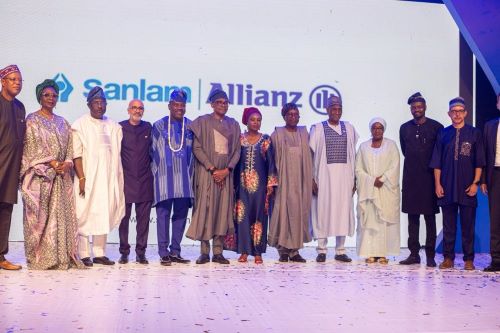
Sanlam, Africa’s biggest non-banking financial services powerhouse, and Allianz, one of the world’s most recognised global insurer, have announced a significant milestone in their Pan-African expansion strategy with the successful merger of their operations in Nigeria, one of Africa’s leading economies.

The merger, now branded as SanlamAllianz Nigeria, was officially announced on Thursday, June 5, 2025, during a high-profile launch event at the Oriental Hotel, Victoria Island Lagos.

Executives, regulators, partners, and the media gathered to witness the unveiling of the new brand.

SanlamAllianz Nigeria is part of a broader initiative by both parent companies to create Africa’s leading non-banking financial services group in different markets.

By leveraging Sanlam’s extensive continental footprint and achievements and Allianz’s global reputation and technical expertise, this new entity aims to offer enhanced customer experiences, innovative insurance solutions, and improved financial inclusion in Nigeria.

Speaking at a press briefing on the event day, Tunde Mimiko, MD/CEO of SanlamAllianz Life Insurance Nigeria, said: “Today marks a transformative chapter for Sanlam and Allianz but, even more importantly, the Nigerian insurance industry. Our joint venture, SanlamAllianz, is the fusion of complementary strengths, global expertise, rich underwriting heritage, and local insights designed to expand access to world-class insurance solutions for millions of Nigerians.

“At a time when Africa’s economic evolution demands more than traditional products, SanlamAllianz is committed to empowering individuals and businesses to build resilience, plan confidently, and drive inclusive growth. By embedding innovation and collaboration at our core, we aim to navigate the complexities of Nigeria’s market with integrity and excellence, setting a new benchmark for the insurance industry and securing the future of our people and businesses.”

At the heart of SanlamAllianz’s mission is a steadfast commitment to fostering Confidence in Nigeria. In an often-uncertain market, this partnership aims to be a beacon of stability and reliability for Nigerians and businesses. By delivering transparent, customer-centric solutions and upholding the highest standards of governance and ethics, SanlamAllianz seeks to build enduring trust, empowering individuals and enterprises to face the future with confidence.

Commenting on the merger’s significance for Nigerian economic development, Yomi Onifade, MD/CEO, SanlamAllianz General Insurance Nigeria, stated: “The emergence of SanlamAllianz Nigeria is timely and significant, especially as Nigeria has boldly announced its ambitions to achieve a $1 trillion economy. Such an ambitious goal requires the backing of a financially solid underwriter and exceptional risk management expertise.

“We understand that building confidence in the market involves more than just offering insurance products; it requires strict adherence to governance, transparency, responsiveness, and excellence in service delivery. At SanlamAllianz, we recognise the unique challenges that businesses and industries face and are well-positioned to provide tailored solutions that inspire trust and deliver real value.”

Sanlam and Allianz have already merged their businesses in several African countries, including key markets like Kenya, Morocco, Ghana, Uganda, Côte d’Ivoire, and now, Nigeria. This integration combines decades of experience across insurance and asset management, aligning operations to serve local markets better while streamlining product delivery and regional expansion.

With Nigeria’s low insurance penetration among its vast population, SanlamAllianz is strategically positioning itself at the right moment to transform the Nigerian insurance landscape. By embracing innovation, fostering financial inclusion, and expanding accessible coverage, the company aims to build lasting trust in insurance as a vital tool for long-term financial security.


About SanlamAllianz

SanlamAllianz is a leading Pan-African financial services entity, established in September 2023 through a joint venture between Sanlam, Africa’s largest non-banking financial services provider, and Allianz, one of the world’s foremost Insurers and Asset Managers.

Operating across 27 African countries, SanlamAllianz combines over two centuries of collective experience to offer a comprehensive suite of services, including life and general insurance, asset management, assistance, third-party administration, and retail credit.


NCDMB, NLNG Ramp up HCD Training as $5bn Train 7 Project Hits 80% Completion

0

The Nigerian Content Development and Monitoring Board (NCDMB) and Nigeria Liquefied Natural Gas (NLNG) Limited in Port Harcourt inaugurated 140 trainees for an intensive three-month Advanced Nigerian Content Human Capital Development (NC-HCD) Programme for the US$5 billion NLNG Train 7 Project on Bonny Island, Rivers State.

The trainees, who are graduates in different academic disciplines, had completed a 12-month Basic Training Programme in diverse oil-and-gas-industry-related skill sets and are now for the on-the-job phase which includes active hands-on participation in operational areas such as Turn Around Maintenance (TAM), Commissioning, and Desktop Programmes, among others.

In November 2024, a set of 331 trainees under Batch A of the NLNG T7 HCD Training Programme had begun capacity development in facility management, engineering, Information and Communication Technology (ICT), Health Safety and Environment (HSE), Quality Assurance and Quality Control, as well as welding and fabrication.

Another set of 77 trainees under Batch B of the same Training Programme began capacity development in data analytics and supply chain management among several other fields relevant to the operations of the oil and gas industry.

Addressing the trainees and trainers drawn from the Oil and Gas Trainers Association of Nigeria (OGTAN) as well as Management personnel of the NCDMB and NLNG, the Executive Secretary of the NCDMB, Engr. Felix Omatsola Ogbe, said the Advanced NC-HCD training is more than a milestone, but an expression of the collective commitment of the Board and the NLNG “to nurturing world-class Nigerian professionals who will shape the future of our oil and gas industry.”

He said the Board has remained steadfast in its conviction that Human Capital Development is “a critical investment in the sustainability and competiveness” of Nigeria’s oil and gas value chain, pointing out that over 400 Nigerians have undergone basic training in diverse technical, vocational, and specialized areas and are equipped with practical skills directly aligned with industry needs.

According to the NCDMB boss, who was represented by the Manager, Human Capital Development, Mrs. Tarilate Teide-Bribena, the Board and NLNG are “advancing even further by formally launching the on-the-job component of the NLNG Train 7 NC-HCD Programme,” which would see 140 bright and promising Nigerians gain practical exposure and real-time experience across technical domains within the NLNG operational plants in Bonny Island.

He commended the NLNG, which he described as “a trusted and forward-looking partner in the development of [Nigeria’s] human capital base,” for its unwavering partnership, noting that the company has not only complied with Nigerian Content requirements but “has consistently shown leadership in embracing the spirit of national capacity building.”

Engr. Ogbe also acknowledged the critical role of OGTAN for being instrumental in aligning training content, delivery standards, and capacity development frameworks with the actual needs of the industry. The trainers, he noted, have helped to bridge the gap between training and employability – ensuring that trainees do not just learn but are ready to add value from day one.

In her own remarks, the General Manager, External Relations and Sustainable Development of the NLNG, Dr. Sophia Horsfall, expressed profound appreciation to the NCDMB for productive collaboration on the HCD Programme, which she described as “a reaffirmation of NLNG’s unwavering commitment to human capital development.”

She said the support of the NCDMB has enabled the NLNG to effectively carry out its programme for the development of a strong, skilled and highly professional workforce for the country’s oil and gas industry. The trainings, she noted, are particularly significant as the NLNG Train 7 Project, which involves very advanced technology, has reached 80 per cent completion, and highly skilled technical manpower would be required. Final Investment Decision on the project was signed in December 2019.

On what she described as “robust, advanced … on-the-job training programme,” Dr. Hosfall disclosed that the trainees would work within the facilities of the NLNG on Bonny Island.

In closing remarks, the Nigerian Content Manager of NLNG, Engr. Dagogo Buowari, thanked the NCDMB for the partnership between the two organisations, and expressed his belief that the industry would continue to benefit from their collective endeavours.

He advised trainees to get themselves organised for their three-month programme on Bonny Island, which begins on June 16, 2025 and to ensure they do not become distracted in the course of their training.


Sterling One Foundation Marks World Environment Day with Focus on Plastic Waste

0

With plastic pollution still threatening lives, coastlines, and ecosystems across Nigeria, the Sterling One Foundation is taking concrete steps to confront the crisis through community-led cleanups, strategic partnerships, and ongoing policy engagement.

Earlier this year, the Foundation led a major cleanup at Elegushi Beach under its Beach Adoption Programme, a national initiative that has now formally adopted more than five beaches since 2021, including Alpha, Eleko, Lafiaji, Iwerekun and Okun Ajah.

Across these sites, the Foundation has cleared over 9,000 kilograms of waste, including more than 4,800 kilograms of recyclables, while working with local leaders to embed awareness and long-term stewardship in coastal communities.

“Our work on the beaches is not symbolic,” said Olapeju Ibekwe, CEO, Sterling One Foundation. “It is a deliberate strategy to improve coastal resilience, protect vulnerable populations, and link sustainability with real opportunity. Every cleanup is a chance to restore dignity to the environment and build trust in the systems meant to protect it.”

On June 13, Sterling One Foundation will join other stakeholders at WEDex 2025, a World Environment Day convening hosted by GreenHub Africa in partnership with the United Nations.

The Foundation will speak at the “Financing Youth Initiatives for Green Entrepreneurship” session at the UN House in Abuja, focusing on unlocking capital for community-based solutions to plastic waste.

The United Nations, a key partner on WEDex, also returns this year as co-convener of the Africa Social Impact Summit, scheduled for July 10 and 11 in Lagos.

The summit will focus on practical solutions for climate resilience and policy innovation under the theme Scaling Action: Bold Solutions for Climate Resilience and Policy Innovation.

“Plastic pollution is a development issue but also an untapped opportunity,” said Ibekwe. “If we do not treat it as urgent and systemic, it will keep undermining livelihoods, health, and climate goals.

Yet, if we engage the right partnerships and investment, plastic waste can be turned into a driver of jobs and innovation, especially for young people across the continent. The call now is for both the public and private sectors to act, to see beyond the problem and unlock its potential for good.”


About Sterling One Foundation

Sterling One Foundation (SOF) is a registered non-profit focused on tackling the root causes of poverty in Nigeria, and Africa through interventions and social impact programmes across three critical sectors namely: health, education and climate action & food security.

Gender Equality and women empowerment are integrated as a cross-cutting priority across all our programming areas.

The Foundation’s programmes adopt a central theme of prioritizing partnerships for the achievement of the Sustainable Development Goals (SDGs).

Union Bank’s alpher Initiative Enabled Business Success at NBCC’s Entrepreneurship Programme

0

Union Bank of Nigeria has reiterated its commitment to entrepreneurship and women’s empowerment through its alpher initiative by sponsoring the Nigerian British Chamber of Commerce (NBCC) Women and Youth Entrepreneurship Development Centre (WYEDC) Cohort 2 Programme, which has graduated 125 entrepreneurs who have benefited from firsthand entrepreneurship training and business grants.

Small and medium-sized enterprises (SMEs) in Nigeria account for more than 50% of industrial employment and contribute approximately 48% to the country’s GDP.

This makes entrepreneurship one of the economy’s building blocks and is a testament to Union Bank’s unwavering dedication to national development in partnership with NBCC.

In her welcome speech, the Director General of NBCC, Dr. Ebere Njoku, reiterated NBCC’s commitment to supporting entrepreneurship, women’s empowerment, and youth empowerment, citing these as catalysts for economic development and sustainability.

She appreciated the sponsors, partners and facilitators who devoted their resources and time to upskilling the participants.

The entrepreneurship initiative stemmed from the visionary goal of Mr. Ray Atelly, President and Chairman of the Council, NBCC, FRPA, to provide entrepreneurship and grant opportunities to Nigerian women and youths.

Mr. Atelly told the graduates in his speech: “This is your chance, make sure you take it. Don’t let any obstacle stop you because there will be many; if you let it stop you, your dreams are not strong enough. You need to keep pushing, someday you will sit at the top of a conglomerate and people will aspire to be like you.”

Also in attendance was the NBCC’s Patron, Senator Akin Odunsi, FRPA, who congratulated the Cohort 2 graduates.

He said: “I encourage all of you not to take the training you have received for granted. Use it as a landmark opportunity to be a beacon of hope to others who look up to you.”

He also urged the Chamber to provide internship opportunities after the six-month entrepreneurship training in organisations for the incoming Cohort 3 and beyond.

He added that the internship experience will give trainees the unique chance to practice what they learned and, in return, benefit the organisations from their acquired skills.

The goodwill message at the graduation ceremony was delivered on behalf of Mrs. Yetunde Oni, Managing Director and Chief Executive Officer of Union Bank of Nigeria by Mrs. Vivian Imoh-Ita, the Bank’s Head of Retail and SME Business, who appreciated NBCC for the life-transforming training they are providing to the youth and women entrepreneurs.

She further stated: “As a Bank, we understand that when we invest in women and youth entrepreneurs, we are investing in the most powerful catalysts of economic transformation. Through the Bank’s alpher initiative, we have enabled success for women-led businesses. In a volatile economy like Nigeria, the challenges facing entrepreneurs are dynamic and significant. As a Bank, we intend to prove that these barriers are not unconquerable and are growth opportunities.”

Three entrepreneurs, namely Evelyn Ekene Ani of Evani.Ng (First place), Martha Padonu of Beyond Photography (Second place), and Therietta Vershima of La Teriz (Third place) were declared winners of the Union Bank Business Pitch competition held during the graduation ceremony and were rewarded with funding for their businesses.

The Bank’s sponsorship of the training demonstrates its commitment to fostering a vibrant, innovative, and inclusive entrepreneurial ecosystem for women and all individuals.


About Union Bank Plc:

Established in 1917 and listed on the Nigerian Stock Exchange in 1971, Union Bank of Nigeria Plc. is a household name and one of Nigeria’s long-standing and most respected financial institutions. The Bank is a trusted and recognisable brand with an extensive network of over 300 branches across Nigeria. The Bank offers various banking services to individual and corporate clients, including current, savings, and deposit account services, funds transfer, foreign currency domiciliation, loans, overdrafts, equipment leasing, and trade finance. The Bank also offers customers convenient electronic banking channels and products, including Online Banking, Mobile Banking, Debit Cards, ATMs, and POS Systems.

Marcel Ofomata Foundation to Host Free 2-Day Medical Outreach in Anambra to Mark 10th Anniversary

0

As part of its 10th Anniversary celebrations, the Marcel Ofomata Foundation is set to host a two-day Free Medical Outreach this August, reaching residents in the communities of Isuofia, Nanka, and Igboukwu in Anambra State. This initiative reflects the Foundation’s enduring commitment to improving community health, advancing well-being, and ensuring access to essential medical care for underserved populations.

Inspired by the tremendous success of its 17th Free Medical Mission, the outreach will provide residents with comprehensive health services at no cost. Participants will receive free medical consultations and diagnostic services. The outreach will also offer treatment for common conditions and carry out minor surgical procedures where necessary. In addition, there will be eye screenings, with free prescription glasses given to those in need. Laboratory testing will be available, and the Foundation will also conduct health education sessions focused on preventive care and wellness practices.

The two-day event is scheduled to take place on August 13 and 14, 2025, beginning each day at 9:00 AM. On the first day, activities will be held at the Ozalla Primary Health Center in Isuofia. On the second day, the outreach will be conducted simultaneously at two venues: the Palace of the Igwe in Nanka and Landmark Hotel, Umudebe, Igboukwu.

Speaking ahead of the outreach, Abayomi Disu, Programs Director of the Marcel Ofomata Foundation, remarked, “This 2-day outreach is not only a response to urgent community health needs — it is also a celebration of 10 years of impact and service. Our goal is simple: to reach the unreached and bring healing where it’s needed most.”

The outreach is open to all residents of Isuofia, Nanka, Igboukwu, and surrounding towns. Everyone is encouraged to attend and take full advantage of this opportunity to receive free, quality healthcare from trusted professionals.

”This outreach stands as a shining example of what 10 years of service and dedication to humanity can achieve.” He further said.

For more information or to explore partnership opportunities, interested parties can contact the Marcel Ofomata Foundation via phone at (+234) 814 633 5302, by email at [email protected], or through the official website: www.marcelofomatafoundation.org.

The Foundation also maintains offices across Nigeria. In Abuja, it is located at Ojimadu Nwaeze House, behind Chida International Hotel, Utako. In Anambra State, the office is at Dr. Amaechi Ofomata Crescent, Ozalla–Isuofia Road, from Ekwulobia Junction, Aguata LGA. The Akwa Ibom State office is at No. 2 Amaecom Close, Off William Street, Aka Road – Uyo.


Vice President, Kashim Shettima, Commissions National Assets Restoration Programme

0

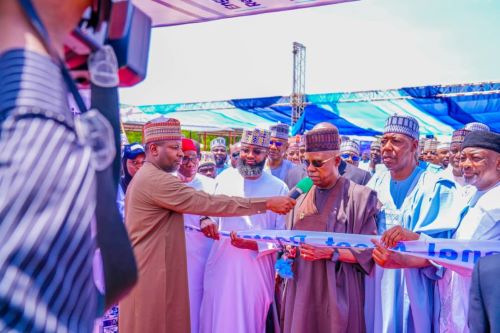
L-R: The Executive Vice Chairman/CEO NASENI, Mr. Khalil Suleiman Halilu; the Vice President, Federal Republic of Nigeria, Sen. Kashim Shettima; the Governor of Borno State, Prof. Babagana Umara Zulum; and the Minister of Agriculture, Senator Abubakar Kyari, as the Vice President commissioned the tractors refurbished by NASENI under its National Asset Restoration Programme in Maiduguri, Borno State.

The Vice President Kashim Shettima has commissioned over 375 tractors for use in mechanised farming revitalised by the National Agency for Science and Engineering Infrastructure (NASENI) under the National Assets Restoration Programme.

The Vice President commissioned the programme on Sunday June 8, at the Borno State Agricultural Mechanization Agency, Farm Centre in Maiduguri, Borno State.

According to Shettima, “this initiative, NASENI Asset Restoration Programme, is a response to our cross-generational dilemma about what to do with abandoned and poorly maintained assets owned by the nation and the people. It’s a powerful shift in how we think about value, sustainability, and innovation, and I believe that’s what we’ve promised the nation.”

“It fits squarely within the broader vision of President Bola Ahmed Tinubu’s administration: to build a productive, self-reliant, and diversified economy. Our goal, therefore, is to ease this transition to expand the potential and productivity of Nigeria’s agricultural, industrial, and creative sectors through smart investments in infrastructure, skills, and innovation. We must commend NASENI for stepping forward with this brilliant idea to mitigate a national tragedy. Beyond this promise to refurbish hardware, NASENI has shown a great capacity to serve as a national nerve centre for technology transfer, home-grown engineering, and adaptive innovation. This is why we must support them.”

In his special remarks, the Chief Host, Executive Governor of Borno State, Prof Babagana Umara Zulum, said these tractors being commissioned were procured by his predecessor, Sen. Kashim Shettima when he was the executive governor of Borno State. “He procured 1,000 tractors with their implements.

“His investment is the single largest not just in Borno state but also in Nigeria. The National Assets Restoration programme we are launching could not have been possible without that foundational investment”, he added, commending NASENI for restoring broken down tractors owned by Borno state government without collecting money from the state government.

The Executive Vice Chairman, NASENI, Mr. Khalil Suleiman Halilu in his keynote address said the Agency was showing that Nigerian problems can have Nigerian-engineered solutions.

“We are building local capacity, developing talent pipelines, and enabling technology transfer at scale. We are turning NASENI into a true national enabler-quietly but boldly proving that government can deliver, and that transformation is possible.”

When we set out to design the Asset Restoration Programme at NASENI, we were not just looking for another project to tick off. We were confronting a reality: that all across Nigeria, from farms to security outposts, public assets worth trillions of naira had been written off, locked away, or left to rust—not because they were beyond repair, but because there was no clear system to bring them back to life.

He said our national survey revealed that Nigeria holds over 47,000 broken-down but serviceable agricultural and law enforcement assets. The cost to replace them would exceed ₦14 trillion. “But at NASENI, we asked a simple question: Why replace what we can restore? With the right engineering, the right people, and the right partnerships, we found that we can recover these assets for just 15 to 25% of their replacement value—and still achieve full functionality. That is over ₦10 trillion in national savings, while reviving productivity, jobs, and security on the ground,” he added.

He thanked President Bola Ahmed Tinubu, and Vice President, Kashim Shettima for their endless support, belief in our mission, and their constant encouragement that we must not only think big—but act fast. He thanked Governor Zulum for his support and leadership which have helped bring this vision to life here on Borno soil—turning his state into the first node in this national restoration network.

In his address, Minister of Agriculture and Food Security, Sen. Abubakar Kyari who reeled out statistics of broken-down tractors nationwide said the National Assets Restoration Programme is a welcome development and it will be instrumental to meeting the foods security goal of the Renewed Hope Agenda of government. He commended the EVC of NASENI for the bold vision in rebuilding and repositioning NASENI.

Earlier, Engr. Mohammed Yadudu, Programme Coordinator, Asset Restore, NASENI, said with support from NASENI’s technical partner, the Machine and Equipment Corporation Africa (MECA) in December 2024, began to restore back idle government assets that have long fallen into disuse but held immense value for agricultural economy.

The dignitaries present at the event included the MD/CEO, Niger Delta Power Holding Company (NDPHC), Engr. Jennifer Adighije; the Director General, Federal Radio Corporation of Nigeria (FRCN), Dr. Mohammed Bulama; Senior Special Assistant to the President on Special Needs and Equal Opportunities, Hon. Mohammed Abba Isa; members of Borno State Executive Council; Dr. Muhammed Dahiru, Chairman, Presidential Implementation Committee on Technology Transfer; Secretary to the Borno State Government, Malam Bukar Tijani; and Borno State Commissioner of Agriculture, Eng. Bawu Musami; Speaker of Borno State House of Assembly, Abdulkarim Lawan; members of the National Assembly, and other top government officials in the State.

Stanbic IBTC Reaffirmed at ‘AAA (nga)’ by Fitch Ratings for Over a Decade

0

Stanbic IBTC Holdings Plc has once again set the benchmark for financial excellence in Nigeria, with Fitch Ratings reaffirming its ‘AAA (nga)’ rating and Stable Outlook, the highest rating on the national scale. This marks over ten consecutive years of maintaining this top-tier rating, underscoring the Group’s financial strength and commitment to Nigeria’s economic development.

Fitch’s latest rating action reflects the strength of Stanbic IBTC’s operating model, the Group’s prudent risk management practices, and its strategic importance to its parent company, Standard Bank Group (SBG) of South Africa, which holds a 67.55% shareholding in Stanbic IBTC.

This remarkable achievement underscores Stanbic IBTC’s unwavering commitment to financial stability and excellence. The report highlights Stanbic IBTC’s strong corporate and investment banking franchise, diversified income streams, robust capital generation, and comfortable liquidity coverage. The Bank’s strong earnings are supported by high non-interest income and a wide net interest margin.

Fitch also noted the Group’s effective handling of credit risk, with its impaired loans ratio remaining below regulatory standards at 4.4%, and a high 88% specific loan loss coverage. Liquidity levels remain comfortable across both local and foreign currencies, and the Bank continues to maintain a reasonable balance between deposits and loan disbursements.

Commenting on the achievement, Adekunle Adedeji, Acting Chief Executive, Stanbic IBTC Holdings, stated:

“This milestone speaks to our legacy of excellence, consistency, and long-term focus. Being affirmed at ‘AAA (nga)’ for over a decade by a global rating agency like Fitch speaks volumes about our corporate governance structures, risk controls, and commitment to supporting the Nigerian economy. We are proud of what this means, not just for Stanbic IBTC, but also for our clients, shareholders, and partners.”

Wole Adeniyi, Chief Executive, Stanbic IBTC Bank, added: “SBG’s strong integration with Stanbic IBTC, shared branding, and Pan-African strategy significantly contribute to our consistent top ratings. Stanbic IBTC Bank also retained its National Short-Term Rating of ‘F1+(nga)’, reflecting our exceptional capacity for timely financial commitments.”

This reaffirmation further validates Stanbic IBTC’s position as a trusted provider of integrated banking, asset management, pension, stockbroking, Fintech, trusteeship insurance, and investment solutions across Nigeria.

As we continue to drive sustainable value creation, we invite our clients, shareholders, and partners to join us in shaping the future of financial services in Nigeria.

Savannah Energy Reports Strong FY 2024 Unaudited Annual Results with 21% Increase in 2P Reserves at Nigeria’s Uquo Field

0

Savannah Energy Plc, the British independent energy company focused around the delivery of Projects that Matter, has announced its unaudited results for the year ended 31 December 2024.

The FY 2024 Unaudited Results show a Total Income of US$393.8 million, compared to US$289.8 million in FY 2023. This comprises of Total Revenues of US$258.9, compared to US$260.9 million in FY 2023, and other operating income of US$134.9 million, compared to US$28.9 million in FY 2023.

The results also show that Savannah Energy achieved or exceeded its previously issued financial guidance for the year, with its total revenues as of December 31 2024 standing at US$ 258.9 million, 6% ahead of previously issued guidance of greater than US$245 million.

Likewise, its operating and administrative expenses for the year came to US$71.0 million, 5% below previous guidance of up to US$75.0 million, with its capital expenditure at US$23.1 million, well below the previously issued guidance of up to US$50 million due to the phasing of spend.

The company also reported a record cash collection of US$248.5 million in FY 2024, an over 21% increase on its FY 2023 cash collections of US$206 million.  Its cash balances as of 31 December 2024 stood at US$32.6 million, compared to US$107.0 million as of 31 December 2023, and a net debt of US$636.9 million, compared to US$473.7 million by the end of December 2023. In the same vein, its gross debt as of 31 December 2024 was US$669.5 million, of which US$630.6 million (94%) was non-recourse to PLC.

Savannah’s FY 2024 Adjusted EBITDA stood at US$181.2 million, broadly in line with prior year’s US$184.1 million, while maintaining its Adjusted EBITDA margin at 70% which was 71% in FY 2023.

In terms of assets, its Total Group assets increased to US$1.6 billion as of 31 December 2024, compared to US$1.5 billion in 2023.

In terms of operations, the results show that its average gross daily production was 23.1 Kboepd, broadly in line with FY 2023’s 23.6 Kboepd, of which 88% was gas which was 91% in FY 2023.

The highlighted a 21% increase in 2P Reserves at its flagship Uquo field in Nigeria, bringing the total Reserves increase on the field since acquisition to 81%. This follows its announcement of a 29% increase in 2P Reserves on the Stubb Creek field in May 2025.

The report further showed that Savannah agreed and extended three gas contracts with customers in FY 2024 for a total of up to 105 MMscfpd (17.5 Kboepd), and realized an average sales price of US$4.68/Mscfe, an over 4% increase on the prior year average realised price of US$4.51/Mscfe.

Savannah reported that as of 31 December 2024, ₦332 billion of then ₦340 billion term facility signed by Accugas in January 2024 with a consortium of five Nigerian banks had been drawn down, with the resulting funds converted to US$, which, along with cash held, was used to partially prepay the existing Accugas US$ Facility, leaving a balance as at 31 December 2024 of approximately US$212.3 million.

It also reported that it signed a US$60 million debt facility in October 2024 with The Standard Bank of South Africa Limited and Stanbic IBTC Bank Limited to fund the SIPEC Acquisition.

Andrew Knott, CEO of Savannah Energy, said:

“I am pleased to announce our FY 2024 results today, in line with our trading statement released in January 2025, and to announce a 21% increase in 2P Reserves at our flagship Uquo field in Nigeria, bringing the total Reserves increase on the field since acquisition to 81%. This follows our announcement of a 29% increase in 2P Reserves on the Stubb Creek field in May 2025.

2025 continues to be an exciting year for the business and we continue to work towards “ticking-off” the delivery of the nine focus area projects that we outlined at the beginning of the year, being: (1) securing a further increase in our rate of cash collections in Nigeria1; (2) completion of the refinancing of our principal Nigerian debt facilities; (3) completion of the planned acquisition of 100% of Sinopec International Petroleum Exploration and Production Company Nigeria Limited (the “SIPEC Acquisition”) which was achieved during Q1 2025; (4) commencement of the Stubb Creek expansion project; (5) the advancement of our Chad/Cameroon arbitration processes2; (6) the commencement of the safe and successful drilling of our planned Uquo development well and potential Uquo exploration well; (7) the potential advancement of our R3 East development in Niger3; (8) the refinement of our power sector business model; and (9) the delivery of further transformational acquisitions. I would also highlight that we anticipate achieving a strong increase in cash collections in 2025 (even when set against our long-term 13% CAGR4), with significant production capacity growth expected in 2026 once our heavy Uquo field investment programme is completed.”


FY 2024 Highlights

Average gross daily production was 23.1 Kboepd, broadly in line with the prior year (FY 2023: 23.6 Kboepd), of which 88% was gas (FY 2023: 91%)5;

FY 2024 Total Income6 of US$393.8 million (FY 2023: US$289.8 million), comprising Total Revenues7 of US$258.9 million (FY 2023: US$260.9 million) and Other operating income8 of US$134.9 million (FY 2023: US$28.9 million);

FY 2024 record cash collections of US$248.5 million (+21% on FY 2023 cash collections of US$206 million). As at 31 December 2024, cash balances were US$32.6 million (31 December 2023: US$107.0 million) and net debt stood at US$636.9 million (31 December 2023: US$473.7 million). Gross debt as at 31 December 2024 was US$669.5 million, of which US$630.6 million (94%) was non-recourse to PLC;

FY 2024 Adjusted EBITDA9 of US$181.2 million broadly in line with prior year (FY 2023 of US$184.1 million) and Adjusted EBITDA9 margin maintained at 70% (FY 2023: 71%);

Total Group assets of US$1.6 billion as at 31 December 2024 (2023: US$1.5 billion);

Financial guidance for the year achieved or exceeded:

Total Revenues7 of US$258.9 million (6% ahead of guidance of ‘greater than US$245 million’);

Operating expenses plus administrative expenses10 of US$71.0 million (5% below guidance of ‘up to US$75.0 million’); and

Capital expenditure of US$23.1 million lower than guidance of ‘up to US$50 million’ due to the phasing of spend;

Three gas contracts with customers agreed and extended in FY 2024 for a total of up to 105 MMscfpd (17.5 Kboepd);

Average realised sales price of US$4.68/Mscfe (+4% increase on the prior year average realised price of US$4.51/Mscfe);

NGN340 billion term facility signed by Accugas in January 2024 with a consortium of five Nigerian banks (the “Transitional Facility”). As at 31 December 2024, NGN 332 billion of the Transitional Facility had been drawn down, with the resulting funds converted to US$, which, along with cash held, was used to partially prepay the existing Accugas US$ Facility, leaving a balance as at 31 December 2024 of approximately US$212.3 million;

US$60 million debt facility signed in October 2024 with The Standard Bank of South Africa Limited and Stanbic IBTC Bank Limited to fund the SIPEC Acquisition11; and

Uquo Marginal Field and the Stubb Creek Marginal Field were converted to new 20-year Petroleum Mining Leases, both effective 1 December 2023, in accordance with the Republic of Nigeria’s Petroleum Industry Act 2021.

Updated Competent Persons Reports

As previously announced on 19 May 2025, the Company appointed McDaniel & Associates Consultants Ltd. (“McDaniel”) to prepare updated Competent Persons Reports (“CPRs”) for the oil and gas assets of the Group. McDaniel have completed their assessment (prepared in accordance with the 2018 Petroleum Resource Management System) of the Reserves and Resources for the Stubb Creek and Uquo fields. The results from this CPR are set out in the tables below, along with comparisons vs. the Reserves and 2P + 2C Resources presented in the Company’s March 2024 Nigeria CPR as adjusted for production since publication.

Summary Comparison of Nigeria Gross Reserves

  Uquo Field Summary of Gross Gas Reserves (Bscf)
  1P 2P 3P
CPR, March 2024* 233.5 400.5 493.6
McDaniel, March 2025 320.2 484.9 544.8
Changes (%) 37% 21% 10%

*Prepared by CGG Services (UK) Ltd


  Stubb Creek Field Summary of Gross Oil Reserves (MMstb)
  1P 2P 3P
CPR, March 2024* 3.3 10.7 20.4
McDaniel, March 2025 9.7 13.8 18.1
Changes (%) 194% 29% -11%

* Prepared by CGG Services (UK) Ltd


    Nigeria Gross 2P Reserves and 2C Resources
CGG, 2024* McDaniel, 2025 Changes (%)
Uquo 2P Gas Bscf 400.5 484.9 21%
Uquo 2P Condensate MMstb 0.6 0.7 21%
Uquo 2C Gas Bscf 82.8 55.1 -33%
         
Stubb Creek 2P Oil MMstb 10.7 13.8 29%
Stubb Creek 2C Gas Bscf 515.3 513.1 0%
Nigeria 2P+2C MMboe 177.7 190.0 7%

*Prepared by CGG Services (UK) Ltd


2024 Sustainability Highlights

Publication today of our 2024 Sustainability Review and 2024 disclosure reports in accordance with the Task Force on Climate-Related Financial Disclosures (“TCFD”) and the Sustainability Accounting Standards Board (“SASB”) standards;

Strong safety record maintained during 2024 with a zero Lost Time Injury rate and Total Recordable Incident rate;

2024 scope 1 carbon intensity ratio fell 47% to 5.7 kg CO2e/boe (2023: 10.7 kg CO2e/boe), driven primarily by an absence of pipeline maintenance and by initiatives to reduce emissions at source (such as flare reduction) at the Uquo Central Processing Facility;

Total Contributions12 to our host nations increased 22% year-on-year to US$63.4 million (2023: US$52.0 million); and

Training hours per employee increased 32% year-on-year to 75 hours per employee with the increase largely due to a three-fold increase in health, safety and environment training hours.

Post-year End Update

On 4 March 2025, we announced the completion of an equity issuance raising, in aggregate, gross proceeds of approximately £30.6 million and the signing of a US$200 million acquisition debt facility providing access to potential funding for future hydrocarbon asset acquisitions (currently undrawn);

On 10 March 2025, we announced the completion of the SIPEC Acquisition and have commenced work on an up to 18-month expansion programme, anticipated to increase gross production to approximately 4.7 Kbopd;

The US$45 million compression project at the Uquo Central Processing Facility is almost complete, with one compressor online and the second to be commissioned before the end of this month. This project, which will be delivered under budget, will allow us to maximise the production from our existing and future gas wells;

The procurement process of long lead equipment is progressing in Nigeria in preparation for a potential two-well drilling campaign on the Uquo Field commencing in Q4 2025. Well site and flowline surveys have been completed for the Uquo NE development well (“Uquo NE”). This well is forecast to provide gas volumes of up to 80 MMscfpd. An additional exploration well in the Uquo Field (“Uquo South”) is also currently under consideration, which may be drilled back-to-back with the Uquo NE well. Uquo South is targeting an Unrisked Gross gas initially in place of 131 Bscf of incremental gas resources on the Uquo licence area as audited by McDaniel;

We are continuing to seek to progress the 35 MMstb (Gross 2C Resources) R3 East oil development in South-East Niger, subject to satisfactory stakeholder agreements being entered into.

We continue to progress our existing portfolio of up to 696 MW of wind, solar and hydroelectric projects, with our principal focus being on the up to 250 MW Parc Eolien de la Tarka wind farm project in Niger and the up to 95 MW Bini a Warak hybrid hydroelectric and solar project in Cameroon;

We are in the process of refining our Power Division business model, the remit of which has now been expanded to include potential thermal as well as potential renewable energy projects;

Cash collections YTD to 30 April 2025 were US$135.3 million (4 months to 30 April 2024: US$132.2 million). Delivering an increase in our rate of cash collections in Nigeria remains a key focus area in 2025. As at 30 April 2025 cash balances were US$77.2 million and net debt stood at US$601.6 million; and

Final documentation has been agreed with the lenders in respect of an increase in the Transitional Facility from NGN340 billion to up to NGN773 billion. It is expected that the agreements will be signed this month, and this upsized facility will be utilised to enable the remaining outstanding balance of the Accugas US$ Facility to be repaid. It is currently expected that this will be completed in H2 2025 and, once completed, this will align Accugas’ primary debt facility with the currency in which gas revenues are received.


 

Ecobank Nigeria Hosts Adire Lagos Exhibition Fair

0

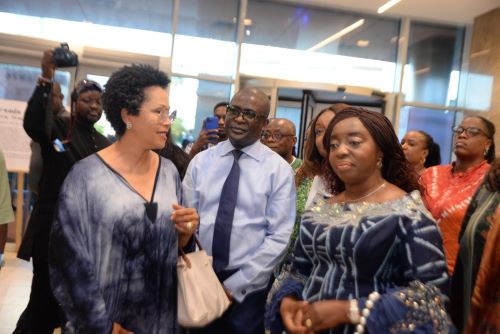
Left:  Founder, Chief Responsibility Officer, Ruff ‘n’ Tumble/ Founder, Betti-O School of Fashion, Adenike Ogunlesi; Managing Director/Regional Executive, Ecobank Nigeria, Bolaji Lawal and Lagos State First Lady, Her Excellency, Dr. Ibijoke Sanwo-Olu at the ongoing Adire Lagos Exhibition Fair holding at Ecobank Pan African Centre, Lagos.

Ecobank Nigeria has officially launched the much-anticipated fourth edition of its Adire Lagos Exhibition Fair, a vibrant cultural and commercial event dedicated to promoting Nigeria’s indigenous fashion industry and supporting Small and Medium Enterprises (SMEs).

The four-day fair ran from June 5 to 8, 2025 at the Ecobank Pan African Centre, Victoria Island, Lagos. Visitors are welcomed daily from 10:00 AM.

Over 130 vendors are showcasing a diverse range of Adire designs, fashion items, and lifestyle products. The fair attracts a wide audience, including fashion enthusiasts, cultural professionals, creatives, entrepreneurs, and shoppers from across Nigeria and beyond.

Notable dignitaries who have so far graced the fair include the Lagos State Commissioner for Tourism, Arts and Culture, Mrs. Toke Benson-Awoyinka, who represented the Lagos State Governor, Babajide Sanwo-Olu; Lagos State First Lady, Her Excellency, Dr. Ibijoke Sanwo-Olu; the wife of the former Ekiti State Governor, Erelu Bisi Fayemi ; Ogun State Commissioner for Women Affairs and Social Development, Mrs. Adijat Motunrayo Adeleye-Oladapo; former Chairman of Ecobank Transnational Incorporated, Emmanuel Ikazoboh; founding President of the FinTech Association of Nigeria (FANI), Dr. Segun Aina; and the owner of Nike Art Gallery, Nike Davies-Okundaye, among others.

Omoboye Odu, Head of Small and Medium Enterprises at Ecobank Nigeria, expressed delight at the strong turnout, stating: “This year’s exhibition promises a dynamic blend of established brands and emerging designers who embody innovation, cultural pride, and export potential.” She further emphasized the fair’s role as a major Corporate Social Responsibility (CSR) initiative by Ecobank.

“The Adire Lagos Exhibition Fair is a key CSR initiative, offering SMEs a platform to showcase their products free of charge while fostering economic growth and national unity. Last year’s event attracted over 20,000 visitors in four days, with one vendor making N30 million in sales—equivalent to six months’ revenue—demonstrating the fair’s strong commercial potential.”

Exhibitors also praised the growing appeal of Adire designs. Ms. Fadilat Lawal, Managing Director of Sanyaolu Trading Stores, Abeokuta, highlighted the durability and cultural symbolism of Abeokuta Adire. Ms. Cynthia Uma, Creative Director of Cecesignature Unisex Clothing, Lagos, emphasized Adire’s growing global recognition as a revenue driver for her business.

The Adire Lagos Exhibition Fair continues to serve as a premier platform for celebrating Nigeria’s cultural heritage while empowering local artisans and entrepreneurs to thrive.


Veritas Kapital Assurance Wins ‘Most Resilient Insurance Company of 2024’ at Champion Awards

0

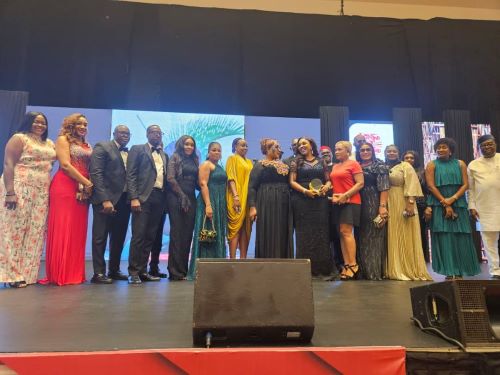
Veritas Kapital Assurance Plc has been honoured with the Most Resilient Insurance Company of the Year 2024 award at the highly anticipated Champion Awards held on Saturday, June 7, 2025 at the Eko Hotel and Suites, Victoria Island, Lagos.

The award, which celebrates strength, adaptability, and consistency in service delivery, was received by the Managing Director/Chief Executive Officer of Veritas Kapital Assurance Plc, Dr. Adaobi Nwakuche, who led the company’s delegation to the event.

In her acceptance remarks, Dr. Nwakuche expressed gratitude to the organisers and reaffirmed the company’s steadfast commitment to delivering exceptional value to its stakeholders.

“We are honoured to receive this recognition as the Most Resilient Insurance Company of 2024. This award reflects the hard work and dedication of our team, the loyalty of our customers, and our unrelenting focus on service excellence, innovation, and trust. We remain committed to strengthening insurance penetration and supporting economic growth through inclusive and reliable risk management solutions,” she said.

The Champion Awards is an annual event that recognises individuals and institutions who demonstrate leadership, resilience, and impact across various sectors of the Nigerian economy.

The 2024 edition attracted notable dignitaries, including business mogul, Aliko Dangote, the Deputy Governor of Lagos State, Dr. Kadri Obafemi Hamzat and several captains of industry, public officials, and stakeholders from the private and public sectors.

Veritas Kapital Assurance Plc’s recognition comes on the back of a strong year marked by strategic growth, operational reforms and a renewed focus on digital transformation and customer satisfaction. The company’s consistent performance amidst economic fluctuations has positioned it as a dependable partner for both corporate and individual policyholders.

The event also served as a platform to highlight the importance of resilience and innovation in sustaining business growth and economic progress in Nigeria.