Saturday, March 28, 2026
26.9 C
Lagos
Home Blog Page 38

The $200 Billion Quest for Reliable Electricity in Nigeria

0

By Elvis Eromosele

Nigeria is an energy starved nation. Imagine a country in the 21st century with over 200 million people and an unstable power supply. It’s a recipe for backwardness. It is also a sad commentary on the failure of successive governments over a hundred years. No wonder the hum of progress is too often drowned out by the silence of power outages.

Today, homes flicker into darkness, businesses grind to a halt, and dreams of economic growth stall in the face of an unreliable electricity grid. The numbers paint a grim picture. Nigeria generates a mere 6,000 megawatts (MW) of electricity against an estimated demand of 40,000 MW needed for a stable, nationwide supply.

The World Bank estimates this power deficit costs the economy $29 billion annually, an economic hemorrhage that highlights the urgency of reform. This may explain why Adebayo Adelabu, Nigeria’s Minister of Power, laid out a bold vision: a $200 billion investment over 20 years to deliver a 24/7 electricity supply.

This staggering figure, $10 billion a year, has sparked both hope and skepticism. Can Nigeria transform its beleaguered power sector, and what will it take to light up the nation?

Experts argue that Nigeria’s power crisis is a hydra-headed beast. The issues span generation, transmission, and distribution. The national grid, a relic of decades-old infrastructure, is plagued by inefficiencies. Reports indicate that for every 100 MW generated, 7.79 MW is lost in transmission, a figure that reflects both technical shortcomings and systemic neglect. Vandalism compounds the problem. Indeed, between January 2022 and October 2024, the government spent ₦29.3 billion (roughly $17.7 million) repairing 266 vandalised electricity towers, an average of $66,500 per tower. These fixes however are mere Band-Aids on a system that demands a full overhaul.

The human toll is palpable. In Lagos, small businesses and homeowners alike are compelled to rely on costly petrol/diesel generators to keep their machines/households humming. Many businesses spend more than half of their earnings on fuel.

Across rural Nigeria, entire communities remain off the grid, their potential stifled by darkness; e.g. Otueke in Bayelsa state. The metering gap, less than half of customers have metres, further complicates matters, leading to estimated billing and revenue losses for distribution companies and discontent from electricity consumers. These challenges are not new, but the scale of the solution proposed is unprecedented.

The $200 billion goal is ambitious. It seeks to achieve a generation capacity of 88,000 MW, enough to ensure uninterrupted electricity nationwide by 2045. This figure encompasses upgrades across the entire value chain, generation, transmission, and distribution. It also accounts for the integration of renewable energy, grid modernisation, and policy reforms to attract private investment.

Breaking down the numbers, the plan allocates significant funds to each segment. Transmission infrastructure, for instance, requires a massive investment. The Presidential Power Initiative, launched to modernise the grid, has already committed $1.9 million and €62.9 million in its first phase, boosting capacity by 2,000 MW.

Yet, industry experts estimate that $100 billion over 20 years is needed just to maintain current service levels, let alone expand them. Distribution upgrades, including metering initiatives, also demand substantial funding. The Nigerian Electricity Transmission Access Project (NETAP), backed by a $486 million World Bank credit, is a step toward addressing these gaps, but it’s a drop in the bucket compared to the broader need.

So, while the government focuses on grid expansion, decentralised solutions like mini-grids and solar projects are gaining traction. In a country where vast rural areas remain unconnected, off-grid systems offer a lifeline.

Mini-grids, in particular, are emerging as a game-changer. In northern Nigeria, communities like Gbangba in Niger State have seen transformative change through solar-powered mini-grids. One shudders to imagine what the people used before the project.

The private sector’s role is critical. Of the $32.8 billion needed by 2030 for universal electricity access, the government plans to provide $17 billion, leaving $15.8 billion to come from private investors.

Embedded generation, small-scale power plants serving specific communities or industries, and renewable projects like solar and hydro are seen as cost-effective, but progress is slow. Revenue shortfalls and bureaucratic red tape deter investors, leaving Nigeria’s power sector in a Catch-22: it needs funds to improve, but improvement is needed to attract funds.

The $200 billion estimate is a roadmap, but its success hinges on collaboration between government, private investors, and communities.

We can agree that the $200 billion price tag is daunting. But this is not just about money. Implementation efficiency, transparency, and anti-corruption measures are equally critical. Nigeria’s history of mismanaged projects looms large, with critics pointing to past initiatives that fizzled out despite hefty budgets. The truth is that the funds are one thing, but execution is another. Without accountability, $200 billion could vanish into thin air.

Short-term goals offer a glimmer of hope. Experts estimate that $15-30 billion by 2030 could stabilise the grid, expand metering, and deploy more mini-grids. These steps wouldn’t deliver 24/7 power but could significantly reduce outages and connect millions more to electricity.

For urban centres like Lagos and Abuja, grid upgrades could mean fewer blackouts. For rural areas, off-grid solutions could bridge the gap, promoting economic growth and improving quality of life.

The stakes are high. A reliable power supply could unlock Nigeria’s potential, fueling industries, creating jobs, and reducing poverty. The World Bank’s $29 billion annual loss estimate underscores the cost of inaction.

Yet, the path to transformation is fraught with challenges, technical, financial, and political. As Nigeria grapples with its power crisis, the $200 billion question remains: Can the nation muster the resources and resolve to light up its future?

Eromosele, a corporate communication professional and public affairs analyst, wrote via [email protected]


NHIA DG: Health Insurance Now Covers 20m Nigerians

0

The National Health Insurance Authority (NHIA), says it has expanded the national health insurance scheme to cover some extreme health cases including people with HIV (PLHIV) and for TB patients, with pilots under way in four states.

This was disclosed by Mrs. Aisha Abubakar Haruna, Acting Director, Lagos regional office of the NHIA who represented Dr. Kelechi Ohiri, the Director General of NHIA at the Annual General Meeting (AGM) of the Nigerian Association of Insurance and Pension Editors (NAIPE) in Lagos.

Ohiri, who announced that the health insurance now covers no fewer than 20 million Nigerians up from 16.8 million in 2023 and achieving 99 percent of the 2027 presidential target explained that the Authority achieved an additional 800,000 beneficiaries who joined the basic health care provision fund bringing the total to 2.6 million as of May 2025.

Ohiri also stated that the NHIA embarked on addressing drug shortages and care delays via the multi-project strategy.

He said: “NHIA has focused on expanding health insurance coverage, improving quality of care and protecting the rights of enrollees while strategically and creatively deploying health insurance to save lives in a way that contributes and sustains significant benefit to the health sector.

“As of June 2025, NHIA has achieved 20 million enrollees in the health insurance. This was the combined efforts by the state health insurance agencies, health maintenance organisations and the National Health Insurance Scheme. As a matter of fact, we have exceeded the mandates that have been given to us by the president. He gave us a target which we exceeded in June. We have a significant jump from 16.8 million Nigerians enrolled by 2023. By June 2025, we have hit 20 million. We have also embarked on addressing drug shortages and care delays via the multi-project strategy.”

The NHIA DG noted that from 2024 to 2025, NHIA has strategically intervened in the revision of tariffs revising the accreditation processes and mandating one hour limit on care authorisation while mitigating any previous issues for medicine shortages, denial, delay in issue codes and provider payment delays.

Stanbic IBTC Capital Advises Tolaram on Mandatory Takeover Offer of Guinness Nigeria

0

Stanbic IBTC Capital, a leading investment banking and capital market solutions provider is pleased to have acted as Sole Financial Adviser to Tolaram (acting through N Seven Nigeria Limited) on its recently completed Mandatory Takeover Offer (MTO) to the minority shareholders of Guinness Nigeria Plc, undertaken to comply with regulatory requirements following its acquisition of a 58.02% stake in Guinness Nigeria last year.

The MTO was completed on 20 May 2025 and Guinness Nigeria minority shareholders successfully tendered a total of 283,099,431 shares (₦22.94 billion transaction value), thus increasing Tolaram’s shareholding in Guinness Nigeria from 58.02% to 70.85%

Stanbic IBTC provided comprehensive end-to-end support across both transactions, delivering a full suite of investment banking and capital markets solutions to facilitate the successful completion of this complex corporate action.

“We thank Tolaram for the longstanding partnership and for trusting Stanbic IBTC Capital to handle this important MTO, having also advised Tolaram on its acquisition of Guinness Nigeria last year” said Oladele Sotubo, Chief Executive of Stanbic IBTC Capital.

Dinesh Rathi, Group Finance Director, Tolaram stated: “We are grateful for the end-to-end support Stanbic IBTC Capital provided Tolaram throughout the MTO process. Their on-the-ground presence and expertise was invaluable in navigating the regulatory landscape and ensuring that interested Guinness Nigeria minorities were given the opportunity to sell their shares at the same price that Tolaram acquired the Guinness Nigeria stake from Diageo Plc.

Guinness Nigeria has sufficient free float despite the MTO and Tolaram intends to continue to maintain Guinness Nigeria’s listing on Nigerian Exchange Limited”.

As the Nigerian business landscape continues to evolve, this deal marks a significant milestone for Stanbic IBTC Capital, underscoring its expertise in advising on complex transactions and delivering comprehensive financial solutions to clients.

SEC DG: Digital Assets Fraud Threatens Market Integrity

0

The Director General of the Securities and Exchange Commission (SEC), Dr. Emomotimi Agama, has expressed concern over the growing threat of digital assets fraud, warning that it poses a significant challenge to market integrity and undermines investor confidence.

Speaking in Abuja at an event to mark African Union Anti-Corruption Day, themed “Understanding Virtual Assets and Investment Fraud”, Agama noted that corruption continues to be a major obstacle to Africa’s economic growth, social development, and attractiveness to investors.

He stated: “Today, as digital innovation transforms financial systems, we face new challenges, particularly the rise of virtual asset fraud and sophisticated investment scams exploiting unsuspecting investors. These threats undermine market integrity, erode trust, and divert resources meant for sustainable development.”

He explained that the SEC, as a frontline regulator, remains committed to “strengthening investor education on recognising and avoiding fraudulent schemes.; Enhancing regulatory frameworks to keep pace with evolving risks in virtual assets and digital investments; and Fostering cross-border collaboration to combat corruption and illicit financial flows.”

He stated that the Investment and Securities Act (ISA) 2025 introduced key provisions to regulate virtual assets (cryptocurrencies, digital tokens, and other blockchain-based assets) in Nigeria, with Commission as the primary regulator for virtual assets classified as securities or investment products.

Agama stated that all Virtual Asset Service Providers (VASPs) (exchanges, custodians, brokers) must obtain SEC approval and meet capital, governance, and cybersecurity standards.

On risk disclosures, the SEC DG noted that all platforms must warn investors about volatility, fraud, and regulatory risks, warning that there are stiff penalties for market manipulation, insider trading, and Ponzi schemes.

“The ISA 2025 provides a comprehensive legal framework for virtual asset regulation, balancing innovation, investor protection, and financial stability. The SEC will continue to issue guidelines to ensure compliance while fostering a secure digital asset ecosystem.

“We urge all stakeholders—governments, private sector players, civil society, and citizens—to join forces in promoting transparency, accountability, and ethical practices. Together, we can build resilient markets that drive Africa’s prosperity”, he added.

In his remarks, the Chairman of the Economic and Financial Crimes Commission (EFCC), Mr. Ola Olukoyede, described virtual asset fraud as a fast-evolving threat to national economic security.  “Another rising criminal engagement that has a potential to outpace, even money laundering, on the continent is virtual assets and investment scam.”


Fidelity Bank Delivers Hope to Internally Displaced Persons in Benue State

0

Team Lead, CSR, Fidelity Bank Plc, Victoria Abuka (Left); CEO, The Abbasid Charity Foundation, Hauwa Abbas (Centre); and Branch Leader, Fidelity Bank Plc, Makurdi, Terwase (Right), representing the Regional Bank Head, North Central, Sadi Zawiya, with some beneficiaries during the Fidelity Food Bank distribution event in Makurdi, Benue State recently.

In a timely gesture aimed at improving the plight of internally displaced persons (IDP) in Benue State, leading financial institution, Fidelity Bank Plc, has distributed mattresses and essential food items to over 2,000 victims of the Yelwata attacks currently taking refuge at the Ultra-Modern International Market IDP Camp in Makurdi.

The donation, which was carried out in collaboration with the Abbasid Charity Foundation, is part of Fidelity Bank’s ongoing commitment to supporting vulnerable communities through its flagship Fidelity Food Bank program. Since its launch in April 2023, the Food Bank has distributed over 200,000 food packs to beneficiaries across Nigeria’s six geo-political zones.

Speaking about the donation event, the bank’s Divisional Head, Brand and Communications, Dr. Meksley Nwagboh reaffirmed Fidelity Bank’s dedication to Corporate Social Responsibility (CSR) and its mission to uplift communities.

His words: “Since its launch, the Fidelity Food Bank initiative has helped to alleviate the effect of poverty and malnutrition across the country. We are honored to be back in Benue State to continue this impactful initiative, and we hope that today’s donation brings much-needed relief and comfort to the beneficiaries during this difficult time.”

In her remarks, the Executive Officer, the Abbasid Charity Foundation, Mrs. Hawa Abbas, emphasised the importance of restoring dignity to the displaced, stating that the donation of mattresses was to ensure the IDPs no longer sleep on bare floors.

“This gesture is our way of letting the displaced persons know that they are not forgotten. We care deeply for them, and we hope this donation offers some comfort and hope, even in these difficult circumstances,” Abbas noted.

The Executive Secretary of the Benue State Emergency Management Agency (SEMA), Dr. James Iorpuu, who was represented by Camp Manager, Mr. Robert Nyom, expressed deep appreciation to Fidelity Bank and the Abbasid Charity Foundation for their timely support.

“Your intervention has brought much-needed relief to the camp and we thank you for your compassion and generosity towards improving the welfare of the displaced persons,” he said.

The bank’s outreach to the International Market IDP Camp in Makurdi represents the most recent of its ongoing critical and timely interventions. Previously, through its Food Bank Initiative, the bank provided essential food items to more than 1,500 residents impacted by the recent flood disaster in Mokwa, Niger State.


About Fidelity Bank Plc

Ranked among the best banks in Nigeria, Fidelity Bank Plc is a full-fledged Commercial Deposit Money Bank serving over 9.1 million customers through digital banking channels, its 255 business offices in Nigeria and United Kingdom subsidiary, FidBank UK Limited.

The Bank is the recipient of multiple local and international Awards, including the 2024 Excellence in Digital Transformation & MSME Banking Award by BusinessDay Banks and Financial Institutions (BAFI) Awards; the 2024 Most Innovative Mobile Banking Application award for its Fidelity Mobile App by Global Business Outlook, and the 2024 Most Innovative Investment Banking Service Provider award by Global Brands Magazine.

Additionally, the Bank was recognised as the Best Bank for SMEs in Nigeria by the Euromoney Awards for Excellence and as the Export Financing Bank of the Year by the BusinessDay Banks and Financial Institutions (BAFI) Awards.

Union Bank Responds to Court Ruling on NICON, Global Fleet, Jimoh Ibrahim Case

0

Union Bank of Nigeria acknowledges the recent judgment of Justice Abike Fadipe of the Ikeja

High Court in the matter involving Senator Jimoh Ibrahim, NICON Investment Limited, Global Fleet and the Bank.

We wish to assure our customers, partners, and the public that Union Bank operates with the highest levels of professionalism, ethical conduct, and legal compliance in all our dealings.

While we respect the authority of the court, we strongly disagree with the judgment delivered and have instructed our lawyers to file an appeal against it immediately.

The court’s findings, including its position on the consolidation of indebtedness, locus standi, and third-party liability, are at variance with established legal principles and the Bank’s

understanding of the facts. We are confident in our legal position and intend to vigorously pursue all lawful avenues to ensure that justice is served.

Union Bank had previously transferred the relevant debt obligations to the Asset Management   Corporation of Nigeria (AMCON), and we maintain that all actions taken in this regard were in line with applicable laws and banking practice.

We reiterate our unwavering commitment to acting in good faith, protecting stakeholder interests, and preserving the integrity that has defined our institution for over a century. The Bank remains resilient and focused on continuing to deliver excellent service and value to its customers.

We appreciate the continued trust and support of all stakeholders as we navigate this legal process.


Mrs. Olufunmilola Aluko

Chief Brand and Marketing Officer

Union Bank of Nigeria

NAICOM, CIIN Laud IMT for Advancing Tech-Driven Insurance in Nigeria

0

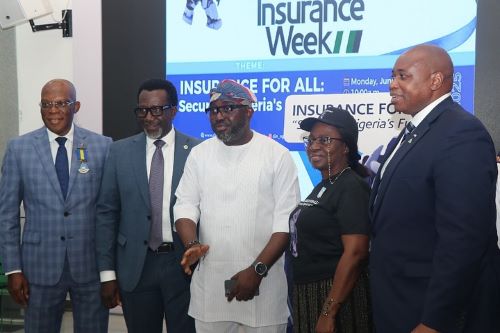
The Commissioner for Insurance (CFI) and the CEO of the National Insurance Commission (NAICOM), Mr. Olusegun Omosehin, and the President of the Chartered Insurance Institute of Nigeria (CIIN), Mrs. Yetunde Ilori, have both commended Insurance Meets Tech (IMT) Conference for its transformative role in accelerating digital adoption and innovation in Nigeria’s insurance sector.

The insurance leaders made the commendation during the Opening Ceremony of the maiden edition of the CIIN Insurance Awareness Week in Lagos. The event, themed “Insurance for All: Securing Nigeria’s Future,” brought together key insurance stakeholders, policymakers, technology professionals, and experts to discuss the future of insurance in Nigeria.

Ilori commended the consistent and rich discussions, as well as the relevance of the collaborative showcases, through which the annual engagement event has highlighted the importance of a technology-first approach in reforming the Nigerian insurance industry.

In his remarks, Mr. Olusegun Omosehin commended the work of IMT in reshaping the industry through innovation and the Convener’s commitment over the years.

“Digital innovation is no longer optional; it is essential to the growth and relevance of insurance in today’s Nigeria. Platforms like Insurance Meets Tech are not just forums for discussion; they are engines of disruption that are modernising how we engage with the insuring public. I want to commend the Convener for this disruptive idea, calling all to embrace technology and build the trust necessary to deepen insurance penetration across all strata of society,” he said

CIIN President, Mrs Yetunde Ilori: “The work being done by Insurance Meets Tech is reshaping how our industry operates—breaking traditional boundaries and creating room for innovation, particularly among younger, tech-savvy consumers.”

“This initiative is giving the insurance sector a much-needed edge, increasing acceptance and relevance while driving sustainable impact on the economy. It is clear that the future of our profession depends on how well we integrate digital tools and think into every facet of our operations.”

Odion Aleobua, Founder/Convener, Insurance Meets Tech (IMT), thanked the distinguished insurance thought leaders for the kind words, saying, “we are deeply honoured by the endorsement of Nigeria’s insurance leadership—Commissioner for Insurance, Mr. Olusegun Omosehin and CIIN President, Mrs Yetunde Ilori. Their support for Insurance Meets Tech reflects a shared commitment to transforming the industry through tech and digital innovation. This affirmation of our value creation proves that when regulators, practitioners, and technologists unite, we can build an insurance ecosystem that serves every Nigerian, digitally and inclusively.”


NCDMB Unveils Nigerian Content Fund Certificate, Empowers 130 firms with $400m NCI Fund

0

The Nigerian Content Development and Monitoring Board has introduced the Nigerian Content Fund Clearance Certificate (NCFCC) as a mandatory compliance document for contractors and operators in the oil and gas sector.

The certificate was launched during a Stakeholders’ Sensitisation workshop held in, Lagos, where the Board also showcased an upgraded Nigerian Content Development Fund payment portal and a revised Community Contractors Finance Scheme.

The NCFCC is now a prerequisite for contract bidding, project approvals, and Board certifications in the oil and gas industry. It forms a core part of NCDMB’s regulatory drive to ensure full compliance with statutory financial contributions as stipulated by section 104 of the Nigerian Oil and Gas Industry Content Development (NOGICD) Act.

The NOGICD Act mandates all entities in the upstream sector of the Nigerian oil and gas industry to pay one percent of the value of their contracts into the Nigerian Content Development Fund (NCDF), managed by the NCDMB for developing Nigerian content in the oil and gas and linkage sectors.

In line with these regulatory developments, the Board announced that over 130 indigenous companies had accessed funding from the $400 million Nigerian Content Intervention Fund (NCI Fund). The NCI Fund is a portion of the NCDF managed in partnership with the Bank of Industry and the Nigerian Export-Import Bank, to provide low-cost finance to qualified oil service companies, to enhance their competiveness and deepen Nigerian content performance in the oil and gas industry and grow the national economy.

Speaking at the event, the Executive Secretary of NCDMB, Engr. Felix Omatsola Ogbe said the certificate and digital tools were designed to enhance compliance, transparency, and access to finance for indigenous contractors.

“This programme is more than a workshop; it reaffirms our commitment to deepen Nigerian content, enhance oversight, and open up financing opportunities for indigenous and community-based contractors,” Ogbe stated.

The Executive Secretary who was represented at the workshop by the Acting Director, Finance and Personnel Management, Mr. Mubaraq Zubair explained that the revamped NCDF portal and the compliance certificate system would facilitate real-time remittance verification and streamline approval processes. He added that the restructured Community Contractors Finance Scheme, developed in collaboration with financial institutions, would boost grassroots participation.

Zubair said: “We have removed critical access barriers by collaborating with banks like FCMB to bring financing closer to host communities.”

In a presentation on the NCFCC policy, Supervisor, Planning and Policy Development, NCDMB, Dr. Ayebatonye Epemu, explained that the NCFCC had become mandatory for upstream companies, vendors, and consultants.

“It is now a precondition for bidding, certifications, and approvals. Processing takes 14 working days, and the certificate is valid for 12 months. Companies are required to submit their requests via the NOGIC-JQS portal.” Epemu said.

Speaking on the performance of the NCI Fund, Group Head, Oil and Gas at the Bank of Industry, Mr. Gabriel Yemilade, disclosed that the bank disbursed $348.296 million and ₦48.289 billion to 79 local firms active in marine logistics, upstream exploration, modular refining, gas processing and fabrication.

In his words, “the fund has evolved from an initial $200 million in 2017 to $300 million by 2020, due to high demand. We are enabling local content through direct financial support,”

Yemilade reaffirmed BOI’s administration of the Community Contractors Scheme, which offers loans of up to ₦100m at eight per cent interest yearly, secured by valid contracts or Standing Payment Orders.

In his remarks on the administration of the Community Contractor Fund, the head, Midstream and Dealers at FCMB, Akintomide James, outlined the bank’s role in disbursing the ₦50 billion facility secured from NCDMB under the revised Community Contractors Finance Scheme. He explained that the fund was targeted at supporting community-based contractors and indigenous service providers in the oil and gas value chain, particularly those executing contracts for operating and service companies.

James stated that FCMB, the first primary financial institution enlisted in the revised scheme, would leverage its pedigree, vendor financing experience to deploy tailored support for local contractors. The scheme offers competitive pricing at eight per cent yearly with a single obligor limit of ₦100m and a tenor of one year, including moratoria of up to 90 days.

He noted that applicants must be Corporate Affairs Commission-registered, possess regulatory permits, and present verified purchase orders, work orders or invoices. Acceptable collateral includes irrevocable standing payment order (ISPOs)from contract awarders.

According to James, the bank’s product offerings include LPO financing, invoice discounting and facilities for asset acquisition, all designed to ease access to finance.

Delivering a complementary perspective, Head of Specialised Business at NEXIM Bank, Mohammed Awami, revealed that the bank launched two dedicated funding windows worth $50m to support indigenous oil and gas service providers.

He said the initiative, comprising a $30 million General Facility and a $20 million Women in Oil and Gas Programme, targets equipment leasing, contract finance, and working capital, in alignment with NCDMB’s inclusion goals. “We have recorded a strong response, with a success ratio of 4.6:1. These facilities empower local service providers and promote gender diversity in the sector,” Awami added.

Addressing the challenges around fund access, General Manager of the NCDF, Fateemah Mohammed, represented by ErefaghaTurner, said although disbursements had grown significantly, many applicants still struggle with collateral and documentation.

“Between January 2024 and May 2025, we saw an 11.43 per cent increase in disbursement volume and a 21.06 per cent rise in naira value. However, only 30.47 per cent of applicants met disbursement conditions under BOI windows,” she noted.

To tackle these gaps, the Board is expanding sensitisation campaigns, simplifying requirements, and considering flexible security structures – particularly for women and community groups.


Local Content, NCDMB on the Spotlight at 2025 NOG Conference

0

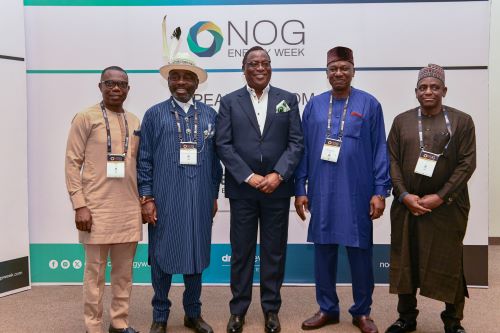
The recently held 2025 Nigeria Oil and Gas (NOG) Conference in Abuja highlighted the pivotal role of the Nigerian Content Development and Monitoring Board (NCDMB) in advancing local content policies and driving Nigeria’s energy sector transformation.

At different sessions at the conference, leaders of the of the Nigerian oil and gas industry lauded the contributions of NCDMB and highlighted the impact the Nigerian Oil and Gas Industry Content Development (NOGICD) Act has played in transforming the oil and gas landscape, emphasising the need for continued support by Government and other stakeholders.

Through strategic initiatives, partnerships, and policy advocacy, NCDMB has empowered indigenous companies, fostered economic resilience, and positioned Nigeria as a leader in regional energy collaboration.

NCDMB’s Strategic Contributions to Local Content
The NOG Conference, spanning June 30 to July 2, 2025, showcased NCDMB’s leadership in implementing local content policies that have significantly reshaped Nigeria’s oil and gas industry.

At the gala dinner, Green Energy International Limited (GEIL) praised NCDMB for enabling the commissioning of the Otakikpo Crude Export Terminal in Rivers State, Nigeria’s first indigenous onshore crude oil export terminal in over 50 years.

With a $400 million initial investment and a projected total cost of $1.3 billion, the terminal, featuring a 750,000-barrel storage capacity (expandable to 3 million) and a 360,000-barrel-per-day pumping capacity, exemplifies NCDMB’s success in fostering indigenous infrastructure development. By reducing evacuation costs by up to 40%, the terminal enhances the economic viability of marginal fields, aligning with NCDMB’s goal of boosting Nigeria’s crude output to 2 million barrels per day.
NCDMB’s “Nigeria First” policy, emphasized by Executive Secretary Engr. Felix Omatsola Ogbe during the conference’s opening, underscores a commitment to prioritising local goods, services, and capabilities across the oil and gas value chain.

Building on the Nigerian Oil and Gas Industry Content Development (NOGICD) Act of 2010 and President Bola Tinubu’s Executive Orders, the policy mandates local procurement unless foreign alternatives are justified, aiming to retain economic value, create jobs, and drive technological innovation. NCDMB is operationalizing this through a “Nigeria First Procurement Policy,” integration into Nigerian Content Plans, and studies to assess local service provider capacities, ensuring transparency and accountability.
The revamped Community Contractors Financing Scheme, part of the Nigerian Content Intervention (NCI) Fund, was another focal point. Restructured to address past inefficiencies, the scheme now offers up to ₦100 million in loans to community contractors, with simplified collateral requirements and partners with financial institutions like FCMB and the Bank of Industry (BOI), to enhance accessibility and participation in the value chain for oil-producing communities. This initiative reflects NCDMB’s dedication to inclusive growth, ensuring host communities benefit directly from energy projects.
The “Back-to-the-Creek” initiative, showcased during the conference, further demonstrates NCDMB’s focus on human capital development. Targeting underserved oil-producing communities, it promotes STEM education, vocational training, and digital skills through digitization programs, heritage preservation, and educational empowerment schemes. By aligning with President Tinubu’s 8-Point Agenda, this initiative aims to create a skilled workforce, fostering inclusive development and economic opportunities in marginalized areas.

Local Content Achievements and Industry Impact

NCDMB’s local content policies have driven a significant shift in Nigeria’s energy landscape, with indigenous producers now accounting for over half of the nation’s oil and gas output, as highlighted by Abdulrazaq Isa, Chairman of the Independent Petroleum Producers Group (IPPG).

The Divestment and the transfer of onshore and shallow water assets from international oil companies (IOCs) to local operators has enabled IPPG members to target 1.3 million barrels per day of oil and 4.5 billion cubic feet of gas by 2027. The successful transfer of assets to local players were enabled by the growth of Nigerian Content in the operating and service sides of the oil industry, as Nigerian operators have shown capacity to play in the big league.

NCDMB’s support for financing, policy stability, and capacity building has been instrumental in this transition, fostering economic linkages and industrialization.
The conference also underscored NCDMB’s role in major infrastructure milestones. Engr. Bashir Bayo Ojulari, Group CEO of NNPC Ltd, highlighted NCDMB’s support for the Ajaokuta-Kaduna-Kano (AKK) Gas Pipeline’s progress, including its successful crossing of the River Niger, with completion expected by Q4 2025. NCDMB’s collaboration with the Nigerian Upstream Petroleum Regulatory Commission (NUPRC) also supported initiatives like the Project 1 Million Barrels, contributing to a production increase to 1.7 million barrels per day, with a target of 2.5 million by 2026.
Also at the NOG, industry leaders defended NCDMB’s local content framework against criticisms that it inflates costs, arguing that its economic benefits, including job creation and GDP growth, far outweigh short-term expenses.

Dr. Daere Akobo of Pana Holdings highlighted NCDMB’s role in projects like Africa’s first digital refinery, emphasizing technology’s role in enhancing efficiency. Mr. George Onafowokan of Coleman Cables and Wires praised NCDMB’s data-driven approach, noting a 56% local content achievement as a significant milestone.

Regional Influence and Challenges Ahead

NCDMB’s local content model is gaining traction across Africa, with Nigeria’s policies serving as a blueprint for regional energy collaboration.

Dr. Ernest Nwapa, NCDMB’s pioneer Executive Secretary of NCDMB, noted that over 16 African nations have adopted similar laws, inspired by Nigeria’s NOGICD Act. The conference highlighted initiatives like the West African Gas Pipeline and the Nigeria-Morocco Gas Pipeline, which position Nigeria as a key gas supplier to Europe. Ghana’s Deputy Chief Executive, Nasir Alfa Mohamed, called for standardized regulations and joint regulatory bodies to enhance cross-border collaboration, while Engr. Farouk Ahmed of NMDPRA emphasised the PIA’s Midstream and Downstream Gas Infrastructure Fund as a model for de-risking investments.
Despite these achievements, challenges remain. Panelists at NOG Energy Week stressed the need for sustained investment in human capital to support Nigeria’s refining ambitions, as infrastructure alone is insufficient without skilled professionals.

Mr. Anibor Kragha of ARDA highlighted Nigeria’s $2 billion expenditure on imported petrochemicals in 2023 as a gap that local capacity development could address. NCDMB’s focus on training and education, through initiatives like “Back-to-the-Creek,” aims to bridge this gap, but scaling these efforts requires broader stakeholder collaboration.
Criticisms of local content policies as cost-inflationary were addressed head-on, with panelists arguing that fragmented data and operational inefficiencies, not local content mandates, are the primary cost drivers. NCDMB’s emphasis on technology integration and data consolidation was seen as critical to addressing these issues, ensuring cost efficiency while maintaining local participation.
NCDMB’s participation at the 2025 NOG Conference underscored its transformative impact on Nigeria’s energy sector. By championing local content through policies like “Nigeria First,” revitalising community financing, and investing in human capital, NCDMB is driving indigenous leadership, economic resilience, and regional collaboration.

As Nigeria aims for 2 million barrels per day by mid-2025 and beyond, NCDMB’s strategic vision positions the country as a global energy hub, with local content at the heart of sustainable growth.


UBA Announces Strategic Expansion into Key Markets across Africa

0

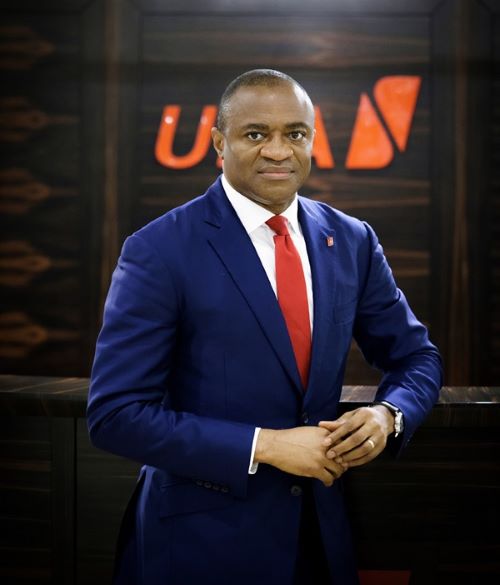
UBA Group senior executives recently concluded the Group’s Half Year Business Review. Held at global headquarters in Lagos Nigeria, Group Managing Director/CEO, Oliver Alawuba, brought together executives responsible for UBA’s twenty-four countries of operation.

It was an opportunity to restate the Group’s pan-African strategy, and commitment to further expanding the Group’s coverage across high potential markets across Africa, while also deepening its operations in its existing twenty African presence markets. With over 51.7% of Group revenues from ex Nigerian operations, UBA’s journey to being Africa’s most diversified financial services group was clearly in evidence,

The international strategic intent reinforces with the Group’s intention to deliver innovative financial solutions to its fast-growing global customer base. The strategy demonstrates UBA’s unique position as Africa’s global bank and ability to leverage growth opportunities in emerging and leading African markets.

The Group commenced its Pan African journey, with its entry into Ghana in 2004, followed by rapid expansion into 18 additional African markets. Today, as a resilient and future-focused institution, UBA continues to push boundaries by connecting Africa to the world and the world to Africa.

Alawuba highlighted the Group’s expansion plans, disclosing that the Group is excited about the vast opportunities that the new markets present, a testament to UBA Group’s confidence in the African economy, providing world-class banking services that meet the continent’s evolving needs.

“UBA’s vision is clear – we are building a truly global institution anchored in Africa, but serving customers across continents. Further strategic expansion positions us to unlock new opportunities, support intra-Africa trade and deliver world-class banking experiences wherever our clients choose to do business,” Alawuba said.

“In Europe, UBA has operations in the United Kingdom and upgrading its license in France, expanding its capacity to serve cross-border trade, investment flows, and the African diaspora, complementing our over 40-year presence in NY. These moves signal a clear message of UBA’s intent to reshape the competitive landscape”, Alawuba further said.

As part of the Group’s plan to expand its global presence, UBA, in January, announced plans to open operations in Saudi Arabia.

Operating in 20 African countries and the United Kingdom, the United States of America, France and the United Arab Emirates, UBA provides retail, commercial and institutional banking services, leading financial inclusion and implementing cutting edge technology.

United Bank for Africa is one of the largest employers in the financial sector on the African continent with 25,000 employees’ group wide and serving over 45 million customers globally.

Capital Market: Shettima, Agama, Others Charge Judiciary to Foster Confidence

0

Vice President Kashim Shettima, the Minister of State for Finance, Doris Uzoka Anite, the Director-General of the Securities and Exchange Commission Dr. Emomotimi Agama and other stakeholders in the capital market called on Nigeria’s judiciary to enhance trust and efficiency within the country’s capital market.

They stressed that the judiciary has a critical role in driving the agenda of the federal government to achieve the N1tn target for the Nigerian economy.

Speaking at the Securities and Exchange Commission (SEC) Judges’ Workshop in Abuja, Shettima highlighted how effective dispute resolution mechanisms underpin investor confidence and market stability.

Themed “Repositioning the Nigerian Capital Market for National Economic Transformation through Effective Dispute Resolution,” the workshop brought together the Chief Justice of Nigeria, President of the Court of Appeal, Chief Judges, Attorney-General, SEC officials and key legal practitioners.

“A strong and trustworthy capital market is fundamental to national economic transformation,” the Vice President said.

He noted that beyond its role as a trading platform, the capital market mobilizes long-term funds crucial for infrastructure, business expansion, and job creation, all vital to Nigeria’s development goals amid a young and growing population.

Shettima stressed that investor trust hinges on a legal system capable of resolving disputes promptly and fairly.

“Justice delayed is justice denied, especially in financial markets where timing is critical,” he stated, urging judges to deepen their knowledge of capital market laws and work closely with the SEC to uphold market integrity.

He also reassured participants of the government’s commitment to supporting judicial independence and improving access to justice, including through alternative dispute resolution techniques such as mediation and arbitration, aimed at easing court congestion and speeding up settlements.

Also speaking, Agama said the workshop seeks to build judicial capacity, encourage consistency in rulings, and foster collaboration between regulators and the judiciary.

He commended the President and the National Assembly for the successful passage and signing into law of the Investments and Securities Act, 2025.

He said: “The ISA 2025 is a legislative success, a legal milestone and a reform that ushers in a new era for our capital market.

“By enacting this progressive law, Nigeria has taken a bold step toward fostering a more transparent, efficient, resilient and secure investment climate.

“The diligent efforts of the Executive and Legislative arms in ensuring the seamless passage of this Act reflect a shared commitment to economic growth, financial stability and sustainable development.

“Your excellences, the capital market community celebrates this achievement and we express our sincere gratitude for your unwavering dedication to policies that advance our collective prosperity.

“May this Act serve as a beacon for further economic reforms that will attract investments, empower businesses and create lasting opportunities for all Nigerians.

“This workshop is part of the Commission’s objective of engaging the Judiciary in all aspects of capital market operations especially on the specialized law, regulations and ethics upon which market integrity heavily relies on.

“This Workshop is part of the firm commitment of SEC to a deeper engagement with all stakeholders, ensuring that the provisions of the ISA 2025 are widely disseminated, discussed and fully understood, in order to achieve our goals in restoring investors’ confidence, bringing timely succour to aggrieved investors and creating a broad-based participation of Nigerians in wealth creation. “

Within the context of national economic transformation, Agama said the capital markets assume a more prominent role, as no economy can develop without a vibrant and resilient capital market that facilitates capital formation and promotes economic growth.

“The capital market is critical to addressing our challenges, such as infrastructure deficit and unemployment, by supplying government with long term financing for infrastructure and allowing companies to raise funds to expand their operations and create jobs.: he said.

“As judges, your interpretations of these provisions will set legal precedents that will shape market behaviour for decades.

“Furthermore, recent cases have highlighted the need for judicial preparedness. This workshop will therefore provide practical case studies on capital market litigation, foster dialogue between judges, regulators, and market operators and equip the judiciary with tools to handle sophisticated financial crimes.”

The Chief Justice of the Nigeria, Justice Kudirat Kekere-Ekun said the capital market is no longer a distant abstraction limited to high finance or institutional investors, adding that it has become a critical lever of economic participation and empowerment.

She said: “From pension contributors and fintech entrepreneurs to diaspora bond subscribers and small-scale investors, the capital market affects livelihoods, opportunities, and national competitiveness.

“As such, it is not merely an economic mechanism, it is a democratic tool for wealth creation and national stability. Yet, like all vital systems, it is vulnerable.

“The capital market is a repository of trust, but also a potential site of distortion. It is a platform for innovation, but also susceptible to fraud and regulatory 4 arbitrage. In this regard, the Judiciary has a profound role to play.

“Not as passive arbiters, but as active custodians of economic integrity and commercial justice. We must acknowledge the emergence of new financial frontiers— digital assets, cryptocurrency transactions, green financing instruments, and transnational securities.

“These developments often outpace the tools of traditional adjudication. It is not sufficient to apply existing principles without adaptation; nor must we yield to the illusion that novelty negates precedent. Instead, we must engage with these issues in a manner that preserves legal consistency while remaining responsive to evolving commercial realities.”

The CJN said the recent enactment of the Investments and Securities Act, 2025 is a welcome development, adding that the provisions offer enhanced regulatory clarity and investor protection mechanisms.

She added: “Our task, therefore, is to breathe life into these 5 statutory instruments and to give them meaning that aligns with legislative intent, commercial logic, and ethical consciousness.

“This workshop is not simply a training exercise. It is a platform for self-examination and renewal; a crucible for deepening our understanding of the demands that modern financial adjudication places on the Bench.

“The decisions we render in capital market disputes reverberate beyond the courtroom; they shape public confidence, influence investor behaviour, and impact the stability of financial institutions. Let us not lose sight of the powerful signals our decisions send.

“When justice is swift, sound, and credible, capital is attracted, innovation flourishes, and prosperity becomes inclusive. When judgments are delayed, ambiguous, or uninformed, economic activity is stifled and confidence eroded.

“The Judiciary must therefore see itself not only as an interpreter of the law but as a co-architect of national economic order.”

In her comments, Uzoka-Anite emphasised the significance of the platform for dialogue and capacity building among institutions responsible for maintaining financial market integrity.

She described the capital market as a catalyst for economic growth, structural development, innovation, and job creation, especially in a potential-rich economy like Nigeria.

According to her, the collaboration between regulators, the judiciary, and all stakeholders is essential to preserve public trust, resolve disputes efficiently, and ensure consistent interpretation and application of capital market laws.

She identified SEC as a critical partner in achieving Nigeria’s economic agenda through regulatory oversight of the capital market.


Universal Insurance Reports N15.25bn Premium, N2.8bn Profit in 2024

0

L-R: Dr. Jeff Duru, Managing Director/CEO, Universal Insurance Plc; Mrs. Nkechi Naechie-Esezobor, Chairperson, Nigerian Association of Insurance and Pension Editors (NAIPE) and Mr. Tunji Oyebayo, Head, Marketing, Universal Insurance Plc at the 2024/2025 NAIPE AGM in Lagos.

One of the oldest insurance companies in Nigeria, Universal Insurance Plc has reported Gross Written Premium (GWP) of N15.25 billion in the financial year ended December 31, 2024.

The Managing Director/CEO of the Company, Dr. Jeff Duru, disclosed this in Lagos while speaking at the 2024/2025 Annual General Meeting (AGM) of the Nigerian Association of Insurance and Pension Editors (NAIPE).

He also disclosed that as at the first quarter of 2025, the Company achieved a GWP of N8.07 billion, above 100 per cent higher than the target for the quarter.

According to him, “last year, we recorded N15.25 billion in Gross Written Premium (GWP) and profit after tax of N2.8 billion. Our shareholders’ funds as at the first quarter was in the neighbourhood of N16.4 billion when compared to N13.25 billion reported in 2024. We are charged to serve the public better to make them have that experience. Our claims payment is now top-notch. Our services are top-notch. We are fully computerised. All our Personal Line products are digitised. You can go through our website, access our products, get your quotes and make payment there seamlessly, and you can also initiate claims payment and we follow it up at the backend.”

He continued: “Universal insurance has come to stay and to serve the industry, give them the peace of mind, give them an excellent customer experience. That is what we are doing.

“As at the first quarter, we have produced N8.07 billion in terms of GWP, and that was about 130% of our first quarter target. We are progressive, we are highly innovative and bringing insurance to the doorstep of our customers, with seamless operations, accessibility and affordability. Our products are highly affordable. You can try us and you will get the best service with peace of mind.”

On products and initiatives, Duru said: “Our initiatives and products include Shop in Shop cover. The shop in shop cover was basically designed for shop owners and businessmen that operate businesses at a the Small and Medium Enterprise (SME) level. It provides them with fire insurance cover, burglary, hotel insurance cover, cover for personal injury and alternative accommodation during relocation effort.

“We have OkadaPass. This product was designed for companies, organisations that are into delivery, people that deliver products and services through bike. It’s an online or digital service provision for the delivery business. It covers the bike, the rider and the package, because the package can be of great value to the service providers and personal injury to the riders.

“Our initiatives also include our digital customer portal, mobile app through which our customers can access our products, get quotes, initiate renewals, and initiate claims.

“We have our digital chat box, or Artificial Intelligence (AI)-driven chat box and visual assistant. That is 247 services that will take the position of our service centers at any point in time, our chat box will deliver fantastic experience to the customers both chat and voice services.

“We have our digital pre and post loss survey, especially for motor vehicles. Now the manual intervention in surveying or inspecting vehicles is no longer there, once you want to insure your vehicle, our survey team will deploy the digital portal for the AI driven portal to you through your phone, and you will use your phone to do the physical inspection of your vehicle, and even when there is a claim, it will still be deployed to use it to do your inspection and the information will come to our database and we can see everything. It cuts down fraud, cuts down manpower, reduces cost and gives you that excellent touch with speed of service for our claim delivery. These are part of the advantages that come from that service.”

Universal insurance Plc is a non-life insurance underwriter that has existed for over 60 years, re-engineered and regenerated to serve customers better. The company is fully recapitalised with asset base of over N20 billion.

Tinubu Tax Reforms: Transformative Policy Deployment for Nigerian Economy in a Generation – IMPI

0

The Independent Media and Policy Initiative (IMPI) has said that the new tax reforms will go down in the country’s history as President Bola Tinubu’s major legacy to Nigerians.

This according to the group is because of the potentials of the new laws to transform the Nigerian economic space more than any policy deployment in a generation, if well implemented.

In a statement signed by its Chairman, Dr. Omoniyi Akinsiju, IMPI noted that it came to that conclusion after a cursory look at the Nigeria Tax Act (NTA) 2025.

It said: “In the tradition of objective analysts, we have reviewed the new tax laws within the framework of policy contextuality, realism, and pertinence. Our verdict is that Nigeria’s federal administration, led by President Tinubu, has gifted the country a body of legacy fiscal policies with the potential to transform the Nigerian economic space more than any policy deployment in a generation.

“Based on our evaluation, the four tax acts — the Nigeria Tax (Fair Taxation) Act, the Nigeria Tax Administration Act, the Nigeria Revenue Service (Establishment) Act, and the Joint Revenue Board (Establishment) Act — meet all the fiscal conditions required for accelerated and inclusive economic growth.

“By our reckoning, these tax reforms, as reflected in the substance of the four tax acts, alongside the removal of fuel subsidies and the harmonisation of foreign exchange transactions windows, are at the heart of the coordinated effort to reset the Nigerian economy on a sustainable and inclusive growth path.

“The ideal tax system raises essential revenue without excessive government borrowing. It should also do so without discouraging economic activities or deviating too much from tax systems in other countries.

“On this count, we submit that President Tinubu has accomplished multiple fiscal objectives in a single strategic manoeuvre, consolidating and reshaping Nigeria’s fragmented and complex tax architecture and emphasising rebuilding trust in the system.

“The new tax regime promotes tax compliance through fairness and positions the country as an attractive destination for domestic and foreign investments. In this light, Nigeria has just now commenced its long-held crystallisation of its economic renaissance.”

The group also pointed out that the new tax law has multiple provisions targeted at boosting domestic and foreign investment.

“With the implementation of the Nigerian tax laws starting in January 2026, foreign direct investment inflows into the country are expected to be reinvigorated. A major thrust in this regard is the adoption of the Minimum Effective Tax Rate (ETR) in the Nigerian Tax Act 2025 and other fiscal measures.

“Whereas the normal company income tax rate on a large company in Nigeria is 30 percent of the company’s profit, with the adoption of the ETR, Nigerian companies that are members of a multinational group with an aggregate group turnover of 750 million euros and above or have an annual turnover of 50 billion Naira and above will now be subject to a minimum effective tax rate (ETR) of 15% of their net Income.

“The goal is to avoid the double taxation of dividends and unrealised gains or losses. This reduction in tax rates and clarity around double taxation for multinational companies will undoubtedly influence the flow of global capital to Nigeria.

“This is in addition to introducing the Economic Development Incentive, which replaces the “pioneer” tax holiday incentive. This incentive introduces a 5% tax credit per annum for 5 years on qualifying capital expenditure purchased by eligible companies within 5 years, effective from the production date.

“The Act further provides that if a company has unused tax credits or qualifying capital expenses, it can carry them forward for 5 years. The EDI effectively reduces the company’s income tax obligation for a five-year consecutive period if it is part of a multinational group. Another attraction for global entrepreneurial capital is the prospect of establishing a residence in Nigeria.


“In addition, the tax exemption threshold for selling company shares in Nigerian companies has been increased to 150 million Naira (from 100 million Naira) in any 12 consecutive months, provided that the gains do not exceed 10 million Naira. This is another ease-of-doing-business policy.

“The overall tax structure, including the progressivity of income taxes, can influence income distribution and aggregate demand, affecting economic growth. This is substantially reflected in the NTA 2025. Section 56 of the Act stipulates that small companies with a gross turnover of 100 million Naira or less per annum and total fixed assets not exceeding 250 million Naira now enjoy zero per cent income tax.

“This is an extension of the threshold for benefiting companies from 25 million Naira in turnover under the 2020 Finance Act to 100 million Naira in the NTA 2025. This higher threshold captures more Nigerian companies, especially those considered to be medium-sized, in categorising companies that are no longer required to pay Company Income Tax (CIT).

“The most profound provision of the NTA 2025 is the zero tax charge on the personal income of Nigerians earning between 0 and 800,000 Naira annually. Nothing demonstrates the progressive nature of the new tax laws than this.

“We submit that this exposition of the progressivity of income taxes, as captured in the NTA 2025, will influence income distribution and aggregate demand, thereby driving economic growth. We can now envision the impact of the disposable income available to the approximately 5,800,000 wage workers in this category,” the policy statement added.


Udeme Ufot to Chair QEDNG Creative Powerhouse Summit

0

Mighty Media Plus Network Limited, publishers of the online newspaper QEDNG, has announced Udeme Ufot as Chairman of the inaugural QEDNG Creative Powerhouse Summit.

Ufot is the Group Managing Director of SO&U, one of Africa’s foremost marketing communications groups.

The announcement was made in a statement on Friday. It follows the recent confirmation that the summit will take place on Tuesday, August 12, 2025, at Radisson Blu Hotel, Isaac John Street, Ikeja, Lagos.

Themed “Financing as Catalysts for a Thriving Creative Economy,” the summit will bring together key figures in the creative space—including industry leaders, investors, policymakers, and emerging talents—to discuss ways to boost the sector’s growth and sustainability.

Olumide Iyanda, Chief Executive Officer of Mighty Media Plus Network Limited and Convener of the summit, said Ufot’s career achievements and support for the creative economy make him an ideal choice.

“The summit will explore innovative funding solutions, fostering partnerships between creatives and investors, and provide tools for effective financial management. It will also serve as a space for collaboration between creatives, industry leaders, and policymakers to drive sustainable growth,” Iyanda said.

He recalled Ufot’s long-standing relationship with QEDNG, dating back to the platform’s launch in 2014. According to him, Ufot’s guidance and encouragement helped shape QEDNG’s direction and identity.

“Mr Ufot’s position as chairman will underscore his role as a thought leader and champion of Nigeria’s creative industry. His leadership and insights will inspire participants to pursue innovation and excellence, reinforcing the importance of strategic collaboration. It will also highlight his pivotal contributions to the advancement of the creative sector in Nigeria,” Iyanda added.

Ufot began his career in 1984 at Insight Communications, where he rose to the position of Deputy Creative Director (Art). In 1989, he joined CASERS as Creative Director. Just six months later, he co-founded SO&U, which has since become one of Nigeria’s most respected advertising agencies.

He holds a Bachelor’s degree in Industrial Design from Ahmadu Bello University, Zaria, and has also completed programmes at the Swedish Institute of Management and the Lagos Business School.

Over the years, Ufot has held several leadership roles in the industry. He served as President of the Association of Advertising Agencies of Nigeria (AAAN) and Chairman of the Advertising Practitioners Council of Nigeria (APCON).

He also chairs the Board of the Policy Innovation Centre, sits on the board of the Nigeria Economic Summit Group (NESG), and co-chairs its Policy Commission on Tourism, Hospitality, Entertainment, Creative Industries and Sports (THECS).

Ufot is committed to developing future industry leaders. He mentors young professionals and lectures at the School of Media and Communication, Pan-Atlantic University, where he chairs the advisory board.

He is a past President of the Lagos Business School Alumni Association and former Board Chair of LEAP Africa, a non-profit organisation focused on youth leadership and entrepreneurship. He also serves on the board of Special Olympics Nigeria.

In 2014, the Federal Government of Nigeria honoured him with the Member of the Order of the Federal Republic (MFR) for his contributions to the corporate sector.

The QEDNG Creative Powerhouse Summit is open to a broad audience, including artists, filmmakers, musicians, designers, advertisers, academics, and financial institutions. It is expected to be a landmark event for collaboration, innovation, and investment in Nigeria’s creative economy.

NESG-Stanbic IBTC Business Confidence Monitor: Easing Macro-economic Pressures, Favorable Business Climate

0

The Business Confidence Monitor (BCM) is the flagship survey-based report of the Nigerian Economic Summit Group (NESG), supported by Stanbic IBTC.

The report obtains qualitative information on the current business performance within the Nigerian economy and gauges expectations about overall economic activities in the short term. It is anchored on business managers’ optimism on key leading economic indicators such as investment, prices, demand conditions, employment, etc.

The NESG-Stanbic IBTC BCM combines leading qualitative indicators on Production, Investment, Export, Demand Conditions, Prices, Employment, and the General Business Situation to gauge the overall business optimism of the Nigerian economy.

The target respondents for the Business Confidence Survey (BCS) are business establishments operating in Nigeria that have been engaged in economic activities since the beginning of 2023. The survey is administered to senior managers and business executives.

Businesses in Nigeria maintained a positive performance streak for another month, as the BCM Index stayed in the expansion region for the sixth consecutive month in 2025.

According to the NESG–Stanbic IBTC Business Confidence Monitor (BCM), the Current Business Index rose to 113.6 points in June, up from 109.8 points in May 2025. This performance is attributed to several tailwinds, including easing inflationary pressures, improved investor confidence and climate, and stronger business resilience across key sectors.

Sectoral analysis showed expansion across all sectors and broader economic activities. Strong business growth was observed in Manufacturing (123.6), non-manufacturing (120.7), and Trade (121.0) in June 2025. The Agriculture and Services sectors also expanded, though only slightly above the origin (100 index points), reaching 108.9 and 106.3 index points, respectively.

However, non-manufacturing’s performance declined when compared with its May 2025 level of 122.2. This decline is linked to factors such as credit squeeze, rising inventories due to weak demand, and high (weak) exchange rates, which fuel imported inflation and escalate production costs, especially as many companies in this sector depend on imported inputs.

Despite the overall positive trend, structural challenges constrained broader business growth. Key BCM sub-indices investment, export, supply order, prices, and employment recorded lower values compared to the previous month.

The cost of doing business also rose in June, reversing the slight relief observed in May 2025. Businesses identified major constraints such as limited access to financing, persistent electricity supply shortages, inconsistent economic policies, inadequate foreign exchange availability, and elevated commercial lease and rental costs.

In June 2025, the NESG–Stanbic IBTC Business Confidence Monitor (BCM) Index for the Agriculture sector rebounded from its temporary contraction in May 2025, returning to the expansion region. The sector index rose to 108.9 points in the month, up from 98.2 points in May.

This recovery was primarily driven by a swift rebound in the Crop Production sub-sector, which contributed over 80% of total output. The reversal of the May 2025 downturn is attributed to several favorable developments: the harvest period coinciding with the New Yam Festival celebrated nationwide, the commencement of wet-season planting, a boost in livestock activities following the inclusion of high-yield Danish dairy heifers, and the operationalisation of various agro-processing initiatives supported by multilateral development institutions.

A breakdown of performance across the five agricultural sub-sectors shows that only Fishing recorded a contraction (below 100 points) in June 2025. Other sub-sectors experienced expansion in business activities, with significant growth in Crop Production (109.6, up from 95.1 in May 2025). Agro-Allied (108.2), Livestock (105.2), and Forestry (100.0) also remained in the expansion region.

Despite these gains, many agribusiness owners pointed to several ongoing challenges affecting their operations, with limited access to finance being the most critical. Many reported difficulty securing loans, which limits their ability to procure essential inputs like feed, drugs, and agricultural equipment. Other challenges include infrastructure deficits particularly unreliable power supply and weak transportation and logistics networks rising input costs, high rental and operational expenses, growing insecurity, and regulatory burdens.

Unstable power supply remains a major concern, especially for poultry and fish farmers who rely heavily on cold storage and water systems, thus increasing their energy costs. This situation contributed to a rise in the cost-of-doing business index to 136.3 in June, from 120.2 in May 2025.

NESG–Stanbic IBTC Business Confidence Monitor (BCM) Index for the manufacturing sector showed that businesses experienced expansion, recording an index of 123.6 points in June 2025. This marks a significant improvement from 114.4 points in May 2025.

The uptick reflects stronger performance across key sub-sectors, boosting overall manufacturing output in Nigeria. Major contributors to this expansion include Textile, Apparel & Footwear; Cement; Plastic and Rubber Products; Wood and Wood Products; and Pulp, Paper and Paper Products.

Despite this progress, manufacturers highlighted persistent structural constraints, raw material shortages, unreliable electricity, high import tariffs, inflation, and insecurity. Rising production costs, high rents, imported machine parts, and diesel worsened by weak domestic currency continue to weigh on output and profits.

Multiple taxes, weak demand, unstable policies, and poor access to finance further stifle growth and expansion. In addition, insecurity hampers the sourcing of raw materials, further disrupting production. While most sub-sectors recorded positive performance, some particularly Motor Vehicle and Assembly posted declines. Still, the strength of major sub-sectors outweighed these losses, driving the sector’s overall index improvement.

Business conditions in Nigeria’s non-manufacturing sector posted a reading of +120.7 points in June 2025. This marks the second month in a row of declining business performance, highlighting growing concerns among businesses about the challenging economic environment.

While still within expansion territory, the index continues a downward trend from 123.6 points in April and 122.2 in May, reflecting growing strains on sector-wide business optimism. Many non-manufacturing industries attributed the weakening momentum to persistent structural and macroeconomic challenges. Poor power supply has increased reliance on costly diesel, while high rents, dilapidated roads, and other infrastructural deficits have inflated production and transportation costs, eroding business efficiency. Although the overall performance remained positive, the outlook varied across sub sectors.

Apart from Oil and Gas Services, which reported improved business activity, all other sub-sectors registered a decline compared to May, with “Other Non-Manufacturing” sliding into contraction at 98.4 points. Amplifying these pressures are rising exchange rates and restricted access to finance, which hinder procurement and planning.

Meanwhile, mounting regulatory burdens and elevated inflation continue to compress productivity and profit margins. These worsening conditions have increased operational costs, curtailed expansion, and weakened investor confidence across the sector.

Nigeria’s Services sector sustained its business expansion momentum in June 2025, following a slight slowdown in the previous month (May 2025). The NESG–Stanbic IBTC Services Business Confidence Monitor (BCM) Index rose to 106.3 points from 104.5 in May 2025.

The improvement in business performance was driven by growth in the Broadcasting and Real Estate sub-sectors, supported by rising client/consumer demand and more stable operating conditions Five of the six major service sub-sectors recorded business expansion.

However, the Telecommunications and Information Services sub-sector experienced a contraction due to structural challenges, including the rising cost of service delivery primarily energy-related-delayed tariff adjustments, high exchange rates, and soaring dollar-denominated expenses for tower leases, network equipment, and international connectivity.

Other Services sub-sectors reported weak expansion in June, as amplified business constraints such as energy-related cost pressures, logistics bottlenecks, currency volatility, and persistent security issues, particularly in northern and rural areas continued to hinder service growth and raise operating costs. These factors eroded competitiveness and dampened business activity during the period.

The NESG–Stanbic IBTC Trade index recorded an expansion in June 2025, with the index rising to 121.0 points, up from 114.1 points in May 2025. The Retail sub-sector showed a notable rebound, shifting from the contraction zone of 89.2 points in May to 111.7 points in June 2025.

In contrast, the Wholesale sub-sector experienced a slight decline but remained in the expansion zone, registering 130.3 points in June. This performance underscores the enduring structural and macroeconomic constraints that continue to weigh heavily on the trade sector.

The modest improvement in some areas of sectoral performance was largely driven by increased consumer demand for essential goods, relative stability in the retail prices of fast-moving consumer goods (FMCGs), and improved conditions in supply chain logistics.

Traders across key urban centers reported higher sales volumes in food items, personal care products, and household essentials categories typically considered non-discretionary partly due to heightened demand from festival-related activities nationwide.

Despite these gains, many trade businesses in Nigeria continue to struggle with a wide range of structural and operational challenges that impede their growth and profitability. Chief among these is the lack of capital, followed closely by market price volatility and logistics and transportation bottlenecks.

These challenges discourage investment, reduce business competitiveness, and make it increasingly difficult for entrepreneurs to sustain operations. Entrepreneurs frequently cite limited access to affordable financing and prohibitively high interest rates on loans as key constraints. These financial barriers hinder the ability to expand operations, replenish inventory, or invest in productivity-enhancing tools.

To capture the short-term outlook and performance expectations of business owners in the country, the NESG–Stanbic IBTC Future Business Expectation Index provides insights into the levels of optimism and pessimism among businesses for the next one to three months.

For June 2025, the index stood at 134.5 points, reflecting a slight improvement from 132.4 points in May 2025. Across the sectors, the Manufacturing sector recorded the highest optimism at 160.4 points, followed by Trade (158.0 points) and non-manufacturing (153.5 points).

Meanwhile, the Services sector, at 122.3 points, showed the lowest level of optimism regarding expected improvements in the business environment. Notably, sentiment improved in four sectors; Non-manufacturing, Manufacturing, Services, and Agriculture compared to May 2025, suggesting that despite higher index scores, businesses remain cautiously optimistic in their expectations due to ongoing macroeconomic uncertainties.

The generally optimistic outlook for Nigerian businesses is driven by a combination of seasonal economic activity, policy-driven interventions, relative exchange rate stability, ongoing infrastructure development, and a gradual recovery in consumer demand.

These drivers continue to support cautious optimism across various sectors, particularly in Agriculture, Retail Trade, Non-manufacturing, and Services. As these positive trends continue to build momentum, many businesses are positioning themselves to take advantage of new opportunities and more favorable operating conditions.