

How to create robust pension benefits for retirees would be the focus at the 2015 Nigerian Insurance and Pension (Inspen) Awards.
A statement by the Chief Executive Office Inspen Media, Chuks Udo Okonta, said experts drawn from insurance and pension sectors would be on hand to seek solutions to the plight of retirees and make contributions on how to improve retirement benefits operations.
He noted that the theme paper: ‘Robust Pension: Key to Better Life After Work’ will be delivered by the Director-General, Ondo State Pension Commission, Mr. Jaiyeola Olowosuko, adding that the award presentation ceremony will hold on Friday, August 12, 2016 at the Lagos Chamber of Commerce and Industry Conference and Exhibition Centre, Alausa, Ikeja.
He said the event will be Chaired by former Board Member, National Pension Commission (PenCom) and Director, Centre for Pension Right Advocacy Mr. Ivor Takor, adding that the Former Director General, Chartered Insurance Institute of Nigeria, Mr. Adegboyegba Adepegba, will be the Special Guest of Honour.
Okonta said discussants would be drawn from the National Insurance Commission; Nigerian Insurers Association; Lagos State Pension Commission; Nigerian Council of Registered Insurance Brokers; Nigeria Union of Pensioners; Pension Fund Operators Association of Nigeria and Association of Registered Insurance Agents of Nigeria (ARIAN).
He said the yearly award was designed to celebrate excellent performances exhibited by individuals and organisations and by extension, deepen insurance and pension awareness in the counry.
Okonta said insurance, pension companies and individuals that distinguished themselves in 2015 would be celebrated and presented awards in different categories.
Experts to Brainstorm on Creating Robust Benefits for Retirees

Orange Drives Digital Transformation in Africa, ME
Speaking at its 4th annual strategy and activity update for press and analysts in London on 28 July, Ramon Fernandez, Deputy CEO and Chief Finance and Strategy Officer, Bruno Mettling, CEO of Orange Middle East and Africa (MEA) and Jean-Marc Vignolles, Chief Operating Officer for Orange MEA, outlined their vision and priorities, identifying a number of new sectors and activities in which Orange can play a key role in delivering digital transformation to this region.
Bruno Mettling, CEO, Orange MEA, commented: “The Middle East and Africa remains a key growth contributor for Orange. Today, we are present in 21 countries in the zone, with more than one in 10 Africans being Orange customers. We are investing for the long term and plan to continue playing a major role in the digital transformation of the region, from providing infrastructure and access to communications services through to developing new models that will help the region grow.”
Orange Money – 19 million customers and one billion euros of transactions in one month
Orange Money is part of the Group’s ambition to strategically diversify around mobile financial services. With more than 19 million clients (+36% year on year), Orange Money is a proven success and, for the first time, Orange Money has exceeded one billion euros of transactions in June 2016. It has recorded around 50% growth in revenue in the first half 2016 compared to first half 2015.
Law Enforcement, IT Security Firms Join Forces to Fight Ransomware

The Dutch National Police, Europol, Intel Security and Kaspersky Lab have joined forces to launch an initiative called No More Ransom, a new step in the cooperation between law enforcement and the private sector to fight ransomware together.
No More Ransom is a new online portal aimed at informing the public about the dangers of ransomware and helping victims to recover their data without having to pay ransom to the cybercriminals.
Ransomware is a type of malware that locks the victims’ computer or encrypts their data, demanding them to pay a ransom in order to regain control over the affected device or files.
Ransomware is a top threat for EU law enforcement: almost two-thirds of EU Member States are conducting investigations into this form of malware attack.
While the target is often individual users’ devices, corporate and even government networks are affected as well. The number of victims is growing at an alarming rate: according to Kaspersky Lab, the number of users attacked by crypto-ransomware rose by 550%, from 131 000 in 2014-2015 to 718 000 in 2015-2016.
NoMoreRansom.org
The aim of the online portal is to provide a helpful online resource for victims of ransomware. Users can find information on what ransomware is, how it works and, most importantly, how to protect themselves.
Awareness is key as there are no decryption tools for all existing types of malware available to this day. If you are infected, the chances are high that the data will be lost forever. Exercising a conscious internet use following a set of simple cyber security tips can help avoid the infection in the first place.
The project provides users with tools that may help them recover their data once it has been locked by criminals. In its initial stage, the portal contains four decryption tools for different types of malware, the latest developed in June 2016 for the Shade variant.
Shade is a ransomware-type Trojan that emerged in late 2014. The malware is spread via malicious websites and infected email attachments.
After getting into the user’s system, Shade encrypts files stored on the machine and creates a .txt file containing the ransom note and instructions from cybercriminals on what to do to get user’s personal files back.
Shade use strong decryption algorithm for each encrypted file, with two random 256-bit AES keys generated: one is used to encrypt the file’s contents, while the other is used to encrypt the file name.
Since 2014, Kaspersky Lab and Intel Security prevented more than 27 000 attempts to attack users with Shade Trojan. Most of the infections occurred in Russia, Ukraine, Germany, Austria and Kazakhstan. Shade activity was also registered in France, Czech Republic, Italy, and the US.
By working closely together and sharing information between different parties, the Shade command and control server used by criminals to store keys for decryption was seized, and the keys were shared with Kaspersky Lab and Intel Security. That helped to create a special tool which victims can download from the No More Ransom portal to retrieve their data without paying the criminals. The tool contains more than 160.000 keys.
Public – Private Co-operation
The project has been envisioned as a non-commercial initiative aimed at bringing public and private institutions under the same umbrella. Due to the changing nature of ransomware, with cybercriminals developing new variants on a regular basis, this portal is open to new partners’ cooperation.
Wilbert Paulissen, Director of the National Criminal Investigation Division of National Police of the Netherlands:
“We, the Dutch police, cannot fight against cybercrime and ransomware in particular, alone. This is a joint responsibility of the police, the justice department, Europol, and ICT companies, and requires a joint effort. This is why I am very happy about the police’s collaboration with Intel Security and Kaspersky Lab. Together we will do everything in our power to disturb criminals’ money making schemes and return files to their rightful owners without the latter having to pay loads of money.”
“The biggest problem with crypto-ransomware today is that when users have precious data locked down, they readily pay criminals to get it back. That boosts the underground economy, and we are facing an increase in the number of new players and the number of attacks as a result. We can only change the situation if we coordinate our efforts to fight against ransomware. The appearance of decryption tools is just the first step on this road. We expect this project to be extended, and soon there will be many more companies and law enforcement agencies from other countries and regions fighting ransomware together”, says Jornt van der Wiel, Security Researcher at Global Research and Analysis Team, Kaspersky Lab.
“This initiative shows the value of public-private cooperation in taking serious action in the fight against cybercrime,” says Raj Samani, EMEA CTO for Intel Security.
“This collaboration goes beyond intelligence sharing, consumer education, and takedowns to actually help repair the damage inflicted upon victims. By restoring access to their systems, we empower users by showing them they can take action and avoid rewarding criminals with a ransom payment.”
Wil van Gemert, Europol Deputy Director Operations, finally: “For a few years now ransomware has become a dominant concern for EU law enforcement. It is a problem affecting citizens and business alike, computers and mobile devices, with criminals developing more sophisticated techniques to cause the highest impact on the victim’s data. Initiatives like the No More Ransom project shows that linking expertise and joining forces is the way to go in the successful fight against cybercrime. We expect to help many people to recover control over their files, while raising awareness and educating the population on how to maintain their devices clean from malware.”
BREAKING NEWS! MTN Nigeria Going Public in 2017, Appoints Advisers

MTN Nigeria says it will go public in 2017 as part of a settlement arrangement with the Federal Government of Nigeria. The company says it would take immediate steps to ensure the listing of its shares on The Nigerian Stock Exchange (The NSE) as soon as commercially and legally possible.
In a statement, MTN Nigeria announced that its Board of Directors has resolved to proceed with preparations for a listing of MTN Nigeria on The NSE as soon as commercially and legally possible and has established a management task team with the responsibility to guide the company towards a listing.
At present, MTN Nigeria is targeting that the listing takes place during 2017, subject to suitable market conditions.
MTN Nigeria also announced that it has appointed Stanbic IBTC Capital Limited (together with its affiliates, The Standard Bank of South Africa Limited and Standard Advisory London Limited) and Citigroup Global Markets Limited as its Joint Transaction Advisors and Joint Global Co-ordinators with Stanbic acting as Lead Issuing House.
The company promised that a full syndicate including Nigerian receiving agents, Nigerian receiving banks and other advisers would be appointed in due course as appropriate.
MTN said the proposed listing would be subject to suitable market circumstances and conditions and the appropriate approvals from relevant regulators and other stakeholders.
Niger Insurance Pays N270.8m Dividend to Shareholders
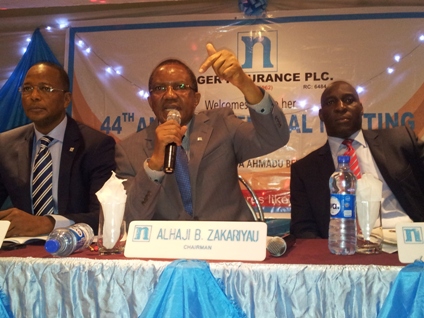
Niger Insurance Plc has paid out over N270.8 million as dividend to shareholders for the financial year ended December 31, 2015. The dividend payout came to N3.5 kobo per 50 kobo share.
Mr. Hamisu Abubakar, Chairman, Niger Insurance Plc, said at the 46th Annual General Meeting [AGM] in Abuja that the payout was in keeping with the tradition of the company despite he harsh operating environment in the country.
Abubakar said the company recorded Profit Before Tax of N704 million in the period under review as against N638.4 million in 2014. For the Group, he operating Profit Before Tax stood at N736 million compared to N644.7 million, a growth of 14 per cent. The net premium income was N10.5 billion while total assets stood at N20.3 billion. In the same vein, the company’s total liabilities went down from N14.2 billion to N12.1 billion in the same period.
Going forward, the Niger Insurance chairman said:
“The Board has begun discussion with a view to diligently pursue foreign partnership initiative in the coming year. And we are seeking the support of shareholders to consolidate any agreeable arrangement which will be made available in due course.”
He was optimistic that mergers, acquisitions and restructuring in the insurance industry would continue in the year.
“The management is determined to turn these developments into market opportunities for the company. We look forward with greater confidence and optimism. The company has put in place strategies to be able to convert opportunities as they occur in the years ahead.”
Razia Khan: ‘MPC Policy Met Our Monetary Expectation’

The Central Bank of Nigeria raises its monetary policy rate by 200 bps to 14% in line with our expectation. Given the pledge to restore positive real interest rates gradually, we expect another 200 bps hike in the policy rate to 16% at the September MPC meeting.
Given the cost-push nature of inflation in Nigeria, which largely stems from the shortage of FX, we believe that this was the right thing to have done. Today’s monetary policy decision demonstrates a commitment to FX liberalisation, which alone will undo some of the bottlenecks that have contributed to inflation.
While the CBN framed its internal debate as choosing between growth and inflation, we believe there is no meaningful long-term trade off. Establishing more credible policy and attracting greater inflows is about as pro-growth as policy can be, given the challenges currently facing the Nigerian economy. Today’s tightening was an important step in re-establishing the credibility of monetary policy in Nigeria, and should allow for a gradual recovery in FX inflows.
The asymmetric band around the MPC was not altered from its current +200bps/-500bps, disappointing our expectations of a significantly higher floor to rates.
However, with the MPR tightening, the rate on the CBN’s standing deposit facility does move higher, to 9% from a previous 7%. This is still meaningful.
The CRR was kept unchanged at 22.5%. Given weak oil prices and output, we do not see excessive liquidity growth in the Nigerian economy. There’s no immediate rationale for a much higher Cash Reserve Ratio, not least because a more market-determined, inevitably higher USD- NGN rate will keep the spotlight on bank NPLs and capital adequacy ratios.
Any further rise in the CRR would only have added pressure to the banking system, with little effect on alleviating the FX shortage.
In all, we think this was a good outcome to the MPC meeting. As Nigeria embarks upon the path of reform (FX liberalisation, fuel price deregulation, transparency initiatives, efforts to boost revenue mobilisation, power sector reforms), all with a view to easing the economy’s transition to lower oil prices, and creating the foundation for more sound long-term growth, we think that today’s MPC decision represented an important initial step in the right direction. The decision to raise the monetary policy rate despite growth concerns will give investors a clear signal on the authorities’ intent to sustain FX reforms. This should be well-received.
Razia Khan is Chief Economist [Africa] at Standard Chartered Bank
NSE Promotes Cyber-security Awareness in Capital Market

Consistent with its commitment to providing an efficient and sustainable capital market, the Nigerian Stock Exchange on July 12, 2016 organised the 3rd edition of the Nigerian Capital Market Information Security Forum with the theme “What to do when you are hacked.”
This bi-annual event provides a platform for stakeholders and thought leaders in the information security space to share knowledge on Information Security best practices and cyber breaches in Nigeria and the world at large.
Some of the topics discussed at the forum include Security in a Mobile-First Cloud-First World by Microsoft, What to Do When You Get Hacked and Transforming Data Protection with Hewlett Packard Enterprise.
According to Mr. Ade Bajomo, Executive Director, Market Operations and Technology, NSE, the forum is designed to deepen awareness on information security, cyber threat and the crucial role that effective information security systems play in ensuring that firms continue to provide reliable and secure services that endear customer confidence and patronage, whilst leveraging technology to grow their profitability.
“The incidence of hacking attacks are on the rise and the need to secure and maintain information integrity has never been greater. Businesses need to take proactive measures to prevent theft and misuse of information, damage to intellectual property and loss of value as a result of breaches. Capital market players must be up to speed with the techniques employed by hackers as well as processes for adequate business continuity and disaster recovery.”
Bajomo also counselled that “to make hacking attacks less expensive, business owners should constantly embark on staff training, introduce right technology and processes as well as ensure round the clock IT infrastructures system surveillance.”
The Chief Information Security Officer (CISO) of the NSE, Mrs. Favour Femi-Oyewole, who made a presentation on Information Classification Guidelines for Effective and Secure Communications, noted that “many organisations protect, manage and store their information the same way regardless of its importance. Without classification everyone treats the same piece of information differently, which could have major consequences. From the time information is created until it is destroyed, it should be labelled with a classification designation to ensure it is protected, stored and managed appropriately.”
Mrs. Blessing Nnachi, Business Solutions Specialist, Microsoft Corporation, in her presentation said that “there is a constant tussle between innovation and security as every business innovation exposes one to more risks.”
She revealed that 160 million customers get compromised daily, as it takes 229 days between infiltration of data and detection, while businesses lose $3 million per breach, depending on the location of the business.
Mr. Chuks Okpaka, Country Managing Director, Hewlett Packard Enterprise, advised business owners to ensure that their data is evenly protected and stored in easy retrieval formats through formidable backups, since 99.9 per cent of hacking centres on data.
The Nigerian Capital Market Information Security Forum which recorded about 150 participants was sponsored by Microsoft and Hewlett Packard Enterprise.
Africa: ‘Staying the Course Despite Economic Slow Down’
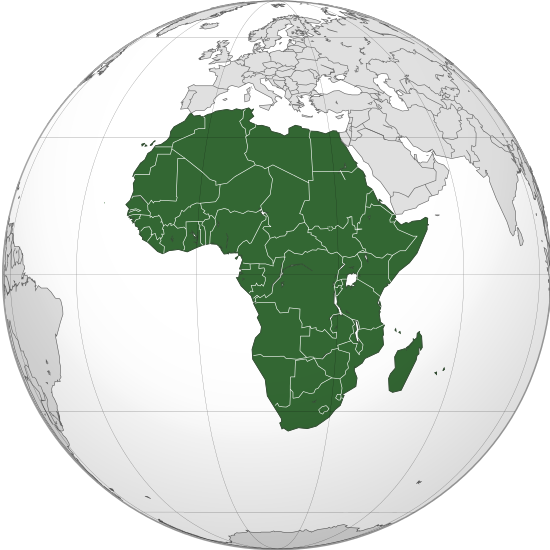
According to EY’s 2016 Africa Attractiveness Program 2016, Staying the Course, despite a relative slow down, Sub-Saharan Africa remains one of the fastest growing regions in the world.
This is reflected in the foreign direct investment (FDI) levels in 2015, where FDI project numbers increased by seven percent.
Although, the capital value of projects was down year-on-year — from US$88.5b in 2014 to US$71.3b in 2015 — this was still higher than the 2010–2014 average of US$68b. Similarly, jobs created were down year-on-year, but, again ahead of the average for 2010–2014.
Ajen Sita, Africa Chief Executive Officer at EY, comments, “Over the past year, global markets have experienced unprecedented volatility. We’ve witnessed the collapse of commodity prices and a number of currencies across Africa, and with reference to the two largest markets, starting with South Africa, we saw GDP growth decline sharply to below one percent and the country averting a credit ratings downgrade; in Nigeria, the slowdown in that economy was impacted further by the decline in the oil price and currency devaluation pressure.”
Sita adds: “The reality is that economic growth across the region is likely to remain slower in coming years than it has been over the past 10 to 15 years, and the main reasons for a relative slowdown are not unique to Africa. In fact, Africa was one of the only two regions in the world in which there was growth in FDI project levels over the past year.”
East Africa closes the FDI gap, with Kenya a big gainer
In 2015, East Africa recorded its highest share of FDI across Africa, achieving 26.3% of total projects. Southern Africa remained the largest investment region on the continent, although projects were down 11.6% from 2014 levels.
The West Africa region saw a rebound in FDI projects by 16.2%, and interestingly in 2015, the region became the leading recipient of capital investment on the continent, outpacing Southern Africa.
North Africa experienced 8.5% year-on-year growth in FDI projects. Furthermore, while projects are increasing in North Africa, they are increasing at a much faster rate in Sub-Saharan Africa.
Michael Lalor, EY’s Africa Business Center Leader, adds: “In a context of heightened concerns about economic and political risk across the continent, FDI flows remain robust, and in line with levels we have seen over the past five years. A key factor here is the structural shift in FDI — from a high concentration of source countries and destination markets and sectors, to a far more diverse FDI landscape. As a result, risks and opportunities are being spread much wider, and there is no longer an overdependence on a limited group of investors or sectors to drive FDI performance.”
Historical investors gain strength, new investors emerge
The US retained its position in 2015, as the largest investor in the continent, with 96 investment projects valued at US$6.9b. During 2015, traditional investors such as the UK and France, as well as the UAE and India, also showed renewed interest in Africa.
Investors diversify focus across sectors
Over the past decade, there has been a shift in sector focus in FDI from extractive to consumer-facing industries. Mining and metals, coal, oil and natural gas, which were previously the key sectors attracting major FDI flows, have given way to Consumer Products and Retail (CPR), financial services and Technology, Media and Telecommunications (TMT), accounting for 44.7% of FDI projects in 2015. In 2015, further evidence of sector diversification came through, with business services, automotive, cleantech and life sciences all rising in significance and becoming the likely “next wave” for investors.
Striking a balance between growth, profitability and managing risk
Sita concludes: “Given the growth potential in and relative underdevelopment of many African markets, the primary focus for many companies over the past few years has been on entering new markets, capturing market share and driving revenue growth. A combination of factors — including tightening economic conditions, increasingly well-informed consumers and citizens, intensifying competition, a heightened sense of global geopolitical uncertainty, and shifting priorities from global or regional HQ — is now driving a change in focus toward striking a greater balance between growth, profitability and risk management.”
African Businesses Face Disruptive Forces

Andreas Berger, Chief Regions & Markets Officer and Member of the Board of Management at Allianz Global Corporate & Specialty (AGCS) SE informed risk managers, insurance professionals, brokers and business leaders at the annual Insurance Conference in Sun City on July 26 that businesses operating on the continent face a wider range of disruptive forces in 2016 and beyond.
“The effects of globalisation, digitalization and technological disruption pose fundamental challenges to many industries,” says Berger who was born in Rwanda.“
The emergence of Internet of Things (IoT), smart factories, data analytics, artificial intelligence to name but a few could result in higher risk of large-scale losses due to increasing interconnectivity.”
Businesses based in Africa have a particular role in embracing and responding to new technologies compared to mature markets as there is an urgent and important need to grow their enterprises and economies rapidly.
“They need to move with speed through the 3rd industrial revolution into the digital era, but need adequate policies and infrastructure to manage this transformation,” he says.
“Businesses operating in the retail insurance sector have been particularly good at using mobile, digital and social media technology to provide simple and convenient products and sales channels and this is gradually increasing in the business to business arena as well.
For example, future risk assessments in Africa by risk engineers will occur through new channels such as mobile insurance drones rather than on-site visits thus presenting the key to the future of business insurance through developing digital capabilities that address superior customer experience.
New Risk Transfer Solutions Required
However, he warned businesses that connected industries require new insurance solutions that will cater for emerging risks.
“While frequency losses are expected to decrease due to predictive maintenance, there is a higher risk of large-scale losses due to increasing inter-connectivity. In addition to this, there are new liability scenarios evolving as human error is being replaced by technical failure resulting in increasing importance of product liability.
Berger states that cyber vulnerability is another risk which companies are very concerned about. Attacks by hackers are becoming more target-oriented, lasting for longer and can trigger a continuous penetration. Cyber activity is at the top of long-term risks in Africa and around the globe.
Digital interconnectedness risks such as business interruption through non-malicious activity, physical damage following a non-malicous IT error, loss of intellectual property, and failure of utility services are risks that companies would like to insure against, but there is currently only limited insurance solution available in the market.
“Insurers need to work with clients to consider the changing loss pattern and new emerging risks,” explains Berger.
“There must be a review of insurance solutions and risk mitigation practices to reflect these new risk management realities. Refining existing and developing new risk services will be necessary by businesses and insurers.”
Embrace New Technologies
The insurance industry should also consider the broader use of digital technology to improve customer experience and to create new risk transfer solutions for the digital economy. Insurance companies need to acclimatize to new business models and conduct advanced risk assessments through data analytics for new customer services.
The internal transformation for insurance companies means that processes should be digitalized to increase quality and productivity and require a highly permeable non-silo structure that allows flow for skills and ideas.
Global Capital Fuelling African Property Markets

Despite Africa’s slowdown; property developers and private equity funds continue to pour investment into the continent, but with more focused strategies.
“Over $1.2 billion has been raised and allocated to real estate investment in Africa over the past year and we expect this trend to continue” said Kfir Rusin, General Manager of the upcoming Africa Property Investment Summit.
Commenting on the global capital flows making their mark on African real estate, Peter Welborn, Chairman of Knight Franks’ Africa business says that “the underlying investment theme across sub-Saharan Africa, over the next decade will undoubtedly be driven by substantial allocations of equity, into JV’s with successful local partners. Both the west African retail sector as well as the southern and east Africa logistics sectors will be high on the hit list of international capital.”
The last year has seen Actis, RMB Westport, Novare, Phatisa and Growthpoint successfully raising capital from global funds such as GIC Singapore, Grosvenor (USA), The IFC, CDC Group (UK) among other international funds.
The Africa Property Investment (API) Summit is the leading African focused real estate forum, which brings together influential property players from around the continent. The API Summit offers developers and investors access to new development strategies, a chance to showcase projects and meet with new sources of capital across Sub-Saharan Africa. The summit is the perfect opportunity to leverage off the expertise and knowledge of key industry players.
“This year’s summit will feature various discussions on innovative strategies and collaboration, as well as showcasing new real estate opportunities and projects across Africa. Whilst uncertainty remains, we believe that African property is still poised for growth, albeit at a lower but more sustainable level,” says Rusin.
The effects of the currency and liquidity crises have been sharply felt across the continent but most notably in the larger oil driven commodity exporting countries. This has resulted in a shift towards economic diversification and countries in the East African region providing more economic stability than others.
Although there has been a slowdown across Africa, one of the continents’ largest funds remain optimistic. Bronwyn Corbett, CEO of Mara Delta says, “the company remains bullish under the African growth story. We have built extensive IP into our target countries and see tremendous growth in these markets that we are levering to build an Africa powerhouse real estate fund. Focus is on the strength of the counter party and mitigation of risks to build a quality portfolio and deliver substantial returns to shareholders.”
“We can already confirm over 500 delegates from over 30 different countries. We have noticed substantial growth in delegate numbers, with a 30% increase in attendance and a large international contingent compared to previous years. We see real estate and related industries as an important contributor to GDP in Africa and therefore we expect this trend to continue in future years” Concluded Rusin.
The two-day conference will be held from 18-19 August 2016 at the Sandton Convention Centre in Johannesburg and will feature speakers from Broll, CBRE, Mara Delta, Knight Frank, Old Mutual, STANLIB, Standard Bank, Novare, RMB Westport, JLL, CDC Group, ALN, ITL, Growthpoint, UPDC, Britam, Fusion Capital, and Heriot Properties to name a few.
Key sessions at the API Summit will include: The Role of global capital in Africa , Africa’s Retail reality check, Logistics & Industrial sector making its mark as well as focused discussions on countries such as Rwanda, Ivory Coast and Tanzania.
Global ICT Capacity Building Symposium for Nairobi

Nairobi is set to host ITU’s Global ICT Capacity Building Symposium (CBS-2016), the main global event for capacity development in the field of information and communication technology (ICT). The symposium will take place in Nairobi, Kenya, from 6 to 8 September 2016, preceded by pre-events on 5 September.
The symposium is organized by ITU, the UN specialized agency for information and communication technologies (ICTs) and hosted by the Government of Kenya under the theme “Embracing Capacity Building Opportunities in the Digital Era”. The event brings together thought leaders from all over the world including Ministers, Directors-General of Regulatory Authorities, Heads of UN organizations, CEOs of private sector companies, representatives from universities and research institutions, human capacity building executives and other experts in ICT capacity building.
The programme will focus on how education and training in the field of ICTs will contribute towards achieving the SDGs across all sectors
Efforts to meet the 17 UN Sustainable Development Goals (SDGs) come at a time of major digital technology transformation that will impact the way people live and societies operate. Emerging technologies such as the Internet of Things (IoT) and advent of smart cities and smart societies, as well as the growth of big data, require different sets of knowledge and skills across all sections of society.
Governments, industry, universities and other higher education institutions need to invest in, and develop a range of ICT skills, which will not only enable increased participation in the economy, but will ensure the creation of digital citizens for a digital society.
ITU’s Global ICT Capacity Building Symposium will explore a number of topics, including:
New skills requirements in a changing world – investing in tomorrow’s workforce
Innovative tools for education and learning
New digital learning methodologies, including online learning, social media tools and massive open online courses (MOOCs)
The central role of academia in building skills in the digital era.
The opening day of the event will feature a Ministerial Roundtable on ICTs, Sustainable Development Goals and future priorities for capacity building, and a Leaders’ Dialogue on public policies, industry skills requirements, and the role of academic institutions as providers of education and skills.
Ericsson’s CEO Resigns with Immediate Effect
Ericsson’s CEO, Hans Vestberg has resigned from the company with immediate effect after he lost the support of the other directors of the company.
Jan Frykhammar, Executive Vice President and CFO, will assume the CEO position until a new CEO is in office.
Chairman of the Board Leif Johansson said that: “in the current environment and as the company accelerates its strategy execution, the Board of Directors has decided that the time is right for a new leader to drive the next phase in Ericsson’s development.”
In conjunction to presenting its earnings report for the second quarter on July 19, the company presented a strong action plan to significantly reduce cost and adapt to the current market environment.
“As stated in the report the Board fully supports the cost reduction plans. In addition, the Board supports the company business strategy and new company structure,” Johansson continued.
Carl Mellander, currently VP & Group Treasurer, is appointed acting CFO with immediate effect.
Hans Vestberg will be available to support the Board and management during his term of notice of six months.
Huawei Revenue Jumps 40% in First Half of 2016
China’s Huawei has reported a 40 percent rise in its first half revenues for this year, reaching RMB245.5 billion (USD36.8 billion).
However, the operating margin fell to 12 percent from 18 percent in the previous half-year.
“We are confident that Huawei will maintain its current momentum, and round out the full year in a positive financial position backed by sound ongoing operations,” Chief Financial Officer Sabrina Meng said in a brief statement.
“We achieved steady growth across all three of our business groups, thanks to a well-balanced global presence,” Meng said, referring to the company’s telecom, consumer device and enterprise business segments.
The company has set a target of USD75 billion in revenues for 2016.
Boeing Projects Demand for 1.5m Pilots, Technicians Next 20 Years

Boeing released its 2016 Pilot and Technician Outlook and projects a demand for nearly 1.5 million pilots and technicians over the next 20 years. Plane manufacturer forecasts that between 2016 and 2035, the world’s commercial aviation industry will require approximately:
· 617,000 new commercial airline pilots
· 679,000 new commercial airline maintenance technicians
· 814,000 new cabin crew
The 2016 outlook shows a growth of 10.5% for pilots over the 2015 outlook and 11.3% for maintenance technicians. New pilot demand is primarily driven by new airplane deliveries and fleet mix, while new technician demand is primarily driven by fleet growth.
Sherry Carbary, Vice President, Boeing Flight Services, said: “Cabin crew are an integral part of operating an airline, and while Boeing does not train cabin crew like pilots and technicians, we believe the industry can use these numbers for planning purposes.”
The outlook represents a global requirement for about 31,000 new pilots, 35,000 new technicians and 40,000 cabin crew annually. Projected demand for new pilots, technicians and cabin crew by global region for the next 20 years is approximately:
http://www.aerotime.aero/upload/content-assets/images/bobob.JPG
The Asia-Pacific region comprises 40% of the global need due to the growth in the single-aisle market which is driven by low-cost carriers, while North America is the result of new markets opening in Cuba and Mexico, and demand in Europe has increased as a response to a strong intra-European Union market.
Nigeria Power Council Adopts Sustainable Energy Agenda
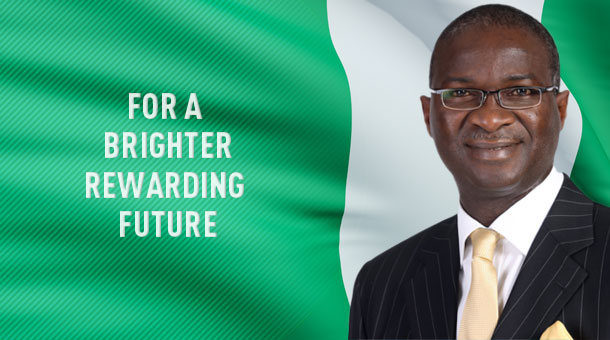
The Nigeria National Council of Power (NACOP) has adopted the country’s Sustainable Energy for All (SE4All) Action Agenda during its 2nd edition that took place in Kaduna City from 11 to 15 July, 2016.
The executive session of the NACOP on 14 July gathered ministers, policy makers from the national and state levels, members of the national assembly, representatives of development partners and the private sector, as well as other major stakeholders in the power sector. The NACOP was organised by the Ministry of Power, Works and Housing under the theme: Achieving incremental, then stable, then uninterrupted power.
The Action Agenda is an umbrella energy sector development document and constitutes a national response to the Sustainable Development Goal (SDG) number 7 on energy adopted in September 2015 by the UN General Assembly that strives to “ensure access to affordable, reliable, sustainable and modern and energy for all.”
In addition to the Action Agenda the NACOP adopted the National Renewable Energy and Energy Efficiency Action Plans and unveiled the national power sector investment catalogue. The African Development Bank in its capacity as host of the SE4All Africa Hub collaborated closely with Nigeria on this process.
The Minister of Works, Power & Housing, Babatunde Raji Fashola, underscored that contrary to old plans, the plans adopted are practical with easy to follow steps to implement.
He further highlighted Nigeria’s commitment to a 30% target of renewable energy in terms of electricity generation by 2030.
Daniel-Alexander Schroth, the SE4All Africa Hub Coordinator, highlighted the importance of the Action Agenda and the African Development Bank’s increased commitment to the energy sector under the New Deal on Energy for Africa.
He further underscored that the Bank has responded favorably to a request from the Government of Nigeria to provide technical assistance support for the development of the Nigeria SE4All Investment Prospectus in collaboration with the ECOWAS Centre for Renewable Energy and Energy Efficiency and the European Commission with a view to mobilise investments from the public and private sectors.