

L –R: Chairman, Senate Committee on Banking, Insurance and Other Financial Institutions, Senator Uba Sani and Managing Director/CE NDIC, Bello Hassan during the 2021 Senate Retreat with the Theme: “Financial System Stability: A Panacea for Sustainable Economic Growth and Development – The Role of NDIC” in Kaduna over the weekend.
Ecobank: Rapidtransfer Now Free to Celebrate Nigerians In The Diaspora
In commemoration of this year’s National Diaspora Day event, Ecobank Nigeria is joining the rest of the country to celebrate Nigerians in the diaspora by making transactions on its proprietary money transfer app, Rapidtransfer, free of charge.
The Federal Government has set aside July 25 of every year as the National Diaspora Day in recognition of the contributions of Nigerians living outside the country towards the development of their homeland.
In a commemorative message, Managing Director, Ecobank Nigeria, Patrick Akinwuntan stated that Nigerians in the diaspora contribute significantly to the socio-economic development of the country. Mr. Akinwuntan lauded the decision of the Federal Government to set aside a special day every year as the National Diaspora Day, adding that the recent launch of the National Diaspora Policy (NDP) by the government would further promote and harness the resources and capacity of Nigerians in the diaspora towards national development.
“As a pan-African institution positioned to foster the economic growth and integration of our continent, we are particularly pleased to work closely with NiDCOM, ably led by the Chairman/CEO, Hon Abike Dabiri-Erewa towards the engagement of Nigerians in the diaspora on policies, projects and other initiatives geared at developing the nation. From our constant engagement with Nigerians in the Diaspora, we understand their peculiar needs and have created tailor-made solutions to serve them effectively.”
He noted further that Ecobank has partnered NiDCOM on webinars, diaspora quarterly lecture series and will continue to seek other collaboration opportunities to deepen engagement with the diaspora community.
Also speaking, Korede Demola-Adeniyi, Head, Consumer Banking, Ecobank Nigeria said Ecobank will apply zero fees to all Rapidtransfer transactions from 1st July till the end of October, 2021, thereby enabling Nigerians living abroad to send money to their loved ones affordably.
According to her, the decision to waive charges underscores the bank’s commitment to helping Nigerians abroad remit money home without placing an additional burden of charges on them, especially at this period of global economic downturn.
Rapidtransfer is Ecobank’s proprietary money transfer service which enables users send funds across borders, affordably and instantly. The Rapidtransfer app is available for use by Ecobank and non-Ecobank customers.
Remittances can be received directly into the recipient’s account or as cash at any Ecobank branch. Beneficiaries who wish to receive funds into an account but do not have domiciliary accounts have the opportunity to open in Euro, GBP or USD instantly and enjoy all the benefits that come with Ecobank foreign currency accounts.
In addition, N5 is paid on every one dollar received as cash or direct to account in line with the Central Bank of Nigeria’s ongoing Naira for Dollar initiative.
About Ecobank Nigeria Limited
Ecobank Nigeria Ltd. is a subsidiary of the Ecobank Group, the leading pan-African banking group with operations in 33 African countries and presence in four other locations (London, Paris, Beijing and Dubai). Ecobank Nigeria is a full-service bank providing wholesale, retail, investment and transaction banking services and products to governments, financial institutions, multinationals, international organisations, medium, small and micro businesses and individuals. Ecobank is a major player in the distribution of financial services in Nigeria to various segments, leveraging digital channels and an expansive agency network of more than 30, 000 Xpress Points.
Sovereign Trust Insurance Bags CITN Award for Industry Excellence
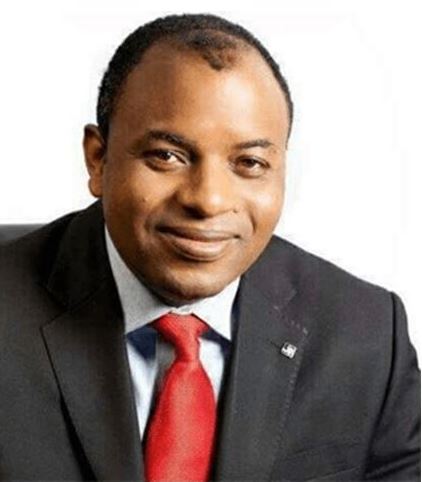
Sovereign Trust Insurance Plc was recently presented with an Award by the Chartered Institute of Taxation of Nigeria, (CITN). The Award is in recognition of the company’s position as a key player in the insurance industry in Nigeria.
Presenting the Award, the Vice President of the Institute, Barrister Samuel Olushola Agbeluyi in the company of other Council Members described Sovereign Trust Insurance Plc as a very responsible Corporate Citizen worthy of emulation in Corporate Nigeria.
He said the underwriting firm has been in the forefront of setting remarkable standards in the insurance space in the country in the last 26 years of the existence of the company. Furthermore, the Vice President equally appreciated the company’s support towards the development and growth of the Institute over the years.
Responding on behalf of Sovereign Trust Insurance Plc, The Executive Director, Technical Operations, Jude Modilim thanked the Institute for the honour bestowed on the company and equally mentioned that Sovereign Trust Insurance Plc identifies with what the Chartered Institute of Taxation of Nigeria, CITN represent in the larger society and pledged the company’s support on behalf of the Management with regards to the activities of the Institute.
He further reiterated that the company would continue to uphold corporate ethics, sound business principles guided by integrity and above all, professionalism as distinguishing features for the company amongst the comity of insurance companies and the business community in Nigeria and beyond.
Nigeria Media Merit Award Seek Entries for 2021 Programme
The Nigeria Media Merit Award (NMMA) has called for entries for works published in 2020
for the 2021 awards ceremony scheduled for October 28-31, 2021 at Lokoja, Kogi State.
A statement by the NMMA says the award is open to men and women practicing journalism in Nigeria.
In addition to its prestige, each award winner is also presented The Golden Gong of Excellence, a certificate and specific prize money.
The deadline for entries is July 26, 2021.
ADfB Supports Female Entrepreneurs in Nigeria with $50m

The Board of Directors of the African Development Bank has approved a loan of $50 million to Nigeria’s First City Monument Bank (FCMB) to channel to local enterprises and women-empowered businesses in the agribusiness, manufacturing, healthcare and renewable energy sectors.
Thirty percent of the funds, which are intended to mitigate effects of the challenging Covid-19 environment, are earmarked for underserved women-empowered businesses.
In addition, the Bank will provide a technical assistance grant of $200,000 through its Affirmative Finance Action for Women in Africa (AFAWA) initiative supported by the Women Entrepreneurship Finance Initiative. The grant will complement the loan by enabling First City Monument Bank to provide non-financial services, including training, and to strengthen its monitoring and reporting functions.
“The African Development Bank is pleased to support FCMB’s strategy to become a dominant player in addressing the funding needs of women-empowered and local enterprises,” said Stefan Nalletamby, the African Development Bank’s Director of Financial Sector Development. “This project will extend valuable resources to critical but underserved segments during the ongoing Covid-19 pandemic, with its adverse macroeconomic impacts.”
Small- and medium-sized firms account for up to 80% of employment in most African countries and women-empowered businesses typically face a considerable financing gap. The Nigerian economy has been hard hit by the Covid-19 pandemic, and falling crude oil prices have had a ripple effect on the wider economy.
FCMB is a Nigerian commercial bank with around 5 million customers. It had total assets of around $5 billion as at the end of 2020.
The project aligns with the objectives of AFAWA, which aims to improve gender inclusivity by improving access to finance for women entrepreneurs. The project also advances the Bank’s Ten-Year Strategy and is consistent with three of its High-5 strategic priorities: Industrialize Africa, Feed Africa, and Improve the Quality of Life for the People of Africa. It also aligns with the Nigeria Country Strategy Paper 2020-2024.
The African Development Bank is an implementing partner of the Women Entrepreneurs Finance Initiative, a groundbreaking partnership housed in the World Bank Group that aims to unlock financing for women-led businesses in developing countries.
Nigeria Leaps Mobile App Growth in Africa at 43%

AppsFlyer, the global marketing measurement leader, has launched a report with Google that reveals a booming African mobile app market, propelled by a growing fintech space, a rise in ‘super apps’, and the COVID-19 pandemic amongst other factors.
Having analysed over 6,000 apps and 2 billion installs across South Africa, Nigeria, and Kenya, between Q1 2020 and Q1 2021, the report found that the African mobile app market showed strong growth, with overall installs increasing by 41%. Nigeria showed the highest growth, with a 43% uplift, followed by 37% in South Africa, and 29% in Kenya.
Showing perhaps the biggest trend, in-app purchasing revenue numbers soared between July and September, with a 136% increase compared to the previous three months. This accounted for a third of the year’s total revenue, highlighting just how much African consumers were spending within apps, from retail purchases to gaming upgrades.
South Africa’s in-app purchasing revenue surged by a massive 213%, with Nigeria and Kenya also showing significant increases of 141% and 74% in the same time frame.
With people spending more time at home, the report found overall app installs increased by 20% in Q2 2020 compared to the previous quarter. On a country level, South Africans were quick to take to their mobiles as the first lockdown hit, with installs of mobile apps increasing by 17%. The situation was more muted in Nigeria and Kenya, with increases of 2% and 9% respectively. These differences are likely due to the varying levels of restrictions experienced by the three countries, with South Africa facing the strictest.
Other key findings
- South Africa and Nigeria saw year-on-year growth in finance app installs by 116% and 60% respectively, as the need to reduce social contact has led to even more users adopting digital solutions for their financial needs.
- Android’s larger market share within Sub-Saharan Africa has seen advertisers spend more budget on the platform. Non-organic installs increased by 54%, compared to 19% for iOS.
The *cost per install (CPI) on iOS also increased by 21% between Q2 and Q3 2020, which meant iOS app developers were getting fewer installs for the same budget. Towards the end of the year and into 2021, there was no uplift in non-organic installs on iOS compared to 40% on Android. - The report found similar levels of overall growth across verticals during the year, with gaming installs increasing by 44% and non-gaming increasing by 40%.
Commenting on the trends highlighted in the report, Daniel Junowicz, RVP EMEA & Strategic Projects, AppsFlyer said:
“We’re proud to combine forces with Google to provide businesses with the insights and technology needed to succeed on mobile in Africa. The mobile app space in Africa is thriving, despite the turmoil of the last year. Installs are growing, and consumers are spending more money than ever before, highlighting just how important mobile can be for businesses when it comes to driving revenue.
As a result, mobile marketing is becoming increasingly important for businesses across the continent. Being able to make data-driven informed decisions, and understand the ROI on marketing campaigns will be key to any app marketers’ success.”
Rama Afullo, Apps Lead for Africa at Google, added: “While it’s clear that mobile adoption is increasing, there’s still room for growth when it comes to app marketing, with many marketers in the nascent stage of their app maturity journey.
Taking advantage of app promotion and engagement tools like Google’s App Campaigns, using analytics and measurement tools, and working with mobile measurement partners like AppsFlyer, will be key for companies looking to grow their user base, drive customer value and continue improving the user experience.”
NCC Disowns Report on 3m New Lines in Qtr1

The attention of the Nigerian Communications Commission (NCC) has been drawn to an online media report alleging that mobile telephony subscriptions in Nigeria somehow grew by 3,000,000 new subscribers in the first quarter of 2021, despite the suspension on the registration of new subscribers which took effect from December 9, 2020 and was only lifted in May, 2021.
The Ericsson Mobility Report cited in the online publication is essentially a forecast of trends based on Ericsson’s analysis and does not refer to the NCC or any official channel as source for its data and/or projections.
It is therefore inaccurate that Nigeria recorded 3million new lines in the 1st Quarter of 2021 as stated in the media report.
We wish to use this opportunity to clarify that the Nigerian Communications Commission and the National Bureau of Statistics are the only authoritative sources of authentic data on the Nigerian telecommunications sector. Indeed, the Commission is well aware of the critical need to make accurate and up-to-date data available to all Stakeholders.
Indeed, as a matter of corporate policy and consistent with international best practice, relevant data and statistics on the industry are transparently reported and regularly updated on the Commission’s website for free use by interested Stakeholders.
The Commission encourages all Stakeholders to visit its website for authentic data on the sector and to refer all doubts to its Public Affairs Department to avoid unnecessary controversy and/or inadvertently misleading other Stakeholders who may rely on such reports.
The Commission also urges Stakeholders to disregard any information on subscriber data different from those presented in the Commission’s website.
‘CBN Policies Protected Banks from COVID-19 Disruptions’
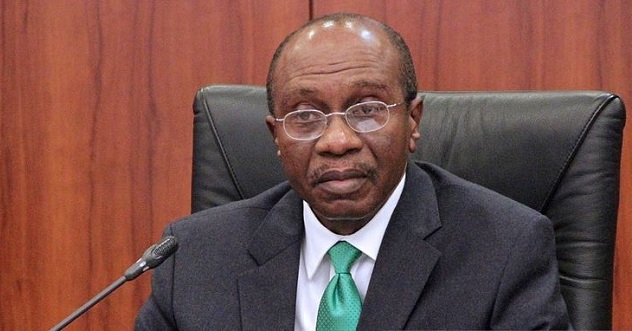
The immediate past Director-General of the Lagos Chamber of Commerce and Industry (LCCI), Dr. Muda Yusuf says the banking industry demonstrated resilience amid disruptions associated with the pandemic, attributable to the policy intervention of the CBN.
“Going by key ratios, the banking industry is financially stable and sound with industry capital adequacy and liquidity ratios above regulatory threshold while non-performing loan ratio is slightly above the five percent prudential guideline.
“Cash reserve requirement remained elevated at 27.5 percent. A high CRR constrains banks from deploying funds into several profitable and productive ventures, thereby impacting their liquidity position.”
He said that the current CRR environment negates policy that mandates banks to lend at least 65 percent of customer deposits to the real sector and advocating for a flexible CRR policy that would reflect the actual level of a bank’s deposit at any time.
He projects a stable environment for banks and businesses in general in the second half of the year with recent developments such as the passage of the Petroleum Industry Bill by the Ninth National Assembly after years of neglect.
Yusuf also expressed concern over excess borrowing by the Federal Government in the midst of dwindling revenue. He observed that a large portion of the domestic borrowing was through ways and means which has serious implications for inflation.
Ways and means is a mechanism for the government to borrow from the Central Bank under specified credit policy which, most times, entails printing money.
Yusuf said this at the Bi-Monthly Forum of the Finance Correspondents Association of Nigeria (FICAN) held at its national secretariat in Lagos as part of its capacity building programme.
Speaking on the topic “Nigerian economy in first half 2021 & outlook for the financial services sector”, Dr Yusuf said that the borrowing spree of the Federal Government was hurting the economy as it escalates the already high rate of inflation in the country.
He disclosed that the facility usually comes at a huge cost to the taxpayer as the government paid N480 billion interest on the N1.8 trillion facility granted to it through the ways and means window between January and May 2021.
He expressed concern that government’s excess borrowing has put pressure on the apex bank to exceed the “5 percent ceiling of actual government revenue for the preceding year”, specified in the CBN Act.
According to him, the fast rate of money supply has adverse effects on the people’s standard of living which has become a source of worry to Nigerians.
“It has inflationary implications; it is not healthy for the economy because inflation erodes the value of people’s income and affects their standard of living. The value of a currency has a lot to do with poverty and welfare. We must be worried about the fast rate of money supply because inflation triggers poverty,” he said.
He added that “Inflationary environment elevates production costs with adverse impact on corporate profitability, thereby making it increasingly difficult for businesses and corporates to meet their debt obligations to lending institutions. This translates into a significant increase in credit loss provisions with adverse impact on banks’ profitability.”
“We need to caution the government against being too dependent on the CBN for financing deficits because of the high inflationary impact. Inflation is a terrible thing. When people complain about hunger and poverty, it is because the money they have in their hands cannot buy anything much.”
Yusuf advised the government to prioritize its borrowing in the light of dwindling revenue, noting that up to 90 percent of the nation’s revenue is committed to debt servicing which he said should be a major concern to the Nigerians.
He suggested rationalisation of spending as a way out of excess borrowing, noting that borrowing to fund recurrent expenditure is inimical to economic development.
He also advised the government to consider private partnership in funding projects that require huge capital outlay as well as selling idle assets to raise funds for building infrastructure.
On foreign exchange volatility, the immediate past LCCI boss noted that the foreign exchange market faced liquidity constraints in the first half of 2021, and that forex was inadequate to meet rising demand.”
“The supply of foreign exchange was inadequate to meet rising demand. The rate premium between the Nigerian Autonomous Foreign Exchange Rate (NAFEX) and the parallel market rate averaged around 20 percent.
“Several businesses and corporates encountered difficulties in sourcing foreign exchange at the formal segment of the market and were forced to source the greenback at the parallel market.
“Foreign exchange illiquidity aggravates investment risk which could negatively impact asset quality in the banking system. Foreign currency-denominated loans account for about between 30 percent and 35 percent of bank’s loan book. Foreign exchange volatility is associated with risks relating to asset quality and financial stability.”
He said that financial service institutions need a conducive business climate to create more avenues for investment and that more profitable asset classes are needed for profitable investments to take place.
He further stressed the need to address the structural, policy, institutional, and regulatory constraints in the business environment which would also result in a reduction in non-performing loans in the banking sector.
“Also, the National Assembly has passed the 2021 supplementary budget. The budget makes provision for vaccine procurement and security-related expenditures. Lawmakers have endorsed the move to raise $6.1 billion via the issuance of Eurobonds.
“Improvement in current vaccination rate is expected to improve economic and business activities in the country, which is positive for the sustenance of growth recovery.
“Inflation is expected to decelerate in the second half of the year on account of base effects and expectations of modest harvest, barring further exchange rate adjustment.
“With the deceleration in inflation rate, monetary policymakers would be further encouraged to keep policy parameters at current levels. Relative stability is anticipated in the foreign exchange market as CBN sustains its intervention efforts,” he said.
African Alliance: ‘Business Continuity Process Drives Performance Post-Pandemic’

The management of African Alliance Insurance Plc said the covid-19 pandemic had minimal effects on its operations because it already had a Business Continuity Management process in place.
Managing Director of the company, Mrs. Joyce Ojemudia who disclosed this at the recent Annual General Meeting (AGM) of the National Association of Insurance and Pension Correspondents (NAIPCO), in which African Alliance sponsored, in Lagos over the weekend, noted that the company has always been prepared to withstand any eventuality.
Alongside African Alliance, the AGM was co-sponsored by FBN Insurance, Enterprise Life as well as Sovereign Trust Insurance Plc.
Ojemudia, who was represented by the company’s Head of Marketing, Mr. Emmanuel Eburajolo, at the AGM, stated that, “Covid-19 came unexpectedly, with a lot of challenges and many companies were caught unaware. However, in African Alliance, the impact was minimal because we already had a Business Continuity Management process in place, so, the company was prepared.
“We had a process that was digitally enabled and this aided the smooth continuation of our business and services with customers even when some companies were still grappling with the situation and trying to find their feet.”
The insurer’s boss, however, urged the media to collaborate with the insurance industry for enhanced insurance awareness in Nigeria.
According to her “we all agree you are the loudspeakers of our industry. Without you, whatever goes on in our industry would go largely unnoticed and unreported, pretty much like someone winking in the dark. But this is not an easy task, being gatekeepers for an industry that is older than Nigeria as we know it, with various interests and mindsets. However, someone has to do it, and I daresay you are doing very well. But can we do better? Yes we can. Even the best of outcomes can get better.”
NDIC CEO Seeks Inclusion of Deposit Insurance Courses in ICAN Programs

Mr. Bello Hassan
Managing Director/Chief Executive
Nigeria Deposit Insurance Corporation (NDIC)
The Managing Director/Chief Executive of the Nigeria Deposit Insurance Corporation (NDIC), Mr. Bello Hassan has called on the Institute of Chartered Accountants of Nigeria (ICAN) to include courses on the deposit insurance system (DIS) into the Institute’s programs and modules to deepen the understanding of the scheme within the banking public.
The NDIC Boss made the call during a courtesy call on the Corporation’s Management in Abuja by the Council Members of ICAN, led by the President of the Institute, Mrs. Comfort Eyitayo.
According to Hassan, this would help to bridge the knowledge gap and address misconceptions on the benefits and limitations of the DIS, particularly its contributions to financial system stability.
Hassan noted that public awareness was a critical factor towards ensuring the maximum impact and penetration of the benefits of the deposit insurance system on the general public and the financial system as a whole. He said that partnership with ICAN and other stakeholders to promote public awareness of the DIS had become necessary in view of the novel nature of the scheme in Nigeria and world at large, adding that the Corporation would continue to place premium on collaboration with its strategic stakeholders in the overall discharge of its mandate.
The NDIC Boss thereafter, congratulated Mrs. Eyitayo on her assumption of office as the 57th ICAN President. He urged her to ensure chartered accountants continue to uphold the ideals of accuracy and integrity as enshrined in the Institute’s motto. He assured the Institute of the Corporation’s continued support and collaboration.
In her remarks, Mrs. Eyitayo acknowledged the invaluable contributions of the NDIC in stabilizing the financial system in Nigeria. For an efficient financial services industry, the ICAN President stressed the need to sustain depositors’ trust and confidence by continuous reassurance of the safety of their deposits at any given time.
She expressed the commitment of the Institute towards the continued partnership with the Corporation to achieve greater awareness of the deposit insurance system amongst members of the Institute.
Brokers, Arbitrators Partner on Insurance Growth
The Assistant Executive Secretary, Nigerian Council of Registered Insurance Brokers, Mr. Gbenga Falade; Executive Secretary, Mr. Tope Adaramola and Registrar/CEO, Nigerian Institute of Chartered Arbitrators,(NICArb) Mrs. Shola Oshodi-John during a courtesy visit of NCRIB delegation to NICArb in Lagos
In a bid to enhance the image of the insurance industry, the Nigerian Council of Registered Insurance Brokers (NCRIB) is steeping up collaboration with the Nigerian Institute of Chartered Arbitrators.
The NCRIB had through its Executive Secretary, Mr. Tope Adaramola expressed the need for better synergy between Insurance Brokers and the arbitrators’ body in order to shore up the image of the industry and enhance its public acceptability.
Adaramola who led the delegation of the NCRIB Secretariat to the Institute in Lagos noted that the policy direction of the Council’s present leadership is to strive to collaborate with professional institutions that could assist the Council and Insurance Brokers generally to accelerate insurance awareness and obviate the image challenges of the industry, generally.
He said that as professional intermediaries in the insurance value chain, Insurance Brokers were in a position to restore public confidence in the insurance industry by reducing areas of conflict between the insured and insurance companies.
In her response, the Registrar of the Institute, Mrs. Shola Oshodi-John disclosed that arbitration was the new way to resolve conflicts in social, business and professional relationships and that if fully imbibed, would help to reduce unnecessary litigations between insurance clients and insurance companies, particularly when claims arise.
She said the Institute has accelerated its collaboration with strategic institutions and the training of individuals to become professional arbitrators, making them more valuable in their professions and lives.
Standard Alliance Insurance Demands N10bn Damages from NIA over Expulsion

Omotayo Awodiya
Managing Director/CEO
Standard Alliance Insurance Plc
Standard Alliance Insurance Plc has demanded the sum of N10 billion as damages from the Nigerian Insurers Association (NIA) over the recent expulsion of the company from membership of the NIA on the allegation of not meeting obligations to policyholders.
The company also alleged that Mr. Ganiyu Musa, who doubles as Chairman of the Governing Council of NIA and Managing Director/CEO of Cornerstone Insurance Plc ought to have recused himself from the matter given the pending case between both companies before a Federal High Court and the Economic and Financial Crimes Commission (EFCC).
Standard Alliance equally insisted that the NIA erred in expelling it from the Association over the issue of claims as it paid claims of N2.7 billion in 2018, N1.9 billion in 2019 and N1.1 billion in 2020 despite the ravaging effects of the COVID-19 pandemic.
A letter to the Director-General/CEO of NIA by solicitors to Standard Alliance Insurance Plc, Ebun-Olu Adegboruwa & Co dated July 5, 2021 stated as follows:
- That the reason proffered for terminating our Client’s membership is glaringly and demonstrably false, considering that:
- In 2018, our Client made a cash premium receipt of N3,757,303,000 (Three Billion, Seven Hundred and Fifty Seven Million, Three Hundred and Three Thousand Naira) and it paid claims of N2,707,875,000 (Two Billion, Seven Hundred and Seven Million, Eight Hundred and Seventy Five Thousand Naira) inclusive of individual life policy claims.
- In 2019, our Client made a cash premium receipt of N2,427,120,000 (Two Billion, Four Hundred and Twenty Seven Million, One Hundred and Two Thousand Naira) and it paid claims of N1,907.834,000 (One Billion, Nine Hundred and Seven Million, Eight Hundred and Thirty Four Thousand Naira) inclusive of individual life policy claims;
- In 2020, due to the effect of the Corona Virus Pandemic look-down, our Client made a cash premium receipt of N967,753,000 (Nine Hundred and Sixty Seven Million, Seven Hundred and Fifty Three Thousand Naira) and it even had to resort to other reserve funds to enable it pay claims of N1,148,327,340 (One Billion, One Hundred and Forty Eight Million, Three Hundred and Twenty Seven Thousand, Three Hundred and Forty Naira) inclusive of individual life policy claims.’
The solicitors also averred:
- That despite replying your letter of 18th February, 2021 via our Clients’ letter of 26th April, 2021 giving the Association an update of its claims settlement portfolio, the Association proceeded to rely on Section 4 (5) of its Constitution in the letter of termination dated 18t’ February, 2021, to give our Client sixty (60) days to settle all outstanding claims failing which the Association will proceed to publish the expulsion in the national newspapers, which threat was consummated on Wednesday the 23r day of June, 2021, when the Association published thus on page 27 of The Guardian newspaper;
- That funds which our Client reported to the Association that Continental Re- Insurance Co. Ltd was supposed to refund to it were wrongly classified as outstanding claims against our Client.
- That despite the purported termination of our C1ient”s membership of the Association, the latter still proceeded to demand that our Client should pay its annual subscription fees and other levies. This demand is most recently contained in the letter to our Client dated 18’h May, 2021.
- That our Client views its abrupt and unfair expulsion and malicious publication in the newspapers as premeditated, knowing that the Chairman of the Governing Council of the Association is Mr. Ganiyu Musa, who is also the Managing Director of Cornerstone Insurance Plc.
- Whereas there is no contention as to the fact that Mr. Ganiyu caused his company Cornerstone Insurance Plc to author a petition against our Client to the Economic and Financial Crimes Commission (EFCC) (which petition is still pending at EFCC and the Federal High Court. Lagos), it is most unprofessional if not suspicious, that the said Mr. Ganiyu Musa did not recuse from all deliberations and the eventual decision of the Governing Council in approving the purported expulsion of our Client, against which he had a pending grievance. Neither did he avail himself the provisions of Section 4(12) of the Constitution of the Association in relation to the petition against our Client to the EFCC.
- Rather than allow a thorough and unadulterated confidence in the Association’s disciplinary system against our Client, it provided its platform for Mr. Ganiyu Musa, the Chairman of the Governing Council, as the arrowhead of this unsavoury onslaught against the integrity of our Client, all in the bid to de-market our Client and frustrate its business, reputation and goodwill.
- To all intents and purposes, Mr. Ganiyu Musa was not qualified to sit in judgment against our Client, since he already had vested/personal interest against our Client by the involvement of his company (Cornerstone Insurance) in the subsisting dispute pending before the EFCC and the Federal High Court, leading to conflict of interest, palpable partiality and real likelihood of bias against our Client.
- That this has polluted and indeed vitiated the entire proceedings leading to the purported expulsion of our Client, being unconstitutional null and void and liable to be set aside. This view finds support in the decisions of the Supreme Court of Nigeria in several cases on the point, particularly that of Adigun v. A-G., Oyo State (No.1) (1987) 1 NWLR (Pt. 53 ) 678, where it held as follows: “The right to fair hearing being a fundamental constitutional right guaranteed by the Constitution, the breach of it in any trial or investigation or inquiry nullifies the trial, investigation or inquiry and any action taken on them is also a nullity … If the principles of natural justice are violated in respect of any decision, it is, indeed, immaterial whether the same decision would have been arrived at in the absence of the departure from the essential principles of natural justice. The decision must be declared to be no decision.”
- Be that as it may, even where the Association claims to be entitled under its Constitution to expel our Client, it is our considered view that the process through which our Client was sanctioned is manifestly tainted with fundamental infractions and a circumvention of our Client’s right to fair hearing as guaranteed by the 1999 Constitution.
- Furthermore, there is nothing in the Association’s Constitution or within professional ethics in the insurance industry which entitles the Association to publish to the general public such expulsion and to give such malicious reason so calculated to damage the credibility and reputation of our Client to the insuring public and indeed the whole world.
- “In the light of the foregoing, we have our Client’s firm instructions to demand the immediate withdrawal of the letter of suspension, termination and expulsion not exceeding seven (7) clear days from the date of receipt of this letter, the same to be published with an unconditional apology in all the national newspapers wherein it was advertised, with similar or greater prominence. In addition, our Client demands from the Association, the payment of N10,000,000,000.00 (Ten Billion Naira Only) as damages for loss of its reputation resulting from the malicious publication.”
The solicitors threatened ‘that if at the expiration of the seven (7) clear days from the date of your receipt of this letter, our request on behalf of our Client is not met, we shall have no further recourse to you but will proceed to execute our Client’s further instructions to explore all lawful means of redress against the Association, including take steps to nullify the purported expulsion and to seek damages.’
LAWMA Redeems Cash Prizes to Raffle Draw Winners

By Fabian Ekeruche
The Lagos Waste Management Authority (LAWMA) has said that it has redeemed N10, 000 cash prizes to each of the PAKAM raffle draw to commemorate the second anniversary of the Mr Babajide Sanwo-Olu administration.
This is contained in a LAWMA statement made available to the News Agency of Nigeria (NAN) in Lagos.
NAN reports that LAWMA recently developed and introduced the PAKAM App, where households and aggregators could access recycling firms, to pick up their recyclables and participate in the monthly raffle draw.
It is meant to encourage the culture of waste sorting at source.
The statement advised winners to visit the nearest LAWMA regional office from Friday July 9, to redeem their prizes.
It said that the names, contacts and local councils of winners would emerge from each of the 57 Local Government and Council Development Areas of the state from the July edition of the raffle, slightly delayed by technical hitches on the platform.
The waste authority expressed appreciation to Lagos residents for the massive participation in the draw.
It urged residents to commit to a clean and sustainable environment by patronizing assigned PSP ooeratives and prompt payment of waste bills. (NAN)
Sovereign Trust Insurance Receives Diamond Award from Ibadan Golf Club

Former Governor of Osun State, Brigadier-General Olagunsoye Oyinlola (Rtd) presents the Diamond Award Plaque to Segun Bankole, DGM/Head, Sales and Corporate Communications, Sovereign Trust Insurance Plc in recognition of the numerous contributions of the underwriting firm to the development and growth of golf in the country and Ibadan Golf Club in particular in Commemoration of the 30th Anniversary of the Club in Ibadan, Oyo State at the weekend.
NDIC Partners BPSR to Enhance Innovation in Service Delivery

The Managing Director/Chief Executive Officer of the Nigeria Deposit Insurance Corporation (NDIC), Mr. Bello Hassan has expressed the readiness of the Corporation to partner with the Bureau of Public Service Reforms (BPSR) towards enhancing innovation in the delivery of services to depositors and its other stakeholders.
Hassan made the disclosure while receiving the Director-General of the bureau, Mr. Dasuki Ibrahim Arabi and his management team on courtesy visit to the Corporation.
The NDIC boss said the commitment of the Corporation to effective service delivery informed the Board’s swift approval for the establishment of an Efficiency and Innovation Unit in the Strategy Development Department in compliance with the directive of the Head of Civil Service of the Federation.
While stating the Corporation’s support for external assessment of its performance, Hassan expressed the belief that the Self- Assessment Tool (SAT) developed by the bureau would complement the Corporation’s existing mechanism for assessing the effective discharge of its mandate as well as assist it in achieving the Federal Government’s objectives of significantly strengthening governance and accountability in service delivery to the citizenry.
Earlier in his presentation, Dasuki Arabi explained that the IT-based self-assessment tool of the bureau is designed to coordinate, monitor and evaluate the implementation of reforms as well as disseminate information on all aspects of public service, amongst other objectives.
He expressed optimism in the Corporation’s implementing the bureau’s self-assessment processes and its commitment towards putting innovation as a top priority to promote excellence in service delivery. He said the BPSR would continue to collaborate with the NDIC as well as other government agencies in assessing their performance to ensure optimal discharge of their mandate to the populace.