Wednesday, January 21, 2026
31.6 C
Lagos
Home Blog Page 163

Insurers Expect N20bn Claims on 2020 EndSARS Protest

0

Ganiyu Musa

Chairman

Nigerian Insurers Association (NIA)

Operators in the Nigerian insurance industry expect claims arising from the 2020 EndSARS protest to be as high as N20 billion when all outstanding claims on the riots are settled. The industry has already paid out N11 billion as claims on the protest so far.

Mr. Ganiyu Musa, Chairman, Nigerian Insurers Association (NIA) said in Lagos yesterday that the Association will continue to emphasise the need for insurance companies to pay all genuine insurance claims promptly and will not hesitate to sanction erring member companies.

“I am indeed happy to report that insurance companies have paid over N11billion claims to insureds that suffered losses from the Endsars riots in 2020. We expect to pay about N20 billion on such claims at the conclusion of the process.”

Musa also said the industry generated as much as N508 billion as Gross Premium Written (GPW) in the 2020 financial year while claims paid by member companies amounted to about N220 billion, which is 44 percent of the total industry premium.

On the insurance of motor vehicles, the NIA Chairman put the number of licensed vehicles on the road in Nigeria as at today at 3.4 million.

He gave an update on some key issues in the industry as follows:

  • CONSOLIDATED INSURANCE BILL 2020 & FINANCE ACT 2021

The Consolidated Insurance Bill 2020 is still receiving legislative attention in the National Assembly and the Association is on top of developments on it. We are optimistic that the Bill will be passed into law before long.

We are happy to note that the Finance Act 2021 has been signed into law and this has resolved a major issue with regards to the definition of the components of minimum capital. The Association is engaging the National Insurance Commission with a view to determining the next steps.


  • NAICOM PORTAL

We are happy to note that our members have increased upload on NAICOM Portal. We have encouraged those who have challenges to escalate them so that a solution can be provided.


  • MARKET DEVELOPMENT

The Association will continue to complement the efforts of NAICOM in their campaign on domestication of compulsory insurances in the States It is our expectation that laws on compulsory insurance can be domesticated in other States just as Lagos State has done.

Beyond the efforts of the Commission, the Association has also upscaled its market development initiatives through strategic engagements with the various states.


National Policy on 5G: Absa Sees Opportunity for Economic Growth 

0

Absa, a leading pan-African Corporate and Investment Bank that offers its clients innovative advisory and financing solutions across multiple economic sectors, is fully aligned with the Federal Government of Nigeria’s aspiration of economic growth and development opportunity associated with the advent of launch of 5G technology in Nigeria.

According to the financial services institution, there are impressive, transformative economic growth opportunities inherent in the adoption of 5G technology as underlined by the Nigerian government’s approval of the National Policy on 5G Networks on September 8, 2021.

Following this approval, the federal government officially launched the policy as the driver of its digital economy agenda in Abuja on January 25, 2022.

The government sees the adoption of 5G networks as an opening to create jobs in the economy, improve operational transparency, drive sectoral productivity and expand the fight against insecurity.

Following a series of trials and exhaustive stakeholders’ engagements eliminating the perceived health risks associated with the 5G technology, President Muhammad Buhari, officially leading proceedings at the launch event, assured investors that as the rollout of the advanced network technology begins in earnest, the federal government will provide an enabling environment that supports robust investment in digital infrastructure.

Meanwhile, the leading pan-African Corporate and Investment Bank has expressed excitement at the launch of the national policy on 5G networks.

Sadiq Abu, the Chief Executive Officer, Absa Nigeria, said the policy would fast track the growth of the country’s digital economy.

“The race to keep pace with the rest of the globe demands urgent policy actions. Therefore, the launch of the national policy on 5G networks is laudable as it provides a fitting platform to drive the rollout of the 5G network on a national scale. Of course, this policy effort will make a difference in how sectors such as education, retail, health, manufacturing, and banking sectors are run with great implications on productivity, job creation, and revenue levels across sectors”, he explained.

He added, “Absa as a growth partner will leverage its global experience and robust investment network in the sector and beyond to support investors in maximising market opportunities with the potential to drive growth in the economy.”

Technology is a key driver of innovation. Innovation heralds changes that foster improved standard of living on a larger scale. The introduction of the 5G technology is poised to change sectoral operations, create new jobs in the digital space while impacting operations across every line of human endeavours.

5G technology is an advanced upgrade of previously existing wireless interconnectivity infrastructure such as the 2G, 3G and 4G. It is generally tagged as the fifth generation of wireless technology. The technology offers a high-speed, low-latency virtual reality world, as well as ultra-high-speed streaming which will grandly impact society in terms of how people commute, communicate, shop, bank, and produce the goods they consume.

A report by PwC forecasted that the advanced tech infrastructure will likely contribute $13.2 trillion worth of goods and services to the global economy by 2035.

According to the report, the tech infrastructure has the potential to create or transform up to 16 million jobs across all sectors of the economy, which includes full-time, part-time, and temporary jobs. It will also lead to the creation of industries not yet imagined leading to the emergence of extensive opportunities for the local population.

And, going by the disclosure made at the last Global Mobile Broadband Forum (MBBF) held in Dubai, over 500 million subscribers presently have access to commercial 5G networks in 176 countries. South Korea, Saudi Arabia, Kuwait, Hong Kong, the United States and Thailand top the list of countries where the new tech infrastructure has the widest coverage, revealed Statista.

Although the deployment of the tech infrastructure is at an experimental phase in most markets, the experiential impacts are already being felt. From the feedback at the MBBF, 5G technology is starting to empower different segments of the global economy.

It is, however, a matter of time before the ripple effects of 5G networks are felt in every corner of the world. This is why Nigeria’s launch of a national policy on the 5G network is a welcome development.


Stanbic IBTC Opens New Branch at Lagos Free Trade Zone

0

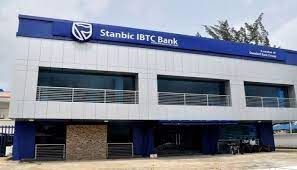
Stanbic IBTC Bank PLC, a member of Standard Bank Group, has opened a new branch in the Lagos Free Trade Zone (LFTZ), Ibeju-Lekki axis of Lagos State.

The new branch will serve the banking and pension needs of the financial institution’s current and prospective clients along the LFTZ corridor and environs.

Demola Sogunle, Chief Executive Stanbic IBTC Holdings PLC, said that the branch opening was geared towards serving industries, corporates and individuals in the LFTZ region.

He said: “As a forward-thinking financial institution, we have opened a branch to make our services available to individuals in the Ibeju-Lekki axis because we expect economic activities to increase within the area. We are fully committed and determined to continue providing world-class banking products and facilities in all the markets we operate in, and to ensure that our customers’ unique business needs are met.”

Wole Adeniyi, Chief Executive, Stanbic IBTC Bank, said: “We are delighted to open this branch in the Lagos Free Trade Zone area. This expansion epitomises our growth strategy of spreading our footprint to various regions in the country, and enhancing accessibility of our quality products and services to numerous industries and clients.”

Wole highlighted the growing need for additional banking services targeted at both current and prospective customers in the area, and the cognisance of convenience, alternative banking channels, and accessibility to financial services as key factors in achieving service excellence. He further described the branch opening as a strategic move that would catalyse vast investment opportunities inherent in the region.

Eric Fajemisin, Head, Corporate and Investment Banking, Stanbic IBTC, described the LFTZ as one of the commercial centres in Africa’s largest economy. He added that an overarching strategy of Stanbic IBTC remained to build sustainable businesses in all the regions served and to consistently create long-term value and wealth for shareholders and customers.

Eronmonsele Omiyi, Head, Client Coverage (Consumer clients) noted in his remark that: “Stanbic IBTC takes pride in the recognitions and awards for being at the forefront of providing exceptional customer service, and all customers can be assured of the same experience across all its branches, including this branch at the LFTZ”. He added that: “Excellent customer experience is complemented by the state-of-the-art digital channels that the bank provides, and our staff will be available to answer any enquiries from clients.”


CNN’s Connecting Africa Meets Business Leaders Connecting the Continent

0

Lawrence Nazare

Group Managing Director/CEO

Continental Reinsurance Plc

In the latest episode of Connecting Africa, CNN International’s Eleni Giokos meets the business leaders working to connect the continent.

In Lagos, Giokos meets Lawrence Nazare, the Group Managing Director of Continental Reinsurance. He explains what the reinsurance industry does, “Reinsurance in a nutshell, is really insurance, for insurance companies. It is really the second level of insurance after the insurance company insures its direct client. The reinsurer takes whatever risk the insurance company cannot cover under its own balance sheet.”

Intra-African trade has many challenges and Nazare believes that the size of the continent is one of the biggest hurdles, “Africa is a huge continent. So just the distances, I think makes it a daunting task. Traveling in Africa, when I started traveling was not easy, connectivity in Africa is not easy. So making sure that you are there on the ground, and interacting with your teams can be difficult. It’s proving to be a lot easier now post COVID doing it digitally, but at one point, we had to be physically traveling.”

Nazare also says that fragmented regulatory framework across the continent has proved to be a barrier to trade. He hopes that the African Continental Free Trade Area will solve this problem, “I see the Africa Continental Free Trade Area as an absolute imperative. I think for our business, it’s very exciting because of the promises that you’re seeing. One of which primarily is a promise of a level playing field, a modernised regulatory framework, no barriers to trade, free movement, free movement of labour, absolutely important.”

Nazare is hopeful for the future of business and trade across Africa, “I think the script for Africa’s future success story must be written by great African businesses. Those great African businesses must be allowed to spread their wings, take advantages of opportunities across the continent. We are on a fairly steep growth trajectory in Africa, boundless opportunities, but I believe we must create an environment that allows those enterprises to grow and thrive.”

This month’s programme also visits Ghana for a meeting of the Africa Economic Zones Organization, in Egypt energy and infrastructure giant Elsewedy Electric talk about their plans for a better-connected continent, and in South Africa Giokos explores South Africa’s wine industry.

The show also airs at the following times:

Monday 7th February at 0030 SAST and 2245 SAST

Tuesday 8th February at 2245 SAST

Saturday 12th February at 0830 SAST and 1300 SAST

Sunday 13th February at 2000 SAST

Monday 14th February at 0300 SAST


Linkage Assurance: N35bn Total Assets, N11bn Premium Income in 2021

0

Daniel Braie

Managing Director/CEO

Linkage Assurance Plc

Linkage Assurance Plc in the 2021 financial year recorded a 34 percent growth in Gross Premium Written (GPW) despite the challenging business environment.

The underwriting firm grew its GPW from N8.33 billion in 2020 to N11.16 billion in the review year as contained in its unaudited financial statements for the period ended 31 December 2021 made available to the Nigerian Exchange Group (NGX).

Its gross premium income was N10.57 billion as against N7.95 billion in 2020, a 33 percent increase.

Linkage Assurance during the review period sustained efforts at growing its balance sheet, as total assets grew to N34.85 billion, as against N33.88 billion in 2020.

The year under review was challenging in terms of technical underwriting, pushing net claims ratio up to 71 percent from 31 percent in 2020 largely due to major claims paid during the period such as claims arising from End-SARs protests and catastrophic losses in Oil & Gas and Manufacturing sectors.

Management of Linkage says it will continue to refine its strategy in line with the political, economic, sociological and technological changes in the industry particularly the impact of Coronavirus (COVID-19) pandemic on the business landscape.

“We will also continue to develop innovative products, alternative channels of distributions and strategic initiatives that will enable us achieve our corporate goals and objectives. With a medium-to-long term perspective, we believe that we will benefit from growth in these initiatives, Daniel Braie, MD/CEO of Linkage Assurance Plc stated.

Linkage has continued to expand its retail market with tailor made products that meet the needs of her teaming customers. Some of the products include the Linkage Third Party Plus, which is a budget friendly motor insurance that provides not only the compulsory Third party protection but an additional Own damage protection to the tune of N250,000. This product is only available from Linkage Assurance Plc.

Others are the Linkage SME Comprehensive, Citadel Shield (which provides compensation as a result of injuries from accident for pupils and students in recognized academic establishments); Linkage Events Xclusive Insurance, Linkage Shop Insurance, Purple Motor Plan (comprehensive motor cover exclusively for women), and the Linkage Estate Insurance.

“We have continued to make efforts to enhance our online portal to make our products and services available to our customers especially the digital savvy customers and enterprises, Braie stated.

“In line with the vision statement, we have embarked on extensive digital transformation, this is expected to be one of the major drivers of operational efficiency as it will improve our business process, eliminate wastages, and positively impact our performances.”

On Agric Insurance, the company says in line with its strategic focus, it has developed a bouquet of Agricultural Insurance products as risk management initiatives for both small, medium and large-scale farmers and agribusiness.

These include Livestock Insurance Solution, Multiperil Crop Insurance Solution, Fish Farm & Fisheries Insurance, Poultry Farm Insurance, Area Yield Index Insurance and Farm All Risk (Material Damage).

Stanbic IBTC Bank: Nigeria PMI Dips to 4-Month Low at Start of 2022

0

The opening month of 2022 revealed a solid expansion in Nigeria’s private sector. Output continued to rise at a robust pace thanks to larger workforces as well as supportive domestic and international demand conditions.

However, cash shortages weighed on new orders, which rose at the softest rate for a year-and-a-half. Nevertheless, firms remained committed to raising output and stockpiled inputs accordingly, while sentiment improved to an 11-month high. Cost pressures remained sharp in January, but purchase price inflation eased notably from December’s previous peak.

The headline figure derived from the survey is the Purchasing Managers’ Index (PMI). Stanbic IBTC Bank noted that readings above 50.0 signal an improvement in business conditions on the previous month, while readings below 50.0 show a deterioration. At 53.7 in January, down from 56.4 in December, the latest expansion pointed to a softer, yet solid, improvement in business conditions.

Expansions have now been seen in each of the last 19 months, with the latest uptick the softest since September. Central to the moderation was a notable slowdown in new order growth. Total new business rose at the softest pace in 18 months with panel comments mentioning that cash shortages and high prices weighed on new order growth.

With new order growth easing in January, firms raised their output levels at a softer pace. The rate of growth was still robust, however, and above the long-run series average. Sub-sector data revealed expansions across the board, although agriculture recorded by far the strongest increase. Manufacturing, wholesale & retail and services followed, respectively. Sentiment improved to an 11-month high during the month amid plans to expand operations.

As a result, firms raised their headcounts marginally which contributed to a sharp reduction in backlogs. Lead times continued to improve in January, but to the weakest extent since April 2020. The resurgence of COVID-19 cases and tighter restrictions in international markets were often mentioned as factors that weighed on vendor performance.

Meanwhile, a sustained period of output and new order growth encouraged advance ordering strategies. There was also an indication that firms added to stockpiles to protect against future price hikes. Both purchasing activity and input inventories rose at robust, albeit softer rates.

Rising wage and raw material prices led to another increase in overall input costs. Unfavorable exchange rate movements also drove up expenses. Consequently, firms increased selling charges, but the rate of increase moderated notably.


NAICOM Unveils Guidelines for Insurance Web Aggregators

0

The National Insurance Commission (NAICOM) has unveiled Operational Guidelines to serve as a working document to register, supervise and monitor web aggregators as Insurance Intermediary who maintains a website for providing information on products of different Insurers.

  • In exercise of the powers conferred by the National Insurance Commission Act 1997, the Commission hereby issues Insurance Web Aggregators Operational Guidelines.
  • This Guidelines comes into effect on the date of release to the insurance industry and the public.
  • This Guidelines shall apply to all Web Aggregators and Insurers respectively carrying on insurance business in Nigeria.
  • This Guidelines shall be read in conjunction with other relevant Legislation, Guidelines and Circulars as determined to be applicable to the newly inclusive distribution channels approved by the Commission.
  • It is the responsibility of Web Aggregators to obtain any clarification required on the applicability of this Guidelines, and any other Regulations from the Commission.

Lagos, Anambra, Delta Lead as 19 States Adopt Health Insurance Scheme

0


Tunde Hassan-Odukale

Managing Director/CEO

Leadway Assurance Company Limited

No fewer than 19 States of the Federation are at various stages of implementing universal health coverage through establishment of their respective health insurance schemes

However, Anambra, Delta and Lagos States have particularly made significant progress in enrollment of people on this scheme.

Health Insurance is one of the mechanisms for providing financial protection from the costs of using healthcare services, which is a key pillar of universal healthcare. The protection it affords is extremely important as research from the World Bank and WHO shows that 100 million people are pushed into extreme poverty on an annual basis due to healthcare expenses. While health insurance has been operational in Nigeria for over 15 years, the uptake has remained low.

Speaking at a virtual Leadway Assurance Media training for insurance journalists in Lagos recently, the Head, Medical Services, Leadway Health, Dr. Temitope Falaiye, stated that Nigeria spends a relatively small proportion of national income, translating to about 4 percent of Gross Domestic Product (GDP) on health against the agreed 15 per cent at the 2001 Abuja Declaration.

Stressing that Out-of-pocket expenditure on health is amongst the highest in the world put at 77.23 percent of total health expenditure and the highest in Africa, he added that a voluntary National Health Insurance Scheme (NHIS) exists in Nigeria but covers less than 5 percent of the population, saying, Nigeria’s informal economy, which accounts for more than 60 percent of its total GDP is still largely uncovered.

“To bridge the coverage gap, several states have commenced the establishment of State Health Insurance Schemes. Presently, about 19 states are at various stages of their implementation journey. Anambra, Delta and Lagos state have particularly made significant progress in enrollment. Private Health insurance accounts for less than 3 percent of the Nigerian population,” he pointed out.

Explaining that there is no one-size-fits-all approach to achieving Universal Health Coverage (UHC) as strategies will depend on local circumstances, he said, improving Universal Health Coverage requires addressing building blocks of health systems with a proper roadmap from policy, implementation and monitoring.

Highlighting the challenges of universal health coverage in Nigeria, he listed underfunding and skewed funding allocation in favour of secondary and tertiary care as against primary healthcare, as well as poor public financial management

Others he listed include: ” limited political commitment to health and primary healthcare, poor policy formulation, lack of clarity on roles and responsibilities at different levels of the system, lack of measures to assess quality of care, lack of confidence in healthcare systems and human resource shortages (workforce).”

On recommendations, he advocated for diversification of sources of funding, increased funding for primary healthcare services through public-private partnership, even as he suggested State-funded private health insurance in collaboration with private Health Management Organisations (HMOs).

Calling for better funding/incentives for health providers in rural communities, he stated that there must be fraud prevention and systems to check corruption.

Stating that improved government commitment to health especially at the state and local level is germane, he called for research-based policies, formulation of a national UHC roadmap involving national, state and international partners, better collaboration between the public and private sector, among others.

Governments, he advised, should create an enabling environment to promote Corporate Social Responsibility (CSR) support towards UHC initiatives, while advocating implementation of a monitoring and evaluation framework with data from key UHC indicators.

While speaking on Leadway Health, which officially started operation on the 1st of January, 2021, he said the HMO is made up of highly experienced, technology-savvy health insurance professionals who are driven to change the perspective of health insurance in Nigeria.


“At the onset, we analyzed the customer journey, identified pain points and deployed targeted solutions to ensure a best-in-class experience for both health providers and clients. The growth of the company has been exponential with over 51,000 enrollees spread across the country (inclusive of corporate, retail and NHIS,” he stressed.

Similarly, at the event, Mr.  Gbolahan Oluyemi of the Leadway Capital & Trusts Limited, while making presentation on Understanding Wills and Trusteeship, advised Nigerians on estate planning which is the preparation and planning to manage an individual’s asset base after their demise or incapacitation.

According to him, “there are different modes of Estate Planning and they include, Trust, Inter vivos gifts and Wills. A Trusts is an arrangement whereby a person transfers an asset to a person (Trustee) to hold in trust for the benefit of a third party (Beneficiary). A Will is a legal document by which an adult expresses how he/she wants his/her assets/property to be distributed after his/her death.”

Explaining the importance of will writing, he said, this ensures that your assets will be distributed according to your wishes, offers protection for your beneficiaries, excuses the need for Letters of Administration, contains an inventory of assets and reduces fraud in the succession process as well as eases access to the Retirement Savings.

Earlier, Principal Investment & Strategy, Leadway Assurance, Joshua Ogbeifun had charged journalists on the need to deepen insurance awareness and education through their write-ups, saying that though insurance journalists have tried in this regard, but that they can improve on this to increase insurance adoption and penetration as well as insurance industry profitability.

Casava Secures $4m to Provide Microinsurance Services in Nigeria

0

Casava, Nigeria’s first 100 percent digital insurance company, has secured $4 million in pre-seed funding to provide affordable and accessible insurance products for millions of Nigerians.

Starting with income protection and health insurance, the insurtech startup is leveraging artificial intelligence and behavioural science to deliver game-changing claims and benefits products. The new funds will support customer acquisition and growth, as well as further development of the product and the technology stack.

The funding round, the largest pre-seed round for an African insurtech to date, was led by Target Global with participation from Entrée Capital, Oliver Jung, Tom Blomfield (Founder of Monzo) and Ed Robinson and Brandon Krieg (Founders of Stash). African founders such as Uche Pedro (Founder of BellaNaija), Babs Ogundeyi and Musty Mustapha (Founders of Kuda), Shola Akinlade (Co-founder of Paystack), Olugbenga “GB” Agboola (Co-founder of Flutterwave), Honey Ogundeyi (Founder of Edukoya), Opeyemi Awoyemi (Co-founder of Jobberman) and others also participated in the round.

Casava is led by Bode Pedro, a veteran entrepreneur that has built many successful companies, including Veda Technology, one of Nigeria’s premiere computer hardware manufacturers. Segun Makinde, former VP at JPMorgan Chase and former Portfolio Manager for Nigeria at MEST Africa is the company’s Chief Operating Officer.

The startup launched in April 2021 and already has more than 66,000 customers, with $16 million in insurance coverage. Casava is Nigeria’s first licensed microinsurance underwriter, creating insurance products that make it easier for income earners across the country to protect themselves against life’s unforeseen events, including job loss and health emergencies.

According to the National Bureau of Statistics, around 20% of workers in Nigeria lost their jobs as a result of COVID-19. With unemployment insurance unavailable in Nigeria, these workers are largely left to their own devices to make ends meet between jobs. With Casava Income Protection, subscribers can insure their income with an easy-to-use subscription that starts from as little as $1 a month, and get paid monthly for 6 months if they lose their job, fall sick or become disabled. Subscribers can also add on Casava Health, which enables access to more than 1,000 doctors on telemedicine and 900 hospitals across Nigeria.

Consumers can subscribe to Casava’s insurance products directly via the website, mobile app or WhatsApp. It will also be working with fintech and digital partners to embed insurance products into their offerings, accessing over 500,000 financial service agents to reach customers across the country. Casava will empower these agents to offer insurance and earn commissions from the customers from their customers on a recurring basis.

“Our mission is to provide affordable insurance for Nigerians and other Africans and we are happy to have raised these funds from an exciting group of investors, “says Bode Pedro, Founder and CEO of Casava, “With less than 1% of the country insured, Nigeria (and Africa) is an untapped insurance market. We want to address the barriers that hinder adoption and add value to consumers across the country.”

Commenting on the funding, Dr. Ricardo Schäfer, a partner at Target Global said: “Bode and the team have recognised a great opportunity to address a longstanding problem for many Nigerians and Africans and we are excited to support their mission to make insurance more accessible. One of the first of their kind in the region, Casava has the potential to transform the lives and livelihood of millions of people.”

“The Casava team has developed a unique and disruptive product that we believe has the potential to transform Africa’s insurance market,” adds Avi Eyal, General Partner at Entrée Capital. “We are confident in the Casava team that they have what it takes to be leaders in this field.”


About Casava

Casava is Nigeria’s 1st 100% digital insurance company and the fastest growing insurtech startup in Africa. We are making insurance affordable for income earners and protecting against key life uncertainties.

We are digitally rebuilding insurance from the ground up with our unique business model and an emphasis on great customer experiences to make it more data driven, accessible and socially impactful. By leveraging technology, behavioural science and empathy, we will provide insurance with a great user experience, amazing value and instant benefits. To that end, we have built a vertically integrated company with a wholly-owned microinsurance carrier in Nigeria and a full technology stack to power it.


About Target Global

Target Global is a pan-European technology investment firm with more than €3.0 billion in assets under management.  Target invests in companies across all stages of their life cycle from pre-seed to pre-IPO. Since 2012, Target has invested in global winners including Delivery Hero, Auto 1 Group, Rapyd, Flink, Cazoo and many others. Target’s experienced team of investors, many of whom started their journeys as entrepreneurs and operators, help exceptional entrepreneurs build leading companies that target trillion-dollar markets. To date, Target has backed 11 unicorns, had 17 exits and 7 realized IPOs. Headquartered in Berlin, Target has offices across London, Tel Aviv, Barcelona, Cyprus and Moscow and is constantly expanding to new geographies.


Absa: Expanding Role in Africa’s Post-Pandemic Recovery Race

0

The race to rebuild the global economy after the lockdowns is gathering pace. The spike in inflationary trends, disturbing food insecurity levels, failing channel management systems, the sharp increase in the number of businesses going bust, and alarming infrastructure deficit form the recent consequences of the COVID-19 outbreak.

Hence, development agencies and state economic managers on global and regional scales have sprung into action to revive the hailing economies. Recovery aids, financing instruments are being sourced to balance up the intervention policies developed across markets to stimulate quick recovery from the various shocks of the viral outbreak.

Africa, home to over 1.2 billion people, is striving hard to meet its obligations of catering to the food needs of the burgeoning population as well as closing the massive infrastructure deficit evidenced by the inconsistent supplies of electricity, decaying road transport systems, low internet penetration level, growing unemployment rate and faulty municipalities across its 30.3 million km2 surface areas.

According to the German Institute for Global and Area Studies (GIGA), the lockdown rules that were implemented across the African continent led to drastic short-term income losses for informal workers as very few of the workers had access to social security protection.

Foreign direct investment (FDI) also dropped drastically as trade declined dramatically on the continent while the government capacity to keep the economy active ebbed leaving little or no means of support for the state managers.

A swift rebound from the deep deficits on the continent would require strong public-private partnerships on a socioeconomic level. The private sector which provides as much as 90% of the employment in the economies and plays active roles in implementing key growth policies are a strong driver of national and regional economic agenda. It is hard to imagine a faster post lockdown recovery on a large scale without effectively engaging the private sectors.

Absa, a pan Africa financial institution is spearheading the private sector’s interventions to stimulate swifter recovery in trade, investment and infrastructure development. The bank is deploying its wider operating capability, well-tailored offerings and experience on a global scale to support the various post lockdown recovery efforts embarked upon by some state actors.

One of the recent moves made by Absa to shore up efforts to rebuild the African economy is a collaborative agreement with Proparco, a French development finance institute, to help corporate SMEs recover from the lockdown’s shocks.

The collaborative economic support agreement aims to source and disburse $20 million to SMEs operating in sectors such as construction, manufacturing, tourism, retail, which have been badly hit by the Covid-19 crisis especially in South Africa.

By helping the SMEs segment stay afloat through the provision of accessible loan instruments, Absa is addressing a critical issue on the continent.

Of course, the African SMEs segment played a significant role in the continent’s impressive 5% average growth in the past decade. The segment has been a fitting lever pulled to attract investment to the continent over the years. It also topped other segments in generating employment for the population and tax revenue for various governments.

Therefore, by providing a support framework for the segment through collaborative efforts, Absa is leveraging its impressive developmental network to strengthen a key locus of economic recovery in the post-lockdown operating environment.

Speaking about the collaborative agreement between Proparco and Absa, Parin Gokaldas, Group Treasurer at Absa, said:

“The agreement further enables Absa to provide financial support to corporate SMEs, a vital component of the local economy, as it recovers from the impact of the Covid-19 pandemic. We are particularly pleased with the agreement as we view the relationship with Proparco, a significant development finance institution in Africa, as strategically important.”

For Emmanuel Haye, deputy head of the Financial Institutions Debt Group, covering Africa and Middle East, at Proparco: “…We are delighted to start this partnership with Absa Bank, a key player with a strong pan-African presence and to be part of a much-needed counter-cyclical role.”

In the same vein, Absa was recently involved in raising a $400 million syndicated loan for the Africa Finance Corporation (AFC), a leading infrastructure solutions provider, which targets critical infrastructure development on the continent. The pan African bank, through its Corporate and Investment Banking division, along with a few other global banks, acted as a bookrunner and mandated lead arranger to help the AFC secure the development loan.

The involvement in the syndicate loan arrangement to boost infrastructure development in Africa is another significant intervention effort that speaks to the development focus of the bank.

Banji Fehintola, Senior Director & Treasurer at the AFC, explained: “This loan will be instrumental in working towards plugging the infrastructure gap we are facing on this continent, especially following the damaging effects of the Covid-19 pandemic. We remain committed to partnering with experienced, like-minded organisations to provide sustainable finance for infrastructure development in Africa while achieving the lowest borrowing costs of any institution on the continent.”

Precisely, robust investment in infrastructure development enables trade and creates a vibrant environment that powers businesses. It provides millions of jobs each year in building and maintenance for the local population.

According to a statement released by the AFC recently, the syndicated loan will support Africa’s post-pandemic recovery “through critical development of infrastructure.” Africa no doubt is in need of strong infrastructure development support in raising the standards of road and freight networks, broadband penetration levels, and the upgrading of the continent’s electric power facilities.

Sadiq Abu, Chief Executive Officer, Absa Nigeria said: “As a pan-African financial institution committed to deepen growth and create shared value, Absa is consistently deploying its vast knowledge of the operating environment to support both public and private development actors in stimulating faster post-lockdown economic recovery on the continent.”


Royal Exchange Insurance Taps Oyetunji, Uyi, Alfred for Executive Positions

0

The Board of Royal Exchange General Insurance Company (REGIC) is pleased to announce the appointment of Oyetunji Oshiyoye as Executive Director Business Development; Uyi Osagie as Chief Financial Officer and Alfred Tabiti as AGM/Head Retail & E-Business. These appointments took effect from January 2, 2022.

Oshiyoye with his extensive experience and knowledge of the insurance industry, will seek to drive the continuous growth and profitability of REGIC, while seeking new markets for the company as the head of Business Development. Osagie is charged with driving financial efficiency within REGIC and Tabiti as the Head of Retail will ensure REGIC becomes a major player in the retail insurance space within the next few years.

Furthermore, the company stated that these three appointments were done in order to ensure that REGIC continues to exploit the opportunities that abound in the general insurance space and ensure continued growth for the company, especially as it seeks to diversify its revenue streams.

Below are the profiles of the new appointees.

Oyetunji Oshiyoye – Executive Director, Business Development 

Oshiyoye has over nineteen (19) years’ work experience garnered in the FMCG space before moving into the Insurance industry in Nigeria.

His forte includes sales management, business transformation and value chain optimization. Over the years, he has successfully developed and implemented cost effective business strategies which in-turn, increased company productivity and profits.

Tunji joined Allianz Nigeria Insurance Plc in 2014, holding several positions including: Group Head Retail Channel Group, Chief Retail Sales and Marketing Officer, Chief Operations Officer and finally became the Chief Customer Officer in 2021.

He holds a bachelor’s degree in Geophysics from University of Lagos and an MBA (Leadership and Sustainability) from the University of Cumbria, UK.

Uyi Osagie – Chief Financial Officer

Osagie has over thirteen (13) years hand-on experience in Consulting, Financial Reporting, Business Strategy Formulation, Investment Management, Treasury Operations, Risk Management, Credit Control, as well as Budgetary Control and Audit Services. His career experience cuts across the Financial Sector including Insurance, Banking, Asset Management, Pension and Real Estate.

In 2015, Uyi joined Allianz Nigeria Insurance Plc from Axa Mansard as the Chief Financial Officer with responsibility for the financial management of the company, regulatory oversight, internal control and investment operations before leaving to join Heirs Insurance in 2021 as a Chief Financial Officer.

He holds a bachelor’s degree in Pharmacy from Obafemi Awolowo University, Ile-Ife. He is a Chartered Accountant, Associate member of the Chartered Institute of Taxation of Nigeria, Member of the Chartered Institute of Insurance of Nigeria (CIIN) and an Associate member of the Nigerian Institute of Safety Professionals.

Alfred Tabiti – AGM/Head Retail & E-Business

Tabiti has over thirteen (13) years’ work experience in Sales, Product Development, Channel Management, Recruitment, Training, and Partner Acquisition at various levels. Most of these years of cognate work experience were spent in the Insurance Industry.

Tabiti began his professional career with Equity Life Insurance Company Limited in 2006 and in 2008, he joined AXA-Mansard Insurance Plc, as a Senior Bancassurance Associate, rising to become a District Manager in 2013.

In 2015, he left AXA-Mansard to join Ensure Insurance Plc (Now Allianz Nigeria Insurance Plc) where he worked in different capacities as Head Bancassurance, Area Sales Manager, Head Retail Sales and Head Bancassurance Nigeria (Retail Distribution Channels). Later, he moved from Allianz Nigeria Insurance Plc to join Avon HMO in 2021 as a Business Manager responsible for sales, retention, and business growth of the company’s SME/Retail business portfolio.

He holds a bachelor’s degree from University of Ado-Ekiti and a host of other professional certifications.

About Royal Exchange General Insurance Company (REGIC)

Royal Exchange General Insurance Company Limited (REGIC) comes from a pedigree that over a century old. Licensed by the National Insurance Commission to offer the full range of general and special risks insurance products and with decades of experience in the Nigerian market, REGIC has an enviable reputation for technical competence and financial strength.

The Company operates from thirteen (13) branches nation-wide to ensure maximum outreach and complete accessibility to its customer base. The recent implementation of a web-enabled backbone IT system has further enhanced its ability to provide incomparable service to customers.

The Company’s capacity to underwrite oil and gas risk is widely acknowledged throughout the industry and its recent foray into agribusiness insurance has given REGIC a stronger foothold within the insurance space.

With an unwavering dedication to its core values, the company continues to maintain its lead in underwriting majority of the corporate risks in Nigeria.

If Rotimi Amaechi Will Be Nigeria’s President…

0

BY KENI AKINTOYE

One of the greatest successes of any leader is their ability to find a good successor. Nigeria’s President, Muhammadu Buhari is not an exception to this “rule” and he must be thinking in this direction already. The problem is that there seems to be a host of contenders within the APC who believe they deserve to be his candidate.

Many names have been thrown up in the media and some have been on the lips of Nigerians since 2018. On my last count, there are over 10 persons gunning for the APC presidential ticket for 2023.

We are yet to have any surprises as we know the real contenders, the pretenders, perennial aspirants, the obsessed, and the ones who only need the presidential aspirations to negotiate for relevance in the next government. All eyes are on the APC because it promises to be more intriguing for political scientists, analysts and indeed all Nigerians.

President Muhammadu Buhari recently, in an interview with Channels Television, told Nigerians that the name of the candidate who he would prefer to succeed him in 2023 will be kept secret because the person might be “eliminated” if he mentions the name.

The question now is, why is the president scared for his candidate’s safety? The reason is simple. His choice will be a shocker to the ultra-high-class politicians who may have plotted the succession plan based on different interests and agreements that date back years. Some of the presidential decisions in the next few months will simply not add up for them and they will fight.

What they would most likely fail to consider is that the President knows that how history remembers him will be highly dependent on the person who takes over from him. The Buhari presidency is one that has kept Nigerians divided for all its years because of the degeneration that has hit the economy, the insecurity that grew bigger under him and, of course, the anticorruption war that he was so passionate about but which somehow has left Nigerians disappointed.

Despite the criticisms, Buhari and his loyalists somehow believe that a day would come when Nigerians will look back to admit that he was a good president and he knows that the sustenance of the infrastructural development across the country is the surest way to achieve this, being his biggest success story as President.

He has been considered a failure on the economy because Nigerians seemed to get poorer since he became president. But truly speaking, regardless of how Nigerians condemn the president, he will go down in history as one of those who invested the most in infrastructure development.

Investing in infrastructure is like sowing in tears and waiting patiently for harvest, one that might take years to come forth. However, you must nurture it to maturity and there comes the continuity that President Buhari seems desperate to secure for his investments.

From road constructions to the mega rail projects and development of local industries, the Minister of Transportation, Mr Rotimi Amaechi, is one man that has spearheaded the major successes of the Buhari administration and upon whose shoulders the burden of continuity might be best placed. Asides the fact that he offers Buhari his best hope of sustaining these projects, there are many more political permutations that would make us believe that he might be the president’s candidate.

Just as we all know of the APC leader, Senator Bola Ahmed Tinubu, we cannot also dismiss the role Rotimi Amaechi played in making Buhari president; how he fought gallantly and vocally against his former political family – PDP to ensure they were well de-marketed across Nigeria and how he generously supported the Buhari-Osinbajo ticket with huge financial resources.

Tag this one of PMB’s worst kept secrets and you could be right. A lot has been said about how he is the chosen one who needs to tread carefully because of the political gladiators who are already declaring their readiness for the battle ahead and who seem better prepared than him.

Whether or not they keep their plan secret, one reality Mr Amaechi must face is that this is not the Muhammadu Buhari of 2014 whose words were like an unwritten creed for Nigerians. He has been significantly demystified by his inability to solve the same problems he described as basic during the campaigns, as his popularity has waned gradually since 2015. This is why Amaechi must not rely too much on a presidential endorsement to make himself a top contender.

Also, the choice of Amaechi is not going to be a popular one within the All Progressives Congress. Not only is he considered politically orphaned going by the sustained dominance of the PDP in Rivers State, he is also not considered to have the pan-Nigerian acceptance that is expected of a man who will occupy Aso Rock.

But really, is that belief correct about the man? I think he is being underrated by many Nigerians. Since November 2015 till date as Minister of Transport, these are six years traveling across all 36 states in all the geopolitical zones of Nigeria, delivering infrastructural development to the people and growing his own political tentacles.

The people of Oyo state now know Rotimi Amaechi better because of his commitment to the Lagos-Ibadan rail project which he constantly inspected alongside one of Ibadan’s favorite politicians, Senator Soji Akanbi. Today, that project has added immense value to the economy of Oyo State and that is the story of Amaechi in many states across the north and south where he has greatly built his popularity.

On February 5, 2022, this Ikwere man will be turbaned as the Dan Amanar Daura in Katsina State, literally describing him as a noble gentleman and confidant who can be trusted and whose words can be relied upon.

After citing the Federal University of Transportation in Daura and taking the $1.8billion railway track that will link Nigeria and Niger Republic through the community, the people cannot ignore him. Even President Buhari had no such grassroots relevance or presence nationally in 2014 before the likes of Tinubu and Amaechi sold him to the rest of Nigeria.

Another irony of underrating Amaechi is that his work as a minister would have also rebuilt is popularity in the south-south. If it can happen in other regions of the country, how much more among his own people? He is theirs and indeed one of the few they can be proud of at the federal level.

There is also the argument that the south-south had recently been president with Goodluck Jonathan but hasn’t the southwest been president with Obasanjo? The reality is that those were PDP arrangements and this is a different party. As long as zoning is not in Nigeria’s constitution, eligible citizens will continue to outmaneuver it to aim for the big seat.

Can Rotimi Amaechi be the next president of Nigeria? Why not? Like many other aspirants, he is relatively young and has the capacity, but he needs to sell himself to Nigerians and quickly too.

The greatest favour Mr Amaechi can do for the president right now is to make the decision easier for him by taking on the APC’s battle to wrestle some major chunk of the South-south from the PDP. He needs to make himself the face of the ruling party in that region and be less evasive in the scheme of things.

The Rotimi Amaechi we know is fearless, straightforward, dogged, vocal and eloquent by all standards. He spoke so much against the injustices suffered by his administration in Rivers and the Jonathan government’s manipulation of the police, such that the word “impunity” almost started sounding like Amaechi’s linguistic invention.

The current Amaechi, however, is no longer the public delight we enjoyed listening to and whose words we jostled to capture as journalists back then. If this quietness is his strategy not to draw attention to himself because of the impending public endorsement by President Buhari, he needs to review that strategy in order not to make his candidacy even less popular.

Being eight years older, I do not expect him to be as confrontational as he was, and as a busy minister, we do not expect him to play to the gallery by campaigning to be president, but it will do some good to have clarity about his identity.

We must learn something from the Tinubu ambition. Since 2021, the frenzy of his presidential ambition had taken over the southwest with several first-class monarchs and leaders of strong power blocs already publicly endorsing him, while several support group had started emerging and canvassing for him.

All these were achieved without the man making a single public statement about wanting to be president of Nigeria and this is because of the movement called SWAGA – South-West Agenda.

Now that Senator Bola Tinubu has finally declared his interest, he is unarguably the man to beat. And it does not even matter that there are reservations about his age or physical capacity to do the job. To achieve his dream, Mr Amaechi needs to bring back his charismatic personality and strategically push the narratives that resonate with Nigerians in order to invalidate the questions that will be raised regarding his political popularity and capacity to be president of Nigeria in 2023.

It cannot be too early to speculate but then, we must wait for the APC National Convention. The outcome will further show us the direction of the ruling party. The months ahead promise to be as exciting as they will be shocking.

Keni Akintoye is a media & PR strategist and political analyst. Follow him @KeniAkintoye on Twitter, Instagram and Facebook

Allianz Ranked 30 on List of World’s Most Valuable Brands

0

In this year’s Global 500 report issued by Brand Finance, a leading brand strategy consultancy, Allianz brand was ranked 30th in the list of the world’s most valuable brands. Among the world’s 100 most valuable insurance brands, Allianz ranked first among internationally operating insurers. This was announced by Brand Finance.

The rating confirms Allianz’s position as one of the world’s strongest brands. Among the main reasons for the upgrade are the improved revenue outlook after the Corona-induced uncertainty and an increase in Allianz’s Brand Strength Score.

With Allianz’s Asset Management business, and €2.5T AuM, the overall brand value increased by 12 percent and reached almost €39 billion. 

“This news affirms not only the brand strength of Allianz but also demonstrates that Allianz is more than a leader in the insurance business,” said Serge Raffard, Group Strategy, Marketing, Distribution Officer at Allianz SE.

With a top brand strength rating in the AAA band, Allianz will use its brand as a key facilitator for moving the business into new and adjacent categories. The growing strength of Allianz, combined with digitalisation, enables even more significant value creation as a multiline company’, such as financial services. As announced during its Capital Markets Day in late 2021, Allianz will leverage its purpose and brand to generate profitable growth and drive customer centricity in its strategy 2022+.

“It makes me very proud to share such fantastic news at the beginning of 2022. Being rated 30th among the strongest global brands reflects the hard work and strategy behind the steadily growing Allianz brand,” said Dr. Christian Deuringer, Head of Global Brand & Marketing at Allianz SE.

Stanbic IBTC Showcases Strong CSI Through Together4ALimb Initiative

0

As a socially responsible organisation, Stanbic IBTC Holdings PLC is big on positively impacting lives within its host communities in Nigeria through its Corporate Social Investment (CSI) initiatives.

Stanbic IBTC’s CSI is hinged on three core pillars: education, health, and economic empowerment, and aims to meaningfully contribute to enhancing the wellbeing of Nigerian communities, especially at the grassroots.

One of such is the Together4ALimb initiative, where the company provides support to enhance the quality of life of children with missing limbs. Through the provision of prosthetics and educational trust funds worth millions of naira, Stanbic IBTC ensures these young people can live a normal and productive life like their counterparts.

The organisation understands the need to make an impact in the lives of children living with missing limbs, either by birth or via accidents, and is determined to do so through its signature CSI. It is important to give these children hope for the future, and enable them see the endless possibilities for greatness in life, irrespective of societal prejudices they face owing to their circumstances, which could pose a threat to the achievement of their dreams and aspirations.

The educational trust support provides a platform for young people to access quality education needed to enable them maximise their potential and become whatever they want to be.

The signature CSI comes with an awareness drive, “Together4ALimb charity walk”, which is designed to draw attention to this health challenge and hopefully garner financial and government support for survivors.

The annual Together4ALimb walk has recorded over 5,000 participants since inception.

Stanbic IBTC reiterates its commitment to empowering and creating better narratives for communities in Nigeria. In 2021, the organisation took on several value-driven charitable initiatives such as school renovations, orphanage, nursing homes and special needs centre visitations, all targeted at empowering and enriching the lives of less privileged Nigerians.

A memorable CSI initiative taken on last year by the organisation was a visit to the Ketu Special Children Centre, where the organisation presented medical and physiotherapy equipment to the facility. The donations made will go a long way to help improve the wellbeing of children living with cerebral palsy, a condition which causes other health issues like vision impairment, hearing and speech problems, and learning disabilities.

Other CSI initiatives taken on by Stanbic IBTC last year include the presentation of hospital equipment to Batagarawa Primary Health Care, Katsina; presentation of a CT Scan room and other medical facilities to Mother and Child Hospital, Kano State; the donation of medical items to Mother and Child Hospital, Ebonyi State; the commissioning of a borehole donated to the LEA Primary School FCT Abuja; renovation of the Antenatal Care Unit at General Hospital, Mushin, Lagos, as well as empowering young people via financial knowledge on the World Savings Day in various schools nationwide and mentoring sessions for students at Estate Senior Grammar School, Ilupeju, amongst others

Stanbic IBTC is focused on delivering relevant and impactful CSI projects in communities where development is most needed. In 2022, Stanbic IBTC promises to deliver more social and economic initiatives to facilitate growth and improve the welfare of the Nigerian communities, especially those in rural areas.


Ardova Commends Stanbic IBTC’s Support for LPG Storage Project

0

AP LPG terminal, a fully owned subsidiary of Ardova Plc on Wednesday, January 19, 2022 performed the groundbreaking ceremony for the construction of a 20,000 metric tonne Liquified Petroleum Gas (LPG) storage terminal at the project site in Ijora, Lagos.

The ceremony signified the official commencement of construction activities which is expected to be completed in December 2022.

Upon completion, the project will be the largest LPG storage facility in the nation and will ease some of the existing bottlenecks in the value chain for the supply of cleaner and more efficient energy for domestic use (cooking gas) in Nigeria, amongst other strategic benefits.

Olumide Adeosun, Group Chief Executive Officer, Ardova Plc, expressed his appreciation to Stanbic IBTC Infrastructure Fund for its commitment to the project and noted that the importance of having formidable partners for project development, planning, execution, and investment support cannot be over-emphasised.

“We are pleased to have the support of the Stanbic IBTC Infrastructure Fund for its pioneering role in a transformational project within the LPG value chain, which will undoubtedly accelerate the various energy transition initiatives currently underway at Ardova Plc. This support has helped us commence construction of this 20,000 metric tonne LPG storage terminal, which is expected to bring efficiency and reliability of LPG supply to Nigerian consumers as well as create long term value for our shareholders; and for this, we are thankful.”

He noted further that “Beyond the cleaner energy premise, approximately 600 direct jobs will be created during the construction of the project and there is a multiplier effect of about additional 1,400 indirect jobs that will be created during the construction period after which it settles to about 250-300 jobs once the project becomes operational.

Oladele Sotubo, Chief Executive, Stanbic IBTC Asset Management, noted in his remark that “Across the globe, cleaner energy investments have continued to be the focus. Given the environmental sustainability benefits of this project, Stanbic IBTC Infrastructure Fund’s investment philosophy is properly aligned, hence the support for the 20,000 metric tonne Liquified Petroleum Gas (LPG) storage facility terminal”.

A portion of the first Tranche of the N100 billion Stanbic IBTC Infrastructure Fund, which closed in August 2021, was used to part finance the LPG storage terminal.

Sotubo went on to express his gratitude to Ardova for partnering with Stanbic IBTC Infrastructure Fund and used the opportunity to also commend all the Tranche 1 investors, including institutional investors such as Trustfund Pensions, Veritas Glanvills Pensions, NPF Pensions, Fidelity Pensions, Crusader Sterling Pensions, Agip CPFA, Progress Trust CPFA, AIICO Insurance, and other High Networth Individuals (HNIs), for the confidence reposed in the fund.

He pointed out the impact their investment is making in terms of solving some of Nigeria’s infrastructure bottlenecks, creating jobs while earning returns.

“As an organisation, we remain committed to bridging Nigeria’s infrastructure deficit through the provision of investment capital needed to develop projects”, he added.”

The Stanbic IBTC Asset Management Chief Executive highlighted that the Stanbic IBTC Infrastructure Fund remains dedicated to meeting the investment needs of its clients, providing them with the right investment vehicles, opportunities and professional investment services needed to achieve their financial objectives.

He urged institutional investors such as pension fund administrators, insurance companies and asset managers to explore the unique opportunities of the Stanbic IBTC Infrastructure Fund in meeting their long-term financial goals.

Stanbic IBTC Infrastructure Fund remains committed to funding infrastructure projects with competitive return profiles, sustainable environmental practices, and the potential to positively impact the economy.