

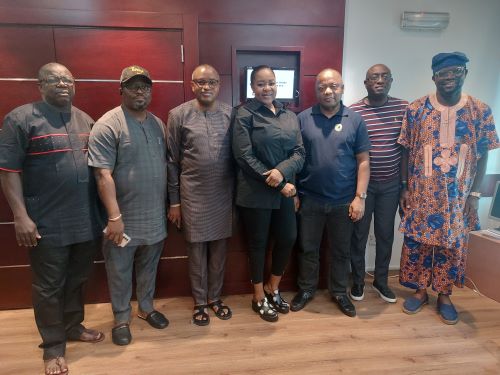
L-R: Emmanuel Anikibe, DGM, Marketing & Business Development Division, Lucas Durojaiye, DGM/Regional Head, Northern Operations, Olaotan Soyinka, MD/CEO, Sovereign Trust Insurance Plc, Ugochi Odemelam, Executive Director, Marketing & Business Development, Jude Modilim, Executive Director, Technical, Kayode Adigun, GM, Finance & Corporate Services and Segun Bankole, DGM, Corporate Communications & Investor Relations at the 2023 Strategy and Budget Session for Sovereign Trust Insurance Plc in Lagos over the weekend.
LIRS Boss Bags Innovative CEO of The Year Award, Promises to Sustain Tax Revolution in Lagos State
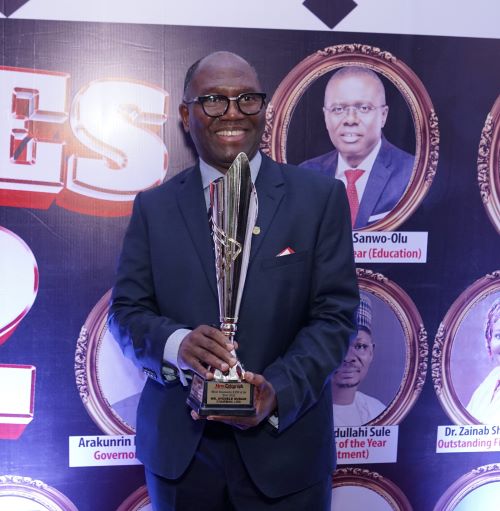
The Executive Chairman of the Lagos State Internal Revenue Service (LIRS), Mr. Ayodele Subair has been conferred with the Most Innovative CEO of The Year Award 2022 by the New Telegraph Awards 2022.
The award ceremony in Lagos had in attendance several other awardees and dignitaries, including the Vice President, Prof. Yemi Osinbajo, honoured with the Statesman of the Year Award, All Progress Congress Presidential Flagbearer, Asiwaju Bola Tinubu, PDP Presidential Candidate, Alhaji Atiku Abubakar, who both bagged Lifetime Achievement Award and Lagos State Governor, Babajide Sanwo-Olu, who went home with the Governor of the Year (Education), among others.
The organisers of the awards, The New Telegraph Newspapers, explained that Subair was honoured for his landmark strides since he became the LIRS Executive Chairman in 2016, as he has been able to implement strategic innovations as well as double the initial revenue generation from N240bn to N427bn with his astute knowledge and experience in Accounting and Taxation.
Driving the tax revolution at the LIRS, other Subair’s achievements, according to the newspaper, include the introduction of eTax in 2019, the launching of the whistleblowing initiative (2022), staff reforms and welfare upgrade (from 2017 till date), the introduction of the IBILE HUB Initiative (2021), Technology- driven Operational Reforms in LIRS formed in 2022, where an Intelligent Unit- a team of undercover administration specially trained in information gathering and intelligence reports to provide information on all taxpayers in Lagos State and to ensure the agency has adequate information for appropriate profiling to expose tax defaulters.
Others include the establishment of the LIRS Service Charter (2021), the introduction of Automation of collection of consumption taxes (2017-2018), the inauguration of the Joint State Revenue Committee (JSRC) in 2021 as well as becoming the agency with the Highest Generated Revenue amid Covid-19 pandemic in 2020.
While receiving the award, the LIRS boss, who was accompanied by some of the agency’s directors, expressed gratitude to the management of New Telegraph for recognising LIRS for the efforts it has been making in driving the State’s revenue generation under Governor Babajide Sanwo-Olu-led administration.
Subair said: “I want to say a very big thank you to the organizers of this great award, including the publisher and management of New Telegraph. “I want to say thank you for recognising LIRS as being the most innovative and very strategic agency. We know we have to be on top of our game so that we can generate enough revenue for this wonderful state.”
Speaking further, the astute Tax administrator noted: “I am very happy to receive this award. It is the recognition of all the hard work we’ve been doing at the LIRS. This award encourages us to strive to improve our innovation. The LIRS is hinged on technology, and anybody who wants to make any headway in tax administration has to embrace technology. So, it’s our joy that we are being duly recognised as the foremost agency in that direction.
“I dedicate this award to my late father, Engr. Abiodun Subair, Governor of Lagos State, Mr Babajide Sanwo-Olu, who always says yes to our wish list. I also want to dedicate the award to my family, to all directors and management staff of LIRS who are here to support me tonight and very importantly, to all staff of LIRS that have stayed committed to our strategic objectives.”
Speaking on what to expect from the agency shortly, Subair noted; “As for me, when you talk about figures, I want to ensure that we continue to double our numbers so that we have enough funding to sustain the development of our dear State.
Among the directors, who accompanied the LIRS chairman to receive the award included LIRS Board Secretary, Mr Owolabi Kamson, Director, Admin and HR, Arinola Kola-Daisi, Director, Legal, Seyi Alade, Assistant Director, IT, Rasheed Olu-Ajayi, Assistant Director, Relationship Management Unit, RMU, Mr Tunji Osuntokun and Head, Corporate Affairs, Monsurat Amasa.
P+ Hosts AMEC Measurement Month to Enlighten Communication Professionals in Nigeria
In collaboration with the International Association for the Measurement and Evaluation of Communication, AMEC, the leading intelligence agency in Nigeria, P+ Measurement Services, declared its interest to host the annual AMEC Measurement Month (#AMECMM) to enlighten PR and communications experts and professionals in Nigeria.
The event is slated to take place on November 25th, 2022 from 12 pm to 1:30 pm (WAT). The purpose of this event, which will be held virtually on the Google Meet platform, is to inform Public Relations and Communication professionals about the significance of Measurement and Evaluation in the PR and Media space with industry experts analyzing and offering insightful answers to the many unanswered questions in the industry.
The panelists for this edition include Francois van Dyk, Head of Operations at Ornico in South Africa; Okusaga Mobolaji, Managing Consultant at Precise Platform in Nigeria; Thomas Stoeckle, Self-employed Consultant, and Educator; Lecturer at PR Academy UK, Bournemouth University UK and Quadriga University Berlin; Consultant at communication agency Dot I/O Health; and Robert Awodu, Head of Public Relations and Communication at Jumia in Nigeria.
The event’s theme is “Measurement and Evaluation: Why It Matters in today’s PR World.”
AMEC Measurement Month is a free event that includes webinars, CEO conversations, workshops, and a lot more. It focuses on assisting PR and communications professionals in comprehending the value and significance of PR measurement.
Interswitch: Value Financing Will Spur Growth of Payment Ecosystem
Africa’s leading integrated payments and digital commerce company, Interswitch, has restated its commitment to continue supporting customers to meet urgent needs through its technology-driven lending solution called Value Financing.
The Value Financing solution is designed to provide customers with credit facilities as an alternative option for the payment for goods and services on e-commerce platforms and other digital platforms; consequently, allowing customers to meet their pressing needs with loans.
In the wake of the rising inflation across the globe, the firm said it has become necessary for customers to explore the use of credit facilities to meet their urgent needs.
Innocent Itobore, Head, Interswitch Lending and Data Services at Interswitch made these assertions at the third edition in the series of Regional Breakfast Sessions which held at the Carlton Swiss Grand Hotel, Enugu state. He said that Interswitch will continue to support customers and businesses to scale and thrive through the provision of innovative products and solutions.
He said “At Interswitch, we understand the peculiar needs of our customers, hence we continue to design products that will allow financial institutions and merchants meet the urgent needs of customers with loans, leveraging our cutting-edge technology systems. These solutions will, in turn, expand the lending offerings for financial institutions and give merchants the ability to grow their businesses as they get more purchases from customers, who can buy now and pay later.”
He said Interswitch organised the Regional Breakfast Session to provide insights and discuss robust opportunities for businesses to enable them to get first-hand information about Interswitch products and solutions.
Itobore further explained “The Regional Breakfast Session is an opportunity for us to introduce our customers to new, game-changing products that promise a range of digital competencies that will drive growth and profitability for their organisations. Essentially, these solutions will help remove costs that businesses would have incurred to develop enabling systems that foster seamless collection and disbursement of funds.”
During the course of the event, participants were onboarded on to other new Interswitch products which include; Tokenisation, Fintech-in-a-box, Interswitch-Security-as-a-Solution, Banking-as-a-Service, Payment-as-a- Service, Mobile Banking-as -a-Service and Biometrics on POS.
The Regional Breakfast Session series has been organised to gather financial industry players to discuss critical issues within payment ecosystem with the goal of deepening digital payments in the country and beyond.
After successfully hosting the events in Ibadan, Port Harcourt and Enugu, the event train is expected to move to Abuja and Lagos.
Allianz Nigeria: Adewumi-Zer Out, Jaideep Goel in as Interim CEO

Mr. Jaideep Goel as been announced as interim CEO of Allianz Nigeria effective December 1, 2022, subject to regulatory approval and pending the appointment of a new CEO in due course.
He will succeed Adeolu Adewumi-Zer, who has resigned as CEO of Allianz Nigeria.
Allianz reaffirms its commitment to its investments in the Nigerian market.
Brought on board in 2020, Jaideep joined Allianz Nigeria with over three decades of experience spanning general insurance operations, underwriting, claims management, sales and business development.
As Executive Director, Technical, Jaideep was responsible for enforcing underwriting discipline and loss control that helped to sanitize the books of the company. In his new role, he will also be responsible for leading the sales functions and the business at large, in the interim.
“With his exceptional technical qualities and sense of commercial relations, Jaideep has the necessary assets to lead the transformation necessary to stimulate even stronger growth of our operational entity in Nigeria” stated Delphine Traore, Regional CEO of Allianz Africa. We would like to use the opportunity to thank Adeolu and wish her the best in all future endeavours.”
Obi: Competence is Key in 2023, Not Tribe
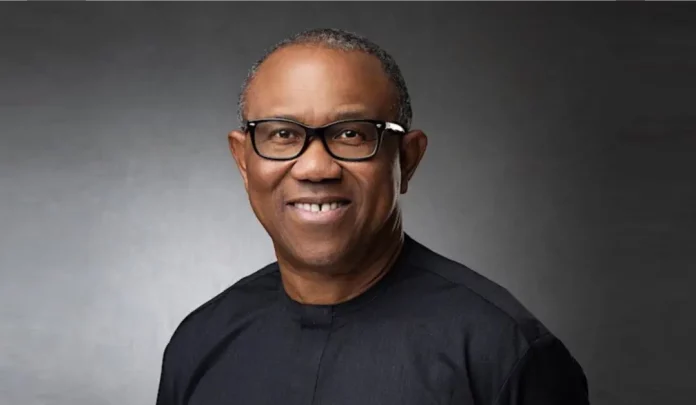
Mr. Peter Obi, Presidential Candidate of the Labour Party (LP) in the February 25, 2023 presidential election says that competence and energy to perform in office is more important than tribe in 2023. He added that nepotism is a higher level of corruption in Nigeria than stealing public money.
Obi said at a Forum organised by the Nigerian Guild of Editors (NGE) in Lagos that character, competence, ability and commitment to deliver should be the guiding principles for the presidential election next year.
He declared himself ready to provide good governance from day one if given the opportunity to serve the country as president.
“We must get the country to work. Nigeria is not a productive country. That is the result of leadership failure. What we do in this country is sharing. We have revenue sharing formula. We must replace it with production formula. I want to put Nigeria into production which is the foundation for the country to be able to feed herself.”
On the rising debt profile of the country, the LP Presidential Flagbearer said there was really nothing wrong with borrowing but the purpose and management of such borrowing.
“There is nothing wrong with borrowing. Every nation borrows. Every business also borrows. The problem is what you do with the borrowing. We shall borrow for production and we must tell our people the need for the borrowing. A leader must talk to the people. Communication is key. We shall renegotiate the debt if we win the election.”
Obi said the way forward is for the country to maximise generation of revenue by rethinking the annual N6 trillion subsidy regime, which he described as organised crime and then stop the stealing of oil in the creeks.
He promised to actively involve women and youths in his administration if elected.
Kwankwaso: ‘I Won’t Step Down for Atiku’
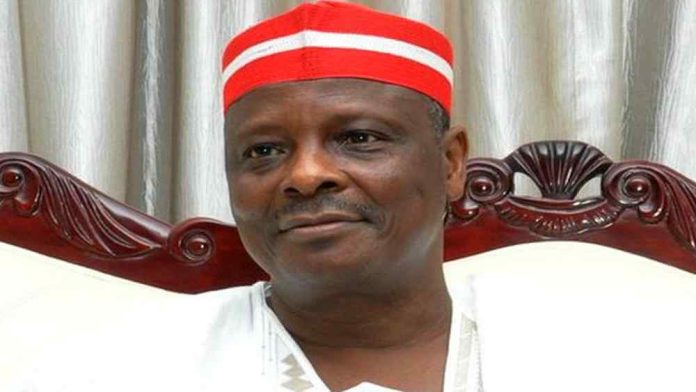
Alhaji Rabiu Kwankwaso, Presidential Candidate of the New Nigeria Peoples Party (NNPP) has debunked the lingering rumour in political circles that he is under pressure by Northern groups to step down for Alhaji Atiku Abubakar, Presidential Candidate of the Peoples Democratic Party (PDP in the February 25, 2023 presidential election.
Kwankwaso said at a Forum organised by the Nigerian Guild of Editors (NGE) in Lagos that the idea of him stepping down from the presidential race for Atiku was the handiwork of detractors, insisting that he would win the election on the first ballot.
“The issue of stepping down is coming from our detractors. We’ve built a lot of goodwill across the country-a huge achievement by any standard. We are gaining momentum by the day and we are out to win the 2023 presidential election. We left the PDP and APC for good because they have nothing else to tell Nigerians in terms of performance. The two parties have nothing else to do for the country. We (NNPP) are poised to give Nigeria good governance.”
The NNPP presidential flagbearer also promised that he would be open to ideas and suggestions on the issue of restructuring.
“The country is not on the right path. It needs positive change and we are ready to provide that leadership for the country.”
$1.5trn Niger Delta Blue Economy Excites UN, Expert Raises Environmental Concern
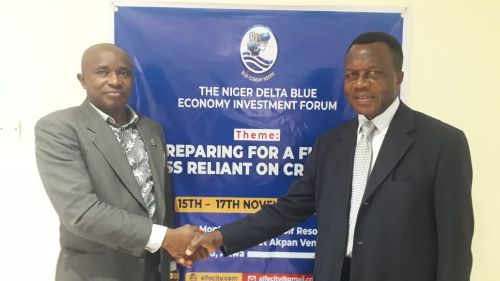
L-R: Mr Hilary Efanga, Researcher/Senior Lecturer, Maritime Academy of Nigeria, Oron and Mr Soji Adeleye, CEO, Alfe City Institution at the Niger Delta Blue Economy Investment Forum (15-17 Nov, 2022) at Monty Suites and Golf Resort, Uyo, Akwa Ibom State.
As Nigeria Blue Economy Stakeholders step up engagements through the Niger Delta Blue Economy Investment Forum to change the dynamics of the crude oil dependent region to a new future that is green and sustainable with practical projects, the United Nations Global Compact has drawn an attention to some blue investment opportunities that can be harnessed at a time when global sustainable bond issuance is sets to surpass $1.5 trillion in 2022.
In his presentation at the Niger Delta Blue Economy Investment Forum holding at Monty Suites and Golf Resort, Uyo, Akwa Ibom State capital from November 15-17, 2022, Mr. Erik Giercksky of the UN Global Compact Sustainable Ocean Business Action Platform said, while green bonds clearly address climate and environmental issues, the blue bond can relate to all Sustainable Development Goals (SDGs), reflecting the diversity of factors relevant for sustainable ocean business including fair labor conditions, climate change, waste reduction, and gender equity.
“Using a blue label can show stewardship, in terms of emission reduction in the ocean, but also in ways that may not be fully expressed in a green instrument,” he said.
At the three-day forum organised by Alfe City Institution in collaboration with Ministry of Niger Delta Affairs, Giercksky who addressed the forum virtually from New York listed benefits for blue bond which can be issued by sovereign countries, multilateral development banks, banks, large and medium-size companies to include enhance credibility of sustainability strategy; improve diversity of investor base; create opportunities for larger and longer-term financing; potential improved financing costs; reputation benefits; and internal benefits.
The theme of the forum hosted by the Akwa Ibom State government and supported by Nigerian Maritime Administration and Safety Agency (NIMASA), Nigerian Ports Authority (NPA) and National Inland Waterways Authority (NIWA) is ‘Preparing for a Future Less Reliant on Crude Oil’.
Giercksky said the United Nations Global Compact Ocean CFO Task Force in collaboration with ADB Blue Bond Incubator is available to support the private sector to issue blue bonds through provision of thought leadership; share corporate learning to teach and inspire potential issuers; showcase corporate commitment to blue economy on global stage; technical assistance; understand blue bond options, challenges, and benefits; define company’s blue bond framework and secure external verification; Identify assets, projects & KPIs eligible for blue bond proceeds; and Assistance in de-risking, structuring, and issuing blue bond.
In a presentation titled ‘The Niger Delta Endemic Environment: Challenges and the way forward’, Mr Hilary Efanga, a researcher and Senior Lecturer with the Maritime Academy of Nigeria, Oron identified oil spillage/gas flaring and other form of pollution as some of the major negative impacts on Niger Delta citizens, the environment and its economy, particularly the blue economy that must be urgently addressed for the blue economy to thrive.
“Central to the poor state of affairs is the largely obsolete laws and regulations in the Nigerian oil industry which have been outpaced by the prevailing technology for crude oil development and use,” he said.
“There is therefore an urgent need to review the existing oil industry laws and create new ones.
“The new laws to be promulgated must be relevant to the current state of affairs and strictly enforced to deal with every aspect of the industry, and very importantly, oil spillage and gas flaring.
“The communities in the Niger Delta region have become the recipient of environmental degradation. Government failure to implement appropriate policies to ameliorate the devastated region has exacerbated the phenomenon. Therefore, a comprehensive or holistic approach is necessary to address the, social and economic predicaments of the people living in the Niger Delta region.”
Calling on the Nigerian government to learn a lesson from how other countries effectively managed spill cases and adopt same as in the case of the Exxon Valdez Oil Spill and Prestige oil spill disasters, the researcher said, “The cause of oil spill can lead to very disastrous situation as such should be treated as national emergency by the Nigerian government whenever it occurs. Not just because this is the case in other region, but because it is the responsibility of the government to protect its environment.
“The government needs to provide effective capacity building at all levels by training of personnel, acquiring basic oil spill response assets and equipment so as to be able to manage and control oil spills.
“Nigeria seems to depend largely on foreign experts for spill management; this approach may not add local content value. Therefore, the country should embark on expansion of local knowledge of spill management through technology knowledge transfer.
“The government should develop a comprehensive spill management programme with the integration a modern national spill contingency plan and provision of the modern response equipment in readiness to combat any spill.
“Effective public and private sector partnership is crucial to deal with the occurrence of oil spills in Nigeria with the government playing a major role.”
As for the private companies, he said they are not blameless, as they had not demonstrated commendable corporate social responsibilities in either their operations or their relationship with host communities regarding the effects of their activities on the environment.
“For decades of operations in Niger Delta, the oil companies have not significantly involved in the development of the host communities which is the reason of the grievances between parties. Therefore, with the provision of the new PIA, government should establish an effective monitoring mechanism to ensure that the host communities receive optimal benefits this time,” he said.
“The oil organization should have free emergency national numbers in place this way the habitants in the region can call when there is an event of an oil spill and also when any individual is seen digging near a pipeline route.
“The Nigerian government must be proactive in both regards to control of oil pollution, management and biodiversity conservation by enforcing existing regulation, laws and policies in place, this can be achieved by enormous political support – the determination to enforce the regulations and strengthening the judiciary system especially in oil spill related cases.”
Mr Soji Adeleye, the Chief Executive of Alfe City Institution in his opening remarks listed the objectives of the Niger Delta Blue Economy Investment Forum to include Advance the national discuss on the imperative of a Blue Economy in Nigeria through practical demonstration of actual projects at the state level; Provide the platform for individual state to exhibit their Blue Economy projects for both local and international investors; Create a mechanism for peer review amongst the state to encourage open competition; Create a database for the states to serve as a repository of information about development in the blue economy sphere; Establish a thriving open source information for investment information on the Blue Economy in the region; Above all, construct a demonstrable tapestry for the youth of the Niger Delta Region of a world of opportunities that would challenge their creativity, entrepreneurial skill in contrast to a culture of entitlement and deprivation.
Adeleye, a member of the Expanded Partnership Committee on Sustainable Blue Economy chaired by Vice President Yemi Osinbajo (SAN) said, “The Blue Economy solution calls for decongestion of Lagos; to reduce the pressure on the Apapa port by encouraging the construction of new sea ports along the coast that can serve the other parts of the country.
“There should be at least 27 functional ports of varying sizes serving a growing population that is rapidly approaching a quarter of a billion people. The case for construction of new sets of sea ports along the Nigeria Atlantic Coast which these littoral states are ready to undertake is overwhelming.”
The expectations of the investment forum include that the Niger Delta region should have a clearer understanding of its role in the success of a Nigerian Blue Economy; Each state should have a broader knowledge of its potential and comparative advantage in facilitation of the Blue Economy; The youth and people of the Niger Delta Region, should after this forum be more optimistic about the future; Local and international investors should have a clear sight of the enormous investment opportunities available to them at the region; The development and outcome of the Niger Delta Investment Forum should accelerate the national discuss on this concept and help a quick articulation of the required policy formulation and legislation passage.
It will be recalled that major stakeholders in Nigeria’s blue economy had at a three-day ‘The Nigeria Blue Economy Stakeholders Conference’ in Lagos between February 15-17, 2022 made a case for urgent formulation of National Policy on Blue Economy to harness the immense potential in the ocean ecosystem.
Great Nigeria Insurance: N21bn Total Assets, N8.3bn Premium, N1bn Profit in 2021
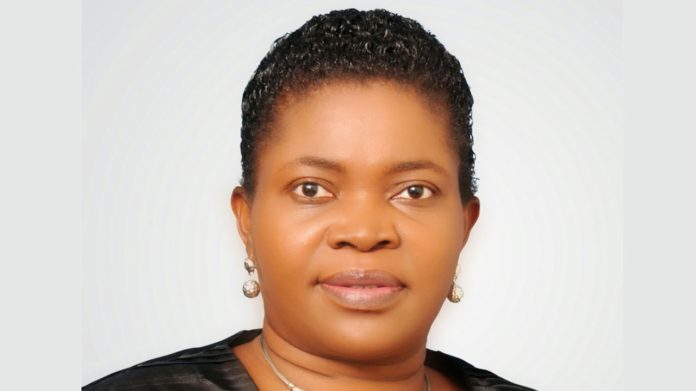
Great Nigeria Insurance Plc recently hosted its 51st Annual General Meeting in Lagos.
Due to COVID-19 protocols, the Company convened a hybrid meeting of virtual and physical participants.
Shareholders gathered to be part of what they described as the success story of a Company that has exceeded their expectations despite the numerous challenges associated with the Nigerian insurance sector both at the micro and macro-economic levels.
Some of the shareholders attested to the fact that the Company has shown a lot of tenacity and resilience by preserving its legacy and remaining relevant in the Nigerian insurance industry.
The Company’s Spokesperson and Manager, Corporate Communications, Brand Management and Customer Service, Ms. Oyinkansola Sobande shared this information during a press parley shortly after the event. She stated that the Company, no doubt has every reason to appreciate all its shareholders for their unwavering faith in the Board and Management of the underwriting company and that the state of affairs will continually improve despite the challenges posed by the economic terrain.
Certainly, Great Nigeria Insurance Plc must have defied all odds as the Company continues to post an impressive performance year in, year out. The drive to continue to uphold a strategic and comprehensive growth strategy still forms the bedrock upon which the company is built.
Amidst the various challenges that characterised the industry within the year, Great Nigeria Insurance Plc was able to record a Gross Premium Written of N8.3 billion representing a 16.9% increase over the N7.1 billion recorded in 2020. The Claims Expenses increased from N1.4 billion in 2020 to N2.1 billion in 2021. Underwriting expenses declined drastically during the period under review.
In the same vein, the company recorded a Profit Before Tax of N1 billion as against a loss of N718 million in the previous year. In addition, the company’s total assets rose from N15.5 billion to N20.6 billion representing 32.9% increase. The composition of the assets was well structured to position the company for better future performance.
The Managing Director/CEO of Great Nigeria Insurance Plc, Mrs. Cecilia O. Osipitan has attributed the positive performance to the commitment shown by every member of staff who she described as the drivers of the turnaround initiative coupled with the fact, that the Management team of the Company is also dedicated to ensuring that the shareholders of the company get a good return on their investment. She further reiterated the company’s unwavering commitment to creating value for both shareholders and stakeholders alike.
In her words, “the path to achieving growth and sustaining same is not without its challenges, but with the perseverance and doggedness of every member of staff, we were able to overcome and succeed as a team.”
It is without doubt that Great Nigeria Insurance Plc is unrelenting in its efforts to become one of the country’s most reliable underwriting firms as it continues to seek for ways to optimally cater to its customers through a strengthened capital base, an extensive network of branches and an undaunting passion to continually tap into InsurTech to revolutionize its operations.
NLNG Begins Commissioning of Completed University Teaching Hospital Projects in 12 States to Boost Healthcare Delivery
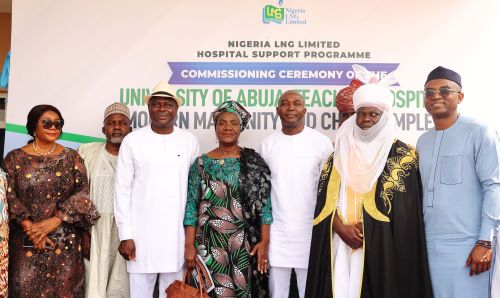
Chairperson, Senate Committee on Women Affairs, Senator Betty Apiafi; Chairman, House of Representative Committee on Health, Honourable Yusuf Tanko Sununu; UniAbuja Teaching Hospital (UATH) Chief Medical Director, Professor Bissallah Ekele; NLNG’s MD/CEO, Dr. Philip Mshelbila; the Aguma of Gwagwalada, HRM Alhaji Mahammadu Magaji; and NLNG’s Deputy MD, Olalekan Ogunleye at the commissioning of a modern maternity centre as part of the NLNG Hospital Support Programme in Abuja…on Friday.
Nigeria LNG (NLNG) Limited today began the commissioning of Phase 1 projects in its multi-billion-naira Hospital Support Programme (NLNG HSP) with the opening of a maternity centre at the University of Abuja Teaching Hospital (UATH), Gwagwalada.
The Company will also commission new Intensive Care Units (ICUs) at the University of Benin Teaching Hospital (UBTH) and the Niger Delta University Teaching Hospital (NDUTH) in 2022 as part of the first phase of its HSP program. Six hospitals were selected in the first phase. The NLNG HSP targets 12 hospitals from the six geographical zones in the country.
Other projects in the first phase due for commissioning early 2023 include an Occupational Therapy and Neuromodulation Rehabilitation Centre at the Aminu Kano Teaching Hospital (AKTH), an Obstetrics & Gynecology Ward at the Lagos University Teaching Hospital (LUTH), and a Neurosurgical & Stroke Centre at the University of Calabar Teaching Hospital (UCTH).
Dignitaries at the event include the Minister of Health, Dr. Osagie Ehanire, represented by the Director of Hospital Services, Dr. B.O Alonge; NLNG’s Managing Director and Chief Executive Officer, Dr. Philip Mshelbila; NLNG’s Deputy Managing Director, Mr Olalekan Ogunleye; UATH Chief Medical Director, Professor Bissallah Ekele; Chairperson, Senate Committee on Women Affairs, Senator Betty Apiafi; Chairman House of Representative Committee on Health, Honourable Yusuf Tanko Sununu; the General Manager, External Relations and Sustainable Development, NLNG, Mr. Andy Odeh, among others.
Commissioning the maternity centre, Minister of Health, Dr. Osagie Ehanire, commended NLNG for the partnership and commitment to raising the level of healthcare delivery in the country. He said NLNG’s contribution of a Modern Maternity and Child Centre to UATH was in line with the principles of universal health coverage. He also called for more partnerships in the sector to fill gaps in healthcare delivery.
Speaking on NLNG’s commitment to Hospital Support Programme, NLNG’s MD, Dr. Philip Mshelbila, said the programme was conceived following the Company’s COVID-19 intervention and its concern over the increasing pressure on the healthcare facilities in the country.
He stated that the goal of the project was to boost the tertiary healthcare delivery system in 12 University Teaching Hospitals in the 6 geo-political zones in the country, with attendant impacts on medical research and retention of in-country medical expertise.
“First hand, we have seen how investment in the health sector can change the face of healthcare delivery in Nigeria. We contributed significantly to fighting COVID-19 through the NNPC and other Oil and Gas Industry Partners COVID-19 Intervention Programme by donating numerous intensive care medical equipment to medical facilities across the country. At the Federal Medical Centre Yola, for instance, the equipment came in handy for the successful separation of a set of conjoined twins. This feat brought us at NLNG a lot of satisfaction as we saw the impact that our donation made in the lives of those innocent children and others who would utilise the equipment. We believe we can expand this impact by investing more in facilities across the country,” he said.
He stated further that each facility in the programme was based on the results of needs analyses which were carried out in conjunction with the respective hospitals, to determine NLNG’s intervention area for each of the chosen Teaching Hospitals.
The newly commissioned UATH Maternity Centre consists of a 10-bed delivery suite, a 10-bed post-natal ward, two operating theatres, 10-bed Special Care Baby Unit (SCBU), consulting rooms, doctors and nurses’ rooms, a laboratory, a pharmacy, medical records office, a Close-Circuit Television (CCTV) system, Ultrasound scan room and other administrative offices.
The NLNG HSP is the second part of NLNG’s national Corporate Social Responsibility (CSR) initiative. The first part was the University Support Programme (USP) for the construction/rehabilitation of modern engineering laboratories, equipped with cutting-edge equipment in six universities which have since been completed.
The other six university teaching hospitals to benefit from the HS Programme in Phase Two in 2023 through 2024 are Abubakar Tafawa Balewa University Teaching Hospital (ATBUTH), Bauchi; Jos University Teaching Hospital (JUTH); Nnamdi Azikiwe University Teaching Hospital (NAUTH), Nnewi; Federal Medical Centre, Asaba; University of Uyo Teaching Hospital (UUTH); and University of Port Harcourt Teaching Hospital (UPTH) in Rivers State.
NLNG is an incorporated Joint Venture owned by Federal Government of Nigeria, represented by Nigerian National Petroleum Company (49%), Shell Gas B.V. (25.6%), TotalEnergies Gaz & Electricite Holdings (15%), and Eni International N.A. N. V. S.àr.l (10.4%).
Atiku Promises Govt of National Unity, Restructuring in 2023
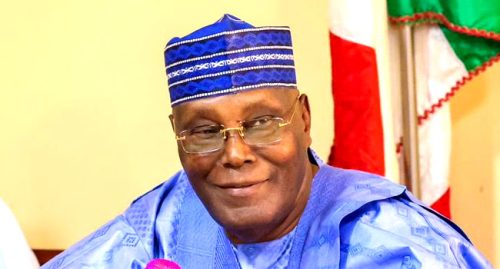
Alhaji Atiku Abubakar, former Vice-President and Presidential Candidate of the Peoples Democratic Party (PDP) has promised to install a Government of National Unity (GNU) and restructuring of the country if he wins the February 25, 2023 presidential election.
During an interaction with editors under the aegis of the Nigerian Guild of Editors (NGE) in Lagos, he promised to bring members of the opposition on-board his administration as part of efforts to create national unity in Nigeria.
He said his team already has a draft legislation on how to restructure the country while devolution of powers will naturally go hand-in-hand with resource control.
On the economy, the PDP presidential flagbearer again promised to liberalise the economy to empower the private sector to drive business and economic activities, privatisation of public enterprises and tax breaks to the private sector to build necessary infrastructure through concession.
He listed his 5-Point Agenda to include Unity, Security, Economy, Restructuring and Education.
InterswitchSPAK 4.0 Kicks Off N12.5m National Science Competition Nov 6
Interswitch, Africa’s leading integrated payments and digital commerce company, has commenced the airing of the fourth season of the InterswitchSPAK National Science Competition on cable and terrestrial TV.
On the path to inspire Africa to greatness, InterswitchSPAK serves as Interswitch’s CSR vehicle to encourage and reward interest in Science, Technology, Engineering, and Mathematics (STEM) among secondary school students in Nigeria and Africa between the ages of 14 and 17.
The programme began airing on Sunday, November 6, 2022. Subsequently, its schedule is slated to air on AIT Network on Sundays at 7:30 pm and DSTV Africa Magic Family Main Show on Sundays at 5:30 pm, with repeat broadcasts on Wednesdays at 3pm.
To participate in the thrilling weekly show, viewers are encouraged to tune in and watch as young Nigerians display their brilliance across subjects anchored on STEM, as they compete for the grand prize of N12.5 million in scholarships among other exciting prizes.
The grand prize winner will be awarded the thrilling sum of N7.5 million in scholarships, spread over a period of five years, a brand-new laptop and a monthly stipend throughout the course of the scholarship, plus the enviable title as “Best Science Student in Nigeria” as a bragging right, among other exciting prizes.
Furthermore, the second prize winner will win N 4 million in scholarships spread across three years, with a laptop, and a monthly stipend for the duration of the scholarship. Lastly, the third-place winner will go home with N1 million in scholarships for a one-year period, a laptop, and a monthly stipend for the year.
Interestingly, up to 10 viewers also stand a chance to win N10,000 by participating in the weekly Quickteller Home Quiz from the comfort of their homes, during the 13-episode roll out of the competition.
According to the Founder and Group Managing Director, Interswitch Group, Mitchell Elegbe, InterswitchSPAK drives value and impact for young African students who have chosen a career path in the field of STEM. He also noted that the competition was designed to support youth development and further encourage the recognition of the role of STEM in today’s world.
Elegbe said, “We are excited to be back with the fourth edition of Interswitch SPAK that has for three years been a huge success. It is a manifestation of our resolve to continue rewarding the interest of young Nigerians and Africans as a whole in STEM subjects which have continued to shape global development.
“Through InterswitchSPAK, we are deliberately providing a platform for young Africans to showcase their talents and develop their desire in STEM, while also grooming them to shape the future of the continent.”
The previous edition saw Jubril Dokun of Brainfield College, Salolo, Lagos take home the grand prize of N7.5 million. In second place was Ayanlade Jesuferanmi of Obafemi Awolowo University International School, Ile-Ife, while the third-place winner was Omoniyi Qudus of Scholars Universal Secondary School, Ota.
InterswitchSPAK remains a channel through which Africa’s technology giant, Interswitch, identifies brilliant young African minds with a passion for STEM subjects, providing the necessary tools of support to enable them to reach their full potential and compete favourably with their peers across the globe.
Why Brands Should Take Media Monitoring Serious in 2023
By Queen Nwabueze
Please allow. Let’s start this article by drawing the conclusion: Only Media Monitoring and Intelligence Services were able to foresee the level of uncertainty that 2023 would bring for businesses. Therefore, if you are not involved in the Nigerian Media Monitoring Industry, you must agree that trying to predict what the election year will bring is utterly absurd.
We all love data as business organizations, but it’s time to stop assessing and analyzing the effectiveness of our media and public relations strategy using unhelpful data or we’ll miss the purpose.
What KPIs and metrics are you using for measurement? Equivalence in Advertising Value? Sorry, but AVE is considered to be a vanity metric given its age.
Using a relatable analogy: Using vanity metrics to gauge the success of your marketing campaign is like using an Instagram filter to cover up all of your imperfections. You look fantastic, but that isn’t a true reflection of who you are.
Vanity metrics give the impression that your public relations and media campaign is successful. There isn’t really any value in the numerous newspaper references, the cover pages featuring your CEO, or the hundreds of connections to your website that you have. Why? Since they are also susceptible to manipulation, they won’t provide you with any ACCURATE information about your company or the behavior of your supporters.
But! Today, it’s not about AVE and other meaningless numbers. Let’s discuss the elections in 2023.
What stage of election preparation are you at as a brand? Do you intend to keep tracking and assessing your exposure and reputation quotient in the same manner and hope for a different favorable outcome? No way!
Every new administration in Nigeria takes office with its own set of guidelines and regulations that frequently burn corporate organizations. The truth is that these gods just use their own method of rolling the dice, and someone very low in the corporate ladder loses something important. Numerous companies have had to close their stores as a result of inconsistent policies that the government of the time truly believed to be harmless.
Do we still punish this sleeping dog, though? Lay it off!
Change the baton yourself by going ahead. Start accepting accountability. How? The first step in getting anything in-depth for you is to work with Media Monitoring and Intelligence agencies who have received AMEC certification. AMEC? You ponder, “But why AMEC?”
A comprehensive, genuinely data-driven method of assessing and auditing communications became essential as PR evolved through time and PR professionals began working across all media. The International Association for Measurement and Evaluation of Communication (AMEC) now steps in to help with this. For measuring each PR effort for any significant brand, the Barcelona Principles and AMEC’s integrated evaluation methodology are the de facto gold standard.
As an AMEC member, P+ Measurement Services’ top piece of advice for companies in 2023 is to focus on holding yourself accountable rather than the unstable political landscape and the new administration. Ask your clients if they want to diversify their board, which used to be made up entirely of non-politicians.
Additionally, look within. Are you noticing that you continually use the same spokespeople to target more conventional publications? Shake things up. Give everyone in the C-suite a chance to shine. Accept new publications that appeal to a wide readership! Simply change a few things up and watch how well you do.
These days, the brands who deviate from the usual are the ones that succeed!
What about the incoming administration? Yes, you have developed a solid public affairs and government relations plan. But do they actually function? how did you find out? The Nigerian Institute of Public Relations (NIPR) is another matter. The Lagos section? any further industry regulators? What problems exist? What new regulations are there? How precisely do they impact the existence and activities of the brand? Are you certain?
Did you even realize that there were policy updates and other modifications that you might not have been aware of because you were preoccupied with ensuring the delight of your customers? Have you ever considered that 2023 may establish and bury policies and concerns in the media that you missed because you were only looking out for mentions of your brand and competitions? You are too busy for any REAL Media Monitoring job, regardless of how you try to justify it. So just hire independent experts to handle that crucial aspect of your corporate existence. Your brand needs pro-data, media performance analysis, and public relations evaluation, which Media Intelligence Services provide, to start and at every stage until 2023. QED!
It’s fascinating that P+ Measurement Services is one of, if not the only, Nigerian Media Monitoring and Intelligence Agency to be a part of the esteemed international organization AMEC here in Nigeria. AMEC is the perfect fit!
P+, a well-known national and international provider of Media Intelligence Services, has never shied away from the lauded Barcelona Principles. Say there is too much jargon. The Barcelona Principles are as follows: Focus on the outcome of your campaigns rather than just the output; abandon metrics that are equivalent to AD value; and acknowledge the PR worth of outcome evaluation and performance audit. Simple!
Indeed, given the transformation of the media landscape, why not think outside the box when it comes to earned media placements. You assumed you knew this, but you’re about to learn that you don’t: your target audience is already focusing on other media and content consumption.
There are many options to spread your content right now, from building your own blog, podcast, or vlog to investing in a breezier social media campaign. But to avoid wasting money, let the data guide your choice.
Please don’t just go into this deep ocean called 2023 without robust media intelligence as the driver, again from P+ Measurement Services.
In truth, the same PPlus had always been in the lead, pushing for the establishment of the Nigerian Media Monitoring and Measurement Association as the industry’s governing organization (NIMMA). Award-winning P+ has been pushing for the establishment of the Nigerian Media Monitoring body for nearly ten years, even going so far as to publish details of how it operates so that everyone may plainly and unambiguously see that NIMMA is OUR VERY OWN!
You see? No need for alarm. As a corporate brand or HNI, you already have a highly qualified Media Monitoring and Intelligence Service in P+ that can handle and give you specific information about what the election year of 2023 has in store for your brand and your particular industry.
Queen Nwabueze is a Media & Content Strategist based in Lagos.
Banks Sack 1, 982 as Profit Margins Decline, E-Payment Transactions Down 2.16%
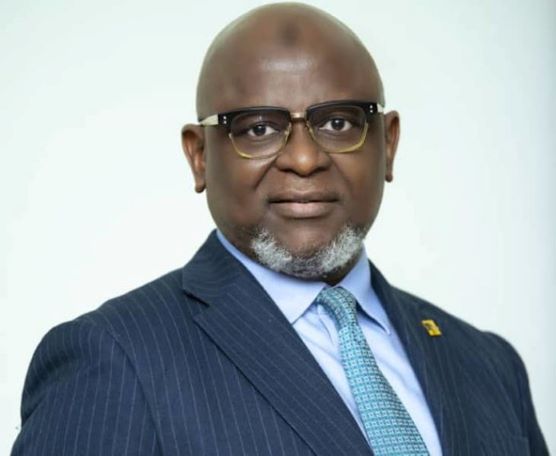
Adesola Adeduntan
CEO
First Bank of Nigeria Limited
Money Deposit Banks (MDBs) operating in Nigeria have sacked a total of 1, 982 staff to save cost of day-to-day operations as their profit margin declines.
A report by the National Bureau of Statistics (NBS) indicates that the staff strength of banks in the first quarter of 2021 stood at 94,681, inclusive of executive, senior, junior, and contract staff. The report states by the second quarter of 2021, the number of staff in banks decreased to 92,780 and further decreased to 92,699 in Q3 2021.
However, the NBS stated that Q4 2021 recorded a staff strength of 93,090, indicating an increase of 0.42%.
The NBS also reported that the volume of e-payment transactions in the country decreased by 2.16% to 2.38 billion in Q4 2021.
NDIC’s Achievements on Financial Inclusion Showcased at 2022 International Confab
The Nigeria Deposit Insurance Corporation (NDIC) plays a critical role in contributing to the objectives of the National Financial Inclusion Strategy (NFIS) through the provision of deposit insurance coverage to depositors of licensed banks.
The NDIC’s activities through the supervision of banks, not only enhances depositors’ confidence in the financial system, but also serves as incentive to the unbanked to access financial services of the licensed banks.
The Corporation has also been at the forefront of the implementation of the NFIS in Nigeria as a member of the National Financial Inclusion Governance Committee headed by the Central Bank of Nigeria (CBN). The Corporation is also part of the efforts to further enhance the attainment of national financial inclusion targets as the National Financial Inclusion Governance Committee sets to host the maiden International Financial Inclusion Conference 2022 scheduled to take place between the 24th and 25th of November 2022 in Abuja, Nigeria.
With the theme “Financial Inclusion for all: Scaling Innovative Digital Models”, the conference is the first to be held since the launch of the NFIS in 2012.The NFIS set the target of reducing the percentage of adult Nigerians that do not have access to financial services from 46.3% in 2010 to 20.0% in 2020.
Since the launch of the NFIS, stakeholders have achieved great strides in achieving financial inclusion objectives which has resulted in the exclusion rate dropping from 46.3% in 2010 to 35.9% in 2020.
The Corporation has contributed significantly to the Nation’s financial Inclusion objectives through provision of deposit protection to all licensed deposit taking institutions via its deposit insurance.
It is important to note that quite a number of the financially excluded individuals failed to join the formal financial system due to fear of possible loss of their savings from bank failure which the deposit insurance of the NDIC addresses.
Other areas through which the Corporation supports financial inclusion include:
- Supervision and failure resolution of licensed deposit taking institutions thereby engendering public confidence.
- Enforcement of regulatory policies, entrenching enhanced risk management practices to improve financial stability through differential-premium assessment system (DPAS) and monitoring of fraud in the banking system thereby supporting financial inclusion.
- Financial Literacy which is critical in accelerating financial inclusion. Apart from being a member of the Financial Literacy Steering Committee (FLSC) and Financial Literacy Implementation Committee (FLIC), NDIC has also undertaken ffinancial literacy education through press briefings, advertorials, jingles on radio and television, participation in trade fairs and exhibitions as well as participation in the World Savings Day, among others, to promote public confidence.
In recognition of the role of electronic and mobile money as a critical tool for financial inclusion, the Corporation extends deposit guarantee to Subscribers of Mobile Money through its Pass-Through Deposit Insurance.
The NDIC also promotes competition among deposit taking institutions. This is important in driving financial inclusion as smaller institutions like MFBs, PSBs, MMOs, with no brand visibility that are closer to the unserved/underserved can compete favourably with the larger banks by virtue of the deposit protection offered by the NDIC which makes the depositors feel safe and protected.
Furthermore, the Corporation has developed a Single Customer View (SCV) platform to eliminate delays in reimbursing depositors of failed deposit taking institutions, upon revocation of their license by the CBN.
Presently, the financial sector has experienced rapid expansion and diversity of financial services and products deployed within the Fintech ecosystem. This presents significant opportunities to further fast track the expansion of financial inclusion to a greater number of Nigerians by enabling them have access to financial services that would address their needs and enhance their quality of life.
The International Financial Inclusion Conference 2022 presents a unique opportunity to showcase advancements in financial inclusion in Nigeria, spotlights other jurisdictional experiences, and will serve as a platform for policymakers, financial institutions, and other stakeholders to engage on contemporary issues such as innovation, digital technology, and the role of collaboration in achieving financial inclusion for all Nigerians.