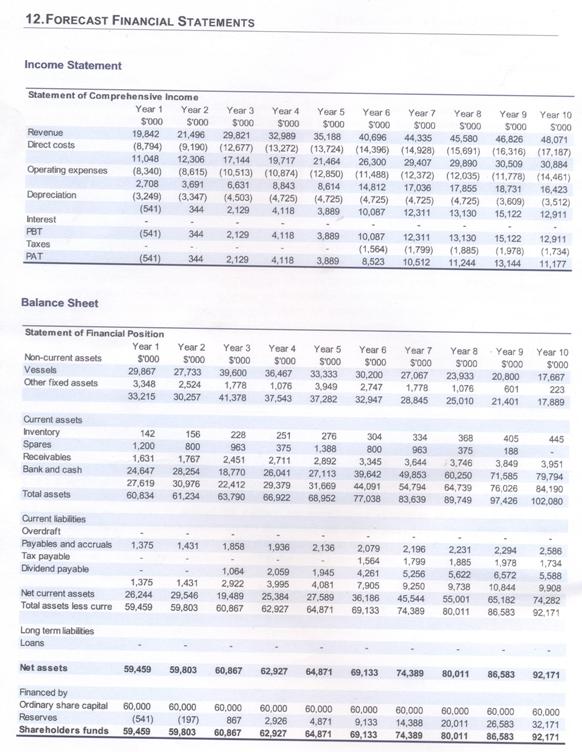
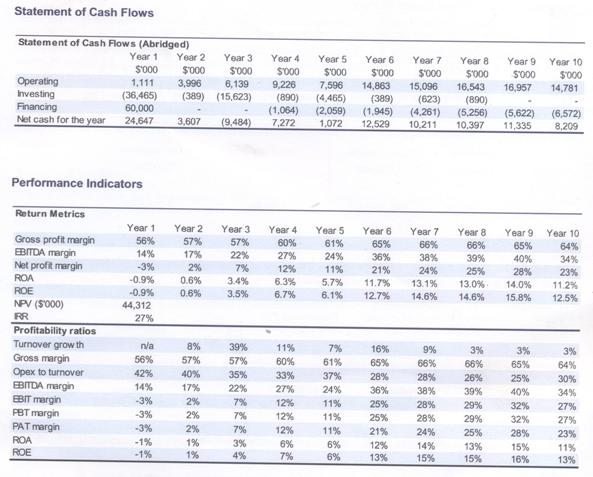
The ground-breaking $60 million Private Placement Offer for the Sealink Project clearly signposts the commitment of various governments and operators in the private sector in Africa to fully utilise the sea to boost inter-African trade through Public-Private Partnership (PPP) initiative. The Investors’ Forum for the offer was held in Ghana, Cote d ‘Ivoire, Cameroon and Lagos with September 30, 2014 as closing date for the offer.
At the grand finale of the Sealink Investors’ Forum in Lagos, Mr. Roberts Orya, Managing Director/Chief Executive of Nigerian Export-Import Bank (NEXIM) expressed satisfaction with the positive and tremendous responses from Governments and Organized Private Sectors in the various countries where the Forums held.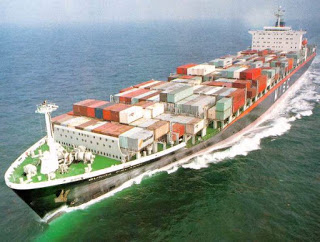
Purpose of Offer
The purpose of the $60 million offer is to raise the funds needed to acquire sea-going vessels for conveying people and cargo across the West and Central Africa coast, as well as spares for the vessels and three month working capital.
Significance of Project
The significance of the Sealink Project was clearly enunciated by Orya: “The Project is under-scored by the growing significance and relevance of trade to global development. Empirical evidence has shown that unlike the other developed regions of the world, Africa has continued to underperform its growth and development potentials, partly due to its low trade volumes, amongst other factors. Although Africa accounts for about 15% of the global population and possesses very rich agricultural and mineral endowments, its contribution to global trade has been low, accounting for only about 3.5% in 2012, as against Europe’s contribution of 35.6%, 31.5% by Asia and 13.2% by North America.
Intra-regional trade is also low and in 2012 stood at 6%, 4.2% and 11% respectively for ECOWAS, Central Africa and the entire African region, in sharp contrast to the European Union’s 50%, 40% in the North American Free Trade Area (NAFTA) and 25% among the Association of South East Asian Nations (ASEAN). This low trade performance bears some correlation with the African development challenges, which have manifested in high unemployment and poverty levels, and therefore deserves concerted efforts of the public and private sectors to remove some of the impediments to free trade and regional integration.”
He stated that NEXIM being Nigeria’s Export Development Finance institution and Trade Policy Bank has been in the vanguard of promoting developmental initiatives targeted at removing trade barriers and enhancing regional integration in Africa, in line with the Transformation Agenda of the President, Dr. Goodluck Ebele Johnathan.
The Impediments
“In pursuance of our strategic objective of deepening intra-regional trade, the Bank has over the past few years sadly noted that this low level of intra-regional trade is largely attributable to the enormous transport/logistics challenges and non-tariff measures faced by traders and shippers, among others.
He said these impediments to trade have made the West and Central Africa intra-regional trade uncompetitive and unattractive, due essentially to very high freight cost, with the regions’ transport / logistics cost being one of the highest globally. This problem leads to longer cargo delivery period due to the trans-shipment arrangements as well as delays / congestions on the road corridors, arising from multiple check points, poor infrastructure and cumbersome documentation, amongst others.”
Orya was emphatic that congestion on the trade road corridor has been compounded by the growth of intra-ECOWAS merchandise trade in the past decade from 4.7 million tonnes to 13.2 million tonnes without corresponding increase in transport infrastructure.
“It has therefore become very imperative for the region to develop its maritime transport system in line with the global trend where over 90% of international merchandise trade is done by sea. This is even more so given the fact that of the 26 countries within the West and Central African regions, only 5 are landlocked while over 80% are coastal countries,” Orya told dignitaries at the event.
The Benefits of Sealink Project
According to the NEXIM chief executive, the Sealink Project would facilitate the realisation of enormous trade-related benefits, such as reduction of non-tariff barriers to trade, elimination of transit corridor issues, reduction of transaction cost to economic operators as well as enhance fiscal benefits to various governments through formal and documented trade. The Sealink would also augment regional infrastructure development and deepen payment system that would enhance the volume and value of recorded trade.
And with the rebasing of Nigeria’s Gross Domestic Product (GDP) and emergence of the country as the largest economy in Africa, the West and Central African region now boast of a combined GDP of about US$1trillion and total population of 460 million people, thus necessitating the development of a virile maritime transport system towards creating a freer, bigger market and attracting investment capital from across the globe.
Future Outlook
“I wish to reassure all stakeholders that though the Sealink Project is conceptualised as a Public-Private-Partnership (PPP) initiative, it would primarily be private sector owned and driven with technical and operational measures that would ensure sustainability and be in accordance with international maritime rules and standards. The Sealink guiding principles among others would be to facilitate inclusiveness for cross border trade among traders, including small, medium and large operators. It will also enhance competitiveness and market access as well as forge greater regional strategic partnerships and new market development.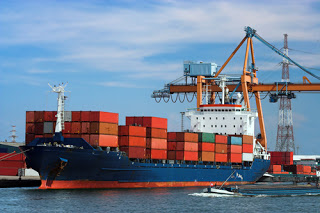
Orya thanked the Board of NEXIM Bank for its encouragement and unflinching support, while also appreciating the co-operation and support of the members of the National Assembly, especially the Committees on Banking and Marine Transport.
“Our special appreciation goes to the ECOWAS Commission, the Nigerian Shippers Council and the Maritime Organisation for West and Central Africa (MOWCA) as well as the African Development Bank and the Directorate of Technical Cooperation in Africa (DTCA) for their unwavering support and technical assistance for this Project.”
He also solicited for the continuous support and co-operation of all the regional maritime/port authorities to ensure the successful take-off and operations of the Sealink Project.