
By Haniel Ukpaukure
Many years of faltering in Nigeria’s electoral process became such a matter for concern well-meaning citizens began to see the need to contribute in whatever way they could to enlist the country in the club of those where the success of a common and routine exercise like general election is taken for granted.
The National Peace Committee (NPC), headed by former head of state, General Abdulsalami Abubakar (rtd), is one of such efforts.
The committee, which has other prominent Nigerians like the Sultan of Sokoto, His Eminence, Alhaji Sa’ad Abubakar, Bishop Hassan Matthew Kukah, John Cardinal Onayekan and, lately, Alhaji Aliko Dangote and Femi Otedola, among others, as members, was conceptualized and set up in 2014 when the drumbeats of war as the country approached the 2015 general election sounded so loud there were doomsday predictions about Nigeria breaking up after the elections. The aim was to support peaceful, free, fair and credible elections in Nigeria.
In an experiment that was considered quite novel, NPC got the presidential candidates in that year’s election to sign a peace accord to abide by the outcome of the exercise. The experiment worked, especially with the unprecedented action of the incumbent president, Goodluck Jonathan, to concede defeat to Muhammadu Buhari, even before announcement of the result of the election was completed. The exercise was repeated in 2019 and, as it was four years earlier, it produced the desired result.
More than any other election in Nigeria’s chequered political history, the 2023 exercise is seen as one that would define the country’s future. It is going to be an election like no other. For two of the presidential candidates – Atiku Abubakar of the Peoples Democratic Party (PDP) and Bola Tinubu of the All Progressives Congress (APC) – winning the election appears to be a matter of life and death. It is the last chance for one, after many attempts; the one and only chance for the other. The first-of-its-kind monetization of the process that produced them as candidates for the forthcoming election attests to this assertion.
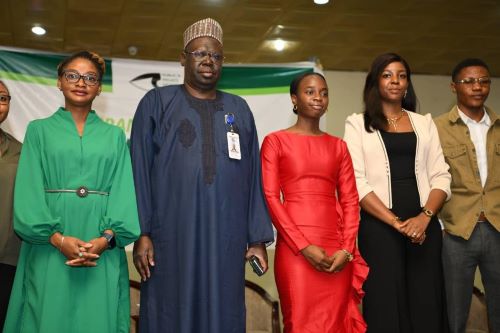
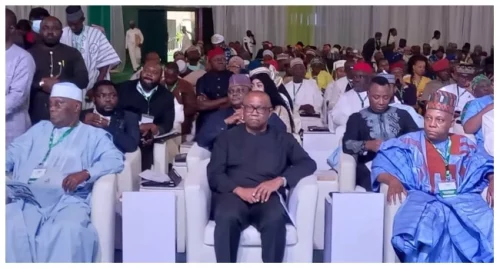
Quite unlike the two previous elections when peace accords were signed a few weeks to the election, the exercise, this time around, was carried out more than five months to the election, on Thursday, September, 2022 – one day after the official commencement of electioneering. This was so because NPC recognized, as other concerned Nigerians did, the hate speeches, verbal attacks and media war that seemed to prepare grounds for the commencement of campaigns.
And unlike in previous elections, this accord is about stemming hate speeches that could threaten the election. The accord for the acceptance of the outcome of the election is scheduled for February, before the election.
It is ironic that only one month into the electioneering, with four months to go before the election, the rate of hate speeches and attacks on individuals appear to be higher than it was before the peace accord was signed by people who pledged to run issue-based campaigns.
We have, so far, not heard speeches and statements that outline the strategies for solving the myriad of challenges the country is confronted with, beyond merely listing the challenges which every Nigerian knows. Does it mean these people do not understand what constitutes issue-based campaign?
It must be pointed out that spokespersons of the campaign organizations of the candidates, especially the three frontrunners – Atiku, Tinubu and Peter Obi of the Labour Party (LP) – are at the vanguard of the hate speech that currently characterizes the campaigns. And since they speak for the candidates, it is taken that the people who signed the Peace Accord (Kazim Shettima, Tinubu’s running mate, signed for the candidate) are the ones responsible for the hate speeches and attacks. Is this what we are going to see, going into the election? It makes you wonder what the accord was all about.
Festus Keyamo, Tinubu’s spokesman and Dele Momodu, his counterpart in the Atiku camp, have taken the attacks to a ridiculous and utterly shameful level by going for each other’s throat. People who should be busy selling their principals through well designed, crafted and delivered communication on the road map for getting the country out of its current sorry state are busy attacking each other. And their principals do not see the need to call them to order. It’s as if the presidency would go to the candidate with the ability to throw the largest quantity of mud at the other.
The candidates must understand that their utterances and behaviour constitute the impetus that drives their supporters to do whatever they like on the streets, especially at campaign rallies of other candidates. If they don’t moderate their utterances and focus on issues that would present them as capable of giving Nigerians a new country in 2023, how would the people trust them to accept the outcome of the election, even if they sign an accord to that effect? The impression should not be created that the peace accord has lost its meaning, significance and importance, since its debut in 2015.
Nigeria will exist beyond 2027. That is to say that after 2023, there will be another election. From the way the attacks are going on, one would think the scramble is to rule the country before it becomes extinct. Or is it the fear of dying and not fulfilling a life ambition?
We should worry only about the level of insecurity that clearly threatens the election – kidnappings, terrorism, banditry and the regular forms of criminality – which could potentially mar the election. Our fears shouldn’t include election violence instigated by candidates through their utterances.
The 2023 election is the event that presents the most opportune moment to change the course of Nigeria’s history. Politicians should not be the ones to thwart the effort of Nigerians to make that happen.
Ukpaukure, a media consultant and writer, lives in Lagos.