


Tuesday, April 14, 2026
29.8 C
Lagos

The Maggi Magic Nestlé Redressing Micronutrient Deficiency in Africa with New Maggi Cube

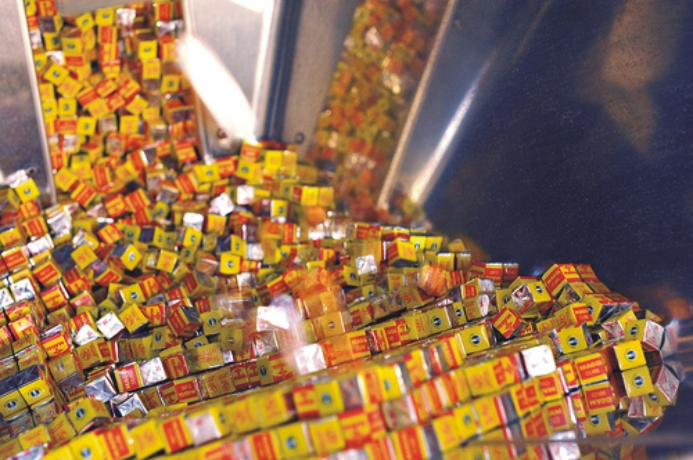
MAGGI CUBES: FORTIFIED SEASONING
Nestlé sells millions of Maggi cubes and tablets in Africa every day
Millions of consumers across Central and West Africa will be able to increase their iron intake at low cost with a new range of fortified bouillon cubes and tablets from Nestlé.
The company is adding iron to its popular Maggi brand seasonings with the aim of helping to address one of the region’s most widespread micronutrient deficiencies.

Maggi bouillons are a staple part of many lower income consumers’ diets in Central and West Africa.
Already fortified with iodine, more than 100 million cubes and tablets were sold every day in the region in 2011.

Reducing Micro-nutrient Deficiency
Nestlé’s development of the iron-fortified Maggi bouillon is a continuation of its commitment to helping to reduce micronutrient deficiencies on a global scale.
Worldwide, through micronutrient fortification of food products, Nestlé provided 53 billion servings of iron, 102 billion servings of iodine, 35 billion servings of vitamin A and 14 billion servings of zinc in 2011.


spot_img
spot_img
spot_img

Hot this week

NIA to Honour Past Governing Council Members

The Nigerian Insurers Association (NIA) is pleased to announce...

Nigeria Hosts 1st ECOWAS Brown Card Zonal Meeting 2026 in Lagos

‎The Commissioner for Insurance, National Insurance Commission, Mr. Olusegun...

Stanbic IBTC Bank Sponsors 2026 Lagos Polo Easter Tournament

Stanbic IBTC Bank, a subsidiary of Stanbic IBTC Holdings,...

Heirs Insurance Group, United Capital Partner on Self-Care, Wealth Event for Ambitious Women

Heirs Insurance Group, Nigeria’s fastest-growing insurance group, and United...

NAICOM Pledges Commitment to Labour Standards, Staff Welfare

The National Insurance Commission (NAICOM) reaffirms its strong commitment...

Topics

Independents to Account for 25% Oil Production by 2020

Independents are projected to account for about 500kbpd by the year 2020, representing 25% of crude oil production in Nigeria, from the current level of 10%. The development is seen as a reflection of the changing landscape of the oil and gas industry in Nigeria. Key Recommendations: • Integration of the upstream to other parts of the value chain may eventually be driven by the independents. • Challenges such as security, especially for independents operating in shallow waters. Local companies reiterated that security and community challenges have greatly altered their cost of production which cannot be fully ascertained. When coupled with Government take and interest from loans the cost per barrel increases. • Government is to ensure that an enabling environment is created - independents need to be able to deliver on capacity growth and funding.

A Climate Change Agreement Is a Global Health Agreement

The World Health Organisation (WHO) kicked off its global...

Leadway Pensure Unveils L.I.S.A., the ‘Perfect Assistant’ for Seamless Customer Experience

In actualising its quest of providing a seamless, convenient,...

Cabo Verde Airlines Increases Baggage Allowance for West African Markets

In order to respond to West African market requests,...

E-Payment Transactions Hit N264tn in Q2 2020-NBS

The National Bureau of Statistics (NBS) says a total...

Big Barrels: Narrative on Africa’s Oil & Gas Stirs Global Market

A year after its release, the global momentum created...

Ecobank: How Banks, Telcos, FinTechs, Regulators Can Grow Economy

The Managing Director, Ecobank Nigeria, Patrick Akinwuntan has advocated...

AIICO Insurance: Partnership by Stakeholders Necessary to Grow Agric Sector

Making a presentation on Agricultural Insurance at the annual...
spot_img

Related Articles

Popular Categories

spot_imgspot_img





