The Central Bank of Nigeria raises its monetary policy rate by 200 bps to 14% in line with our expectation. Given the pledge to restore positive real interest rates gradually, we expect another 200 bps hike in the policy rate to 16% at the September MPC meeting.
Given the cost-push nature of inflation in Nigeria, which largely stems from the shortage of FX, we believe that this was the right thing to have done. Today’s monetary policy decision demonstrates a commitment to FX liberalisation, which alone will undo some of the bottlenecks that have contributed to inflation.
While the CBN framed its internal debate as choosing between growth and inflation, we believe there is no meaningful long-term trade off. Establishing more credible policy and attracting greater inflows is about as pro-growth as policy can be, given the challenges currently facing the Nigerian economy. Today’s tightening was an important step in re-establishing the credibility of monetary policy in Nigeria, and should allow for a gradual recovery in FX inflows.
The asymmetric band around the MPC was not altered from its current +200bps/-500bps, disappointing our expectations of a significantly higher floor to rates.
However, with the MPR tightening, the rate on the CBN’s standing deposit facility does move higher, to 9% from a previous 7%. This is still meaningful.
The CRR was kept unchanged at 22.5%. Given weak oil prices and output, we do not see excessive liquidity growth in the Nigerian economy. There’s no immediate rationale for a much higher Cash Reserve Ratio, not least because a more market-determined, inevitably higher USD- NGN rate will keep the spotlight on bank NPLs and capital adequacy ratios.
Any further rise in the CRR would only have added pressure to the banking system, with little effect on alleviating the FX shortage.
In all, we think this was a good outcome to the MPC meeting. As Nigeria embarks upon the path of reform (FX liberalisation, fuel price deregulation, transparency initiatives, efforts to boost revenue mobilisation, power sector reforms), all with a view to easing the economy’s transition to lower oil prices, and creating the foundation for more sound long-term growth, we think that today’s MPC decision represented an important initial step in the right direction. The decision to raise the monetary policy rate despite growth concerns will give investors a clear signal on the authorities’ intent to sustain FX reforms. This should be well-received.
Razia Khan is Chief Economist [Africa] at Standard Chartered Bank

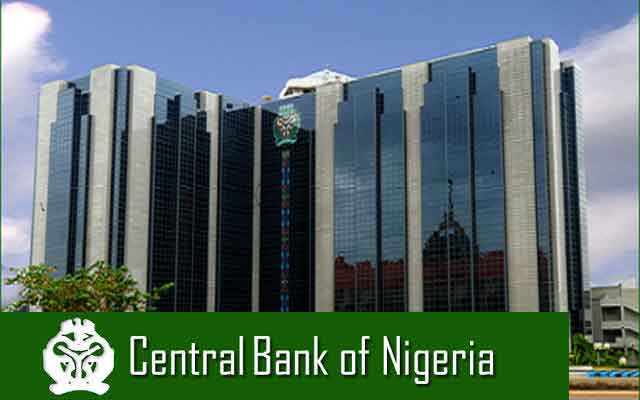
Razia Khan: ‘MPC Policy Met Our Monetary Expectation’





Popular Categories


Previous article

Next article