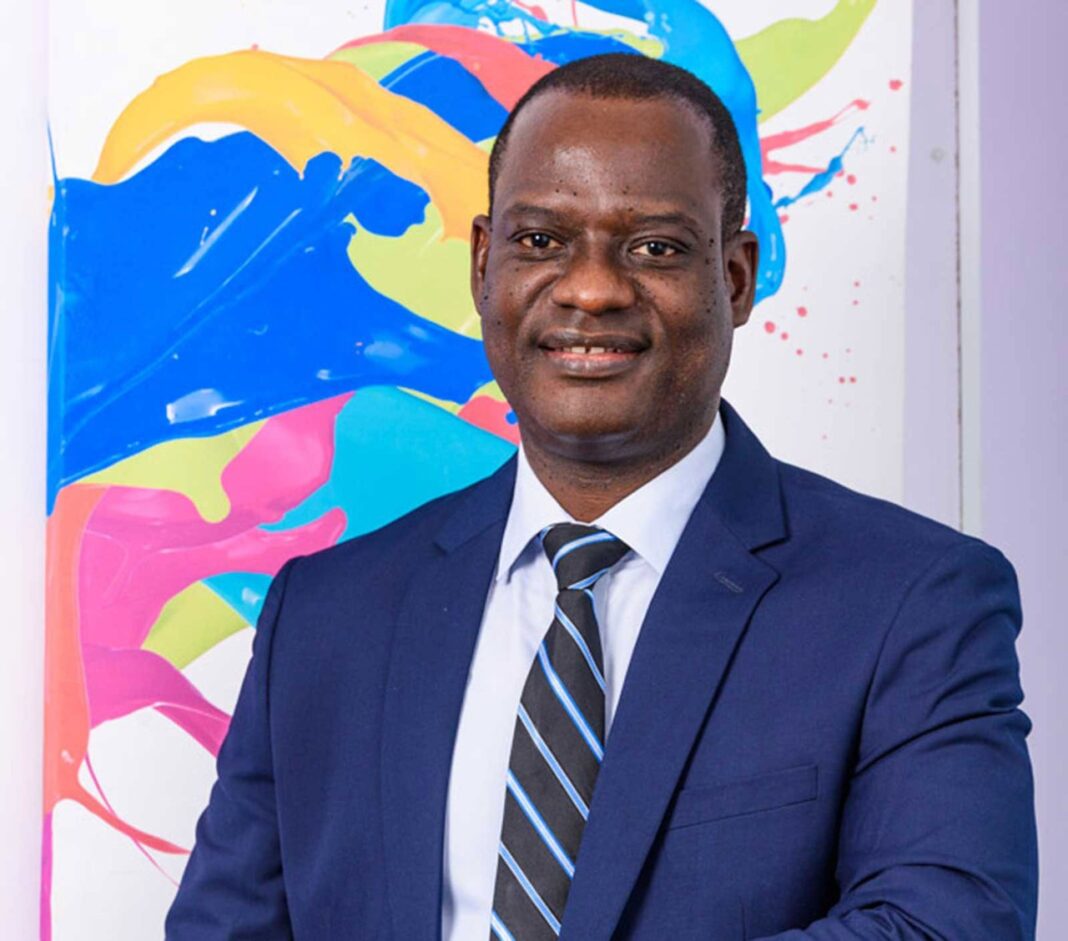

Mr. Taiwo Oyedele, Chairman of the Presidential Committee on Fiscal Policy and Tax Reforms said at a workshop for business journalists in Lagos that the federal government will give as much as N1.4 trillion to businesses in 2026 through the reduction of Corporate Income Tax (CIT) rate from 30 percent to 25 percent.
He said the Federal Inland Revenue Service (FIRS) collected around N6.86 trillion from CIT in 2024, meaning that a reduction of five percent out of 30 percent translates to around N1.4 trillion.
On Value Added Tax (VAT), Oyedele said: “From January next year, organisations, including media—online and traditional—will be eligible to claim input credit for VAT. You were never able to do that before because the law said you could not. The new law makes you eligible. You will get money in your bank accounts. All you need to do is be aware, keep records and file claims.”
Oyedele said the new tax reforms being introduced and implemented by the federal government will empower small businesses and ensure sustainable growth of the economy.
He said many small businesses will struggle and die if the business environment becomes difficult.
“If you make life difficult for them, they will be struggling. Many of them will drop off. I think four in five die within the first five years because we make life hard for them. If we make life easy for them, the nano will become micro, micro will become small, small will become medium, medium will become large, large will become multinational.”
Oyedele advocated that a small business with an annual turnover of no more than N100 million should have CIT of zero percent to motivate entrepreneurs to formalise their businesses as a company to enjoy tax benefits rather than tax disadvantage of before.
“The benefit of formalisation is not even tax. Tax is a side effect; it is the icing on the cake. The real cake for formalisation is that it forces you to be organised. You need to appoint directors, keep minutes of meetings, prepare audited financial statements. That discipline, keeping your records, increases the chances of your business not only surviving but scaling, being eligible for credit and attracting investors.”
He added that every informal business that becomes formalised contributes to inclusive growth of the economy.
“If all our big companies grow by 40 percent, less than 0.001 percent will feel it. If the informal sector grows by 2 percent, the whole of Nigeria grows by 2 percent.”
The Committee Chairman said another objective of the tax reform regime is economic growth, adding that the fastest and most sustainable way to generate revenue is growth of the economy.
“If I am unemployed, you can have the best personal income tax law and the most efficient tax authority, but you cannot collect personal income tax from me because I am unemployed. If you want me to pay personal income tax, let us start with how I get a job, or better still, how I become an employer. That is the magic of economic growth. That is why throughout the new tax laws there is no emphasis on new taxes. There is emphasis on how to remove impediments and reduce the cost of doing business.”
He said Nigeria needs to be competitive through tax reform.
“Even within Nigeria, we are not competitive. Someone produces something in Nigeria; another person buys it in China, pays freight, insurance, import duties, and it is still cheaper than the Nigerian product. We need to fix that.”
Oyedele identified tax harmonisation as another major challenge in Nigeria, with over 63 taxes and levies officially and more than 200 unofficially.
“It does not make sense. When people say states must be “creative with internally generated revenue,” states interpret that as “invent a new tax.” We saw a state impose ozone-layer tax. Another invented cemetery tax—charging for each day a corpse is not buried. Do not encourage states to be creative. We need them to be efficient in collecting one or two taxes, not adding new ones. Multiplicity of taxes kills the system. People pay more; government collects less. We identified multiple taxes and addressed the ones that can be fixed through new tax laws.”
He said the new law will also fix the challenge of the global outsourcing ecosystem. Some of us can call our bank and speak to someone in India. They don’t use Nigeria as their location for it, even though our English is better. India is the number one country in BPO—business process outsourcing—despite their English being difficult to understand. The Philippines is also doing very well. They earn between 30 and 35 billion dollars a year from it. India earns close to 200 billion dollars. Nigeria cannot even earn up to one million dollars. It turns out that the biggest problem was our tax policy.”