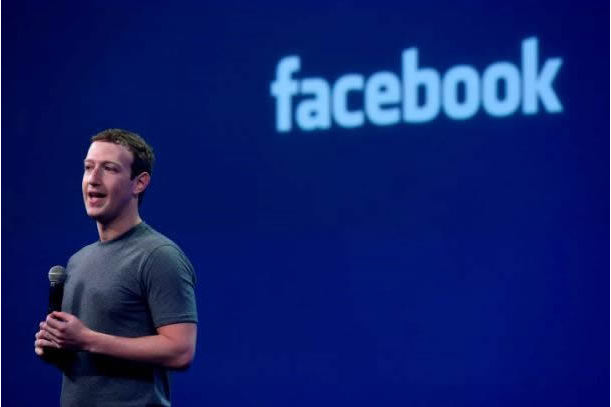

Facebook hosted a roundtable with small and medium-sized enterprises from Ghana and Nigeria on Tuesday this week as part of its effort to support entrepreneurship in West Africa.
The session focused on how Facebook can help small businesses reach exactly the right customers – for less money and with greater returns.
More than 50 million small businesses around the world actively use Facebook Pages because they’re free, easy to use, and they work well on mobile. More than 2.5 million SMEs worldwide actively invest their hard-earned dollars with Facebook every month, a number that’s doubled in the past two years.
A growing number of them are in Africa – 54% of people on Facebook in Nigeria are connected to a small or medium business. But for Facebook, this is only the start of Facebook’s potential to help small and medium-sized enterprises in West Africa to thrive.
Said Nunu Ntshingila, Head of Africa for Facebook:
“Africa is home to some of the world’s most vibrant and exciting small businesses, and these enterprises are the backbone of the economy. These smaller businesses drive economic growth and create jobs that lift people to prosperity. The number one reason they succeed or fail is their ability to attract customers. As more and more people turn to smartphones and the web to discover and connect with businesses, Facebook is the best platform for African SMEs to promote their brands.”
Nicola Mendelsohn, EMEA Vice-President at Facebook Mendelsohn, said:
“Technology is driving real progress. When I visit Africa, this comes to life in every conversation and with every story I hear about entrepreneurs creating jobs and solving problems with technology’s help. We’re invigorated by how Ghanaian and Nigerian SMEs are using Facebook to grow brand awareness and boost engagement with their customers. We look forward to doing more to support entrepreneurs as they build their businesses.”
West African businesses are advertising on Facebook because it drives business objectives and sales. It’s measurable, affordable, mobile and easy to do. If an SME has a Facebook Page, it is a mobile marketer, able to post once and reach clients on desktop, mobile, any device, anywhere in the world.
Most small businesses can easily get going for a few dollars a month with lightweight solutions that they do with one click from their page – for example, boosted posts, promoted page likes and promoted links. Some examples of small West African companies that use Facebook to tell their stores include:
Jayosbie in Nigeria is an online brand and retailer for fashion-forward men. “Facebook is significantly cheaper than other channels. Actually, it’s not even comparable,” says Dejuwon Isola-Osobu, Founder and CEO. One recent campaign delivered 14,000 clicks for just 260$.
Fabulosity Hair and Fabulosity Cosmetics deliver affordable and natural hair extensions and cosmetics for women who want to look fabulous. They attribute their growth to the flexibility of Facebook advertising. Chinenye Umeh, the Founder, says she loves the flexibility and affordability of Facebook, especially the fact that she can easily turn spending up and down on a month to month basis.
Skin Gourmet Limited in Ghana is a female-led producer of organic, natural and chemical free skin care products. It reports a significant return on investment in the form of more engagement and brand awareness after posting and boosting posts on Facebook.
Accra Good Markets in Ghana is a pop-up event for vendors to sell their products. Facebook is its only marketing channel for reaching vendors and shoppers alike and it sees tremendous results through its posting and highly targeted advertising activity on Facebook.
Akataasia Clothing in Ghana depends on WhatsApp to connect with the customer base.
In 2015, Facebook held 225 events across 19 countries, reaching over 200,000 small business owners with training on how to use its platform effectively to drive sales and marketing goals. Africa will be a focus region for such events for the rest of this year.