| In a move set to strengthen bilateral cooperation in West Africa, Equatorial Guinea and Nigeria have signed an agreement for the construction of the Gulf of Guinea Gas Pipeline Project.
A joint regional pipeline development, the project will transport gas from Nigeria to Equatorial Guinea. Under the terms of the deal, gas will be processed at Equatorial Guinea’s LNG processing facilities at Punta Europa on Bioko Island – owned by the state-owned EG LNG – signaling new opportunities for energy security on the back of bilateral collaboration.
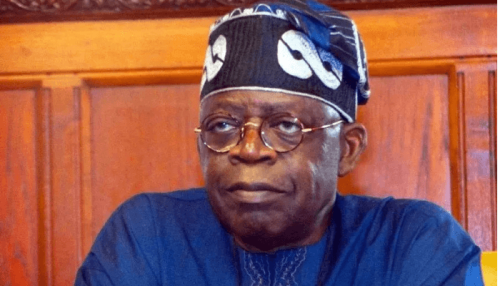
The deal, signed by Presidents Teodoro Obiang Nguema Mbasogo and Bola Ahmed Tinubu this week, outlines plans for a pipeline, LNG facility feedstock and gas sales to power companies and industrial users, ensuring energy security and regional trade in West Africa
“This agreement marks a significant milestone in Equatorial Guinea’s GMH initiative, reinforcing our position as a regional leader in gas monetisation. By partnering with Nigeria on the Gulf of Guinea Gas Pipeline, we are not only strengthening bilateral cooperation but also regional collaboration to ensure a secure and reliable supply of gas for our LNG facility at Punta Europa for years to come. This project will unlock immense economic value for both our nations, driving sustainable development and energy security across the region,” stated Antonio Oburu Ondo, Minister of Mines and Hydrocarbons of Equatorial Guinea.
The deal follows a slate of milestones achieved, all of which aim to enhance feedstock for Equatorial Guinea’s GMH at Punta Europa on Bioko Island. Commissioned in 2007, the facility was developed with the aim of monetising gas resources in both domestic and regional fields. Initially, gas was processed from the Alba field, however, faced with natural declines, alternative sources are being developed. Specifically, energy producer Marathon Oil Corp. and energy major Chevron signed an agreement in 2023 with Equatorial Guinea to advance the next stages of the GMH.
The first phase was completed in 2021 with the tie-back of the Alen field to the facility, with first gas achieved that same year. The second phase of the expansion project will involve processing gas from the Alba field under new contractual terms while the third phase will bring a new gas field online by processing gas from the Noble Energy-operated Aseng field. These consecutive phases directly address production decline in Equatorial Guinea while further positioning Punta Europa as a world-class hub for the monetisation of local gas.
Concurrently, Equatorial Guinea signed a bilateral trade agreement with Cameroon in 2024 to mobilise transborder wet gas fields. The countries agreed to jointly develop oil and gas projects along their shared maritime borders, including the Yoyo and Yolanda fields, the Etinde gas field, the Camen field and the Diega field.
The recent deal with Nigeria will further consolidate the Equatorial Guinea’s role as a regional infrastructure hub, boosting production and export capacity while monetising stranded reserves in Nigeria.
As the voice of the African energy sector, the African Energy Chamber fully supports Nigeria and Equatorial Guinea in this transformative agreement, which promises to drive progress and prosperity across West Africa. |