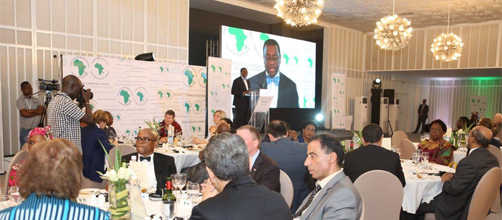
The Broadband Commission for Sustainable Development yesterday issued a statement urging policy-makers, the private sector and other partners to make deployment of Broadband infrastructure a top priority in strategies to accelerate global development and progress towards the SDGs.
The statement was presented to the 2016 High-level Political Forum on Sustainable Development, which is meeting in New York City from 11-20 July to guide global efforts on the achievement of the Sustainable Development Goals.
In the statement, the Commission outlines the myriad ways broadband can improve global sustainable development.
These include addressing basic needs such as education and access to information, helping lift people out of poverty through e-commerce opportunities and job growth, improving health services, monitoring climate change and planetary processes, and bridging the digital gender divide.
“The theme of the High-Level Political Forum on Sustainable Development is ‘Ensuring that no-one is left behind,” said Houlin Zhao, ITU Secretary-General.
“The Broadband Commission outlines the fundamental role broadband technology can play in helping the world achieve its most pressing sustainable development goals. Let us all grasp this vital opportunity to strive for a world where every citizen enjoys the opportunities and benefits of universal, affordable and inclusive access to ICTs.”
This will be the first HLPF that examines efforts at national, regional, and global levels to put policies and measures in place that will help achieve the Sustainable Development Goals.
In the months since the global community unanimously adopted the Goals at the SDG Summit in New York last September, they have become the development ‘gold standard’ for countries, the business community, civil society and local governments around world.
The HLPF also offers an opportunity for the UN to highlight the important work all members of the UN family are doing in support of the Goals.
2016 marks the beginning of implementation efforts by countries worldwide to achieve the 17 Goals. Of particular interest at this HLPF is the presentation of national voluntary reviews on the actions already being undertaken by 22 developing and developed countries:
China, Colombia, Egypt, Estonia, Finland, France, Georgia, Germany, Korea (Rep.), Madagascar, Mexico, Montenegro, Morocco, Norway, Philippines, Samoa, Sierra Leone, Switzerland, Togo, Turkey, Uganda and Venezuela.


Broadband Commission: ‘Leaders Should Harness ICT for Development’







Popular Categories


Previous article

Next article