Friday, December 12, 2025
25.7 C
Lagos
Home Blog Page 7

UBA Delivers N538bn PAT, Robust Balance Sheet in Q3 2025

0

Following its recently released half-year financials, Africa’s Global Bank – United Bank for Africa (UBA) Plc, has announced its audited results for the third quarter ended September 30, 2025, where it recorded strong and impressive growth across all its key indicators.

As in the first two quarters of the current fiscal year, the bank’s gross earnings grew by 3.0 per cent to N2.469 trillion up from N2.398 trillion recorded in September last year, while its net Interest income which stood at N1.103 trillion at the end of the third quarter in 2024, rose by 6.2 per cent to N1.172 trillion in the period under consideration.

The bank’s financial report filed with the Nigerian Exchange Limited on Thursday also indicated a slight drop by 4.1 per cent in Profit before Tax (PBT) to N578.59 billion compared to N603.48 recorded at the end of the third quarter of 2024, while profit after tax rose by 2.3 per cent from N525.31 billion recorded a year earlier to N537.53 billion at the end of September 2025.

As in the preceding two quarters this year, UBA continues to maintain a very strong balance sheet, with Total Assets rising to N32.492 trillion, representing a 7.2 per cent increase over the N30.323 trillion recorded at the end of December 2024, just as total deposits rose by 7.7 per cent from N24.651 trillion at the end of last year to N26.54 trillion in September 2025.

UBA shareholders’ funds remained very strong at N4.301 trillion rising by 25.8 per cent from N3.418 trillion recorded in December 2024 again reflecting a strong capacity for internal capital generation and growth.

Commenting on the result, UBA’s Group Managing Director/CEO, Mr. Oliver Alawuba, said the bank continues to demonstrate the strength, resilience, and diversification of its business in a dynamic operating environment.

“We delivered solid performance supported by prudent balance sheet management, innovation, and a well-diversified earnings base across all our markets,” he stated.

According to him, with profit After tax rising to N538 billion, from N525 billion, the bank continues to reflect consistent earnings momentum and its commitment to sustainable growth, with strength in Nigeria, African network and global presence amidst persistent macroeconomic headwinds.

Updating shareholders and investors on its recent recapitalisation efforts, the GMD said, “I am pleased to report that we have made significant progress on our capital raising, as part of the mandated industry wide recapitalization exercise with the successful completion of the final phase II of the Rights Issue. This has strengthened our capital base and will support the continued, prudent expansion of our operations across our markets.”

Alawuba emphasised UBA’s unwavering focus on disciplined execution and strategic growth, ensuring the delivery of sustainable returns and long-term value to all shareholders.

UBA’s Executive Director, Finance & Risk, Ugo Nwaghodoh, who also spoke on the result, pointed out that the Group delivered steady growth in earnings, with gross earnings rising to N2.47 trillion, driven by a 10.1% increase in interest income and a 6.2% uplift in net interest income.

He noted that total assets grew by 7% to N32.5 trillion, supported by focused deposit mobilisation and increased investment in earning assets.

“Shareholders’ funds expanded by 26% to N4.3 trillion, underscoring the continued confidence of investors in the Group’s strategy, while capital adequacy and liquidity ratios remain well above regulatory thresholds and provide significant buffers to support continued growth,” he explained.

Speaking on the bank’s efforts to consolidate its performance for the rest of the 2025 financial year and beyond, Nwaghodoh said, “We remain focused on sustaining profitability, expanding our digital income streams, and delivering long-term value to our shareholders.”

About UBA

United Bank for Africa is one of the largest employers in the financial sector on the African continent, with 25,000 employees group-wide and serving over 45 million customers globally.

Operating in twenty African countries and the United Kingdom, the United States of America, France and the United Arab Emirates, UBA provides retail, commercial and institutional banking services, leading financial inclusion and implementing cutting-edge technology.


NLNG Targets Young Nigerians with The Nigeria Prize for Creative Arts

0

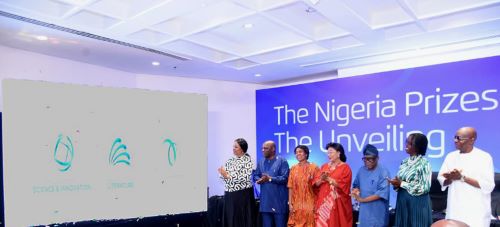
L-R: Joel Benson, Technical Adviser to Advisory Board of The Nigeria Prize for Creative Arts (NPCA); Anne-Marie Palmer-Ikuku, NLNG’s Manager, Corporate Communication & Public Affairs; Sophia Horsfall, NLNG’s GM, External Relations & Sustainable Development; and NPCA Advisory Board members, Prof Akachi Adimora-Ezeigbo (Chairman), and Emeritus Prof. Olu Obafemi at the unveiling of prize with focus on Documentary filmmaking in Lagos.

NLNG has stated that new The Nigeria Prize for Creative Arts will target young Nigerians with the aim of inspiring them to tell stories that redefines the nation’s image.

At a press conference in Lagos, the Company announced that the Prize, a new category under its sponsored-The Nigeria Prizes will target emerging Nigerian filmmakers aged 18 to 35. The Company also stated further that the Prize will challenge young Nigerians to produce documentary films that celebrate the nation’s identity and reshape global perceptions of Nigeria through information, creativity, and visual excellence.

The Prize cycle which will commence in February 2026 with a call for entry, alongside the other prizes, The Nigeria Prize for Science and The Nigeria Prize for Literature. The Prize comes with the award money of $20,000.

Speaking at a press conference, Sophia Horsfall, General Manager, External Relations and Sustainable Development, explained that the initiative reflects NLNG’s deep commitment to nurturing creative capital as part of national development.

“The Nigeria Prize for Creative Arts is an invitation for young Nigerians to own their narrative, to show the world our complexity, our brilliance, and our resilience through film. This Prize symbolises NLNG’s belief that storytelling is nation-building that every frame, every voice, and every perspective matters in the shaping of who we are and who we aspire to be, Horsfall said.

She emphasised that the initiative bridges Nigeria’s dynamic youth population and the broader creative industry, strengthening the nation’s voice globally while promoting unity and understanding through storytelling.

The Advisory Board for The Nigeria Prize for Literature and The Nigeria Prize for Creative Arts, chaired by Professor Akachi Adimora-Ezeigbo, will administer the new category. She will be supported by Emeritus Professor Olu Obafemi and Professor Ahmed Yerima.

Professor Adimor-Ezeigbo noted that the Prize marks a significant milestone in NLNG’s over two-decade journey of celebrating excellence across disciplines.

“The Nigeria Prize for Creative Arts is a reaffirmation of our belief that excellence knows no boundary. It can be written, spoken, or filmed. It asks its creators to confront truth, explore memory, and translate experience into meaning,” she said.

She emphasised that the Prize would align with the overarching strategy of the prizes to reward excellence.

Joel Benson, an Emmy-winning documentary filmmaker and Technical Advisor to Adivsory Board, stated that the Prize would be benchmarked against international film festival standards, ensuring that winning entries can compete globally. He added that the creative energy of Nigeria’s youth deserves a platform that matches its ambition.

Benson explained further that only short documentaries of no more than 20 minutes will be accepted in the inaugural edition, adding that entries will be judged on storytelling craft, originality, production quality and creativity, among other metrics.

He revealed that the judging panel will be chaired by Dr. Sam Dede, a veteran actor, director, and senior lecturer at the University of Port Harcourt. He will be joined by Adeola Aderonke, an award-winning film director, art historian, scriptwriter, and producer and George Ugwuja, a renowned film producer who has delivered high-quality work for international organisations.

The prize cycle will end in October 2026 with the announcement of the final verdict at the Grand Award Night, sponsored by NLNG.


NGX Group Declares ₦1.00 Interim Dividend, Sustains Track Record of Shareholder Value Creation

0

Nigerian Exchange Group Plc (NGX Group or the Group) has announced the declaration of an interim dividend of ₦1.00 per ordinary share of 50 kobo each, following the approval of its unaudited financial statements for the third quarter ended 30 September 2025, at the meeting of its Board of Directors held on Wednesday, 29 October 2025.

The interim dividend will be paid to shareholders whose names appear in the Register of Members as at the close of business on Friday, 7 November 2025, while payment will be remitted electronically to qualified shareholders on Tuesday, 18 November 2025.

This declaration marks another milestone in NGX Group’s history of consistent dividend payments, underscoring the Board’s confidence in the Group’s resilience, profitability, and value-creation strategy.

Commenting on the announcement, the Chairman, NGX Group, Alhaji (Dr.) Umaru Kwairanga, stated: “The declaration of this interim dividend reaffirms the Board’s confidence in NGX Group’s solid fundamentals and long-term growth outlook. We have maintained a consistent dividend track record that reflects our unwavering commitment to shareholder value. This payment recognises our investors’ trust and remains focused on reciprocating that trust through consistent value addition to its shareholders. Our focus remains on delivering sustainable returns through disciplined execution and strategic growth.”

In his remarks, the Group Managing Director/Chief Executive Officer, NGX Group, Temi Popoola, noted: “Our commitment to shareholders is at the heart of every strategic decision we make. This dividend reflects the Group’s strong financial discipline, consistent profitability, and prudent capital allocation. As we advance our growth agenda, we will continue to unlock opportunities across our ecosystem, creating measurable value for our investors and reinforcing NGX Group’s position as a trusted driver of capital market prosperity in Africa.”

NGX Group will continue to demonstrate its commitment to transparent governance, financial discipline, and sustainable value creation.


NIPR Institutes Annual PRICE Awards, Fixes 7th Dec for Ceremony

0

The Nigerian Institute of Public Relations (NIPR) has once again strengthened the administration and regulation of public relations practice in Nigeria with the launch of the annual Public Relations, Reputation, Ideas, Concepts and Excellence (PRICE) Awards and Prizes.

The Awards will serve as the body’s premier system for the curation, recognition, exhibition and celebration of outstanding campaigns and accomplishments in the practice of public relations in Nigeria. The maiden edition of the Awards will take place on Sunday, 7th December 2025, at the Abuja Continental Hotel.

Envisioned as a credible and enduring platform to identify, celebrate, and elevate outstanding individuals, campaigns, and organisations shaping the public relations landscape across sectors, the development of the PRICE Awards peaked in September 2025 when Dr. Ike Neliaku, President and Chairman of Council of NIPR, inaugurated the committee to organise the maiden edition of the Awards. The inauguration of the Committee followed the NIPR Council’s adoption of the report of a technical team saddled with the responsibility of birthing the award.

While inaugurating the 12-member Organising Committee, Neliaku, said: “we have carefully selected you to chart this path for us. Some of you have done us proud on the international stage winning major awards and flying Nigeria’s flag on the global stage. We are challenging you to come and give Nigeria something similar in terms of prestige, class and colour. Now, we are asking you to give Nigeria her own world class Public Relations awards system.” He further urged the committee to “engage stakeholders, sponsors and partners and organise a world class award ceremony.”

The NIPR President also expressed the confidence that the PRICE Awards will not only motivate professionals, practitioners and scholars but enhance Nigeria’s global competitiveness in the global public relations ecosystem, and strengthen brand equity for all stakeholders, including the NIPR as a leading light of public relations and communication management administration and regulation in Nigeria.

Accepting the responsibility of the Committee, Chairman of the Organising Committee, Israel Jaiye Opayemi, a fellow of the Institute and Managing Director/Chief Strategist of Chain Reactions Africa, expressed the committee’s determination to give the Nigerian public relations community a best-in-class award administration and ceremony. Opayemi noted that the PRICE awards would indeed be an opportunity for our own proverbial prophets to be honoured at home. “We have been winning international awards and flying the Nigerian flag on the global stage in far-flung places and before a global audience. Now is the time for the best of us to be honoured right here at home and in the presence of the Nigerian people,” he reiterated Neliaku’s commendation and challenge.

Members of the Committee comprising seasoned public relations professionals and scholars include Dr. Omoniyi Ibietan (Vice Chairman), Dr. Mary Ikoku, Edemekong Uyoh, Adesola Oyawoye, Odoh Diego Okenyodo, Damilola Olujide, Beatrice Okpara, Prince MG Duku, Chief Patrick Ukah, Mrs. Chidinma Awak (Secretary) and Kater Amos Foga (Assistant Secretary).

The PRICE award will honour outstanding works across the gamut of public relations and communications by celebrating the primacy of strategy, creativity, innovation and impact across different strata of the practice.

It would also honour emerging public relations talents such as students and young professionals with cash prizes and plaques to underscore the value the NIPR places on creativity and excellence.

The NIPR was established in 1963 and chartered in 1990 through Decree No. 16 (now an Act of the National Assembly, cited as CAP n114 laws of the Federation of Nigeria LFN 2004).

It is the first national Public Relations organisation in the world to be chartered. Its enabling law authorises it to register practitioners of public relations, set standards for knowledge acquisition, and regulate the practice and development of public relations in Nigeria.

It is supervised by the Federal Ministry of Information and National Orientation. It is one of Nigeria’s most active, visible and influential professional bodies.

Some of its flagship programmes include the National Spokespersons Summit and the Nigeria Public Relations Week but it is in the news weekly promoting the importance and relevance of public relations and responsible communication management.

In 2023, the NIPR succeeded in getting official proclamation making the practice of public relations a cadre exclusively for professional managers across Nigeria. The NIPR partners and collaborates with many institutions, organisations and governments globally to enhance the relevance of public relations practice; it is a leading member of the African Public Relations Association (APRA), and an influential member of the Global Alliance for Public Relations and Communication Management (GA). Recently, the NIPR won the bid to host concurrently the World Public Relations Forum (WPRF) 2026 and the APRA Annual Conference in 2026, both taking place from 15-21 November 2026.


Jiji Launches “Deals Na Water” Black Friday with up to 85% Off for Shoppers

0

Maxim Makarchuk

COO

Jiji Africa

Jiji, Nigeria’s leading online marketplace, has officially launched its 2025 Black Friday campaign, themed “Deals Na Water.”

The sale offers shoppers massive discounts of up to 85% across top-selling categories like Phones & Tablets, Electronics, Fashion, Home & furniture, and more.

The month-long “Money Na Water” Black Friday campaign promises buyers unbeatable affordability, while verified sellers offer genuine discounts to create the best value shopping season Nigerians look forward to every year.

Growing demand for online deals
Recent industry data shows that over 70% of Nigerians now search online first when looking for the best prices on essential items.

The country’s digital acceleration continues to reshape retail, with over 43 million active smartphone users and increased adoption of secure online buying platforms.

As consumers become more cost-conscious and focused on savings, trusted marketplaces like Jiji are positioned as the go-to source for verified deals and everyday affordability.

Curated deals across top categories
Shoppers can explore the exclusively refreshed Jiji Black Friday landing page to discover limited-time offers that update daily. Highlights include:

The platform sourced discounted offers only from verified sellers with Verified ID badges on Jiji to ensure transparency and safety.

Commenting on the launch, Maxim Makarchuk, COO, Jiji Africa, said:

“This year’s Black Friday is designed to give Nigerians real value through massive savings that feel like deals flowing as freely as water. We’re thrilled to connect millions of buyers to genuine discounts from trusted sellers across the country.” – Maxim Makarchuk, COO, Jiji Africa

He added that Jiji is equally empowering businesses during the retail peak season:

“For sellers, this is the biggest opportunity to grow visibility and sell faster by offering at least 15% off to be featured on our official Black Friday page. We believe that when buyers win, sellers also win. That’s the marketplace advantage.” – Maxim Makarchuk, COO, Jiji Africa. 

Safe, convenient shopping

Jiji continues to prioritise security, convenience, and transparency for its users. The platform enables buyers to chat directly with sellers, inspect items before paying, and follow the Jiji Safety Tips in-app to ensure safe transactions with sellers. This combination allows shoppers to secure top deals with confidence.

The “Money Na Water” Black Friday campaign runs from November 1st through 31st, 2025. Jiji invites buyers and sellers nationwide to tap into the best shopping month of the year, discover mouthwatering deals, and take full advantage of “Deals Na Water.”

About Jiji

Jiji is Africa’s leading online marketplace, connecting millions of buyers and sellers across the continent. With various categories, including electronics, fashion, vehicles, property, and other services, Jiji offers a safe and convenient platform for users to find everything they need.

Jiji now operates across over 8 countries, attracting 12m+ unique users monthly, who engage with 5m+ ads with a total value of over $15 billion. The Jiji app is currently among the highest-rated apps in African e-commerce.


What Happens to Pension Benefits When a Contributor Dies?

0

Pension schemes are a cornerstone of financial security for millions of Nigerian workers, offering reassurance for a comfortable retirement after years of service. But what happens when a pension contributor dies before or after retirement?

For many families, the uncertainty surrounding the fate of pension benefits can be both distressing and confusing. This article explores the laws, procedures, and common practices regarding the payment and administration of pension benefits upon the death of a contributor under the Nigerian pension system.

Nigeria operates the Contributory Pension Scheme (CPS), introduced by the Pension Reform Act (PRA) of 2004 and further amended in 2014. The scheme is mandatory for employees in the public service and private organizations with at least three staff members.

Under the CPS, both employer and employee contribute to a Retirement Savings Account (RSA) managed by Pension Fund Administrators (PFAs), regulated by the National Pension Commission (PenCom). 

What Happens When a Contributor Dies?

The unfortunate event of a contributor’s death does not mean the end of their hard-earned pension savings. It is also important to clarify that beneficiaries are legally entitled to receive pension benefits and differ from the Next of Kin(s) indicated on the RSA details of the deceased. While the Next of Kin serves as a point of contact or representative for administrative purposes, only designated beneficiaries (as stipulated by official nomination forms or by law) are eligible to claim and receive funds from the RSA. Families should not assume that the Next Kin automatically inherits pension benefits, underscoring the need to carefully complete beneficiary nominations and keep them current. The fate of the pension benefit depends on the timing of the contributor’s death whether it occurs before or after retirement and the status of their RSA.

Death Before Retirement

If a contributor dies before retiring or before accessing their RSA, the total amount in the contributor’s RSA, including accrued investment incomes, becomes available to their legal beneficiaries. The PRA 2014 and PenCom guidelines govern the process for the identification of beneficiaries and disbursement of benefits.

Nomination of Beneficiaries

Upon opening an RSA, contributors are required to nominate next of kin and beneficiaries, usually through forms provided by the PFA. This nomination is critical because it determines who will be eligible to claim the benefits in the event of the contributor’s death.

Application and Documentation

Upon the contributor’s death, the nominated beneficiaries or next of kin must formally apply to the deceased’s PFA for the release of the pension funds. The required documents typically include:

  • Death certificate of the contributor
  • Letter of Administration (if there is no valid Will)
  • Valid means of identification for the beneficiaries
  • Bank account details for payment
  • Birth certificate of the deceased (in some cases)
  • Proof of relationship to the deceased (such as a marriage certificate or affidavit)

The PFA then verifies the documents and initiates the process of transferring the funds to the legitimate beneficiaries.

Dispute Resolution

Disputes can arise, especially where multiple claimants present themselves or where the deceased did not clearly nominate beneficiaries. In such cases, the PFA may require a Letter of Administration from a probate court, which officially recognizes the legal beneficiaries of the estate.

Death After Retirement (While Receiving Pension)

If a contributor dies after retirement while already receiving pension payments, the treatment of their pension benefits depends largely on the mode of benefit payment that was chosen at retirement.

Programmed Withdrawal

Many retirees opt for “programmed withdrawal,” where pension payments are made monthly until the RSA is depleted or until the retiree passes away. If the retiree dies before exhausting the RSA, the balance is paid to the beneficiaries.

Annuity

Alternatively, a retiree may choose a “retirement annuity,” whereby an insurance company pays them a guaranteed income for life. If the retiree chose an annuity with a guaranteed period, and they die within that period, the benefits may also pass to beneficiaries or the estate for the remainder of the guaranteed term.

Estate Laws and Probate Process

Where there is no clear nomination of beneficiaries or disputes arise, the payment of pension benefits may be subject to the general laws on inheritance and probate in Nigeria. The Letter of Administration or Will becomes critical here, as PFAs will only release funds to beneficiaries recognised by law.

Taxation and Deductions

Pension benefits are generally tax-exempt in Nigeria; thus, the funds transferred to beneficiaries are not subject to income tax. However, any debts or loans owed by the deceased contributor to their employer may be deducted from the RSA before disbursement to the beneficiaries.

Role of Pension Fund Administrators (PFAs) and PenCom

PFAs play a central role in managing RSAs and ensuring that contributors’ wishes regarding their pension benefits are followed after death. PenCom provides regulatory oversight, issues guidelines, and can be petitioned in cases of disputes or delays.

Common Challenges and Practical Steps for Families

Families often face hurdles in accessing pension benefits, ranging from bureaucratic delays to legal disputes among potential beneficiaries. To minimize challenges, contributors are encouraged to:

  • Ensure their beneficiary nominations are up to date and accurately reflect their wishes
  • Inform their family members of their chosen PFA and pension arrangements
  • Keep relevant documents (e.g., RSA statements, beneficiary forms) in an accessible place

Beneficiaries should be prepared with all required documents and promptly engage with the deceased’s PFA to avoid unnecessary delays. The death of a pension contributor can be an emotionally and financially trying time for families.

However, Nigeria’s pension regulations are structured to ensure that contributors’ savings are not lost but are transferred to their loved ones according to the law. Staying informed and following the correct procedures are the keys to smooth and timely access to these benefits.

Access Holdings Records N3.9tn Gross Earnings in 9 Months

0

Access Holdings Plc has announced its nine-month ended September 30, 2025 (Q3 2025) results, recording gross earnings of ₦3.9trillion, which represented a rise by 14.1% year-on-year over ₦3.4trillion as at Q3 2024.

This performance was driven by sustained growth in both interest and fees and commission, reflecting the strength of the Group’s diversified earnings base and improved performance from core operations across its banking and non-banking businesses.

Maintaining the same momentum, gross earnings rose by 56.2% quarter-on-quarter from ₦2.5trillion as at Half Year (H1) 2025.

Interest income rose by 21.1% year-on-year to ₦2.9 trillion in Q3 2025, compared to ₦2.4 trillion in Q3 2024. Net interest income also increased by 48.9% to ₦1.3 trillion from ₦845 billion in the same period. This performance was driven by loan book expansion, reflecting our disciplined risk management approach and a strategic focus towards higher-yielding, quality assets to strengthen portfolio returns.

On a quarter-on-quarter basis, interest income and net interest income grew by 42.1% and 27.8%, respectively, from ₦2.0 trillion and ₦984 billion in H1 2025.

There was 44.3% growth in net fee and commission to N476billion in Q3 2025 from N330billion in Q3 2024, reflecting higher transaction volumes and increased customer activity across digital and payment channels across both periods.

On a quarter-on-quarter basis, net fee and commission income also increased by 100.8% from N237billion in H1 2025.

While total non-interest income declined marginally by 8.1% to ₦872 billion in Q3 2025 from ₦984trillion in Q3 2024, the Group’s growth momentum from core operations continues to support overall earnings trajectory.

Operating income rose 18.8% to ₦2.13 trillion in Q3 2025 from ₦1.8trillion in Q3 2024.

Impairment on loans increased by 141.5% to N350billion as of Q3 2025 from N145billion in Q3 2024.

Operating expenses increased marginally by 6.7% in Q3 2025 to N1.2trillion from N1.1trillion in Q3 2024. The cost-to-income ratio (CIR) improved to 54.6% in Q3 2025 from 60.8% as at Q3 2024, as revenue growth outpaced operating expenses. We expect cost-to-income ratio to stay moderated from ongoing efficiency initiatives, cost optimization measures, and stronger revenue across the Group.

Profit before tax (PBT) increased by 10.4% to N616billion in Q3 2025 from N558billion in Q3 2024. Profit after tax moderated to N447billion in Q3 2025 from N458billion in Q3 2024.

Compared to H1 2025 performance, profitability demonstrated resilience, as profit before tax (PBT) increased by 91.9% from N321billion in H1 2025 YTD to N616billion in Q3 2025. Profit after tax (PAT) also showed improvement in the period with a 107.9% increase to N447billion in Q3 2025 from N215 billion as at H1 2025 YTD.

The Group’s balance sheet increased with total assets growing by 25.8% to N52.0trillion in Q3 2025 from N41.5trillion in FY 2024. The growth in balance sheet was supported by customer deposits, which grew by 47.0% to N33.1trillion in Q3 2025 from N22.5trillion in FY 2024.

Loans and advances increased by 19.7% to N15.6trillion in Q3 2025 from N13.0trillion in Q3 2024. The Group is positioned to unlock revenue synergies, enhance cross-border collaboration, and drive sustainable earnings growth.

The Group’s strong performance was largely driven by its non-Nigerian subsidiaries, which together contributed over 50% of consolidated results.

These subsidiaries continued to deliver strong growth across key metrics, reflecting the benefits of diversification and deepening franchise strength across our African markets.

In comparison, the Nigerian operations experienced under-performance during the period, attributable to changing macroeconomic conditions, inflationary pressures, and continued regulatory adjustments. Despite these headwinds, the Group’s diversified structure continued to provide stability and resilience.

The return on average equity (ROAE) stood at 15.4% in Q3 2025, down from 22.2% in Q3 2024, while return on average assets (ROAA) also moderated to 1.3% in Q3 2025 from 1.8% in Q3 2024. The cost-to-income ratio (CIR) improved to 54.6% in Q3 2025 from 60.8% as at Q3 2024.

Looking ahead, Access Holdings will continue to strengthen our franchise across all our markets and businesses, deepen operational resilience, and create sustainable value for all our stakeholders.


NCDMB to Train over 10,000 Nigerians in High-Demand Oil Skills

0

Spurred by the resurgence of big-ticket investments and new projects in the Nigerian oil and gas industry, the Nigerian Content Development and Monitoring Board (NCDMB) has unveiled a special Human Capital Development (HCD) Program that would train over 10,000 young graduates and technicians in top 10 high-demand skills in the sector.

Termed NCDMB Oil and Gas Field Readiness Training Program, the intent is to prepare and equip the next generation of Nigerians with practical skills for top careers in the oil and gas industry and position them to take part actively in the oil and gas projects recently launched by some international and indigenous operating oil and gas companies.

Announcing the Oil and Gas Field Readiness Training Program on Friday, NCDMB’s Executive Secretary, Engr. Felix Omatsola Ogbe confirmed that the Program will close skill gaps extracted from the review of applications for Expatriate Quotas by industry operators.

The top career paths were equally identified from engagements with key industry stakeholders, including Petroleum Technology Association of Nigeria (PETAN), Oil Producers Trade Section (OPTS), and Petroleum Contractors Trade Section (PCTS).

NCDMB also relied on its knowledge of the portfolios of major upcoming projects and considered reports of previous skill gaps studies conducted by sister agencies like the Petroleum Technology Development Fund (PTDF).

The top-10 skills for the Field Readiness Program are: Sub-sea Engineers (wellheads, flowlines, umbilicals, sub-sea trees, etc.); Underwater Welders; Control and Automation Engineers (including cementing, well controls, and rig operations); Helicopter Pilots; Seamen/Sailors (including vessel mechanics/electricians); Production and Maintenance Engineers (Control Room Operators, Maintenance Crew); QA/QC Engineers (including NDT Levels 1,2, and 3); Geoscience Engineers (including Seismic, Geophysics, Wellsite Geology, etc.) and Digitisation and Digitalisation (AI, ML, IoT, Big Data, Cloud Computing, Drones, etc.)

NCDMB efforts, Ogbe explained, is informed by Section 10(1b) of the Nigerian Oil and Gas Industry Content Development (NOGICD) Act, 2010, which stipulates that “Nigerians shall be given first consideration for training and employment in the work programme for which the Nigerian Content Plan was submitted by an industry operator.”

This program is only open to participants aged below 35 years, who possess OND/HND/BSC in Petroleum, Mechanical, Chemical, Electrical, Civil, Gas, Welding and Metallurgy. Other applicable fields are Geology, Geophysics, Computer Sciences/ Engineering and other science related disciplines.

Guidelines for participation are outlined below:

  • New individuals: create account on nogicjqs.gov.ng/accounts/login: update your profile and academic records, and complete the NCDMB Oil and Gas Field Readiness Training Program Registration
  • Individuals with incomplete profile on nogicjqs.gov.ng/accounts/login: update your profile and academic records and proceed to register for the NCDMB Oil and Gas Field Readiness Training Program.
  • Individuals with complete profile on nogicjqs.gov.ng/accounts/login: proceed to register for the NCDMB Oil and Gas Field Readiness Training Program.

Individuals can only select maximum of three (03) skills under the program in the order of their preferred priority.

Providing further guidance, NCDMB’s Director of Capacity Building, Engr. Bamidele Abayomi explained that the skills gap closure program would be implemented over a two-to-three-year period, during which the gaps would be re-assessed to ascertain if the top 10 skills should be adjusted or continued.

He confirmed that most of the skills gap closure will be for a minimum of 12 months, while some will be for longer durations. The program will have four key segments, namely, classroom training, laboratory/workshop practicals, skills certifications, with emphasis on hands-on work experience, which will entail a minimum of six months on-the-job-training (OJT) carried out in partnership with service companies to impart necessary skills on participants and make them field-ready.

He announced that at least three service companies will partner the Board for each of the skill area and HSE certifications, while the soft skills will be delivered by anchor trainers and OGTAN registered training providers.

Trainees that complete the program and assessed as competent and field-ready shall be included in the Board’s skills database for circulation to service and operating companies in fulfilment of the NOGICD Act.

He assured that participants will be provided with pre-mobilization medicals, monthly stipends, PPEs, and requisite insurance coverage to ensure they are well-supported and can focus on learning.

The October 14, 2025 announcement of Final Investment Decision (FID) on US$2 billion HI Field Gas Project by Shell Nigeria Exploration and Production Company (SNEPCo), and Sunlink Energies and Resources Limited, was the latest in a portfolio of new mega projects, following US$550 million UBETA Gas Project by Total Energies, launched in September 2024, and Bonga North Deepwater, worth US$5 billion, announced by SNEPCO in December 2024.

The already announced projects and others in the funnel are direct outcomes of the three Presidential Directives (PD) pronounced by President Bola Ahmed Tinubu for the oil and gas industry in March 2024. The Directives were accelerated by the revised and fast-tracked Nigerian Content Contracting Guidelines deployed by the NCDMB, which is unlocking long delayed major investments, helping to actualise Mr. President’s Renewed Hope Agenda Economic blueprint towards a US$1trillion economy.


NGX Group Chair, Umaru Kwairanga, Draws Roadmap for Leadership in Nigeria

0


 Being the remarks by Alhaji (Dr.) Umaru Kwairanga, Group Chairman, NGX Group at the Better Leadership for a Better Nigeria by the Oxford Think Tank Leadership Conference in Abuja.

We are gathered here to give our perspectives on how to build a greater nation, especially through better leadership.

My opinion from three decades of leading various organisations as Managing Director, Director and Chairman is that the task is complex, ever changing and challenging but there are certain core principles that leaders, young and old should follow.

The first of these is Strategic Vision and Direction. You should define where you are taking the organisation to and how to get there and be able to communicate that strategy to all stakeholders so that you have unity of purpose.

Another important aspect of leadership is Management. Leaders at every level need to manage effectively but at the top, this is an even more important and less defined skill. Some of the most important aspects from my experience are people and risk management. Leaders need to very quickly identify the right team to help achieve their strategic goals and be able to steer them in the right direction.

The other quality that I would like to mention is Communication. Keeping good lines of communication open within the organisation and to other stakeholders outside is very important. It should be two-way communication, being able to receive and to give.

As the Chairman of the NGX Group, I am always available for events and functions that will help me perform my role better. I always used this type of opportunity to speak about the transformational changes in our NGX.

The most important point is to know where you are going or where you want to get to. Once you have defined the destination of the journey of transformation, it’s easier to determine how to get there, then be decisive in following that path.

In the NGX Group, we are focused on having a bigger, more vibrant Capital Market that reflects an economy of over Two Hundred Million People and helps the President achieve the vision of a Trillion Dollars Economy and we are pursuing that through new products, new listings, new technologies that make the Capital Market more attractive to Nigerian and Foreign Investors.

In conclusion, leadership is stewardship, stewardship of possibility. Our task is to build a more inclusive, transparent, and globally competitive Nigeria.

It will take courage, conviction and collaboration, but it’s within our reach.

Because in the end, leadership is not about standing at the top; it’s about lifting others as we climb.

NCRIB to Partner State Govts to Drive Insurance Penetration in Nigeria

0

L-R: Mr. Tope Adaramola, Executive Secretary; Mrs. Ekeoma Ezeibe, President/Chairman of Council and Mrs. Olufunke Adenusi, mni, Deputy President, all of NCRIB during a media engagement in Lagos yesterday.

The Nigerian Council of Registered Insurance Brokers (NCRIB) plans to initiate a partnership with state governments across the nation to bring insurance penetration and patronage to the grassroots in Nigeria under a policy of one state at a time.

Mrs. Ekeoma Ezeibe, the President and Chairman of Council of NCRIB said in Lagos that Abia State would be the first in the series of states in the insurance penetration initiative under her One Insurance Industry agenda in office.

“We choose Abia State as the pilot state for the insurance penetration policy given the huge commercial prowess of Aba and performance of the current administration in the state. We want a partnership with the State government to gain entry and penetration for the people and businesses to know the benefits of insurance. From Abia, we shall move to other states as well.”

Ezeibe said her One Insurance Industry agenda is to empower the insurance sector to take her pride of place in the economy of Nigeria by using penetration to spread the gospel of insurance across the nation and take advantage of the provisions of the Nigeria Insurance Industry Reform Act 2025 (NIIRA) which has given enforcement powers to the industry regulator. She described NIIRA 2025 as the key to a better insurance industry and national economy.

The NCRIB president listed her other agenda to include completion and commissioning of the NCRIB annex project, good relationship with the industry regulator, the National Insurance Commission (NAICOM) and continuation of capacity building programmes for members of NCRIB.

On digitalisation, Ezeibe said it remains an opportunity for shared services by members of NCRIB and the development of an app as part of its insurance penetration strategy.

She said the insurance industry is heading towards collaboration and has continued to perform better while the national economy is gradually turning around for the better despite the current difficult situation. She gave example of the stability of the Naira as a key pointer in that direction.

Ezeibe, who is the 23rd president and third female president of NCRIB, said her meeting with the media just days after her official investiture, underscores the importance of the media in driving her agenda in office.

“We expect maximum support from members of the media as our partners in progress. We are looking forward to a rewarding relationship as partners to take the insurance industry to a higher level. It is a symbiotic relationship between us in the interest of the market.”


OPay – From Payment Platform to Lifestyle Ecosystem

0

By Moses Braimah

Out of curiosity, I decided to spend some time today exploring the @OPay app – not just for its regular transfers or bill payments that most of us are familiar with, but to see beyond the obvious.

Frankly, I was flummoxed, flabbergasted and totally astonished.

The people behind this platform have gone far beyond what we traditionally understand as fintech. They have practically built a financial super ecosystem that touches almost every aspect of daily life in Nigeria.

Beyond the regular transfers, airtime top-ups, and bill payments, I found integrations that span:

Ecommerce: Direct links to AliExpress and Temu for seamless checkout.

Insurance: Access to major insurance providers for health, motor, and travel plans.

Power & Telecoms: Instant purchase of electricity tokens and mobile data across all networks.

Savings & Investments: Multiple savings options – flexible, fixed, and goal-based – with real-time interest tracking.

Travel & Lifestyle: Flight bookings, hotel reservations, and even visa payments (including Chinese Embassy applications) right from the app.

Logistics & Food: Food delivery options, transport and POS-related services.

Cards & POS Services: Virtual and physical debit cards, merchant tools, and payment gateways for SMEs.

And yet, they are still expanding – quietly adding micro-lending, virtual account services, and merchant financing, redefining what it means to “bank” without a bank.

At this rate, I won’t be surprised if diaspora remittance becomes their next frontier. The infrastructure and data depth already suggest the potential for a borderless payment experience.

This is no longer just a fintech app. Opay has evolved into a lifestyle – a digital operating system for Nigerian everyday life.

As innovation races ahead, the regulators clearly have their work cut out for them. How do you govern a platform that is no longer just processing money, but shaping the entire digital economy?

One thing is clear: Opay is not slowing down. It’s charting a new course for how millions live, pay, and prosper in a cashless Nigeria.

Where is Opay going from here? And what will this mean for the future of digital finance in Africa?

  • Braimah is an advocate for good governance and sustainable progress

Dangote and the Nigeria Refinery Revolution

0


  • Beyond the Monopoly Myths

By Moses Braimah

When the Dangote Refinery began operations just over a year ago, Nigerians saw it as the dawn of a new industrial age.

After four decades of dependence on imported petroleum products, fuel subsidies, and the inefficiencies of state-owned refineries, the privately built $20 billion complex symbolised hope. Yet instead of celebration, the refinery has found itself at the centre of controversy – criticized, resisted, and even undermined by institutions that should be cheering its success.

For over two decades, Nigeria – Africa’s largest oil producer – has remained paradoxically dependent on imported refined petroleum products.

The nation’s four state-owned refineries, managed by the Nigerian National Petroleum Company Limited (NNPCL), have not refined a drop of crude for local consumption in nearly 20 years. Yet, billions of dollars have been spent maintaining them, sustaining an opaque importation regime rife with arbitrage, manipulation, and corruption.

Then came Dangote. When Aliko Dangote’s privately-owned refinery began production, it was hailed as the long-awaited messiah of Nigeria’s downstream sector.

The $20 billion facility – one of the world’s largest single-train refinery – promised to end fuel importation, conserve foreign exchange, and finally actualise Nigeria’s dream of energy independence. However, as operations began, a storm of resistance emerged – from vested interests, unions, and competing cartels.

NNPCL, surprisingly, fired the first shot, publicly alleging that Dangote’s refined products were of low quality. Kai!

The NNPCL, whose four state-owned refineries have not produced a litre of fuel for local consumption in nearly two decades, accused Dangote of producing “low-quality” refined products. This, from a company whose own importation structure has long been tainted by opacity, inflated figures, and allegations of corruption. The irony is difficult to ignore.

A Clash of Interests? The Dangote Refinery saga has become a case study in Nigeria’s struggle between progress and vested interests. From the Independent Petroleum Marketers Association of Nigeria (IPMAN) to PENGASSAN, NUPENG, PETROAN, and DAPPMAN, powerful lobbies are grappling for influence in a changing petroleum landscape. Some have focused on worker unionization and alleged disparities between local and expatriate salaries. But there’s little to suggest that Dangote has violated any recruitment or labor obligations. As one industry insider quipped, “It’s like witchcraft – when progress is in plain sight, some would rather destroy it than let it succeed.”

Luckily in the midst of these the government the renewed the Naira-for-Crude policy. Amid these tensions, the Federal Government’s decision to extend the Naira-for-Crude policy for another two years is both bold and pragmatic. The deal allows local refineries to pay for crude oil in naira rather than dollars – a move that protects foreign reserves, eases pressure on the exchange rate, and boosts local liquidity.

The impact of this policy in the past one year is palpable. Nigeria’s foreign exchange demand for fuel imports has reduced, while local supply of diesel, aviation fuel, and other by-products has improved. For an economy struggling with inflation and forex scarcity, this policy has become a stabilizing anchor, one that aligns energy production with fiscal responsibility.

Here comes the expansion, vision, and economic promise. In a striking display of ambition, Dangote Refinery is expanding its capacity from 650,000 barrels per day to 1.4 million barrels, which will make it become the largest refinery in the world.

This will surpass India’s Jamnagar Refinery. The expansion is expected to save Nigeria billions of dollars in foreign exchange, create more than 65,000 jobs during construction, and position the country as a major exporter of refined petroleum and petrochemicals.

Polypropylene production will increase from 900,000 to 2.4 million metric tonnes per year, supporting detergent, lubricant, and plastic industries. Additionally, Dangote plans to list 10% of the refinery’s shares on the Nigerian Stock Exchange, an uncommon gesture of transparency and inclusion in a sector notorious for opacity.

Still, some stakeholders have raised alarms over possible monopoly risks. That is where the need to balance the fear of monopoly with smart regulation.  Dangote’s dominance in cement, sugar, and now petroleum understandably fuels such apprehension.

Nevertheless, the antidote lies not in attacking progress or suppression but in insisting on smart regulation: policies that encourage more private refineries, ensure transparent pricing, innovation, quality, safety, more investments and guarantee open access to crude.

Nigeria must now pivot from suspicion to strategy, supporting new entrants while ensuring healthy competition. The vision should be clear: to transform Nigeria into Africa’s refining and petrochemical hub. Dangote’s ongoing expansion, including increased polypropylene and base oil production, underscores the vast potential of local refining to trigger industrial growth, job creation, and technology transfer.

A diversified refining base will foster competition, prevent market capture, and ensure that efficiency, not privilege, drives Nigeria’s energy market. As Dangote himself remarked, over 30 refinery licenses have been issued in Nigeria; it’s time for more of them to come alive.

He furthermore said: “When Africa builds its own capacity, it builds its own destiny.” This is apt.

On leadership and policy discipline.  We would realise that ultimately, this whole challenge boils down to leadership. The transformation of nations like Singapore, Rwanda, and China began with small circles of disciplined leaders who set clear visions and inspired the masses. Nigeria must embrace that same clarity.

From Obasanjo to Buhari and now Tinubu, the country’s petroleum narrative has oscillated between reform and regression. Today, with the refinery in full operation and policy support on the table, the administration has an opportunity to rebuild confidence, if only it governs with professionalism, fairness, and foresight.

This is also a call to build, not to break. For Aliko Dangote, the journey is far from over. His refinery stands as a symbol of what private enterprise can achieve when national interest meets vision and persistence. For government and other investors, it must serve as motivation – a model to emulate, not a monopoly to destroy.

Yes, Dangote’s journey is not without imperfections. But in the broader context of Nigeria’s economic history, it represents a decisive break from the past. A nation once enslaved by fuel importation is learning to refine its own destiny.

The task now is for Nigeria to multiply this momentum: to nurture new refineries, enforce smart oversight, and ensure that the gains reach every Nigerian consumer. If that alignment is achieved, the refinery could mark not just the end of fuel importation, but the beginning of Nigeria’s long-awaited economic rebirth.

If the government sustains its current energy reforms with professionalism and courage – ensuring fairness, enforcing standards, and encouraging competition – Nigeria’s refinery revolution could become a cornerstone of its economic revival.

For Dangote and the many refineries yet to rise, this is not just about profit; it’s about purpose, and the promise of a self-sufficient Africa taking charge of its future.

  • Braimah is an advocate for good governance and sustainable progress 

Dangote Refinery by the Numbers

  • Initial Capacity: 650,000 barrels per day
  • Expansion Target (2026): 1.4 million barrels per day — largest in the world
  • Investment Value: Over $20 billion
  • Foreign Exchange Savings: Estimated $15 billion annually
  • Jobs Created: 65,000 during expansion
  • Petrochemical Output: Polypropylene rising from 900,000 → 2.4 million metric tonnes/year
  • Local Workforce: 85% Nigerian staff
  • Share Listing: 10% to be listed on the Nigerian Stock Exchange within one year 

Policy Framework

  • Naira-for-Crude: Allows local refiners to pay for crude in naira, easing forex pressure
  • One-Stop Shop Policy: Simplifies approvals and promotes local refining investment
  • Government Goal: Make Nigeria Africa’s refining hub by 2030 

Economic Implications

  • Stabilizes naira exchange rate
  • Reduces dependence on fuel imports
  • Boosts energy security and industrial confidence
  • Encourages new entrants into refining sector


Anambra Tops 2025 State of States Fiscal Performance Ranking

0

BudgIT, Nigeria’s leading civic-tech organisation promoting fiscal transparency and accountability, has launched the 2025 edition of its flagship State of States Report themed “A Decade of Subnational Fiscal Analysis: Growth, Decline and Middling Performance.”

Marking ten years of consistent subnational fiscal assessment, this year’s report evaluates and ranks the fiscal performance of 35 Nigerian states—from most to least sustainable—offering insights into revenue generation, expenditure patterns, debt sustainability, and sectoral investments in education and health.

One notable aspect of this year’s subnational fiscal performance is the change in state rankings. Rivers State, which has consistently featured in the top five over the past five years, is conspicuously absent from the 2025 edition—following the declaration of a state of emergency earlier this year, which made the state’s data inaccessible.

As a result, the 2025 report introduces new entrants to the top five, with Anambra, Lagos, Kwara, Abia, and Edo ranked in descending order. Anambra State rose from second to first position, securing the title of the best-performing state in the federation, while Lagos maintained its second place for the second consecutive year.

Kwara climbed from fourth to third, Edo entered the top five after consistently ranking within the top ten over the last four editions, and Abia, which had never previously featured in the top ten, now ranks fourth. Other notable movements include Akwa Ibom, which surged 17 places from 27th to 10th, and Zamfara, which moved up nine places from 26th to 17th.

At the lower end of the rankings, Imo, Kogi, Jigawa, Benue, and Yobe occupy the bottom positions, with Cross River experiencing the steepest decline, falling from fifth in 2024 to 30th in 2025.

For the 2025 edition, we retained the five key metrics used to rank all 35 states. Index A examines a state’s ability to meet operating expenses (recurrent expenditure) using only its Internally Generated Revenue (IGR). Index A1 assesses the year-on-year growth of each state’s IGR. Index B evaluates a state’s capacity to cover all operating expenses and loan repayment obligations using total revenue — comprising IGR, statutory transfers, and grants—without borrowing.

Index C measures debt sustainability using four major indicators: foreign debt as a percentage of total debt, total debt as a percentage of revenue, debt service as a percentage of revenue, and personnel cost as a percentage of revenue. Finally, Index D assesses the extent to which a state prioritises capital expenditure over recurrent expenditure.

In terms of Internally Generated Revenue (IGR) performance, the 2025 edition presents notable shifts from the 2024 report.

While Rivers (121.26%) and Lagos (118.39%) were the only two states with sufficient IGR to cover their operating expenses in 2024, the absence of Rivers from this year’s analysis has reshaped this dynamic. Lagos remains a returning champion with 120.87%, while Enugu now leads with an impressive 146.68% IGR-to-operating expense ratio.

Furthermore, unlike the previous year, when six states generated enough IGR to cover at least 50% of their operating expenses, only five states achieved this in 2025: Abia, Anambra, Kwara, Ogun, and Edo. Consequently, 28 states still relied heavily on federal transfers and other sources to meet their recurrent expenditures.

For perspective, in 2024, six states needed more than five times their IGR to cover operating costs; in 2025, this number more than doubled to 14, underscoring challenges in IGR growth for several states. Notably, as in the previous year, all states were able to cover their total recurrent expenditures—comprising IGR, federal allocations, aid, and grants—without resorting to borrowing.

Turning to capital expenditure, the 2025 period reflects a marked shift compared to 2024, when only Rivers State allocated more than 70% of its total expenditure to capital outlays. With Rivers’ absence, Abia now tops the ranking, dedicating approximately 77.05% of its total expenditure to capital projects.

Other states following closely include Anambra, Enugu, Ebonyi, and Taraba, each allocating over 70% of its budget to capital expenditure.

Overall, 24 states spent at least half of their total expenditure on capital items, whereas Bauchi, Ekiti, Delta, Benue, Oyo, and Ogun devoted more than 60% of their budgets to personnel and overhead costs, highlighting persisting disparities in expenditure priorities.

Examining the broader revenue performance, total recurrent revenue for the 35 sub-nationals expanded significantly, rising from ₦6.6 trillion in 2022 to ₦8.66 trillion in 2023 and further to ₦14.4 trillion in 2024—a growth of 66.28%, far surpassing the 28.95% increase between 2022 and 2023. Lagos maintained the largest share of total recurrent revenue, though it was slightly reduced to 13.42% (approximately ₦1.93 trillion) from 14.32% in 2023.

Gross FAAC transfers also recorded substantial growth over the decade. States such as Oyo (785.79%), Delta (708.36%), Niger (683.61%), Ekiti (680.22%), Gombe (643.23%), and Anambra (640.98%) experienced more than 600% growth in FAAC between 2015 and 2024, whereas states like Adamawa (230.98%), Imo (225.25%), Ogun (223.87%), Ebonyi (205.31%), Kogi (186.32%), and Kebbi (178.03%) recorded growth below 300% over the same period.

Total Gross FAAC for the 35 states reached ₦11.38 trillion in 2024, representing a 110.74% increase over ₦5.4 trillion in 2023. Despite these gains, reliance on federal allocations remains high: 28 states relied on FAAC for at least 55% of their total revenue, while 21 relied on it for over 70%.

Internally Generated Revenue, however, remains within the control of the states and displays considerable variability.

Over the ten-year period, Lagos averaged ₦541.35 billion, Ogun ₦92.76 billion, Delta ₦74.45 billion, and Kaduna ₦44.82 billion. By contrast, the states with the lowest averages—Adamawa (₦9.92 billion), Gombe (₦9.54 billion), Taraba (₦7.83 billion), Kebbi (₦7.48 billion), and Yobe (₦6.67 billion)—barely matched Kaduna’s average.

In terms of immediate growth between 2023 and 2024, Enugu (381.44%), Bayelsa (173.69%), Abia (129.37%), Osun (98.37%), and Kano (85.90%) led the pack.

Moreover, unlike 2023—when seven states recorded negative IGR growth—only two states experienced declines in 2024, reflecting overall improvement. Nevertheless, the proportion of IGR within total recurrent revenue declined slightly from 25.27% in 2023 to 20.27% in 2024, indicating continued dependence on federal transfers.

Expenditure patterns further illuminate these trends. Total state expenditure rose to ₦15.63 trillion in 2024, a 64.69% increase from ₦9.49 trillion in 2023. Lagos accounted for ₦2.37 trillion (14.95%) of total subnational spending.

Personnel expenditures increased from an average of ₦53.11 billion in 2023 to ₦65.17 billion in 2024, a 23.24% rise, while overhead costs grew 62.66%, from ₦1.5 trillion to ₦2.44 trillion. Capital expenditure exhibited even more significant growth: only one state recorded a decline, while the remaining states collectively spent ₦7.63 trillion in 2024—an 87.93% increase over ₦4.06 trillion in 2023—and surpassed recurrent expenditure by approximately ₦1 trillion.

This shift reflects a stronger focus on subnational infrastructure and development projects, emphasising the critical role of states in federalism.

In social sectors, implementation remains uneven. For education, states budgeted ₦2.41 trillion but spent only ₦1.61 trillion, achieving 66.9% implementation. Nine states—Edo, Delta, Katsina, Rivers, Yobe, Ekiti, Bayelsa, Bauchi, and Osun—exceeded 80% of their budgeted allocations, with Edo, Delta, and Katsina surpassing 100%.

Average per capita spending remained low at ₦6,981, with no state exceeding ₦20,000 per capita and only eight states above ₦10,000. In health, states budgeted ₦1.32 trillion but expended ₦816.64 billion, achieving 61.9% implementation.

Seven states—Yobe, Gombe, Ekiti, Lagos, Edo, Delta, and Bauchi—spent over 80% of their health budgets, with Yobe leading at 98.2%, though total expenditures remained modest. Average per capita spending was ₦3,483, with only a few states exceeding ₦5,000, highlighting significant gaps in service delivery relative to education.

Unlike revenue performance and operational/capital expenditure, subnational debt management exhibited a distinct trajectory in the 2024 fiscal year. Total debt increased modestly from ₦9.89 trillion in 2023 to ₦10.57 trillion in 2024, representing a 6.8% increase.

This rate of increase was substantially slower than the 36.41% rise observed between 2022 and 2023, when total debt moved from ₦7.25 trillion to ₦9.89 trillion. Notably, the combined debt of the five highest-debtor states in 2024—Lagos, Kaduna, Edo, Ogun, and Bauchi—amounted to approximately ₦5.32 trillion, marginally surpassing the cumulative debt of the remaining 25 states (₦5.25 trillion). Consequently, the top five accounted for 50.32% of total subnational debt, compared to 40.9% in 2023.

A closer examination of domestic debt reveals encouraging progress. Between 2022 and 2023, only 15 states reduced their domestic debt, with 12 achieving reductions exceeding ₦1 billion. In contrast, 2024 saw 31 states decrease their domestic debt by at least ₦10 billion, with Lagos, Cross River, and Delta each reducing debt by over ₦100 billion.

Collectively, this led to a cumulative decline in domestic debt exceeding ₦2 trillion, signalling meaningful efforts to manage subnational liabilities. Similarly, foreign debt reductions were notable: while total foreign debt fell by $74 million between 2022 and 2023, the 2023–2024 period witnessed a decline of over $200 million.

Lagos, Enugu, and Gombe recorded the largest reductions, at $74.56 million, $33.39 million, and $21.88 million, respectively. Nonetheless, Lagos remained the most indebted state in foreign currency, with $1.17 billion, accounting for more than 25% of total subnational foreign debt, followed by Kaduna ($625.10 million), Edo ($383.05 million), Cross River ($202.46 million), and Ogun ($192.90 million).


In terms of foreign debt composition, Kaduna, Jigawa, Ondo, Ebonyi, Katsina, Anambra, Edo, and Kebbi each had foreign debt constituting over 80% of total debt. Overall, 24 states had foreign debt that accounted for more than half of their total debt in 2024.

Average debt per capita increased slightly from ₦40,469 in 2023 to ₦41,766 in 2024, with 12 states—including Lagos, Edo, Kaduna, Cross River, Ogun, Ekiti, Bayelsa, Bauchi, Abia, Enugu, Ebonyi, and Adamawa—exceeding this average.

Notably, Lagos and Edo surpassed ₦100,000 per capita in debt obligations. Additional subnational liabilities continued to present challenges, totalling ₦1.24 trillion in 2024, up from ₦1.19 trillion in 2023. These included contractor arrears (₦434.87 billion), pension and gratuity obligations (₦626.81 billion), salary and staff claims (₦33.74 billion), judgement debts and litigation (₦62.33 billion), and other miscellaneous liabilities (₦73.25 billion).

Looking at the decade, the average IGR over the 2015–2024 period remained highest in Lagos (₦541.35 billion), followed by Ogun (₦92.86 billion), Delta (₦74.46 billion), Kaduna (₦44.83 billion), and Enugu (₦40.28 billion). To contextualise, the combined average IGR of Lagos and Ogun (₦643.21 billion) approximates the total average IGR of the remaining 33 states.

Borno and Ogun achieved the highest IGR growth rates at 862.61% and 463.47%, respectively, while 10 states—including Borno, Ogun, Nasarawa, Ekiti, Enugu, Zamfara, Bayelsa, Bauchi, Osun, and Niger—exceeded 500% growth.

Overall, 30 states achieved at least 200% growth between 2015 and 2024, with Enugu, Bayelsa, and Abia leading year-on-year growth (2023–2024) above 100%.

Meanwhile, 15 states—including Osun, Kano, Delta, Jigawa, and Akwa Ibom—recorded growth above 50% over the same period, whereas Yobe and Kebbi recorded negative growth. Analysis of average year-on-year IGR growth rates over the past 11 years highlights exemplary performance by Zamfara (43.56%), Jigawa (41.70%), Ogun (34.31%), Ekiti (33.67%), Borno (32.77%), and Bauchi (30.68%), indicating sustained annual growth of at least 30%.

Fourteen states achieved average annual growth of 20%, while all but one recorded year-on-year growth exceeding 10%. Although granular data on tax and non-tax revenue components remain limited for earlier fiscal years, from 2021, most states began reporting detailed figures, allowing more precise tracking of revenue drivers. Over the decade, all sub-nationals demonstrated resilience, with no state recording negative average growth between 2014 and 2024.

Commenting, Vahyala Kwaga, BudgIT’s Group Head of Research, underscores the critical lessons drawn from a decade of fiscal analysis. “Over the past decade, the State of States has evolved into Nigeria’s most authoritative subnational fiscal analysis. This 10th edition not only reflects the story of growth and imbalance but also underscores the urgent need for reform. Fiscal sustainability requires that states look inward, improving revenue systems, cutting waste, and prioritising infrastructure and human development investments that deliver long-term value.”

While it has been 10 years since the BudgIT Foundation launched its State of States Fiscal Report, Nigerians’ fortunes have undergone significant change: most of that change has been negative.

The State of States has always meant to serve as more than just a fiscal health evaluation; it aims to provide significant evidence for citizens to hold their governments accountable.

As we clock 10 years with this edition, it is hoped that subsequent editions will bring more of the people’s voices into the public governance framework, as they are meant to be at its centre.


Stanbic IBTC Reaffirms Commitment to Agriculture through Partnership with BATN Foundation

0

L-R: Abisola Olusanya, Commissioner of Agriculture, Lagos State; Honourable Olotu Emmanuel, Honourable Member and representative of Ifako-Ijaye Constituency ll; Yarub Al-Bahrani, Board Director, British American Tobacco Nigeria (BATN) Foundation; Barrister Bimbola Salu-Hundeyin, Secretary to the Lagos State Government; Olusesan Ayeni, Group Executive Director, Corporate Services, Origin Tech Group, Nigeria; and Opeyemi Atunwa, Relationship Manager, Consumer Goods Sector, Corporate and Investment Banking, Stanbic IBTC Bank, during the Lagos Farm Fair hosted by the British American Tobacco Nigeria (BATN) Foundation in partnership with Stanbic IBTC Bank, to commemorate the 2025 World Food Day.

Stanbic IBTC Bank reaffirmed its dedication to Nigeria’s agricultural sector at the Lagos Farm Fair 2025, held on 16 October 2025 in Ikeja, Lagos.

Organised by the British American Tobacco Nigeria Foundation, in collaboration with the Lagos State Ministry of Agriculture and Food Systems, the event coincided with World Food Day, uniting farmers, agricultural startups, and stakeholders to champion sustainable farming and enhance market access.

This vibrant gathering served as a platform to promote sustainable food systems and collaboration; aligning with the broader goal of transforming Nigeria’s agricultural landscape.

Stanbic IBTC Bank is addressing Nigeria’s agricultural financing gap by offering tailored agribusiness loans for crop production, livestock, and equipment, enabling farmers to scale operations and reduce post-harvest losses.

In 2024, the bank empowered over 2,000 SMEs through its Enterprise Academy, strengthening the food supply chain and promoting value addition. By supporting British American Tobacco Nigeria (BATN) in achieving its business and social impact goals, Stanbic IBTC plays a vital role in enabling initiatives like the Lagos Farm Fair, fostering agricultural development, sustainability, and inclusive growth through strategic financial partnerships.

Wole Adeniyi, Chief Executive of Stanbic IBTC Bank, emphasised the bank’s commitment, stating: “At Stanbic IBTC, we recognise that agriculture’s potential lies in value addition and transforming raw products into high-quality goods. Our engagement with initiatives like the Lagos Farm Fair 2025 reflects our dedication to supporting Nigeria’s agricultural sector. As Nigeria’s growth partner, we are committed to enhancing food production, minimising post-harvest losses, and promoting sustainability to achieve national food security.” This vision underscores the bank’s role in fostering a robust agricultural economy through strategic partnerships and innovative financing.

Echoing this sentiment, Barr. Bimbola Salu-Hundeyin, Secretary to the Lagos State Government, highlighted the collaborative spirit of the event in her opening remarks: “This year’s theme, Hand in Hand for Better Food and a Better Future, emphasises the urgent need for collaboration among governments, the private sector, development organisations, and communities, to transform agri-food systems, promote healthy diets, and safeguard our environment. Despite its geographical limitations, Lagos State remains committed to achieving food security through initiatives like the five-year Agricultural and Food Systems Roadmap, targeting 40 per cent food self-sufficiency by 2025.”

Her words reflect the shared resolve to build a sustainable future for Lagos and beyond.

The 2025 World Food Day theme, “Hand in Hand for Better Food and a Better Future”, as outlined by the Food and Agriculture Organisation of the United Nations, underscores the importance of collective action in revolutionising agri-food systems and promoting sustainable diets.

The fair brought this vision to life through exhibitions and displays, creating opportunities for smallholder farmers to connect with markets and embrace fair trade practices. By facilitating these interactions, the event empowered farmers to expand their reach and strengthen the agricultural value chain, paving the way for a more resilient food ecosystem.

The Lagos Farm Fair 2025 showcased transformative initiatives like the Food Systems Transformation Agenda, which strengthens the food value chain and creates jobs through structured off-take agreements. Stanbic IBTC’s financial solutions play a pivotal role in supporting such programmes, driving innovation and improving market access for farmers and agribusinesses.

By aligning its efforts with platforms like the fair, the bank is helping to build a sustainable agricultural economy, ensuring that Nigeria’s food systems are not only resilient but also capable of meeting the demands of a growing population.

Through these concerted efforts, Stanbic IBTC continues to be a catalyst for progress in Nigeria’s journey toward food security and economic prosperity.


CBN Refutes Misreporting on Forex Use in Oil Sector

0

The Central Bank of Nigeria (CBN) has noted some misreporting that falsely implies the Bank disbursed US$1.259 billion to major oil sector operators for the importation of refined petroleum products and related items. Such reporting is entirely inaccurate and misleading.

The Bank noted that the referenced figure of US$1.259 billion, as published in the CBN’s Q1 2025 Sectoral Utilisation of Foreign Exchange data, does not represent CBN disbursements.

It said the figure reflects total foreign exchange transactions conducted by participants in the Nigerian Foreign Exchange Market (NFEM) across various sectors — including oil and gas — under the willing buyer, willing seller framework.

According to the Bank’s spokesperson, Mrs. Hakama Sidi Ali, “since the unification of exchange rates in 2023, the NFEM has operated as a market-driven system, where foreign exchange is sourced and supplied by market participants, not allocated by the CBN. Accordingly, the Bank has not sold foreign exchange specifically for the importation of refined petroleum nor any other products.”

She explained that the data cited in the report merely captures aggregate utilisation by authorised dealers and end-users who independently sourced foreign exchange through the market in full compliance with existing regulations. She stressed that these are legitimate market transactions, not instances of direct CBN intervention in the oil sector.

The spokesperson assured that the CBN remains committed to a transparent, market-based foreign exchange regime that promotes efficient price discovery, supports economic stability and ensures confidence in Nigeria’s financial system.