Saturday, December 27, 2025
27.2 C
Lagos
Home Blog Page 6

NESG to Host Sports Africa Investment Summit 2026

0

Sport Nigeria Ltd/GTE is proud to announce the Nigerian Economic Summit Group (NESG) as an official co-host of the highly anticipated 2nd edition of the Sports Africa Investment Summit (SAIS) 2026. This strategic collaboration underscores the growing recognition of sports as a key driver of Nigeria’s and Africa’s broader economic transformation agenda.

The NESG, Nigeria’s foremost private-sector think tank, brings to SAIS 2026 a wealth of expertise in policy advocacy, sustainable development, and private-sector engagement. Together with other institutional partners, the NESG will help shape high-level dialogues that position sports as an emerging frontier for investment, job creation, and industrialisation across Africa.

Through this partnership, the NESG aims to deepen conversations around the integration of sports into Nigeria’s national and Africa’s continental development frameworks, aligning with its mission to promote inclusive, sustainable, and competitive economic growth.

In this regard, NESG will facilitate the participation of resource persons and industry leaders across the NESG network, curate a Special Session under the Tourism, Hospitality, Entertainment, Creatives, and Sports (THECCS) Policy Commission to strengthen conversations around sports as an economic growth enabler, and ensure the presence of key NESG leadership in the various activities and programmes associated with the summit plenary and breakout sessions.

The Sports Africa Investment Summit (SAIS) 2024 will take place from February 10-11, 2026, at the Lagos Continental Hotel, Victoria Island, Lagos. Themed “Africa’s Sports Future: Finance and Investment Strategies to Unlock Infrastructure and Trade Opportunities”, the summit will convene policymakers, investors, development institutions, and sports business leaders to explore how targeted investment can unlock economic and social value across the continent’s sports ecosystem.

The two-day event will feature keynote sessions, expert panels, and networking opportunities that connect capital with opportunity and innovation with impact — highlighting the vital role of sports in Africa’s next phase of economic development.

The Sports Africa Investment Summit (SAIS) 2026 will be held at Lagos Continental Hotel, Victoria Island, Lagos, from 9am daily.

About Sports Africa Investment Summit

SAIS is an annual gathering driven by Sport Nigeria’s vision of creating a sustainable sports ecosystem through the development of infrastructure, partnerships, and investments. This year’s summit promises to deliver impactful discussions and networking opportunities on the influence of investment, infrastructure and trade on development of the sports industry.

About Sport Nigeria LTD/GTE

Established in 2021, SPORT NIGERIA is a Limited by Guarantee private sector-led intervention agency, established to assist in the development of the sports industry by harnessing the quantum of investment required to trigger the objectives of a repositioned sports industry.

By redefining how the engagements within the sports ecosystem, Sport Nigeria sets out to work with all stakeholders to facilitate the development of the value chain of the industry, and contribute to sports as a viable and sustainable socio-economic component of Nigeria’s development.

Sport Nigeria will complement the public sector sports development efforts at national and sub-national levels and leverage the potentials and opportunities from the sports industrialisation agenda for the successful development of a thriving industry that makes a significant contribution to the economy.

Through its activities and input into the development of the sports industry value chain, Sport Nigeria will also contribute to sports as a platform for economic, social, and youth development.

Leadway Assurance Unveils Adebisi Lamikanra as First Female Board Chairperson

0

Leadway Assurance, Nigeria’s leading insurance company, has announced the appointment of Mrs. Adebisi Lamikanra as the new Chairperson of the Board, following the tenure expiration and formal retirement of General (Rtd) Martin Luther Agwai, who has admirably served as Board Chairman since November 2016.

A Chartered Accountant and Fellow of the Institute of Chartered Accountants of Nigeria (ICAN), Mrs. Lamikanra brings nearly four decades of exceptional leadership and advisory experience to the role.

She was a Partner at Andersen Nigeria and made history as the first female Partner at KPMG Nigeria, where she retired as Head of Advisory Services and Lead for the African Region Advisory Practice.

Her career has been defined by strategic consultancy to leading local and multinational organisations across sectors.

A proud alumna of the University of Lagos and the Lagos Business School, she has also honed her leadership skills through advanced executive programs at Harvard Business School, INSEAD University, and the Kellogg School of Management.

Mrs. Lamikanra currently serves on the boards of Standard Chartered Bank Nigeria, Evercare Hospital Lekki, and Nestle Nigeria, where her governance acumen and cross-sector insights continue to shape corporate excellence.

Speaking on the appointment, the outgoing Chairman, General (Rtd) Martin Luther Agwai, expressed his confidence in Mrs. Lamikanra’s leadership, stating, “It has been a profound honour to serve Leadway Assurance, a company that continues to define trust and innovation in Nigeria’s financial services sector. As I pass the baton, I take pride in the enduring culture of excellence we have built together. Mrs. Lamikanra’s appointment represents a seamless continuation of this legacy; her integrity, professionalism, and wealth of experience will ensure that Leadway continues to grow stronger and advance firmly into its next chapter of success.”

Under General Agwai’s stewardship, Leadway Assurance achieved significant milestones, including restructuring into a holding company, expanding across West Africa, and solidifying its position as one of the West Africa’s most trusted financial services institutions.

His tenure will be remembered for stability, innovation, and a commitment to governance excellence. His exit, after his successful tenure, reinforces Leadway’s penchant for uploading good governance principles.

Speaking on her appointment as the first female Board Chairperson of the Company, Mrs. Adebisi Lamikanra expressed gratitude and optimism about the company’s future.

“I am deeply honoured to assume this responsibility at such a pivotal moment in Leadway Assurance’s journey. The organisation’s legacy of trust and innovation, built over five decades, continues to inspire confidence in Nigeria’s financial ecosystem”, she said.

She expressed gratitude to her predecessor, Gen (Rtd.) Martin Luther Agwai, recognising his outstanding leadership and mentorship skills in steering the affairs of the Board during his tenure as the Board Chairperson.

She further called on the Board, management, and all stakeholders to collaborate and work together in strengthening the Leadway legacy, driving sustainable growth, advancing digital transformation while reinforcing Leadway’s role as a catalyst for financial inclusion and economic development.

Mrs. Lamikanra’s appointment signals a continuation of this legacy, blending experience, foresight, and the dynamism required to navigate Nigeria’s evolving financial landscape. Her leadership is expected to strengthen further the organisation’s culture of excellence, innovation, and sustainable growth. 

About Leadway Assurance

Leadway Assurance is one of Nigeria’s leading insurance companies, providing a wide range of financial protection services including life, general business, and agricultural insurance. With over 50 years of experience, Leadway is dedicated to delivering innovative solutions and superior service to its customers.

About Mrs. Adebisi Lamikanra

Adebisi Lamikanra is a Chartered Accountant and Fellow of the Institute of Chartered Accountants of Nigeria (ICAN). She was a Partner in Andersen Nigeria and the first female Partner at KPMG. She retired as Head, Advisory Services KPMG Nigeria and Lead, KPMG African Region Advisory Practice having worked with leading local, international and multi-national organizations. She currently sits on the board of a couple of companies.


FNBC Calls for Deeper Bilateral Collaboration to Drive Sustainable Growth

0

L-R: Olusanya Olakunle, Director, Fanmilk (Danone); Uhabia Ojike, Guillaume Niarfeix, President Franco-Nigerian Chamber of Commerce and Industry; Denis Martin, Managing Director, CFAO Mobility Nigeria; Muyiwa Akinyemi, Deputy Managing Director, United Bank of Africa; Laurent Favier, Consul General of France in Lagos; Adobi Nwapa, Executive Director, Zenith Bank; and Innocent C. Ike, Group Chief Executive Officer, Access Holdings, at the French Week 2025 Business Forum at Access Towers in Lagos.

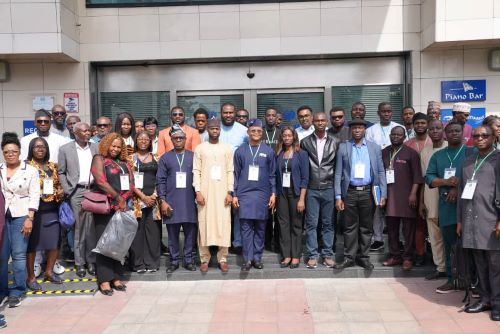
The French Week Economic Summit 2025, which   held recently convened senior government officials, business leaders, diplomats, and industry stakeholders with a unified call for stronger bilateral cooperation to advance sustainable economic growth across both nations.

Delivering the welcome remarks, Aigboje Aig-Imoukhuede, President, France–Nigeria Business Council (FNBC) and Chairman, Access Holdings Plc, stressed the importance of reinforcing commercial ties between France and Nigeria through practical partnerships, strategic investment, and private-sector leadership.

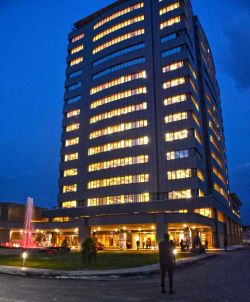
The Summit, now in its third consecutive year at Access Towers, head office of Access Bank, was convened under the theme: “France–Nigeria Commercial Relations: Leveraging Partnership for Growth.”

Represented by Innocent Ike, Group Chief Executive Officer, Access Holdings, Aig-Imoukhuede, noted that the Summit reflected the progress envisioned when President Emmanuel Macron inaugurated the France–Nigeria Business Council in 2019 to foster practical, private-sector–led cooperation.

According to him, the FNBC has since evolved into a key platform for deepening partnerships across energy, infrastructure, finance, and culture, driven by shared values of innovation, sustainability, and inclusion.

Aig-Imoukhuede highlighted major ongoing bilateral projects, including the AGORA Project, a joint France–Africa initiative aimed at reimagining urban sustainability through green mobility, environmentally conscious infrastructure, and digital ecosystem integration.

He also presented updates on the Omi Eko Initiative, a collaboration between the Lagos State Government, French technical partners, and Nigerian private-sector institutions designed to restore and sustainably manage the Lagos Lagoon.

The initiative is projected to cut carbon emissions by 31,000 tons of CO₂ annually, mobilise over €60 million (₦100 billion) in green-infrastructure investments, and create more than 2,000 jobs across recycling, renewable energy, and sustainable tourism. He noted that Omi Eko illustrates how environmental restoration can serve as a catalyst for broad-based economic opportunity.

In her remarks, the Lagos State Commissioner for Commerce, Cooperatives, Trade, and Investment, Folashade Ambrose-Medebem, announced a major development for the state’s economic landscape: The emergence of the Lagos International Financial Centre (LIFC).

Designed to attract global financial institutions, drive foreign investment, and promote financial innovation, the Commissioner described the LIFC as a transformative platform.

“It will serve as a strong platform for global investors, innovators, and businesses to converge,” Ambrose-Medebem said. “Watch this space: by the time you return next year, I hope to share more about its formal launch and milestones achieved.”

She explained that the Summit provides a robust avenue for high-level dialogue, reinforcing the commitment of both nations to fostering cross-investment, creating bankable projects, and driving shared, sustainable growth.

This commitment is reflected in recent initiatives such as the Omi Eko Project, a €410 million Lagos State effort to modernise the city’s water transportation system through a network of safe, environmentally friendly, and efficient electric ferries.

Aig-Imoukhuede also underscored the potential of the creative sector as a strategic growth industry for France and Nigeria. He referenced ongoing cultural collaborations, including Creation Africa and the Tate Modern “Nigeria Modernism” Exhibition, that continue to elevate Nigerian creativity on the global stage. He urged investors and financial institutions to view the creative economy as both a viable export industry and a key driver of national identity and influence.

Addressing global climate transitions, Aig-Imoukhuede emphasised the need for expanded collaboration in renewable energy. He noted that France’s leadership in green technology, paired with Nigeria’s abundant natural resources, positions both nations for impactful joint investments in solar, hydro, wind, and cleaner gas solutions.

He encouraged Summit participants to move beyond dialogue and deliver measurable milestones and sustainable outcomes that benefit both countries.

Aig-Imoukhuede reaffirmed the commitment of the FNBC, the Franco–Nigerian Chamber of Commerce and Industry, and Access Holdings Plc to fostering deeper commercial ties and long-term economic cooperation between France and Nigeria.

He expressed confidence that the Summit would catalyse stronger partnerships, increased investments, and shared prosperity.


Emadeb Petroleum Achieves First Oil from Ibom Field

0

Emadeb Petroleum Exploration & Production Company Limited (Emadeb E&P) is proud to announce the achievement of first oil from the Ibom Field (PPL 236), marking another milestone in Nigeria’s upstream oil and gas industry.

Following sustained investment, technical rigour and collaborative effort, Emadeb E&P has commenced commercial production from Ibom Field.

This achievement underscores Emadeb E&P’s emergence as a fully integrated energy player and highlights the pivotal role of indigenous operators in advancing Nigeria’s energy security and economic diversification.

It also aligns with the Federal Government of Nigeria’s vision and aspiration to increase the nation’s crude oil production.

Ibom Field

Located approximately 30 kilometres offshore, Ibom Field was originally discovered in 1979. The field boasts significant in place volume of 103 million barrels of oil.

Since its acquisition in the 2020 Marginal Field Bid Round, Emadeb E&P has invested over $100 million in a phased field development programme. The Nigerian Upstream Petroleum Regulatory Commission (NUPRC) approved the Ibom Field Development Plan (FDP) in November 2024.

Key Technical Milestones

  • Successful drilling and completion of the Ibom-03 well in September 2023.
  • Integration of a Mobile Producing Offshore Unit (MOPU) completed in June 2025.
  • Commissioning of the Ibom Field Mooring System in September 2025.
  • First oil achieved in October 2025. 

Demonstrating Indigenous Capacity and Strategic Partnership

“This milestone reflects our deep commitment to unlocking Nigeria’s hydrocarbon potential through homegrown expertise, strong partnerships, and disciplined investment,” said Adebowale Olujimi, CEO, Emadeb E&P.

Olujimi declared: “We are proud to contribute to Nigeria’s energy goals, foster local content, create jobs, and deliver sustainable value.”

The Ibom Field development showcases effective collaboration between the private sector and government institutions and stands as a model for marginal field commercialisation and indigenous capacity development in the upstream sector.

The Ibom Field stands as a testament to what is achievable when strategic intent meets execution excellence.

Looking Ahead

Emadeb E&P is now preparing for Phase 2 development to drill two additional wells that will triple production by Q4 2026. The company remains focused on operational excellence, environmental stewardship, safety, and community engagement.


How Access Bank is Supporting Women Driving Africa’s Growth Story

0

Across Africa, women are fast becoming the heartbeat of economic transformation. From bustling open-air markets to high-tech boardrooms, women-led enterprises are redefining what is possible for the continent’s future.

Whether as market traders expanding their reach through digital platforms, tech founders scaling innovations across borders, or artisans turning local crafts into global brands, women’s contributions are now central to Africa’s economic resurgence.

Even as they break new ground, many still face formidable barriers. Access to finance, mentorship, business education, and supportive networks remains limited.

Structural issues such as weak property rights, gender bias, and inadequate legal protections often hinder women from securing loans or expanding their businesses. Consequently, many women-owned ventures remain small, informal, and vulnerable to economic shocks.

Recognising both the promise and the obstacles, Access Bank has positioned itself at the forefront of empowering women across the continent. Recently named Africa’s Best Financier for Female Entrepreneurs by the EMEA Finance Awards, the Bank has earned global recognition for its commitment to inclusion, innovation, and sustainable impact.

At the centre of this effort is the W Initiative, one of Africa’s most comprehensive women-focused banking programmes. Unlike conventional banking, it combines finance with mentorship, training, and community support, acknowledging that true empowerment requires more than access to capital.

The initiative meets women wherever they are on their entrepreneurial journey, from start-ups to growing enterprises and corporate leadership.

The W Power Loan offers affordable credit with flexible terms, enabling women to invest in expansion, inventory, or technology.

The W Academy provides leadership and business training on financial literacy, marketing, and regulatory compliance, while the W Community connects women to peers, mentors, and role models across industries.

Importantly, these offerings extend beyond urban centres. From microloans sustaining traders in rural markets to leadership programmes developing female executives in multinational firms, Access Bank’s approach is deliberately inclusive.

By partnering NGOs, business associations, and government agencies, it reaches women in underserved communities, ensuring participation in Africa’s economic rise.

The results are evident. Thousands of women have accessed credit, training, and networks through the Bank’s initiatives, enabling them to launch and scale businesses, create jobs, and uplift their communities. The ripple effects are far-reaching: increased household income, improved family wellbeing, and greater economic resilience. Women who once faced daunting barriers now serve as role models and change-makers, inspiring others to follow their path.

Studies show that when women thrive, societies prosper. The World Bank and African Development Bank note that empowering women fuels GDP growth, improves health outcomes, and enhances social stability. By directly addressing structural gaps in access to finance and information, Access Bank helps to unlock this transformative potential.

Apart from supporting entrepreneurs, Access Bank promotes gender inclusion within its own organisation. Its leadership pipeline identifies and advances talented women, while mentorship and wellness programmes help female professionals thrive.

The Bank also uses public platforms, from conferences to policy dialogues, to share success stories and advocate for gender diversity across sectors.

The EMEA Finance recognition thus goes beyond trophies and titles; it affirms that profitability and purpose can coexist. For Access Bank, supporting women’s advancement is smart economics. By embedding inclusion into its DNA, the Bank is shaping a financial ecosystem that views women as equal partners in progress.

Access Bank’s influence also extends into advocacy. Through forums, roundtables, and research collaborations, the Bank engages policymakers, civil society, and business leaders to identify and dismantle barriers facing women entrepreneurs. Its campaigns amplify women’s voices, spotlighting their achievements and driving conversations around inclusive growth.

Fidelity Bank Grows Gross Earnings by 46% to ₦748.7 bn for H1 2025

0

Fidelity Bank Plc has announced its audited financial results for the half-year ended 30 June 2025, demonstrating resilience and sustained growth across key performance indicators.

Highlights of the financial results which was uploaded on the Nigerian Exchange (NGX) portal on Thursday, November 13, 2025 shows that the bank delivered robust results across key financial metrics including Gross Earnings, which stood at ₦748.7 billion, up from ₦512.9 billion in H1 2024; Net Interest Income, which rose to ₦420.4 billion, compared to ₦326.4 billion in H1 2024; and Customer Deposits, which grew to ₦7.2 trillion, from ₦5.9 trillion in FY 2024.

Similarly, the bank’s Net Revenue increased to ₦444.4 billion, compared to ₦396.8 billion in H1 2024.

Fidelity Bank continued to expand its digital banking footprint, enhance customer experience, and support key sectors of the economy.

The bank’s loan book grew, with Net Loans and Advances expanding to ₦4.9 trillion, up from ₦4.4 trillion in FY 2024, reflecting increased support for businesses and individuals. Asset quality remained stable, with non-performing loans well within acceptable limits.

The bank’s capital raising initiatives have further strengthened its financial position, ensuring readiness to meet new regulatory requirements and pursue growth opportunities. Fidelity Bank’s strong liquidity profile and robust governance framework provide a solid foundation for continued success.

Ranked among the best banks in Nigeria, Fidelity Bank Plc is a full-fledged Commercial Deposit Money Bank serving over 9.1 million customers through digital banking channels, its 255 business offices in Nigeria and United Kingdom subsidiary, FidBank UK Limited.

The Bank is a recipient of multiple local and international Awards, including the 2024 Excellence in Digital Transformation & MSME Banking Award by BusinessDay Banks and Financial Institutions (BAFI) Awards; the 2024 Most Innovative Mobile Banking Application award for its Fidelity Mobile App by Global Business Outlook, and the 2024 Most Innovative Investment Banking Service Provider award by Global Brands Magazine.

Additionally, the Bank was recognised as the Best Bank for SMEs in Nigeria by the Euromoney Awards for Excellence and as the Export Financing Bank of the Year by the BusinessDay Banks and Financial Institutions (BAFI) Awards.

COP30: Green Digital Action Hub to Accelerate Innovation for a Sustainable Future

0

A coalition of international partners announced the creation of the Green Digital Action Hub (GDA Hub), a new cooperation platform to harness technology innovation against climate change, anchored in Brazil as a legacy of the 30th UN Climate Change Conference, COP30.

Unveiled on COP30’s opening day, the hub is set to become the nerve centre of Green Digital Action, a partnership kicked off by the International Telecommunication Union (ITU) with leading tech organisations at COP28 in 2023.

Designed to accelerate the integration of digital technologies and sustainable development, the new hub aims to drive sustainability within and beyond the tech sector, with a strong focus on the Global South.

The GDA Hub will provide tools, expertise, and data to help nations scale up green technologies, reduce environmental footprint of technology and ensure access to sustainable digital solutions for all. The new hub builds on the COP29 Declaration on Green Digital Action, endorsed by 82 countries and nearly 1,800 companies and organisations last year.

Doreen Bogdan-Martin, ITU Secretary-General: “Digital technologies are some of the most powerful tools we have to create sustainable solutions on a truly global scale. The Green Digital Action Hub offers a unique space for governments, industry, and stakeholders to work together, and ensure that digital innovation delivers real, tangible benefits for communities everywhere.”

Michelle Gyles-Mcdonnough, UNITAR Executive Director: “The Green Digital Action Hub provides a unique opportunity to bridge science, policy, and capacity development for sustainable digital transformation. By linking data-driven insights with hands-on training, we aim to help countries accelerate responsible digital innovation that supports both climate goals and circular economy transitions.”

FG Reassures Investors, Pledges Balanced Capital Gains Tax Outcomes as NGX Lists MREIF

0

Nigerian Exchange (NGX) today hosted the Minister of Finance and Coordinating Minister for the Economy, Mr. Wale Edun, at the Closing Gong Ceremony to commemorate the listing of the Ministry of Finance Incorporated (MOFI) Real Estate Investment Fund (MREIF) Series 2.

The event underscored the capital market’s pivotal role in national development, particularly in addressing Nigeria’s housing deficit.

The listing took place against the backdrop of cautious trading in the equities market, as investors recalibrate portfolios in response to geopolitical tensions arising from the US–Nigeria diplomatic standoff, the proposed Capital Gains Tax (CGT), year-end portfolio rebalancing, and expectations of window-dressing by institutional players.

While liquidity remains robust, analysts emphasise that aligning fiscal policy with investor expectations is critical to sustaining confidence and deepening long-term market participation.

Temi Popoola, Group Managing Director/Chief Executive Officer, NGX Group, reaffirmed the capital market’s role as a catalyst for inclusive growth and called on the Federal Government to ensure balanced outcomes in the implementation of the Capital Gains Tax.

“The capital market is not only a platform for attracting investment but also a tool for creating wealth for Nigerians. Policies such as the capital gains tax must be carefully designed to balance government revenue objectives with investor confidence and market growth. NGX Group remains committed to supporting the Renewed Hope Agenda by channeling private capital into initiatives that deliver sustainable, long-term impact.”

Responding, Mr. Wale Edun assured stakeholders that the Federal Government has noted the concerns around Capital Gains Tax and remains committed to ongoing consultation with the market. “We have noted the concerns around Capital Gains Tax and will continue to engage with the capital market to ensure any decisions deliver optimal outcomes for both Nigerians and the market. At ₦100 per unit, MREIF allows ordinary Nigerians to participate in savings and investment, leveraging local resources to grow our economy, especially in the housing sector.”

The ceremony also highlighted the strength of collaboration between the Federal Government, MOFI, and the private sector in mobilising innovative financing for housing.

Ahonsi Unuigbe, Chairman, NGX, described the listing as a “defining step toward transforming Nigeria into a leading economy that ensures shared prosperity for all Nigerians.”

In his remarks, Jude Chiemeka, CEO, NGX, said MREIF demonstrates how the capital market can deliver practical solutions to national challenges: “By channeling private capital into housing, we are creating opportunities for long-term investment and wealth creation while addressing Nigeria’s housing deficit.”

Dr. Armstrong Ume Takang, Managing Director/CEO, MOFI, added: “MREIF provides long-term, low-cost mortgage financing to make homeownership a reality for millions of Nigerians, stimulating local economies across the housing value chain.”

The Closing Gong Ceremony positioned MREIF as a model for inclusive economic growth, illustrating how institutional capital can drive both financial stability and social impact. With over 1,000 mortgages already disbursed, the initiative continues to expand middle-class wealth and deepen Nigeria’s capital market.

Polaris Bank Wins MSME Digital Bank of the Year Award for Inclusive Growth

0

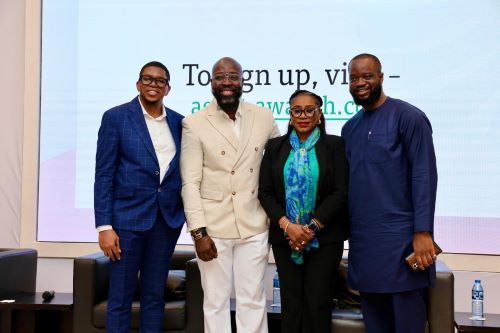
L-R: Ladi Ene Garba, Head, Commercial Banking, Polaris Bank; Njideka Nwabueze, Head, Retail Banking, Polaris Bank; Abubakar Usman Bello, the Executive Director, North & Public Sector, Keystone Bank and Mathew Oji, Product Strategy, Polaris Bank at the MSME Digital Bank award ceremony in Lagos recently.

Polaris Bank has once again reaffirmed its leadership in digital innovation and inclusive banking, emerging as the MSME Digital Bank of the Year (Inclusive Growth) at the second edition of the MSME Finance & CEO Awards held recently in Lagos.

The event, organised by the Africa Global Economic Forum BBBin partnership with PROSHARE, recognised outstanding institutions and other notable stakeholders driving MSME development and financial inclusion across Nigeria.

The award celebrates Polaris Bank’s unwavering commitment to empowering small and medium-scale enterprises through technology-driven financial solutions, notably its flagship digital banking platform, VULTe.

In the last few years, VULTe has revolutionised how MSMEs access finance by providing seamless, self-service banking and loan solutions — a reflection of the Bank’s mission to bridge financial access gaps and foster entrepreneurship nationwide.

This latest honour comes on the heels of VULTe’s recent win as “Digital Bank of the Year” and the Best MSME support Bank for the record fifth consecutive time at the 2025 BusinessDay Banks and Other Financial Institutions (BAFI) Awards, underscoring Polaris Bank’s consistent digital excellence and customer-centric innovation.

Speaking on the award, Polaris Bank’s Managing Director/CEO, Mr. Kayode Lawal, noted that the recognition reinforces the Bank’s strategic focus on inclusive growth and digital transformation.

“We are committed to building a future where technology and innovation empower businesses and individuals, particularly MSMEs, to thrive in the digital economy,” he said.

With a growing footprint in digital banking and sustainable finance, Polaris Bank continues to demonstrate leadership in enabling access to financial services that drive entrepreneurship, job creation, and national economic growth.


Fidelity Bank Extends Lifeline to Makoko Community

0

L-R: Proprietor, Part of Solution School, Makoko, Prince Shemede Taiwo; Team Lead, CSR, Fidelity Bank Plc, Victoria Abuka; Traditional Leader of Makoko Community, Shemede Emmanuel Ajaka; Head, HR Business Partnerships & Communication, Fidelity Bank Plc, Nwamaka Kalu; and Class Governor, Achievers’ Inductees Class, Fidelity Bank Plc, Oluwabusayo Obagunwa, during the Fidelity Helping Hands Program (FHHP) outreach and donation of food items and other relief materials to residents of Makoko, Lagos.

In a demonstration of its commitment to corporate social responsibility, leading financial institution, Fidelity Bank Plc, has extended support to residents of the Makoko waterfront community in Lagos with the donation of boats, educational materials, food items and other essential relief items.

The donation was championed by the Achievers Inductees Class of 2025 under the Fidelity Helping Hands Programme (FHHP), the bank’s staff-led CSR initiative where members of staff identify areas of critical interventions in their communities, raise funds and receive matching support from the bank’s management to execute the projects.

Speaking on the donation, Divisional Head, Brand and Communications, Fidelity Bank Plc, Dr. Meksley Nwagboh, reaffirmed the bank’s dedication to supporting communities and fostering sustainable development.

“At Fidelity Bank, we believe that when communities thrive, businesses prosper. Our commitment goes beyond banking, it is about improving lives, supporting education, and creating opportunities for growth. This donation reflects our dedication to nurturing the next generation and contributing to a better, more sustainable future,” He stated.

Expressing appreciation on behalf of the community, the traditional leader of Makoko, Baale Shemede Emmanuel Ajakaekun, commended Fidelity Bank for its compassionate donation.

“We are grateful that Fidelity Bank came down here to support us. May their work continue to flourish, and may God lift them higher. We hope they will not forget us but come back again to support our people,” he said.

Similarly, the Proprietor, Part of Solution Orphanage, Nursery and Primary School, Shemede Taiwo, described the donation as life-changing for the children and residents.

“Many children here struggle to attend school because boats are expensive to build or hire. Fidelity Bank’s donation will make a huge difference in ensuring our children get to school safely and in ensuring the improved welfare of the residents of this community. We truly appreciate this gesture,” Shemede Taiwo said.

Through the Fidelity Helping Hands Programme (FHHP), the bank continues to empower communities across Nigeria by addressing key social issues in education, health, and welfare. The Makoko outreach comes off the back of a similar FHHP outreach to Old People’s Home in Yaba, Lagos, reaffirming Fidelity Bank’s commitment to the sustainable development that begins with genuine care for people and their environment.

Ranked among the best banks in Nigeria, Fidelity Bank Plc is a full-fledged Commercial Deposit Money Bank serving over 9.1 million customers through digital banking channels, its 255 business offices in Nigeria and United Kingdom subsidiary, FidBank UK Limited.

The Bank is a recipient of multiple local and international Awards, including the 2024 Excellence in Digital Transformation & MSME Banking Award by BusinessDay Banks and Financial Institutions (BAFI) Awards; the 2024 Most Innovative Mobile Banking Application award for its Fidelity Mobile App by Global Business Outlook, and the 2024 Most Innovative Investment Banking Service Provider award by Global Brands Magazine.

Additionally, the Bank was recognised as the Best Bank for SMEs in Nigeria by the Euromoney Awards for Excellence and as the Export Financing Bank of the Year by the BusinessDay Banks and Financial Institutions (BAFI) Awards.


Financing: Challenges Businesses Face During Credit Risk Assessment

0

By Abimbola Adegbite

In a developing economy such as Nigeria, sustainable economic growth is usually anchored on domestic policy initiatives driven by the government and the Organised Private Sector (OPS).

The OPS, which includes MSMEs, represent the bedrock of national economic growth. In that regard, they enjoy considerable recognition from the government and financial institutions as engines of business and economic development.

However, businesses, both local and foreign, encounter challenges when obtaining financing. Small, medium-sized and even commercial enterprises can be affected by this. A central challenge in this arena is assessing credit risk, which is crucial to lending decisions.

Understanding Credit Risk: A Critical Component of Decision-Making

Credit risk is the potential that a borrower may fail to meet their financial obligations, an essential consideration that banks must carefully evaluate before extending credit.

For financial institutions, credit risk assessment involves a sophisticated blend of advanced technology and human expertise. This comprehensive system assesses factors such as a borrower’s economic health, business model, and market conditions, enabling more informed lending decisions.

In essence, credit analysts are integral to this assessment process. They conduct rigorous evaluations that encompass quantitative data and qualitative insights for each business. Such holistic analyses are crucial for identifying viable initiatives and ensuring that loans are granted based on sound principles.

Analysts consider industry trends, historical performance, potential growth trajectories, and economic forecasts to build an accurate picture of a borrower’s creditworthiness.

High-quality credit assessments serve multiple functions beyond merely providing risk mitigation for banks. They also enhance the confidence of local entrepreneurs seeking financial support.

When banks offer reliable creditworthiness evaluations, it fosters trust in the lending process, which is vital for enabling SMEs to secure the financial backing they need to grow and innovate. This means that a well-structured credit assessment can also identify exceptional businesses that might otherwise be overlooked, creating opportunities in segments previously considered too risky.

Reputation and Capabilities: Key Factors for Lenders

In addition to credit risk, lenders are increasingly scrutinising borrowers’ reputations and operational capabilities in lending decisions.

Banks must assess the track records of businesses applying for loans, examining factors such as financial management practices, the quality of their products or services, and their commitment to fulfilling contractual obligations.

A solid history of timely repayments, robust financial controls, and a transparent operational structure can greatly enhance a company’s chances of securing funding. 

Current Landscape of Non-Performing Loans in Nigeria

Recent Q3 2025 reports indicate stabilisation and improvements in non-performing loans (NPLs) across several Nigerian banks, driven by enhanced recovery initiatives, regulatory reclassifications, and proactive provisioning. While economic pressures such as inflation and FX volatility persist, these developments underscore the importance of robust credit risk management. Notable banks with updated NPL metrics include:

Access Bank: Recorded an NPL ratio of approximately 2.8% in its Q3 2025 financial report, demonstrating superior asset quality and leadership among Tier-1 peers through aggressive loan recoveries and strong coverage.

Zenith Bank: Reported NPLs of around 3.0%, marking a continued decline from prior periods via write-offs and portfolio monitoring, supporting sustained profitability with a ROAE above 25%.

First Bank of Nigeria: Saw its NPL ratio improve to approximately 8.5%, a reduction from earlier highs. However, it remains elevated and highlights the need for ongoing enhancements in risk frameworks and impairment strategies.

Guaranty Trust Bank: Noted an NPL ratio of 4.5%, reflecting positive momentum with improved coverage at 146.9%, even as the loan book expanded 20.5% to N3.36tn.

United Bank for Africa (UBA): Reported NPLs of about 5.6%, maintaining stability amid 10% loan growth and economic headwinds, with coverage at around 58% bolstering resilience.

Ecobank Nigeria: Experienced an NPL ratio of around 5.3% at the group level (proxy for Nigeria operations), benefiting from remediation programs that reduced ratios from 6.7% in December 2024.

Stanbic IBTC Bank: Recorded an NPL ratio of approximately 4.2% in its H1 2025 financial report, with a management target below 5% for the full year, supported by effective write-backs and resilient asset quality amid strong profit growth.

The stabilising NPL landscape across these institutions points to a maturing banking sector response to challenges, with the average NPL rate across Nigerian banks estimated at around 5.0% as of Q3 2025. This progress reinforces the critical role of effective credit risk assessment strategies in maintaining financial stability and fostering long-term economic growth.

While 11 banks exceeded the 5% threshold in April 2025 (pushing the industry average to 5.62%), subsequent reports show stabilisation or declines, with IMF projections at 4.5% (expected to rise modestly). High impairment charges (N1.96tn across the top 8 banks in 9M 2025) signal caution, but effective risk management has mitigated systemic risks.

Rigorous due diligence and “enhanced credit assessments” remain vital, especially for outliers like FirstBank, Access Bank, Uba, and others, but the sector’s average stability (projected ~3.8-4.5% for full-year 2025) suggests improved resilience.

Broader Impacts: Creating a Supportive Ecosystem

In light of this context, the commitment to provide financing for businesses, especially SMEs and local businesses, accelerates local production and boosts home-grown products and services; thereby contributing to the drive for ‘Made in Nigeria’ products – a crucial stimulant for the Nigerian economy. Financial institutions are increasingly aware that supporting local businesses can yield significant economic benefits while ensuring a more robust and resilient banking environment.

By dedicating resources to encourage sustainable lending practices, banks can foster innovation and growth among local businesses.

Ultimately, a supportive ecosystem for local businesses, characterised by adequate financing and a commitment to community development, is essential for the overall growth of the economy.

As banks navigate the challenges of credit risk assessment, their efforts not only help to sustain individual enterprises but also contribute to the long-term health and prosperity of the national economy.


NEM, Casava, AXA Mansard Shine at 2025 Almond Insurance Industry Awards

0

The 2025 Almond Insurance Industry Awards #Recharged Edition which held recently in Lagos

featured top rated Nigerian entertainers in comedy, music and dance-drama and was well attended by insurance operators.

In attendance also were industry leaders from across critical sectors of the nation’s economy. Amongst them were the Former Governor of Rivers State, H.E Hon. Rotimi Chibuke Amaechi, Mr. Bolaji Sumonla, Chairman, Nigerian Ports Consultative Council; Hon. Mayor Emilagba Jubril Kolawole, Chairman, Lagos Mainland Local Government and a host of others.

At the end of the special award night, NEM Insurance Plc emerged Winner in the General Insurance Company of the Year Category. AXA Mansard clinched Life Insurance Company of the year, Casava Micro Insurance emerged winner and SCIB Nig & Co won Insurance Broking Company of the year.

On the individual category, Mrs. Ebelechukwu Nwachukwu, MD/CEO of REX Insurance won the Insurance Woman of the Year while Mrs. Enitan Solarin, MD/CEO, YOA Insurance Brokers was crowned Insurance Broker of the Year.

The most coveted award of the Nite, Insurance CEO of the Year went to Mr. Kunle Ahmed MD/CEO of Axa Mansard Insurance Plc.

Mr. Kunle Ahmed who is also the Chairman of the Nigerian Insurers Association (NIA) has brought a lot of dynamism to Axa Mansard Insurance Plc.

The keenly contested Awards this year recorded over 17, 000 votes from stakeholders within and outside the insurance industry.

Some of the criteria used to judge winners this year were: Financial Strength of Companies (Assets & Shareholders Fund), Gross Premium Income, Claims Payment/Speed, Corporate Social Responsibility as well as Brand Visibility amongst others for the companies.

For the individual categories, Length of Service and Contributions to the industry, Performance of the Company they lead and Strong Leadership Skill were used.

Stanbic IBTC Empowers 200 Children through its #Together4ALimb Initiative

0

Stanbic IBTC Holdings, a member of Standard Bank Group, is set to reach a significant milestone as it prepares to increase the number of beneficiaries through its flagship Corporate Social Investment initiative, Together4ALimb.

Since its inception in 2015, the initiative has transformed the lives of children across Nigeria by providing prosthetic limbs and educational support to underserved children aged 0 to 18 years, who are living with limb loss due to various circumstances, including accidents, medical conditions, and congenital disabilities. This year, 64 new beneficiaries will join the programme, bringing the total number of children supported to 200. Each beneficiary will receive a custom-fitted prosthetic limb and an education trust valued at N1.5 million to support their schooling and facilitate their academic aspirations.

Stanbic IBTC invites customers and members of the public to show their support by downloading the Steps by Stanbic IBTC App on the Google Play Store or iOS App Store and walking in solidarity with the children.

Through virtual participation, supporters can join the movement from anywhere in the world; and each step taken will help amplify the awareness about living with limb loss and the need for inclusion.

Together4ALimb continues to remain a powerful symbol of compassion, inclusion, and solidarity. The annual walk, scheduled for 15 November 2025, will bring together Stanbic IBTC staff, beneficiaries and their guardians, as well as key stakeholders who will walk in Victoria Island.

The event serves to raise awareness about limb loss and celebrate the resilience of children whose stories continue to inspire communities across Nigeria.

Speaking on the upcoming milestone, Chuma Nwokocha, Chief Executive, Stanbic IBTC Holdings, said: “We are not just fitting limbs for underserved children living with limb loss; we are also enabling futures. Our Together4ALimb initiative reflects our belief that every child deserves an equal chance to live fully and pursue their dreams. This belief is critical as we raise more awareness for the plight of our beneficiaries; especially in the communities we operate in”.

Wole Adeniyi, Chief Executive, Stanbic IBTC Bank, added: “Together4ALimb embodies our shared humanity. As we walk with the children who will continue to receive our support until they attain the age of 18 years, we are reminded of the power of collective compassion and the impact of consistent support.”

Beyond restoring mobility, the initiative gives children access to quality education and an opportunity to build a brighter, more secure future for themselves and their families. The programme’s holistic approach addresses both the physical and educational needs of vulnerable children, positioning them for long-term success.

Stanbic IBTC’s Together4ALimb continues to exemplify Stanbic IBTC’s deeply held belief that every child deserves the chance to move freely, learn confidently, and dream without limits. As the initiative reaches this 200th beneficiary milestone, Stanbic IBTC remains committed to expanding its impact and touching even more lives in the years ahead.

How MVNOs Can Unlock Opportunities in Nigeria’s Telecom Amid Challenges

0

 By Elvis Eromosele

Phenomenal is one word that has been used to describe the growth of the Nigerian telecom sector. The rise from under half a million lines to 165 million in 24 years is truly phenomenal by any standard. It’s not surprising therefore, that the question on the lips of many today is whether the Nigerian telecom sector has reached its limit.

Proponents of Mobile Virtual Network Operators (MVNOs) say there’s still room to grow. This was the central focus of the Telecoms Sector Sustainability Forum (TSSF 6.0) in Lagos, themed “Unlocking Nigeria’s Mobile Virtual Network Operators (MVNOs) Potential: Status, Trends, Investment, and Future Prospects.”

With a teledensity of 79.65 per cent and broadband penetration nearing 50 per cent, telecom remains one of Nigeria’s most dynamic sectors, consistently attracting billions in foreign direct investment and driving digital transformation. Yet, challenges persist, including affordability, rural coverage, and limited service diversity. These are the gaps MVNOs are designed to bridge.

Unlike traditional Mobile Network Operators (MNOs) such as MTN, Airtel, Globacom, and 9mobile, MVNOs lease network capacity and focus on innovation, niche segments, and pricing. Globally, MVNOs have been game-changers.

The global MVNO market size in 2022 was around $78 billion and was expected to grow by gigantic margins by 2030 to over $149 billion. For Nigeria, the hope is that MVNOs will fuel competition, increase penetration, and open up new opportunities.

Experts insist that success for MVNO depends very much on regulation, partnership, and innovation.

South Africa is the top country in Africa with a regulatory system encouraging differentiated propositions, superior customer experience, and service bundling. MVNOs in Kenya have evolved from resale to spearhead technology-focused services for a digitally literate population.

Argentina has mandated open networks and infrastructure sharing, which allows new entrants to compete more straightforwardly. In Thailand, however, the MVNO sector failed because of lax enforcement, as MNOs were able to effectively exclude new entrants despite regulation.

The moral is obvious: MVNOs fail without regulatory enforcement and reasonable wholesale terms.

Since 2023, the Nigeria Communications Commission (NCC) has licensed 46 MVNOs on five levels, ranging from simple resellers to full enablers with greater control.

The early entrants have been encouraging. Vitel Wireless was the first MVNO to be assigned a dedicated numbering range (0712) and achieve full interconnectivity with all the major MNOs. EmoSIM introduced Nigeria’s very first travel eSIM for international travellers.

These are good signs, but issues exist. Some licensees mention a delay in negotiation of the agreement for wholesale and interconnection with major operators, which is hindering rollout. Economic headwinds, primarily FX unification and the removal of fuel subsidies, have also tested new entrants.

However, MNOs have spent over $1 billion investing in network rollout, which leaves the way open for partnership with MVNOs to leverage idle capacity and conquer underserved niches.

The reality check: MVNOs are not just competitors; they are enablers of digital inclusion. They are the new agents of growth. They work by:

Plugging rural gaps: They can provide services to unprofitable segments where MNOs are not willing to invest.

Niche targeting: Whether students or SMEs, migrants or religious minorities, MVNOs are able to create tailored products.

Low-cost offerings: With rising competition, MVNOs lower prices and extend consumer choice.

Innovating services: MVNOs are best suited to bolt-on mobile money, e-learning, telemedicine, IoT, and gaming solutions.

Spurring investment and employment: They attract new capital, stimulate employment, and build capacity in customer care, network management, and digital solutions.

In a country with one of the world’s youngest and most technologically adopting populations, these opportunities cannot be ignored.

For Nigeria’s MVNO model to take hold, three imperatives become clear:

Regulatory Enforcement: NCC should not only set regulations but also impose wholesale obligations on MNOs. Strict regulation will discourage anti-competitive tendencies.

Partnership Mindset: MVNOs must be viewed as partners by MNOs. Joint ventures enable them to reach new customer segments, capitalise on spare capacity, and respond to regulatory pressure.

Brand Differentiation: MVNOs must fight hard to build consumer trust and brand recognition in markets controlled by incumbent behemoths. They must survive on unique, sharp value propositions.

The MVNO entry appears like a game-changer for Nigeria’s telecommunications industry. With more than 46 licensees, the potential for extending access, lowering prices, and spurring innovation is immense. Potential does not suffice, however.

Without regulatory power, infrastructure sharing, and genuine partnership, Nigeria will risk replicating Thailand’s mistakes rather than Argentina’s successes.

In a speech at the forum, Bukola Olanrewaju, CEO, Business Remarks, convener of the TSSF 6.0 summit, stated that: “Nigeria can create a place where MVNOs are not only there but thriving, stimulating innovation and delivering the advantages of digital connectivity for all.”

Nigeria faces a clear choice: treat MVNOs as an afterthought or embrace them as catalysts for the next wave of telecom growth. The nation’s response will determine the future of digital inclusion, affordability, and innovation. 

Elvis Eromosele, a corporate communications expert and sustainability activist, authored this through [email protected].

SanlamAllianz Nigeria Wins Africa’s Most Visible Insurance Company Award

0

L-R: Marketing and Corporate Communications Manager, SanlamAllianz Nigeria, Mr. Bankole Banjo; FIBOP President, Mr. Charles Onwuatogwu; Chief Operating Officer, SanlamAllianz Nigeria, Adeola Adekunle and Group Head, Strategy, Marketing and Customer Relations, SanlamAllianz Nigeria, Mr. Chris Ekwonwa during the presentation of Award to SanlamAllianz in Lagos on Friday, November 7, 2025. 

SanlamAllianz Nigeria has been adjudged Africa’s Most Visible Insurance Company of the Year in recognition of its outstanding contributions to the growth of insurance in the continent

The prestigious Award of Excellence conferred on the insurer by the Finance and Business Online Publishers (FiBOP) Association is in recognition of the company”s efforts at fostering better understanding as well as greater insurance penetration not just in Nigeria but across the continent of Africa.

Presenting the award to the company, President of FiBOP, Mr. Charles Onwuatogwu commended SanlamAllianz for its resilience, expansive presence, and impact across Africa.

He noted that the recognition was driven by the company’s “strong visibility in most African countries,” further enhanced by the recent merger between Sanlam and Allianz.

“Today, SanlamAllianz operates in 27 of Africa’s 54 countries, offering cutting-edge insurance and financial management solutions to over 30 million Africans,” Onwuatogwu said. “With a combined asset portfolio of nearly €3 billion, over two centuries of industry experience, and a 10,000-strong workforce, the company has established itself as a dominant force in Africa’s insurance landscape.”

Receiving the award on behalf of the company, Mr. Chris Ekwonwa, Group Head, Strategy, Marketing, and Customer Relations at SanlamAllianz Nigeria, expressed appreciation to FiBOP and underscored the vital role of online media in advancing insurance literacy.

“You are important partners in our quest to deepen insurance penetration in Nigeria,” Ekwonwa said. “More people now access information online, and your platforms are crucial in ensuring that insurance awareness reaches every corner of the continent and beyond. We appreciate your continued support in promoting the SanlamAllianz brand.”

He added that 2025 marked a significant transition year for the company following its rebranding, emphasising that SanlamAllianz would continue to build on its brand visibility and customer loyalty across the continent.

“We don’t want to stop at awareness; we want to sustain and even heighten the momentum,” Ekwonwa said. “We look forward to more collaboration with FiBOP and other partners as we advance our mission in 2026 and beyond.”

The FiBOP Excellence Award recognizes corporate institutions that demonstrate leadership, visibility, and impact within Africa’s business and financial sectors.