Saturday, March 28, 2026
25.5 C
Lagos
Home Blog Page 49

Nigerian CEOs Optimistic on 2025 Economic Outlook: PwC’s 2025 Annual Global CEO Survey

0

PwC Nigeria has released the Nigerian findings of its 28th Annual Global CEO Survey, offering insights into business leaders’ perspectives across industries.

The report highlights optimism, with 61% of Nigerian CEOs expecting global economic growth to improve and 64% anticipating positive shifts in Nigeria’s economy in 2025. Reflecting a commitment to strategic reinvention, 61% have expanded into new sectors over the past five years, while 67% see AI as a catalyst for innovation in products and services.

Commenting, Sam Abu, Regional Senior Partner, West Market Area, PwC Nigeria, stated: “Thriving in Nigeria’s competitive business landscape demands resilience and strategic foresight from CEOs. Despite economic challenges like inflation and macroeconomic volatility, our survey shows Nigerian business leaders remain optimistic—not just about survival but about transformation. CEOs are actively reshaping their business models to seize emerging opportunities by venturing into new sectors, leveraging technology, and engaging with evolving customer segments.

For CEOs yet to embrace this shift, the moment to act is now. Navigating disruption and megatrends requires a long-term vision and clear reinvention priorities, from business model transformation and generative AI adoption to sustainability strategies. The risk of delay can cause a widening gap between forward-thinking organisations and those struggling to keep pace.”

Great Expectations in Economic Prospects

CEO confidence in global economic growth is rising, marking a notable shift in sentiment. In Nigeria, 61% of CEOs expect an improvement in the next 12 months, mirroring optimism across Sub-Saharan Africa 63% and globally 58%. This contrasts sharply with previous years—only 38% were optimistic last year, and a mere 18% two years ago.

PwC’s survey highlights how Nigerian CEOs are future-proofing their businesses, embracing generative AI for efficiency, reshaping business models, and tackling climate-related challenges to secure long-term viability.

The Reinvention Imperative

As global forces reshape the business landscape, Nigerian CEOs stand at a critical phase. The urgency to reinvent business models stems from key imperatives: ensuring long-term viability, adapting to disruption and megatrends, and effectively managing evolving risks.

Commenting, Pedro Omontuemhen, Partner and Clients and Markets Leader, West Market Area, PwC Nigeria, said: “With four in ten Nigerian CEOs uncertain about their businesses’ long-term viability, reinvention is no longer optional; it’s essential. True transformation goes beyond strategy, requiring a fundamental shift in value proposition, market approach, profit model, and operational capabilities to secure sustainability. In an era of rapid change, the most successful organisations will be those that embed agility into decision-making and align reinvention with long-term value creation.”

Our report underscores the most pressing concerns for CEOs over the next 12 months. Inflation tops the list, with 58% of respondents feeling highly or extremely exposed, far exceeding the global average of 27% and 42% in Sub-Saharan Africa.

Other major risks include macroeconomic volatility 39%, a shortage of skilled workers 31%, and both geopolitical conflict and cyber threats 25%.

Stanbic IBTC Bank PMI: Output Growth hits 15-Month High in April

0

The start of the second quarter of 2025 saw a further improvement in business conditions among Nigerian companies amid strengthening customer demand and growth of output.

In response, firms ramped up their purchasing activity and took on extra staff, but this expansion of capacity was not sufficient to prevent a build-up of backlogs of work.

Meanwhile, inflationary pressures ticked up from March but remained muted relative to the picture in 2024. The headline figure derived from the survey is the Stanbic IBTC Purchasing Managers’ Index™ (PMI®). Readings above 50.0 signal an improvement in business conditions on the previous month, while readings below 50.0 show a deterioration.

Muyiwa Oni, Head of Equity Research West Africa at Stanbic IBTC Bank commented: “Nigeria’s private sector business activity maintained its positive momentum into the start of the second quarter of the year as the PMI settled at 54.2 in April – broadly in line with 54.3 recorded in March.

This latest improvement in business activity was primarily due to improved customer demand amid softening inflationary pressures, helping to support higher new orders.

Accordingly, all the four monitored sectors posted an improvement in business activity with the most significant improvement seen in the Services sector. In line with this improvement, the employment level increased for the fifth consecutive month, although the pace of increase was modest this time. Elsewhere, inflationary pressures continue to soften relative to 2024 as factors that significantly drove prices upward last year have moderated so far this year in terms of impacts.

Nonetheless, inflation increased in April compared to March, exacerbated by the impact of local currency depreciation and higher energy costs. Indeed, overall input prices increased across all the four monitored sectors with the Manufacturing sector witnessing the strongest inflationary pressures of the month.

The pass through of the higher input costs to customers meant that output price inflation also quickened in April but remained among the weakest in the past two years. Nigeria’s business conditions started Q2:25 on a positive note, and we expect this trend to be maintained, albeit relatively slower than witnessed in Q1:25.

This is as the local currency is expected to depreciate in Q2:25 compared to Q1:25 amid the lingering global uncertainties. This could also lead to slightly higher inflation rate than seen in Q1:25 but still expected to remain softer compared to the 2024 average.

Nonetheless, interest rates are likely to be lower this year amid moderate inflationary pressures, thereby helping to support economic growth over the medium term. Overall, we still maintain our expectation that the Nigerian economy is likely to grow by 3.5% y/y in real terms in 2025 relative to 3.4% y/y growth in 2024.”

The headline PMI posted above the 50.0 no-change mark for the fifth consecutive month in April. At 54.2, the PMI was broadly in line with the 54.3 posted in March and pointed to a solid monthly improvement in business conditions.

Output increased at a sharp and accelerated pace in April, with the rate of expansion the most pronounced since January 2024. All four broad sectors saw business activity rise, with the sharpest growth in services.

Higher new orders and increased customer numbers were among the factors mentioned by respondents as having supported growth of output. New orders rose sharply as demand conditions strengthened, with the pace of expansion little-changed from that seen in March. In line with the picture for output, employment increased for the fifth consecutive month in April as firms responded to greater workloads and made efforts to complete orders on time. Although modest, the pace of job creation was at an eight-month high.

A desire to keep on top of orders was also behind a rapid increase in purchasing activity, with the pace of growth quickening to the fastest since February 2022. Stocks of purchases were also accumulated during the month. Despite efforts to complete orders in a timely manner, companies saw backlogs of work increase in April.

The accumulation was the first in 11 months, albeit modest. High costs for materials in some cases meant that firms weren’t always able to secure the necessary inputs for projects, while other respondents mentioned that power outages had caused delays. Purchase costs continued to rise sharply amid higher raw material prices and currency weakness.

The pace of inflation was faster than in March, albeit still one of the slowest over the past two years. Staff costs rose at a solid pace. The pass-through of higher input costs to customers meant that output prices also increased, with inflation here too slightly stronger than in March.

Companies remained optimistic that output will rise over the coming year, but sentiment dipped for the third consecutive month. Confidence often reflected business expansion and investment plans.

Unity Bank Launches GenFi, Targets Children, Teens with Gamified Banking Platform

0


The Managing Director of Unity Bank Plc, Mr. Ebenezer Kolawole, (Centre right), flanked by some members of the Bank’s Senior Executives, and a cross section of students at the launch of Genfi in Lagos

In a bold move to redefine promotion of financial literacy, Nigeria’s retail lender, Unity Bank Plc, has unveiled GenFi, a new digital banking platform tailored to empower kids and teenagers between the ages of 8 and 18 with essential financial skills.

The launch follows a report by the Central Bank of Nigeria, which found that only 38% of Nigerian adults are financially literate. This alarming statistic underlines the urgent need for early financial education.

GenFi, therefore, aims to reverse this trend by offering young users the platform to manage money effectively, aggregate and track allowances or income, set and achieve savings goals, and develop smart spending habits with parental guidance.

Speaking at the official launch event in Lagos, the Managing Director/Chief Executive Officer (Ag) of Unity Bank Plc, Mr. Ebenezer Kolawole, said the launch of the Genfi App represents a significant milestone since Unity Bank’s foray into retail Banking started several years ago, adding that “as the Bank continues to evolve, the institution is constantly innovating with technology to enable us drive more financial inclusiveness in different segments of the market”.

Mr. Kolawole explained that Genfi was inspired by the desire to nurture a financially savvy generation, and empower them to make smarter financial choices.

He said, “GenFi is short for Generation Finance, and with this app, the Bank is pioneering solution designed to empower Children, Teenagers, particularly Gen Z and Gen Alpha, with essential financial literacy skills and a Personal Finance Management Solution.

“GenFi is a market proposition that helps us address a critical knowledge gap among our kids and Teens as it also connects with the strong passion of parents desirous to empower their wards with financial literacy.”

Similarly, the Divisional Head of Retail and SME Banking at Unity Bank, Mrs. Adenike Abimbola, described GenFi as a financial product that goes beyond Banking: hence a financial literacy ecosystem designed to inculcate financial literacy skills amongst Nigerian Children through an engaging and gamified platform.

“Financial literacy is not a luxury. It’s a life skill. And like most life skills, the best time to learn is from childhood. That’s why we created GenFi, not just as a banking app, but as an interactive experience that nurtures discipline, planning, and financial independence from an early age,” Abimbola explained.

The Genfi platform leverages behavioural science and gamification to make financial learning fun and practical. Parents can monitor transactions, guide financial behaviours, and initiate real-life conversations around money management, thereby promoting not just financial skills, but also stronger family bonds.

“Imagine a 12-year-old setting a goal to save for a bicycle, not only are they learning to save, but they are also learning patience, discipline, and the value of delayed gratification. That’s the GenFi advantage,” said Abimbola.

Speaking after the launch, one of the students who attended the launch event, Master Ajayi Favour of Victoria Island Junior Secondary School, described Genfi as an “innovative banking solution that will equip children and teenagers with financial intelligence, management, and independence.” He expressed confidence that the app will gain global reach and become popular among the target demographics.

Also, a guest at the launch and school proprietor, Sylvia Ezeora, described the Genfi app as “user-friendly, educational, and motivational for children”. She noted that beyond teaching financial literacy, “the app empowers parents to reinforce positive behaviour through rewards for completed tasks and promotes responsibility”.

Another guest and parent, Genevieve Adindu, commended Unity Bank for the innovative solution, tailored for children aged 8 to 18, and noted that Genfi “provides a modern, engaging approach to instilling saving habits early in life, replacing traditional methods like the kolo with a more effective digital tool, thereby becoming a powerful companion for children’s financial education”.

GenFi is positioned as a national benchmark for youth-focused digital banking, with the potential to drive economic inclusion and sustainability across generations. The launch event was attended by key stakeholders from the education and finance sectors, technology partners, media, and young students who will be among the early adopters.


emPLE Unveils BETA Life: A Three-in-One Endowment Plan for Smarter Savings and Protection

0

emPLE Life Assurance Limited has announced the launch of BETA Life, an endowment policy designed to empower Nigerians to grow their wealth, secure their future, and protect what matters most.

In a market where financial uncertainty and underinsurance remain widespread, BETA Life offers a refreshing alternative.

The product offers a unique combination of protection and savings in one simple, flexible plan helping Nigerians meet their financial goals while staying protected through life’s uncertainties.

With three cash benefits spread over the policy term, BETA Life helps customers plan for real goals be it education, rent, homeownership, or business without having to wait till the end of the tenure to benefit from their plan.

Speaking on the launch, Rantimi Ogunleye, MD/CEO of emPLE Life Assurance Limited, said:

“BETA Life is more than a product; it’s a solution built around the realities of our customers. It’s for the parent who wants to secure their child’s future, the entrepreneur planning ahead, or the individual who wants to save smartly without losing the safety net of protection. We’ve brought together savings and life insurance into one plan, because we believe financial empowerment shouldn’t mean choosing one over the other.”

With flexible policy durations and multiple payout points, BETA Life is designed to adapt to a customer’s journey while providing peace of mind. In the unfortunate event of death or permanent disability, the plan ensures that loved ones or the policyholder are financially supported, proving that life insurance can be just as much about living well as it is about preparing for life’s uncertainties.

This launch is a continuation of emPLE’s mission to make life insurance more inclusive, relevant, and empowering, giving more Nigerians the tools to build financial resilience with confidence.


About emPLE

emPLE is a leading financial services company dedicated to providing insurance and investment solutions to retail and corporate clients across Africa.

At emPLE, our purpose is to empower Africans by providing innovative financial solutions that enhance their freedom, security, and prosperity.

We believe that true empowerment comes from providing not just access to financial products but also the knowledge and tools necessary for our customers to make informed decisions and achieve financial independence.


STI CEO, Soyinka, Lauds Nigerian Workers on May Day

0

As the world marks this year’s edition of Workers’ Day on Thursday, May 1, 2025, the Managing Director and Chief Executive Officer of Sovereign Trust Insurance Plc, Mr. Olaotan Soyinka has lauded the efforts of Nigerian workers and their contributions to national development.

He noted that a virile and dedicated workforce is very instrumental and germane to the progress of any society. He gave this remark at the company’s Appreciation Day Ceremony held at the Head Office of the underwriting firm located in Victoria Island, Lagos.

He said the date, May 1, should be seen as a very important one because it is the day set aside to celebrate and give due respect to workers all over the world regardless of their social strata in the society. According to him, “every legitimate form of work is as important as the other and credence must be given to all and sundry without any bias”.

In appreciating the Staff of Sovereign Trust Insurance Plc, the Managing Director/CEO of the underwriting firm congratulated all members of the Sovereign Trust Insurance Plc Team and urged them not to relent in the judicious discharge of their duties as they strive to maintain the worldclass standard of the STI Brand.

He further said that the Management of the company will not stop at investing in the development of the company’s human capital while also placing technology at the heart of its business operations. He equally assured the members of staff that their labour will not go in vain as they contribute their quota to the growth and advancement of the organisation.

He wished them all a hearty Workers’ Day on May 1, 2025, and encouraged them to always think of making the customer the focal point in their day-to-day activities. In his words, ‘our customers should be at the heart of our business just as we must not compromise on delivering service excellence at every given opportunity thrown our way’

The Head of Human Resources for Sovereign Trust Insurance Plc, Adeola Onichabor in her response to the MD/CEO’s speech thanked the Management for the uncompromising stance in investing in Training and Human Capital Development for members of staff both at the local and international level.

She made bold to say that Sovereign Trust Insurance Plc has on parade in the Insurance Industry, an array of professionals in different fields of specialisation who effectively compliment the efforts of the professional underwriters in the organisation.

She equally used the opportunity to thank and encourage her colleagues to continue in their stride of hard work and dedication to the ideals of the company. She enjoined them to also respect and honour one another in the discharge of their duties as the organisation strives to maintain best practice standards in the comity of insurance companies in the country and beyond.

Some members of staff who had been with the organisation from inception were equally recognised and appreciated for their commitment, unwavering dedication and contribution to the growth of the organisation in the last 30 years of the company’s formation.

Sovereign Trust Insurance Plc is an equal opportunity employer of labour with an uncompromising stance on high ethical standards and astute professionalism.

The Head of Human Resources and Capital Development equally used the opportunity to wish every Nigerian worker and workers globally, a happy celebration on Workers’ Day come May 1, 2025.


NGX Group, Min of Industry, Trade and Investment, Collaborate to Advance Economic Transformation

0

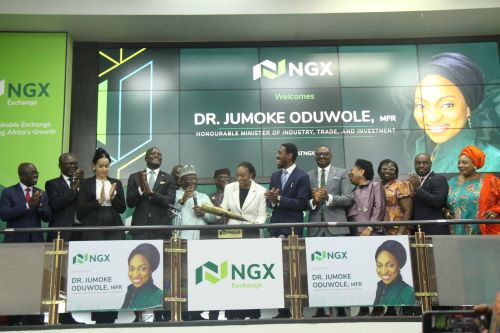
Nigerian Exchange Group Plc (NGX Group) recently hosted the Honourable Minister of Industry, Trade and Investment, Dr. Jumoke Oduwole, for a strategic engagement aimed at leveraging the capital markets to accelerate Nigeria’s economic growth.

The visit concluded with a ceremonial Closing Gong, symbolising a strengthened partnership between the government and private sector to drive industrial development, SME financing, and sustainable economic transformation.
Welcoming the Minister, Alhaji (Dr.) Umaru Kwairanga, Group Chairman of NGX Group, commended the Ministry’s leadership in shaping policies that promote industrialisation and economic diversification. He remarked: “As Nigeria advances toward its aspiration of a $1 trillion economy, capital markets serve as critical enablers for financing MSMEs, infrastructure projects, and sustainable initiatives. NGX Group remains committed to supporting this vision through innovative platforms that enhance transparency, connect businesses with capital, and foster inclusive economic growth.”
Similarly, Ahonsi Unuigbe, Chairman of Nigerian Exchange Limited (NGX), highlighted the Exchange’s role as a catalyst for national development, noting that “capital markets are powerful engines of innovation, business expansion, and economic inclusion, all of which are essential to advancing Nigeria’s industrialisation objectives.”
In her remarks, Dr. Oduwole underscored the strategic alignment between her Ministry and NGX Group in fostering real-sector growth. “Our collaboration represents a concerted approach to harnessing capital markets as transformative platforms for Nigeria’s economic development,” she stated.

The Minister outlined key focus areas, including expanding SME access to capital through NGX’s Growth Board initiatives, promoting green finance via ESG-linked products, mobilising diaspora investment, and leveraging AfCFTA opportunities to nurture the next generation of high-growth Nigerian businesses.
Temi Popoola, Group Managing Director/CEO of NGX Group, emphasised the organization’s technology-driven strategy: “We are building a next-generation exchange ecosystem designed to democratise investment opportunities, enhance market liquidity, and position Nigeria as a competitive destination for both domestic and international capital.”
The engagement convened key stakeholders from the capital market ecosystem, all of whom reaffirmed their commitment to supporting the Ministry’s initiatives and contributing to Nigeria’s economic resilience.
Marking a renewed commitment to sustainable national development, the ceremonial Closing Gong affirmed the strengthened partnership between the Federal Ministry of Industry, Trade and Investment and NGX Group.

Both parties pledged to continue developing capital market solutions that drive Nigeria’s economic transformation.


Inspenonline Summit to Stimulate Interest for Good Retirement

0

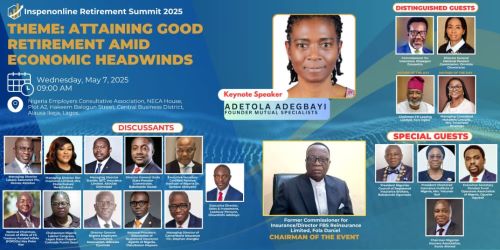
The 2025 Inspenonline Retirement Summit is aimed at stimulating public interest for a good and comfortable lifestyle in retirement, the organisers have said.

They noted that the summit will provide practical steps that would enable people to plan and look towards retirement with great expectations.

The Publisher of Inspenonline Chuks Udo Okonta, said the theme of the summit which is ‘Attaining Good Retirement Amid Economic Headwinds’ is timely going by the enormous challenges clogging investments towards comfortable retirement.

He noted that the summit which will hold on Wednesday, May 7, 2025 at the Nigeria Employers Consultative Association – NECA House, Plot A2, Hakeem Balogun Street, Central Business District, Alausa Ikeja, Lagos by 9:00pm, is expected to attract people from different segments of the economy – youths; retirees; formal and informal sector employees; dignitaries from government amongst others.

According to him, renowned experts in retirement matters, have been selected to provide practical solutions at the summit.

He maintained that the summit is christened Retirement University because of the level of knowledge that would be provided and acquired at the summit.

Chuks said owing to the uniqueness of the event top and reputable companies have supported the event, hoping to leverage it to promote their services.

On renowned dignitaries billed to provide solutions at the summit, he noted that the former Commissioner for Insurance/Director FBS Reinsurance Limited, Fola Daniel, will be Chairman of the event.

Other experts gracing the event are; Commissioner for Insurance Segun Omosehin and Director General National Pension Commission (PenCom) Ms. Omolola Olowolaran, who are Distinguished Guests of Honour.

Special Guests; President Chartered Insurance Institute of Nigeria Mrs. Yetunde Ilori; Chairman, Nigerian Insurers Association; Mr. Kunle Ahmed; Chief Executive Officer, Pension Fund Operators Association of Nigeria, Agudah Oguche and President Nigerian Council of Registered Insurance Brokers Prince Babatunde Oguntade.

Father of the Day, Chairman STI Leasing Limited Tom Ogboi.

Mother of the Day, Managing Consultant Motodols Consults Mrs. Folashade Onanuga

The Keynote Speaker, is the Founder Mutual Specialists, Adetola Adegbayi

Paper Discussants are: Managing Director Rex Insurance Limited Mrs. Ebelechukwu Nwachukwu; Managing Director Lasaco Assurance Plc, Mr. Razzaq Abiodun; Managing Director Stanbic IBTC Insurance Limited, Akinjide Orimolade; Founder and Chief Executive Officer, Casava Microinsurance Limited Bode Pedro; Executive Secretary Certified Pension Institute of Nigeria Dr. Samson Akinyemi; Executive Director, Sales & Investment, Leadway Pensure , Oluwafemi Adebayo; National Chairman, Forum of Pension Desk Officers of Federal Government Treasury-Funded MDAs, Nze Peter Nze; Managing Director Cornerstone Insurance Plc, Stephen Alangbo; Chairperson Nigeria Labour Congress, Lagos State Chapter Comrade Funmi Sessi; Director General Nigeria Employers Consultative Association Adewale Oyerinde and National President Association of Registered Insurance Agents of Nigeria, Olatubosun Mayowa.


Banks, Telecoms, Mobility Brands Dominate Q1 2025 Media Performance Charts

0

Following the Central Bank of Nigeria’s directive to harmonize exchange rates and the subsequent spike in the dollar-to-naira rate—reaching over ₦1,600/$1 in official markets— Nigeria’s commercial banking, ride-hailing, and telecommunications sectors demonstrated media resilience in Q1 2025.

This is the key insight from a comprehensive sentiment audit by P+ Measurement Services, Nigeria’s foremost media intelligence consultancy, which analysed over 1.3 million online publications and 2,100 print media articles locally and globally during the period.

Leveraging advanced media intelligence frameworks, the Q1 2025 analysis encompassed data from 28 commercial banks, 4 major telecommunications providers, and 4 leading ride-hailing platforms.

The study deployed rigorous monitoring, measurement, and auditing techniques, drawing from structured metadata points such as editorial tone, CEO visibility, public discourse, and brand-specific media traction.

By quantifying sentiment across these variables, the analysis offers a strategic lens into how media narratives—beyond operational milestones—are actively shaping brand trust, credibility, and relevance across Nigeria’s core economic sectors.  

Commercial Banks: Visibility, Trust and Turbulence

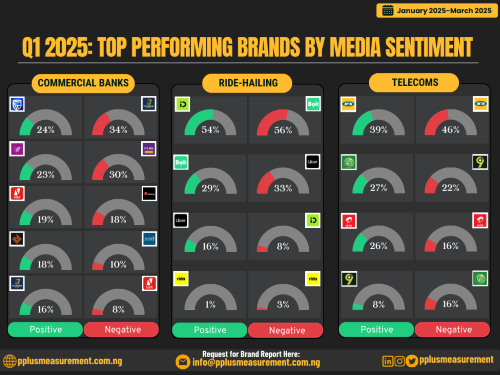
Q1 media sentiment around Nigeria’s banks showed a polarity in perception. Stanbic IBTC Bank emerged as the frontrunner in positive coverage, responsible for 24% of favorable sentiment across the industry. Wema Bank (23%), UBA (19%), Access Bank (18%), and First Bank (16%) followed closely.

Their visibility was supported by initiatives such as Wema Bank’s 80th anniversary campaign and UBA’s ₦41 million customer reward promo.

However, First Bank, while present in positive narratives, also carried the burden of 34% of all negative sentiment. FCMB (30%), Sterling Bank (18%), and Ecobank (10%) followed, driven by litigation, regulatory reprimands, and negative market performance.

These data points indicate that while strategic PR efforts amplified brand equity for some, crisis events significantly dampened sentiment for others.

Ride-Hailing: Innovation Meets Scrutiny

Among ride-hailing operators, inDrive dominated favorable mentions at 54%, aided by product enhancements like the “Light Cashless” bank transfer feature. Bolt (29%) and Uber (16%) also maintained a strong share of voice.

Yet, sentiment was bifurcated. Bolt attracted 56% of all negative coverage, largely due to safety concerns and regulatory backlash. Uber followed with 33%.

Media narratives were significantly influenced by driver protests, public safety incidents, and the call for federal-level e-hailing regulations. These contributed to rising brand scrutiny despite aggressive service innovation.

Telecoms: Leadership in Spotlight, Policy Driving Talkability

In telecommunications, MTN Nigeria led positive sentiment at 39%, with Airtel (27%) and Globacom (26%) closely trailing. MTN’s “Go M.A.D” youth empowerment initiative stood out, as did Globacom’s roll-out of SIM-less eSIM technology.

Yet, MTN also bore the brunt of negative sentiment 46%, fueled by union threats and consumer backlash over tariff adjustments. A turbulent leadership transition at Globacom and an ongoing ownership saga at 9mobile contributed to reputational headwinds.

Notably, telecoms media narratives in Q1 were driven as much by policy shifts and service upgrades as they were by instability and consumer rights activism. 

The Media Intelligence Lens: Contextualising Sentiment Drivers

From an analytical standpoint, the divergence between positive and negative sentiment reflects not just brand activity, but the underlying media mood — a composite of how editors, commentators, and the public receive and interpret brand behavior in context.

In banking, initiatives tied to financial inclusion, brand legacy, and public goodwill increased positive talkability. Conversely, regulatory breaches, fraud allegations, and legal entanglements skewed perception negatively, reinforcing the classic PR principle: “Silence in crisis equals narrative surrender.”

For ride-hailing, product enhancements were insufficient buffers against public safety crises, a trend increasingly important in a media environment where social proof, particularly from user-generated forums and review sites, plays a strong role in shaping brand trust.

Telecommunications brands faced media volatility as regulatory pricing interventions and leadership instability challenged perception management. Here, media responsiveness and spokesperson effectiveness proved critical in determining how well brands navigated the sentiment curve.

Conclusion: Media Presence ≠ Media Health

As Q2 unfolds, the Nigerian media terrain will likely remain sensitive to leadership decisions, regulatory policy, customer experience, and public safety across sectors.

This Q1 analysis reinforces the idea that media presence, while important, must be accompanied by brand media health management, the strategic balancing of visibility, credibility, and sentiment.

For stakeholders, from investors and regulators to brand custodians and PR strategists, these insights form a crucial foundation for navigating reputational capital in an era where perception can often outweigh performance.

About P+ Measurement Services
A leading AMEC member and Nigeria’s foremost independent media intelligence consultancy, P+ Measurement Services provides near real-time media monitoring and retrospective PR performance audits to public and private sector organisations.

Their expertise spans media monitoring, sentiment analysis, PR audits, and reputation tracking across Nigeria’s key economic sectors.

PenCom, NERC Partner to Enforce Pension Compliance by GENCOs, DISCOs

0

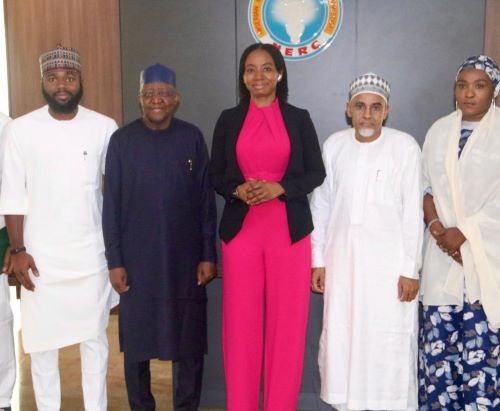
From left: NERC Commissioner, Planning, Research and Strategy, Dr Yusuf Ali; Chairman, NERC, Engineer Sanusi Garba; the Director General of PenCom, Ms. Omolola Oloworaran; the Head Surveillance Department PenCom, Mr. Abdulrahman Muhammad Saleem and NERC Commissioner, Consumers Affairs, Mrs Aisha Mahmud.

The National Pension Commission (PenCom) has enlisted the support of the Nigerian Electricity Regulatory Commission (NERC) to prevail on electricity Generation Companies (GENCOs) and Distribution Companies (DISCOs) to settle unpaid pension contributions for their employees.

During a courtesy visit to NERC headquarters, PenCom’s Director General, Ms. Omolola Oloworaran, led a delegation to seek NERC’s intervention in addressing the non-compliance by 16 electricity companies.

These firms have failed to remit billions of naira in pension contributions and associated penalties, despite multiple warnings and enforcement attempts and even an ordered out of court settlement.

Ms. Oloworaran urged NERC to reinforce compliance with the Pension Reform Act 2014 (PRA 2014) by making the presentation of a valid Pension Clearance Certificate issued by PenCom a mandatory requirement for licensing and other regulatory approvals granted to power companies.

She emphasised that as the regulator of the electricity sector, NERC has a critical role in ensuring that private entities under its jurisdiction—including GENCOs and DISCOs—fulfil their statutory obligation to deduct and remit monthly pension contributions for their employees to their Retirement Savings Accounts (RSAs).

PenCom had deployed Recovery Agents to establish and recover outstanding pension contributions across the private sector. However, Oloworaran expressed concern that several electricity companies have continued to ignore their obligations even after these Recovery Agents established their liabilities.

In response, NERC Chairman, Engr. Sanusi Garba, assured PenCom of the Commission’s readiness to collaborate in enforcing pension compliance.

He stressed the need for a thorough reconciliation of all outstanding liabilities and pledged NERC’s support in finding a sustainable resolution to the issue.

To facilitate ongoing collaboration, PenCom and NERC established a joint working group tasked with addressing the pension compliance challenges in the power sector.


PenCom Moves to Recover N1.3bn Pension Contributions for Journalists

0

From left: Dr. Dili Ezughah, Executive Secretary, Nigerian press Council and the Director General of the National Pension Commission, Ms. Omolola Oloworaran during a recent working visit to the Council.

The National Pension Commission (PenCom) has stated that newspaper organisations are owing over ₦1.3 billion in unpaid pension contributions for journalists in Nigeria.

This was disclosed by the Director General of PenCom, Ms. Omolola Oloworaran, who led a delegation to the Nigerian Press Council in Abuja. Ms. Oloworaran expressed concerns over widespread non-compliance with the Pension Reform Act 2014 (PRA 2014) among media establishments.

Consequently, PenCom and the Nigerian Press Council have entered into a strategic collaboration to prevail on newspaper organisations to settle the huge pension liabilities owed to their employees.

The PRA 2014 mandates that employers remit monthly pension contributions into employees’ Retirement Savings Accounts (RSAs) no later than seven days after salary payments.

According to the PenCom DG, many media houses have failed to adhere to this requirement, prompting the Commission to assign Recovery Agents to audit and determine their outstanding pension debts and applicable penalties.

Recently, the PenCom DG has been leading an aggressive enforcement drive, building strategic partnerships with regulatory agencies aimed at recovering unpaid pension contributions from organisations running into billions of Naira.

However, the focus on the media sector is highly significant being the first time of conducting such high-level engagements towards resolving the lingering issue.

Oloworaran said journalists deserve to retire with dignity as they play a vital role in ensuring accountability across the public and private sectors. Media organisations, in turn, must lead by example by fulfilling pension obligations to their employees.

She appealed to the Nigerian Press Council for support in advocating compliance within the media sector, emphasising that pension contributions are a critical safeguard against old age poverty. “Pension is a vital component of our social security system, and even the government has begun to take it more seriously,” she added.

In response, the Nigerian Press Council Executive Secretary, Dr. Dili Ezughah, pledged the Council’s support and commitment to addressing the issue.

Dr. Ezughah said the Nigerian Press Council would escalate the matter to relevant stakeholders, including the Nigeria Union of Journalists (NUJ) and the Nigerian Guild of Editors, highlighting the significant impact of unpaid pensions on journalists’ welfare.

He decried the failure of media organisations to remit pension contributions as a significant challenge in the Nigerian media industry.

The discussions culminated in the establishment of a joint working group of PenCom and the Nigerian Press Council tasked with ensuring a speedy resolution of the issue.

Stanbic IBTC Bank Drives Regional Trade Innovation at GTR West Africa 2025

0

Stanbic IBTC Bank has successfully concluded its strategic participation at GTR West Africa 2025, reinforcing its commitment to advancing trade finance solutions and digital innovation across the region. The two-day conference, held at the Eko Convention Centre in Lagos on 24-25 April 2025, brought together over 400 delegates from more than 200 companies to address critical challenges and opportunities in Nigeria and beyond.

As a key event sponsor, Stanbic IBTC Bank showcased its comprehensive suite of trade finance solutions to help businesses navigate global trade realignments while capitalising on emerging opportunities within the African Continental Free Trade Area (AfCFTA).

Speaking on the event, Jesuseun Fatoyinbo, Head, Transaction Banking, Stanbic IBTC Bank, emphasised that the GTR West Africa 2025 indicates that digital transformation is now essential for maintaining market access and staying competitive. “We are committed to bridging the digital divide through our advanced trade platforms that eliminate friction points and enable businesses of all sizes to participate effectively in global and regional trade.”

Stanbic IBTC Bank’s delegation made significant contributions to the conference agenda, with senior executives participating in high-profile panel discussions. Ojinika Shote, Head, Sales, Transaction Banking, shared valuable insights on operational efficiency during the ‘Stripping out cost’ panel, highlighting innovative approaches to reducing trade finance expenses.

Adewale Adekoya, Manager, Trade Products, Transaction Banking, lent his expertise to the ‘$1 trillion food economy’ discussion, addressing the region’s financial solutions for agricultural trade and food security challenges.

Commenting on the event, Eric Fajemisin, Executive Director, Corporate and Investment Banking, Stanbic IBTC Bank, emphasised the bank’s strategic vision: “Despite global uncertainties, West Africa holds enormous potential as the continent’s trade epicentre. We focus on developing tailored financial solutions that help businesses transform challenges into opportunities while promoting sustainable economic growth across the region.”

The conference underscored several priorities that align with Stanbic IBTC Bank’s strategic direction, including accelerating digital adoption across trade ecosystems, expanding access to trade finance for SMEs, developing innovative solutions for intra-African trade, and embedding sustainability principles in trade finance products.

“The insights gained at GTR West Africa 2025 will further enhance our ability to support clients through an evolving trade landscape. “We are particularly focused on helping businesses leverage the AfCFTA framework to expand their regional footprint while ensuring they can meet increasingly digital requirements in global markets,” added Fatoyinbo.

Stanbic IBTC Bank continues to invest in cutting-edge digital infrastructure and specialised expertise to maintain its position as a leading trade finance partner in West Africa, supporting businesses across various sectors, including agriculture, manufacturing, and energy.

NDIC Initiates N47bn Payment to Heritage Bank Depositors

0

A liquidation dividend represents amount paid by the Corporation to depositors of a closed bank, in excess of the maximum insured limit, from the proceeds of sales of assets and recovery from the debtors of the failed bank. It also includes amounts paid to creditors and shareholders after all depositors have been fully paid.

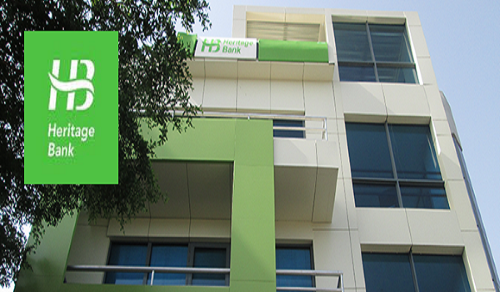
In its continued commitment to ensuring that depositors of the defunct Heritage Bank are fully reimbursed, the Nigeria Deposit Insurance Corporation (NDIC) has declared first tranche of liquidation dividends totaling ₦46.6 billion from the proceeds of sales of the defunct bank’s assets and recovery of debts owed to the defunct institution.

The payment of the first tranche of the liquidation dividends commenced on Friday April 25, 2025. This initial dividend payment was at the rate of 9.2 kobo per Naira on a pro-rata basis to the depositors whose account balances exceeded the NDIC’s maximum insured limit of ₦5.0 million as at the time of the bank’s closure.

It will be recalled that following the revocation of the Heritage Bank’s operating license by the Central Bank of Nigeria (CBN) on June 3, 2024, the NDIC promptly began reimbursing insured deposits of up to N5 million per depositor.

To ensure seamless and efficient payment process, the NDIC used the depositors’ Bank Verification Number (BVN) to locate alternate account number of depositors in other banks and automatically credited them with the insured amount.

Furthermore, the Corporation leveraged the existing records used in the payment of the insured amount to facilitate the disbursement of first tranche of liquidation dividends. Consequently, any depositor with amount in excess of N5.0 million who was paid insured amount but did not receive the payment the liquidation dividends should approach the nearest NDIC office or contact us on the telephone numbers below.

In the Meantime, depositors of the defunct banks who do not maintain alternative bank account and were not paid the insured amount, are advised to visit the nearest NDIC office or go to the claims page on the Corporation’s website, www.ndic.gov.ng to download, complete and submit deposit verification form for the payment of the insured amount and where applicable, the first tranche of their liquidation dividends.

The Corporation wishes to reassure public that this payment represents only the first tranche of liquidation dividends.

Further payments will follow as more assets of the defunct Heritage Bank are realized and outstanding debts are recovered. The NDIC remains committed to its vigorous efforts in assets recovery and ensuring all eligible depositors are reimbursed.

Insurance Meets Tech (IMT) Lauds NIA for Strategic Fintech Collaboration

0

Insurance Meets Tech (IMT), West Africa’s foremost conference and collaborative platform dedicated to fostering the intersection of insurance and technology, has issued a strong commendation to the Nigerian Insurers Association (NIA) for its announced initiative to collaborate with financial technology (fintech) firms to significantly enhance the speed and transparency of insurance claims payment.

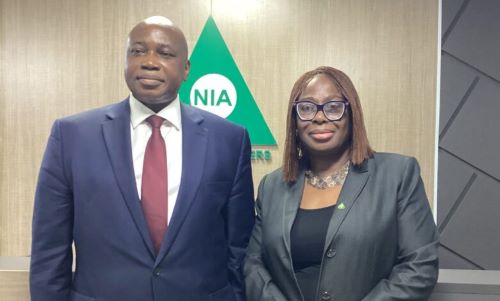
The NIA Chairman, Mr. Kunle Ahmed, recently disclosed plans to invite fintech companies to pitch innovative solutions to revolutionise the claims process.

This forward-thinking initiative is a cornerstone of the NIA’s efforts to rebuild public trust and accelerate insurance penetration across Nigeria. Mr. Ahmed highlighted the critical need for improved ease and timeliness in claim settlements, describing it as essential for sector sustainability and public confidence, even after the industry paid out N536.5 billion in claims in 2023.

Insurance Meets Tech has served as a vital multi-sector discourse platform for the past four years, successfully converging leaders and experts from the insurance, insurtech, cybersecurity, tech, fintech, and financial sectors. Our inaugural edition 2022 brought together over 300 C-Suite executives to call for partnerships and technology adoption to expedite Nigeria’s insurance penetration.

IMT 2023 served as a crucial nexus connecting early-stage insurtech startups with funding partners and mentors, empowering them with tools and resources for growth. The third edition in 2024, themed “Insurance and Tech: Beyond Collaborations,” continued to drive conversations and actions, focusing on innovation and creativity to engage tech-savvy young Nigerians, including Millennials and Gen Zs, through initiatives like the Collaborative Showcase and an immersive experience redefining insurance as a lifestyle protection tool.

As a platform established to drive synergetic collaborations and impact positive narratives within these ecosystems, IMT Conferences views the NIA’s move to adopt fintech solutions for claims payment as a direct and powerful alignment with the platform’s core objectives of driving future innovation and deepening insurance penetration within the Nigerian insurance sector.

Commenting on the announcement, Odion Aleobua, CEO of Modion Communications and Convener of Insurance Meets Tech, stated: “The NIA’s commitment to leveraging fintech to fast-track claims payment is precisely the kind of decisive action the industry needs. Claims are the ultimate moment of truth for policyholders. Injecting convenience, speed, technology and transparency into this process is not just an operational upgrade; it’s a fundamental step towards rebuilding trust and making insurance more relevant and accessible to the average Nigerian. This initiative validates the critical conversations and strategic partnerships that IMT has been championing, moving ‘Beyond Collaborations’ to tangible technological integration that benefits insurers and the insured. We are thrilled to see the NIA taking this bold leap.”

As the planning for the 4th edition of the Insurance Meets Tech conference for 2025 takes shape, IMT is specifically looking at delving deeper into understanding the insurance sector through the lens of technology to explore predictive market techniques and further unlock growth opportunities.

IMT is enthusiastic about the potential for collaboration with the NIA on this and future initiatives. IMT remain dedicated to providing the premier platform for dialogue, knowledge exchange, and partnership formation that supports such transformative initiatives within the West African insurance sector, ultimately driving insurance penetration through technology and innovation.


About Insurance Meets Tech (IMT)

Insurance Meets Tech (IMT) is West Africa’s foremost conference and multi-sector discourse platform dedicated to the intersection of insurance and technology.

IMT converges leaders and experts from the insurance, insurtech, cybersecurity, tech, fintech, and financial sectors to foster strategic partnerships, drive technological innovations, and deepen insurance penetration in Nigeria and Africa.


FG Bans Waivers for Threaded Pipes, as Monarch Alloys Opens Factory

0

The Minister of State for Petroleum Resources (Oil), Senator Heineken Lokpobiri has announced a ban on the issuance of waivers for the importation of threaded pipes for use in the Nigerian oil and gas industry.

He handed the directive to the Nigerian Content Development and Monitoring Board (NCDMB) at the commissioning of Monarch Alloys Limited’s concrete weight coating plant at Ikorodu, Lagos State.

The plant has an annual external capacity coating capacity of two million square meters and an internal square meters coating capacity of one million square meters.

The facility supports onshore and offshore pipeline requirements where increased line lengths and sea-bed depths demand advanced corrosion protection and deploys full range of coating systems.

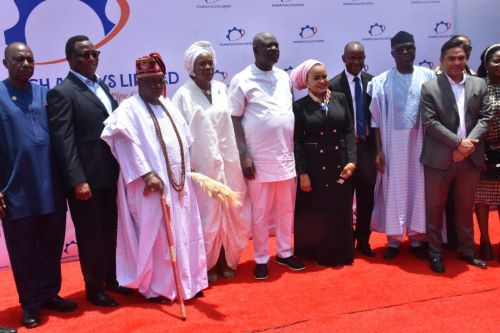
The event attracted several dignitaries including the Minister of State for Industry, Trade and Investment, Senator John Owan Enoh, federal legislators and the Secretary to Lagos State Government, Ms. Bimbo Salu-Hundeyin.

In his speech, Lokpobiri emphasised that investments like the Monarch Alloys Limited’s must be patronised, to encourage similar projects in the sector. He underlined the importance of the local content policy to the nation’s economy, assuring that the Federal Government would continue to support manufacturers, with a view to creating jobs in the country.

“We would not allow dumping of pipes or such things anymore, we have a duty to support our industries to grow,” he stressed.

Also speaking, the Minister of State for Industry, Trade and Investment lauded the promoters of Monarch Alloys Limited’s for decreasing Nigeria’s dependence on importation and expanding the value chain. He said the investment aligned with the agenda of his ministry to promote value addition, job creation and partnership for the growth of the economy.

The investment also serves as a model for continuous collaboration between the private sector and government and created opportunities, he said. Enoh stated further that Nigeria’s economy would only grow through industrialisation, assuring that government would continue to provide enabling environment for investments to thrive.

In his remarks, the Executive Secretary, Nigerian Content Development and Monitoring Board (NCDMB), Engr. Felix Omatsola Ogbe commended the investment, noting that it underscored the mandate of the Board.

The facility, he added, aligns with the intent of the Nigerian Content Equipment Certificate (NCEC) — a key instrument under the NOGICD Act, which is issued to manufacturers and Original Equipment Manufacturers (OEMs) who commit to establishing production in Nigeria for components, equipment and systems used in the oil and gas industry.

The NCDMB boss confirmed that such manufacturers and OEMs are given priority consideration during technical bid evaluations in the oil and gas industry. This means companies like Monarch Alloys are not just contributing to industrialisation but are also positioned to benefit directly from local contracting opportunities, he noted.

He admitted that sourcing critical elements such as pipeline coating from abroad drains both opportunity and value from our economy. He noted the situation had started to change, with the implementation of the Nigerian Oil and Gas Industry Content Development (NOGICD) Act by the NCDMB.

Speaking further, the NCDMB boss remarked that the new facility brings high-performance 3LPE and concrete weight coating capability into the country, delivering not only technical excellence but economic benefit that stays within our borders.

He pointed out that “the economic implications are significant, including job creation, skills development, stimulation of local manufacturing and logistics. Monarch Alloys is not only serving a sectoral need; it is actively contributing to national development.” He also challenged industry stakeholders, especially operating companies to deepen their collaboration with local players such as Monarch Alloys.”

Earlier in his welcome address, the Managing Director of Monarch Alloys Limited, Mr. Atul Chaudhary confirmed that the company completed the investment within 18 months.

He also announced the company’s plans to establish an LSAW pipe mill in the country to meet the needs of the oil and gas industry.


NCDMB Visits MT Group’s Facilities, Pledges Support for Firm’s Valves Manufacturing Plans

0

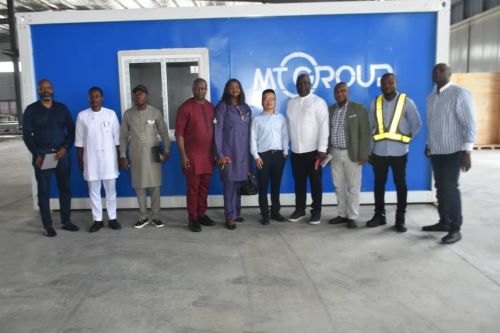
A delegation from the Nigerian Content Development and Monitoring Board (NCDMB) has visited MT Valves West Africa Free Zone at Lekki Free Zone, Lagos, to assess the firm’s operations and plans to invest in a 15,000 tons per year valves manufacturing facility.

The company is a subsidiary of MT Group, a global manufacturer of industrial valves, with presence across Africa, Middle East and Asia, manufacturing 60,000 tons of valves per year from its plant at Abu Dhabi, United Emirates and cutting-edge research and development center and manufacturing base at Shanghai, China, the global headquarters.

The Board’s delegation was led by the Special Technical Assistant to the Executive Secretary, Engr. Harmony Kunu, Manager Media and Publicity, Dr. Obinna Ezeobi and Manager, Commercial Ventures, Ms. Chika Enwerem.

MT Valves West Africa was represented by the Managing Director, Mr. Thomas Zhang and Sales Director, Mr. Elliot Aigbokhade and they hinted that their company specializes in the design and supply of various kinds of industrial valves to the oil and gas industry, petrochemical and allied sectors and is currently a vendor to Shell in Nigeria, despite just setting up in a Nigeria a few years ago.

Taking the Board’s officials through company’s plans and shop floor, the representatives said their operations in Nigeria are in adherence to the Nigerian Oil and Gas Industry Content Development (NOGICD) Act.

The firm has started the processes of establishing an advanced manufacturing workshop at Lekki Free Zone, which would serve as a hub for value addition locally, capacity building and compliance with national development objectives, they said.

They asserted that no company was manufacturing industrial valves in Nigeria yet, adding that their firm aimed to close this critical gap by developing a facility similar to their factory at Abu Dhabi, United Arab, which supplies to several countries across the world.

The Lekki facility is projected to start with an initial production capacity of 15,000 valves per year, with a strategic focus that includes phased growth, local value addition, and development of a resilient supply chain. The investment plan targets the Nigerian market, taking into cognizance the projects in the funnel, with potential to supply to the regional market, the officials indicated.

The facility will also carry out maintenance and repair services, as well as assembly and manufacturing operations. The officials outlined plans to secure necessary certifications from the NCDMB and other relevant agencies and demonstrate return on investment potential.

The investment plans include sourcing some raw materials from the local supply chain, creation of employment opportunities, actively engaging Nigerian partners and training Nigerians overseas and locally to work in the facility. The company wants NCDMB to be an integral part of its investment journey, noting that some equipment had been installed in their facility, while other critical equipment was currently sailing to Nigeria. The officials sought the Board’s support and regulatory backing for their investment as well as introduction to players in the industry, to facilitate patronage.

Responding, NCDMB officials conveyed the agency’s backing for credible investments in the Nigerian oil and gas sector, capacity building and gap closures, in line with the provisions of the Nigerian Oil and Gas Industry Content Development (NOGICD) Act.

They emphasised that the mantra of the Nigerian Content Act is domiciliation and domestication of critical industry capacities, to create job opportunities for Nigerians, in line with the mandate of President Bola Tinubu’s administration and industrialize the nation’s economy.

They challenged MT Valves West Africa Free Zone to develop a robust investment plan, specifying milestones and targets and projected Nigerian content values, planned sources of raw materials and projected contributions to the economy.

The Board’s officials also invited the company to participate at the forthcoming Nigerian Oil and Gas Opportunity Fair (NOGOF) planned for May 20-22, 2025, where they would get updated on new projects and opportunities planned by industry players and market potentials for their investment.

As part of the next steps, MT Valves invited officials of government and other key agencies like Nigeria Liquefied Natural Gas Company Limited and the Nigerian National Petroleum Company Limited to visit the firm’s facilities at Abu Dhabi, United Arab Emirates and global headquarters at Shanghai, China, to appreciate their company’s capacities and the scale of investment they plan to make in Nigeria.