Monday, December 22, 2025
24.7 C
Lagos
Home Blog Page 304

UN Study: Digital Payments Boosts Tax Revenue by $500m Annually in Tanzania

0
Digital Payments Boosts Tax Revenue

A new study from the United Nations-based Better Than Cash Alliance provides findings about the large potential gains for governments, businesses and citizens when digitizing payments.

Many emerging economies are grappling with how to modernise their economies, improve transparency, drive sustainable growth and advance financial inclusion. This study on Tanzania’s digital payment initiatives reveals the very strong results achieved by the government so far.

By digitizing the payments businesses and people make to the government, Tanzania has already:

Empowered its tourism sector by reducing economic leakage from cash payments, such as conservation park entry fees, by over 40 percent, supporting investment and employment.

Cut bureaucratic inefficiencies, including reducing import customs clearance times from nine days to less than one day.

Increased transparency between citizens and governments, by digitizing tax payments which has provided electronic proof of payments and protects people against fraud.

“Tanzania’s results in driving the shift from cash to digital payments are very impressive. The country has developed significant experience that has led it to achieve gains in revenue at double digit rates while also delivering social benefits for its citizens,” said Dr. Ruth Goodwin-Groen, Managing Director of the Better Than Cash Alliance. “Tanzania is building a firm foundation for strong and inclusive growth and we look forward to further progress.”
The study also provides important insights on how further expanding digitization of payments in Tanzania can fast-track the country’s economic modernization. Digitizing Value Added Tax payments and supporting formalisation of businesses could increase tax revenue in Tanzania by at least US$477 million per year, a significant increase for a country with a total GDP of around $US47 billion and a low tax/GDP ratio of around 12 percent.
The new report reveals how Tanzania overcame obstacles of adopting digital Person-to-Government (P2G) and Business-To-Government (B2G) payments.

For example, when small traders were reluctant to digitize their point-of-sale payment capabilities because they were required to bear the full costs of purchasing electronic billing machines, the government partnered with the Tanzania Trader’s Association to subsidise the costs.
Furthermore, these digitization efforts contribute to benefits beyond just the economy. They have wide-ranging positive impacts across society, such as driving social inclusion within Tanzania.

For example, Sheru Hadha, a Tanzanian customer noted how digital financial inclusion has empowered her in her daily life.

Digital payments help women be more independent. Before, when we just had cash, it was very tough. To transfer money, I had to go to the bank, and they would ask me for a lot of information and require documentation. I had to line up for a long time, more than three hours. It was a big hassle,” she noted.
Other countries in the region have initiatives to digitize payments and, while many are in the early stages of their transition, the benefits are quickly being realized and becoming evident. For example:

Kenya is targeting to double tax collections over the next three years through its tax filing electronic system, iTax.

In Uganda, the Kampala Capital City Authority’s automated tax collection system boosted revenue by 167 percent in a single year.

Rwanda drove nearly 80 percent adoption of electronic VAT payments made by Small and Medium-Sized Enterprises.

De-Marketing: The Return of Old Demon in Banking Sector

0
Godwin Emefiele Governor Central Bank of Nigeria

Overview

The old demon known as de-marketing has made an inglorious return to the banking sector after few years of resting behind the scene.

De-marketing manifests in some banks spreading false and malicious rumours to undermine other banks in the market.

As far back as 2006, the Central Bank of Nigeria [CBN] identified the scourge and promptly issued a strongly-worded circular [BSD/08/2006] titled: ‘The Unethical and Unprofessional Practice of De-marketing Colleagues/Other Banks in the Industry by Spreading False Rumours’ on April 12, 2006.

In the circular, the CBN stated: “Banks are advised to caution their staff on this practice as henceforth, any staff of a bank found to be involved in such an act will be summarily dismissed and blacklisted.”

And two years later, the apex bank was also forced to issue yet another circular on the same issue: ‘BSD/DIR/CIR/07/VOL.2/016 October 21, 2008 CIRCULAR TO ALL BANKS DE-MARKETING OF BANKS BY OTHER BANKS.’

The circular signed by Mr. Ignatius Imala, the then Director, Banking Supervision of the CBN, read in part:

 “It will be recalled that the CBN had earlier issued a circular reference BSD/08/2006 on the above subject titled “The Unethical and Unprofessional Practice of De-Marketing Colleagues/Other Banks in the Industry by Spreading False Rumours”, dated April 12, 2006.

The CBN has again noted with serious concern the recent practice whereby some officers of deposit money banks engage in the de-marketing of other banks through disparaging comments and the use of negative text messages.

This development, which constitutes a threat to the safety and soundness of the banking system, is unprofessional, unethical and unacceptable. Banks and their staff are by this circular reminded that the responsibility for ensuring the safety and soundness of the banking system is a collective one for all stakeholders.

Banks are therefore advised to caution their staff on this practice as henceforth, any staff of a bank found to be involved in such an act will be summarily dismissed and blacklisted. Also, if another staff of the same bank is involved in such a practice, the institution will face severe sanctions including but not limited to a monetary fine of N10 million (Ten Million Naira only).

Appropriate channel will be opened by the CBN for the report of such unwholesome practice by banks’ customers and the general public. Furthermore, in the overall interest of the banking system, all banks are advised to enthrone an appropriate corporate culture that would guide against such practices in the future.”

It is pertinent to remember that in late 2008, there were rumours and Short Message Service [SMS] messages alleging that the then Intercontinental Bank Plc was facing critical liquidity challenges and was on the verge of collapse. The SMS message asked customers of the bank to immediately withdraw their deposits from Intercontinental Bank Plc and place same in healthy banks.

The de-marketing SMS message was eventually traced to a first generation bank in the country.

Later in 2009, the management of Intercontinental Bank Plc and few others were sacked by the CBN under Mallam Sanusi Lamido Sanusi on the ground of insolvency as a result of huge non-performing loans, especially to operators in the downstream sector of the oil industry.

Market analysts believe that the unprofessional practice of de-marketing is fueled by the cut-throat competition in the banking sector as operators struggle to win and retain the patronage of high networth individuals and blue-chip multinationals.

The situation is made even worse today in the face of prevailing economic recession which has resulted in dwindling deposits from individual and corporate customers.

The New Challenge

Market watchers however attribute the current resurgent of de-marketing to two recent decisions of the CBN: sack of the Board and Management of Skye Bank Plc and suspension of nine banks from the forex market for allegedly flouting the Treasury Single Account [TSA] policy of the Federal Government in respect of N2 trillion belonging to the Nigerian National Petroleum Corporation [NNPC].

  • Skye Bank Plc:

On Monday, July 4, 2016,  the CBN sacked the Board and management of Skye Bank Plc and installed an interim Board and management led by Mr. M.K. Ahmad as Chairman and Mr. Tokunbo Abiru as Group Managing Director/CEO.

The action of the CBN quickly re-opened the debate on the health of banks in the country, given the negative results declared by most banks for the year ended December 31, 2015.

Like wild fire, unfounded rumours ran through the market alleging that Skye Bank Plc is not the only troubled bank in the industry, urging the CBN hammer to also fall on others in same situation.

The CBN’s decision on Skye Bank leaked to the market even before it was made, thus creating an avalanche of tension, anxiety and speculation amongst operators, shareholders and the general public.

Despite spirited assurances from the CBN and the new Board and management of Skye Bank that the bank remains healthy and was not on the verge of collapse, the rumour mills were saying otherwise, thus deepening the possibility of customers withdrawing their deposits from the bank enmasse, but also bringing into negative focus, the overall health of the entire banking industry.

  • Suspension of Nine Banks

Then on August 23, 2016, the CBN also suspended nine banks from any form of transaction in the forex window, alleging that they flouted the federal government policy on the Treasury Single Account [TSA] in respect of NNPC’s N2 trillion funds.

The CBN action, coming just six weeks after its decision on Skye Bank Plc, quickly created negative perception of the entire banking sector, giving impetus to critics who claim that the regulator was simply glossy over endemic problems in the industry.

Incredibly, the CBN reversed the suspension order on the nine banks a few days later [August 31] but the damage had already being done in the perception of the banking public to the extent that some banks are simply not healthy.

This situation therefore opened the door for the unethical practice of de-marketing to emerge from the shadows once again to haunt one or two unfortunate victims.

Heritage Bank: New Target of Vicious De-marketing

The birth of Heritage Bank Company Limited on March 4, 2O13 heralded the evolution of customer-centric financial solutions provider ready to impact positively on customers and the industry.

Indeed, the vision of the bank was aptly laid out by its chairman, Mr. Akinsola Akinfemiwa:

“We are going to be focusing majorly on Small and medium businesses to ensure that we boost their operation. We are not there to compete with the so called big banks; our services are going to be quite different from what other banks do.

We will work closely with the small and medium businesses to nurture them to greater height. We will be enlightening them on her to keep proper books of accounting, how to manage their businesses and make them grow.

Continuing, he said, “our services is going to be technology driven. We may not have many branches, but we are going to deploy technology to reach our customers. It should be noted that SGBN pioneered Automated Teller Machine (ATM) which many thought will never work.

But today, it is working and making withdrawal easier for people. We are going to do same as we resume operation. Our employees have been trained; we attach importance to technology, excellence, professionalism, innovation, dynamism, tenacity and solutions.”

With such lofty ideals from Day One, Heritage Bank entered the market and within the space of time, carved out an indelible niche in the hearts and minds of individual and corporate clients, leading to impressive results and strategic partnerships.

For instance, Heritage Bank reported landmark earnings of N24.2 billion and Profit After Tax [PAT] of N1.1 billion in the financial year ended December 31, 2015 at a time when established banks were reporting huge declines in earnings and profit for the same period.

The bank quickly moved on to earn a well deserved appointment by the CBN as Partner for Pilot phase of the N3 billion Youth Innovative Entrepreneurial Development Programme [YIEDP] initiative, a huge plus for a bank of its size and age.

Sensing the great stride of Heritage Bank in a space of mere three years, the African Export Import Bank (Afreximbank) announced a $150 million funding support for the bank.

In a statement announcing the development, the Divisional Head, Corporate Communications of Heritage Bank, Olusola Longe-Okenimkpe said:

“HBCL Investment Services Limited (HISL), a major shareholder of Heritage Bank Limited has executed the term sheet for the issuance of guarantee for its $150 million Convertible Bond with the African Export Import Bank (Afreximbank) to support Heritage Bank Plc in its next phase of growth.”

The support from Afreximbank was a stamp of trust and Vote of Confidence on the Board and management of Heritage Bank Limited.

And in yet another show of confidence on Heritage Bank, the Lagos State Government commended the bank’s Financial Literacy Initiative meant to drive financial inclusion for youths in the country.

Indeed, Her Excellency, Dr. (Mrs.) Oluranti Adebule, Deputy Governor of Lagos State showered encomiums on the bank for the initiative and its entrepreneurial support to businesses despite its short period of existence in the market.

The Long Knives

Within a very short period, Heritage Bank Limited has made tremendous impact in the banking industry.

But as they’d say, success breeds both friends and detractors-and so came the long knives by detractors of the bank.

In a rather comic sense, the controversial blog, Sahara Reporters, went to town with a tweet alleging that Heritage Bank will soon join Skye Bank on the list of banks taken over by the CBN.

The bank quickly doused the controversial tweet thus:

Sahara Reporters’ Tweet: The Heritage Bank Statement

Our attention has been drawn to an obnoxious tweet by a news blog, Sahara Reporters, which has alluded to the fact that the Management and Board of Heritage Bank is “next in line” for dissolution by the Central Bank of Nigeria.

This is falsehood and at best reckless journalism meant to destroy the emerging bank. For the avoidance of doubt, the Central Bank of Nigeria has no such plan towards the bank.

Consequently, Heritage Bank wishes to encourage customers of the bank and the general public to disregard the wicked misinformation, clearly borne out of the imagination of the mischief makers and continue enjoying the excellent service the bank is rendering to its growing clientele.

Heritage Bank will not also sit back and allow its hard earned reputation to be tarnished on the pages of an irresponsible blog. The bank will also leave no stone unturned to ensure that those peddling unfounded rumours and speculations are brought to book.

Why Heritage Bank?

As the false and malicious rumours floated within and outside the banking industry, ardent watchers of the unfortunate development were asking just one critical question: why Heritage Bank?

The answer is that the successful entry of Heritage Bank into the banking industry took many by surprise, given the conventional record of start-up banks in the country. This was quickly followed by its daring acquisition of Enterprise Bank last year and seamless integration of people and systems which defied the skeptics in the market.

Heritage Bank raised the bar in the industry via rapid deployment of innovative, technology-driven products and services, thus earning a place in the digital transformation space.
But the bank’s unparalleled commitment and support for Micro, Small & Medium Enterprises [MSMEs] was the icing on the cake, driving operators in that segment of the economy towards the bank in large numbers.

At a recent event, Mr. Ifie Sekibo, Managing Director/CEO of Heritage Bank Limited said the bank has committed over N23.5 billion to MSMEs in the past two years to underline its support towards sustainable growth of small businesses in the country.

Given such track record, the bank rapidly became known as a small business-friendly financial institution of repute in the industry and national economy..

Spot the Detractors

It is always important to identify the source of real or fake fire to contain it before irreparable damage is done.

Who the hell are those spreading these malicious misinformation about the impending demise of Heritage Bank?

First on the list are desperate politicians scheming to acquire ownership of the bank through the backdoor on the premise that the Saraki family are the major owners of the financial institution.  However, a quick look through the ownership structure of Heritage Bank clearly reveals that the Saraki family own less than 10 percent equity in the bank, thus giving lie to such insinuations.

Secondly, in a banking sector facing the combined vagaries of economic recession, loss of public sector funds, negative forex regime and customer movement to more customer-savvy competitors, corporate jealousy becomes the norm in the face of inability to creatively navigate the terrain for survival.

When competitors resort to cheap blackmail in form of de-marketing to move ahead, they waste precious energy that could otherwise have been deployed to innovate and remain in business.

Looking Ahead

Heritage Bank Company Limited has made its mark in terms of customer service, professional excellence, deployment of robust technology to drive seamless operations and unequaled support to the growth MSMEs.

For the bank, the future can only look rosy as it marches confidently to consolidate its gains and etch out a formidable market share in the banking sector going forward.

FG Plans N350bn Capital Projects, $1bn Eurobond to Ease Recession

0
Kemi Adeosun Finance Minister Nigeria

In line with its commitment to stimulate economic growth in the country, the Federal Government is set to release over N350 billion to fund capital projects across the country, in addition to $1 billion Eurobond scheme before the end of the year.

The Minister of Finance, Mrs. Kemi Adeosun assured that the N350 billion capital votes will be released immediately into the system asthe Federal Government continues to tackle the economic crisis currently
facing the nation.

Adeosun explained:

“With the N350 billion to be released this week, the federal government would have released the total sum of N770 billion for capital projects this year, having released N420 billion thus far in
2016.”

She explained that the bulk of the money so far released went into on-going projects, especially works, defence, transportation, interior, power and agriculture.

The minister also disclosed that the administration was working on raising $1 billion Eurobond. The proceeds for this would be used only for capital projects.

Giving further clarifications on the Eurobond issue, Director-General, Debt Management Office (DMO), Dr. Abraham Nwankwo, said: “We intend to raise the money before the year ends. In terms of the progress made so far, more than five weeks ago, we put out advertisements for Request For
Proposals in local and international media, following due process so that we can allow transaction partners who are interested to compete.“

The closing date of the RFPs is September 19, 2016.

“We have a directive to make sure we use minimum time to conclude all these activities. So we
assure you that we are going to cut the time because of the emergency situation. Before the middle of December, we will have the money. We are very focused on the fact that these monies are needed urgently to turn around the economy and we are working on that.”

Fidelity Bank CEO: Why Banks Lend Short-Term

0
Fidelity Bank CEO: Why Banks Lend Short-Term

Bank deposits are mainly short-term in nature and lending such funds to customers long-term can lead to asset mismatch, Managing Director/CEO, Fidelity Bank Plc, Namdi Okonkwo has said.

The bank chief who spoke at the 2016 Annual Conference organised by Finance Correspondents Association of Nigeria (FICAN) in Lekki, Lagos, at the weekend, said although the lenders would want the economy to grow by lending to farmers and other productive sectors of the economy, they also have to keep an eye on the stability of their institutions.

Speaking on the theme: ‘Nigeria Beyond Oil: Financing Options for Non-Oil Exports’, he said:

“A whole lot of people do not realise that banks’ business is to buy and sell money. So, I come to the market to purchase-my raw material is cash and my finished goods are also cash. Every other thing banks do are added services. Banks get a lot of bashing for not lending long-term. Then I ask you, if as a banker, I know that secret place where I can find long-term funds, we will be the number one bank in Nigeria today, because I can lend long-term.”

Okonkwo reiterated that most depositors who have huge amounts to save invest on short-term basis and collect huge interest on such deposits.

“I want to borrow N100 million; then bring me one depositor who will place N100 million with me at 10 per cent and I will lend at 15 per cent. Remember that in calculating those 10 per cent of N100 million, what you have actually given me is N75 million because N25 million will be placed with the CBN as Cash Reserve Ratio (CRR). And for me to access N5 million out of the N25 million CRR cash, I have to lend the money for use in industrial production. Then what are your risk assessment criteria if the industrial sector you want to lend to is fighting for breath.”

Besides the CRR, he said such lender has to pay five per cent of the N100 million initial deposit to the Nigeria Deposit Insurance Corporation (NDIC) premium. “People actually believe that banks are not lending long-term because they do not want to. We do profitable business,” he said.

He explained that pension funds, equity and insurance funds where long-term funds should come from are not forth-coming with such cash.

The Fidelity Bank boss also listed lack of right framework as being responsible for local banks not lending long-term to Small and Medium Scale Enterprises (SMEs).

He lamented the problem of lack of infrastructure, such as power, adding that his bank with about 248 branches generate private electricity to power its operations, that the level of such power generation can serve Lagos State as a whole.

He regretted that a lot of banks collapsed in the past because of assets mismatch.

“When there is a run on the system, the owners of the short-term funds will come for their money and you have to pay them. And if you pay them, the people you gave long-term loans cannot pay up. Then you begin to have distress in the system,” Okonkwo stated.

He disclosed that the Nigerian Export Import Bank (NEXIM Bank) and his bank are taking measures to enhance non-oil export and create wealth for Nigerians. Both lenders, he said, want exporters to explore opportunities presented by the N500 billion Non-oil Export Stimulation Facility as well as the expansion of the export credit Re-discounting and Refinancing Facilities (RRF) to develop the economy, stimulate their operations, and create jobs for the people. He said his lender is always at the forefront of financial services solutions and lending, stressing that supporting SMEs goes beyond funding.

Okonkwo praised the Anchor Borrowers’ Scheme unveiled by the Central Bank of Nigeria (CBN), insisting that the project has the capacity to boost the country’s non-oil export earnings.

“The CBN has ensured that thousands of rice farmers form the anchor borrowers. The CBN lends money to the farmers, but you know it is not like in the past when the farmers saw such cash as government money and find it difficult to repay. What the CBN does now is give them the money in the form of inputs and improved seedlings. And the farmers have formed themselves into co-operatives to make loan repayment easy. And when the produce are harvested, the farmers get immediate buyers for their produce. I believe that over time, Nigerians will feel the impact of the scheme,” he said.

Also speaking at the event, Group Head, Agric Finance, Heritage Bank Limited, Olugbenga Awe said inasmuch as banks would want to lend to non-oil sectors of the economy, the lenders always look out for customers’ history of previous transactions to ensure that the loans would be repaid.

The bank, he added, can also consider the export volume, frequency of export, payment methods and transaction cycle. He said that banks are also confronted with the problems of inadequate export finance resources, inadequate infrastructure to control products quality and lack of dependable source of local product prices and supplier information among others.

McKinsey Report: Africa Targets $5.6tr Consumer, Business Spending by 2025

0

Although Africa’s growth has slowed, the long-term fundamentals are strong, big business opportunities lie ahead and the overall outlook is positive.

These facts are contained in the latest McKinsey Global Institute Report titled: ‘Lions On The Move II: Realising The Potentials of Africa’s Economy.’  

According to the MGI’S new report, four fundamentals are likely to underpin Africa’s economic growth.

Firstly, Aftica has the fastest urbanisation rate in the world. Over the next ten years, 187 million more Africans will live in cities—equivalent to half the US population today.

Secondly, it has the biggest working-age population in the world of 1.1 billion in 2034—larger than in either China or India.

Thirdly, it has the  largest reserves in the world of many key natural resources (e.g., 60 percent of the world’s unutilised but potentially available cropland, and the largest global reserves of vanadium, manganese, and many others).

Additionally, Africa has the chance to leapfrog old technologies using mobile and digital (e.g., penetration of smartphones expected to hit 50 percent in 2020 vs. 18 percent in 2015).

The new MGI report confirmed that spending by consumers and businesses in Aftica today totals $4 trillion.

By 2025, the total could be $5.6 trillion. Household consumption is expected to grow by 3.3% a year and reach $2.1trillion by 2025. The total could be $5.6 trillion, reflecting an expanding African consuming class.

Business spending is expected to grow from $2.6 trillion in 2015 to $3.5 trillion by 2025, and Africa has an opportunity to nearly double manufacturing output from $500 billion today to $930 billion in 2025. AFRICA’S economies are no longer a story about exporting commodities- but about tapping into vibrant domestic demand.

Accelerated industrialisation could lead to a steep change in productivity and the creation of 6-14 million stable jobs over the next 10 years.

Acha Leke, a McKinsey Senior Partner and Report Co-author, said:

“Our new research shows how in coming years Africa will benefit from strong fundamentals including a young and growing population, the world’s fastest urbanisation rate, and accelerating technological change. These will help drive rapid growth in consumer markets and business supply chains, and will offer opportunities to build large, profitable industrial and services companies.

“Tapping Africa’s consumer markets will require companies to have a detailed understanding of income, demographic, and category trends. Thriving in business markets will require businesses to offer products and develop sales forces able to target the relatively fragmented private sector. But what our research also shows is how much work needs to be done both by companies themselves and by Africa’s governments to translate opportunity into tangible economic benefits.”

To make the most of the opportunities, Aftica needs more large companies. MGI’S  new database of Corporate Africa, shows that the continent has 700 companies with revenues of more than $500 million, of which 400 companies have revenues of more than $1 Billion. AFRICA’S companies are growing faster and are generally more profitable than their global peers.

“Africa’s top 100 companies have achieved success by developing strong positions at home, staying the course to build their businesses over decades, integrating what other companies would usually outsource, and investing in building and retaining talent. Further success is possible in six high-potential sectors with high growth, high profitability, and low consolidation. These are: wholesale and retail, food and agri-processing, health care, financial services, light manufacturing, and construction.”

Governments need to play a stronger role in unleashing renewed dynamism. Six priorities emerge from this research.

Firstly, mobilise more domestic resources, taking bold steps to mobilise more of its own funding to finance development

Secondly, aggressively diversify economies, encouraging growth in high-potential sectors in close cooperation with business, based on a clear understanding of their countries’ comparative advantages. Then accelerate infrastructure development and deepen regional integration

Additionally, create tomorrow’s talent, ensuring that educational and training systems build work-relevant skills, and that students are aware of, and encouraged to enter, these vocations and that the private sector builds on best practice.

Finally, ensure “healthy” urbanization, so that cities grow with the infrastructure required to make the biggest positive economic and social impact possible

Delivering on these six priorities will require the vision and determination to drive far-reaching reforms in many areas of public life—and capable public administration with the skill and commitment to implement such reforms.


ABOUT MCKINSEY GLOBAL INSTITUTE

The McKinsey Global Institute (MGI), the business and economics research arm of McKinsey & Company, was established in 1990 to develop a deeper understanding of the evolving global economy. Our goal is to provide leaders in the commercial, public, and social sectors with the facts and insights on which to base management and policy decisions

The partners of McKinsey & Company fund MGI’s research; it is never commissioned by any business, government, or other institution.

The Lauder Institute at the University of Pennsylvania ranked MGI the Number One private sector think tank in the world in its 2015 Global Go To Think Tank Index.

McKinsey has offices in Ethiopia, Kenya, Morocco, Nigeria, South Africa and Angola. The Johannesburg office opened in 1995, soon after the dawn of South Africa’s new democracy. We have played an active role in the country’s transformation and development—helping top companies win on the world stage, supporting the upgrade of key institutions and infrastructure, building leadership and capabilities.

In South Africa and over 40 other countries in Africa, we shape strategy and strengthen operations for players in major industries, and help deliver better outcomes in education and health care. We have over 300 people based in Johannesburg and have delivered over 1000 projects, with 1400 more across Africa.

Insurance PR Managers Seek Growth Path for Sector

0
Insurance PR Managers

Corporate affairs managers of insurance companies in Nigeria under the umbrella of CAMCONIA have taken up the challenge of finding suatinable growth path for the insurance industry via communication.

Dr. Tunde Adeyemi, Chairman of CAMCONIA said at its annual retreat in Abeokuta, Ogun State that the reasons why the sector has not grown exponentially lies within the core tasks of communication and their boundaries as Corporate Affairs and Communication Managers.

“It then means that we as public relations or communications practitioners, as the case may be, need to brace up to unbundle the potential and benefits of insurance more clearly to the Nigerian populace. It is a common aphorism that rumour, half-truths and unbelief thrive in an environment where communication is lacking. Consequently, this retreat among other reasons intends to first, deliberately enhance our own personal knowledge power and reputation management skills. This would in turn also translate in our better service delivery, leading to an improved insurance industry.”

Adeyemi said it is a known fact that the onus should be on operators and professionals in contemporary times to continually train and re-train themselves in order to catch up with the trend of the times. He added that it is a delusion for any professional to remain stagnant in a changing world and expect to make impact!

“This retreat therefore becomes pertinent and there is no better time to champion the discourse on the impact of PR on Insurance & Risk Management than now, given the recessive state of our national economy and the need to accentuate the value of insurance to reflating the economy than now.”

He lamented that the Nigerian insurance industry has been bedeviled by low penetration occasioned by multifarious reasons bordering mainly on unfriendly cultural beliefs; lack of trust in the practitioners, lack of Insurance education and unfriendly economic environment, among others.

“Unfortunately, these reasons have remained the bane of Insurance in the last five decades and it is responsible for the abysmal contribution of the industry to the nation’s Gross Domestic Product [GDP]. It is a thing of regret that in spite of the catalytic roles of insurance to national economies of progressive countries, the industry has continued to find itself in the back waters of development.”

The CAMCONIA expressed optimism that the retreat will be the beginning of positive transformation of information management in the Nigerian insurance industry.

Security of Data/Systems Top IT Priority in Africa, ME

0
Security of Data/Systems

Ensuring high levels of security of data and systems, and guaranteeing business continuity are the top IT priorities among Middle East and Africa (MEA) decision makers in the healthcare industry for the next year or so, along with integrating siloed systems and advancing analytic capabilities, according to the recent research by International Data Corporation (IDC).

IDC Health Insights looked at the results of event polls conducted among healthcare IT executives attending a series of IDC CIO Summits held across the MEA region during 2015 and 2016. They survey respondents were executive-level representatives of healthcare organisations from Egypt, Saudi Arabia, United Arab Emirates, Turkey, Kenya, Nigeria, Morocco, and South Africa.

The survey results show that managing IT governance and regulatory compliance, meeting the growing expectations of IT users and patients, obtaining budgets for IT investments, and finding the workforce for emerging technologies are the on-going challenges for healthcare CIOs in the region.

As for managing IT security, the key challenges include budget constraints and staff-related issues that range from a lack of qualified personnel to poor adherence to security policies by employees.

Analytic technologies are clearly gaining traction among surveyed organizations: analytics (including business intelligence) was perceived as the most important in terms of supporting digital transformation, followed by mobile technologies. Among applications, analytic solutions represent the top investment priority for the next two years, including business intelligence tools and applications that are based on mobile platforms.

In terms of current adoption rates and near-term investment plans, however, mobility leads still leads the way: Over one third of respondents indicated that they have already introduced enterprise mobility, and another 55% plan to start using the technology within the next two years.

Meeting the growing needs and expectations of patients is the main driver of enterprise mobility among surveyed organizations.

That said, IT security risks and hurdles associated with the management of multiple types of mobile devices and operating systems are slowing down mobility, and this is further aggravated by problems with interoperability and staff compliance with respective IT policies.

“Despite the methodological limitations of the study, especially with regard to the poor representativeness of the sample consisting of the attendees of IDC events, this survey provides some useful insights into the IT trends characteristic to MEA healthcare markets,” says Nino Giguashvili, Senior Research Analyst with IDC Health Insights, IDC CEMA.

“Consistent with other research we perform in the Middle East region, mobility remains the fastest-emerging technology of the four pillars of the 3rd Platform. Private cloud and social media have made moderate progress over the last few years, while Big Data still lags behind, mainly due to uncertainties related to data validity and ROI.”

The first study highlights the results of the survey’s coverage of various IT-related issues, including:

  • The deployment status of various technologies and solutions, including transformational technologies
  • The key IT priorities and investment plans related to 3rd Platform technologies (cloud, mobile, social media, and Big Data)
  • IT challenges and barriers to the adoption of various technologies

The second study takes a closer look at the state of enterprise mobility among the healthcare organizations represented by the event attendees. Specifically, the document covers:

  • Deployment status of various enterprise mobility solutions among the surveyed organizations
  • Short- and long-term investment plans with regard to enterprise mobility and state of maturity with regard to mobilizing enterprise applications
  • Challenges associated with supporting mobility in healthcare

Tech, Media Leaders to Assess Investment/Growth Strategies

0
tmt finance africa lagos 2016

Leading strategy and investment heads from technology and telecom giants including Google, Uber, Intel, Africa Internet Group, Vodacom, Airtel, Nokia and Etisalat are meeting in Lagos on September 20 to discuss strategies for investment and regional growth at TMT Finance Africa in Lagos 2016.

Poised to become the technology and investment hub for Africa – Lagos, Nigeria will play host to the event for the first time, which will see more than 150 regional and international telecom, media and technology leaders, investment bankers, investors, advisers and government representatives meet for a series of panel debates, networking sessions and private roundtable discussions.

“Nigeria is fast becoming one of the most innovative and dynamic places in the world for technology and mobile connectivity, and we are delighted that household names such as Google, Uber, Intel and Africa Internet Group will be represented at the conference alongside some well-known Nigerian tech and media companies such as Sliide, iRoko and Andela, which is backed by Mark Zuckerberg’s Chan Zuckerberg Initiative,” said Ben Nice, Director, TMT Finance Africa in Lagos.

“However, there are still many challenges that some of these companies face, including a lack of access to adequate financing, which is where TMT Finance Africa in Lagos should help to plug the gap and get the dialogue going between the genuine decision makers,” Nice added.

Leading investment banks will be represented by key institutions such as Standard Bank, Citi, IFC, Barclays, Africa Finance Corporation, Access Bank and FNB, while private equity firms speaking at the conference include: Convergence Partners, African Capital Alliance, ECP and Carlyle.

Over 80 C-level speakers are confirmed for the conference, and only a limited number of tickets are still available, and can be purchased on the website.

Innovation and technology investment will form a key part of the agenda, including specific sessions on: Investing in Innovation, eCommerce Africa, Media and Content Strategies, Venture Capital Africa, Connecting the Unconnected, Africa Mobile Payments and Digital Africa.

Travelstart Nigeria Launches Interswitch Payment Gateway

0

In a quest to make travel simpler with easy payment methods for its customer, Travelstart Nigeria has launched Interswitch payment gateway, Africa’s leading digital payment and commerce provider to facilitate seamless payments for affordable flights.

Interswitch, with its outstanding records, allow companies like Travelstart to access all major banks in Nigeria as well as over 17,000 ATMs and Nigeria’s most used payment cards. The primary focus of this collaboration is to enable multiple channels of making safe and secure payments. As a result, it will bring even greater convenience to the customer and create more accessible payment channels.

“We are very happy to announce that we now offer our customers to pay for their flights with Verve, Visa and MasterCard on our website. This is just one of many initiatives Travelstart is taking to offer our customers more seamless, faster and convenient shopping experience.” advises Philip Akesson, Travelstart Nigeria’s Country Manager.

Echoing these sentiments, Travelstart Nigeria’s Operations Manager, Olufemi Fakeye said: “It’s the simplest and fastest way our customers can make payments for their bookings at no additional cost, this also gives them an opportunity to avoid booking cancellation and fare increments in the face of the fluctuating exchange rate.”

Interswitch’s Divisional CEO for Industry Vertical Markets, Chinyere Don-Okhuofu equally remarked that “Our vision at Interswitch is encompassing and it continues to expand to take cognizance of unique requirements of players in virtually every sector, especially where payment transactions are involved. We continue to identify opportunities, such as this latest partnership with Travelstart Nigeria, to optimise the way payments are made and tracked”.

Travelstart is the leading and fastest-growing online travel agency in Africa. Since launching in Nigeria, it has been providing great travel deals, creating a strategic means that will promote easy and convenient travel solutions for its customers. And now, Travelstart’s strategic partnership with Interswitch, the widely used and trusted payment processing provider, is guaranteed to make you book flight faster and easier than ever!

Finally, the integration of Interswitch solutions & channels on the flight booking platform emphasize Travelstart’s commitment to develop effective payment solutions that makes it simpler than ever for travelers to book and pay for their flight tickets through its website.

Africa’s Growth Slows but Long-term Potential Remains Strong

0

Six years ago when the McKinsey Global Institute first looked in detail at Africa’s diverse economies, almost all of them were experiencing accelerating growth.
The picture today is more mixed. MGI’s new report Lions on the move II: Realizing the potential of Africa’s economies finds that Africa’s economies’ growth paths have diverged.

Growth in the 11 economies accounting for 60 percent of African GDP—the continent’s oil exporters and the three countries involved in the Arab Spring (Egypt, Libya, and Tunisia)—slowed sharply.
But the remaining economies generating 40 percent of African GDP accelerated their annual growth rate from 4.1 percent in 2000-10 to 4.4 percent in 2010-15. The overall outlook is positive with the IMF projecting that Africa will be the world’s second-fastest-growing region in the period to 2020.

Four fundamentals are likely to underpin Africa’s economic growth
· The fastest urbanisation rate in the world. Over the next ten years, 187 million more Africans will live in cities—equivalent to half the US population today.
· The biggest working-age population in the world of 1.1 billion in 2034—larger than in either China or India.
· The largest reserves in the world of many key natural resources (e.g., 60 percent of the world’s unutilised but potentially available cropland, and the largest global reserves of vanadium, manganese, and many others).
· The chance to leapfrog old technologies using mobile and digital (e.g., penetration of smartphones expected to hit 50 percent in 2020 vs. 18 percent in 2015).

Big opportunities lie ahead as consumer and business spending continue to grow
The new report identifies opportunities for growth in African economies.
Spending by consumers and businesses in Africa today totals $4 trillion. By 2025, the total could be $5.6 trillion.
Household consumption is expected to grow by 3.8 percent a year to 2025 to reach $2.1 trillion. Spending on discretionary items is likely to grow fastest, reflecting an expanding African consuming class. Just under half of all consumption growth in the period to 2025 will be in 75 cities.
Business spending is expected to grow from $2.6 trillion in 2015 to $3.5 trillion by 2025.
Africa has an opportunity to nearly double manufacturing output from $500 billion today to $930 billion in 2025.
Africa’s economies are no longer a story about exporting commodities—but about tapping into vibrant domestic demand. Three-quarters of this potential could come from Africa-based companies meeting fast-growing demand within Africa.
Today, Africa imports one-third of food, beverages, and similar processed goods it consumes. The other one-quarter of the growth could come from more exports.
Accelerated industrialisation could lead to a step change in productivity and the creation of six million to 14 million stable jobs over the next ten years—making realising this a priority for governments.
Acha Leke, a McKinsey senior partner and report co-author, said:

“Our new research shows how in coming years Africa will benefit from strong fundamentals including a young and growing population, the world’s fastest urbanization rate, and accelerating technological change. These will help drive rapid growth in consumer markets and business supply chains, and will offer opportunities to build large, profitable industrial and services companies. Tapping Africa’s consumer markets will require companies to have a detailed understanding of income, demographic, and category trends. Thriving in business markets will require businesses to offer products and develop sales forces able to target the relatively fragmented private sector. But what our research also shows is how much work needs to be done both by companies themselves and by Africa’s governments to translate opportunity into tangible economic benefits.”

To make the most of the opportunities, Africa needs more large companies
MGI’s new database of corporate Africa—which we believe is the first of its kind—shows that the continent has 700 companies with revenues of more than $500 million, of which 400 companies have revenue of more than $1 billion. Africa’s large companies are growing faster and are generally more profitable than global peers.
However, Africa (excluding South Africa) has only 60 percent of the large firms one would expect if compared with other emerging regions. And average annual revenue of $2 billion is half that of the large firms in Brazil, India, Mexico, and Russia. No African-owned company is in the Fortune 500.
Africa’s top 100 companies have achieved success by developing strong positions at home, staying the course to build their businesses over decades, integrating what other companies would usually outsource, and investing in building and retaining talent.
Further success is possible in six high-potential sectors with high growth, high profitability, and low consolidation: wholesale and retail, food and agri-processing, health care, financial services, light manufacturing, and construction.

Governments need to play a stronger role in unleashing renewed dynamism
Six priorities emerge from this research:
· Mobilise more domestic resources, taking bold steps to mobilize more of its own funding to finance development
· Aggressively diversify economies, encouraging growth in high-potential sectors in close cooperation with business, based on a clear understanding of their countries’ comparative advantages
· Accelerate infrastructure development
· Deepen regional integration
· Create tomorrow’s talent, ensuring that educational and training systems build work-relevant skills, and that students are aware of, and encouraged to enter, these vocations and that the private sector builds on best practice
· Ensure “healthy” urbanisation, so that cities grow with the infrastructure required to make the biggest positive economic and social impact possible
Delivering on these six priorities will require the vision and determination to drive far-reaching reforms in many areas of public life—and capable public administration with the skill and commitment to implement such reforms.

Securing Healthcare Industry: Prevention is Better Than Cure

0

By Rick Rogers, Area Manager for East and West Africa at Check Point Software Technologies
The healthcare industry, arguably one of the most technologically advanced considering the gadgets and devices now used to monitor health statistics and perform medical procedures, is ironically among the most ‘unhealthy’ when it comes to network security.
Delegates attending the recent Healthcare Innovation Summit were told that medical records are being increasingly targeted by cybercriminals – data from the US showed that 89% of healthcare institutions suffered a security breach and were twice more likely to be targeted than other organisations.
Healthcare record theft increased a shocking 1100% this year with more than100 million records compromised worldwide. The biggest threat, says KPMG comes from external attackers – at 65% – while malware tops the list of information security concerns.
But why is an industry with the technological ability to perform surgery on patients in other countries so sick when it comes to protecting information?
The answer is multi-faceted:
Valuable data. Data collected and stored by hospitals and other organisations, such as medical aid schemes, is up to ten times more valuable to cybercriminals than credit card information. This is due to the sheer volume of information gathered about individuals – and the fact that we’re seeing an increased shift to digital medical records – which makes it easy to commit fraud and identity theft. Given the value of this data on the black market, cyber-attacks are becoming ever more sophisticated in their attempts to hack healthcare institutions.
Ageing infrastructure. Hospitals are melting pots of outdated infrastructure, old operating systems and state-of-the-art medical technology, all communicating over the same networks. Often, hospitals take an ‘if it’s not broken, don’t fix it’ approach to technology, so devices may not be patched with the latest software versions, for example. The problem, however, is that the system is very much broken. KPMG found that, in terms of technical capabilities, the healthcare industry is behind other industries when it comes to protecting infrastructure and information.
Complex networks. The fact that so many different people, devices and departments need to access a medical institution’s records forces them to adopt open networks. Add to this the increasing number of Internet of Things and the myriad Internet-connected gadgets connecting to the network and it becomes difficult to secure and even more vulnerable to attack.
No budget. Security spending in the healthcare industry is at times as little asone-tenth of what other industries spend. When it comes to technology spending, a new MRI machine will likely win the budget lottery over security software.
Easy targets. Ransomware is one of the biggest methods used by cybercriminals to gain access to medical data. This involves ‘kidnapping’ the data and only releasing it once the hospital pays a ransom. Because medical organisations are generally dealing with crises, they need urgent access to their data and are more willing to pay the ransom to get back up and running as quickly as possible. Cybercriminals know this and are exploiting it.
Lack of understanding and awareness. Although medical institutions are becoming more technologically centric, that’s not to say they’re focusing on technology and there’s a lack of understanding of what’s going on when it comes to cyber security. There needs to be an increased understanding of how to defend against attacks like ransomware, coupled with a bigger focus on educating staff and users on how to spot phishing attacks – people are, after all, the weakest link in the security chain.

Prevention is better than cure
It sounds clichéd but, when it comes to security in any sector, prevention certainly is better than cure.
In order to gain a holistic overview of the network, technology managers need to design the infrastructure from the bottom up, starting with the physical layer, comprising devices and other hardware, and working up to the application layer.
This multi-layered approach to security gives IT managers more visibility into the network so that they can see what data is coming into and leaving the network and can implement controls as required. For example, sensitive patient information can be encrypted as it traverses the network between devices, while less sensitive information, such as that collected by fitness devices, can be subject to less stringent protection measures.
Education of staff members is also critical. They need to be able to identify hacks such as spear phishing and ransomware attempts so that they know not to click on malicious links and to alert the IT department to such attempts.
There also needs to be a general increase in awareness within the healthcare sector of the various methods used by cybercriminals to gain access to medical data. In many cases, medical institutions do not even know that they’ve been infiltrated purely because they don’t know the warning signs. They need to take a more proactive approach to network security and understand how to prevent certain attacks.
Security should not be reactive and should not be done just because organisations want to comply with legislation such as the Protection of Personal Information (POPI) Act.
But unfortunately, this is the case in the healthcare industry and it’s the reason why they are always one step behind the attackers. Rather, security should be about prevention and the desire to ensure the integrity of sensitive information.

China, India: World’s Largest Internet Markets

0

India has overtaken the United States to become the world’s second largest Internet market, with 333 million users, trailing China’s 721 million.
But a new report released by the UN Broadband Commission for Sustainable Development also confirms that just six nations – including China and India – together account for 55% of the total global population still offline, because of the sheer size of their populations.
While Internet access is approaching saturation in richer nations, connectivity is still not advancing fast enough to help bridge development gaps in areas like education and health care for those in poorer parts of the world, according to the 2016 edition of The State of Broadband report.
Globally, an estimated 3.9 billion people are not using the Internet. But the Commission’s new report estimates that, between them, China, India, Indonesia, Pakistan, Bangladesh and Nigeria account for 55% of all unconnected people, while 20 countries – including the US – account for a full 75% of those not using the Internet.
These findings suggest that targeted efforts in just a few key markets could help enormously in redressing the gaping ‘digital divide’ between those who are online and those still offline.
Released just ahead of the 14th meeting of the Commission in New York on September 18, The State of Broadband 2016 is optimistic about the potential of mobile broadband, with 165 countries now having deployed ‘4G’ high-speed mobile networks. As smartphone penetration reaches near-saturation in the US, Europe and mature markets in Asia like Japan and Korea, India and Indonesia in particular are expected to drive future growth. India also recently overtook the US to become the world’s second-largest smartphone market, with an estimated 260 million mobile broadband subscriptions.
The Commission argues that if today’s near-universal basic mobile phone access could be converted to high-speed mobile broadband access, mobile phones could serve as a major accelerator of development, driving rapid progress towards the UN Sustainable Development Goals.
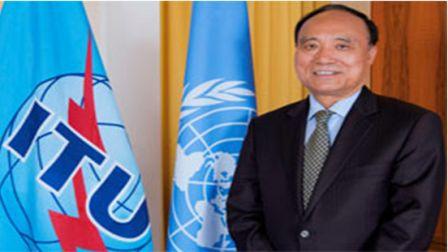
“There is a large body of economic evidence for the role of affordable broadband connectivity as a vital enabler of economic growth, social inclusion and environmental protection,” said ITU Secretary-General Houlin Zhao, who serves as co-Vice Chair of the Commission with UNESCO Director-General Irina Bokova. “The Sustainable Development Goals for education, gender equality and infrastructure include bold targets for information and communication technology. The SDGs are achievable, but require urgent efforts and progress in the speed, degree and equality of development. The Commission believes this can be realized through broadband.”
“Broadband technologies can be powerful development multipliers,” Director-General Bokova added, “but this requires combined investments in access and in skills and in education. This is about opening new paths to create and share knowledge. It is about enhancing freedom of expression and about widening learning opportunities, especially for girls and women. This is about developing content that is relevant, local and multilingual.”
Issued annually, The State of Broadband report is a unique global snapshot of broadband network access and affordability, with country-by country data measuring broadband access against key advocacy targets set by the Commission in 2011.
The report confirms that according to latest ITU figures, by end 2016 3.5 billion people will be using the Internet, up from 3.2 billion last year and equating to 47% of the global population. Progress in the 48 UN-designated Least Developed Countries has been encouraging, with the Commission’s target of 15% of the LDC population onlineexpected to be reached by the end of this year.
This year’s figures show that, once again, the top ten developing countries for household Internet penetration are all located in Asia or the Middle East. The Republic of Korea continues to have the world’s highest household Internet penetration, with 98.8% of homes connected; Qatar (96%) and United Arab Emirates (95%) rank second and third, respectively.
Iceland continues to have the highest percentage of individuals using the Internet (98.2%), while Luxembourg (97.3%) has surpassed Norway to take second place, and Andorra (97%) takes third place from Denmark.
Monaco remains very slightly ahead of Switzerland as the world leader in fixed broadband penetration, at over 47 subscriptions per 100 inhabitants compared with the Swiss figure of 45%. There are now seven economies (Monaco, Switzerland, Liechtenstein, Denmark, the Netherlands, France and the Republic of Korea) where fixed broadband penetration exceeds 40%, up from six countries in 2014 and just one nation (Switzerland) in 2012.
Finland has the world’s highest percentage of active mobile broadband subscriptions, with 144 subscriptions per 100 people, followed by Singapore (142) and Kuwait (139). The Asia-Pacific region accounts for nearly half (48%) of all active mobile broadband subscriptions.
In total, there are now 91 economies where over 50% of the population is online, up from 79 in 2015. But whereas in 2014 the top ten countries for Internet use were all located in Europe, this year sees Bahrain (ranked 7th) and Japan (ranked 9th) join the group. The lowest levels of Internet usage are found in sub-Saharan Africa, with less than 3% of the population using the Internet in a number of countries including Chad (2.7%), Sierra Leone (2.5%), Niger (2.2%), Somalia (1.8%) and Eritrea (1.1%).

NIA Chairman, Efekoha, Lists Path to Insurance Sector Growth

0
Eddie Efekoha Chairman, NIA

Mr. Eddie Efekoha, Chairman, Nigerian Insurers Association [NIA] says creation of employment to increase the purchasing power of Nigerians, curbing inflation and implementation of economic policies to stimulate economic growth  as well as tax incentive for certain insurances are key paths to sustainable growth of the insurance sector in Nigeria.

Efekoha said in a paper titled ‘THE INSURANCE INDUSTRY IN NIGERIA AND CAPACITY FOR BUSINESS EXPANSION’ that the federal government and the National Insurance Commission [NAICOM] should also support the industry through enforcement of compulsory insurances, creation of stricter solvency regulation, implementation of risk based supervision,

review of Insurance Act 2003 for industry growth, increase accessibility to credit and broaden distribution channels.

He listed industry/market strategies to grow the market as human capital development to address emerging insurable risks from agriculture, solid minerals, infrastructure, housing and power;

operators to grow reserve from annual operational profits in other to increase their financial / underwriting capacity, a more aggressive industry-wide awareness and publicity campaign,  collaborative investment in technology to improve insurance distribution to reduce management expenses and thus increase profitability.

The NIA chairman added that right pricing of insurance products, development of innovative insurance solutions/products to increase penetration, review of reinsurance arrangement for better coverage, reduce risk volatility and cover new risks such as sabotage, kidnap as well as  formation of strategic alliances to increase capacity and deepen insurance penetration will also support the growth of the insurance sector in the long-term.

Reviewing the journey of the industry over the years, Efekoha said:

“The industry in the 90s and well into 2005 was characterized by under-capitalisation, fragmentation and negligible size preventing it from taking on larger risks. In September 2005, a new capitalisation requirement was announced for insurers and this was concluded in February 2007. This recapitalisation exercise changed the playing field for insurance operators.

The consolidation exercise also brought in its wake increased capital market activities in the insurance sector of the Nigerian Stock Exchange [NSE] with many new companies coming on stream to the capital market to raise funds, thereby deepening capital market activities and further lending credence to the Nigerian capital market as one of the best performing emerging markets outside Africa.

Between 2007 and now, the market has witnessed several mergers and acquisitions which have grown the local capacity. Also, the industry has been a toast of foreign investors with a direct investment estimated at $750 million as at December 2014.”

He lamented the challenges facing the industry, saying the growth of a particular sector in any given economy is directly related to the performance of the economy of that country. He said from a rebased Gross Domestic Product [GDP] of $500 billion, the country’s GDP went down to $296 billion, making Nigeria the second largest economy in Africa after two years at the top.

“A quick look into our national dailies would reveal the dire situation of the economy-terrorism, insecurity & kidnapping amongst other social maladies: With the Boko Haram terrorist group ravaging the North-East, the militants in the South-South vandalising oil and gas facilities, this has affected the economic growth thereby reducing national income, power generation and leading to budget deficit.”

Efekoha, who is also the CEO of Consolidated Hallmark Insurance Plc, said the aggregation of such negative factors will naturally impact the insurance sector adversely and stunt its growth. “Devaluation of the Naira and its effect on insurance stock price and capital base-our ability to underwrite is a function of our financial strength which in turn is a function of the prevailing economic realities.Other very disturbing issues about our economy include:  slump in the global price of crude oil & crude oil over-supply, weakening of the country’s external reserves position, rationing of forex amongst eligible applicants, poverty/reducing consumer purchasing power, inconsistent economic policies and volatile capital market.”

He said technology will continue to be vital element of business growth and expansion just as the inability of insurers to become digitally responsive and provide clients with quick, efficient and prompt services has in past years made the industry to lag behind. He added however such challenge cannot be beyond the control of the industry, if only it can embrace technology to drive growth as that could also be the reason for poor innovation in the industry.

Efekoha warned that huge and rising claims eat deep into the reserves of insurance companies, forcing them to reduce risk appetite and also reject certain classes businesses deemed volatile. He was emphatic that should claim costs continue to rise, insurance companies could be at the risk of having little capital to do business.

“Insurance is all about sharing of risks guided by laid down principles and given our population, right leadership that is focused on the issues of power, infrastructural development/renewal, broadening of revenue base, the dogged stance of NAICOM to drive growth and ensure strict compliance with relevant laws and operators who are determined to play according to the rules then insurance industry cannot but be the toast of investors and grow at double digits.”

CBN Plans BVN Registration for MfB, PMI Customers

0
342

The Central Bank of Nigeria (CBN) has disclosed on-going plans to extend Bank Verification Number (BVN) registration project to customers of Other Financial Institutions (OFIS) such as Microfinance Banks (MfBs), Primary Mortgage Institutions (PMIs), among others.

CBN Director, Banking and Payment Systems Department, ‘Dipo Fatokun who disclosed this at the Finance Correspondents Association of Nigeria (FICAN) Bi-Monthly Forum hosted by the apex bank in Lagos, at the weekend, said the OFIS operators are already angling to have their customers included in the BVN project.

He said the CBN is considering having the OFIS customers enroll through deposit money banks, because of the high cost of procuring the machines.

“We are considering using commercial banks as registration points for the OFIS customers. We also expected that many of the OFIS customers, who already have their BVNs will supply the data to their banks, while others without BVN will register afresh,” he said.

Fatokun said the BVN project, which is being coordinated by CBN, commercial banks and Nigeria Interbank Settlement System (NIBSS) has helped reduce the number of bank frauds in the industry.

The CBN director explained that that before the coming of the BVN, identifications previously used in the banking industry were not foolproof, with fraudsters easily go unidentified.

However, BVN has now made it easier for the CBN and banks to uniquely identify every customer or to be able to trace transactions when frauds are committed. He explained that no bank customer, including Nigerian bank customers in Diaspora, is authorised to have more than one BVN.

“I want to assure you that the BVN has assisted us a lot in the banking system. It has assisted us to check frauds, and we are working on a framework, that will enable us if not to blacklist customers, because of some legal implications, but at least to watch-list a customer that is identified to have been fraudulent, or have done what he is not supposed to do across the banking sector,” he said.

Fatokun, who spoke on the theme: ‘Recent Developments in the Electronic Payments System and Implications for Consumers of Electronic Payment Services’ said the CBN has been at the forefront of the transformation of the payments system in the country which has been demonstrated through the development of the Payments System Vision (PSV) 2020 document in 2007, which was reviewed in 2013.

The CBN Director said the number of BVN linked to customers’ accounts as at August 23, this year was 36.7 million while the total number of individual customers in the banks was reported as 59.9 million as at the same date.

“Any bank customer resident in Nigeria without a BVN would be deemed to have inadequate KYC while effort is on-going to ensure that customers of Other Financial Institutions (OFIs) such as Microfinance Banks (MFBs) and Primary Mortgage Institutions (PMIs) are brought into the system begin to get their BVNs,” he said.

Fatokun said the e-Payment remains an initiative of CBN under the Payments System Vision 2020 as part of the overall FSS 2020 Strategy adding that one of the CBN mandates is the promotion of a sound financial system (Section 2 (d) of the CBN Act 2007).

He disclosed that Section 47(2) of the CBN Act 2007, stipulates that the CBN shall continue to promote and facilitate the development of efficient and effective systems for the settlement of transactions, including the development of electronic payment systems, adding that the promotion of a sound financial system entails active support for the effectiveness, efficiency and systemic safety of the payments system.

Okowa –First Nigerian Gov to Receive e-Government Certification

0

His Excellency, Senator Dr. Ifeanyi Arthur Okowa of Delta State of Delta State make history recently as perhaps the first and only state governor in the Federal Republic of Nigeria to acquire the e-Government certification.

In line with Global standards, 21st century leadership and century leadership and governance is incomplete, inadequate and indeed governance is incomplete, inadequate and indeed unproductive  without digital proficiency in e-Government.

Global assumptions on the emerging information society (IS), point to the fact that the ICT Policy and e-Government Domain will be the main battle field for 21st Century globalization, democratic government and national survivability.

This “paradigm shift” makes the education of future leaders is of high priority and a strategic imperative for all nations – as we approach the critical path of the 21 st century. This e-Government Leadership Certificate Program for the Political Class is designed to assist policy and decision makers achieve a dynamic and positive solution to crisis-prone challenges in governance.

According to UNESCO, ‘Government’ refers to the exercise of political, economic and administrative authority in the management of a country’s affairs, including the articulation of citizens’ interests and the exercise of their legal rights and obligations. ((CAFRAD), and UNESCO)

‘e-Government’ should therefore be understood as the art of implementing governance by adopting, deploying and applying Information and Communications Technology to enhance productivity and effective performance – using electronic media facilities and devices to accelerate the efficient, speedy and transparent delivery of information content and Data to business sector, the public and other agencies, and above all, for carrying out government-to-government administrative activities.

e-Government is therefore a new way of formulating, organising and implementing decisions and policies relating to administration, services, public inclusion, participation and citizens safety using ICT as a tool for building trust in governments and improved transparency and service delivery. ((CAFRAD) and UNESCO).

e-Government Certificate Training at Delta State Innovation Hub is a facility for world class e-Government certification training. In order to accelerate the speedy access and diffusion of the benefits of the knowledge economy, it has become critical for both Federal and State governments – through the Independent Electoral Commission (INEC) – to make e-Government Certification process mandatory for all current and intending policy makers, civil servants in MDAs and others.

According to the Executive Governor of Delta State – Senator Ifeanyi Okowa in his special remarks, “In driving the State’s economy, we are developing an innovation and science agenda as a key component in bridging the huge gaps and deficiencies in our education, health, industry, entertainment, governance, social and state security systems. The State aims to achieve this through a Private-Public-Partnership model strategy on innovation development. In this regards, we have resolved to partner with Mobile Software Solutions Limited, a renowned content solutions provider in the Information and Communications Technology industry and the winner of World Summit Award 2014 for Africa Best Mobile Content Developer in the Life-Style and Entertainment category. Delta State Innovation Hub – DS-IHUB – can attain noble heights if we put our minds to work. In moving this project forward, we will rely on the support and patronage of Delta State citizens at home and in the Diaspora, entrepreneurs, the academia, students, industry leaders, stakeholders, and indeed, all friends of Delta State, to ensure that this enviable knowledge venture is not only successful, but significantly beneficial to all concerned and sustainable for generations yet unborn. We realize that our success story will be dependent on how much support and partnership we get out there. We must pay glowing tributes as a State to Zenith Bank Plc, for donating this complex, and look forward to partnership with as many that may wish to develop positive minds for our greater tomorrow. Going forward, we will need a framework for innovation development and upscaling.

We will therefore:

I Establish a Delta State Innovation Development Fund – IDF. All donors to this fund will be recognized and honoured.

  1. Encourage all youths to acquire computer skills.

iii. Encourage e-governance and digital literacy skills in the civil service and other institutions.

iv. Our land administration is being fully digitalized, with greater ease of doing business.”